Crafting Your Family’s Blueprint for Well-being: A Comprehensive Guide to Creating a Family Wellness Routine
Why a Family Wellness Routine is Your Greatest Investment
In a world that often pulls us in countless directions, establishing a family wellness routine offers a grounding force, creating stability and predictability that benefits everyone. It’s more than just ticking boxes for healthy habits; it’s about weaving a tapestry of shared values, mutual support, and joyful experiences that strengthen your family’s core.
First, consider the individual benefits. For children, consistent routines provide a sense of security and help them develop essential life skills, from self-regulation to problem-solving. They learn firsthand the connection between choices and outcomes – how a nutritious meal fuels their play, or how adequate sleep helps them focus at school. Research consistently shows that children with established routines tend to have better academic performance, emotional stability, and fewer behavioral issues. For adults, a routine can reduce decision fatigue, allowing more mental bandwidth for creativity and connection. It helps manage stress, promotes better sleep, and ensures that essential self-care isn’t overlooked amidst the demands of modern life.
Beyond the individual, the collective impact on the family unit is profound. A shared wellness routine fosters stronger bonds and improved communication. When families consciously set aside time for movement, meals, or mindfulness together, they create dedicated opportunities for interaction, laughter, and support. These shared experiences become the bedrock of family identity, building a sense of belonging and teamwork. Imagine the quiet confidence that comes from knowing your family is committed to each other’s health – physically, mentally, and emotionally. This collective effort builds resilience, equips everyone with healthier coping mechanisms, and ultimately creates a more harmonious and joyful home environment. It’s an investment that pays dividends in happiness, health, and a deeply connected family legacy.
The Pillars of Holistic Family Well-being
A truly comprehensive family wellness routine addresses all facets of health. It’s not just about what you eat or how much you move; it’s about nurturing the entire person – body, mind, and spirit – and how these elements intertwine within your family dynamic. Let’s explore the key pillars:
Nutrition: Fueling Body and Mind
Good nutrition is the bedrock of physical health, impacting everything from energy levels and mood to immunity and cognitive function. It’s about more than just food; it’s about fostering a healthy relationship with eating.
* Balanced Meals: Aim for meals that include a variety of whole foods: lean proteins, complex carbohydrates, healthy fats, and plenty of fruits and vegetables. Think “eating the rainbow” to ensure a wide spectrum of nutrients.
* Hydration Heroes: Make water the primary beverage. Keep reusable water bottles handy and encourage sips throughout the day. Infuse water with fruit for a fun twist.
* Mindful Eating: Encourage everyone to slow down, savor their food, and listen to their body’s hunger and fullness cues. Avoid eating in front of screens.
* Involve Everyone: Get kids involved in meal planning, grocery shopping, and cooking. They’re more likely to eat what they helped prepare. Even small tasks like washing vegetables or setting the table can make a difference.
* Healthy Snacking: Keep readily available healthy snacks like fruit, nuts, yogurt, or veggie sticks to avoid processed options when hunger strikes.
Movement: Energizing Bodies and Spirits
Physical activity is vital for physical development, cardiovascular health, bone strength, and mental well-being. It also provides an excellent outlet for stress and excess energy.
* Daily Activity: Aim for at least 60 minutes of moderate-to-vigorous physical activity for children daily, and 30 minutes for adults. This doesn’t have to be structured exercise.
* Outdoor Play: Prioritize time outdoors. Nature provides endless opportunities for exploration, fresh air, and vitamin D.
* Family Fitness Fun: Make movement a family affair. Go for walks, bike rides, have dance parties, play tag, or explore local parks and trails.
* Structured Exercise: If appropriate, consider family-friendly sports or fitness classes like martial arts, swimming, or yoga.
* Break Up Sedentary Time: Encourage “movement breaks” during homework or screen time – a quick stretch, jumping jacks, or a walk around the block.
Sleep: The Foundation of Restoration
Adequate, restorative sleep is non-negotiable for physical and mental health. It impacts mood, concentration, immune function, and overall resilience.
* Consistent Schedule: Establish regular bedtimes and wake-up times, even on weekends, to regulate the body’s natural sleep-wake cycle.
* Calming Bedtime Rituals: Create a predictable wind-down routine: a warm bath, reading a book, quiet conversation, gentle stretching, or listening to calming music.
* Optimal Sleep Environment: Ensure bedrooms are dark, quiet, and cool. Invest in comfortable bedding.
* Limit Screen Time Before Bed: The blue light emitted from screens can interfere with melatonin production, so power down devices at least an hour before sleep.
* Avoid Caffeine/Heavy Meals Before Bed: These can disrupt sleep patterns.
Emotional & Mental Health: Nurturing Inner Worlds
This pillar often gets overlooked but is profoundly important. It involves fostering self-awareness, emotional regulation, stress management, and a positive outlook.
* Open Communication: Create a safe space for everyone to express their feelings without judgment. Regularly check in with each other.
* Emotional Literacy: Help children identify and name their emotions. Teach healthy coping mechanisms for dealing with frustration, anger, or sadness.
* Mindfulness & Gratitude: Practice simple mindfulness exercises (e.g., focused breathing for a few minutes) or start a family gratitude practice (e.g., sharing three things you’re grateful for at dinner).
* Stress Management: Teach age-appropriate relaxation techniques. For adults, model healthy ways to cope with stress rather than bottling it up.
* Screen Time Management: Establish clear boundaries for screen use to protect mental health, sleep, and family connection. Designate “tech-free” zones or times.
Connection & Community: Building Strong Bonds
Humans are social creatures, and strong connections are vital for well-being. This pillar emphasizes quality time together and engaging with the wider world.
* Dedicated Family Time: Schedule regular “family dates” – game nights, movie nights, cooking together, or simply talking without distractions.
* One-on-One Time: Make time for individual connection with each child, even if it’s just 10-15 minutes of uninterrupted play or conversation.
* Social Interaction: Encourage healthy friendships and community involvement for all family members.
* Giving Back: Engage in volunteer work or acts of kindness together. This fosters empathy, gratitude, and a sense of purpose.
* Nature Connection: Spend time in nature as a family. It reduces stress, boosts mood, and promotes wonder.
By tending to these five pillars, you’re not just creating a routine; you’re cultivating a vibrant, resilient, and deeply connected family life.
Your Step-by-Step Guide to Building a Sustainable Routine
Starting a family wellness routine might seem daunting, but breaking it down into manageable steps makes it achievable and enjoyable. Remember, consistency over perfection is the goal.
Step 1: Assess Your Current Landscape – The Family Check-In
Before you can build something new, you need to understand where you’re starting. Gather your family for an open, non-judgmental discussion.
* What’s working well? Celebrate existing healthy habits.
* What are the biggest challenges or areas for improvement? Be specific. Is it late bedtimes, too much screen time, or rushed, unhealthy meals?
* What does “wellness” mean to each family member? This can reveal individual priorities.
* Identify pain points: What causes stress or friction in your daily life?
Step 2: Define Your “Why” and Set Shared Goals
Once you know where you are, decide where you want to go. Involve everyone in this process, especially children, to foster ownership and buy-in.
* Brainstorm aspirations: What does a healthier, happier family look like for you? (e.g., “more energy,” “less sickness,” “more fun together,” “better sleep”).
* Set 1-2 small, specific, achievable goals: Don’t try to change everything at once. Start with one area, like “eat dinner together at the table 4 nights a week” or “go for a 20-minute walk after school.”
* Explain the “why”: Help everyone understand the benefits of these changes. “We’re going for walks so we can have strong bodies and clear minds for school and play!”
Step 3: Schedule It In – Make It Non-Negotiable (Initially)
Intentions are great, but scheduling makes things happen.
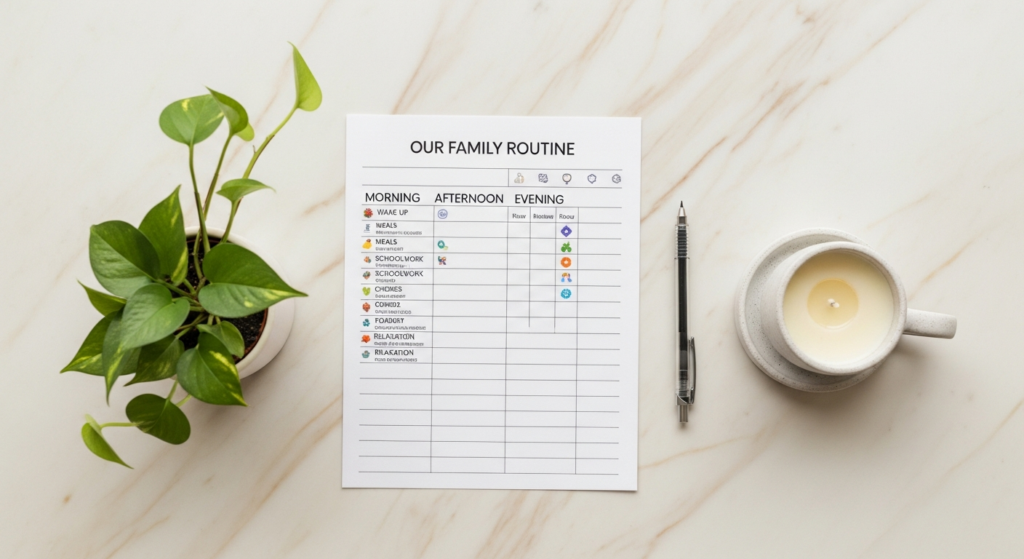
* Use a Family Calendar: A physical whiteboard or a shared digital calendar can be powerful tools. Block out time for your new wellness activities.
* Start Small and Build: Don’t overhaul your entire schedule. Integrate one new habit at a time. Once it feels natural, add another.
* Establish Non-Negotiables: Identify 1-2 key wellness activities that you commit to daily or weekly (e.g., family dinner, bedtime routine, morning movement).
* Flexibility within Structure: While consistency is key, life happens. Build in some wiggle room. If a scheduled activity gets missed, don’t throw in the towel; just get back on track the next day.
Step 4: Make It Fun & Age-Appropriate
Wellness shouldn’t feel like a chore. The more enjoyable it is, the more likely everyone will stick with it.
* Gamify It: Turn healthy habits into games. “Who can drink the most water today?” “Let’s see who can find the most different colored objects on our walk.”
* Offer Choices: Instead of demanding, “Eat your broccoli,” try, “Would you like broccoli or carrots with dinner?” For movement, “Should we bike or walk to the park today?”
* Tailor to Interests: If your child loves superheroes, make up a “superhero training” exercise routine. If they love art, create a gratitude jar and decorate it together.
Step 5: Be Flexible & Adaptable – The Art of Imperfection
Life is unpredictable. Your routine needs to be able to bend without breaking.
* Embrace Imperfection: There will be days when the routine goes awry. That’s okay! Don’t let a missed day derail your efforts.
* Regular Review & Adjustment: Schedule monthly or quarterly family meetings to discuss how the routine is working. What needs to change? What new wellness areas want to be explored?
* Listen to Feedback: Pay attention to how family members are feeling about the routine. If something isn’t working for someone, be open to adjusting.
Step 6: Lead by Example
As parents and caregivers, you are the most powerful role models.
* Practice What You Preach: If you want your kids to eat vegetables, they need to see you enjoying them. If you want them to be active, they need to see you moving your body.
* Talk About Your Own Wellness: Share your struggles and successes. “Mommy feels so much better when I get a good night’s sleep.” This normalizes the journey and makes wellness a shared value.
By following these steps, you’re not just creating a schedule; you’re cultivating a lifestyle of intentional well-being for your entire family.
Practical Strategies and Tools for Everyday Wellness
Building a family wellness routine is made easier with practical strategies and a few helpful tools. These aren’t about adding complexity but about streamlining healthy choices and making them more accessible.
For Nourishing Bodies:
* Meal Prep Power: Dedicate a block of time on the weekend to chop veggies, cook grains, batch cook proteins, or prepare healthy snacks. This makes weeknight meals a breeze.
* Healthy Snack Station: Keep a designated area in the fridge or pantry stocked with grab-and-go healthy options like washed fruit, pre-cut veggies, hummus, yogurt, or whole-grain crackers.
* Cooking Together: Even young children can help wash produce, stir ingredients, or set the table. Older kids can take on more complex tasks. This builds life skills and makes meals more appreciated.
* Recipe Rotation: Have a rotation of 5-7 go-to healthy family recipes that you know everyone enjoys. This reduces decision fatigue during busy weeks.
* Quality Water Bottles: Invest in good quality, reusable water bottles for every family member to encourage consistent hydration throughout the day.
For Active Living:
* Family Adventure Jar: Write down fun, active ideas on slips of paper (e.g., “go for a nature walk,” “have a dance party,” “bike to the park,” “play frisbee”). When you have free time, draw one out!
* Designated Play Zones: If you have outdoor space, ensure it’s safe and inviting for active play. Indoors, clear a space for spontaneous movement.
* Music Power: Create family-friendly playlists for dance parties, cleaning, or just getting everyone energized.
* Local Resources: Explore local parks, community centers, hiking trails, or libraries that offer active programs. Many are free or low-cost.
For Restful Sleep:
* Bedtime Story Hour: Make reading together a consistent part of the bedtime routine. It calms the mind and fosters connection.
* “Power Down” Hour: Implement a family-wide “power down” hour before bedtime where all screens are put away. Encourage quiet activities like reading, journaling, or drawing.
* Essential Oil Diffuser: A diffuser with calming essential oils like lavender or chamomile can create a soothing atmosphere in bedrooms.
* Blackout Curtains: For light-sensitive sleepers, blackout curtains can significantly improve sleep quality by blocking out external light.
For Emotional & Mental Well-being:
* Gratitude Jar/Journal: Have a jar where family members write down things they’re grateful for daily or weekly, then read them aloud. Alternatively, keep individual gratitude journals.
* Family “Highs and Lows”: During dinner or a family check-in, share one “high” (something positive) and one “low” (a challenge) from the day. This fosters empathy and open communication.
* Mindfulness Apps: Explore age-appropriate mindfulness or meditation apps (e.g., Calm, Headspace, Insight Timer) that offer guided exercises for stress reduction and focus.
* “Calm Down” Corner: Create a designated quiet space in your home where anyone can go to self-regulate when feeling overwhelmed. Stock it with books, fidget toys, or comfort items.
* Screen Time Rules & Tech-Free Zones: Establish clear boundaries for screen use, including specific times of day, locations (e.g., no phones at the dinner table), and total daily limits. Use parental control apps if needed.
* Emotion Cards: For younger children, emotion cards can help them identify and express how they’re feeling when they don’t yet have the words.
By integrating these practical strategies and tools, you can transform the abstract idea of “wellness” into concrete, actionable habits that seamlessly weave into the fabric of your family’s daily life.
Overcoming Obstacles and Staying Motivated
Let’s be real: creating and maintaining a family wellness routine isn’t always smooth sailing. Life throws curveballs – busy schedules, unexpected illnesses, growth spurts, or simply days when no one feels like cooperating. The key isn’t to avoid obstacles, but to anticipate them and develop strategies for navigating them with grace and resilience.
Obstacle 1: Time Constraints
“There just aren’t enough hours in the day!” This is a common refrain for modern families.
* Strategy: Prioritize and chunk. Identify 1-2 non-negotiable wellness activities and schedule them first. Even 10-15 minute bursts of activity or mindful moments can add up. Can you combine activities, like listening to an audiobook during a family walk? Look for pockets of time – before school, during commercials, or right before bed. Remember, small, consistent actions are more impactful than infrequent, grand gestures.
Obstacle 2: Resistance from Family Members (Especially Kids)
When enthusiasm wanes or outright refusal sets in, it can be frustrating.
* Strategy: Involve them in the “why” and the “how.” Revisit your shared goals. Offer choices within the routine (e.g., “Do you want to walk or bike today?” “Would you prefer apples or oranges for a snack?”). Make it fun and gamify activities. Sometimes, a break from the routine and revisiting it later with fresh eyes can help. Acknowledge their feelings, validate their resistance, and then gently redirect. “I know you don’t feel like going for a walk, but let’s try for just 15 minutes, and then we can watch that show.”
Obstacle 3: Lack of Motivation (Yours or Theirs)
Even the most well-intentioned plans can lose their sparkle over time.
* Strategy: Celebrate small wins! Acknowledge every step forward, no matter how tiny. Keep a visible tracker or chart to show progress. Reconnect with your “why” – remind yourselves of the benefits you’re reaping. Introduce novelty: try a new recipe, explore a different park, or learn a new family game. Sometimes, inviting friends or other families to join can provide an extra boost of motivation and social connection.
Obstacle 4: Unexpected Challenges and Setbacks
Illnesses, travel, school projects, or work deadlines can easily disrupt a routine.
* Strategy: Practice flexibility and self-compassion. Don’t view setbacks as failures, but as temporary detours. Instead of giving up, adapt. If you can’t do your usual family dinner, maybe it’s a picnic on the living room floor. If someone is sick, focus on rest and hydration, and resume other parts of the routine when able. The goal is progress, not perfection. Forgive yourselves for imperfect days and simply get back on track as soon as possible.
Obstacle 5: Budget Constraints
Wellness shouldn’t break the bank.
* Strategy: Focus on free or low-cost activities. Nature is free! Walks, hikes, playing at the park, backyard games, and dancing at home cost nothing. Cooking at home is often cheaper and healthier than eating out. Libraries offer free books, movies, and sometimes even wellness programs. Look for community events or free trials for fitness classes. Simple, whole foods are often more affordable than highly processed options.
Remember, building a family wellness routine is an ongoing journey, not a destination. It’s about cultivating habits that serve your family’s well-being over the long term. There will be good days and challenging days. What truly matters is your commitment to each other, your willingness to adapt, and the love you pour into creating a healthy, happy home. You’ve got this, and your family will thank you for it.