In the dynamic landscape of modern life, the home has increasingly become a central hub for both family life and professional endeavors. For many women, balancing the demands of a career with the joys and responsibilities of family is a delicate act, often requiring a dedicated space that supports productivity without sacrificing domestic harmony. At Veralyn Media, we understand that a well-designed environment is not just about aesthetics; it’s about fostering focus, nurturing well-being, and creating a sustainable work-life integration. As we navigate the evolving nature of work, especially looking ahead to 2026 and beyond, setting up a family home office that serves everyone’s needs becomes paramount. This comprehensive guide will walk you through every step, ensuring your home office is a sanctuary for productivity, a haven for health, and a space where family life can thrive alongside professional aspirations.

Defining Your Family Home Office Needs & Vision

Before you even think about moving furniture or buying equipment, the crucial first step in setting up a family home office is a thorough assessment of your unique needs and a clear vision for what you want to achieve. This isn’t just about finding a desk; it’s about designing a functional ecosystem that supports your work, your family, and your overall well-being.

Begin by evaluating your current living situation. How much space do you genuinely have available? Is there a spare room, a seldom-used dining area, or perhaps a large closet that could be repurposed? Consider the existing noise levels in different parts of your home throughout the day. If you have young children, understanding their daily routines – nap times, school schedules, and peak play hours – will significantly influence your choice of location and design. For women prioritizing their physical and mental health, minimizing constant interruptions is key to maintaining focus and reducing stress, which aligns perfectly with Womens Health Tips Every Woman Should Know, emphasizing the importance of dedicated self-care and stress management practices.

Next, identify the individual work requirements of each family member who will use the space. Do you require a quiet environment for video calls and focused tasks? Does your partner need multiple monitors for design work? Will your children need a designated area for homework or creative projects? Thinking about these specific needs early on can prevent future frustrations. For instance, if you’re a woman trying to conceive, creating a calm and organized workspace can significantly contribute to a stress-reduced lifestyle, which is often highlighted in Fertility Health Tips Women Trying Conceive as a crucial factor. A chaotic environment can elevate stress hormones, impacting overall health and reproductive well-being.

Consider the family dynamics. Are your children old enough to work independently, or will they require supervision while you work? Will the office need to transition from an adult workspace to a kid-friendly zone at different times of the day? Envision how the space will feel and function. Do you want it to be a vibrant, collaborative hub, or a serene, minimalist retreat? Sketching out these ideas, even roughly, can help solidify your vision. This foundational planning ensures that the resulting home office is not just a place to work, but a thoughtful extension of your home that supports every facet of your life, from professional growth to family harmony and personal health. By laying this groundwork, you set the stage for a truly effective and sustainable family home office for 2026 and beyond.

Choosing the Right Location & Layout

How To Set Up A Family Home Office

Once you’ve clearly defined your needs and vision, the next critical step is selecting the optimal location within your home and meticulously planning its layout. This decision will profoundly impact productivity, comfort, and the ability to maintain healthy boundaries between work and family life.

Dedicated Room vs. Multi-Purpose Space: The ideal scenario for many is a dedicated room that can be closed off, providing a clear separation and minimizing distractions. However, for most families, this isn’t always feasible. Don’t despair! A highly functional family home office can be carved out of existing spaces. Consider a rarely used dining room corner, a spacious landing, a converted closet, or even a section of the living room. The key is to create a sense of delineation, even if it’s not a physically separate room. This might involve using screens, bookshelves, or strategic furniture placement to create visual and auditory boundaries.

Leveraging Natural Light and Ventilation: Whenever possible, choose a location with ample natural light. Sunlight not only boosts mood and energy levels but also reduces eye strain and can improve sleep cycles. Position your desk to face a window if possible, or perpendicular to it to avoid glare. Ensure good ventilation to keep the air fresh and prevent stuffiness, which can lead to fatigue and reduced concentration. Good air quality is a subtle yet significant component of overall well-being, directly contributing to the proactive health measures suggested in Womens Health Tips Every Woman Should Know.

Minimizing Distractions: Proximity to high-traffic areas like the kitchen or main living room can lead to constant interruptions. If a quiet area isn’t available, consider strategies to mitigate noise, such as sound-absorbing panels, rugs, or even a white noise machine. For women balancing work and family, minimizing distractions is paramount for deep work and maintaining focus, which in turn reduces stress – a vital consideration for mental health and, for those trying to conceive, a key aspect of Fertility Health Tips Women Trying Conceive.

Ergonomics for All Users: The layout must prioritize ergonomics, especially if multiple family members will use the space. Invest in adjustable desks (standing desks are an excellent option for promoting movement throughout the day) and ergonomic chairs that can be customized for different heights and body types. Ensure monitors are at eye level and keyboards are at a comfortable height to prevent strain. Proper posture and comfort are not luxuries; they are essential for preventing musculoskeletal issues and maintaining long-term health, a fundamental aspect of comprehensive women’s health.

Zoning for Different Activities: Within the chosen space, think about creating distinct zones. A “work zone” for focused tasks, a “kids’ activity zone” for homework or creative play (integrating ideas from Kid Friendly Home Decor Ideas for safety and stimulation), and perhaps even a small “relaxation zone” with a comfortable chair for breaks. This multi-functional approach ensures the space serves the diverse needs of a busy family, promoting harmony and reducing conflict over shared resources. A well-planned layout not only enhances productivity but also significantly contributes to a more balanced and less stressful home environment, setting a positive tone for all family members as we move through 2026.

Essential Furniture & Equipment for Productivity

💡 Pro Tip

Equipping your family home office with the right furniture and technology is critical for maximizing productivity, ensuring comfort, and supporting the diverse needs of all users. This isn’t just about filling a space; it’s about making strategic investments that will pay dividends in efficiency and well-being, especially as we look to the evolving demands of 2026.

Desks: The Foundation of Your Workspace:
The choice of desk is paramount. For a family home office, consider:

  • Ergonomic Desks: Adjustable-height standing desks are highly recommended. They allow users to switch between sitting and standing, reducing sedentary time and promoting better circulation. This is a crucial element of Womens Health Tips Every Woman Should Know, as prolonged sitting has been linked to various health issues.
  • Sufficient Surface Area: Ensure enough space for monitors, keyboards, notebooks, and any other essential tools. If multiple people will use the desk, or if you need to spread out for creative projects, a larger surface is beneficial.
  • Multi-User Solutions: For shared spaces, a long communal desk or two smaller desks positioned back-to-back or side-by-side can work effectively.
  • Built-in Storage: Desks with integrated drawers or shelving can help keep the main work surface clutter-free.

Chairs: Investing in Your Back and Body:
An ergonomic office chair is not an optional extra; it’s an essential health investment.

  • Adjustability: Look for chairs with adjustable seat height, backrest tilt, lumbar support, and armrests. These features allow each user to customize the chair to their body, promoting proper posture and reducing strain.
  • Comfort and Support: A good chair should support the natural curve of your spine and provide adequate cushioning for long periods of sitting.
  • Durability: Choose a chair built to last, especially in a family environment where it might see heavy use.

Prioritizing ergonomic chairs directly supports long-term musculoskeletal health, a critical aspect of comprehensive women’s wellness, including preventing issues that could impact comfort during pregnancy or recovery, tying into broader Fertility Health Tips Women Trying Conceive by promoting overall physical well-being.

Storage Solutions: Conquering Clutter:
Clutter can be a major source of distraction and stress. Effective storage is key to maintaining an organized and calm environment.

  • Shelving Units: Open or closed shelving can house books, binders, and decorative items.
  • Filing Cabinets: Essential for organizing documents, whether physical or digital. A clean desk often starts with a robust filing system.
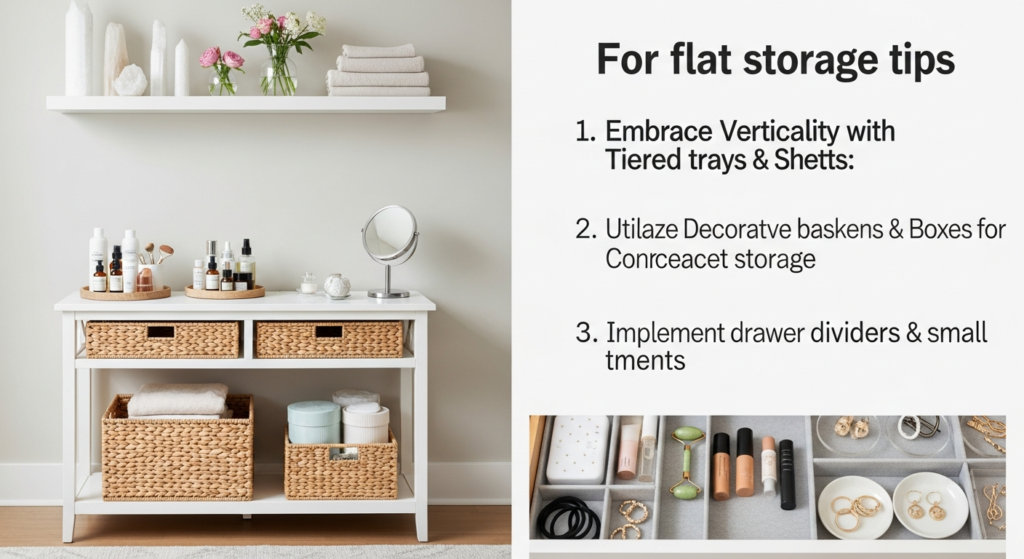
  • Drawers and Bins: Keep smaller items neatly tucked away. Labeling bins can make it easy for everyone in the family to find and return items.
  • Kid-Friendly Storage: Integrate colorful bins and low shelves for children’s supplies, drawing inspiration from Kid Friendly Home Decor Ideas to make organization fun and accessible for them.

Technology: The Heart of the Modern Office:
Reliable technology is non-negotiable for a productive home office in 2026.

  • High-Speed Internet: A robust and reliable internet connection is fundamental for remote work, online learning, and seamless communication.
  • Computer and Monitor(s): Invest in a computer that meets your performance needs. Dual monitors can significantly boost productivity for many tasks.
  • Printer/Scanner: A multi-function device is often a practical addition for documents and school projects.
  • Webcam and Microphone: High-quality peripherals are essential for professional video calls and online meetings.
  • Lighting: Beyond natural light, invest in good task lighting (e.g., an adjustable desk lamp) to reduce eye strain, especially during evening work.

Power Management & Cable Organization:
Don’t underestimate the importance of managing power and cables.

  • Surge Protectors: Protect your valuable electronics from power fluctuations.
  • Cable Management: Use cable ties, sleeves, or trays to keep cords tidy and out of sight. This not only looks professional but also prevents tripping hazards and makes cleaning easier.

By thoughtfully selecting and arranging these essential items, you create a functional, comfortable, and aesthetically pleasing family home office that supports the health and productivity of every member, setting the stage for success in 2026 and the years to come.

Creating a Kid-Friendly & Inspiring Environment

How To Set Up A Family Home Office

A family home office, by its very nature, must cater to more than just adult work. Integrating children into the space in a thoughtful and engaging way is crucial for maintaining harmony, fostering their development, and allowing parents to focus when needed. This section delves into how to create an environment that is both conducive to adult productivity and inspiring for children, drawing heavily on principles of Kid Friendly Home Decor Ideas to ensure safety, functionality, and aesthetic appeal.

Prioritizing Safety First:
When children are sharing or even just passing through the home office, safety is paramount.

  • Child-Proofing: Secure all heavy furniture to the wall to prevent tipping accidents. This includes bookshelves, filing cabinets, and even larger desks.
  • Cable Management: Loose cables are a tripping hazard and can be tempting for curious little hands. Utilize cable clips, sleeves, or management boxes to keep cords tidy and out of reach.
  • Electrical Outlets: Install outlet covers to prevent accidental shocks.
  • Sharp Objects & Hazardous Materials: Store scissors, staplers, sharp pencils, and any cleaning supplies or medicines in locked drawers or high shelves, completely inaccessible to children.

Designated Kids’ Zone: A Space for Their Own:
Even if space is limited, creating a distinct area for children within or adjacent to the home office can make a world of difference.

  • Age-Appropriate Activities: For younger children, this might mean a small table and chairs with art supplies, building blocks, or quiet puzzles. For older children, it could be a dedicated spot for homework, reading, or a personal device.
  • Creative & Educational Supplies: Keep a well-stocked supply of drawing paper, crayons, markers, non-toxic paints, and engaging books. These items, when organized in easy-to-access bins (another nod to Kid Friendly Home Decor Ideas), encourage independent play and learning.
  • Sensory Elements: Consider a soft rug, a comfortable beanbag, or even a small tent for quiet reading or imaginative play.
  • Personalization: Allow children to contribute to the decor of their zone with their artwork or favorite items to foster a sense of ownership and pride.

Interactive Elements & Engagement:
Beyond just having a separate zone, think about how the office can be a place of interaction and shared learning.

  • Whiteboards or Cork Boards: Install a large whiteboard or cork board that can be used by everyone. Adults can jot down ideas or to-do lists, while children can draw, practice letters, or display their achievements. This encourages collaborative creativity.
  • Shared Learning Resources: If appropriate, have a shared shelf with educational books or resources that both adults and children can access.
  • “Working Together” Moments: Frame tasks in a way that allows children to feel involved, even if they’re doing their own “work.” For example, “Mommy is working on her project, and you can work on yours!”

Incorporating Aesthetics for Inspiration:
The visual appeal of the space impacts everyone’s mood and motivation.

  • Colors: Choose a color palette that is calming yet stimulating. Soft blues, greens, and neutrals can create a serene backdrop, while pops of brighter colors can be introduced through accessories, art, or kid-friendly furniture.
  • Plants: Introduce indoor plants to improve air quality and add a touch of nature. Many plants are easy to care for and can boost mood and concentration. Just ensure they are non-toxic if you have very young children or pets.
  • Personal Touches: Display family photos, inspiring artwork, or objects that hold sentimental value. These personal elements make the space feel more inviting and less strictly utilitarian.
  • Durable & Washable Surfaces: Opt for furniture and flooring materials that are easy to clean and can withstand the inevitable spills and messes that come with children. This is a practical application of Kid Friendly Home Decor Ideas that prioritizes longevity and ease of maintenance.

Soundproofing Considerations:
While complete soundproofing may be unrealistic, consider ways to mitigate noise. Heavy curtains, area rugs, and strategically placed bookshelves filled with books can help absorb sound. If calls are frequent, a quiet corner or noise-canceling headphones for adults can be invaluable.
By thoughtfully blending the needs of adults with the natural energy and curiosity of children, your family home office can become a dynamic, productive, and truly inspiring space for everyone in 2026 and for years to come.

Optimizing for Focus, Well-being & Work-Life Harmony

A family home office is more than just a collection of furniture and technology; it’s a dedicated environment that profoundly impacts your ability to focus, your overall well-being, and the delicate balance of work-life harmony. At Veralyn Media, we recognize that true productivity stems from a holistic approach to health. Therefore, optimizing this space to support mental, emotional, and physical health is just as important as choosing the right desk. This section will guide you through strategies to ensure your home office fosters sustained focus, promotes well-being, and strengthens work-life boundaries, aligning with key Womens Health Tips Every Woman Should Know and crucial Fertility Health Tips Women Trying Conceive.

Strategic Time Management: Setting Boundaries and Routines:
One of the biggest challenges in a home office is the blurring of lines between work and personal life.

  • Block Scheduling: Dedicate specific blocks of time for focused work, family time, and personal activities. Communicate these blocks to your family to minimize interruptions.
  • Deep Work Periods: Identify your peak productivity hours and protect them fiercely. During these times, minimize distractions, turn off non-essential notifications, and signal to your family that you need uninterrupted focus.
  • Start and End Times: Establish clear “start” and “end” times for your workday. Just as you would commute to an office, create a mental or physical transition to signal the beginning and end of work. This helps prevent work from spilling into evenings and weekends.
  • Digital Detox: Schedule periods to step away from screens, especially before bedtime. This promotes better sleep, a cornerstone of Womens Health Tips Every Woman Should Know.

Physical Boundaries & Visual Cues:
Even without a separate room, you can create psychological and physical boundaries.

  • Visual Separation: Use screens, plants, or furniture arrangements to visually separate your workspace from the rest of the home.
  • “Office Mode” Rituals: Change into work attire (even if it’s just smart casual), open a specific window, or play a particular playlist to signal to your brain that it’s time to work. Similarly, have an “end of day” ritual like tidying your desk, closing your laptop, and walking away.
  • Door Policy: If you have a door, communicate its meaning. A closed door might mean “do not disturb unless urgent,” while an open door signals availability.

Incorporating Movement and Breaks:
Prolonged sitting is detrimental to health. Your office setup should encourage regular movement.

  • Scheduled Breaks: Set alarms to remind yourself to take short breaks every hour. Stand up, stretch, walk around, or grab a glass of water.
  • Standing Desk: An adjustable standing desk is an excellent investment, allowing you to alternate between sitting and standing, improving circulation and reducing back pain.
  • Mini-Movement Sessions: Incorporate simple stretches or quick yoga poses into your breaks. Even a few minutes of movement can re-energize your body and mind. This proactive approach to physical health is a vital part of Womens Health Tips Every Woman Should Know.

Mindfulness and Stress Reduction within the Office:
A calm mind is a productive mind. Design your office to support mental well-being.

  • Declutter Regularly: A tidy workspace contributes to a tidy mind. Schedule short, regular decluttering sessions.
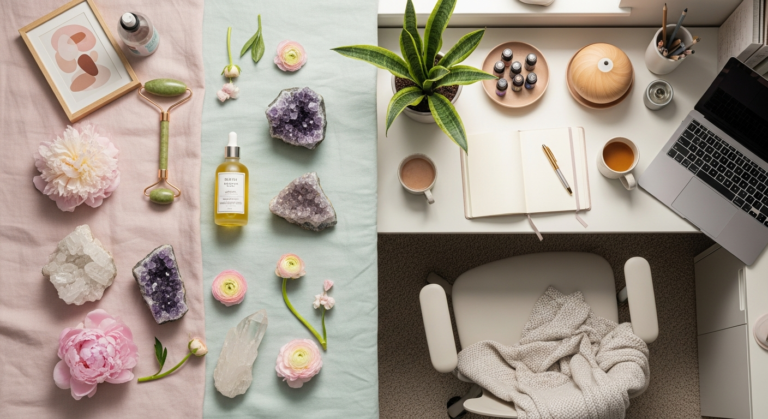
  • Natural Elements: Incorporate plants, natural light, and calming colors. These elements have been shown to reduce stress and improve focus.
  • Mindful Moments: Keep a small diffuser with essential oils (lavender for calm, peppermint for focus) or a smooth stone for tactile mindfulness. Take a few deep breaths before starting a new task or after a challenging call. Managing stress effectively is a critical component of Fertility Health Tips Women Trying Conceive, as chronic stress can negatively impact hormonal balance and overall reproductive health.
  • Positive Affirmations/Inspiration: Display inspiring quotes, artwork, or photos that uplift you and remind you of your goals and values.

Nutrition and Hydration: Fueling Your Focus:
Don’t let the convenience of working from home lead to unhealthy habits.

  • Keep Water Handy: Always have a reusable water bottle on your desk to ensure consistent hydration throughout the day.
  • Healthy Snacks: Stock your office (or a nearby kitchen area) with nutritious snacks like fruits, nuts, and yogurt to avoid unhealthy cravings and energy slumps.
  • Planned Meals: Take proper meal breaks away from your desk. This not only aids digestion but also provides a much-needed mental break. Prioritizing consistent nutrition and hydration supports overall energy levels and bodily functions, which is fundamental to general women’s health and particularly important for those focusing on fertility.

By intentionally integrating these practices and design choices, your family home office for 2026 will transform from a mere workspace into a powerful tool for enhanced focus, profound well-being, and a harmonious integration of your professional and personal life. This holistic approach ensures that you are not just productive, but truly thriving.

Future-Proofing Your Family Home Office for 2026 and Beyond

As we navigate the rapidly evolving landscape of work and family life, designing a home office that can adapt to future changes is a smart and sustainable strategy. The year 2026 is just around the corner, and the pace of technological advancement and shifts in how we work only continues to accelerate. Future-proofing your family home office means creating a versatile, scalable, and environmentally conscious space that can meet the needs of tomorrow as effectively as it does today. This forward-thinking approach ensures longevity and continued support for your family’s health and productivity.

Scalability and Adaptability: Growing with Your Family and Career:
The needs of your family and your professional life are rarely static.

  • Flexible Furniture: Invest in modular furniture that can be reconfigured or expanded. Desks that can be combined or separated, and shelving units that can be added onto, offer excellent adaptability.
  • Multi-Functional Zones: Design areas that can serve multiple purposes. A child’s play zone today might become a quiet study nook for a teenager tomorrow, or even a secondary workstation. Consider furniture that folds away or can be easily moved to transform the space.
  • Adjustable Components: Prioritize items like adjustable-height desks and chairs that can grow with children or accommodate different adult users. This ensures ergonomic comfort for everyone at every stage.
  • Easy Reconfiguration: Can the layout be easily changed? Think about how furniture can be rearranged to create more privacy, accommodate new equipment, or simply refresh the space to boost morale.

Anticipating Technology Upgrades:
Technology is constantly evolving. Your office should be ready for what’s next.

  • Ample Power Outlets: Ensure you have more power outlets than you currently need, strategically placed. This prevents the need for unsightly extension cords and power strips as new devices are introduced.
  • Integrated Cable Management: Build in robust cable management solutions from the outset. Ducts, grommets, and hidden channels keep wires tidy and make it easier to swap out old tech for new without a messy overhaul.
  • Network Infrastructure: Consider hardwired Ethernet ports in addition to Wi-Fi, especially for critical devices or areas where Wi-Fi might be unreliable. This ensures a stable and fast connection for high-bandwidth activities like video conferencing or large file transfers.
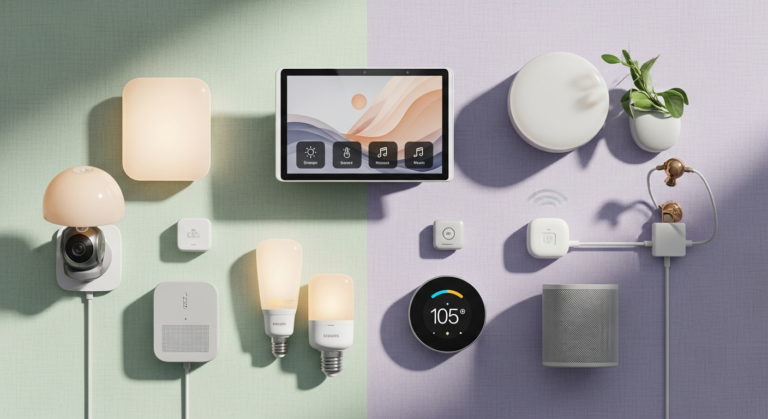
  • Smart Home Integration: Explore smart lighting, thermostats, or voice assistants that can enhance comfort, energy efficiency, and control within your workspace, streamlining daily operations.

Sustainability and Eco-Friendly Choices:

Making environmentally conscious decisions benefits both the planet and your family’s health.

  • Sustainable Materials: Choose furniture made from recycled, reclaimed, or sustainably sourced materials. Look for certifications like FSC (Forest Stewardship Council) for wood products.
  • Energy Efficiency: Opt for energy-efficient electronics (e.g., Energy Star certified appliances). Use LED lighting, which consumes less power and lasts longer. Maximize natural light to reduce the need for artificial lighting during the day.
  • Non-Toxic Products: Select paints, finishes, and furniture that are low in VOCs (Volatile Organic Compounds) to ensure good indoor air quality. This is a critical consideration for Womens Health Tips Every Woman Should Know and Fertility Health Tips Women Trying Conceive, as exposure to certain chemicals can impact overall health and reproductive well-being.
  • Durability: Investing in high-quality, durable items reduces the need for frequent replacements, minimizing waste.

Flexibility and Multi-Functionality:

Every item in a future-proofed family home office should earn its place.

  • Mobile Furniture: Furniture on wheels (e.g., filing cabinets, side tables) allows for quick rearrangement and flexibility.
  • Convertible Pieces: Consider items like a sofa bed that can serve as seating during the day and an extra bed for guests, or a dining table that doubles as a large work surface.
  • Vertical Space Utilization: Maximize vertical storage with tall shelving units or wall-mounted organizers to keep floor space clear and adaptable. This is also a smart strategy for Kid Friendly Home Decor Ideas to keep items out of reach while maximizing play area.

Regular Review and Reorganization:
Future-proofing isn’t a one-time task; it’s an ongoing process.

  • Annual Audit: Schedule an annual review of your office setup. Assess what’s working, what’s not, and what new needs have emerged.
  • Decluttering Routine: Implement a regular decluttering schedule to prevent accumulation and ensure the space remains functional and inspiring.
  • Feedback Loop: Encourage family members to provide feedback on how the office is serving their needs. This collaborative approach ensures the space evolves effectively for everyone.

By embracing these principles of adaptability, sustainability, and thoughtful design, your family home office will not only meet the demands of 2026 but will also stand as a resilient and supportive environment for your family’s professional and personal growth for many years to come.

Frequently Asked Questions

Q1: How do I create a home office if I don’t have a spare room?
A1: You absolutely can! Many families create highly functional home offices in multi-purpose spaces. Consider a corner of your living room, a section of a dining room, a wide hallway, or even a repurposed closet. The key is to create a sense of delineation. Use visual cues like a rug, a room divider, a tall bookshelf, or even a strategically placed plant to define your workspace. Opt for furniture that can be easily folded away or serves multiple purposes. For instance, a console table can double as a desk, or a small writing desk can fit neatly into an unused alcove. Maximizing vertical space with wall-mounted shelves can also help keep your work items organized without taking up precious floor space, a concept often seen in smart Kid Friendly Home Decor Ideas for maximizing play areas.
Q2: What are essential ergonomic items for a shared family office?
A2: Ergonomics are paramount for preventing discomfort and long-term health issues, especially in a shared space. Essential items include:

Adjustable-Height Desk: A standing desk allows different users (and children as they grow) to customize the height, promoting varied postures.
Ergonomic Chairs: Invest in chairs with multiple adjustment options (seat height, backrest tilt, lumbar support, armrests) to fit various body types.
Monitor Arms: These allow monitors to be easily adjusted for height and distance, ensuring screens are at eye level for each user.
External Keyboard and Mouse: These separate from a laptop allow for a more natural arm and wrist position.
Footrest: For shorter individuals, a footrest can ensure feet are flat on the floor, providing proper leg support.

Prioritizing these items supports the physical well-being emphasized in Womens Health Tips Every Woman Should Know, preventing strain and promoting healthier working habits for all.

Q3: How can I keep my family home office organized with kids around?
A3: Organization is key to maintaining sanity in a family home office.

Designated Zones: Create specific zones for adult work and children’s activities. Use clear boundaries for each.
Kid-Friendly Storage: Implement accessible, labeled storage for children’s items (art supplies, toys, homework). Colorful bins, low shelves, and open cubbies work well, aligning with practical Kid Friendly Home Decor Ideas.
“Everything Has A Home”: Teach everyone the principle that every item has a specific place. Regular tidying sessions (even 5-10 minutes daily) can prevent clutter from accumulating.
Vertical Storage: Utilize wall shelves, pegboards, and drawer organizers to keep surfaces clear and maximize space.
Digital Organization: Encourage digital filing for documents and photos to reduce paper clutter.

A consistent routine and clear expectations are vital for long-term organization.

Q4: What’s the best way to manage distractions in a family home office?
A4: Managing distractions requires a multi-faceted approach:

Physical Boundaries: If possible, use a door. If not, screens, bookshelves, or even noise-dampening curtains can create visual separation.
Time Blocking: Schedule specific “deep