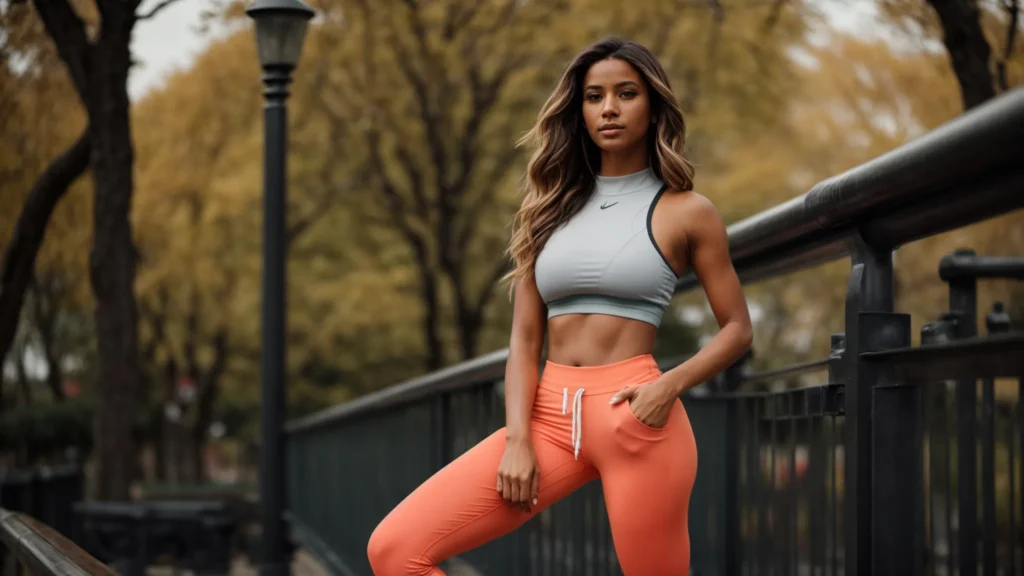
In recent years, athleisure has transformed from a niche fashion statement into a dominant trend that seamlessly combines comfort with style. This trend reflects a broader shift in consumer preferences towards versatile clothing that accommodates both active lifestyles and casual settings. As agencies navigate the dynamic world of fashion marketing, understanding the nuances of athleisure can provide critical insights into audience segmentation analysis and brand equity measurement. This article explores the rise of athleisure, its integration into everyday fashion, the role of social media in shaping trends, and its significant impact on the fitness industry and lifestyle choices.
The Rise of Athleisure Culture in Everyday Fashion
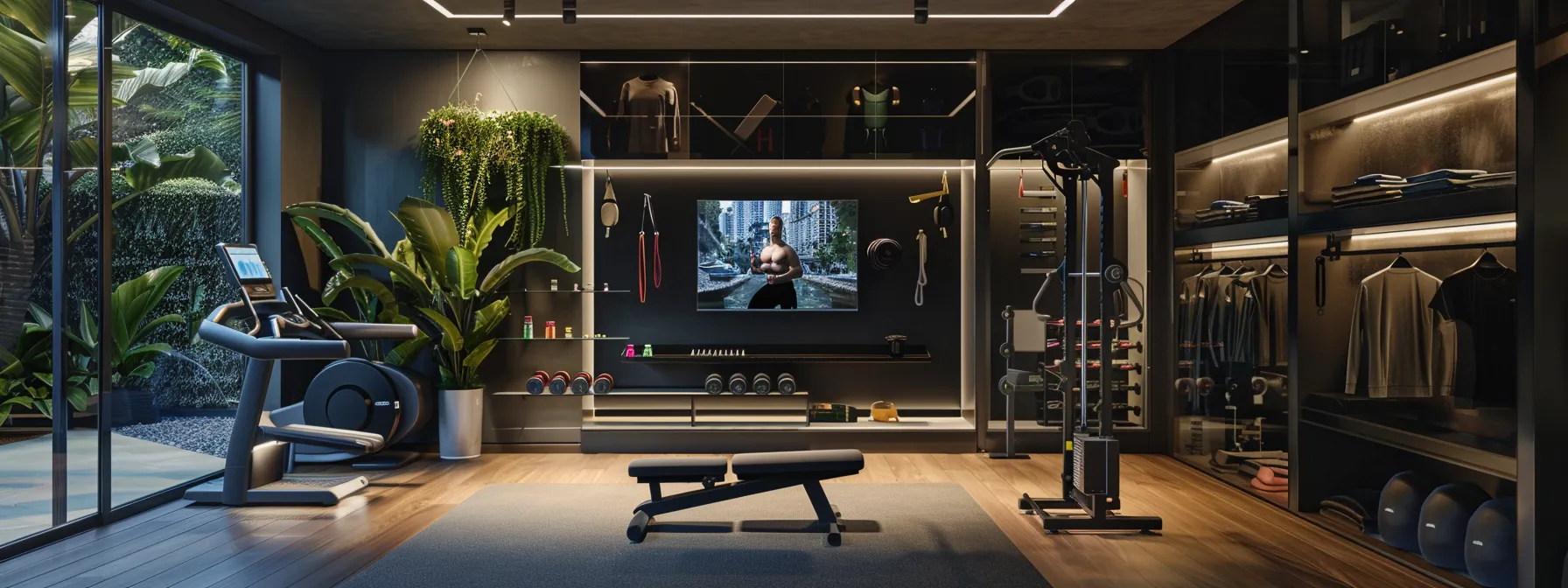
Athleisure has become a staple in modern wardrobes, blurring the lines between gym wear and casual attire. This shift can be attributed to a growing desire for clothing that supports both fitness routines and daily activities. Agencies specializing in integrated marketing communications (IMC) play a pivotal role in crafting campaigns that highlight the dual functionality of athleisure. By utilizing a comprehensive media mix model, these agencies can effectively target audiences who prioritize both style and utility in their clothing choices. Moreover, the rise of remote work has further fueled the demand for Smart Home Gym Equipment. With more individuals working from home, the need for professional yet comfortable attire has never been greater. This transition is evident in the increased emphasis on creative briefs that focus on flexibility and adaptability in fashion design.
Blending Comfort and Style: The Athleisure Aesthetic
The athleisure aesthetic is characterized by its blend of comfort and style, making it an appealing choice for a wide range of consumers. This aesthetic shift requires agencies to consider new strategies in their client onboarding process, ensuring that branding aligns with the evolving consumer mindset. By leveraging brand archetypes, agencies can create campaigns that resonate with audiences who value both aesthetics and functionality.
For example, brands that successfully integrate elements of athleisure into their product lines often see an increase in brand loyalty and customer engagement. A well-executed attribution model can help measure the effectiveness of these campaigns, providing valuable insights into consumer behavior and preferences.
Influence of Social Media on Athleisure Trends
Social media platforms have become powerful tools in shaping and spreading athleisure trends. Influencers and celebrities frequently showcase their athleisure outfits, driving consumer interest and engagement. As a result, agencies must adapt their agile campaign management strategies to keep pace with rapidly changing trends and consumer demands.
By utilizing a KPI dashboard, agencies can track the performance of social media campaigns and make data-driven decisions to optimize their approach. This allows for more effective funnel optimization, ensuring that messaging resonates with target audiences and drives conversions.
Athleisure’s Impact on the Fitness Industry and Lifestyle Choices
Athleisure’s influence extends beyond fashion, significantly impacting the fitness industry and lifestyle choices. The accessibility and appeal of athleisure have encouraged more individuals to incorporate fitness into their daily routines. This trend is reflected in the growing popularity of Smart Home Gym Equipment, which offers convenient, at-home workout solutions that complement the athleisure lifestyle.
Furthermore, the integration of digital asset management (DAM) systems allows agencies to efficiently manage and distribute marketing materials, enhancing their ability to promote athleisure products and services. By focusing on conversion rate optimization (CRO), agencies can maximize the impact of their campaigns, driving sales and building brand loyalty.
Conclusion
Athleisure’s rise is a testament to the evolving intersection of fashion and fitness in modern lifestyles. For agencies, understanding this trend offers opportunities to craft targeted, effective marketing strategies that resonate with consumers seeking both style and functionality. By embracing the potential of athleisure, agencies can enhance their client offerings, drive engagement, and ultimately contribute to their clients’ success in an ever-changing market landscape.