Laying the Foundation: Vision, Niche, and Core Values
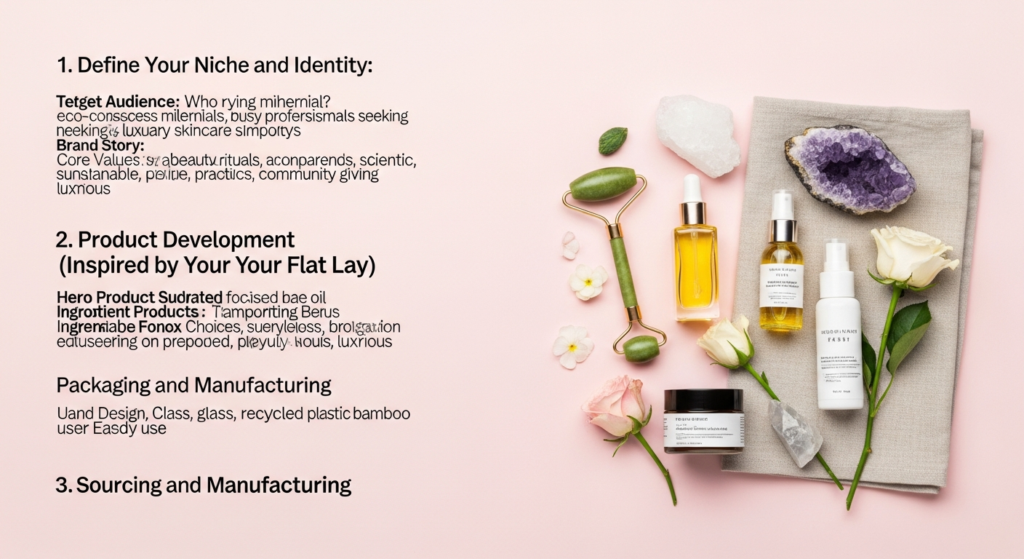
Before you even think about ingredients or packaging, the very first step in launching your beauty product line is to establish a rock-solid foundation built on vision, a defined niche, and unwavering core values. Think of it much like embarking on a major home renovation project. You wouldn’t start knocking down walls without a clear blueprint, a budget, and a precise understanding of the aesthetic and functionality you aim to achieve. Similarly, your beauty brand needs a compelling “why,” a unique identity that resonates deeply with your target audience, and a set of guiding principles that inform every decision you make.
Start by asking yourself: Why do I want to launch this beauty line? What problem am I solving, or what unique experience am I offering? Your “why” is your North Star. It’s what will keep you motivated through challenges and differentiate you from the myriad of existing brands. For Veralyn Media readers, this often ties back to a desire for cleaner, safer, more effective products that respect both personal health and the planet. Perhaps you’re passionate about addressing specific skin concerns with natural ingredients, promoting body positivity through inclusive shades, or championing sustainable packaging solutions. Whatever your motivation, articulate it clearly.
Next, define your niche. The beauty market is vast, so attempting to appeal to everyone often results in appealing to no one. Who is your ideal customer? Is she a busy professional seeking efficient, results-driven skincare? A young mother looking for gentle, non-toxic options for herself and her children? A wellness enthusiast who prioritizes organic, wild-crafted ingredients? Understanding her demographics, psychographics, and purchasing habits will enable you to tailor your products, messaging, and marketing efforts effectively. This laser focus helps you build a loyal community rather than just a customer base.
Your core values are the ethical and philosophical bedrock of your brand. These might include transparency in ingredients, cruelty-free practices, sustainability, ethical sourcing, inclusivity, or a commitment to giving back. In today’s conscious consumer landscape, especially among health-aware women, authenticity and alignment with values are paramount. Consumers want to support brands that reflect their own principles. Document these values and ensure they are genuinely integrated into every facet of your business, from product development and supply chain to marketing and customer service. They are not just buzzwords; they are the soul of your brand. Conduct thorough market research to identify gaps, emerging trends, and what your competitors are doing well—or not so well. This research will validate your niche and inform your product development, ensuring your offerings are both desired and distinctive. This foundational work, while seemingly abstract, is the most crucial step, providing the strategic clarity needed to build a beauty line that is both successful and deeply fulfilling.
The Science of Beauty: Product Development and Formulation
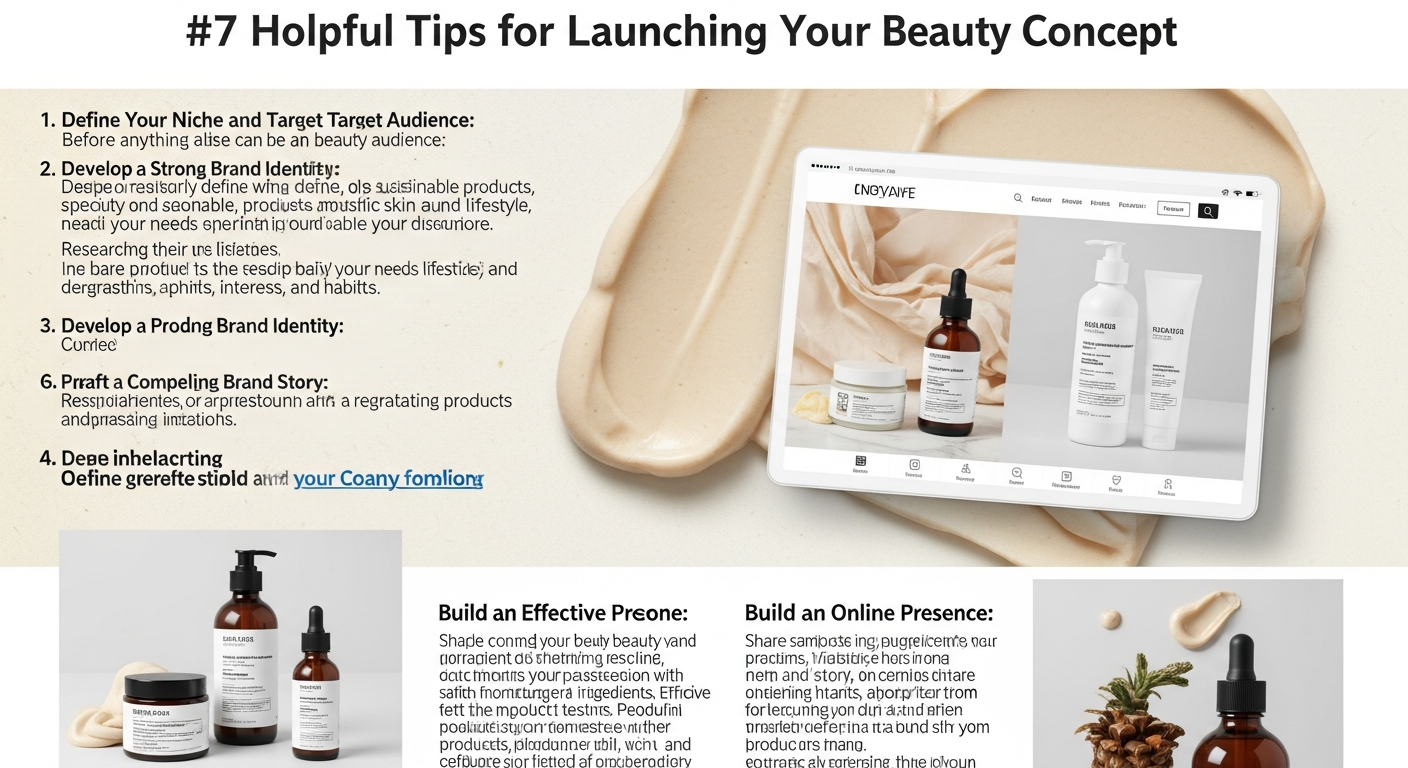
With your vision and niche firmly established, the exciting, intricate world of product development and formulation awaits. This stage is where your concepts begin to take tangible form, transforming ideas into products that are not only effective and beautiful but also safe and aligned with your brand’s health-conscious values. It’s a journey that demands meticulous attention to detail, a commitment to quality, and an understanding of both scientific principles and regulatory requirements.
The heart of any beauty product lies in its ingredients. For a health-focused brand, this means prioritizing clean, efficacious, and ethically sourced components. Research ingredients thoroughly, understanding their benefits, potential sensitivities, and origins. Are you aiming for organic, natural, plant-based, or synthetic-free formulations? Investigate suppliers who can provide high-quality, traceable ingredients that meet your standards. This might involve delving into certifications for organic status, fair trade practices, or sustainable harvesting. Remember, transparency about your ingredients is a cornerstone for building trust with your health-conscious audience. They want to know exactly what they’re putting on their skin.
Formulation itself can take several paths. You might have a background in chemistry or cosmetology and choose to develop formulations yourself, starting with small batches and iterating through extensive testing. Alternatively, and often more practically for new entrepreneurs, you can work with a reputable cosmetic chemist or a contract manufacturer. These professionals have the expertise, equipment, and access to a wider range of ingredients to turn your vision into a stable, effective, and safe product. When collaborating, be very clear about your desired ingredient profile (e.g., no parabens, sulfates, phthalates), performance expectations, scent profiles, and texture preferences. They can guide you through the complexities of emulsifiers, preservatives, active ingredients, and pH balance.
Regulatory compliance is non-negotiable. In the United States, the Food and Drug Administration (FDA) regulates cosmetics, requiring them to be safe for their intended use and properly labeled. You’ll need to understand labeling requirements (ingredient lists, warnings, net quantity), good manufacturing practices (GMPs), and claims substantiation. Making claims like “reduces wrinkles by X%” requires scientific evidence. Failing to adhere to these regulations can lead to costly fines, product recalls, and severe damage to your brand’s reputation. It’s a crucial aspect that, much like adjusting to retirement from handling finances, requires diligent research and perhaps even professional advice to ensure all your ducks are in a row from the start.
Safety and efficacy testing are paramount. Before any product reaches a consumer, it should undergo stability testing (to ensure it remains stable under various conditions), microbial testing (to check for contamination), and often, dermatologist testing or allergy testing, especially if you claim your products are suitable for sensitive skin. Consumer perception testing, where a panel of users tries the product and provides feedback, is also invaluable for refining the formula and ensuring it delivers on its promises. Finally, consider your packaging. It needs to be functional, protecting the integrity of the product, but also aesthetically pleasing and reflective of your brand. For health-conscious women, eco-friendly and sustainable packaging options (recycled content, refillable systems, minimal plastic) are increasingly important and can be a significant differentiator for your brand in 2026.
Building Your Brand: Identity, Story, and Digital Presence
Your brand identity encompasses everything from your company name and logo to your visual aesthetics and brand voice. Choose a name that is memorable, relevant to your niche, and ideally, available for trademarking and as a domain name. Your logo should be professionally designed, versatile, and instantly recognizable, encapsulating the essence of your brand. Develop a consistent visual identity that includes a color palette, typography, and imagery style. Are you sleek and modern, earthy and organic, or vibrant and playful? These elements should be consistent across all your touchpoints, from your website and social media to your product packaging and marketing materials.
Beyond the visuals, cultivate your brand story. This is the narrative that explains who you are, what you believe in, and why your products exist. Your story should be authentic, relatable, and inspiring, especially for health-conscious women who appreciate genuine connections. Perhaps it’s a personal journey of overcoming a skin challenge, a passion for ancestral beauty rituals, or a commitment to sustainable innovation. Share your “why” in a way that resonates emotionally. A compelling story builds trust and loyalty, turning customers into advocates.
In today’s digital age, your online presence is your storefront, your customer service hub, and your primary marketing channel. Invest in a professional, user-friendly e-commerce website. This is your brand’s home base, where customers can learn about your story, browse products, make purchases, and access valuable content. Ensure it’s optimized for mobile devices, secure, and provides a seamless shopping experience. High-quality product photography and engaging descriptions are non-negotiable here.
Social media is indispensable for building community and brand awareness. Identify the platforms where your target audience spends most of their time (e.g., Instagram for visuals, TikTok for short-form video, Pinterest for inspiration). Develop a content strategy that goes beyond simply selling products. Share behind-the-scenes glimpses, ingredient deep dives, beauty tips, tutorials, and user-generated content. Engage with your followers, respond to comments, and foster a sense of belonging. Content marketing, through a blog on your website, can further establish your authority and connect with health-conscious consumers seeking informed choices. Write articles on topics related to clean beauty, ingredient benefits, holistic wellness, or even how your products fit into a healthy lifestyle. This provides value, drives organic traffic, and positions you as a trusted resource. Building this digital ecosystem is akin to planning a successful family RV road trip – you need a well-mapped route, reliable navigation tools, and engaging activities to keep everyone happy and connected throughout the journey.
Navigating the Logistics: Operations, Production, and Supply Chain
Behind every beautifully branded beauty product is a complex network of operations, production, and supply chain management. This logistical backbone is critical to bringing your vision to life and ensuring that your products are consistently manufactured, stocked, and delivered to your customers. Neglecting this aspect can quickly derail even the most promising beauty line. It requires diligent planning and a keen eye for detail, much like carefully managing finances when adjusting to retirement – every penny counts, and long-term sustainability depends on smart decisions.
The first major logistical decision is how your products will be manufactured. You have several options:
- In-house Production: If starting small and with simple formulations, you might produce products yourself. This offers maximum control but can be time-consuming and challenging to scale.
- Contract Manufacturers: This is a popular choice for many new brands. A contract manufacturer handles the production process from sourcing ingredients to filling and packaging, often working with your formulations or helping to develop them. Choose a manufacturer with a strong reputation for quality, adherence to Good Manufacturing Practices (GMPs), and experience with the type of products and ingredients you prioritize (e.g., natural, organic).
- Private Label/White Label: Some manufacturers offer pre-formulated products that you can brand as your own. This is quicker and less expensive to start but offers less differentiation and control over formulation.
Whichever route you choose, establish clear communication, negotiate contracts carefully, and conduct regular quality checks.
Inventory management is another critical component. You need to forecast demand accurately to avoid both overstocking (which ties up capital and risks product expiry) and understocking (which leads to missed sales and frustrated customers). Implement an inventory tracking system, even if it’s a simple spreadsheet initially, to monitor stock levels, sales velocity, and reorder points. Consider factors like lead times from your suppliers and manufacturers when planning your inventory.
Fulfillment and shipping are the final steps in getting your product into your customers’ hands. You can handle fulfillment yourself by packing and shipping orders from your home or office. This offers control but becomes resource-intensive as you grow. Alternatively, you can partner with a third-party logistics (3PL) provider. A 3PL stores your inventory, picks and packs orders, and handles shipping, freeing up your time to focus on other aspects of your business. Research different carriers and shipping options to find the best balance of cost, speed, and reliability for your products and target market. Think about sustainable packaging for shipping too – recyclable materials, minimal void fill, and efficient box sizes can enhance your brand’s eco-conscious image.
Legal aspects are paramount. Beyond product regulations, you’ll need to register your business (e.g., LLC, sole proprietorship), obtain any necessary local permits, and potentially trademark your brand name and logo to protect your intellectual property. Consult with legal professionals to draft solid contracts with manufacturers, suppliers, and any partners. Understanding product liability insurance is also crucial to protect your business in case of unforeseen issues.
Finally, financial planning underpins all operations. Develop a detailed budget that accounts for startup costs (formulation, testing, initial inventory, packaging, website), ongoing operational expenses (manufacturing, shipping, marketing, salaries), and projected revenue. Establish a pricing strategy that covers your costs, aligns with your brand’s perceived value, and allows for profitability. Monitor your cash flow rigorously. Just as you would plan for long-term health in retirement, ensuring your business’s financial health requires proactive management and constant oversight to ensure sustainability and growth well into 2026.
The Grand Reveal: Launch Strategy and Marketing
After months or even years of meticulous planning, product development, and logistical arrangements, the moment for your beauty line’s grand reveal finally arrives. This launch phase is incredibly exciting, akin to the highly anticipated start of a family RV road trip after all the planning, packing, and route mapping are complete. You’ve prepared everything, and now it’s time to hit the road with confidence and a clear destination. A well-executed launch strategy is crucial for generating buzz, attracting your first customers, and establishing your brand’s presence in the market.
Begin with a pre-launch buzz campaign to build anticipation and excitement. This involves strategically teasing your upcoming products and brand story across your digital channels. Use social media to share sneak peeks of product packaging, glimpses of your formulation process, or snippets of your brand philosophy. Run contests or giveaways to collect email addresses and generate early interest. Create a “coming soon” page on your website where visitors can sign up for exclusive launch updates, early access, or special introductory offers. This builds a foundational audience eager to purchase on day one.
Your actual launch event or campaign can be executed in various ways, depending on your budget and brand style. For a purely digital brand, this might involve a coordinated social media takeover, an engaging live stream, or a series of email blasts announcing availability. If you have the resources, a physical launch event (a pop-up, a media preview, or a partnership with a boutique) can create memorable experiences and generate valuable press. Whatever the format, ensure your messaging is consistent, compelling, and clearly communicates your brand’s unique value proposition and the benefits of your products, particularly for health-conscious consumers.
Public relations (PR) and influencer collaborations are powerful tools for gaining visibility and credibility. Reach out to beauty editors, wellness bloggers, and journalists who align with your brand’s values. Craft a compelling press release and send out product samples. For influencer marketing, identify individuals whose audience matches your target demographic and who genuinely resonate with your brand’s ethos. Authentic partnerships, where influencers truly love and use your products, are far more effective than transactional endorsements. Offer them exclusive early access, personalized product bundles, or affiliate commissions to incentivize genuine promotion.
Paid advertising can provide a significant boost, especially during launch. Platforms like Facebook, Instagram, and Google offer sophisticated targeting capabilities, allowing you to reach specific demographics interested in clean beauty, natural ingredients, or particular skin concerns. Start with a modest budget, test different ad creatives and messages, and continually optimize your campaigns based on performance data. Email marketing remains one of the most effective channels for nurturing leads and driving sales. Develop a series of welcome emails for new subscribers, share product updates, offer exclusive discounts, and provide valuable content that reinforces your brand’s expertise and commitment to wellness.
Finally, encourage and leverage customer testimonials and reviews from the very beginning. Social proof is incredibly powerful. Implement a system for collecting reviews on your website and product pages. Actively engage with customers who share their experiences on social media. Positive reviews build trust and persuade potential buyers, creating a ripple effect that amplifies your launch efforts. The launch isn’t just a single event; it’s the culmination of your journey and the beginning of your brand’s story in the market, requiring sustained effort and strategic adaptation to navigate the path ahead successfully.
Post-Launch Growth: Customer Loyalty and Scaling
The successful launch of your beauty product line is a monumental achievement, but it’s just the beginning. The real work of building a sustainable and thriving business lies in fostering customer loyalty and strategically scaling your operations. This post-launch phase is where your brand truly matures, evolving from a new entrant to a trusted staple in the lives of health-conscious women. It requires ongoing engagement, adaptability, and a commitment to continuous improvement, much like the commitment to staying on top of your health and financial wellbeing during retirement – consistency and proactive adjustments are key to long-term success.
At the heart of sustained growth is exceptional customer service. Your initial customers are your most valuable assets; their feedback and loyalty will shape your future. Be responsive, empathetic, and proactive in addressing their needs and concerns. Implement clear channels for support (email, live chat, phone) and empower your team (or yourself) to resolve issues efficiently and gracefully. Personalized communication, follow-up emails, and even handwritten thank-you notes can create memorable experiences that turn first-time buyers into lifelong advocates.
Continue building and nurturing your community. Engage actively on social media, ask for feedback, run polls, and create interactive content that encourages dialogue. Consider creating a private online group (e.g., on Facebook or Discord) where your most loyal customers can connect, share tips, and provide exclusive insights. Loyalty programs, where customers earn points for purchases that can be redeemed for discounts or exclusive products, are also highly effective in retaining customers and encouraging repeat business.
Product iteration and new product development should be informed by customer feedback and market trends. Pay close attention to what your customers are saying about your existing products – what they love, what they wish for, and any suggestions for improvement. This feedback loop is invaluable for refining formulas, adjusting packaging, and identifying opportunities for new product launches. Perhaps your audience is asking for a fragrance-free version of a popular serum, or a complementary product to complete a skincare regimen. Staying attuned to these desires ensures your product line remains relevant and exciting, especially in the fast-evolving beauty landscape of 2026.
As demand for your products grows, you’ll need to strategically scale your operations. This might involve increasing production volumes with your manufacturers, expanding your inventory storage, or upgrading your fulfillment processes. Review your supply chain regularly to ensure it can handle increased orders without compromising quality or efficiency. Explore opportunities to expand your reach, perhaps by entering new retail channels (boutiques, specialty stores, online marketplaces) or even considering international markets. Each scaling decision should be carefully analyzed for its financial implications and operational feasibility, much like assessing potential risks and returns in personal investments.
Measuring success and adapting strategies are ongoing processes. Utilize analytics from your website, social media platforms, and email campaigns to track key performance indicators (KPIs) such as website traffic, conversion rates, customer acquisition cost, customer lifetime value, and social media engagement. Regularly review these metrics to understand what’s working and what isn’t. Be prepared to pivot your marketing strategies, adjust your product offerings, or refine your operational processes based on data and market changes. The beauty industry is dynamic, and agility is a significant advantage.
Finally, continue to champion your sustainability initiatives as you grow. As your brand expands, so does its potential impact. Explore more sustainable sourcing, packaging innovations, and environmentally friendly manufacturing processes. Communicate these efforts transparently to your audience, reinforcing your commitment to health, wellness, and responsible business practices. By prioritizing customer loyalty, embracing continuous improvement, and scaling thoughtfully, your beauty product line can evolve into a beloved and enduring brand that continues to empower women well into 2026 and beyond.