The Holistic Benefits of an Organized Home for Women’s Well-being
For health-conscious women, the connection between our physical environment and our mental, emotional, and even physical health is undeniable. An organized home is more than just a tidy space; it’s a powerful tool for enhancing overall well-being. Imagine waking up in a serene bedroom, stepping into a well-arranged kitchen where healthy meals are a joy to prepare, or relaxing in a living area free from visual noise. This isn’t just a dream; it’s an attainable reality that profoundly impacts your daily life.
Firstly, an organized home significantly reduces stress and anxiety. The constant visual reminders of unfinished tasks or misplaced items can create a subtle but pervasive sense of overwhelm. When everything has a designated place, your mind experiences less cognitive load, freeing up mental energy for more important pursuits, like focusing on your career, nurturing relationships, or engaging in self-care activities. This mental clarity is a cornerstone of good health, allowing you to make more intentional choices about your diet, exercise, and sleep.
Secondly, organization fosters greater efficiency and productivity. No more wasting precious minutes searching for keys, important documents, or that specific spice you need for dinner. When systems are in place, daily routines become smoother, less frustrating, and more enjoyable. This reclaimed time can be reinvested into activities that truly nourish your soul, whether it’s a yoga session, reading a good book, or spending quality time with loved ones. For women juggling multiple roles, this efficiency isn’t a luxury; it’s a necessity for maintaining balance and preventing burnout.
Thirdly, a clutter-free environment can inspire creativity and promote better focus. When your physical space is orderly, your mental space often follows suit. This can be particularly beneficial for those who work from home or engage in creative hobbies. A dedicated, organized workspace minimizes distractions, allowing for deeper concentration and a more productive flow. Furthermore, a clean and intentional home encourages mindfulness, prompting you to be more present in your space and appreciate the sanctuary you’ve created.
Ultimately, an organized home empowers you. It gives you a sense of control over your environment, which in turn can boost confidence and self-efficacy. It’s about creating a harmonious backdrop for your life, a place where you can recharge, grow, and truly thrive. As we delve into our three foundational storage tips, remember that each step you take towards organization is a step towards a more peaceful, empowered, and healthier you.
Foundational Principle 1: Declutter Ruthlessly and Intentionally Before Storing Anything

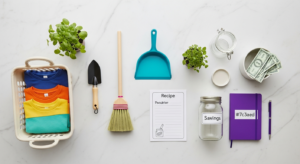
Before you even think about buying a single storage bin or shelving unit, the absolute first and most crucial step to an organized home is to declutter ruthlessly and intentionally. This isn’t just about tidying up; it’s about making conscious decisions about what truly adds value to your life and letting go of what doesn’t. Trying to organize clutter is like trying to arrange sand – it’s a futile exercise that will only lead to frustration and a temporary fix. The less you have, the less you need to organize, and the easier it is to maintain order.
Why Decluttering is Non-Negotiable
- Reduces Overwhelm: A large volume of possessions can be visually and mentally exhausting. By reducing the sheer quantity of items, you immediately lessen the mental burden.
- Reveals True Needs: Decluttering helps you understand what you genuinely use, love, and need, preventing you from buying unnecessary storage solutions for things you don’t even want to keep.
- Creates Space: Physically removing items frees up valuable space that can then be used more effectively or simply left open for a sense of calm and spaciousness.
- Saves Time and Money: Less stuff means less to clean, less to manage, and less money spent on duplicate items or storage for things you don’t need.
How to Declutter Effectively: A Step-by-Step Approach
Approach decluttering as a systematic process, not an overwhelming marathon. Start small, perhaps with a single drawer or shelf, to build momentum and avoid burnout.
- Choose One Area: Select a specific space – a closet, a pantry shelf, a bathroom cabinet. Focusing on one defined area prevents you from feeling overwhelmed.
- Remove Everything: Take every single item out of that chosen space. This allows you to see the full scope of what you own and clean the empty space.
- Sort into Categories: As you handle each item, make a quick decision. Use the “Four Box Method” (or bags):
- Keep: Items you use regularly, truly love, or need. Be honest with yourself.
- Donate/Sell: Items in good condition that you no longer use but could benefit someone else. Consider local charities, consignment shops, or online marketplaces.
- Trash/Recycle: Broken, expired, or unusable items. Dispose of them responsibly.
- Relocate: Items that belong in another room or area of the house. Put these aside to be moved later.
- Ask Critical Questions: For every “keep” item, ask:
- When did I last use this? If it’s been over a year (with exceptions for seasonal or sentimental items), reconsider keeping it.
- Does this item add value or joy to my life? Be honest about its purpose.
- Do I have duplicates? Keep only the best one.
- Am I holding onto this out of guilt or obligation? Release yourself from these feelings.
- Process “Go” Piles Immediately: Don’t let donation boxes sit in your entryway for weeks. Take them to the charity, sell them, or dispose of them promptly. This creates closure and prevents re-cluttering.
This intentional decluttering process is especially critical if you’re considering a home renovation. Often, women jump into home renovation dos and don’ts without first assessing their possessions. Investing in custom cabinetry or built-ins for items you don’t truly need is a costly mistake. Decluttering beforehand ensures that any new storage solutions are designed for what you genuinely use and love, maximizing their effectiveness and your renovation budget. It’s about creating a home that serves your life, not one that simply holds all your stuff.
Foundational Principle 2: Maximize Vertical Space and Utilize Smart Storage Solutions Strategically
Unlocking Vertical Potential
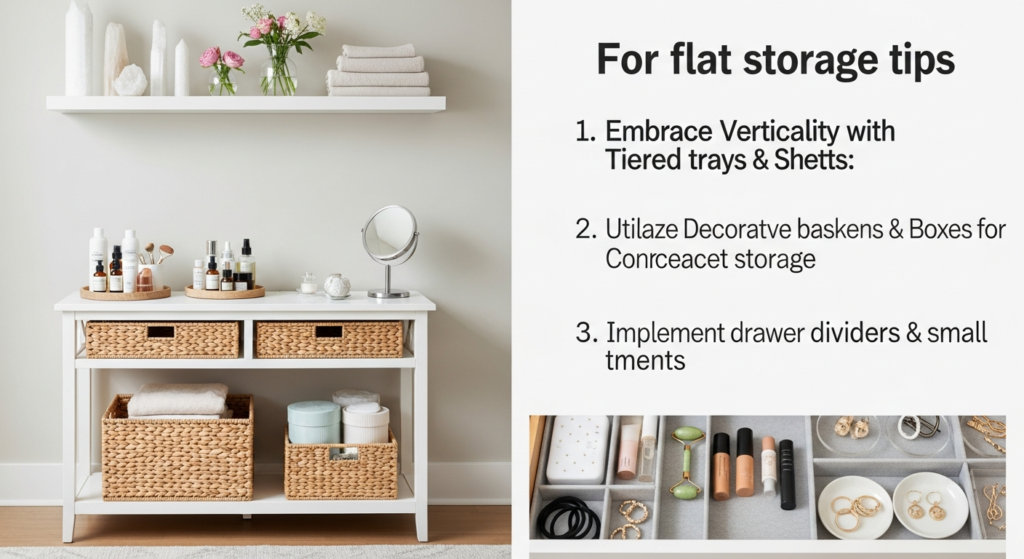
- Shelving, Shelving, Shelving: From floating shelves to floor-to-ceiling units, shelves are your best friend. In kitchens, extend cabinets to the ceiling or add open shelving above existing cabinetry for less-used items or decorative display. In living areas, tall bookcases can house books, decor, and even hidden storage boxes.
- Wall-Mounted Organizers: Pegboards, magnetic strips, and wall-mounted bins are fantastic for freeing up counter or drawer space. Use them in the kitchen for utensils, in the craft room for supplies, or in the entryway for keys and mail.
- Stackable Solutions: Clear, stackable bins are excellent for closets, pantries, and linen cupboards. They keep items visible, protected, and accessible, without taking up excessive horizontal space.
- Over-the-Door Organizers: These are goldmines for small spaces. Use them behind bathroom doors for toiletries, in pantry doors for spices, or behind closet doors for shoes and accessories.
Embracing Smart Storage Solutions
Beyond verticality, intelligent storage means choosing solutions that are tailored to your items and your lifestyle. It’s about making every inch work harder for you.
- Drawer Dividers and Organizers: These are essential for maintaining order in drawers. From cutlery trays in the kitchen to adjustable dividers in bedroom drawers for socks and undergarments, they prevent items from becoming a jumbled mess.
- Bins, Baskets, and Containers: These provide visual containment and help categorize items. Opt for uniform containers for a cohesive look, or choose different styles to match the aesthetic of each room. Clear containers are excellent for pantries and refrigerators, allowing you to see contents at a glance.
- Under-Bed Storage: Don’t let the space under your bed go to waste! Wheeled drawers or flat bins are perfect for seasonal clothing, extra linens, or sentimental items.
- Multi-Functional Furniture: Ottomans with storage, benches with built-in compartments, and coffee tables with drawers are brilliant ways to integrate storage seamlessly into your living spaces without adding visual clutter.
- Custom Solutions: While often a larger investment, custom closet systems or built-in cabinetry can maximize every awkward nook and cranny, providing tailored homes for your belongings. This can be a wise investment, especially when planning a long-term home, ensuring that your storage grows with your needs.
This principle of maximizing space and utilizing smart solutions is not unlike the ingenious methods employed when considering tips for taking a family RV road trip. In an RV, every single inch counts, and creative storage is paramount. You see clever fold-down tables, hidden compartments, and multi-purpose furniture everywhere. We can adopt this same mindset in our stationary homes, applying the lessons of efficient, compact, and secure storage to create highly functional and organized spaces. From vertical spice racks in the kitchen to hanging shoe organizers in the closet, thinking like an RV owner can dramatically transform your home’s storage capacity and efficiency, making even the smallest spaces feel expansive and purposeful.
Foundational Principle 3: Implement a “Home for Everything” System and Nurture Daily Maintenance Habits

You’ve decluttered, you’ve optimized your space with smart storage solutions – now comes the ongoing work: the third foundational principle is to implement a “home for everything” system and nurture daily maintenance habits. This is where the magic of lasting organization happens. Without a designated spot for every item, clutter will inevitably creep back in, undoing all your hard work. Establishing clear “homes” for your possessions and building consistent maintenance routines are the keys to a perpetually organized and peaceful environment.
Creating a “Home for Everything”
The concept is simple: every single item in your home should have a specific, logical place where it “lives.” When you use something, you know exactly where to return it. This eliminates decision fatigue and the dreaded “pile-up” phenomenon.
- Logical Placement: Store items where they are used. Keep cleaning supplies under the sink, remote controls near the TV, and charging cables by your bedside. This minimizes effort and maximizes efficiency.
- Accessibility: Frequently used items should be easily accessible. Less frequently used items can be stored higher up or in less convenient spots.
- Labeling: This is a game-changer, especially for shared spaces or opaque containers. Labels help everyone in the household know where things belong, fostering consistency and accountability. Use clear, legible labels for bins in the pantry, drawers in the office, and shelves in the garage.
- Categorization: Group like items together. All batteries in one bin, all craft supplies in one drawer, all first-aid items in one cabinet. This makes finding things a breeze.
Nurturing Daily Maintenance Habits
An organized home isn’t a destination; it’s an ongoing journey. It requires consistent, small efforts rather than sporadic, massive overhauls. Cultivating daily habits is the most effective way to keep your home tidy and functional.
- The “Five-Minute Tidy”: Before bed each night, spend just five minutes putting things back in their designated homes. Clear off counters, put away stray items, and fluff pillows. This small routine prevents clutter from accumulating overnight and allows you to wake up to a calmer space.
- “One In, One Out” Rule: For every new item you bring into your home (especially clothing, books, or decorative pieces), commit to letting go of an old, similar item. This prevents your possessions from growing unchecked.
- Weekly Resets: Dedicate 30-60 minutes once a week to a slightly deeper tidy. This might involve wiping down surfaces, organizing mail, or tidying up specific zones that tend to get messy (e.g., the kids’ play area, your desk).
- Involve the Family: Organization is a team effort. Teach children to put away their toys, assign age-appropriate chores, and ensure everyone understands and respects the “home for everything” system. Leading by example is powerful.
- Regular Purges: Even with the best systems, things accumulate. Schedule seasonal or annual decluttering sessions to reassess your belongings and ensure your “homes” are still serving you effectively.
Embracing this principle is incredibly empowering, particularly when considering major life transitions, such as adjusting to retirement. Tips for adjusting to retirement often emphasize financial planning and health maintenance, but an organized home plays a silent yet crucial role. A well-ordered environment reduces daily stressors, freeing up mental space to focus on new hobbies, social connections, and proactive health management. Imagine having the peace of mind that comes from knowing exactly where your important documents are when handling finances, or easily finding your workout gear to stay on top of your health, without the added frustration of searching through clutter. An organized home during retirement becomes a serene backdrop for a fulfilling new chapter, allowing you to truly enjoy the freedom and time you’ve earned, rather than being bogged down by the management of possessions accumulated over a lifetime.
Integrating Organization into Your Lifestyle for Lasting Impact and Well-being
The three foundational storage tips – decluttering, maximizing space, and creating systems with maintenance habits – are powerful on their own. However, their true impact comes from integrating them seamlessly into your broader lifestyle. For health-conscious women, organization isn’t just a chore; it’s a profound act of self-care that underpins a life of balance, purpose, and vitality. It’s about shifting your mindset from seeing organization as a one-time event to understanding it as an ongoing, nurturing practice.
When your home is organized, it frees up more than just physical space; it liberates mental bandwidth. This mental clarity allows you to be more present in your life, to engage more deeply with your family and friends, and to pursue your passions without the nagging distraction of a chaotic environment. Imagine the psychological uplift of returning home after a busy day to a calm, inviting space that instantly helps you relax and decompress. This daily dose of tranquility is invaluable for stress reduction and emotional resilience.
Furthermore, an organized home actively supports your health goals. In a well-arranged kitchen, healthy eating becomes easier because ingredients are accessible and meal prep is streamlined. In a tidy bedroom, the absence of clutter can promote better sleep by reducing visual stimulation and creating a more restful atmosphere. Having a clear space for your yoga mat or exercise equipment removes barriers to physical activity. It’s about creating an environment that naturally steers you towards healthier choices.
Beyond personal well-being, organization can also have a positive ripple effect on your financial health. When you know exactly what you own, you’re less likely to make impulse purchases of items you already have or don’t truly need. This conscious consumption aligns with a more mindful and sustainable lifestyle, saving you money in the long run. Moreover, an organized home can make it easier to manage household finances, keep track of bills, and maintain important documents, reducing financial stress and fostering a greater sense of security.
Embracing organization as a lifestyle means recognizing that it’s a dynamic process. Life changes, needs evolve, and your home will need to adapt. Regular reassessments of your systems, a willingness to let go of items that no longer serve you, and a commitment to daily tidying are all part of this continuous journey. It’s about creating a living space that truly reflects and supports the vibrant, healthy, and empowered woman you are becoming.
Advanced Strategies for Maintaining Order in 2026 and Beyond
As we navigate 2026 and look towards the future, the art of home organization continues to evolve. While the foundational principles remain timeless, there are advanced strategies and forward-thinking approaches that can help you maintain an even deeper level of order and efficiency. These strategies blend technology, sustainable practices, and a mindful approach to consumption, ensuring your organized home remains a sanctuary for years to come.
Leveraging Technology for Enhanced Organization
- Digital Inventories: Consider creating digital inventories of specific categories of items, such as pantry staples, medications, or tools. Apps can help you track expiration dates, quantities, and locations. Imagine knowing exactly what’s in your pantry from your phone while at the grocery store!
- Smart Home Integration: While still emerging for pure organization, smart home devices can assist. Smart labels that connect to an app can help you locate items, or smart sensors in pantry bins could alert you when supplies are low.
- Cloud-Based Document Management: Digitize important documents whenever possible. Utilize secure cloud storage to reduce paper clutter and ensure critical information is backed up and accessible from anywhere.
Embracing Sustainable and Mindful Organization
- Eco-Friendly Storage Solutions: As you acquire new storage items, prioritize those made from sustainable materials like bamboo, recycled plastics, or organic cotton. Look for durable products that will last, reducing waste.
- Mindful Consumption: Adopt a “buy less, choose well” philosophy. Before bringing anything new into your home, ask yourself if it genuinely serves a purpose, sparks joy, or fills a true need. This proactive approach prevents clutter at its source.
- Circular Economy Principles: When decluttering, think beyond donating. Explore options for repairing broken items, upcycling, or properly recycling materials that can’t be reused. Support businesses that embrace circular practices.
Refining Your Systems and Mindset
- Annual System Audits: Schedule a dedicated time once a year to review your entire home organization system. Are your “homes” still logical? Do your storage solutions still meet your needs? Adjust as necessary. This is an excellent time to conduct a deeper declutter.
- Zone-Based Organization: Beyond individual rooms, think about organizing specific “zones” within your home – a landing strip by the door, a command center for mail and papers, a dedicated charging station. Each zone has a purpose and its own organized system.
- The Power of Emptiness: Embrace the concept that empty space is a luxury. Don’t feel compelled to fill every shelf or cabinet. Open spaces create a sense of calm and allow your eyes to rest, enhancing the feeling of spaciousness and tranquility.
Maintaining an organized home in 2026 and beyond is an ongoing, evolving process. It’s about continually refining your approach, staying open to new tools and ideas, and most importantly, nurturing a mindful relationship with your possessions and your living space. By integrating these advanced strategies, you can ensure that your home remains a truly functional, beautiful, and deeply supportive environment for your health and well-being, adapting seamlessly to the rhythm of your life.
Frequently Asked Questions About Home Organization
How do I start when I’m completely overwhelmed by clutter?
When overwhelmed, the best approach is to start small. Don’t try to tackle your entire home at once. Pick one very small, manageable area, like a single drawer, a shelf, or a bathroom counter. Dedicate just 15-30 minutes to this small task. The sense of accomplishment from completing that tiny area will build momentum and confidence to move on to the next small spot. Remember, consistency over intensity.
What if my family isn’t on board with organizing?
Involving family requires patience and communication. Start by modeling the behavior yourself and demonstrating the benefits. Clearly communicate the “home for everything” system and label containers. Assign age-appropriate responsibilities, making it a game for younger children. Focus on positive reinforcement and celebrate small victories. For resistant family members, try to find out their specific pain points with clutter and tailor solutions that address those concerns, showing them how organization can make their lives easier too.
How often should I declutter?
Decluttering isn’t a one-time event; it’s an ongoing process. We recommend a multi-tiered approach: a daily “five-minute tidy” for maintenance, a weekly reset for specific zones, seasonal purges (e.g., spring cleaning) for deeper dives, and an annual audit of your entire home system. This regular rhythm prevents overwhelming accumulation and keeps your home consistently functional and tidy.
Are professional organizers worth the investment?
Absolutely, for many women. If you feel consistently overwhelmed, lack the time, or struggle with decision-making during decluttering, a professional organizer can provide invaluable guidance, structure, and accountability. They offer fresh perspectives, efficient strategies, and hands-on help, often completing in hours what might take weeks on your own. Consider it an investment in your mental peace and home efficiency.
How can I organize on a tight budget?
Organizing doesn’t have to be expensive. Start by decluttering first – getting rid of excess costs nothing and creates space. Then, repurpose items you already own, like shoeboxes for drawer dividers or old baskets. Shop at dollar stores, thrift stores, or discount retailers for affordable bins and containers. DIY solutions, like making your own labels or building simple shelves, are also budget-friendly options that can be surprisingly effective.
What’s the biggest mistake people make when organizing?
The biggest mistake is trying to organize without decluttering first. People often buy numerous storage solutions only to fill them with items they don’t truly need or use, effectively just organizing clutter. This leads to wasted money on bins and baskets, and a home that still feels full and overwhelming. Always remember: declutter first, then organize what remains. This foundational step ensures your efforts are effective and lasting.
Recommended Resources
For more on 3 storage tips, see Dainty Vs Bold Jewelry Which To Choose on Celebrity Exchange.
Check out Best Skincare Routine For Glowing Skin At Every Age on Sometimes Daily for a deeper dive.