Your Empowered Beginning: A Comprehensive Fitness Guide for Women Just Starting Out
Embarking on a fitness journey can feel like stepping into a vast, bustling gym for the very first time – exhilarating, perhaps a little daunting, and full of questions. For women especially, the world of fitness is often saturated with conflicting advice, unrealistic expectations, and a pervasive focus on aesthetics that can overshadow the true essence of well-being. At Veralyn Media, we believe that fitness is a profound act of self-care, a powerful tool for enhancing your life from the inside out, and a journey that should begin with self-compassion, not comparison.
If you’ve ever felt overwhelmed by where to start, worried about “doing it wrong,” or simply didn’t know how to integrate movement into your busy life, you are far from alone. This comprehensive guide is crafted specifically for you – the beginner woman ready to embrace strength, vitality, and enduring health. We’re here to cut through the noise, offer clear, evidence-based advice, and walk alongside you as you take those crucial first steps. Think of us as your supportive friend, your knowledgeable coach, and your trusted source for building a fitness foundation that lasts a lifetime. Let’s redefine what fitness means for you, together.
Why Fitness Matters for Women: Beyond the Mirror
Before we dive into the “how,” let’s explore the profound “why.” For women, the benefits of regular physical activity extend far beyond fitting into a certain dress size or achieving a “bikini body.” While aesthetic changes can be a natural byproduct, focusing on the deeper, health-centric advantages provides a far more sustainable and motivating compass for your journey. Research consistently highlights the critical role fitness plays in women’s unique physiological and psychological health.
Heart Health: Your Lifeline
Cardiovascular disease remains a leading cause of death for women. Regular physical activity, especially aerobic exercise, is a powerful shield. It strengthens your heart muscle, improves blood circulation, helps manage blood pressure, and lowers harmful cholesterol levels. Even moderate intensity activities, like brisk walking, can significantly reduce your risk, ensuring your heart beats strong for years to come.
Bone Strength: Building a Resilient Future
Women are particularly susceptible to osteoporosis, especially after menopause, due to declining estrogen levels. Weight-bearing exercises (like walking, jogging, dancing) and strength training are crucial for stimulating bone growth and maintaining bone density. This isn’t just about preventing fractures; it’s about maintaining independence and mobility as you age, allowing you to live life fully and actively.
Mental Clarity & Mood Elevation: A Natural Antidote
The link between physical activity and mental well-being is undeniable. Exercise releases endorphins, natural mood boosters that can alleviate symptoms of stress, anxiety, and depression. It provides a healthy outlet for pent-up energy, improves sleep quality, and can even sharpen cognitive function. For many women juggling multiple roles, fitness becomes a vital sanctuary for mental respite and clarity.
Energy & Hormonal Harmony: Balancing Your Inner World
It might seem counterintuitive, but expending energy through exercise actually increases your overall energy levels. Regular movement improves mitochondrial function (your cells’ powerhouses), leading to sustained vitality throughout the day. Furthermore, fitness can play a significant role in hormonal balance, potentially easing symptoms of PMS, supporting healthy menstrual cycles, and even improving fertility markers for some women. It can also help manage weight, which in turn can positively impact hormonal regulation.
Disease Prevention: A Proactive Stance
Beyond heart disease and osteoporosis, consistent physical activity significantly lowers the risk of developing type 2 diabetes, certain cancers (including breast and colon cancer), and metabolic syndrome. It boosts your immune system, making you more resilient against common illnesses. Embracing fitness is a proactive investment in your long-term health, empowering you to live a life of greater vitality and fewer health complications.
Laying the Foundation: Mindset, Goals & Preparation
Starting a fitness journey isn’t just about moving your body; it’s equally about preparing your mind and setting yourself up for success. This foundational stage is where you cultivate the resilience and positive habits that will carry you through challenges and celebrate your triumphs.
Shifting Your Perspective: Ditching Perfectionism for Progress
One of the biggest hurdles for beginners is the pressure to be perfect from day one. Let go of the idea that you need to be an athlete or spend hours at the gym to “count” as fit. Embrace the philosophy of “progress, not perfection.” Your goal is consistency, not intensity. Focus on showing up for yourself, even for short periods, and celebrating every small step forward. This shift in mindset transforms fitness from a chore into a sustainable, enjoyable part of your life.
Setting SMART Goals: Your Personalized Roadmap
Generic goals like “get fit” are often too vague to be effective. Instead, adopt the SMART framework:
- S – Specific: Instead of “exercise more,” try “walk for 30 minutes.”
- M – Measurable: “Walk for 30 minutes, 3 times a week.”
- A – Achievable: Is 30 minutes realistic for your current schedule and fitness level? Maybe start with 15.
- R – Relevant: Does this goal align with your personal values and long-term health aspirations?
- T – Time-bound: “I will walk for 30 minutes, 3 times a week, for the next 4 weeks.”
Start with one or two SMART goals. As you achieve them, you’ll build confidence to set new ones.
Consulting Your Doctor: A Prudent First Step
Before embarking on any new fitness regimen, especially if you have pre-existing health conditions, injuries, or haven’t been active for a while, a visit to your doctor is highly recommended. They can provide personalized advice, identify any potential risks, and ensure your chosen activities are safe and appropriate for your individual health status. This isn’t about fear; it’s about informed self-care.
Gearing Up (Sensibly): Comfort Over Trends
You don’t need expensive gear to start. Focus on comfort and functionality. Essential items include:
- Supportive Shoes: For walking, running, or general workouts, a good pair of athletic shoes is paramount for protecting your joints and preventing injury.
- Comfortable Clothing: Opt for breathable fabrics that allow for a full range of motion. You want to feel good, not restricted.
- Water Bottle: Hydration is key!
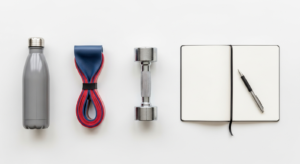
- Optional: A yoga mat for floor exercises, resistance bands, or light dumbbells if you plan on strength training at home. Remember, you can always start with bodyweight.
Resist the urge to overspend on trendy workout wear. Your focus should be on showing up, not showing off.
Decoding the Workout Lingo: Types of Fitness for Beginners
The fitness world uses a lot of jargon that can be confusing. Let’s break down the main types of exercise and how they benefit your body, making it easier for you to choose activities you enjoy and create a balanced routine.
Cardiovascular Fitness (Aerobic Exercise)
This is any activity that gets your heart rate up and keeps it elevated for a sustained period, improving your heart, lung, and circulatory system health. For beginners, the focus should be on moderate intensity, where you can still talk but not sing.
- Examples: Brisk walking, light jogging, cycling (stationary or outdoor), swimming, dancing, hiking, using an elliptical or stair climber.
- Benefits: Strengthens the heart, burns calories, improves stamina, reduces risk of heart disease and diabetes, boosts mood.
- Beginner Tip: Start with 10-15 minutes, 3-4 times a week, and gradually increase duration. A good target is 150 minutes of moderate-intensity cardio per week (e.g., five 30-minute sessions).
Strength Training (Resistance Training)
This involves working your muscles against resistance to build strength, endurance, and muscle mass. Contrary to popular belief, it won’t make women “bulky” unless you’re specifically training for that with significant effort and dietary changes. Instead, it sculpts, strengthens, and boosts metabolism.
- Examples: Bodyweight exercises (squats, lunges, push-ups on knees, planks, glute bridges), resistance band exercises, lifting light dumbbells or household items (water bottles, soup cans).
- Benefits: Builds lean muscle, increases bone density, boosts metabolism (muscle burns more calories at rest than fat), improves functional strength for daily tasks, reduces injury risk.
- Beginner Tip: Start with 2-3 full-body sessions per week, allowing a day of rest in between. Focus on proper form over heavy weight. You should be able to complete 8-12 repetitions of an exercise with good form.
Flexibility & Balance
Often overlooked, these components are vital for overall fitness, injury prevention, and maintaining mobility as you age.
- Examples: Static stretching (holding a stretch for 20-30 seconds), dynamic stretching (controlled, fluid movements), yoga, Pilates, Tai Chi.
- Benefits: Improves range of motion, reduces muscle stiffness and soreness, enhances posture, prevents injuries, improves body awareness and stability.
- Beginner Tip: Incorporate 5-10 minutes of gentle stretching after every workout when your muscles are warm. Consider a beginner yoga or Pilates class once or twice a week.
Putting It All Together: A Balanced Week
For a well-rounded beginner program, aim to incorporate all three types. A sample week could look like:
- 3-4 days: Moderate intensity cardio (e.g., brisk walking, cycling)
- 2 days: Full-body strength training (e.g., bodyweight exercises or light weights)
- Daily: 5-10 minutes of flexibility/stretching, or a dedicated yoga/Pilates session once or twice a week.
Remember, this is a template. Find activities you genuinely enjoy, and you’ll be more likely to stick with them.
Building Your Beginner Fitness Plan: Step-by-Step
Now that you understand the different types of fitness, let’s put it into practice. This section will guide you through creating a sustainable, effective plan that grows with you.
The Power of Small Starts: Incrementally Building Stamina
The most common mistake beginners make is trying to do too much, too soon. This leads to burnout, injury, and discouragement. Instead, embrace the “small starts” approach:
- Start with just 10-15 minutes of activity, 3 times a week. This could be a brisk walk around your neighborhood, a short online beginner yoga video, or a few sets of bodyweight squats and push-ups.
- Focus on consistency. Showing up three times a week for 15 minutes is far more effective than one intense 90-minute session followed by a week of recovery and guilt.
- Gradually increase. After 2-3 weeks, if you feel comfortable, add 5 minutes to your session, or add an extra day. Slow and steady wins the race.
Warm-Up & Cool-Down: Non-Negotiable Rituals
These bookends to your workout are crucial for preventing injury and aiding recovery.
- Warm-Up (5-10 minutes): Prepare your body for activity. This should be light, dynamic movement that increases blood flow to your muscles. Examples include arm circles, leg swings, gentle torso twists, marching in place, or a slower version of your main activity (e.g., a slow walk before a brisk walk).
- Cool-Down (5-10 minutes): Gradually bring your heart rate down and stretch your muscles. This helps improve flexibility and reduce post-workout soreness. Examples include static stretches (holding each stretch for 20-30 seconds), such as hamstring stretches, quad stretches, shoulder stretches, and gentle breathing exercises.
Listening to Your Body: The Ultimate Guide
This is perhaps the most important skill you’ll develop. Your body will send you signals; learn to interpret them.
- Good Soreness vs. Pain: Expect some muscle soreness (Delayed Onset Muscle Soreness or DOMS) 24-48 hours after a new workout. This is normal and feels like a dull ache. However, sharp, sudden, or persistent pain during or after exercise is a red flag. Stop, assess, and rest if necessary.
- Rest Days: Your muscles grow and repair on rest days, not during your workout. Schedule at least 1-2 full rest days per week, and consider active recovery (gentle walking, stretching) on others.
- Energy Levels: If you feel constantly fatigued, you might be overtraining or not fueling/recovering adequately.
The Consistency Compass: Making Fitness a Habit
Adherence is the secret sauce. Here’s how to cultivate it:
- Schedule It: Treat your workouts like important appointments you can’t miss. Put them in your calendar.
- Find Your Enjoyment: If you dread your workouts, you won’t stick with them. Experiment with different activities until you find something you genuinely look forward to.
- Accountability: Share your goals with a friend, join a class, or use a fitness tracker. Knowing someone (or something) is “watching” can be a powerful motivator.
- Create a Ritual: Pair your workout with something you enjoy – listening to your favorite podcast, watching a show, or enjoying a specific post-workout treat.
Progressive Overload (Gently Introduced): Continuing to Grow
To continue seeing results, your body needs to be challenged slightly more over time. For beginners, this isn’t about lifting huge weights, but about gradual increases:
- Increase Duration: Walk for 35 minutes instead of 30.
- Increase Frequency: Add a fourth workout day.
- Increase Intensity: Walk at a slightly faster pace, add a small incline, or do a few more repetitions of an exercise.
- Add Resistance: Introduce light dumbbells or resistance bands.
Always listen to your body and make these changes incrementally. The goal is steady, sustainable progress.
Fueling Your Body & Nurturing Recovery
Fitness isn’t just about what you do during your workout; it’s profoundly influenced by what you do outside of it. Proper nutrition, hydration, and recovery are non-negotiable pillars of a successful and sustainable fitness journey.
Hydration Habits: Water is Your Workout Ally
This cannot be stressed enough. Water is essential for almost every bodily function, especially during physical activity. It regulates body temperature, lubricates joints, transports nutrients, and prevents fatigue. Even mild dehydration can significantly impair performance and lead to headaches or dizziness.
- Tip: Aim for at least 8 glasses (around 2 liters) of water daily, and increase your intake before, during, and after workouts. Keep a water bottle handy as a constant reminder.
Wholesome Nutrition: Fueling for Performance, Not Perfection
Forget restrictive diets and calorie counting, especially when starting out. Focus on nourishing your body with whole, unprocessed foods that provide sustained energy and support muscle repair.
- Balanced Macronutrients:
- Complex Carbohydrates: (whole grains, fruits, vegetables) provide sustained energy for your workouts and daily activities.
- Lean Proteins: (chicken, fish, beans, lentils, tofu, Greek yogurt) are crucial for muscle repair and growth. Aim to include protein with every meal.
- Healthy Fats: (avocado, nuts, seeds, olive oil) are important for hormone production, nutrient absorption, and satiety.
- Timing Matters (a little): Eating a balanced snack (e.g., a banana and a handful of nuts) an hour or so before a workout can provide energy. A protein-rich snack or meal within an hour or two after a workout helps with muscle recovery.
- Prioritize Real Food: Minimize processed foods, sugary drinks, and excessive unhealthy fats. Think of food as fuel that empowers your body to move and thrive.
The Magic of Sleep: Your Body’s Repair Shop
Sleep is where your body repairs muscles, consolidates memories, balances hormones, and recharges your energy stores. Skimping on sleep not only impacts your energy for workouts but also hinders your body’s ability to recover and adapt to training.
- Tip: Aim for 7-9 hours of quality sleep per night. Establish a consistent sleep schedule, create a relaxing bedtime routine, and optimize your sleep environment (dark, quiet, cool).
Managing Stress Holistically: A Mind-Body Connection
While exercise is an excellent stress reliever, chronic high stress can impede fitness progress by elevating cortisol levels, which can interfere with recovery and even lead to weight gain. Moreover, pushing yourself too hard when stressed can increase the risk of injury.
- Tip: Integrate stress-reducing practices into your routine: mindfulness, meditation, deep breathing, spending time in nature, or engaging in hobbies. Recognize that sometimes, a rest day or a gentle walk is more beneficial than an intense workout when you’re feeling overwhelmed.
Overcoming Common Hurdles & Staying Motivated
Every fitness journey has its ups and downs. It’s not about avoiding challenges, but about developing strategies to navigate them. Here are common hurdles women face and how to gracefully overcome them.
Time Constraints: Fitting Fitness into a Busy Life
For many women, time is a precious commodity. The idea of carving out an hour for a workout can feel impossible.
- Solution:
- Micro-Workouts: Break up your activity into shorter bursts. Three 10-minute walks throughout the day are just as effective as one 30-minute walk.
- Integrate Movement: Take the stairs, park further away, walk during phone calls, do squats while waiting for water to boil, stretch during TV commercials. Every bit adds up.
- Prioritize: Look at your schedule and identify non-negotiable slots. Maybe it’s first thing in the morning before the house wakes up, or during your lunch break.
Battling Motivation Slumps: When the Spark Fades
Even the most dedicated individuals experience dips in motivation. It’s a normal part of any long-term endeavor.
- Solution:
- Variety is the Spice: Don’t get stuck in a rut. Try new classes, different routes for your walks, or new online workout videos.
- Find Your “Why” Again: Reconnect with your initial reasons for starting. Is it more energy for your kids? Better sleep? Stronger bones? Write it down and revisit it.
- Reward System: Set non-food rewards for reaching milestones (e.g., new workout gear, a massage, an evening out).
- Buddy Up: An accountability partner can make a huge difference. Knowing someone is waiting for you is a powerful motivator.
- Be Kind to Yourself: If you miss a day or a week, don’t dwell on it. Forgive yourself and get back on track with your next scheduled session.
Overcoming Self-Consciousness: The Fear of Judgment
Many women, especially beginners, feel self-conscious at the gym or in public spaces, worried about how they look or if they’re “doing it right.”
- Solution:
- Focus Inward: Remind yourself that everyone else is typically focused on their own workout, not yours. You are there for your health.
- Start at Home: If a gym feels too intimidating, begin with home workouts using online videos or apps. Build your confidence and then consider branching out.
- Find a Supportive Environment: Look for women-only gyms, beginner-friendly classes, or small group training where the atmosphere is encouraging.
- Dress for Comfort: Wear clothes that make you feel good and allow for movement, not clothes you feel pressured to look good in.
When Progress Stalls: The Infamous Plateau
At some point, you might notice your progress slowing down or stopping. This is a sign your body has adapted to your current routine.
- Solution:
- Change It Up: Introduce new exercises, increase duration, frequency, or intensity (progressive overload, as discussed).
- Cross-Training: If you primarily do cardio, add strength training. If you lift, try a different style of lifting or incorporate more cardio.
- Re-evaluate Nutrition & Sleep: Are you truly fueling and recovering optimally? Sometimes, these external factors are the bottleneck.
- Seek Expert Advice: Consider a session with a certified personal trainer to get fresh ideas and ensure your form is correct.
Redefining Success: Beyond the Scale
It’s easy to get fixated on the number on the scale, but true fitness encompasses so much more. The scale doesn’t measure strength, stamina, mood, or energy.
- Solution:
- Track Non-Scale Victories: Can you walk further? Lift heavier? Do more push-ups? Do your clothes fit better? Do you have more energy? Are you sleeping better? These are powerful indicators of progress.
- Focus on How You Feel: Prioritize increased energy, improved mood, better sleep, and reduced stress. These are the sustainable, life-altering benefits of fitness.
- Take Photos: Weekly or monthly photos can sometimes reveal subtle changes the scale doesn’t.
FAQ: Your Beginner Fitness Questions Answered
Q1: How often should a beginner woman work out?
A1: For beginners, a great starting point is 3-4 days a week, aiming for consistency over intensity. This allows your body adequate time to adapt and recover. As you build stamina and strength, you can gradually increase to 5 days a week, ensuring you still incorporate rest days.
Q2: What’s the best exercise for weight loss for beginners?
A2: There’s no single “best” exercise; a combination is most effective. For beginners, focus on activities you enjoy and can sustain. Brisk walking is excellent for cardiovascular health and calorie burning. Incorporating strength training 2-3 times a week is also crucial, as building muscle boosts your metabolism, helping you burn more calories even at rest. The key is consistency and combining it with a balanced, nourishing diet.
Q3: Is it okay to feel sore after a workout?
A3: Yes, it’s very common and usually a sign that your muscles are adapting to a new challenge. This “Delayed Onset Muscle Soreness” (DOMS) typically appears 24-48 hours after a workout and feels like a dull ache. However, sharp, sudden pain, or pain that restricts movement significantly, is not normal and should prompt you to rest or consult a professional. Gentle movement, stretching, and proper hydration can help alleviate DOMS.
Q4: Do I need a gym membership to get fit as a beginner?
A4: Absolutely not! Many effective beginner fitness routines can be done at home with minimal or no equipment. Bodyweight exercises (squats, lunges, push-ups, planks), walking, jogging outdoors, using resistance bands, or following online workout videos are all fantastic options. A gym can offer variety and equipment, but it’s not a prerequisite for starting your fitness journey.
Q5: How long until I see results from working out?
A5: This varies greatly depending on your starting point, consistency, diet, and individual physiology. Generally, you might start to feel more energetic and stronger within 2-4 weeks. Visible changes in body composition can take 4-8 weeks or longer. Focus on non-scale victories like increased stamina, better sleep, improved mood, and stronger muscles. Remember, fitness is a lifelong journey, not a quick fix.
Your Journey Starts Now: Embrace the Power Within
Taking the first step toward a fitter, healthier you is a profound act of self-love and empowerment. It’s about choosing vitality, resilience, and a deeper connection with your own incredible body. This comprehensive guide has laid out the roadmap, but the most important tool you possess is your unwavering commitment to yourself.
Remember, this is your journey, and it will be unique. There will be days of exhilaration and days of challenge, but each step, no matter how small, moves you closer to a stronger, more vibrant you. Be patient with yourself, celebrate every victory – big or small – and always return to the core reasons you started: for health, for energy, for mental clarity, and for the sheer joy of movement.
At Veralyn Media, we believe in the inherent strength and wisdom of every woman. Trust your body, listen to its signals, and nurture it with consistent movement, wholesome fuel, and restful recovery. You have everything you need within you to begin, to grow, and to thrive. Your empowered beginning starts now.
“`json
{
“@context”: “https://schema.org”,
“@graph”: [
{
“@type”: “Article”,
“mainEntityOfPage”: {
“@type”: “WebPage”,
“@id”: “https://www.veralynmedia.com/womens-fitness-guide-beginners”
},
“headline”: “Your Empowered Beginning: A Comprehensive Fitness Guide for Women Just Starting Out”,
“description”: “Ready to start your fitness journey? This comprehensive guide for women beginners offers warm, evidence-based advice, practical tips, and a supportive path to lasting wellness.”,
“image”: “https://www.veralynmedia.com/images/fitness-beginner-hero.jpg”,
“author”: {
“@type”: “Organization”,
“name”: “Veralyn Media”
},
“publisher”: {
“@type”: “Organization”,
“name”: “Veralyn Media”,
“logo”: {
“@type”: “ImageObject”,
“url”: “https://www.veralynmedia.com/images/veralyn-logo.png”
}
},
“datePublished”: “2023-10-27T08:00:00+00:00”,
“dateModified”: “2023-10-27T08:00:00+00:00”,
“keywords”: “women’s fitness, beginner workout, starting fitness, women’s health, wellness journey, exercise for beginners, women’s strength training, cardio for women, fitness tips”
},
{
“@type”: “FAQPage”,
“mainEntity”: [
{
“@type”: “Question”,