Understanding Your Sexual Health Journey: More Than Just the Physical
Before diving into specific strategies, it’s essential to broaden our understanding of what sexual health truly entails. It’s far more expansive than just the absence of disease or dysfunction. The World Health Organization defines sexual health as “a state of physical, emotional, mental and social well-being in relation to sexuality; it is not merely the absence of disease, dysfunction or infirmity.” This holistic perspective means recognizing that your sexual well-being is intertwined with your entire being – your emotional state, your mental clarity, your physical vitality, and the quality of your relationships. It’s a dynamic and evolving journey, much like personal growth or career development, requiring ongoing attention and care.
For women, specifically, sexual health encompasses a unique interplay of hormones, life stages (from reproductive years to menopause), body image, cultural influences, and relational dynamics. It’s about having the capacity to experience pleasure, intimacy, and connection free from coercion, discrimination, and violence. It’s also about making informed choices about your body and your relationships, feeling comfortable in your own skin, and having access to accurate information and supportive healthcare when needed. Embracing this broader definition allows us to approach improvements not as fixing a problem, but as nurturing a vibrant and integral part of ourselves, leading to a richer, more satisfying life.
Just as you might invest time and energy into creating a beautiful and functional home environment, your sexual health deserves similar dedication. It’s about building a strong foundation and continually tending to it, ensuring it remains a source of comfort, joy, and connection. Recognizing its importance is the first, most crucial step on this empowering journey.
Way 1: Foster Open Communication and Deepen Connection
Effective communication is the cornerstone of any healthy relationship, and it becomes even more paramount when discussing sexual health and intimacy. Many women find it challenging to articulate their desires, boundaries, or concerns regarding sex, often due to societal norms, past experiences, or simply a lack of practice. However, learning to communicate openly and honestly can be one of the most transformative steps you take to improve your sexual health.
Communicate with Your Partner
If you’re in a partnered relationship, honest dialogue is non-negotiable. This isn’t just about what you do in bed, but about the emotional intimacy that fuels physical connection. Discussing expectations, fantasies, comfort levels, and any challenges you might be facing can dissolve assumptions and build a stronger bond. Choose a calm, non-confrontational time to talk, perhaps over a quiet dinner or during a walk. Use “I” statements to express your feelings and needs without placing blame. For example, instead of “You never initiate,” try “I’ve been feeling a desire for more spontaneity and would love to explore ways we could bring that into our intimacy.”
Think of it like planning a family RV road trip. Just as you and your family would discuss the destination, activities, budget, and potential challenges before hitting the road to ensure a smooth and enjoyable journey, open communication about your sexual health sets the stage for a fulfilling intimate life. Anticipating needs, discussing comfort zones, and collaboratively addressing any “bumps in the road” ensures everyone feels heard and valued, making the entire experience more pleasurable and less stressful. This proactive approach prevents misunderstandings and fosters a sense of teamwork in navigating your shared intimate landscape.
- Active Listening: Pay attention to your partner’s responses without interrupting or judging.
- Non-Verbal Cues: Learn to read and send signals through touch, eye contact, and body language.
- Set Boundaries: Clearly articulate what you are and aren’t comfortable with.
- Express Appreciation: Acknowledge and thank your partner for their efforts and openness.
Communicate with Yourself
Beyond external communication, fostering an internal dialogue is equally vital. This means taking the time to understand your own body, desires, and what brings you pleasure. Many women are disconnected from their own sexuality, often prioritizing a partner’s pleasure or feeling ashamed to explore their own. Self-exploration, whether through touch, reading, or mindfulness, can help you identify your preferences and articulate them more clearly to a partner or even just to yourself. This self-awareness builds confidence and empowers you to advocate for your own pleasure and satisfaction.
Cultivating this deeper connection, both with your partner and with yourself, creates a foundation of trust and understanding that is essential for a truly healthy and vibrant sexual life. It allows for vulnerability, growth, and the shared discovery of new layers of intimacy, making your sexual health journey a profoundly enriching experience.
Way 2: Prioritize Your Physical Well-being for a Thriving Sex Life
Engage in Regular Exercise
Physical activity isn’t just for maintaining weight or cardiovascular health; it’s a powerful libido booster. Regular exercise increases blood flow throughout the body, including to your pelvic region, which is crucial for arousal and sensitivity. It also releases endorphins, natural mood elevators that can reduce stress and improve body image, both of which positively impact sexual desire. Aim for a combination of cardiovascular exercise, strength training, and flexibility. Even a brisk 30-minute walk most days of the week can make a noticeable difference.
Embrace a Balanced Diet and Hydration
What you eat directly impacts your energy levels, hormonal balance, and overall sense of well-being. A diet rich in whole foods, lean proteins, healthy fats (like avocados and nuts), and plenty of fruits and vegetables provides the nutrients your body needs to function optimally. Processed foods, excessive sugar, and unhealthy fats can lead to inflammation, fatigue, and hormonal disruptions that dampen libido. Staying adequately hydrated is also essential, as dehydration can affect energy levels and even vaginal lubrication.
Prioritize Quality Sleep
Chronic sleep deprivation is a silent culprit behind many health issues, including low libido and increased stress. When you’re constantly tired, your body struggles to produce hormones optimally, and your mental energy for intimacy plummets. Aim for 7-9 hours of quality sleep per night. Establishing a consistent sleep schedule, creating a relaxing bedtime routine, and optimizing your sleep environment can significantly improve your sleep quality and, in turn, your sexual health.
Manage Stress Effectively
Stress is perhaps one of the biggest deterrents to sexual health. When you’re under chronic stress, your body produces cortisol, which can suppress sex hormones. It also occupies your mind, making it difficult to relax and be present during intimate moments. Incorporate stress-reduction techniques into your daily routine, such as meditation, yoga, deep breathing exercises, spending time in nature, or engaging in hobbies you love. Finding healthy outlets for stress helps free up mental and emotional space for intimacy.
Regular Health Check-ups and Pelvic Floor Health
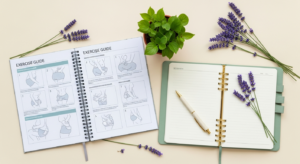
Don’t underestimate the power of preventative care. Regular visits to your gynecologist are crucial for monitoring your reproductive health, discussing any concerns, and screening for STIs or other conditions that could impact your sexual well-being. Discuss hormonal changes, pain during sex, or changes in libido with your doctor. Additionally, paying attention to your pelvic floor health through Kegel exercises or, if needed, working with a pelvic floor physical therapist, can improve sensation, support, and reduce discomfort during intercourse.
Just as you would meticulously plan your finances and health strategy when adjusting to retirement, taking a proactive and comprehensive approach to your physical well-being is vital for long-term sexual health. It’s about making deliberate investments in your body and mind now, so you can enjoy a vibrant and fulfilling intimate life for years to come. This isn’t just about managing problems as they arise, but about building a resilient and responsive system that supports your overall vitality and pleasure.
Way 3: Nurture Your Emotional and Mental Landscape
Our minds are powerful organs, and their state profoundly influences our sexual experiences. Emotional and mental well-being are fundamental to healthy sexual functioning, often more so than physical factors. A rich and fulfilling sex life blossoms from a place of emotional security, self-acceptance, and mental clarity. Neglecting these aspects can lead to decreased desire, difficulty with arousal, and a general disconnection from intimacy.
Cultivate Positive Body Image and Self-Esteem
Societal pressures and media portrayals can often lead women to feel self-conscious or critical of their bodies. A negative body image can be a significant barrier to sexual enjoyment, making it difficult to relax and feel desirable. Work on cultivating self-compassion and acceptance. Focus on what your body can do rather than what it “should” look like. Engage in practices that make you feel good about yourself, whether it’s dressing in clothes you love, practicing affirmations, or engaging in activities that boost your confidence. Remember, true sexiness comes from within and is about feeling comfortable and confident in your own skin.
Address Stress, Anxiety, and Depression
Mental health conditions like anxiety and depression can significantly dampen libido and impact your ability to experience pleasure. They can also affect your energy levels, mood, and capacity for connection. If you’re struggling with these issues, seeking professional help from a therapist or counselor is crucial. Managing these conditions can not only improve your overall quality of life but also revitalize your sexual health. Even everyday stressors, if left unmanaged, can create a mental fog that makes it hard to be present and engaged during intimacy. Incorporate mindfulness, meditation, or spending time in nature to calm your mind and reduce mental clutter.
Heal from Past Traumas or Negative Experiences
Past sexual traumas, negative experiences, or even outdated beliefs about sex can create deep-seated emotional blocks that hinder sexual enjoyment. These issues often manifest as anxiety, pain, or an inability to relax during intimacy. It’s essential to acknowledge and address these experiences. Working with a qualified sex therapist or trauma-informed counselor can provide a safe space to process these emotions, reframe narratives, and develop healthier coping mechanisms. Healing from the past is a courageous step towards reclaiming your sexual agency and experiencing intimacy more fully.
Build Emotional Intimacy
For many women, emotional intimacy is a prerequisite for physical intimacy. Feeling deeply connected, understood, and cherished by a partner can unlock desire and enhance the physical experience. This involves shared vulnerability, quality time together, and mutual support. Prioritize activities that foster emotional closeness, whether it’s heartfelt conversations, shared hobbies, or simply being present with each other without distractions. A strong emotional bond acts as a powerful aphrodisiac, making physical intimacy more meaningful and satisfying.
Consider your emotional and mental landscape as the vital foundation of your sexual health, much like the structural integrity of your home. Just as home renovation dos and don’ts emphasize ensuring a solid foundation before adding cosmetic finishes, nurturing your emotional and mental well-being is paramount. You wouldn’t paint over a cracked wall without addressing the underlying issue, and similarly, you can’t expect a vibrant sexual life if your emotional or mental foundations are unstable. Investing in therapy, mindfulness, and self-care is like reinforcing the beams and repairing the plumbing of your inner world, creating a stable and beautiful space where your sexual health can truly flourish.
Way 4: Embrace Education and Explore Your Sexuality
Knowledge is power, and this holds true for your sexual health. Many women grow up with limited, often inaccurate, information about their own bodies and sexuality. Dispelling myths, understanding anatomy, and actively exploring what brings you pleasure can be incredibly empowering and significantly improve your sexual experiences.
Learn About Your Own Body and Pleasure
Take the time to understand your own anatomy beyond what you learned in school. Research the clitoris, vaginal anatomy, and the female sexual response cycle. Many women are taught that pleasure is secondary or solely dependent on penetration, which is a misconception. Understand that the clitoris is the primary organ for female pleasure, and there are many ways to achieve orgasm and satisfaction. Self-exploration through masturbation can be a powerful tool for discovering your own body’s responses, what feels good, and what you prefer. This knowledge is invaluable, whether you are single or partnered, as it allows you to communicate your needs more effectively.
Educate Yourself on Sexual Health Topics
Seek out reliable, evidence-based resources to learn about various aspects of sexual health. This includes understanding different forms of contraception, knowing about sexually transmitted infections (STIs) and their prevention, and learning about common sexual dysfunctions and their treatments. Websites like the American College of Obstetricians and Gynecologists (ACOG), Planned Parenthood, and reputable women’s health blogs (like Veralyn Media!) offer a wealth of information. Knowledge reduces anxiety, helps you make informed decisions, and empowers you to advocate for your own health.
Challenge Myths and Misconceptions
Societal myths about female sexuality can be incredibly damaging. From the idea that women aren’t as sexual as men to the pressure to have a “perfect” orgasm, these misconceptions can create unnecessary stress and hinder genuine connection. Actively question these narratives. Understand that sexual desire and response are diverse, fluid, and unique to each individual. Dispelling these myths can free you from unrealistic expectations and allow you to embrace a more authentic and pleasurable sexual experience.
Explore Different Forms of Intimacy and Pleasure
Sexual health isn’t solely about penetrative intercourse. There’s a vast spectrum of intimacy and pleasure to explore. This could include foreplay, oral sex, manual stimulation, massage, cuddling, and even non-sexual acts of affection that build connection. Be open to experimenting, communicating with your partner about new things to try, and moving beyond a narrow definition of “sex.” This expanded view can revitalize your intimate life and reduce pressure, making sexual encounters more enjoyable and diverse. Consider trying new positions, toys, or even just setting a different mood to reignite passion.
By actively engaging in learning and exploration, you take control of your sexual narrative. This proactive approach to education is not just about avoiding problems; it’s about unlocking a deeper, more satisfying, and joyful dimension of your life. It’s about confidently navigating your sexuality with clarity and intention, ensuring your experiences are aligned with your truest desires.
Way 5: Know When to Seek Professional Guidance
While many improvements to sexual health can be made through self-care and communication, there are times when professional guidance is not just beneficial, but essential. Recognizing when to reach out for expert support is a sign of strength and a crucial step in nurturing your sexual well-being. Don’t hesitate to seek help if you’re experiencing persistent challenges or concerns.
Consult Your OB/GYN or General Practitioner
Your primary care physician or gynecologist is often the first point of contact for physical sexual health concerns. Schedule an appointment if you experience:
- Pain during sex (dyspareunia): This could be due to dryness, infection, pelvic floor dysfunction, or other medical conditions.
- Changes in libido: A sudden or persistent drop in sexual desire can be a symptom of hormonal imbalances (e.g., menopause, thyroid issues), medication side effects, or underlying health conditions.
- Difficulty with arousal or orgasm: If you’re consistently struggling with these, it’s worth discussing with your doctor.
- Abnormal bleeding or discharge: These could indicate infections or other gynecological issues.
- Concerns about STI exposure or contraception: Your doctor can provide testing, treatment, and advice on family planning.
Be open and honest with your doctor. Remember, they are there to help, and discussing sexual health is a routine part of their practice.
Consider a Sex Therapist or Counselor
If your challenges are more psychological or relational, a sex therapist or relationship counselor can offer specialized support. These professionals are trained to address a wide range of sexual concerns, including:
- Low desire or arousal issues: When physical causes have been ruled out.
- Difficulty with orgasm: Helping individuals explore their pleasure and overcome blocks.
- Communication problems: Facilitating open dialogue between partners about sex.
- Sexual trauma: Providing tools and support for healing from past negative experiences.
- Body image issues: Helping individuals develop a healthier relationship with their body.
- Sexual pain (when psychological factors are at play): Working through anxiety or fear related to pain.
Sex therapists can work with individuals or couples, providing a safe and non-judgmental space to explore sensitive topics and develop effective strategies for improvement.
Explore Other Specialists
Depending on your specific needs, other specialists might be beneficial:
- Pelvic Floor Physical Therapist: If you experience pelvic pain, incontinence, or difficulty with penetration, a specialized physical therapist can help strengthen or relax pelvic floor muscles.
- Endocrinologist: For complex hormonal imbalances that impact sexual function, an endocrinologist can provide targeted treatment.
- Urogynecologist: For issues related to both urinary and gynecological health, such as prolapse or severe urinary incontinence impacting intimacy.
Don’t be afraid to ask your primary care provider for referrals. Finding the right professional who understands your unique needs is paramount. Seeking help is an act of self-care and a proactive step towards a more fulfilling and healthy intimate life. It allows you to gain clarity, receive tailored advice, and access interventions that might not be possible through self-help alone, empowering you to navigate complex challenges with expert support.
Your Journey to a Fuller, More Joyful Sexual Health in 2026 and Beyond
Improving your sexual health is a continuous journey, not a destination. It’s an ongoing process of self-discovery, communication, and self-care that evolves as you do. By embracing these 5 empowering ways to improve your sexual health, you’re not just addressing a single aspect of your life; you’re cultivating a deeper connection with yourself, strengthening your relationships, and enhancing your overall well-being. Remember, your sexual health is an integral part of your holistic health, deserving of the same attention and care you give to your diet, exercise, or mental clarity.
As we move through 2026 and into the future, let us shed the shame and stigma often associated with discussions about sexuality. Instead, let’s foster an environment of openness, curiosity, and empowerment. Take small, actionable steps each day – whether it’s practicing a moment of mindfulness, having an honest conversation, or scheduling that long-overdue check-up. Each step brings you closer to a more vibrant, authentic, and joyful intimate life. You deserve to feel confident, connected, and completely in tune with your desires. Embrace this journey with courage and self-compassion, and watch as your sexual health flourishes, enriching every corner of your existence.
Frequently Asked Questions
Recommended Resources
For more on 5 ways to, see How To Make Your Home Feel Cozy And Welcoming on The Contextual Life.
Related reading: How To Communicate Better With Your Partner (Sometimes Daily).