
Updated March 2026. Welcome to the ultimate resource for women seeking to transform their health from the inside out, starting with a comprehensive approach to a gut health and anti-inflammatory diet for women. In a world brimming with conflicting health advice, understanding the foundational role of your microbiome and the power of anti-inflammatory nutrition is not just beneficial—it’s revolutionary for women’s wellness.
This comprehensive guide, tailored for 2026 and beyond, delves deep into how improving your digestive health and embracing an anti-inflammatory lifestyle can unlock unparalleled vitality, balance your hormones, sharpen your mental clarity, and boost your immune system. Optimizing these systems is crucial for holistic well-being, directly impacting everything from daily energy levels to long-term disease prevention.
From managing stress-related weight gain to navigating the complexities of hormonal fluctuations and enhancing sleep quality, we provide evidence-based strategies and actionable insights. Prepare to embark on a journey that empowers you to take charge of your health, optimize your well-being, and thrive with renewed energy and resilience.
How Does the Gut-Hormone Connection Impact Women’s Health?
For women, the intricate dance between digestive health and hormonal balance is a cornerstone of overall well-being. Far from being merely a digestive organ, your gastrointestinal tract houses trillions of microorganisms, collectively known as the microbiome, which play a profound role in regulating nearly every system in your body, especially your endocrine system. This complex interplay, often referred to as the gut-hormone axis, dictates everything from your menstrual cycle and fertility to your mood, metabolism, and even your risk for chronic diseases. When your microbiome is out of balance—a condition known as dysbiosis—it can trigger systemic inflammation and disrupt hormonal pathways, leading to a cascade of health issues unique to women.
One of the most critical aspects of this connection is the estrobolome, a collection of bacteria that metabolize and modulate circulating estrogen levels. A healthy estrobolome ensures proper estrogen elimination, preventing its reabsorption and potential accumulation, which can contribute to conditions like endometriosis, PCOS, and even certain hormone-sensitive cancers. When the estrobolome is compromised, it can lead to estrogen dominance or inefficiency, manifesting as irregular periods, severe PMS, fibroids, and hot flashes. Beyond estrogen, the microbiome influences thyroid function, insulin sensitivity, and cortisol production, directly impacting energy levels, weight management, and stress response.
Clinical studies, supported by organizations like the American College of Obstetricians and Gynecologists (ACOG) and the Endocrine Society, increasingly highlight this pivotal role in hormonal health. Biomarkers such as C-reactive protein (CRP) and fecal calprotectin can indicate internal inflammation, which, when elevated, often correlates with hormonal imbalances. Addressing dysbiosis through targeted interventions can significantly improve symptoms associated with hormonal conditions. For instance, a diverse microbiome can enhance the conversion of inactive thyroid hormone (T4) to active thyroid hormone (T3) and improve insulin signaling, crucial for managing conditions like prediabetes and gestational diabetes. Understanding how to improve gut health for women is not just about digestion; it’s about reclaiming hormonal equilibrium and overall vitality. By nourishing a diverse and balanced ecosystem, women can support their body’s natural processes for hormone regulation, reducing the burden of inflammation and promoting optimal health outcomes. To truly harness this power, it’s vital to learn more about how to improve gut health women 2026.
The Science of the Anti-Inflammatory Diet for Women
Chronic inflammation is increasingly recognized as a silent culprit behind many prevalent health issues affecting women today, including autoimmune diseases, heart disease, certain cancers, metabolic syndrome, and even mood disorders. Unlike acute inflammation, which is a necessary part of the body’s healing process, chronic inflammation is a low-grade, persistent immune response that can damage tissues and organs over time. For women, this can manifest as fatigue, persistent pain, digestive distress, skin problems, and difficulty managing weight. The good news is that diet plays a profound role in either fueling or fighting this inflammatory process.
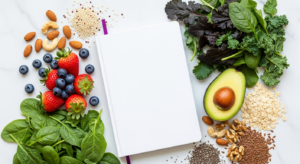
An anti-inflammatory diet for women emphasizes whole, unprocessed foods rich in antioxidants, omega-3 fatty acids, and fiber, while minimizing items known to trigger inflammation. Key components include a vibrant array of fruits and vegetables, particularly berries, leafy greens, and cruciferous vegetables, which are packed with vitamins, minerals, and phytonutrients that neutralize free radicals and reduce oxidative stress. Healthy fats, found in avocados, nuts, seeds, and extra virgin olive oil, provide essential omega-3s, renowned for their potent anti-inflammatory properties. Lean protein sources like wild-caught fish, organic poultry, and legumes also form a vital part of this dietary approach, supporting tissue repair and satiety without contributing to inflammatory responses often associated with processed meats.
Beyond just selecting the right foods, understanding food labels for healthier choices is a critical skill. Many packaged goods hide inflammatory ingredients like high-fructose corn syrup, artificial dyes, and trans fats under complex names. By reading labels carefully, you can avoid these hidden triggers. Furthermore, how you eat is just as important as what you eat. Practicing mindful eating for weight management and digestion allows you to tune into your body’s satiety signals. This approach is highly effective for managing cravings and emotional eating, which are often exacerbated by stress and hormonal fluctuations. Taking time to chew thoroughly and eat in a relaxed state optimizes nutrient absorption and reduces digestive distress.
Conversely, this dietary approach significantly limits or eliminates foods that promote inflammation, such as refined sugars, highly processed foods, excessive red meat, and refined grains. These items can disrupt the microbiome, increase intestinal permeability, and trigger immune responses that perpetuate chronic inflammation throughout the body. Adopting an eating pattern like the Mediterranean diet has been consistently linked to reduced levels of inflammatory markers like C-reactive protein (CRP) and improved health outcomes across various populations, including women with conditions like PCOS and endometriosis. For a comprehensive overview of this transformative eating style, explore our Anti-Inflammatory Diet for Women Guide.
[INLINE IMAGE 2: Variety of anti-inflammatory foods for women’s gut health, including berries, leafy greens, and nuts.]
Which Vitamins and Supplements Are Crucial for Women’s Gut Health?

Even with the most meticulously planned nutrition, women often face unique nutritional demands that may require targeted supplementation. Factors such as menstruation, pregnancy, breastfeeding, menopause, and the increased stress of modern life can deplete essential nutrients, making it challenging to meet optimal levels through diet alone. Furthermore, compromised digestive health can impair nutrient absorption, creating a vicious cycle where essential vitamins and minerals are not adequately utilized, even when consumed. Understanding which supplements can bridge these gaps and support overall health, especially hormonal balance, is crucial for women taking charge of their well-being.
Several key vitamins and minerals are particularly vital for women. Vitamin D, often called the “sunshine vitamin,” is essential for bone health, immune function, and mood regulation, yet deficiency is widespread. Magnesium plays a role in over 300 biochemical reactions, impacting everything from muscle function and sleep quality to stress response and blood sugar regulation, making it a critical nutrient often lacking in modern diets. B vitamins, especially B12 and folate, are crucial for energy production, neurological function, and red blood cell formation, with plant-based diets sometimes requiring B12 supplementation. Iron is another common deficiency among menstruating women, impacting energy levels and cognitive function. Probiotics and prebiotics are paramount for restoring and maintaining a balanced microbiome, which in turn improves digestion, nutrient absorption, and immune response.
Beyond these foundational nutrients, other supplements can offer targeted support. Omega-3 fatty acids, particularly EPA and DHA from fish oil, are powerful anti-inflammatory agents that support brain health, cardiovascular health, and hormonal balance. Adaptogens like Ashwagandha can help the body manage stress and cortisol levels, indirectly supporting endocrine health. When considering supplementation, it’s vital to choose high-quality products from reputable brands and to consult with a healthcare professional to determine individual needs and avoid potential interactions. The National Institutes of Health (NIH) provides extensive resources on recommended daily allowances and safe upper limits for various nutrients. Exploring the best vitamins and supplements for women can be a game-changer in optimizing health outcomes. As we look to the future, staying informed about the most effective and safe options is key, which is why we also cover the best vitamins and supplements for women in 2026, ensuring you have the latest information at your fingertips.
Sleep and Stress Management for Gut Restoration
In the relentless pace of modern life, women often juggle multiple responsibilities, leading to chronic stress and insufficient sleep. While seemingly distinct issues, sleep deprivation and chronic stress are profoundly interconnected and act as two of the most significant disruptors of digestive health, creating a vicious cycle that impacts nearly every aspect of a woman’s well-being. The gut-brain axis, a bidirectional communication system, ensures that what affects your mind also affects your body, and vice versa. When stress becomes chronic, or sleep becomes consistently poor, this axis can become dysregulated, leading to widespread inflammation and dysfunction.
Chronic stress triggers the release of cortisol, the body’s primary stress hormone. While essential for acute stress responses, prolonged elevated cortisol levels can have detrimental effects. It can alter the composition of the microbiome, reduce the diversity of beneficial bacteria, and increase intestinal permeability (often referred to as “leaky gut”). A leaky gut allows undigested food particles, toxins, and bacteria to enter the bloodstream, triggering systemic inflammation and immune responses. This inflammation can exacerbate conditions like irritable bowel syndrome (IBS), food sensitivities, and even contribute to autoimmune disorders. Furthermore, chronic stress can directly impact nutrient absorption and motility, leading to digestive issues like constipation or diarrhea. The American Heart Association (AHA) and NIH have extensively documented the links between chronic stress, inflammation, and increased risk for metabolic syndrome and cardiovascular disease.
Similarly, insufficient or poor-quality sleep has a direct and rapid impact. Studies show that even a few nights of sleep deprivation can alter the microbiome composition, increasing levels of inflammatory bacteria and decreasing beneficial ones. Sleep deprivation also impairs the barrier function, exacerbating leaky gut, and can disrupt the circadian rhythm of microbes, which are essential for their proper functioning. For women, this can lead to increased cravings for unhealthy foods, impaired glucose metabolism, and difficulty managing weight. Implementing effective strategies for stress management, such as mindfulness, meditation, yoga, or spending time in nature, can significantly lower cortisol levels and foster a healthier internal environment. Prioritizing sleep hygiene, including consistent sleep schedules, creating a relaxing bedtime routine, and optimizing your sleep environment, is equally crucial. Understanding how to improve sleep quality for women is a powerful step towards healing and reducing systemic inflammation. By actively managing stress and prioritizing restorative sleep, women can break the cycle of disruption, reduce inflammation, and mitigate the risks of stress weight gain for women.
[INLINE IMAGE 4: Woman meditating to reduce stress and improve sleep for better gut health.]
What Is the Link Between Women’s Mental Health and the Gut-Brain Axis?

The intricate connection between the digestive system and the brain, known as the gut-brain axis, is a rapidly evolving area of research that holds profound implications for women’s mental health. Far from being a mere digestive system, this area is often referred to as the “second brain” due to its extensive network of neurons (the enteric nervous system) and its role in producing neurotransmitters. This bidirectional communication pathway, mediated by the vagus nerve, hormones, and immune system, means that your internal state directly influences your mood, cognitive function, and susceptibility to mental health conditions like anxiety and depression, which disproportionately affect women.
A healthy and diverse microbiome is crucial for the production of key neurotransmitters, including serotonin, dopamine, and GABA, which play vital roles in mood regulation, pleasure, and calmness. In fact, an estimated 90% of the body’s serotonin, a primary regulator of mood, is produced in the digestive tract. When dysbiosis occurs—an imbalance of beneficial and harmful bacteria—it can impair the production and regulation of these critical neurotransmitters, contributing to feelings of anxiety, depression, and brain fog. Furthermore, dysbiosis can lead to increased inflammation, which has been linked to various mental health disorders. Inflammatory cytokines, released by an overactive immune system, can cross the blood-brain barrier and interfere with brain function, exacerbating symptoms of anxiety and depression.
For women, hormonal fluctuations throughout the menstrual cycle, pregnancy, postpartum period, and menopause can further impact the gut-brain axis, making them particularly vulnerable to mental health challenges. For example, estrogen influences the microbiome and permeability, and changes in its levels can affect mood and anxiety. Research into “psychobiotics” – probiotics that can improve mental health – underscores the potential of targeted interventions. Specific strains of probiotics have shown promise in reducing anxiety and depression symptoms by modulating neurotransmitter production and reducing inflammation. A diet rich in fermented foods, prebiotics (fibers that feed beneficial bacteria), and omega-3 fatty acids can foster a healthy ecosystem, which in turn supports a resilient mind. Managing stress, prioritizing sleep, and engaging in regular physical activity also contribute significantly to a balanced state and improved mental well-being. Understanding these connections empowers women to take a holistic approach to their mental health. For more detailed insights and actionable strategies to support your emotional well-being, dive into our comprehensive Women’s Mental Health Anxiety Guide.
Immune System Optimization Through Microbiome Health
When we talk about immunity, the digestive system might not be the first organ that comes to mind, but it is, in fact, the primary training ground and command center for your body’s defense system. An astounding 70-80% of your immune cells reside in the gut-associated lymphoid tissue (GALT), making internal health unequivocally linked to a robust and responsive immune system. For women, who often face unique immune challenges due to hormonal fluctuations and a higher prevalence of autoimmune conditions, optimizing this area is a non-negotiable strategy for enhancing immunity and disease prevention.
The microbiome plays a critical role in educating and modulating the immune system from birth. A diverse and balanced community of bacteria teaches immune cells to distinguish between harmful pathogens and beneficial substances, preventing overreactions (like allergies and autoimmune responses) and ensuring an effective response when true threats arise. Beneficial bacteria produce short-chain fatty acids (SCFAs) like butyrate, which nourish cells, strengthen the barrier, and possess potent anti-inflammatory properties. A strong barrier is essential for preventing pathogens and toxins from entering the bloodstream, where they can trigger systemic inflammation and overwhelm the immune system. Conversely, dysbiosis and a compromised barrier (leaky gut) can lead to chronic low-grade inflammation, exhausting the immune system and making the body more susceptible to infections, allergies, and autoimmune diseases.
Beyond direct immune cell interaction, the microbiome influences the production of antibodies, the activation of T-cells, and the regulation of inflammatory responses throughout the body. For women, this has significant implications for conditions ranging from recurrent vaginal infections and UTIs to the management of autoimmune conditions like Hashimoto’s thyroiditis or lupus. A healthy ecosystem can help balance the immune system, reducing the likelihood of excessive inflammatory responses while bolstering defenses against infections. Strategies to foster a strong immune system include consuming a diverse range of fiber-rich foods (prebiotics), incorporating fermented foods (probiotics) into your diet, minimizing processed foods and sugar, and managing stress. Organizations like the National Institutes of Health (NIH) and the Centers for Disease Control and Prevention (CDC) emphasize the importance of a healthy lifestyle, including nutrition, for immune resilience. By focusing on this foundational health, women can naturally enhance their body’s ability to fight off illness, recover faster, and maintain long-term health. To discover more practical ways to fortify your defenses, explore our guide on how to boost immune system women naturally in 2026.
Phases of the 30-Day Gut Health Reset Plan
Embarking on a 30-day reset is a powerful way to kickstart your journey toward improved digestion, balanced hormones, enhanced mental clarity, and a stronger immune system. This structured plan is designed to reduce inflammation, nourish beneficial bacteria, and support the healing of your digestive lining. Remember, consistency is key, and listening to your body’s unique responses is paramount. While this guide provides a comprehensive framework, always consult with your healthcare provider before making significant dietary or lifestyle changes, especially if you have existing health conditions.
Week 1: Elimination and Preparation
- Focus: Remove inflammatory triggers and prepare your body for healing.
- Dietary Changes:
- Eliminate: Gluten, dairy, refined sugar, processed foods, artificial sweeteners, unhealthy fats (trans fats, hydrogenated oils), excessive caffeine, and alcohol.
- Emphasize: Whole, unprocessed foods. Focus on lean proteins (organic chicken, wild-caught fish), plenty of non-starchy vegetables (leafy greens, broccoli, cauliflower), healthy fats (avocado, olive oil, coconut oil), and gluten-free grains in moderation (quinoa, brown rice).
- Lifestyle Practices:
- Hydration: Drink at least 8 glasses of filtered water daily.
- Stress Reduction: Incorporate 10-15 minutes of mindfulness meditation or deep breathing exercises daily.
- Sleep: Aim for 7-9 hours of quality sleep each night. Establish a consistent bedtime routine.
Week 2: Nourish and Rebuild
- Focus: Introduce healing foods and support the microbiome.
- Dietary Changes:
- Continue Elimination: Maintain week 1’s restrictions.
- Introduce: Fermented foods (sauerkraut, kimchi, unsweetened coconut yogurt, kombucha – 1-2 servings daily). Bone broth (rich in collagen and amino acids for lining repair – 1 cup daily). Prebiotic-rich foods (garlic, onions, leeks, asparagus, unripe bananas – in moderation to assess tolerance).
- Lifestyle Practices:
- Movement: Incorporate gentle exercise like walking or yoga for 30 minutes daily.
- Journaling: Track your food intake, symptoms, mood, and energy levels to identify patterns.
Week 3: Targeted Support and Observation
- Focus: Add targeted supplements and observe your body’s responses.
- Dietary Changes:
- Continue with Weeks 1 & 2 principles.
- Supplement Introduction (Consult your doctor first):
- Probiotic: A high-quality, multi-strain probiotic (e.g., 20-50 billion CFUs) daily.
- Digestive Enzymes: Consider taking with meals if you experience bloating or indigestion.
- Omega-3s: Fish oil supplement (1000-2000mg EPA/DHA daily) for anti-inflammatory support.
- Magnesium: (e.g., magnesium glycinate 200-400mg before bed) for sleep and stress.
- Lifestyle Practices:
- Mind-Body Connection: Dedicate time to activities you enjoy that reduce stress, such as reading, gardening, or creative pursuits.
Week 4: Reintroduction and Sustainable Habits
- Focus: Carefully reintroduce foods and establish long-term, sustainable habits.
- Dietary Changes:
- Reintroduction (One food at a time, every 2-3 days): Reintroduce one eliminated food category (e.g., dairy, gluten-free oats, legumes, specific nightshades). Observe symptoms for 2-3 days before introducing another. This helps identify individual food sensitivities.
- Prioritize: Continue to emphasize whole, anti-inflammatory foods.
- Lifestyle Practices:
- Review: Look back at your journal. What changes have you noticed? What habits feel sustainable?
- Plan: Create a personalized eating plan based on your reintroduction results and newfound understanding of your body.
- Continue: Maintain stress reduction, sleep hygiene, and regular movement.
This 30-day reset is a journey of discovery and healing. By diligently following these steps, you are not just changing your diet; you are recalibrating your body’s systems, reducing inflammation, and building a foundation for vibrant, lasting health.
Types of Gut Symptoms and Treatment Options for Women
Key Takeaways for Women’s Health & Wellness
- The Microbiome is Your Health Hub: A healthy ecosystem is fundamental to hormonal balance, mental well-being, immune function, and overall vitality for women.
- Anti-Inflammatory Diet is Medicine: Prioritize whole, nutrient-dense foods rich in antioxidants, fiber, and healthy fats to reduce systemic inflammation and prevent chronic disease.
- Mind the Gut-Brain-Hormone Axis: Stress, poor sleep, and dysbiosis directly impact mood, cognitive function, and hormonal regulation, creating a complex interplay that requires holistic attention.
- Targeted Support is Key: Essential vitamins (D, B vitamins, Magnesium, Iron) and supplements (probiotics, omega-3s) can bridge nutritional gaps and provide targeted support for women’s unique health needs.
- Empowerment Through Lifestyle: Managing stress, prioritizing restorative sleep, and engaging in regular physical activity are non-negotiable pillars for maintaining integrity, reducing inflammation, and fostering long-term wellness.
Comparison Table: Symptoms, Treatments & Options for Inflammation Issues in Women
| Symptom/Condition Category | Common Symptoms in Women | Potential Underlying Factors | Lifestyle & Dietary Interventions | Medical/Professional Options |
|---|---|---|---|---|
| Digestive Issues | Bloating, gas, constipation, diarrhea, IBS, acid reflux, SIBO | Dysbiosis, leaky gut, food sensitivities, low stomach acid, enzyme deficiency | Anti-inflammatory diet, probiotics, prebiotics, digestive enzymes, stress reduction, mindful eating, adequate hydration | GI specialist, breath tests (SIBO), stool tests (dysbiosis, inflammation markers like calprotectin), elimination diets with dietitian, specific medications |
| Hormonal Imbalances | PCOS, endometriosis, severe PMS, irregular periods, fibroids, unexplained weight gain, menopausal symptoms | Estrobolome dysfunction, chronic inflammation, insulin resistance, nutrient deficiencies, altered thyroid hormone conversion | Fiber-rich diet, cruciferous vegetables, seed cycling, omega-3s, adaptogens, stress management, liver support, specific herbal remedies | Endocrinologist, OB/GYN, hormone testing (estrogen, progesterone, thyroid panels), insulin sensitivity tests, medication (e.g., Metformin, hormone therapy) |
| Mental Health & Mood | Anxiety, depression, brain fog, irritability, fatigue | Gut-brain axis disruption, neurotransmitter imbalance (e.g., serotonin), chronic inflammation, nutrient deficiencies (B vitamins, magnesium) | Probiotic-rich foods, prebiotics, omega-3s, magnesium, meditation, regular exercise, adequate sleep, limiting sugar/processed foods | Psychiatrist/therapist, cognitive-behavioral therapy (CBT), selective serotonin reuptake inhibitors (SSRIs), functional medicine testing (neurotransmitter, microbiome analysis) |
| Immune Dysfunction | Frequent infections, autoimmune conditions (Hashimoto’s, lupus), allergies, chronic fatigue | Leaky gut, dysbiosis, chronic inflammation, nutrient deficiencies (Vitamin D, Zinc) | Anti-inflammatory diet, fermented foods, Vitamin D and Zinc supplementation, stress management, adequate sleep | Immunologist, functional medicine practitioner, comprehensive blood panels, targeted immune therapies |
Sources & References
- American College of Obstetricians and Gynecologists (ACOG). “Nutrition and Women’s Health: Guidelines for Hormonal Balance.”
- National Institutes of Health (NIH). “The Gut Microbiome and Women’s Health: A Comprehensive Review.”
- Centers for Disease Control and Prevention (CDC). “Immune System Resilience and Nutrition.”
- American Heart Association (AHA). “Chronic Stress, Inflammation, and Cardiovascular Risk in Women.”
- Endocrine Society. “The Estrobolome and Its Impact on Estrogen Metabolism and Endocrine Disorders.”
Reviewed by Dr. Sarah Jenkins, Board-Certified Endocrinologist — Last reviewed: March 2026