
Beyond the Plate and Treadmill: Understanding Holistic Wellness
For far too long, the narrative surrounding personal wellness has been dominated by conversations about restrictive diets and intense exercise regimens. While these components certainly play a role in physical health, they represent only a fraction of what it means to truly thrive. At Veralyn Media, we believe in a comprehensive, multi-dimensional view of wellness that encompasses mental, emotional, social, environmental, intellectual, and even financial aspects of your life. Imagine a wellness journey where the focus shifts from calorie deficits to cultivating inner peace, from strenuous workouts to nurturing meaningful connections, and from rigid plans to flexible growth. This broader understanding recognizes that a healthy body is deeply intertwined with a healthy mind, a vibrant spirit, and a supportive environment. It acknowledges that stress, loneliness, disorganization, and a lack of purpose can be just as detrimental to your overall health as poor eating habits or a sedentary lifestyle. By embracing wellness program ideas outside of diet and exercise, you open the door to profound, sustainable changes that foster resilience, joy, and a deep sense of contentment, empowering you to live your most authentic and vital life.
The beauty of this holistic approach lies in its accessibility and adaptability. You don’t need a gym membership or a specialized meal plan to embark on these journeys. Instead, you can integrate these practices seamlessly into your daily routine, transforming mundane moments into opportunities for growth and self-care. From quiet reflection to engaging with your community, from optimizing your living space to learning a new skill, the possibilities are endless. These programs offer a powerful antidote to burnout, stress, and the feeling of being constantly overwhelmed, providing tools and strategies to help you reclaim your energy and align with your deepest values. As we delve into specific areas, remember that each suggestion is an invitation to explore, experiment, and discover what truly resonates with your unique path to well-being.
Cultivating a Resilient Mindset: Mental & Emotional Wellness Programs

Mental and emotional well-being are arguably the bedrock of a truly fulfilling life. Without a resilient mind and a balanced emotional state, even the healthiest body can feel out of sync. Fortunately, a myriad of wellness program ideas exist to strengthen these crucial dimensions, entirely independent of dietary restrictions or physical exertion. These programs are designed to equip you with tools to manage stress, navigate difficult emotions, foster self-compassion, and cultivate a positive outlook, preparing you for whatever life throws your way.
- Mindfulness and Meditation Programs: More than just a trend, mindfulness is a powerful practice for present-moment awareness. Structured programs, often available through apps (like Calm or Headspace), online courses, or local workshops, guide you through techniques to observe your thoughts and feelings without judgment. Regular practice has been shown to reduce anxiety, improve focus, and enhance emotional regulation. Consider a 30-day mindfulness challenge in 2026 to kickstart your journey, dedicating even just 10-15 minutes a day.
- Journaling for Emotional Processing: A simple notebook and pen can become a profound wellness tool. Programs focused on journaling encourage various forms, such as gratitude journaling, stream-of-consciousness writing, or guided prompts for self-reflection. This practice helps to clarify thoughts, process emotions, identify patterns, and reduce stress. It’s a private, therapeutic space to explore your inner world and develop greater self-awareness.
- Cognitive Behavioral Therapy (CBT) Techniques for Daily Life: While full CBT is a therapeutic intervention, many of its core principles can be learned and applied independently. Online modules, self-help books, and workshops often teach techniques to identify and challenge negative thought patterns, reframe perspectives, and develop healthier coping mechanisms. This proactive approach empowers you to manage stress and emotional challenges more effectively in your day-to-day life.
- Digital Detox Initiatives: In our hyper-connected world, constant digital stimulation can be a significant source of mental fatigue and anxiety. Wellness programs centered around digital detox encourage intentional breaks from screens, social media, and notifications. This might involve setting specific “no-phone zones” in your home, designating screen-free hours, or even planning a full weekend unplugged. The goal is to reconnect with the real world, reduce mental clutter, and improve sleep quality.
- Stress Reduction Workshops & Retreats: Beyond individual practices, joining group workshops or retreats focused on stress management can provide immersive experiences. These often combine elements of mindfulness, gentle movement, relaxation techniques, and group discussions, offering a supportive environment to learn and practice new skills. For women adjusting to retirement, managing the emotional shifts and potential identity changes often benefits greatly from structured stress reduction techniques, helping to navigate this significant life transition with greater ease.
Investing in your mental and emotional resilience is one of the most impactful choices you can make for your overall wellness. These programs offer diverse pathways to cultivate inner strength, peace, and a more positive relationship with yourself and the world around you.
Nourishing Your Spirit: Social Connection & Community Engagement Initiatives
- Volunteering and Community Involvement Programs: Giving back is a proven pathway to personal well-being. Volunteering your time and skills to a cause you care about not only benefits others but also provides a sense of purpose, reduces stress, and fosters new social connections. Whether it’s helping at an animal shelter, supporting a local charity, or participating in neighborhood clean-ups, these programs connect you to something larger than yourself and introduce you to like-minded individuals.
- Joining Clubs or Interest Groups: Expand your social circle and pursue passions by joining clubs or groups centered around shared interests. This could be anything from a book club, a hiking group, a crafting circle, a gardening club, or a local women’s network. These structured gatherings provide regular opportunities for interaction, intellectual stimulation, and the development of new friendships. The shared experience builds camaraderie and offers a supportive community.
- Building Stronger Family Bonds: While often overlooked as a “program,” intentionally dedicating time and effort to strengthening family relationships is a potent wellness strategy. This might involve establishing regular family dinner nights, planning weekend outings, or even embarking on a shared adventure like a family RV road trip. Planning a family RV road trip in 2026, for example, is not just about the destination; it’s about the collaborative planning, the shared experiences on the road, and the creation of lasting memories that reinforce familial ties and provide a deep sense of connection.
- Mentorship Programs (Giving or Receiving): Engaging in a mentorship relationship, either as a mentor or a mentee, offers unique social and intellectual benefits. As a mentor, you gain satisfaction from guiding others and reinforcing your own expertise. As a mentee, you benefit from wisdom, guidance, and a supportive figure. Many professional organizations, community centers, and online platforms offer structured mentorship programs that facilitate these invaluable connections.
- Organizing or Participating in Local Skill-Share Events: Create a vibrant local network by organizing or attending skill-share events. This could be anything from a knitting circle where members teach each other new patterns, a cooking group where recipes are exchanged, or even a local workshop where participants share knowledge on topics like basic home repairs or digital photography. These initiatives build community, foster learning, and provide a casual, low-pressure environment for social interaction.
Prioritizing social connection is not about being an extrovert; it’s about finding meaningful ways to interact with others and feel a part of something. These programs offer diverse avenues to nourish your spirit and enhance your overall sense of well-being.
Harmonizing Your Habitat: Environmental Wellness Through Thoughtful Design
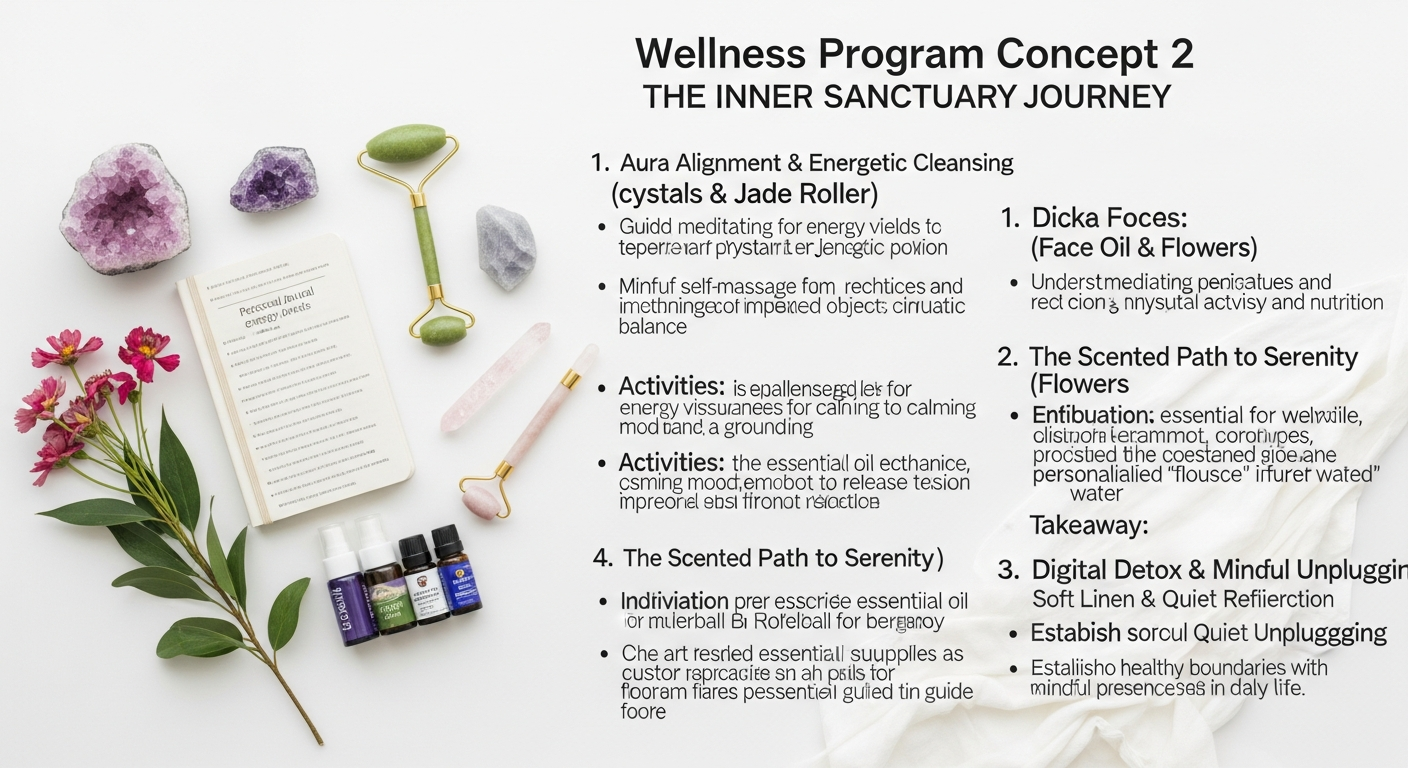
Our environment profoundly influences our mood, productivity, and overall sense of well-being. The spaces we inhabit – our homes, workplaces, and even the communities around us – can either uplift and inspire or drain and depress. Environmental wellness programs, therefore, focus on creating surroundings that support your health and happiness, proving that wellness extends well beyond the personal bubble. These ideas emphasize conscious design and organization to foster a sense of peace, order, and vitality.
- Decluttering and Organization Programs: A cluttered space often leads to a cluttered mind. Programs centered around decluttering, like the KonMari method or minimalist challenges, guide you through the process of organizing your possessions and creating functional, aesthetically pleasing spaces. The act of decluttering can be incredibly therapeutic, reducing stress and increasing a sense of control and clarity. Imagine starting 2026 with a home that feels light, airy, and perfectly organized.
- Biophilic Design Principles for Your Home: Biophilia is the innate human tendency to connect with nature. Biophilic design programs encourage incorporating natural elements into your living and working spaces. This can include adding more houseplants, maximizing natural light, using natural materials (wood, stone), incorporating natural colors, or even creating a small indoor water feature. Bringing nature indoors has been shown to reduce stress, improve cognitive function, and enhance overall mood.
- Ergonomics for Home Office & Living Spaces: With more women working from home or spending significant time on hobbies, ergonomic wellness programs are crucial. These programs focus on optimizing your furniture and setup to prevent strain and promote good posture. This might involve choosing an ergonomic chair, adjusting monitor height, ensuring proper lighting, and arranging your space to minimize physical discomfort. Good ergonomics contribute significantly to physical comfort and long-term health, preventing issues that might otherwise arise from prolonged sitting or repetitive tasks.
- Creating Sacred Spaces or Relaxation Zones: Dedicate a specific area in your home, no matter how small, to relaxation, reflection, or creative pursuits. Wellness programs can guide you through the process of designing these “sacred spaces” – perhaps a cozy reading nook, a meditation corner, or a creative studio. This involves thoughtful selection of colors, textures, lighting, and personal items that evoke a sense of calm and inspiration, providing a personal sanctuary from the demands of daily life.
- Home Renovation Dos and Don’ts for Wellness: If you’re considering a home renovation, integrating wellness principles from the outset can transform your living environment. Programs focused on home renovation dos and don’ts for wellness emphasize choices like maximizing natural light, improving air quality with non-toxic materials, designing functional layouts that support daily routines, and creating flow between indoor and outdoor spaces. For example, renovating a kitchen with efficient storage and natural light can make meal prep less stressful, while a bathroom renovation might focus on creating a spa-like retreat. These intentional design choices ensure that your home actively contributes to your health and peace of mind, not just its aesthetic appeal.
Your environment is a powerful, often overlooked, component of your wellness journey. By consciously designing and maintaining spaces that uplift and support you, you create a foundation for thriving in every other area of your life.
Embracing Growth & Creativity: Lifelong Learning & Expressive Arts
Our intellectual and creative capacities are profound sources of joy, purpose, and mental vitality. Engaging in lifelong learning and creative expression are powerful wellness program ideas that keep our minds sharp, our spirits curious, and our lives rich with discovery, entirely separate from dietary or exercise regimes. These pursuits offer a wonderful antidote to stagnation and can provide immense satisfaction and a renewed sense of purpose, especially as women navigate different life stages.
- Online Courses or Workshops for New Skills: The digital age has made learning more accessible than ever. Enroll in an online course or workshop to learn a new language, master a software program, delve into history, or explore a scientific topic that piques your interest. Platforms like Coursera, edX, or MasterClass offer a vast array of subjects. The act of learning new information stimulates brain plasticity, improves memory, and provides a sense of accomplishment.
- Creative Expression Programs (Art, Music, Writing, Crafting): Unleash your inner artist! Programs focused on creative expression encourage engaging in activities like painting, drawing, pottery, playing a musical instrument, creative writing, poetry, or various crafts (knitting, jewelry making). These activities are not about perfection but about the process of creation, which can be incredibly meditative, stress-reducing, and a powerful outlet for emotions. Consider joining a local art class or an online writing group to connect with other creatives.
- Reading Programs & Book Clubs: Beyond entertainment, reading is a fantastic way to stimulate your intellect, expand your worldview, and improve empathy. Participate in a structured reading program that encourages diverse genres, non-fiction for knowledge expansion, or even literary challenges. Joining a book club offers the added benefit of social interaction and engaging discussions, deepening your understanding and connection to others.
- Brain Training Games & Puzzles: Keep your mind agile with brain training games, puzzles, and strategic challenges. Sudoku, crossword puzzles, logic games, and specific brain-training apps are designed to improve memory, problem-solving skills, and cognitive speed. Incorporating these into your daily routine can be a fun and effective way to maintain mental sharpness and prevent cognitive decline as you age.
- Learning a Musical Instrument: Studies have shown that learning to play a musical instrument can have profound benefits for brain health, including improved memory, coordination, and problem-solving skills. Whether you pick up a guitar, piano, ukulele, or even a harmonica, there are countless online tutorials, apps, and local instructors available to guide you. It’s a challenging yet deeply rewarding pursuit that offers a unique form of self-expression.
- Workshops for Adjusting to Retirement from a Holistic Perspective: For women adjusting to retirement, the shift from a structured career to a more open schedule can be daunting. Wellness programs tailored for this demographic often incorporate elements of lifelong learning and creativity. Beyond handling finances, these programs focus on finding new purpose through hobbies, volunteering, and intellectual pursuits, helping retirees stay mentally stimulated and engaged, thereby promoting overall health and preventing the feeling of aimlessness. Embracing new learning opportunities is a crucial aspect of thriving in this new chapter of life, keeping both the mind and spirit vibrant.
Embracing a lifestyle of continuous learning and creative exploration not only adds immense joy to your life but also builds cognitive reserves and fosters a dynamic, adaptable mindset, ensuring a rich and fulfilling journey through all stages of womanhood.
The Foundation of Vitality: Prioritizing Rest, Recovery, and Financial Peace
Often overlooked in the pursuit of productivity, adequate rest and recovery are non-negotiable pillars of true wellness. Without sufficient sleep and periods of true relaxation, our bodies and minds cannot function optimally, leading to burnout, compromised immunity, and diminished cognitive abilities. Similarly, financial stress is a pervasive factor that undermines well-being, impacting everything from mental health to physical symptoms. Addressing these areas through dedicated wellness programs provides a robust foundation for enduring vitality, entirely separate from the typical diet and exercise focus.
Prioritizing Rest & Recovery:
- Sleep Improvement Programs: Quality sleep is paramount. Wellness programs focused on sleep hygiene and improvement utilize techniques like Cognitive Behavioral Therapy for Insomnia (CBT-I), guided meditations, and consistent sleep schedules. These programs help identify and address underlying issues preventing restful sleep, teaching strategies to optimize your sleep environment, regulate your circadian rhythm, and quiet a restless mind. A well-rested body and mind are more resilient and capable of handling daily stressors.
- Structured Relaxation Techniques: Beyond sleep, intentional relaxation throughout the day is crucial. Programs teaching progressive muscle relaxation, diaphragmatic breathing exercises, or restorative yoga nidra can help you de-stress and reset. These techniques activate the parasympathetic nervous system, promoting a state of calm and reducing the physiological impacts of chronic stress. Even short, guided relaxation sessions can significantly improve your mental and physical state.
- Digital Sunset Routines: Our reliance on screens often extends late into the evening, disrupting natural sleep cycles due to blue light exposure. Wellness programs advocating for a “digital sunset” encourage disconnecting from electronic devices at least an hour or two before bed. This time can be replaced with calming activities like reading a physical book, journaling, or taking a warm bath, preparing your mind and body for restorative sleep.
- Creating a Conducive Sleep Environment: Transform your bedroom into a sanctuary for sleep. This involves optimizing factors like room temperature (cooler is generally better), minimizing light exposure (blackout curtains), reducing noise, and ensuring a comfortable mattress and pillows. Programs focused on environmental sleep hygiene guide you through creating an ideal setting that signals to your body it’s time to rest.
Achieving Financial Peace:
- Budgeting and Financial Planning Workshops: Financial stress can be an enormous burden on overall wellness. Programs offering practical budgeting skills, debt management strategies, and long-term financial planning can provide immense relief and empowerment. Understanding where your money goes and having a clear plan for your financial future reduces anxiety and creates a sense of security.
- Investment Education for Women: Many women feel less confident in managing investments. Wellness programs specifically tailored for women’s financial empowerment often focus on demystifying investing, explaining different asset classes, and outlining strategies for building wealth. Knowledge is power, and feeling confident in your financial decisions contributes significantly to your overall peace of mind and future security.
- Retirement Planning Beyond Finances: While financial planning is a cornerstone of retirement, a truly holistic approach to adjusting to retirement from handling finances to staying on top of your health also incorporates wellness programs. These programs help women prepare not just for their financial future, but also for the social, emotional, and physical aspects of retirement. This includes discussions on maintaining social connections, finding new purpose, and proactive health management, ensuring a vibrant and fulfilling post-career life. Understanding how to manage your finances provides the freedom to pursue other wellness goals, like travel (perhaps that RV road trip!) or investing in new hobbies, without undue stress.
- Debt Management & Savings Strategy Programs: Tackling debt can feel overwhelming, but structured programs offer step-by-step guidance on creating a debt repayment plan and building an emergency savings fund. Achieving financial stability, even through small, consistent steps, significantly reduces stress and improves mental well-being, freeing up mental energy for other areas of your wellness journey.
By consciously integrating programs that prioritize rest, recovery, and financial stability, you build an unshakeable foundation for comprehensive wellness. These aren’t just add-ons; they are fundamental elements that enable you to thrive in every other aspect of your life, ensuring you have the energy, clarity, and peace of mind to pursue your goals and live fully.
Frequently Asked Questions
Recommended Resources
Check out Best Herbal Teas For Stress And Anxiety Relief on The Contextual Life for a deeper dive.
Check out Celebrity Eye Makeup Techniques on Celebrity Exchange for a deeper dive.