
Understanding the Symphony Within: What Are Female Hormones?
Imagine your body as a sophisticated orchestra, with countless instruments playing in perfect harmony. In this analogy, your hormones are the conductors, ensuring every section – from metabolism to mood, sleep to stress response – performs flawlessly. For women, this hormonal symphony is particularly complex and dynamic, constantly shifting throughout our lives. Estrogen, progesterone, testosterone, cortisol, and thyroid hormones are just a few of the key players in this intricate dance. Each hormone has specific roles, and their delicate balance is crucial for optimal health.
Estrogen, often considered the primary female hormone, is responsible for the development of female secondary sexual characteristics, regulates the menstrual cycle, and plays a vital role in bone health, cardiovascular function, and cognitive well-being. But it’s not a single entity; there are several types of estrogen, each with unique functions, and their levels fluctuate significantly during different life stages, from puberty through pregnancy and into menopause.
Progesterone, another crucial female hormone, works synergistically with estrogen. It prepares the uterus for pregnancy, helps maintain a healthy pregnancy, and has calming effects, often influencing mood and sleep quality. An imbalance between estrogen and progesterone can lead to symptoms like heavy periods, mood swings, and difficulty sleeping.
While often associated with men, testosterone is also vital for women, though in much smaller quantities. It contributes to libido, bone density, muscle mass, and energy levels. Low testosterone in women can lead to fatigue, decreased sex drive, and difficulty building muscle.
Beyond these reproductive hormones, others like cortisol, the stress hormone, and thyroid hormones, which regulate metabolism, energy, and body temperature, are inextricably linked to female health. Chronic stress can throw cortisol levels out of whack, impacting reproductive hormones, while an underactive or overactive thyroid can mimic many hormonal imbalance symptoms. Understanding these foundational elements is the first step toward appreciating the profound insights a hormone panel can offer.
Why Hormones Matter: More Than Just Reproductive Health

When we talk about female hormones, many women immediately think of menstruation, pregnancy, or menopause. While these are undeniably significant aspects, the influence of our hormones extends far beyond reproductive health. They are deeply intertwined with virtually every system in our body, impacting our physical, mental, and emotional well-being on a daily basis. A balanced hormonal system is the bedrock of vibrant health, while imbalances, even subtle ones, can manifest in a surprising array of symptoms that often go misdiagnosed or attributed to other causes.
Consider the impact on your mood and mental clarity. Have you ever experienced inexplicable irritability, anxiety, or brain fog? Hormonal fluctuations, particularly those involving estrogen, progesterone, and even thyroid hormones, can significantly affect neurotransmitters in the brain, leading to mood swings, difficulty concentrating, and even symptoms of depression. Similarly, chronic stress and elevated cortisol levels can deplete feel-good hormones and disrupt sleep, creating a vicious cycle.
Your energy levels and sleep quality are also deeply connected to your hormonal symphony. Adequate levels of progesterone are known for their calming effects, promoting restful sleep. Conversely, high cortisol at night or low estrogen during perimenopause can disrupt sleep patterns, leaving you feeling exhausted. Furthermore, thyroid hormones dictate your metabolic rate; an imbalance here can result in persistent fatigue regardless of how much you rest.
Hormones play a critical role in weight management and metabolism. Estrogen, progesterone, and thyroid hormones all influence how your body stores fat, utilizes energy, and regulates appetite. Unexplained weight gain, especially around the middle, or difficulty losing weight despite diet and exercise, can often signal an underlying hormonal imbalance. Insulin resistance, another hormonally influenced condition, is a common culprit.
Even your skin, hair, and bone health are under hormonal regulation. Estrogen, for instance, supports collagen production, keeping skin supple and hair healthy. Declining estrogen levels during menopause contribute to bone density loss, increasing the risk of osteoporosis. Clearly, hormones are far more than just reproductive regulators; they are the master communicators orchestrating your entire well-being. Recognizing this broad impact is essential for truly understanding the value of proactive hormone health management.
The Power of Insight: What is a Female Hormone Panel Blood Test?
While the exact hormones tested can vary based on your symptoms and a healthcare provider’s recommendations, a comprehensive female hormone panel commonly includes measurements for:
- Estrogen (Estradiol, E2): The primary and most potent form of estrogen, crucial for reproductive and overall health.
- Progesterone: Essential for menstrual cycle regulation, fertility, and mood stability.
- Testosterone (Total and Free): Important for libido, energy, muscle mass, and bone density in women.
- Follicle-Stimulating Hormone (FSH): Produced by the pituitary gland, FSH stimulates ovarian follicle growth and is a key indicator of ovarian reserve and menopausal status.
- Luteinizing Hormone (LH): Also from the pituitary, LH triggers ovulation and is involved in estrogen and progesterone production.
- Prolactin: A hormone primarily associated with lactation, but elevated levels can indicate other issues and impact fertility.
- Thyroid Hormones (TSH, Free T3, Free T4): Essential for metabolism, energy, and numerous bodily functions. Imbalances can mimic or exacerbate reproductive hormone issues.
- Cortisol: The body’s primary stress hormone, often tested to assess adrenal function and stress response.
- DHEA-S (Dehydroepiandrosterone sulfate): An adrenal hormone that is a precursor to other hormones like testosterone and estrogen, indicating adrenal health and overall hormone production capacity.
The timing of these tests is often critical. For women with a regular menstrual cycle, specific hormones like FSH and LH are typically measured on particular days of the cycle (e.g., Day 3 for baseline levels, or mid-cycle for ovulation assessment). Progesterone is usually measured in the luteal phase (around Day 21 of a 28-day cycle) to confirm ovulation. For women who are post-menopausal or have irregular cycles, testing can often be done at any time. It’s important to discuss the optimal timing with your healthcare provider to ensure the most accurate and useful results. This detailed snapshot provides invaluable data, allowing for a personalized understanding of your unique hormonal landscape, which is the cornerstone of truly effective health interventions.
Unlocking Wellness: The Myriad Benefits of Hormone Testing
Understanding your hormones through a comprehensive panel isn’t just a diagnostic step; it’s an empowering journey towards proactive wellness. The insights gained can unlock a multitude of benefits, transforming how you approach your health and well-being. From alleviating nagging symptoms to mitigating long-term health risks, the advantages are profound and far-reaching.
Personalized Symptom Management
How many times have you experienced frustrating symptoms like persistent fatigue, stubborn weight gain, mood swings, or a diminished sex drive, only to be told they are “just part of being a woman” or “due to stress”? A hormone panel can provide concrete answers. If you’re struggling with:
- Irregular or heavy periods, severe PMS, or painful cramps.
- Hot flashes, night sweats, or difficulty sleeping.
- Unexplained weight fluctuations or difficulty managing weight.
- Persistent fatigue or low energy levels.
- Hair loss, acne, or changes in skin texture.
- Anxiety, depression, irritability, or brain fog.
- Low libido or vaginal dryness.
These symptoms are often direct indicators of hormonal imbalances. By pinpointing the specific hormones that are out of optimal range, your healthcare provider can develop a targeted, personalized treatment plan, whether it involves lifestyle adjustments, nutritional changes, herbal remedies, or hormone replacement therapy (HRT) where appropriate. This precision replaces guesswork with evidence-based strategies, leading to more effective relief and a better quality of life.
Optimizing Fertility and Reproductive Health
For women trying to conceive, or those experiencing fertility challenges, a hormone panel is an indispensable tool. It can reveal critical information about ovulation, ovarian reserve, and the overall health of the reproductive system. Levels of FSH, LH, estrogen, and progesterone provide clues about ovulatory function and potential issues like Polycystic Ovary Syndrome (PCOS) or premature ovarian insufficiency. Understanding these factors allows for targeted interventions, whether through fertility treatments, lifestyle modifications, or addressing underlying hormonal dysfunctions that may impede conception. Even if you’re not planning pregnancy, monitoring these hormones ensures the health of your reproductive organs and cyclical regularity.
Navigating Perimenopause and Menopause with Confidence
The transition into perimenopause and menopause can be a turbulent time, marked by a cascade of hormonal changes that bring a host of challenging symptoms. A hormone panel can objectively measure declining estrogen and progesterone levels, along with rising FSH, confirming menopausal transition. This information is invaluable for managing symptoms like hot flashes, night sweats, mood disturbances, and vaginal dryness. Armed with this knowledge, you and your doctor can discuss options such as hormone therapy, dietary changes, and stress management techniques to make this transition smoother and more comfortable. It allows you to move through this significant life stage not as a victim of your hormones, but as an empowered participant in your own well-being.
Proactive Disease Prevention and Long-Term Health
Beyond immediate symptom relief, hormone testing offers a window into your long-term health risks. For example, consistently low estrogen levels are linked to an increased risk of osteoporosis and cardiovascular disease. Imbalances in insulin or thyroid hormones can predispose you to diabetes or metabolic syndrome. By identifying these hormonal patterns early, you can take proactive steps to mitigate risks. This might involve adopting specific dietary patterns, incorporating weight-bearing exercise, optimizing nutrient intake, or engaging in stress-reducing practices. Knowing your hormonal profile allows you to build a robust foundation for health that can serve you well into your later years, helping you stay vibrant and independent, much like planning for a successful retirement involves not just finances but also proactively staying on top of your health.
Enhancing Overall Well-being and Lifestyle Choices
The insights from a hormone panel can guide your lifestyle choices, making them more effective. If you discover you have high cortisol, it emphasizes the importance of stress reduction techniques, adequate sleep, and mindful practices. If your thyroid hormones are suboptimal, it might prompt a review of your diet for iodine and selenium-rich foods. This information empowers you to tailor your diet, exercise routine, sleep hygiene, and stress management strategies to your body’s unique needs, leading to more effective results and a greater sense of overall well-being. It transforms generic health advice into a personalized roadmap for thriving.
Navigating Your Health Journey: When to Consider a Hormone Panel
Deciding when to pursue a female hormone panel blood test is a crucial step in taking charge of your health. While there’s no single “right” time, certain symptoms, life stages, and proactive health goals make these tests particularly valuable. Recognizing these indicators can help you initiate an informed conversation with your healthcare provider.
Persistent and Unexplained Symptoms
The most common reason women seek hormone testing is the presence of persistent and often debilitating symptoms that don’t seem to have another clear explanation. If you’ve been experiencing any of the following, a hormone panel could provide the missing pieces of your health puzzle:
- Chronic Fatigue: Feeling constantly drained, even after adequate sleep.
- Mood Swings & Irritability: Uncharacteristic emotional volatility, anxiety, or feelings of depression.
- Weight Changes: Unexplained weight gain or loss, particularly stubborn belly fat.
- Sleep Disturbances: Difficulty falling asleep, staying asleep, or experiencing restless nights.
- Menstrual Irregularities: Irregular, heavy, painful, or absent periods.
- Low Libido: A noticeable decrease in sex drive.
- Hair Loss or Changes: Thinning hair, excessive shedding, or unwanted hair growth (hirsutism).
- Skin Issues: Persistent acne, dry skin, or sudden changes in skin texture.
- Brain Fog: Difficulty concentrating, memory lapses, or mental fatigue.
These symptoms are often dismissed, but they are your body’s way of signaling that something is out of balance. Don’t underestimate their significance; they are valid reasons to investigate further.
Key Life Stages and Transitions
Our hormonal landscape shifts dramatically during various life stages. Proactive testing during these periods can help you prepare for and navigate changes more smoothly:
- Pre-conception or Fertility Concerns: If you’re planning to start a family or experiencing difficulty conceiving, a hormone panel can assess ovulatory function and identify potential barriers to fertility.
- Perimenopause & Menopause: As you approach your late 30s, 40s, and beyond, hormone levels begin to fluctuate and decline. Testing can confirm you’re entering perimenopause or menopause and help manage associated symptoms like hot flashes, night sweats, and mood changes. It provides a baseline for discussing hormone therapy or other symptom management strategies.
- Postpartum: The period after childbirth can bring significant hormonal shifts. If you’re experiencing prolonged postpartum depression, fatigue, or other unusual symptoms, a hormone panel might reveal imbalances contributing to your struggles.
- Stressful Periods: Chronic stress, whether from work, family, or major life events (like adjusting to retirement from handling finances to staying on top of your health), can significantly impact cortisol and other hormones. Testing during or after prolonged stress can help assess its impact on your endocrine system.
Proactive Health and Optimization
Even without overt symptoms, some women choose hormone testing as part of a proactive approach to health. If you are:
- Committed to Longevity: Understanding your baseline hormone levels in your 20s or 30s can provide a valuable reference point for future changes.
- An Athlete or Fitness Enthusiast: Hormones like testosterone and thyroid hormones play a crucial role in muscle development, energy, and recovery. Optimizing these can enhance performance and prevent overtraining.
- Seeking Personalized Wellness: For those who want to fine-tune their diet, exercise, and supplement regimen based on their unique biology, hormone data offers invaluable insights.
Ultimately, the decision to get a hormone panel should always be made in consultation with a trusted healthcare provider who can interpret the results in the context of your overall health history, symptoms, and lifestyle. They can guide you on the most appropriate tests and timing to ensure you receive the most meaningful and actionable insights.
Beyond the Test: Integrating Results into a Holistic Lifestyle
Receiving the results of your female hormone panel is not the finish line; it’s merely the starting block for a more informed and empowered approach to your health. The true power lies in integrating these insights into a comprehensive, holistic lifestyle plan that supports your body’s unique needs. At Veralyn Media, we advocate for a multi-faceted approach, recognizing that optimal health is a symphony of interconnected choices.
Consultation with a Knowledgeable Healthcare Provider
The first and most crucial step after testing is to review your results with a healthcare provider who specializes in hormonal health – this could be an endocrinologist, a functional medicine doctor, or a gynecologist with a special interest in hormone balance. They will interpret the numbers in the context of your symptoms, medical history, and individual goals. Remember, “normal” ranges on a lab report don’t always mean “optimal” for you. A skilled practitioner will look for patterns and correlations, helping you understand what your results truly mean for your well-being.
Personalized Lifestyle Adjustments
Based on your specific hormonal profile, your practitioner might recommend a tailored approach focusing on several key areas:
- Nutrition: Diet plays a monumental role in hormone balance. For example, if you have insulin resistance, a low-glycemic diet rich in whole foods, lean proteins, and healthy fats will be critical. If estrogen dominance is an issue, increasing fiber intake can aid detoxification. Eating organic to reduce exposure to endocrine-disrupting chemicals (EDCs) is also a powerful step. This mindful approach to food mirrors the thought process behind “Home renovation dos and donts” – just as you wouldn’t use toxic materials in your home, you shouldn’t use harmful ingredients for your body.
- Stress Management: Elevated cortisol can wreak havoc on all other hormones. Incorporating daily stress-reduction practices like meditation, deep breathing exercises, yoga, or spending time in nature is paramount. Prioritizing rest and setting boundaries are also vital. This could even mean taking a rejuvenating “family RV road trip” to disconnect and recharge, demonstrating how travel can be a powerful stress reliever.
- Movement & Exercise: Regular physical activity is essential, but the type and intensity of exercise should be tailored to your hormonal needs. High-intensity interval training (HIIT) can be beneficial for some, while others with adrenal fatigue might benefit more from gentle activities like walking or swimming. Strength training is crucial for bone health, especially as estrogen declines.
- Sleep Optimization: Quality sleep is non-negotiable for hormone regulation. Establishing a consistent sleep schedule, creating a dark, cool sleep environment, and winding down before bed are all critical components. Poor sleep can elevate cortisol and disrupt the delicate balance of other hormones.
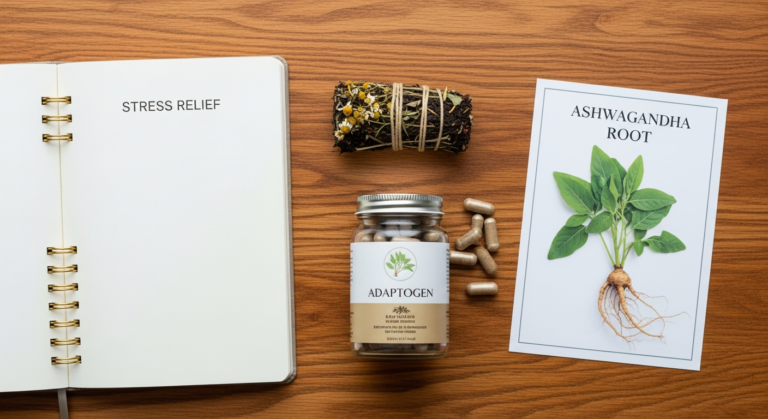
- Supplementation: Targeted supplements can sometimes help bridge nutritional gaps or support specific hormonal pathways. This might include magnesium for sleep and stress, B vitamins for energy, adaptogens for adrenal support, or specific herbs known to balance hormones. However, always use supplements under professional guidance.
- Environmental Detox: Our exposure to EDCs in plastics, personal care products, and cleaning supplies can significantly impact hormone balance. Consciously choosing cleaner, non-toxic alternatives for your home and personal care products can make a tangible difference. This aligns with the principles of creating a healthy living space, much like carefully planning a “home renovation dos and donts” to ensure a safe and nurturing environment.
Ongoing Monitoring and Adjustment
Hormones are dynamic, not static. Your body’s needs will evolve with age, lifestyle changes, and external stressors. Therefore, hormone balance is not a one-time fix but an ongoing journey. Regular check-ins with your healthcare provider and occasional re-testing (perhaps annually or as symptoms dictate) are important to monitor progress and make necessary adjustments to your treatment plan. This iterative process ensures that you remain aligned with your body’s evolving requirements, much like continually reviewing your financial plan as you adjust to retirement to ensure long-term stability.
By taking a holistic approach and integrating the insights from your hormone panel into your daily life, you move beyond merely managing symptoms to truly optimizing your health. This empowers you to live with greater energy, clarity, emotional balance, and resilience, ready to embrace all of life’s adventures, whether it’s a home renovation project or a cross-country RV trip.
Empowering Your Future: A Proactive Approach to Women’s Health in 2026 and Beyond
As we look towards 2026 and the future, the landscape of women’s health is rapidly evolving, moving away from reactive symptom management towards a proactive, personalized, and preventative paradigm. Female hormone panel blood tests stand at the forefront of this shift, offering an unparalleled opportunity for women to take charge of their health narrative. No longer do we have to passively endure unexplained symptoms or accept discomfort as an inevitable part of being a woman. Instead, we are empowered with the knowledge to understand our bodies deeply, address imbalances precisely, and optimize our well-being holistically.
Embracing hormone testing is an act of self-care, an investment in your present vitality and your future longevity. It’s about recognizing that your hormones are not just silent players in the background but powerful conductors of your entire being. From enhancing your daily energy and mood to safeguarding your long-term bone and cardiovascular health, the insights gained are invaluable. They inform your nutritional choices, guide your exercise routines, refine your stress management strategies, and ultimately, enable you to live a life brimming with health and purpose.
At Veralyn Media, our mission is to provide you with the tools and information to thrive. We encourage you to open a dialogue with your healthcare provider about hormone testing. Ask questions, advocate for your needs, and remember that understanding your body is the ultimate form of empowerment. By proactively monitoring and supporting your hormonal health, you are not just addressing symptoms; you are laying a robust foundation for a vibrant, energetic, and fulfilling life. Step into 2026 with confidence, equipped with the knowledge to unlock your full potential and cultivate enduring well-being.
Frequently Asked Questions
Recommended Resources
Check out How To Shop Secondhand Clothing Guide on Fashion Goggled for a deeper dive.
Explore Bedroom Interior Design Ideas 2026 for additional insights.