
The Science Behind Cold Plunges and Immunity: A Deep Dive
The human body is an extraordinary marvel of adaptation, constantly striving for homeostasis even in the face of external stressors. Cold plunges, or cold water immersion, introduce a controlled, acute stressor that triggers a cascade of physiological responses designed to protect and strengthen us. When we immerse ourselves in cold water, our bodies react swiftly and profoundly, initiating a series of events that have significant implications for our immune function.
One of the immediate effects is a powerful vasoconstriction, where blood vessels near the surface of the skin narrow to shunt blood towards our vital organs, conserving core body temperature. This initial shock, while intense, is followed by a vasodilatory response upon exiting the cold, leading to what is often described as a “rush” of renewed circulation. This rapid constriction and dilation act like a pump, enhancing blood flow and nutrient delivery throughout the body. More importantly, this process mobilizes immune cells, preparing them for action.
Beyond the circulatory effects, cold exposure stimulates the sympathetic nervous system, leading to an increase in norepinephrine, a hormone and neurotransmitter crucial for vigilance and focus. While often associated with the “fight or flight” response, norepinephrine also plays a vital role in immune regulation. Studies suggest that acute cold exposure can lead to a temporary increase in circulating white blood cells, including lymphocytes and natural killer cells, which are frontline defenders against pathogens and abnormal cells. This isn’t just a random spike; it’s a strategic deployment, making the immune system more alert and efficient.
Furthermore, regular cold exposure has been linked to an increase in brown adipose tissue (BAT), or brown fat. Unlike white fat, which stores energy, brown fat generates heat through a process called thermogenesis. This process not only burns calories but also influences metabolic health and, indirectly, immune function. A healthier metabolism supports a more robust immune system, as the body has more energy to dedicate to defense and repair. The activation of brown fat also involves mitochondrial biogenesis, meaning the creation of new mitochondria, the powerhouses of our cells. This enhanced cellular energy production contributes to overall cellular health, including that of immune cells.
The body’s response to cold also involves the release of cold shock proteins (CSPs), such as RNA-binding motif protein 3 (RBM3) and cold-inducible RNA-binding protein (CIRP). These proteins are involved in a variety of cellular functions, including protection against cellular stress, regulation of gene expression, and even neuroprotection. While research is ongoing, the presence and activity of CSPs suggest another layer of cellular resilience conferred by cold exposure, indirectly supporting immune cell integrity and function.
In essence, cold plunges act as a form of hormesis – a biological phenomenon where a low dose of an otherwise harmful stressor induces an adaptive response that is beneficial to the organism. By subjecting our bodies to controlled cold stress, we are training our immune system, making it more robust, responsive, and resilient for the challenges of 2026 and beyond. This deliberate practice, much like the careful planning involved in home renovation dos and donts, requires a thoughtful approach to yield the best results for our body’s internal architecture.
The Hormonal Symphony: Cortisol Modulation and Immune Resilience
A crucial aspect of the scientific benefits of cold plunges lies in their impact on the endocrine system, particularly the stress hormone cortisol. While acute spikes in cortisol are part of a healthy stress response, chronic elevated cortisol levels can suppress immune function, leaving us more vulnerable to illness. Cold plunges, paradoxically, can help us better manage our cortisol response.
Initially, cold exposure causes a temporary increase in cortisol. However, with consistent practice, the body adapts, and individuals often experience a blunted cortisol response to subsequent cold exposures. More significantly, regular cold plunges have been shown to improve the body’s overall ability to regulate cortisol, leading to a more balanced stress response in daily life. This means that while facing everyday stressors – whether it’s a demanding workday or the intricate details of adjusting to retirement from handling finances to staying on top of your health – your body is better equipped to handle the stress without overreacting or entering a state of chronic immune suppression.
This improved cortisol regulation indirectly strengthens the immune system by reducing the immunosuppressive effects associated with prolonged stress. A calmer, more balanced internal environment allows immune cells to function optimally, mounting an effective defense when needed. It’s a testament to the profound interconnectedness of our body systems, where mental and physiological resilience directly translates into immune strength.
Boosting White Blood Cell Production and Activity
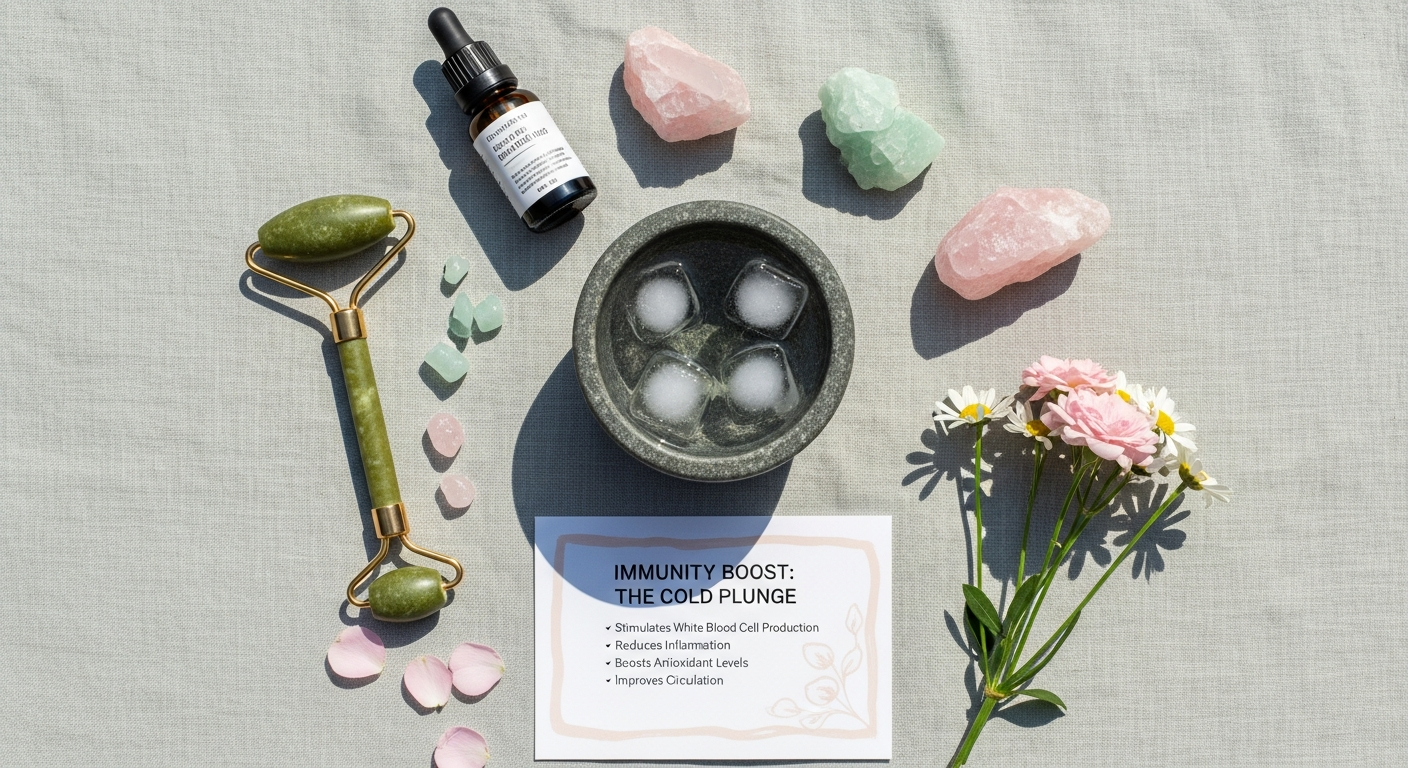
The immune system’s army consists of various types of white blood cells (leukocytes), each with specialized roles in identifying and destroying pathogens, cancerous cells, and other harmful invaders. Cold plunges have been consistently shown to stimulate the production and activity of these crucial immune defenders, making our internal defenses more formidable.
One of the most well-documented effects is an increase in lymphocytes, a type of white blood cell that includes T-cells and B-cells. T-cells are critical for cell-mediated immunity, directly attacking infected cells, while B-cells produce antibodies that neutralize pathogens. Research has indicated that individuals who regularly engage in cold water immersion exhibit higher levels of circulating lymphocytes, suggesting a heightened state of immune surveillance and readiness. This isn’t just about having more soldiers; it’s about having more alert and effective soldiers.
Beyond lymphocytes, cold exposure also impacts neutrophils, which are typically the first responders to infection or injury, engulfing and digesting harmful microorganisms. While some studies suggest a temporary decrease in neutrophils immediately after cold exposure, consistent practice seems to contribute to their overall improved function and mobilization capacity over time. This dynamic response ensures that while the body is under acute stress, it prioritizes resources, and in the long term, enhances the ability of these vital cells to perform their duties efficiently.
Natural Killer (NK) cells are another type of lymphocyte that plays a critical role in innate immunity, providing rapid responses to virus-infected cells and tumor cells. They are particularly important because they don’t require prior activation to recognize and kill their targets. Several studies have pointed to an increase in NK cell count and activity following acute and chronic cold exposure. A more active population of NK cells means your body has an enhanced ability to detect and eliminate threats before they can cause significant harm, offering a powerful layer of protection against a wide range of illnesses.
The mechanism behind this enhanced white blood cell production and activity is multifaceted. The physiological stress induced by cold water triggers the release of various hormones and neurotransmitters, including adrenaline and noradrenaline, which can directly stimulate the bone marrow to release more leukocytes into the bloodstream. Additionally, the improved circulation and lymphatic flow (which we’ll discuss next) ensure that these immune cells can travel more efficiently throughout the body, reaching sites of potential infection or inflammation more rapidly.
Consider the analogy of a well-organized defense force. Cold plunges don’t just add more recruits; they optimize the training, deployment, and communication of the entire immune army. This makes your body more capable of fighting off seasonal bugs, environmental toxins, and even more serious threats, ensuring that your immune system is not just reacting, but proactively strengthening itself for a healthier future in 2026 and beyond. This proactive approach to health is akin to planning wisely for your future, whether it’s managing finances for retirement or planning a robust home renovation.
Reducing Inflammation and Oxidative Stress
When exposed to cold water, the body releases anti-inflammatory cytokines, such as IL-10, and reduces pro-inflammatory cytokines like IL-6 and TNF-alpha. Cytokines are signaling molecules that regulate inflammation. By shifting the balance towards anti-inflammatory cytokines, cold therapy helps to dampen systemic inflammation. This is particularly beneficial for individuals dealing with chronic inflammatory conditions, as it can alleviate symptoms and support overall tissue healing and repair. A body with lower baseline inflammation is a body whose immune system can focus its energy on defense rather than constantly battling internal fires.
Oxidative stress occurs when there’s an imbalance between the production of free radicals and the body’s ability to neutralize them with antioxidants. Free radicals are unstable molecules that can damage cells and DNA, contributing to aging and disease. Cold plunges have been shown to enhance the body’s endogenous antioxidant systems. Specifically, they can increase the activity of enzymes like glutathione reductase and superoxide dismutase (SOD), which are critical for neutralizing free radicals and protecting cells from oxidative damage. This means that cold exposure doesn’t just reduce inflammation; it actively strengthens your cells’ defenses against the very processes that cause cellular breakdown.
The reduction in inflammation and oxidative stress has profound implications for immune health. When the body is less burdened by these internal stressors, immune cells can function more efficiently. Chronic inflammation can lead to a state of “immune exhaustion,” where immune cells become less effective over time. By reducing inflammation, cold plunges help to preserve immune cell vitality and responsiveness. This creates an environment where your immune system is sharper, quicker to respond to threats, and less likely to misfire against healthy tissues.
Moreover, the anti-inflammatory effects extend beyond just systemic benefits. For athletes and active individuals, cold plunges are well-known for reducing muscle soreness and speeding up recovery after intense exercise. This localized anti-inflammatory effect also contributes to overall well-being and allows the body to allocate more resources to general immune surveillance rather than constant repair from micro-traumas. For women who prioritize an active lifestyle, balancing fitness with immune support is key, and cold plunges offer a synergistic approach.
Embracing cold plunges as a regular practice is an investment in long-term health, akin to making wise financial decisions for retirement. By proactively managing inflammation and oxidative stress, you are building a resilient foundation that will serve you well, not just in 2026, but throughout your life, enabling your immune system to perform at its peak and safeguard your vitality.
Enhancing Lymphatic Drainage and Detoxification
Often overlooked but critically important, the lymphatic system is a complex network of vessels, nodes, and organs that plays a vital role in immune function, waste removal, and fluid balance. Unlike the circulatory system, which has the heart as its pump, the lymphatic system relies on muscle contractions, movement, and external stimulation to circulate lymph fluid throughout the body. Cold plunges provide a powerful stimulus for this essential system, significantly enhancing lymphatic drainage and detoxification processes.
When you immerse yourself in cold water, the body’s immediate response of vasoconstriction (blood vessel narrowing) followed by vasodilation (blood vessel widening) creates a pumping action. This dynamic constriction and relaxation of vessels, combined with the involuntary shivering and muscle contractions that often occur in cold, effectively massages the lymphatic vessels. This mechanical stimulation helps to propel stagnant lymph fluid, which is rich in immune cells, waste products, and toxins, through the lymphatic capillaries and towards the lymph nodes for filtration.
The lymph nodes, strategically located throughout the body, act as filters, trapping bacteria, viruses, and other harmful substances. Within the lymph nodes, specialized immune cells, such as lymphocytes and macrophages, neutralize these threats. By enhancing lymphatic flow, cold plunges ensure that waste products are efficiently removed from tissues and that immune cells are rapidly transported to where they are needed most. This increased efficiency in waste removal and immune cell circulation is paramount for maintaining a clean and robust internal environment.
A sluggish lymphatic system can lead to fluid retention, swelling, and a build-up of toxins, which can overwhelm the immune system and make us more susceptible to illness. Symptoms like fatigue, brain fog, and recurring infections can sometimes be linked to impaired lymphatic function. Regular cold plunges can counteract this stagnation, promoting a continuous cleansing process that supports overall immune vigilance and health.
Think of it as giving your body’s internal plumbing a powerful flush. Just as you meticulously plan the flow and drainage in a home renovation to ensure efficiency and prevent blockages, cold plunges optimize the flow of your lymphatic system. This isn’t just about feeling refreshed; it’s about actively assisting your body’s natural detoxification pathways, reducing the burden on your immune system, and allowing it to focus on its primary role of defense.
For women who are mindful of their overall wellness, integrating practices that support detoxification is key. From clean eating to regular exercise, every effort contributes to a healthier internal landscape. Cold plunges add another powerful tool to this arsenal, ensuring that your lymphatic system is performing optimally in 2026, keeping your immune system sharp and your body resilient against the daily onslaught of environmental stressors.
Stress Reduction and Its Indirect Immune Benefits
The mind-body connection is undeniable, and perhaps nowhere is it more evident than in the intricate relationship between stress and the immune system. Chronic stress is a notorious immunosuppressant, making us more vulnerable to infections and hindering recovery. While cold plunges might initially feel stressful, consistent practice paradoxically becomes a profound tool for stress reduction, offering significant indirect benefits to our immune health.
The initial shock of cold water activates the sympathetic nervous system, triggering the “fight or flight” response. However, by consciously controlling your breath and remaining calm in the cold, you train your body and mind to respond differently to stress. This practice strengthens the vagus nerve, a key component of the parasympathetic nervous system, responsible for the “rest and digest” state. A robust vagal tone is associated with improved mood, reduced inflammation, and a more resilient stress response.
Regular engagement with cold plunges helps to reset the body’s stress response system. Over time, the acute physiological stress of cold exposure can lead to a more balanced and less reactive nervous system in daily life. This means that when faced with everyday stressors – whether it’s navigating complex family dynamics, managing a challenging work project, or even planning a family RV road trip – your body is less likely to enter a prolonged state of high alert. The chronic elevation of cortisol, a major immune suppressor, is mitigated, allowing your immune system to function optimally.
When the mind is calmer and the body is less stressed, immune cells are more effective. Stress can impair the function of lymphocytes, reduce antibody production, and increase susceptibility to illness. By actively reducing chronic stress through practices like cold plunging, you are creating an internal environment where your immune system can thrive. This mental fortitude, gained through deliberate exposure to discomfort, translates into physical resilience.
Moreover, the mindfulness cultivated during a cold plunge – focusing on breath, staying present, and overcoming initial discomfort – carries over into other aspects of life. This enhanced ability to manage challenging situations with equanimity directly impacts overall well-being and, consequently, immune function. For women balancing multiple roles and responsibilities, finding effective stress management techniques is not just a luxury but a necessity for sustained health. Integrating cold plunges can be a powerful ritual for mental clarity and emotional regulation, providing a much-needed mental break and strengthening your resolve.
Embracing cold plunges as a stress-reduction strategy is a holistic investment in your health, aligning with the comprehensive approach often needed for major life transitions, such as adjusting to retirement. By intentionally building mental and physical resilience against stress, you empower your immune system to be more robust, responsive, and ready to protect you, ensuring a healthier and more peaceful existence in 2026 and for years to come.
Practical Tips for Incorporating Cold Plunges into Your Wellness Routine
Embarking on the journey of cold plunges can feel daunting at first, but with a nurturing and evidence-based approach, it can seamlessly integrate into your wellness routine. For health-conscious women, the key is to start gradually, listen to your body, and create a sustainable practice. Remember, consistency is more important than intensity, especially in the beginning.
Starting Safely and Gradually
- Cold Showers First: Don’t jump straight into an ice bath. Begin by ending your regular warm shower with 30-60 seconds of cold water. Gradually increase the duration and decrease the water temperature over several weeks. This acclimates your body to the cold without overwhelming your system.
- Listen to Your Body: Pay attention to how you feel. While some discomfort is normal, severe pain or dizziness is a sign to stop. The goal is invigorating, not agonizing.
- Breathing Techniques: Before and during immersion, practice deep, diaphragmatic breathing. Inhale slowly through your nose, letting your belly expand, and exhale slowly through your mouth. This helps activate the parasympathetic nervous system and calms your initial shock response.
- Duration and Frequency: Aim for 1-3 minutes of cold immersion, 3-5 times a week, once you’re acclimated. Even short, consistent exposures yield significant benefits. Some advanced practitioners go longer, but for immune benefits, consistency at shorter durations is effective.
Methods of Cold Immersion
- Cold Showers: The most accessible option. Gradually lower the temperature and increase duration.
- Cold Baths/Ice Baths: If you have access to a bathtub, fill it with cold water and add ice. Start with just cold tap water and slowly introduce ice as you become more comfortable. This allows for full body immersion, which is ideal.
- Dedicated Cold Plunge Tubs: For those looking to invest in a more permanent solution, dedicated cold plunge tubs are becoming increasingly popular. When considering this, think about it like a mini home renovation project – research space, plumbing, and maintenance needs.
- Natural Water Sources: Lakes, rivers, or the ocean, especially in colder climates, offer a natural and invigorating experience. Always prioritize safety and know the water conditions. If you’re on a family RV road trip, this might be a great way to find unique cold plunge spots!
Post-Plunge Care and Integration
- Warm Up Naturally: Avoid immediately jumping into a hot shower. Allow your body to rewarm naturally by toweling off, getting dressed in warm clothes, and perhaps having a warm drink. This allows your body to continue the thermogenesis process and maximizes the metabolic benefits.
- Hydration and Nutrition: Support your body’s recovery with plenty of water and nutrient-dense foods.
- Consistency is Key: Like any wellness practice, the benefits of cold plunges accumulate over time. Make it a non-negotiable part of your routine. Perhaps schedule it for the same time each day to build the habit.
- Pair with Other Wellness Practices: Cold plunges integrate beautifully with mindfulness, meditation, and breathwork. Consider it a powerful anchor in your holistic health strategy, much like balancing your finances for retirement or making healthy lifestyle choices to maintain optimal health in your golden years.
The journey to a stronger immune system through cold plunges is a testament to our body’s incredible capacity for adaptation and resilience. By embracing this ancient practice with intention and care, you are not only fortifying your physical defenses but also cultivating mental grit and an empowering sense of control over your well-being. As we stride into 2026, let this be one of the powerful tools in your health arsenal, empowering you to live a vibrant, resilient, and thriving life.
Frequently Asked Questions
Recommended Resources
Explore How To Build A Capsule Wardrobe Like A Celebrity for additional insights.
For more on benefits of cold, see Yoga For Beginners At Home For Women on The Contextual Life.