Sleep Disorders in Women: Causes, Signs, and Solutions 2026
TL;DR: Women face unique sleep challenges due to hormonal shifts across life stages (menstrual cycle, pregnancy, menopause), making them more prone to insomnia, RLS, and misdiagnosed sleep apnea. Addressing these requires a holistic approach, combining lifestyle adjustments like consistent sleep hygiene and stress management with medical interventions such as CBT-I or hormone therapy when necessary.
The Unique Landscape of Women’s Sleep: Hormones and Life Stages
The female body is a symphony of hormonal changes, and these fluctuations significantly shape the sleep experience throughout a woman’s life. Estrogen and progesterone, the primary female sex hormones, have a profound impact on various physiological processes, including the sleep-wake cycle. Understanding their influence is key to comprehending why women are more susceptible to sleep disorders.
During the menstrual cycle, many women report sleep disturbances, particularly in the luteal phase (the week before menstruation). Progesterone levels rise after ovulation, which can have sedative effects for some, promoting sleep, but its sharp drop before menstruation can lead to insomnia, vivid dreams, and increased awakenings. Furthermore, Premenstrual Syndrome (PMS) and Premenstrual Dysphoric Disorder (PMDD) often include symptoms like anxiety, depression, bloating, and cramps, all of which directly interfere with sleep onset and maintenance. A study published in the Journal of Clinical Sleep Medicine highlighted that up to 30% of women experience sleep disturbances during their menstrual cycle, with a significant portion reporting symptom exacerbation during the premenstrual phase.
Pregnancy introduces a cascade of changes that profoundly affect sleep. Hormonal shifts, particularly the surge in progesterone, initially induce fatigue but later contribute to frequent nighttime awakenings. Physical discomforts such as an enlarging abdomen, back pain, leg cramps, and fetal movements make finding a comfortable sleeping position challenging. Additionally, common pregnancy-related issues like heartburn, frequent urination, and restless legs syndrome (RLS) become more prevalent. The risk of sleep-disordered breathing, including gestational sleep apnea, also increases, often going undiagnosed. The American College of Obstetricians and Gynecologists (ACOG) emphasizes the importance of addressing sleep issues during pregnancy due to their link with adverse outcomes such as gestational diabetes, preeclampsia, and preterm birth.
Perhaps the most significant hormonal shift impacting sleep occurs during perimenopause and menopause. As estrogen levels decline, women often experience hot flashes and night sweats, which can awaken them multiple times during the night, leading to fragmented sleep. Estrogen also plays a role in regulating serotonin and melatonin, crucial neurotransmitters for sleep, so its reduction can disrupt the body’s natural sleep-wake rhythm. Progesterone’s decline also removes its calming, sleep-promoting effects. The National Institutes of Health (NIH) points out that over 60% of perimenopausal and menopausal women report sleep difficulties. These symptoms often contribute to increased anxiety and depression, further exacerbating sleep problems. Understanding these unique hormonal influences is foundational to developing effective strategies for women seeking solutions for sleep disorders in 2026.
Common Sleep Disorders Affecting Women
Insomnia is by far the most common sleep disorder, affecting women at nearly twice the rate of men. Women are more likely to experience both sleep onset insomnia (difficulty falling asleep) and sleep maintenance insomnia (difficulty staying asleep). The chronic stress of balancing work, family, and caregiving responsibilities, coupled with hormonal fluctuations, creates a fertile ground for insomnia. The cyclical nature of hormones means a woman might experience bouts of insomnia around her menstrual cycle, during pregnancy, or most notably during perimenopause and menopause. Insomnia isn’t just about lack of sleep; it significantly impairs daytime function, leading to fatigue, irritability, difficulty concentrating, and increased risk of accidents. The American Academy of Sleep Medicine (AASM) highlights that untreated chronic insomnia can contribute to a host of health problems, including cardiovascular disease, diabetes, and mental health disorders.
Restless Legs Syndrome (RLS) is another condition that disproportionately affects women, with prevalence rates up to twice as high compared to men. RLS is characterized by an irresistible urge to move the legs, often accompanied by uncomfortable sensations (creeping, crawling, tingling) that worsen during periods of rest or inactivity, especially in the evening or night. These symptoms are temporarily relieved by movement. RLS can significantly delay sleep onset and disrupt sleep maintenance. Pregnancy is a major risk factor, with up to 20% of pregnant women developing RLS, often resolving after delivery. Iron deficiency, which is more common in women, is a known contributor to RLS, alongside genetic predispositions and dopamine system dysfunction.
Sleep Apnea, particularly Obstructive Sleep Apnea (OSA), is often considered a “man’s disease,” but this perception leads to significant underdiagnosis in women. While men typically present with loud snoring and daytime sleepiness, women with OSA may exhibit more subtle symptoms such as fatigue, insomnia, headaches, depression, and anxiety, rather than overt snoring. This difference in presentation often leads to misdiagnosis or delayed diagnosis. Hormonal changes, especially during menopause, can increase a woman’s risk for OSA, as declining estrogen can lead to a loss of muscle tone in the upper airway. The American Heart Association (AHA) emphasizes that undiagnosed sleep apnea in women poses serious health risks, including increased likelihood of hypertension, heart attack, stroke, and diabetes, underscoring the importance of recognizing the atypical signs in female patients.
Less common but still significant are conditions like Narcolepsy, which can also present with unique challenges in women, often with symptoms like excessive daytime sleepiness being attributed to other causes like depression or general fatigue. The interplay of these specific sleep disorders with women’s unique biology necessitates a tailored and informed approach to diagnosis and management, ensuring that women receive the appropriate care for their sleep health needs in 2026.
Beyond Hormones: Lifestyle, Stress, and Mental Health Factors
While hormonal fluctuations are a significant driver of sleep issues in women, they are by no means the sole culprits. A complex web of lifestyle choices, chronic stress, and mental health conditions profoundly impacts sleep quality, often interacting with hormonal factors to create a perfect storm for sleep disorders. Recognizing and addressing these non-hormonal influences is paramount for comprehensive sleep health.
Chronic Stress is a pervasive issue in modern life, and women often bear a disproportionate burden of stress due to multiple roles as caregivers, professionals, and homemakers. Sustained stress elevates cortisol levels, the body’s primary stress hormone. While cortisol is naturally higher in the morning to promote wakefulness, chronically elevated evening cortisol can interfere with the production of melatonin, the sleep hormone, making it difficult to fall asleep and stay asleep. The constant “fight or flight” response keeps the nervous system on high alert, preventing the relaxation necessary for deep, restorative sleep. Studies have shown a direct correlation between perceived stress levels and increased incidence of insomnia in women. Effective stress management techniques are therefore not just beneficial for mental well-being but are crucial for sleep health.
Mental Health Conditions such as anxiety and depression are strongly bidirectional with sleep disorders. Women are twice as likely as men to experience anxiety disorders and depression, and these conditions are intimately linked with insomnia. Anxiety often manifests as racing thoughts and worry, making it impossible to quiet the mind at bedtime. Depression can lead to both insomnia and hypersomnia (excessive sleepiness), disrupting the normal sleep-wake cycle. The relationship is cyclical: poor sleep exacerbates symptoms of anxiety and depression, which in turn worsen sleep. Addressing underlying mental health conditions through therapy, medication, or lifestyle changes is often a critical step in resolving chronic sleep problems.
Lifestyle Factors play a significant, often overlooked, role. Irregular sleep schedules, excessive caffeine or alcohol consumption (especially close to bedtime), nicotine use, and lack of physical activity can all disrupt natural sleep patterns. Alcohol, while initially sedating, fragments sleep in the latter half of the night. Caffeine has a long half-life and can linger in the system, preventing deep sleep hours after consumption. Sedentary lifestyles can throw off the body’s circadian rhythm, while regular moderate exercise, particularly earlier in the day, can significantly improve sleep quality. Diet also plays a role; heavy, spicy, or sugary meals close to bedtime can cause digestive discomfort, leading to sleep disruption. Furthermore, the pervasive use of electronic devices with blue light emissions before bed suppresses melatonin production, signaling to the brain that it’s still daytime. Integrating healthy lifestyle habits is a cornerstone of any effective strategy for sleep disorders in women.
Recognizing the Signs: When to Suspect a Sleep Disorder
Many women normalize feeling tired, attributing it to their busy lives, stress, or just being a woman. However, persistent and disruptive sleep-related symptoms are not normal and could indicate an underlying sleep disorder. Recognizing these signs early is crucial for seeking timely intervention and improving overall health. It’s important to move beyond simply “feeling tired” and identify specific patterns and symptoms.
The most obvious sign is difficulty falling or staying asleep. If you consistently take more than 30 minutes to fall asleep, or if you wake up multiple times during the night and struggle to return to sleep for at least three nights a week over a period of three months, you likely meet the criteria for chronic insomnia. However, the impact of poor sleep extends far beyond the nighttime hours.
Daytime fatigue and excessive sleepiness are hallmark signs. This isn’t just feeling a bit groggy; it’s an overwhelming urge to sleep during the day, even after what you perceive as a full night’s rest. You might find yourself nodding off during meetings, while driving, or during sedentary activities. This can lead to impaired performance at work or school, increased risk of accidents, and a general lack of motivation.
Beyond fatigue, cognitive impairments are common. Difficulty concentrating, memory problems, reduced attention span, and slower reaction times can all stem from insufficient or fragmented sleep. You might find yourself making more mistakes, struggling to learn new information, or feeling mentally “foggy” throughout the day. These symptoms are often mistaken for stress or aging, but they can be direct consequences of a sleep disorder.
Mood disturbances and emotional dysregulation are also strong indicators. Chronic sleep deprivation can lead to increased irritability, mood swings, anxiety, and even symptoms of depression. Women are particularly susceptible to these emotional impacts, which can strain relationships and reduce overall quality of life. If you notice a significant change in your mood or emotional resilience, poor sleep could be a contributing factor.
Specific physical symptoms warrant attention. Loud, persistent snoring, especially if accompanied by gasping or choking sounds, is a red flag for sleep apnea. While men are often associated with snoring, women can snore too, and their snoring might be less pronounced but still indicative of airway obstruction. Restless or uncomfortable sensations in the legs, particularly in the evening or night, that are relieved by movement, strongly suggest Restless Legs Syndrome. Morning headaches, particularly upon waking, can be a symptom of sleep apnea or teeth grinding (bruxism) often exacerbated by sleep disturbances. Gastroesophageal reflux disease (GERD) symptoms, like heartburn, can also worsen at night and disrupt sleep.
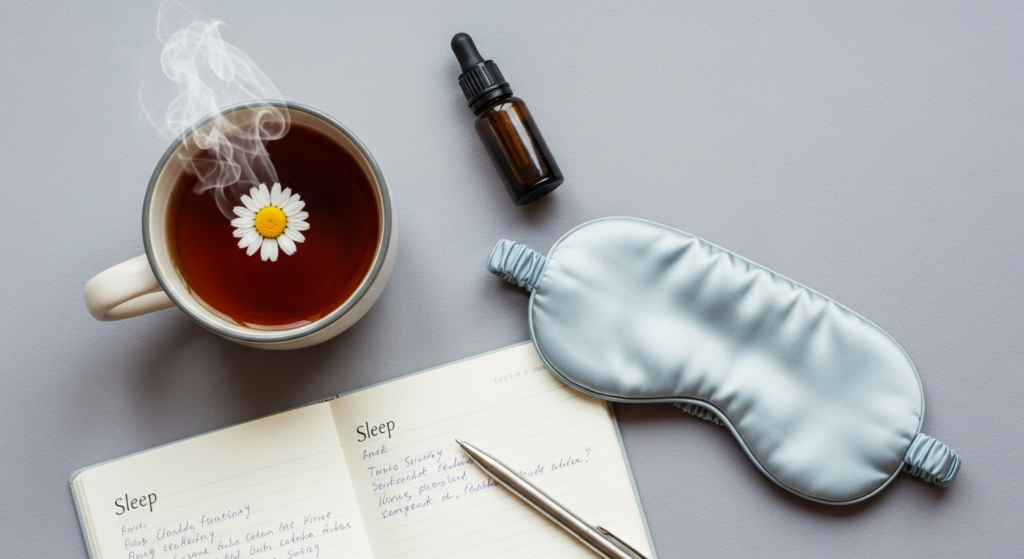
Tracking your sleep patterns and symptoms in a journal for a few weeks can provide valuable insights for both you and your healthcare provider. Note when you go to bed, when you wake up, how long it takes to fall asleep, how many times you wake up, and any daytime symptoms. If these signs are persistent and negatively impacting your daily life, it’s time to consider that a sleep disorder might be at play and seek professional guidance for effective solutions in 2026.
Holistic Solutions: Lifestyle Medicine for Better Sleep
Before considering medical interventions, a foundational approach to improving sleep involves optimizing lifestyle factors. Lifestyle medicine emphasizes the power of daily choices in preventing, treating, and even reversing chronic conditions, and sleep disorders are no exception. These holistic solutions are often the first line of defense and can yield significant improvements for many women seeking better sleep in 2026.
Prioritize Sleep Hygiene: This is the cornerstone of good sleep. It involves establishing consistent habits that promote a conducive environment for sleep.
- Maintain a Regular Sleep Schedule: Go to bed and wake up at the same time every day, even on weekends. This helps regulate your body’s natural circadian rhythm.
- Create a Restful Sleep Environment: Ensure your bedroom is dark, quiet, and cool (ideally between 60-67°F or 15-19°C). Blackout curtains, earplugs, or a white noise machine can be beneficial.
- Limit Screen Time Before Bed: The blue light emitted by phones, tablets, and computers can suppress melatonin production. Aim to disconnect at least 1-2 hours before bedtime.
- Avoid Large Meals, Caffeine, and Alcohol Before Bed: Caffeine can stay in your system for hours. Alcohol may initially induce sleep but leads to fragmented sleep later. Heavy meals can cause digestive discomfort.
Optimize Diet and Nutrition: What you eat and when you eat can significantly impact your sleep. Focus on a balanced diet rich in whole foods, fruits, vegetables, and lean proteins. Magnesium-rich foods (leafy greens, nuts, seeds) can promote relaxation. Tryptophan-containing foods (turkey, chicken, dairy, bananas) can aid in serotonin and melatonin production. Avoid processed foods, excessive sugar, and refined carbohydrates, which can lead to energy crashes and disrupt sleep patterns. Staying adequately hydrated throughout the day is important, but reduce fluid intake closer to bedtime to minimize nighttime bathroom trips.
Incorporate Regular Physical Activity: Moderate exercise, such as brisk walking, jogging, swimming, or yoga, can significantly improve sleep quality. Exercise helps reduce stress, improve mood, and deepen sleep. However, timing is key: avoid intense workouts too close to bedtime, as the stimulating effects can make it harder to fall asleep. Aim for morning or afternoon exercise sessions for optimal benefits.
Practice Stress Reduction Techniques: Given the strong link between stress and sleep, incorporating daily relaxation practices is vital.
- Mindfulness and Meditation: Even 10-15 minutes a day can calm the nervous system.
- Deep Breathing Exercises: Techniques like diaphragmatic breathing can activate the parasympathetic nervous system, promoting relaxation.
- Yoga and Tai Chi: These practices combine physical movement with mindfulness and breathing, offering dual benefits.
- Journaling: Writing down worries before bed can help clear your mind.
Leverage Light Exposure: Our circadian rhythm is heavily influenced by light. Get plenty of natural light exposure, especially in the morning, to help set your internal clock. Conversely, minimize bright artificial light in the evenings, particularly blue light, to allow natural melatonin production to begin. Using dim lights or red-spectrum lights in the hours before bed can be beneficial.
By consistently implementing these lifestyle medicine strategies, many women can significantly improve their sleep quality, reduce the severity of sleep disorders, and enhance their overall well-being without immediate reliance on medication. These solutions empower women to take an active role in managing their sleep health in 2026.
Medical Interventions and Advanced Strategies for 2026
While lifestyle modifications are foundational, sometimes they are not enough to fully resolve sleep disorders, especially for women grappling with severe or chronic conditions, or those facing significant hormonal shifts. In such cases, medical interventions and advanced strategies, guided by healthcare professionals, become necessary. The landscape of sleep medicine continues to evolve, offering more targeted and effective solutions for women in 2026.
Cognitive Behavioral Therapy for Insomnia (CBT-I) is widely regarded as the gold standard non-pharmacological treatment for chronic insomnia. Unlike sleep medications, CBT-I addresses the underlying thoughts and behaviors that contribute to sleep problems. It typically involves several components:
- Cognitive Restructuring: Challenging and changing negative thoughts and worries about sleep.
- Stimulus Control: Re-associating the bedroom with sleep and sex only, and avoiding activities like watching TV or working in bed.
- Sleep Restriction: Temporarily limiting time in bed to increase sleep drive, gradually increasing it as sleep efficiency improves.
- Sleep Hygiene Education: Reinforcing healthy sleep habits.
- Relaxation Training: Teaching techniques like progressive muscle relaxation or meditation.
CBT-I has a high success rate and long-lasting effects, often outperforming sleep medications in the long term, as recognized by the National Institutes of Health (NIH).
Pharmacological Treatments: Sleep medications can offer short-term relief for acute insomnia or when other methods have been insufficient. However, they should generally be used under strict medical supervision due to potential side effects, dependency, and the risk of masking underlying issues. Options include sedative-hypnotics (like zolpidem), melatonin receptor agonists, and certain antidepressants with sedating properties. For specific conditions like Restless Legs Syndrome, medications such as dopamine agonists or alpha-2 delta ligands might be prescribed. The American Academy of Sleep Medicine (AASM) recommends a cautious approach to pharmacotherapy, emphasizing its role as an adjunct to behavioral therapies.
Hormone Replacement Therapy (HRT): For perimenopausal and menopausal women whose sleep disturbances are primarily driven by hot flashes, night sweats, and hormonal imbalances, HRT can be a highly effective solution. Estrogen therapy, with or without progesterone, can significantly reduce vasomotor symptoms, thereby improving sleep quality. ACOG guidelines support the use of HRT for menopausal symptoms, including sleep disturbances, when appropriate and after a thorough discussion of risks and benefits with a healthcare provider. HRT can stabilize hormone levels, allowing for more consistent and restorative sleep.
Continuous Positive Airway Pressure (CPAP) Therapy: For women diagnosed with Obstructive Sleep Apnea, CPAP remains the most effective treatment. CPAP machines deliver a continuous stream of air through a mask worn during sleep, keeping the airway open and preventing apneas. Given the often atypical presentation of OSA in women, proper diagnosis by a sleep specialist is critical. Adherence to CPAP therapy can dramatically improve sleep quality, reduce daytime fatigue, and mitigate the cardiovascular risks associated with OSA.
Addressing Underlying Medical Conditions: Treatments for conditions like iron deficiency (which can exacerbate RLS), thyroid disorders, or chronic pain can indirectly but significantly improve sleep. Regular check-ups and open communication with your doctor about all your symptoms are essential. In 2026, the emphasis is on personalized medicine, where treatment plans are tailored to the individual woman’s specific hormonal profile, lifestyle, and co-existing health conditions, ensuring the most effective and sustainable solutions for sleep disorders in women.
Comparison Table: Sleep Disorders in Women
| Sleep Disorder | Common Symptoms in Women | Lifestyle Strategies | Medical Options (2026) |
|---|---|---|---|
| Insomnia (Chronic) | Difficulty falling/staying asleep >3 nights/week for >3 months; daytime fatigue, irritability, poor concentration; often linked to stress, anxiety, hormonal changes. | Consistent sleep schedule, optimize bedroom environment (dark, cool, quiet), limit screens before bed, avoid caffeine/alcohol late, stress management (meditation, yoga), regular exercise (not near bedtime). | CBT-I (first-line therapy), short-term sleep medications (e.g., zolpidem, eszopiclone), melatonin receptor agonists, certain antidepressants. |
| Restless Legs Syndrome (RLS) | Irresistible urge to move legs, uncomfortable sensations (creeping, tingling) worse at rest/night, relieved by movement; often worse during pregnancy; linked to iron deficiency. | Regular moderate exercise, hot baths/massages, stretching, avoid caffeine/alcohol/nicotine, maintain balanced diet, cognitive distraction techniques. | Iron supplementation (if deficient), dopamine agonists (e.g., ropinirole, pramipexole), alpha-2 delta ligands (e.g., gabapentin enacarbil), benzodiazepines (caution). |
| Obstructive Sleep Apnea (OSA) | Daytime fatigue, morning headaches, insomnia, depression, anxiety (often subtle or atypical symptoms compared to men); snoring may be present but not always loud; increased risk post-menopause. | Weight management, avoid alcohol/sedatives before bed, sleep on side, nasal dilators (for mild cases), address nasal congestion. | CPAP therapy (gold standard), oral appliances, surgery (e.g., uvulopalatopharyngoplasty), nerve stimulation, positional therapy. |
| Menopause-Related Sleep Issues | Hot flashes, night sweats, frequent awakenings, difficulty falling/staying asleep, increased anxiety, mood swings due to fluctuating estrogen/progesterone. | Cool bedroom, light layers, avoid triggers (spicy food, alcohol, caffeine), stress reduction, regular exercise, phytoestrogen-rich diet (e.g., soy, flaxseed). | Hormone Replacement Therapy (HRT) for vasomotor symptoms, non-hormonal medications (e.g., SSRIs/SNRIs, gabapentin) for hot flashes, CBT-I. |
Conclusion: Reclaiming Rest for Women’s Wellness in 2026
The journey to understanding and overcoming sleep disorders in women is multifaceted, deeply interwoven with hormonal health, lifestyle choices, and mental well-being. As we look to 2026, the message is clear: prioritizing sleep is not just about feeling rested; it’s a fundamental pillar of overall women’s health, impacting everything from cognitive function and mood to cardiovascular health and hormonal balance. The unique challenges women face—from the ebb and flow of menstrual cycles to the profound shifts of pregnancy and menopause—demand a specialized and empathetic approach to sleep health.
By recognizing the distinct causes and often subtle signs of sleep disorders in women, and by embracing a blend of evidence-based lifestyle medicine and targeted medical interventions, every woman has the power to reclaim her nights and enhance her days. From establishing consistent sleep hygiene and practicing stress-reduction techniques to exploring CBT-I, HRT, or CPAP therapy under expert guidance, a comprehensive toolkit of solutions is available. Remember, your sleep health is an integral part of your vibrant life.
When to See a Doctor: If you’ve been consistently struggling with sleep for more than a few weeks, if your daytime functioning is significantly impaired, or if you suspect an underlying condition like sleep apnea or severe RLS, it’s crucial to consult your healthcare provider. They can help identify the root cause of your sleep issues and guide you toward appropriate diagnostic tests or referrals to a sleep specialist.
Next Steps: Start by implementing foundational sleep hygiene practices. Keep a sleep journal to track your patterns and symptoms, which will be invaluable information for any healthcare discussions. Educate yourself further on the connections between your hormones, lifestyle, and sleep. Empower yourself with knowledge and proactive steps, because truly restful sleep is within your reach, allowing you to thrive in 2026 and every year beyond.