Unlock Your Hair’s Natural Radiance: The Ultimate Guide to Holistic Hair Care in 2026

Welcome, beautiful souls, to Veralyn Media! As we step into 2026, the conversation around beauty and wellness continues to evolve, centering more than ever on authenticity, sustainability, and holistic well-being. This shift profoundly impacts how we approach our hair care. Gone are the days of chasing fleeting trends with harsh chemicals; today, we embrace our unique hair textures and types, nurturing them with ingredients that truly love them back. Think of your hair not just as strands, but as an extension of your overall health – a vibrant indicator of the nourishment you provide both inside and out. This comprehensive guide is designed to empower you with the knowledge and practical steps to cultivate a natural hair care routine that not only makes your hair shine but also deeply nourishes your scalp and spirit. We’re going beyond surface-level fixes to explore a science-backed, accessible, and truly holistic approach that will help you achieve your healthiest, most radiant hair yet. Get ready to transform your hair care into an act of self-love, tailored perfectly for the modern woman.

Understanding Your Hair’s Unique Blueprint: The Foundation of Natural Care

Before diving into products and techniques, the first and most crucial step in building an effective natural hair care routine is understanding your hair’s unique characteristics. Just like our skin, our hair has specific needs that, once understood, unlock the secrets to its optimal health. This isn’t about fitting into a mold, but rather celebrating your individuality.

Hair Porosity: Your Hair’s Thirst Level

Hair porosity refers to your hair’s ability to absorb and retain moisture. It’s determined by the state of your hair’s cuticle, the outermost layer.

* Low Porosity: The cuticles are tightly packed and lie flat, making it difficult for moisture to penetrate. However, once moisture is in, it’s well-retained.
* Tips: Use lightweight, humectant-rich products (like aloe vera, glycerin) that can penetrate the cuticle. Apply products to damp, warm hair (warmth helps open cuticles). Avoid heavy oils and butters that can sit on the surface.
* Medium Porosity: The cuticles are slightly less compact, allowing moisture to penetrate and retain well. This is often considered the “ideal” porosity.
* Tips: Maintain balance with a variety of products. You can experiment with different consistencies. Regular deep conditioning is still beneficial.
* High Porosity: The cuticles are raised or damaged, allowing moisture to easily enter and escape. This can be genetic or due to chemical treatments, heat damage, or environmental factors.
* Tips: Focus on moisture retention. Use heavier butters, oils, and leave-in conditioners to seal the cuticle. Protein treatments can help strengthen and fill gaps in the cuticle. Rinse with cool water to help close cuticles.

The Float Test: Gently place a clean strand of hair into a glass of room-temperature water.
* If it floats on top for a few minutes, you likely have low porosity.
* If it sinks slowly, you likely have medium porosity.
* If it sinks quickly, you likely have high porosity.

Hair Texture & Type: Embracing Your Natural Pattern

Your hair type describes its natural shape and pattern, from straight to coily. Understanding this helps you choose appropriate products and styling techniques.

* Straight (Type 1): Tends to be oily, as natural oils easily travel down the shaft.
* Tips: Focus on volumizing products and gentle cleansing to avoid buildup. Lightweight, non-greasy natural oils (jojoba, argan) are best for shine without weighing it down.
* Wavy (Type 2: 2A-2C): Has a loose S-shape pattern. Can range from fine to coarse.
* Tips: Look for products that enhance waves without frizz. Avoid heavy butters. Mousse, gels, and sea salt sprays can define waves.
* Curly (Type 3: 3A-3C): Forms distinct loops and spirals. Prone to dryness and frizz.
* Tips: Hydration is key! Co-washing, leave-in conditioners, and curl creams are your friends. Diffusing on low heat or air drying helps maintain curl definition.
* Coily (Type 4: 4A-4C): Tightly packed S- or Z-shaped coils. Very prone to shrinkage, dryness, and breakage.
* Tips: Maximize moisture with rich deep conditioners, heavy oils (shea butter, castor oil), and protective styling. Detangle gently when wet with ample conditioner.

Scalp Health: The Root of It All

Your scalp is an extension of your skin, and its health directly impacts hair growth and vitality.

* Oily Scalp: Overactive sebaceous glands.
* Tips: Use clarifying shampoos with natural ingredients like tea tree oil or apple cider vinegar rinses. Avoid heavy conditioners directly on the scalp.
* Dry/Flaky Scalp: Lack of moisture, sometimes due to product buildup or irritation.
* Tips: Gentle, moisturizing shampoos. Scalp massages with nourishing oils (jojoba, argan, olive oil) can stimulate blood flow and hydrate. Look for ingredients like aloe vera or calendula.
* Normal Scalp: Balanced oil production.
* Tips: Maintain with gentle, balanced products. Focus on preventative care.

By understanding your hair’s porosity, texture, and scalp condition, you can tailor the following steps to create a truly personalized and effective natural hair care routine.

The Core Rituals: Gentle Cleansing, Deep Conditioning & Smart Detangling

Once you know your hair’s unique blueprint, you can build a core routine that truly supports its health. Natural hair care prioritizes gentle treatment, nutrient-rich ingredients, and minimal manipulation.

Cleansing: The Art of Purity Without Stripping

The goal of cleansing is to remove dirt, oil, and product buildup without stripping your hair of its natural moisture.

* Choose Wisely: Opt for sulfate-free, paraben-free, silicone-free shampoos. Sulfates can be harsh detergents that strip natural oils, while silicones can create an artificial coating that prevents moisture penetration over time. Look for plant-based cleansers like saponified oils, decyl glucoside, or coco-glucoside.
* Frequency: This is highly individual.
* Oily/Fine/Straight Hair: May need washing every 1-3 days.
* Wavy/Curly Hair: Can often go 3-5 days.
* Coily Hair: May only need washing once a week or every two weeks, often opting for co-washing in between.
* Technique:
1. Wet Thoroughly: Ensure your hair is completely saturated with lukewarm water.
2. Focus on Scalp: Apply shampoo primarily to your scalp, massaging gently with your fingertips (not nails!) to stimulate blood flow and lift impurities. The lather will naturally cleanse the length of your hair as you rinse.
3. Rinse Thoroughly: Ensure no shampoo residue is left behind, as this can lead to dryness or buildup.

* Co-Washing (Conditioner-Only Washing): This method is particularly beneficial for dry, curly, or coily hair types. It uses a cleansing conditioner to gently refresh hair without harsh detergents.
* Tips: Use a lightweight, silicone-free conditioner. Apply to scalp and hair, massage, and rinse. This can be done between full shampoo washes.

Conditioning: Replenishing Moisture and Softness

Conditioning is vital for restoring moisture, smoothing the cuticle, and improving manageability.

* Daily/Rinse-Out Conditioner: After shampooing, apply conditioner from mid-lengths to ends, focusing on areas prone to dryness. Leave on for 2-5 minutes, then rinse with cool water to help seal the cuticle.
* Key Ingredients: Look for natural emollients like shea butter, coconut oil, argan oil, jojoba oil, aloe vera, and botanical extracts.
* Deep Conditioning/Hair Masks: These are intense treatments that provide a concentrated dose of moisture, protein, or both.
* Frequency: Once a week or bi-weekly, depending on your hair’s needs. High porosity or damaged hair benefits from more frequent deep conditioning.
* Technique: Apply generously to clean, damp hair (focusing on mid-lengths to ends). Cover with a shower cap or warm towel to create a warm environment, which helps the ingredients penetrate. Leave on for 15-30 minutes, then rinse thoroughly.
* DIY Options: Avocado, honey, yogurt, olive oil, and banana make excellent natural deep conditioners.

Detangling: Gentle Care for Fragile Strands

Detangling is often where most damage occurs. Patience and the right tools are key.

* Always Conditioned: Detangle only when your hair is wet and saturated with conditioner or a leave-in. The slip provided by these products helps prevent breakage.
* Tools: Use a wide-tooth comb, a specialized detangling brush (like a Denman brush for curly hair), or your fingers.
* Technique:
1. Section Hair: Work in small sections to prevent overwhelming your strands.
2. Start from Ends: Always begin detangling from the very ends of your hair, gently working your way up towards the roots. This prevents pushing knots further down and creating larger tangles.
3. Be Gentle: Hold the section of hair you’re working on firmly at the root to minimize pulling on your scalp. If you encounter a stubborn knot, apply a little more conditioner and gently work it apart with your fingers before using a comb.

By mastering these core rituals, you lay a strong foundation for healthy, resilient hair that responds beautifully to natural care.

Nourishment from Within & Without: Serums, Oils & Treatments

Beyond basic cleansing and conditioning, natural hair care thrives on targeted nourishment. This involves both topical treatments and internal support to foster optimal hair health and growth.

Scalp Health: The Fertile Ground for Growth

A healthy scalp is the bedrock of healthy hair. Think of it as the soil where your hair grows.

* Scalp Massages: Regular scalp massages (2-3 times a week for 5-10 minutes) boost blood circulation, which delivers vital nutrients to hair follicles. You can do this dry or with a nourishing oil.
* Scalp Serums/Oils: Incorporate natural oils known for their scalp-stimulating and anti-inflammatory properties.
* Rosemary Oil: Research suggests it can be as effective as minoxidil for hair growth, by improving circulation. Dilute a few drops in a carrier oil (like jojoba or argan) before applying.
* Peppermint Oil: Stimulates follicles and promotes blood flow. Use diluted, as it’s potent.
* Tea Tree Oil: Excellent for oily or flaky scalps due to its antifungal and antibacterial properties. Always dilute.
* Jojoba Oil: Mimics the scalp’s natural sebum, making it excellent for balancing oil production.
* Argan Oil: Rich in antioxidants and vitamin E, nourishing the scalp and strands.
* Application: Apply a few drops of diluted oil to your fingertips and massage into your scalp. Leave on for at least 30 minutes (or overnight for an intensive treatment) before washing.

* Exfoliation (Once a Month): Gentle scalp exfoliation can remove product buildup and dead skin cells, allowing follicles to breathe.
* DIY: Mix a tablespoon of finely ground coffee or brown sugar with a carrier oil and a little shampoo. Gently scrub your scalp, then rinse thoroughly.
* Products: Look for natural scalp scrubs containing ingredients like sea salt or fruit enzymes.

Hair Oils & Leave-Ins: Sealing in Moisture & Shine

After washing and conditioning, leave-in products and oils are essential for sealing in moisture, providing protection, and adding shine.

* Leave-In Conditioner: A lightweight, hydrating formula applied to damp hair before styling. It provides an extra layer of moisture and helps with detangling.
* Tips: Look for ingredients like aloe vera, glycerin, and hydrolyzed proteins.
* Hair Oils: Different oils serve different purposes.
* Sealing Oils: Heavier oils like Castor Oil, Shea Butter, or Olive Oil are excellent for sealing moisture into high porosity or very dry hair. Apply a small amount to the ends after your leave-in.
* Penetrating Oils: Coconut Oil (for those whose hair responds well to it – some find it drying) and Avocado Oil can penetrate the hair shaft to provide deep nourishment.
* Lightweight Oils: Argan Oil, Jojoba Oil, or Grapeseed Oil are great for adding shine and reducing frizz without weighing down finer hair types.
* Application: A little goes a long way! Warm a few drops between your palms and gently smooth over your hair, focusing on the ends.

Targeted Treatments: Addressing Specific Concerns

* Protein Treatments: If your hair feels mushy, overly elastic, or prone to breakage, it might need protein. Hydrolyzed wheat protein, rice protein, or silk amino acids can temporarily strengthen the hair shaft.
* Frequency: Use sparingly, every 4-6 weeks, as too much protein can lead to stiffness and breakage.
* DIY: A simple egg mask (mixed with yogurt or honey) can provide a protein boost.
* Hair Rinses:
* Apple Cider Vinegar (ACV) Rinse: Balances scalp pH, removes buildup, and adds shine. Dilute 1 part ACV to 3-4 parts water. Pour over hair after shampooing, let sit for a few minutes, then rinse.
* Herbal Rinses: Brewed green tea (antioxidants), nettle tea (growth), or chamomile tea (shine, lightens blonde hair).

By integrating these nourishing treatments, you actively support your hair’s strength, elasticity, and growth from the root to the tip, truly embodying a holistic approach.

Styling Smart: Protecting Your Tresses Naturally

Styling is often where hair can suffer the most damage, but with the right techniques and natural products, you can protect your tresses while achieving your desired look. The goal is to minimize stress and maximize health.

Heatless & Low-Heat Styling: Your Hair’s Best Friend

Excessive heat is a major culprit for dryness, damage, and breakage. Embracing heatless methods is a cornerstone of natural hair care.

* Air Drying: Whenever possible, allow your hair to air dry.
* Tips: Gently squeeze out excess water with a microfiber towel or an old cotton t-shirt (terry cloth towels can cause frizz). Apply your leave-in conditioner and styling products to damp hair. Avoid rubbing your hair vigorously.
* Protective Styles: These styles tuck away your hair ends, minimizing manipulation and exposure to environmental elements. They are particularly beneficial for curly and coily hair.
* Examples: Braids (box braids, cornrows), twists (two-strand twists, flat twists), buns, and updos.
* Tips: Ensure styles aren’t too tight, which can cause tension and breakage. Moisturize your hair and scalp regularly while in protective styles. Don’t leave them in for too long without proper cleansing and re-moisturizing.
* Heat Protection (When Necessary): If you must use heat tools, always apply a natural heat protectant spray beforehand. Look for ingredients like argan oil, shea butter, or hydrolyzed wheat protein, which can create a barrier. Use the lowest effective heat setting and limit frequency.

Natural Styling Products: Hold & Definition Without the Harshness

Many conventional styling products contain alcohol, silicones, and synthetic polymers that can dry out hair or cause buildup. Natural alternatives offer hold and definition with nourishing benefits.

* Gels:
* Flaxseed Gel (DIY): Boil flaxseeds in water, strain, and you have a natural, nourishing gel that provides excellent hold and shine without crunchiness. It’s rich in omega-3 fatty acids.
* Aloe Vera Gel: Offers light hold, moisture, and soothing benefits.
* Store-Bought: Look for gels with botanical extracts, essential oils, and plant-based polymers.
* Creams & Butters: For moisture, definition, and frizz control, especially for wavy, curly, and coily hair.
* Shea Butter: Rich and emollient, great for sealing moisture.
* Mango Butter: Lighter than shea, offers deep conditioning.
* Curl Creams: Look for natural formulas with ingredients like coconut oil, avocado oil, and plant extracts.
* Mousses & Foams: For lighter hold and volume, particularly for wavy or finer curly hair.
* Tips: Choose alcohol-free formulas with natural botanical extracts.

Tools & Accessories for Gentle Handling

* Silk/Satin Pillowcases: Reduce friction on your hair while you sleep, preventing frizz, tangles, and breakage.
* Silk/Satin Scarves or Bonnets: Protect your hair overnight or when lounging, especially for textured hair.
* Microfiber Towels or Cotton T-shirts: Absorb water gently without roughing up the cuticle, minimizing frizz.
* Wide-Tooth Combs & Detangling Brushes: As mentioned, these are crucial for gentle detangling.
* No-Crease Hair Ties: Avoid elastic bands with metal clasps that can snag and break hair. Opt for silk scrunchies or seamless elastic ties.

By making conscious choices in your styling routine, you empower your hair to thrive, reducing damage and promoting its natural beauty.

Holistic Hair Wellness: Nourishment from Within & Lifestyle Habits

True hair health extends far beyond the products you use. Your diet, hydration, stress levels, and overall lifestyle play a profound role in the vitality of your strands. This holistic approach ensures your hair is nourished from the inside out.
Nutrition: Fueling Your Follicles

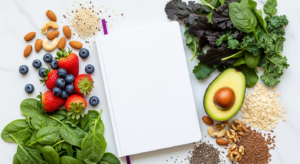
What you eat directly impacts the strength, growth, and appearance of your hair. Hair is primarily made of protein, so a protein-rich diet is fundamental.

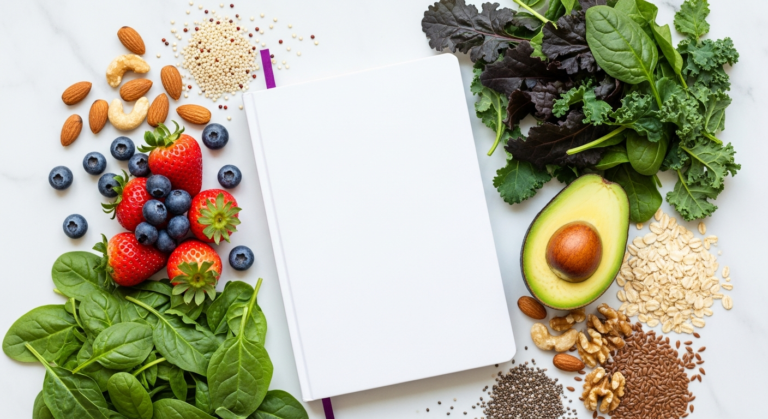
* Protein Power: Include lean proteins like fish, chicken, eggs, lentils, beans, and nuts. Keratin, the protein that makes up hair, needs these building blocks.
* Omega-3 Fatty Acids: Found in fatty fish (salmon, mackerel), flaxseeds, chia seeds, and walnuts. These healthy fats nourish the scalp and hair follicles, promoting shine and reducing dryness.
* Vitamins & Minerals:
* Biotin (Vitamin B7): Known for its role in hair health. Found in eggs, nuts, sweet potatoes, and avocados.
* Iron: Essential for carrying oxygen to hair follicles. Deficiency can lead to hair loss. Found in spinach, red meat, lentils, and fortified cereals. Pair with Vitamin C to enhance absorption.
* Vitamin C: An antioxidant that helps produce collagen (important for hair structure) and aids iron absorption. Found in citrus fruits, bell peppers, and berries.
* Vitamin E: Another powerful antioxidant that protects hair cells from damage and promotes circulation. Found in nuts, seeds, and leafy greens.
* Zinc: Supports hair tissue growth and repair. Found in pumpkin seeds, lentils, and red meat.
* Vitamin A: Important for cell growth, including hair cells, and helps produce sebum to keep the scalp moisturized. Found in carrots, sweet potatoes, and spinach.
* Antioxidants: Berries, dark leafy greens, and green tea protect hair follicles from oxidative stress.

Hydration: The Water Your Hair Craves

Just like your body, your hair needs adequate hydration.

* Drink Water: Aim for at least 8 glasses of water daily. Proper internal hydration reflects in the moisture and elasticity of your hair strands.
* Herbal Teas: Incorporate herbal teas like nettle or horsetail, which are rich in minerals beneficial for hair.

Stress Management: The Silent Hair Thief

Chronic stress can disrupt the hair growth cycle, leading to increased shedding and thinning (telogen effluvium).

* Mindfulness & Meditation: Regular practice can significantly reduce stress levels.
* Yoga & Exercise: Physical activity is a powerful stress reliever and improves circulation throughout the body, including the scalp.
* Adequate Sleep: Aim for 7-9 hours of quality sleep per night. Your body repairs and regenerates during sleep, and this includes your hair follicles.

Supplements (Consult a Professional)

While a balanced diet is paramount, certain supplements can be beneficial if you have deficiencies or specific concerns.

* Multivitamin: A good quality multivitamin can fill nutritional gaps.
* Biotin: Often marketed for hair, skin, and nails.
* Collagen Peptides: Can support hair strength and growth.
* Omega-3 Fatty Acids: If your dietary intake is low.

Always consult with your doctor or a registered dietitian before starting any new supplement regimen. They can help identify any deficiencies and recommend appropriate dosages.

By adopting these holistic lifestyle habits, you’re not just treating your hair; you’re nurturing your entire being, allowing your natural radiance to shine through every strand.

Building Your Personalized 2026 Natural Hair Routine: A Step-by-Step Guide

Now that we’ve covered the foundational knowledge and specific elements of natural hair care, let’s bring it all together into a actionable, step-by-step routine that you can adapt for your unique needs. Remember, consistency and patience are your best allies on this journey.

Step 1: Pre-Poo (Optional, but Highly Recommended for Dry/Textured Hair)

* Purpose: Protects hair from stripping during shampooing, adds moisture, and helps with detangling.
* How-To: 1-2 hours before washing, apply a nourishing oil (coconut, olive, argan) or a DIY hair mask (avocado, yogurt, honey) to dry hair. Focus on ends. Cover with a shower cap for deeper penetration.
* Frequency: Every wash day, especially for dry, curly, or coily hair.

Step 2: Cleanse

* Purpose: Remove dirt, oil, and product buildup.
* How-To:
1. Thoroughly wet hair with lukewarm water.
2. Apply a sulfate-free shampoo primarily to your scalp. Massage gently with fingertips.
3. Rinse thoroughly, allowing the lather to cleanse the lengths.
4. For very dry/textured hair: Consider co-washing between full shampoo washes to refresh without stripping.
* Frequency: 1-3 times a week for straight/wavy hair; 1-2 times a week or every two weeks for curly/coily hair (with co-washing in between if desired).

Step 3: Condition & Detangle

* Purpose: Replenish moisture, smooth cuticles, and remove tangles gently.
* How-To:
1. Apply a generous amount of silicone-free conditioner from mid-lengths to ends.
2. Working in small sections, gently detangle with a wide-tooth comb or your fingers, starting from the ends and working up.
3. Leave conditioner on for 2-5 minutes.
4. Rinse thoroughly with cool water to help seal the cuticle.
* Frequency: Every wash day.

Step 4: Deep Condition/Hair Mask

* Purpose: Intensive moisture, protein, or repair treatment.
* How-To: After shampooing and light conditioning (or in place of regular conditioner), apply a deep conditioner or mask. Cover with a shower cap and leave on for 15-30 minutes. Rinse thoroughly.
* Frequency: Once a week or bi-weekly, depending on hair porosity and needs.

Step 5: Leave-In & Seal

* Purpose: Provide lasting moisture, protect, and prepare for styling.
* How-To:
1. On damp hair, apply a lightweight, natural leave-in conditioner from mid-lengths to ends.
2. Follow with a small amount of your chosen hair oil (argan, jojoba, shea butter) to seal in the moisture, focusing on the ends. Use the “LOC” method (Liquid, Oil, Cream) for very dry/coily hair: Apply leave-in (liquid), then oil, then a cream/butter.
* Frequency: Every wash day after conditioning.

Step 6: Style & Protect

* Purpose: Define your look while minimizing damage.
* How-To:
1. Apply your preferred natural styling product (flaxseed gel, curl cream, mousse) to damp hair.
2. Opt for heatless drying (air dry, plop with a t-shirt). If using heat, apply a natural heat protectant and use the lowest setting.
3. Consider protective styles to minimize manipulation and breakage.
* Frequency: As needed, whenever you style your hair.

Step 7: Scalp Care & Maintenance (Between Wash Days)

* Purpose: Maintain scalp health and stimulate growth.
* How-To:
1. Perform regular scalp massages, either dry or with diluted stimulating oils (rosemary, peppermint).
2. If needed, use a light dry shampoo (DIY with arrowroot powder/cocoa powder) to absorb excess oil at the roots.
3. Sleep on a silk/satin pillowcase or wear a silk bonnet to protect hair.
* Frequency: 2-3 times a week for scalp massage; daily for pillowcase/bonnet.

This routine is a dynamic framework. Listen to your hair, observe how it responds to different products and techniques, and don’t be afraid to adjust. Your natural hair journey is unique, beautiful, and ever-evolving!

Frequently Asked Questions

Q1: How long does it take to see results from switching to a natural hair care routine?
1: The transition period can vary significantly. Many women notice initial improvements in texture and moisture within 2-4 weeks. However, for deeper changes like reduced breakage, increased growth, or a complete rebalance of your scalp, it can take 2-3 months or even up to 6 months. Patience and consistency are key as your hair adjusts to the absence of harsh chemicals and the nourishment of natural ingredients.
Q2: Are “natural” hair products always better or safer?
2: While the term “natural” is often associated with better health, it’s essential to look beyond marketing. Not all natural ingredients are beneficial for everyone (e.g., essential oils can cause sensitivity in some, or certain oils might not suit specific hair types). Conversely, some synthetic ingredients are perfectly safe and effective. The best approach is to read ingredient labels, understand what your hair needs, and choose products that are free from common irritants like harsh sulfates, parabens, phthalates, and synthetic fragrances, focusing on ingredients known to be beneficial for your hair type.
Q3: Can natural hair care help with hair loss or thinning?
3: A holistic natural hair care routine, which includes gentle cleansing, scalp nourishment, a balanced diet, and stress management, can significantly support overall hair health and create an optimal environment for growth. While natural care can’t reverse genetic hair loss or certain medical conditions, it can reduce breakage, improve hair density, and stimulate follicles, potentially leading to thicker, healthier hair. Ingredients like rosemary oil and peppermint oil have shown promise in stimulating growth when used consistently.
Q4: What are the best natural ingredients for promoting hair growth?
4: For promoting hair growth, focus on ingredients that stimulate the scalp and provide essential nutrients. Top contenders include rosemary essential oil (diluted in a carrier oil), peppermint essential oil (diluted), castor oil (known for its thickness and nutrient profile), and nettle extract. Internally, ensuring adequate intake of protein, biotin, iron, zinc, and vitamins A, C, and E through your diet is crucial.
Q5: How do I know if a natural product is truly “clean” or “non-toxic”?
5: To identify truly clean or non-toxic products, look for transparency in ingredient lists. Prioritize brands that avoid a “dirty dozen” list of chemicals, including sulfates (SLS, SLES), parabens, phthalates, synthetic fragrances, formaldehyde-releasing preservatives, and silicones. Seek certifications from reputable third-party organizations (though these can be expensive for smaller brands). When in doubt, simpler formulations with recognizable plant-based ingredients are often a good sign. Ultimately, “clean” is a spectrum, and finding what works for your hair and values is key.