Beyond the Clutter: A Holistic Guide to Home Organization for Busy Women
Understanding the “Why”: The Science of Clutter and Well-being
Before we dive into the “how,” it’s crucial to understand the profound impact our physical environment has on our mental and emotional health. Clutter isn’t just an aesthetic issue; it’s a significant stressor, especially for women. Research consistently shows a direct link between a disorganized home and increased anxiety, decreased focus, and even poorer physical health outcomes.
The Cognitive Load of Clutter
Imagine walking into a room filled with piles of papers, clothes, and forgotten items. What’s the first thing you feel? For many, it’s a sense of overwhelm. This isn’t just anecdotal; it’s a documented psychological phenomenon. A study published in the Journal of Neuroscience from Princeton University found that physical clutter competes for your attention, making it harder to focus and process information. Your brain is constantly trying to process all the visual stimuli, even if you’re not consciously aware of it. This “cognitive load” can lead to:
* Decision Fatigue: Every item that doesn’t have a designated home or purpose demands a micro-decision from you. “Where should this go? Do I need it? What should I do with it?” Over time, this constant barrage of small decisions exhausts your mental energy, making it harder to make important decisions later in the day.
* Increased Stress Hormones: Studies, including those conducted at UCLA, have shown that women who describe their homes as “cluttered” or “unfinished projects” tend to have higher levels of cortisol, the primary stress hormone. A chronically elevated cortisol level can contribute to a host of health issues, from weight gain and sleep disturbances to impaired immune function.
* Reduced Productivity and Creativity: When your environment is chaotic, your mind struggles to find clarity. This can hinder your ability to focus on tasks, generate new ideas, and feel truly productive, even when you are working diligently.
* Impact on Relationships: A cluttered home can also be a source of tension in relationships, leading to arguments about tidiness or making it difficult to relax and connect with loved ones in a shared space.
The Power of an Organized Space
Conversely, an organized home acts as a powerful antidote to these stressors. When everything has a place, your brain doesn’t have to work as hard to process your environment. This frees up cognitive resources, leading to:
* Improved Focus and Clarity: A tidy space allows your mind to concentrate on the task at hand, whether it’s working, relaxing, or spending time with family.
* Reduced Stress and Anxiety: Knowing where things are and having a sense of control over your environment can significantly lower stress levels and foster a sense of calm.
* Enhanced Sleep Quality: A decluttered bedroom, free from visual distractions, promotes relaxation and can lead to more restful sleep, which is fundamental to overall health.
* Boosted Mood and Energy: Walking into an organized space can be surprisingly uplifting, providing a sense of accomplishment and peace that positively impacts your mood and energy levels throughout the day.
* More Time for What Matters: When you’re not constantly searching for misplaced items or dealing with organizational emergencies, you gain precious minutes – even hours – that can be redirected toward self-care, hobbies, or quality time with loved ones.
Understanding this deep connection between your physical space and your inner world is the first, most crucial step towards sustainable home organization. It transforms the task from a chore into an act of profound self-care.
Mindset Shift: From Overwhelm to Empowered Action
The idea of organizing an entire home can feel like climbing Mount Everest, especially when you’re already juggling a busy schedule. This is where a crucial mindset shift comes in. Instead of viewing organization as a daunting, all-or-nothing endeavor, let’s reframe it as a series of manageable, empowering actions.
Embrace Imperfection and Progress, Not Perfection
One of the biggest hurdles for busy women is the pressure to achieve perfection. We see curated social media feeds and feel like our homes must instantly transform into magazine spreads. This expectation is not only unrealistic but paralyzing.
* The “Good Enough” Principle: Remind yourself that “good enough” is often perfect. A perfectly organized home isn’t the goal; a functional, calm, and supportive home is. It’s okay if not every drawer is immaculately labeled or if a pile occasionally reappears. The goal is progress, not perfection.
* Small Steps, Big Impact: Instead of dedicating an entire weekend (which you likely don’t have), commit to 15-30 minutes a day, or even just 5 minutes. The power of consistent, small actions cannot be overstated. Over time, these micro-bursts of effort accumulate into significant change. This approach is less intimidating and far more sustainable.
* “Done is Better Than Perfect”: Don’t let the pursuit of the ideal stop you from starting. If you can only organize one shelf in the pantry, that’s a win! Celebrate these small victories.
Confronting Emotional Attachments (Gently)
Many items in our homes carry emotional weight – gifts, souvenirs, hand-me-downs. Decluttering these items requires a different approach than simply sorting socks.
* The “Memory Box” Strategy: For sentimental items you rarely use but can’t bear to part with, designate a special “memory box” or two. Keep these boxes to a manageable size. This allows you to honor the memories without letting them overwhelm your living space.
* “Thank You and Goodbye”: Acknowledge the item’s purpose or the joy it once brought you, then gently release it. This practice, popularized by Marie Kondo, can be incredibly liberating.
Focus on the Present: Ask yourself: “Does this item serve my current life or future aspirations?” If an item only serves a past memory and doesn’t bring joy or utility today*, it might be time to let it go.
The Power of “No”
A significant part of maintaining an organized home is preventing new clutter from entering. This requires learning to say “no.”
* The One-In, One-Out Rule: For every new item that comes into your home (especially clothes, books, kitchen gadgets), commit to letting go of one similar item. This creates a natural equilibrium.
* Mindful Consumption: Before making a purchase, ask yourself: “Do I truly need this? Do I have a place for it? Will it add value to my life, or just more stuff?” This conscious approach prevents impulse buys that often become clutter.
* Setting Boundaries: Politely decline gifts you don’t need or want, or suggest experiential gifts instead. You are not obligated to keep every item given to you.
Shifting your mindset from feeling overwhelmed to taking empowered, consistent action is the bedrock of lasting organization.
The Foundational Five: Core Principles for Sustainable Organization
Effective home organization isn’t just about tidying; it’s about establishing systems that work for your life. These five foundational principles are your guiding stars for creating a truly functional and peaceful home.
1. Declutter First, Organize Second
This is the golden rule. You cannot organize clutter; you can only rearrange it. Trying to find clever storage solutions for items you don’t need or love is a waste of time, money, and energy.
* The “Four-Box Method”: When tackling a space, grab four boxes (or laundry baskets/bags) and label them:
* Keep: Items you use, love, and have a designated home for.
* Donate/Sell: Items in good condition that someone else could use.
* Trash/Recycle: Broken, expired, or unusable items.
* Relocate: Items that belong in another room.
* The “When Did I Last Use It?” Rule: For non-sentimental items, if you haven’t used it in the last six months to a year (adjust based on item type – e.g., seasonal decor might be longer), consider letting it go. Be honest with yourself.
* Start Small: Don’t attempt to declutter your entire house in one go. Pick one drawer, one shelf, or one small corner. The momentum from a small success will fuel your next effort.
2. A Home for Everything (and Everything in Its Home)
This principle is the cornerstone of preventing future clutter. When every item has a specific, logical place, putting things away becomes second nature.
* Logical Grouping: Store like items together. All cleaning supplies under the sink, all spices near the stove, all chargers in one tech drawer.
* Proximity Principle: Store items where they are used. Your keys should be by the door, not in your bedroom. Your coffee mugs near the coffee maker.
* Labeling is Your Friend: Especially for opaque containers or drawers, labels remove guesswork and make it easy for everyone in the household to find and return items. This is a game-changer for busy households.
3. Maximize Vertical Space
In smaller homes or for items that tend to spread horizontally, looking up is key. Vertical organization is incredibly efficient.
* Shelving Units: From bookcases to wall-mounted shelves, these are ideal for books, decor, or even pantry items.
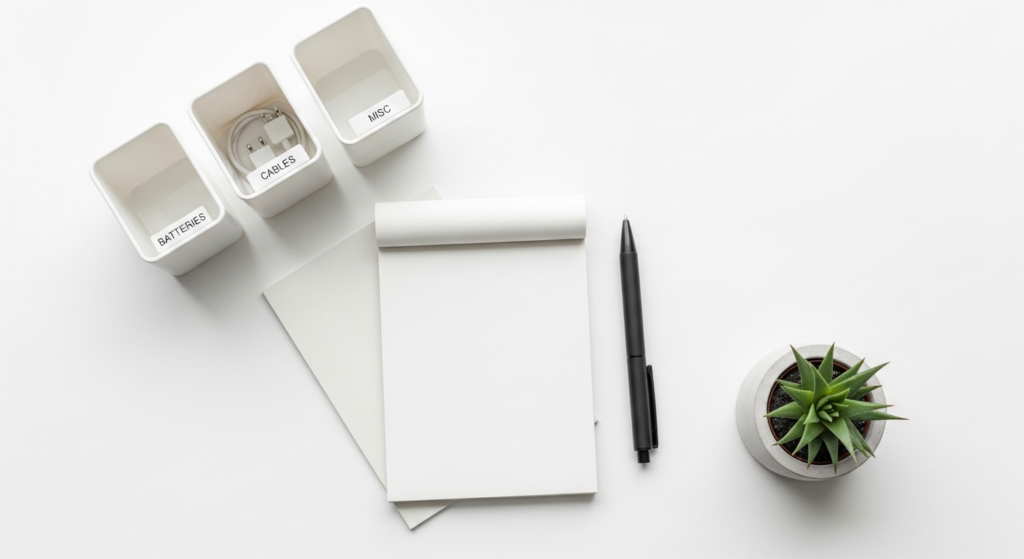
* Drawer Dividers & Organizers: Keep small items from becoming a jumbled mess. Think about utensil organizers, sock dividers, or office supply trays.
* Over-the-Door Solutions: Use over-the-door racks for shoes, cleaning supplies, or pantry items.
* Stackable Bins/Containers: Clear, stackable containers are perfect for maximizing space in cabinets, closets, and refrigerators.
4. Zone Defense: Create Dedicated Activity Zones
Think about your home not just as rooms, but as activity zones. This helps to contain clutter and make tasks more efficient.
* The “Launchpad”: Near your entryway, create a dedicated spot for keys, mail, bags, and shoes. This prevents items from migrating throughout the house. A small console table with a bowl, a mail sorter, and some hooks works wonders.
* Command Center: This can be a small corner in your kitchen or office where all household paperwork, calendars, and school notices live. A bulletin board, a file sorter, and a charging station can transform this space.
* Relaxation Nook: Designate a cozy corner in your living room or bedroom specifically for unwinding, free from work papers or laundry piles.
5. Routine Maintenance: The Power of the Daily Tidy
Organization isn’t a one-time event; it’s an ongoing practice. Integrating small, consistent routines is what truly sustains an organized home.
* The “5-Minute Tidy”: Before bed, spend just five minutes putting things back in their homes. Fluff pillows, put away dishes, clear surfaces. This prevents small messes from escalating into overwhelming clutter.
* Weekly Reset: Dedicate 30-60 minutes once a week to a slightly deeper tidy. This could involve wiping down counters, vacuuming high-traffic areas, or sorting through mail.
* “Don’t Put It Down, Put It Away”: Adopt this mantra. If you pick something up, immediately return it to its designated home. This simple habit drastically reduces surface clutter.
By applying these foundational principles, you’re not just tidying; you’re building a sustainable system that supports your busy life and brings lasting calm.
Room-by-Room Breakdown: Practical Strategies for Key Areas
Now that we’ve covered the foundational principles and mindset shifts, let’s get specific. Here are actionable, room-by-room strategies to tackle the areas that often become clutter hotspots for busy women.
The Kitchen: The Heart of the Home, Prone to Chaos
The kitchen is often the busiest room, a hub for cooking, eating, socializing, and sometimes even homework. Its multi-functionality makes it a prime candidate for clutter.
* Declutter Countertops Ruthlessly: Aim for clear counters. Store appliances you use daily (coffee maker, toaster) but put away those used less frequently (blender, stand mixer) in cabinets or a pantry. Use a small tray for oils, salt, and pepper to keep them contained.
* Pantry Power:
* Empty and Evaluate: Take everything out. Check expiration dates (be ruthless!).
* Categorize: Group similar items: baking, snacks, canned goods, pasta, breakfast.
* Utilize Clear Containers: Airtight, clear containers for dry goods (pasta, flour, sugar, cereals) prevent spills, keep food fresh, and allow you to see what you have. This also creates a uniform, calming aesthetic.
* Vertical Storage: Use stackable shelves or risers for canned goods and spices. Over-the-door organizers can be great for smaller items.
* Drawer & Cabinet Zones:
* Utensil Drawer: Use dividers to keep forks, knives, spoons, and cooking utensils separate.
* Plates & Bowls: Stack neatly. Consider plate dividers if space allows.
* Pots & Pans: Use pot lid organizers or stack pots with felt protectors.
* Food Storage Containers: This is a notorious challenge! Dedicate one cabinet or large drawer. Stack containers with matching lids, or use a tension rod to keep lids upright and separate. Get rid of containers without lids or vice-versa.
* The “Drop Zone” (or lack thereof): Create a small designated spot near the kitchen entry for keys, mail, and school papers. A small basket or wall-mounted organizer can prevent these items from colonizing your counters.
The Bedroom: Your Sanctuary for Rest and Rejuvenation
Your bedroom should be a haven of peace, not a storage unit or laundry overflow zone. Its organization directly impacts your sleep and mood.
* Clear the Nightstands: Keep only essentials: a lamp, a book, a glass of water, perhaps hand cream. Use a small tray to contain these items. Remove charging cables that aren’t actively in use.
* The “Chair-drobe” Solution: That chair where clothes accumulate? It needs to go, or at least be repurposed.
* Immediate Hang-Up: Make a habit of hanging clothes immediately after taking them off if they’re still clean.
* Laundry Basket System: Have a dedicated laundry hamper (or two, for lights/darks) and commit to using it.
* Closet Clarity:
* Declutter First: Use the “four-box method.” If you haven’t worn it in a year, consider donating it. Be honest about fit and style.
* Maximize Space: Use slim hangers to save space. Install shelves or drawer units for folded items. Vertical shoe racks are excellent.
* “Capsule Wardrobe” Idea: Consider creating a smaller, curated wardrobe of versatile pieces you love and wear frequently. This dramatically reduces decision fatigue.
* Under-Bed Storage: Utilize under-bed storage bins for seasonal clothing, extra linens, or rarely used items. Choose bins with lids to keep dust out.
The Home Office/Command Center: Where Productivity Thrives (or Dies)
For many busy women, the home office or a dedicated “command center” is where bills are paid, schedules are managed, and work gets done. Keeping this space efficient is paramount.
* Paper Management System: This is crucial.
* Incoming Mail: Designate an “inbox” tray. Process mail immediately: shred junk, file bills to be paid, act on invitations.
* Filing System: Implement a simple, intuitive filing system (digital or physical). Categorize by subject (e.g., “Medical,” “Utilities,” “Kids’ School”). A “to-do” file and a “to-file” file can be helpful.
* Digital First: Scan important documents and save them digitally whenever possible to reduce physical paper.
* Desk Declutter:
* Clear Surface: Keep only what you use regularly on your desk.
* Drawer Organizers: Use dividers for pens, paper clips, sticky notes.
* Cable Management: Tame unruly cords with cable ties or clips.
* Command Center Essentials: If you don’t have a dedicated office, create a compact command center: a wall calendar, a bulletin board for important notes, a charging station for devices, and a small file sorter for active papers.
By systematically addressing these key areas, you’ll start to feel the profound shift towards a more organized, peaceful, and productive home environment.
Tools of the Trade: Smart Products & Systems to Support Your Journey
While the focus should always be on decluttering first, the right tools and systems can significantly enhance your organizational efforts and make maintenance easier. Remember, tools are meant to support your system, not replace decluttering.
Storage Solutions
* Clear Bins and Containers: These are invaluable. Being able to see what’s inside saves time and prevents forgotten items. Use them in pantries, refrigerators, linen closets, and under sinks.
* Drawer Dividers and Organizers: From kitchen utensils to socks, these keep items from migrating and make finding things a breeze. Look for adjustable options for versatility.
* Shelving Units: Whether freestanding, wall-mounted, or inside closets, shelves maximize vertical space and offer accessible storage for a variety of items.
* Baskets and Bins (Opaque): Great for containing items you don’t need to see constantly, like toys, extra blankets, or toiletries. Choose aesthetically pleasing ones that match your decor.
* Over-the-Door Organizers: Excellent for shoes, cleaning supplies, or pantry items, especially in small spaces.
* Hooks: Command hooks are fantastic for coats, bags, keys, or even organizing small kitchen gadgets on the inside of cabinet doors.
Labeling & Identification
* Label Maker: A simple label maker can be a game-changer. Label pantry containers, file folders, storage bins, and even drawers. This makes it easy for everyone to find and return items.
* Chalkboard Labels/Pens: For a more rustic or flexible look, chalkboard labels on bins or jars allow for easy changes.
Paper & Digital Management
* File Folders & Accordion Organizers: Essential for physical paper management. Color-coding can make finding documents even faster.
* Shredder: A cross-cut shredder is vital for disposing of sensitive documents safely, protecting your identity.
* Digital Document Scanner/Apps: Apps like CamScanner or dedicated document scanners allow you to digitize important papers, reducing physical clutter.
* Cloud Storage: Utilize services like Google Drive, Dropbox, or OneDrive to store digitized documents, photos, and other files securely and accessibly from anywhere.
* Digital Calendars & Task Managers: Tools like Google Calendar, Apple Calendar, Todoist, or Asana can centralize family schedules, appointments, and to-do lists, reducing paper notes and mental load.
Maintenance & Cleaning
* Portable Cleaning Caddy: Keep all your essential cleaning supplies in one caddy. This makes it easy to grab and clean any room quickly, encouraging more frequent tidying.
* Handheld Vacuum: Perfect for quick clean-ups of crumbs or pet hair, preventing small messes from becoming bigger tasks.
Remember, the goal is not to buy every organizing product on the market. Start with your decluttering, identify your pain points, and then invest in a few strategic tools that genuinely support your newfound systems.
Maintaining Momentum: Integrating Organization into Your Daily Rhythm
Achieving an organized home is a marathon, not a sprint. The real secret to lasting success for busy women lies in integrating organizational habits into your daily and weekly routines. This isn’t about adding more to your already packed schedule, but rather about weaving small, intentional actions into the fabric of your life.
The Daily “Reset”: 15 Minutes to Sanity
This is perhaps the most powerful habit you can cultivate. Every evening, before you unwind or head to bed, dedicate just 10-15 minutes to a quick “reset” of your main living areas.
* Kitchen Quick Clean: Wipe down counters, put away clean dishes, load dirty ones into the dishwasher.
* Living Room Tidy: Fluff pillows, fold blankets, put away books, magazines, or stray items.
* Personal Zone Clear-Up: In your bedroom, hang up clothes, clear off your nightstand, and make sure your “launchpad” by the door is ready for the next day.
* The “Don’t Put It Down, Put It Away” Rule: Encourage everyone in the household to adopt this simple mantra. If you pick something up, put it back in its designated home immediately. This prevents small piles from forming.
This daily reset prevents clutter from accumulating overnight, ensuring you wake up to a calmer, more welcoming home, which sets a positive tone for your entire day.
The Weekly “Power Hour” (or Less!): Deeper Dive
Once a week, schedule a slightly longer block of time – perhaps 30-60 minutes – for a deeper organizational check-in. This isn’t deep cleaning, but rather maintaining your systems.
* Mail & Paper Processing: Sort through the week’s incoming mail, pay bills, file important documents, and shred junk mail.
* Pantry/Fridge Check: Quick scan for expired items, make a grocery list based on what you need, and give shelves a quick wipe if necessary.
* Laundry Management: Ensure all laundry is washed, folded, and put away.
* Re-Home Stray Items: Do a quick walk-through of your home, gathering any items that have migrated and returning them to their designated spots.
* Plan Ahead: Take a moment to look at your calendar for the upcoming week and mentally prepare for any specific organizational needs (e.g., packing kids’ lunches, preparing for a guest).
Involving the Household: It’s a Team Effort
You shouldn’t be the sole organizer. Empowering your family members (partners, children) to contribute is crucial for sustainable organization and teaches valuable life skills.
* Clear Expectations: Communicate clearly where things belong. Labels are incredibly helpful here.
* Age-Appropriate Chores: Assign simple, consistent tasks. Even young children can put away toys or help clear the table.
* Lead by Example: When your family sees you consistently putting things away, they are more likely to follow suit.
* Make it a Game (for kids): Turn tidying into a fun challenge with a timer or a reward system.
* Regular Family Meetings: Briefly discuss household organization. What’s working? What’s not? How can we all contribute better?
Dealing with New Incoming Items: The Gatekeeper Role
Maintaining organization means being mindful of what enters your home.
* The “One-In, One-Out” Rule (Revisited): This is essential. When you buy a new shirt, donate an old one. When a new toy comes in, encourage your child to choose one to donate.
* Shopping with a Plan: Before buying, ask: “Do I have a place for this? Do I truly need it? Will it simplify or complicate my life?”
* Gift Management: Be gracious, but also strategic. If a gift doesn’t serve a purpose or bring joy, consider regifting, donating, or finding a discreet storage solution if it’s sentimental.
By embedding these habits into your daily and weekly rhythm, organization becomes less of a chore and more of a natural, supportive part of your life. It’s about building a system that works for you, allowing you to focus your precious energy on what truly matters.