The Ultimate Guide to Decluttering Your Home for Good in 2026: Reclaim Your Space, Reinvigorate Your Life
The Invisible Weight: Understanding Clutter’s Impact on Your Well-being
Before we dive into the “how,” let’s truly understand the “why.” Clutter isn’t just an aesthetic inconvenience; it has profound, often invisible, effects on our mental, emotional, and even physical health. Think of it as an uninvited guest that subtly drains your energy and peace.
The Psychological Burden: Research consistently highlights the link between physical clutter and increased stress, anxiety, and even depression. A study published in the journal Personality and Social Psychology Bulletin found that women who described their homes as cluttered or unfinished had higher levels of the stress hormone cortisol throughout the day. Why? Our brains are constantly processing information from our environment. When our surroundings are chaotic, our brains work overtime trying to make sense of it all, leading to a state of cognitive overload. This constant mental effort contributes to decision fatigue, making even simple choices feel arduous and draining.
Clutter can also impair our ability to focus and be productive. A Princeton University Neuroscience Institute study found that an organized environment helps us focus better and process information more efficiently. When your workspace is piled high with papers or your living room is strewn with items, your attention is fragmented, making it harder to concentrate on tasks, hobbies, or even just relaxing.
The Physical Burden: Beyond the mental toll, clutter can manifest in physical ways. Have you ever spent precious minutes frantically searching for your keys, phone, or an important document? This daily expenditure of time and energy adds up, contributing to a feeling of being constantly behind or overwhelmed. A cluttered home can also impede movement, making spaces less functional and potentially creating hazards. Furthermore, excessive items can collect dust and allergens, impacting air quality and potentially exacerbating respiratory issues.
The Emotional Burden: Emotionally, clutter can evoke feelings of guilt, shame, and inadequacy. We might feel guilty about purchases we regret, ashamed of a home that doesn’t live up to our ideal, or stuck in a cycle of accumulation that feels impossible to break. It can stifle creativity, prevent relaxation, and even impact relationships when shared spaces become contentious. The weight of unaddressed clutter can be incredibly heavy, making it difficult to fully embrace self-care or find true peace in your own home.
Understanding these impacts is the first step towards true transformation. Recognizing that decluttering is not just about tidying up, but about reclaiming your mental clarity, physical energy, and emotional peace, provides a powerful motivator for change.
Laying the Foundation: Mindset Shifts for a Sustainable Decluttering Journey
Before you even touch a single item, the most crucial work happens in your mind. Decluttering “for good” isn’t about a one-time purge; it’s about cultivating a new relationship with your possessions and your space. This journey requires intention, patience, and a compassionate mindset.
Define Your “Why”: What does a decluttered home truly mean for you? Is it more peace, more time for hobbies, a clearer mind for work, better sleep, or a more welcoming space for loved ones? Journal about this. Visualize yourself in your ideal, clutter-free home. How do you feel? What are you doing? This powerful “why” will be your anchor when the process feels overwhelming.
Embrace a Vision, Not Just a Void: Instead of focusing on what you’re getting rid of, shift your perspective to what you’re creating. You’re not just emptying space; you’re making room for joy, purpose, and serenity. Imagine your bookshelf holding only beloved reads, your kitchen counters clear for meal prep, or your bedroom as a serene sanctuary. This positive framing makes the process feel empowering, not depriving.
Start Small, Celebrate Wins: The biggest mistake people make is trying to tackle everything at once. This leads to burnout and discouragement. Instead, adopt the “one drawer” or “one shelf” rule. Choose a tiny, manageable area – perhaps a single junk drawer, a medicine cabinet, or a small section of your wardrobe. The satisfaction of completing even a small area will build momentum and confidence. Celebrate these mini-victories! Acknowledging your progress, no matter how small, fuels your motivation.
Cultivate Self-Compassion: There will be moments of frustration, decision fatigue, and perhaps even sadness when letting go of sentimental items. Approach these feelings with kindness. Understand that decluttering is a process, not a race. There’s no “right” way to feel, and it’s okay if some days are harder than others. Remind yourself that you’re doing this for your well-being, and that self-care extends to the environment you live in.
The “Veralyn Mindset” – Intentionality Over Impulse: At Veralyn Media, we advocate for intentional living. This means being deliberate about what you bring into your home and what you allow to stay. Before acquiring something new, ask yourself: “Do I truly need this? Does it align with my values? Does it bring me joy or serve a clear purpose?” This mindful approach is key to preventing re-cluttering and maintaining your newly organized space.
The Veralyn Method: Your Step-by-Step Blueprint for Lasting Order
Now that your mindset is aligned, it’s time for action. This step-by-step method is designed to be practical, effective, and sustainable, helping you create systems that last beyond the initial purge.
Phase 1: Prepare & Plan
- Schedule Your Time: Block out dedicated, realistic time slots in your calendar. Whether it’s 30 minutes daily or a few hours on a weekend, treat these appointments as non-negotiable.
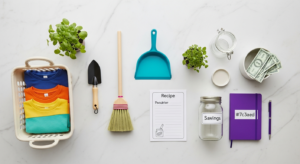
- Gather Your Supplies: Before you begin, collect sturdy boxes, trash bags (for donations, recycling, and true trash), a label maker (or markers and sticky notes), cleaning supplies, and perhaps some uplifting music.
- Choose Your First Area Wisely: Remember the “start small” advice? Pick an area that will give you a visible win, like your entryway, a bathroom cabinet, or a kitchen drawer. Avoid highly sentimental areas for your first dive.
- Set Clear Boundaries: Decide on the scope of your project for that session. “I will declutter this one shelf,” not “I will declutter the entire living room.”
Phase 2: The Core Process – The “Four Boxes” Approach
This is where the magic happens. For each item you encounter, you’ll make a quick, decisive choice into one of four categories:
- Empty & Assess: Take EVERYTHING out of the chosen area. This allows you to see the true volume of items and clean the space itself. You can’t organize clutter, only declutter.
- Decision Time – The “Keep, Donate/Sell, Discard/Recycle, Relocate” System: As you pick up each item, ask yourself:
- Keep: Does it serve a purpose today? Do I use it regularly? Does it bring me genuine joy or fulfill a practical need? Is it truly necessary for my current lifestyle? If it’s a “maybe,” consider the “Maybe” box strategy below.
- Donate/Sell: Is it in good, usable condition? Could someone else benefit from it? Think clothes, books, unused kitchen gadgets, decor. Set aside a box for these items. Consider local charities, consignment stores, or online marketplaces.
- Discard/Recycle: Is it broken, expired, stained, or unusable? Does it belong in the trash or a recycling bin? Be honest about items that are beyond repair or have served their useful life.
- Relocate: Does this item belong in another room or area of the house? Put it in a designated “relocate” box to be put away later. Don’t get sidetracked by taking it to its “home” immediately.
- The “Maybe” Box Strategy: For those truly difficult items you can’t decide on, create a “Maybe” box. Label it with a review date (e.g., 3 months from now). If you haven’t needed or thought about the item by that date, it’s likely safe to donate or discard it without regret. This gives you psychological breathing room.
Phase 3: Organize & Optimize
Once you’ve made your decisions, it’s time to bring order to your “keep” pile.
- A Home for Everything: Every single item you decide to keep needs a designated “home.” This is critical for preventing future clutter. When everything has a place, putting things away becomes second nature.
- Utilize Vertical Space: Look up! Shelves, stackable bins, and wall-mounted organizers can double your storage capacity.
- Containment is Key: Use drawer dividers, baskets, bins, and clear containers to group similar items and keep them tidy. This also helps define boundaries and prevents overfilling. Veralyn Media recommends clear containers in pantries and linen closets so you can easily see what you have.
- Label, Label, Label: This seems simple, but it’s a game-changer for maintenance, especially in shared spaces. Labels ensure everyone knows where things belong.
- The “Like with Like” Principle: Store similar items together. All batteries in one drawer, all cleaning supplies under one sink, all craft items in one bin.
Phase 4: Reset & Reflect
- Clean Your Space: With everything removed and then returned to its proper home, take the opportunity to thoroughly clean the now-empty shelves, drawers, or surfaces.
- Enjoy the Clarity: Step back and appreciate your accomplishment. Notice how much lighter and more functional the space feels. Sit in your newly decluttered area and simply be.
- Document Your Progress: Take a “before” and “after” photo (if you remember the before!). This visual evidence of your hard work is incredibly motivating for future projects.
Beyond the Purge: Cultivating Habits for a Clutter-Free Life
The initial decluttering is a significant achievement, but maintaining that order requires ongoing effort and the development of new habits. This is where the “for good” aspect truly comes into play.
The “One-In, One-Out” Rule: This is perhaps the most powerful habit for preventing re-cluttering. For every new item you bring into your home, commit to letting go of an existing, similar item. Buy a new shirt? Donate an old one. Get a new gadget? Discard or sell the old version. This simple rule ensures your possessions don’t grow beyond your space.
Daily Tidy-Up Rituals: Dedicate 5-10 minutes at the end of each day to a quick tidy. Put items back in their homes, wipe down surfaces, and reset your main living areas. This prevents small messes from snowballing into overwhelming clutter. Make it a peaceful ritual, perhaps with calming music or a favorite scent.
Periodic Reviews (Seasonal Refresh): Just as you refresh your wardrobe for changing seasons, your home benefits from regular check-ins. A quarterly or seasonal review allows you to reassess items you kept, address new accumulations, and ensure your systems are still working for you. This is also a great time to tackle areas that tend to accumulate quickly, like paper piles or kids’ toys.
Mindful Consumption: Before making a purchase, pause and ask yourself: “Do I truly need this? Will it add value to my life? Do I have a place for it?” Veralyn Media encourages intentional consumption that aligns with your values, rather than impulse buying driven by fleeting trends or external pressures. Prioritize experiences over possessions, and quality over quantity.
Digital Decluttering: Don’t forget your digital life! Clutter isn’t just physical. Regularly delete old emails, organize digital files, prune your photo library, and unsubscribe from unwanted newsletters. A clear digital space contributes significantly to mental clarity.
Recommended Tools & Tactics for Ongoing Organization:
- Modular Storage Solutions: Invest in flexible storage that can adapt to your needs, such as adjustable shelving or stackable bins.
- Label Makers: A good label maker is invaluable for creating clear, consistent labels for bins, drawers, and shelves.
- Digital Scanning Apps: For paper clutter, consider apps that allow you to scan important documents and store them digitally, reducing physical paper piles.
- Quality Storage Bins and Dividers: Opt for durable, well-fitting containers that make the most of your space and stand the test of time.
- “Landing Strip” or Drop Zone: Create a designated spot near your entryway for keys, mail, and bags to prevent them from scattering throughout your home.
Embracing the Holistic Shift: Decluttering for Deeper Well-being
The act of decluttering is far more than just tidying; it’s a profound act of self-care. It’s about creating an environment that actively supports your mental, emotional, and physical health, fostering a holistic sense of well-being that resonates throughout your life.
More Than Just Things, It’s About Energy: Your home’s energy impacts your own. When your space is clear, open, and intentional, it allows for a freer flow of positive energy, reducing feelings of stagnation and promoting peace. This isn’t just spiritual; it’s psychological. A visually calm environment promotes a calm mind.
Time and Energy Reclaimed: Imagine the hours you’ll save no longer searching for items, cleaning around excess clutter, or feeling overwhelmed by your surroundings. This reclaimed time and mental energy can be redirected towards what truly nourishes you – your hobbies, relationships, self-care routines, creative pursuits, or simply quiet relaxation. You’re not just decluttering your home; you’re decluttering your schedule and your mind.
Reduced Stress Hormones: As mentioned earlier, research links clutter to elevated cortisol levels. By creating an organized and serene environment, you are actively working to lower your body’s stress response, promoting a calmer nervous system and supporting overall hormonal balance. This is tangible health benefit of decluttering.
Improved Sleep and Focus: A decluttered bedroom, free from visual distractions and unnecessary items, becomes a true sanctuary for rest. This can significantly improve sleep quality, which is fundamental to all aspects of health. Similarly, a clear workspace fosters better concentration and productivity, allowing you to engage more deeply with tasks and feel more accomplished.
Empowerment and Control: Taking charge of your physical environment can have a ripple effect on other areas of your life. The process of making decisions, letting go, and creating order builds confidence and a sense of empowerment. It demonstrates to yourself that you are capable of creating the life and environment you desire, fostering a greater sense of control and agency.
Intentional Living: Ultimately, decluttering for good is about aligning your physical space with your deepest values. It’s about choosing to surround yourself only with items that serve a purpose, bring you joy, or support your intentional lifestyle. This conscious curation of your environment becomes a powerful reflection of the life you want to live – one that is thoughtful, purposeful, and deeply fulfilling.