Your 2026 Guide to Preventing Bone Loss: Building a Foundation of Strength
Understanding Your Bones: The Foundation of Female Strength
Before we dive into prevention, let’s understand why bone health is uniquely critical for women. Our bones are living, dynamic tissues constantly remodeling themselves – old bone is removed (resorption) and new bone is formed (formation). Up until our late 20s to early 30s, most women reach their “peak bone mass,” the maximum amount of bone tissue they’ll ever have. Think of this as your bone savings account; the more you deposit early on, the more you have to draw upon later.
What makes women particularly vulnerable to bone loss? The primary culprit is estrogen. This vital hormone plays a significant role in maintaining bone density. As women approach perimenopause and eventually menopause, estrogen levels decline sharply. This drop accelerates bone resorption, often leading to a rapid loss of bone mass in the years immediately following menopause. Conditions like premature ovarian insufficiency, certain medical treatments, or disorders affecting hormone balance can also impact bone density at any age. Genetic predisposition, body frame size, and ethnicity also play roles, but lifestyle choices remain incredibly powerful tools in your hands. Understanding these factors isn’t about resignation; it’s about empowerment, knowing where to focus your efforts to fortify your skeleton from within.
Nourish Your Framework: Essential Nutrients for Bone Health
What you eat directly impacts the strength and density of your bones. It’s not just about calcium; it’s a symphony of nutrients working in harmony. Building a bone-friendly diet is one of the most proactive steps you can take.
Calcium: The Building Block
Calcium is the star player, making up the mineral structure of your bones. Most adult women need 1,000 mg of calcium daily, increasing to 1,200 mg after age 50.
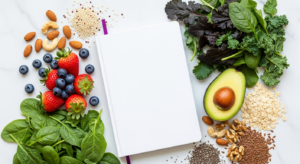
* Food Sources: Don’t just think dairy! Excellent sources include:
* Dairy: Milk, yogurt, cheese (opt for low-fat or fat-free to manage saturated fat intake).
* Leafy Greens: Kale, collard greens, turnip greens, spinach (though spinach’s oxalates can inhibit absorption, you still get benefits).
* Fortified Foods: Plant-based milks (almond, soy, oat), orange juice, cereals.
* Fish: Canned sardines and salmon with bones are calcium powerhouses.
* Legumes: White beans, black beans.
* Tofu: Calcium-set tofu.
* Absorption Matters: Spread your calcium intake throughout the day (e.g., 500 mg at breakfast, 500 mg at dinner) for better absorption, as your body can only absorb so much at once.
Vitamin D: The Calcium Conductor
Without adequate Vitamin D, your body can’t absorb calcium effectively. It’s like having a bank full of money but no way to access it. Most adults need 600-800 IU (International Units) of Vitamin D daily, potentially more if deficient.
* Food Sources:
* Fatty Fish: Salmon, mackerel, tuna.
* Fortified Foods: Milk, certain yogurts, cereals, orange juice.
* Egg Yolks.
* Sunshine: Your skin produces Vitamin D when exposed to sunlight. However, factors like skin tone, time of year, latitude, and sunscreen use can limit production.
* Supplementation: Given the challenges of getting enough from food and sun, many women benefit from Vitamin D supplements. Consult your doctor for a blood test to determine your levels and the appropriate dosage.
Beyond Calcium & D: The Supporting Cast
* Magnesium: Essential for bone structure and activating Vitamin D. Found in nuts, seeds, whole grains, dark leafy greens, and dark chocolate. Aim for 310-320 mg daily.
* Vitamin K2: Directs calcium to your bones and away from your arteries. Found in fermented foods (natto, some cheeses), egg yolks, and organ meats.
* Protein: Provides the framework upon which bone minerals are deposited. Ensure adequate protein intake from lean meats, poultry, fish, eggs, legumes, and plant-based proteins.
* Potassium: Helps neutralize acids that can leach calcium from bones. Found in fruits and vegetables.
* Vitamin C: Crucial for collagen production, a key component of bone matrix. Found in citrus fruits, bell peppers, broccoli.
Practical Tip: Instead of focusing on single nutrients, aim for a balanced, whole-food diet rich in fruits, vegetables, lean proteins, and healthy fats. Consider a high-quality multivitamin as a nutritional “insurance policy,” but always prioritize whole foods. If you suspect deficiencies or have specific dietary restrictions, a registered dietitian can provide personalized guidance.
Move Your Body: Exercise for Stronger Bones
Your bones respond to stress by becoming stronger. Just like muscles, they need to be challenged to grow and maintain density. Incorporating specific types of exercise into your routine is non-negotiable for preventing bone loss.
Weight-Bearing Exercise: The Impact You Need
These are exercises where your body works against gravity. They stimulate bone cells to build new bone tissue.
* High-Impact (if appropriate for your current bone health):
* Running, jogging
* Jumping jacks, skipping rope
* Dancing
* Tennis, basketball, volleyball
* Low-Impact (great for those with existing bone loss or joint issues):
* Brisk walking, hiking
* Stair climbing
* Elliptical training
* Low-impact aerobics
Guidance: Aim for at least 30 minutes of moderate-intensity weight-bearing exercise most days of the week. If you’re new to exercise, start slowly with brisk walking and gradually increase intensity and duration.
Resistance Training: Build Bone and Muscle
Lifting weights or using resistance bands puts stress on your bones, prompting them to adapt and become stronger. This also builds muscle, which supports your bones and improves balance, reducing fall risk.
* Types of Resistance:
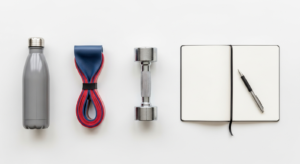
* Free weights (dumbbells, barbells)
* Weight machines
* Resistance bands
* Bodyweight exercises (squats, lunges, push-ups, planks)
* Program: Aim for 2-3 sessions per week, targeting all major muscle groups. Use a weight that challenges you for 8-12 repetitions.
* Step-by-Step:
1. Warm-up: 5-10 minutes of light cardio.
2. Select Weights: Start with lighter weights to perfect your form.
3. Perform Exercises: 1-3 sets of 8-12 repetitions for each exercise. Focus on controlled movements.
4. Cool-down: 5-10 minutes of stretching.
* Recommendation: Consider working with a certified personal trainer, especially when starting, to ensure proper form and prevent injury. Simple home equipment like a set of adjustable dumbbells or resistance bands can be excellent tools.
Balance & Flexibility: Preventing Falls, Protecting Bones
While not directly building bone density, exercises that improve balance and flexibility are crucial for preventing falls, which are a major cause of fractures in older women.
* Balance Exercises: Yoga, Tai Chi, standing on one leg, heel-to-toe walking.
* Flexibility: Stretching, Pilates.
Holistic Approach: Combine a mix of weight-bearing, resistance, and balance/flexibility exercises for a well-rounded bone health routine. Consistency is key – make movement a joyful, regular part of your life.
Lifestyle Choices for Long-Term Bone Resilience
Beyond diet and exercise, several daily habits significantly influence your bone health. These are areas where small, consistent choices can yield profound long-term benefits.
Say No to Bone Robbers: Smoking and Excessive Alcohol
* Smoking: Tobacco use is a significant risk factor for osteoporosis. It directly harms bone cells, reduces estrogen levels, and impairs calcium absorption. Quitting smoking is one of the most impactful steps you can take for your bones and overall health.
* Alcohol: While moderate alcohol intake (up to one drink per day for women) might not be harmful, heavy or chronic alcohol consumption interferes with Vitamin D absorption, bone formation, and increases the risk of falls.
Manage Stress and Prioritize Sleep
* Stress: Chronic stress can lead to elevated cortisol levels, which can negatively impact bone density over time. Incorporate stress-reducing practices like meditation, deep breathing, spending time in nature, or engaging in hobbies you love.
* Sleep: Quality sleep is essential for overall health, including hormonal balance, which indirectly supports bone health. Aim for 7-9 hours of uninterrupted sleep each night. Establish a consistent sleep schedule and create a relaxing bedtime routine.
Maintain a Healthy Weight
Both being underweight and overweight can negatively affect bone health.
* Underweight: Having a very low body mass index (BMI) can contribute to lower bone density, often due to lower estrogen levels and insufficient nutrient intake.
* Obesity: While obesity might seem to offer protection due to increased weight-bearing, it’s often associated with inflammation and other metabolic factors that can impair bone quality and increase fracture risk, especially with falls.
* Goal: Strive for a healthy weight range that is appropriate for your body type and height, achieved through balanced nutrition and regular physical activity. Avoid extreme diets or rapid weight loss, as these can also compromise bone health.
Regular Health Check-ups and Monitoring
Don’t wait until something feels wrong. Be proactive with your healthcare.
* Talk to Your Doctor: Discuss your bone health history and risk factors with your healthcare provider. This is especially important as you approach menopause.
* DEXA Scans: A dual-energy X-ray absorptiometry (DEXA) scan is a quick, painless test that measures bone mineral density. Your doctor will recommend when you should have your first scan, typically around age 65 or earlier if you have risk factors for osteoporosis. This is your “report card” for bone health.
* Medication Review: Some medications can contribute to bone loss (e.g., long-term corticosteroid use, certain anti-seizure drugs). Discuss alternatives or bone-protective strategies with your doctor if you are on such medications.
By integrating these lifestyle choices, you’re not just preventing bone loss; you’re building a foundation for vibrant health and resilience that supports your entire well-being.
Navigating Hormonal Changes and Medical Support
The journey through perimenopause and menopause marks a critical period for women’s bone health. While natural, the decline in estrogen can significantly accelerate bone loss. Understanding this phase and knowing when to seek medical intervention is paramount.
Perimenopause and Menopause: The Estrogen Factor
As mentioned, estrogen plays a protective role in bone health. When estrogen levels fluctuate and eventually drop during perimenopause and menopause, the rate of bone resorption often outpaces bone formation. This is why many women experience their most significant bone loss during this transition.
* Early Intervention: This makes the years leading up to and through menopause a crucial window for intensifying your bone-healthy habits. Double down on your calcium and Vitamin D intake, and ensure your exercise routine includes plenty of weight-bearing and resistance training.
* Hormone Replacement Therapy (HRT): For some women, Hormone Replacement Therapy (HRT) can be an effective option to mitigate bone loss during and after menopause. HRT replaces the estrogen that the body no longer produces, which can help maintain bone density and reduce fracture risk. However, HRT is not suitable for everyone and carries its own set of risks and benefits. It’s essential to have a thorough discussion with your doctor to weigh your personal health history, symptoms, and risk factors to determine if HRT is a safe and appropriate choice for you.
When to Consider Medications for Bone Loss
For women diagnosed with osteopenia (lower than normal bone density) or osteoporosis, lifestyle changes alone may not be enough. Your doctor might recommend specific medications to slow bone loss or even rebuild bone.
* Bisphosphonates: These are the most commonly prescribed medications for osteoporosis. They work by slowing down the cells that break down bone, allowing the bone-building cells to catch up. Examples include alendronate (Fosamax), risedronate (Actonel), ibandronate (Boniva), and zoledronic acid (Reclast).
* Other Medications: Depending on your specific situation, other options might include:
* Denosumab (Prolia): An injection that works differently from bisphosphonates to slow bone breakdown.
* Teriparatide (Forteo) or Abaloparatide (Tymlos): Medications that stimulate new bone formation, often reserved for severe osteoporosis.
* Romosozumab (Evenity): A newer medication that both builds bone and decreases bone breakdown.
Important Note: Medications for bone loss are powerful tools and should always be discussed thoroughly with your healthcare provider. They will consider your DEXA scan results, fracture history, other medical conditions, and lifestyle factors to recommend the most appropriate treatment plan. Never self-medicate or stop prescribed medication without consulting your doctor. Your doctor is your best partner in managing bone health, especially as you age.
Building Your Personalized Bone Health Plan for 2026 and Beyond
You’ve absorbed a wealth of information – now it’s time to put it into action! Preventing bone loss isn’t a one-size-fits-all approach; it’s about creating a sustainable plan that fits your unique life.
1. Assess Your Current Status: Start by talking to your doctor. Discuss your family history of osteoporosis, any medications you’re taking, and your current lifestyle. Ask if a DEXA scan is appropriate for you. Knowing your starting point is crucial.
2. Dietary Audit: For one week, track your food intake. Are you consistently getting enough calcium, Vitamin D, and other bone-supporting nutrients? Identify areas for improvement. Small changes, like adding fortified plant milk to your coffee or snacking on almonds, can add up. Consider tracking with a simple food diary or app.
3. Movement Makeover: Review your current exercise routine. Are you incorporating both weight-bearing and resistance training? If not, start small. If you’re walking, add some light hand weights. If you’re new to resistance, try bodyweight squats and lunges. Aim for consistency over intensity initially.
4. Lifestyle Habits Check: Identify one or two lifestyle habits you can improve – perhaps cutting back on sugary drinks, dedicating 15 minutes to stress reduction daily, or aiming for an earlier bedtime.
5. Set Realistic Goals: Don’t try to overhaul everything at once. Choose one or two actionable goals for the next month (e.g., “I will take a 30-minute brisk walk 4 times a week” or “I will ensure I have a calcium-rich food with every meal”).
6. Monitor and Adjust: Revisit your plan regularly. How are you feeling? Are you seeing improvements in your energy or strength? Be flexible and adjust your goals as needed. Celebrate small victories!
Remember, every step you take towards better bone health is an investment in your future self – a future where you remain strong, active, and vibrant. This guide for 2026 is your starting point, but your commitment and consistency are what will truly make the difference. You have the power to build and maintain an incredible foundation of strength.