In the evolving landscape of modern work, where professional ambition often intertwines with personal responsibilities, the concept of a dedicated home office has transformed from a luxury into an essential pillar of well-being and productivity for countless women. For many of us, our homes are sanctuaries, spaces where we nurture our families, pursue our passions, and recharge our spirits. Yet, when the lines between our personal haven and our professional workspace blur, it can lead to stress, fatigue, and a diminished sense of control. Creating your perfect home office space isn’t merely about setting up a desk; it’s an empowering act of self-care, a strategic investment in your health, career, and overall quality of life. At Veralyn Media, we believe that a thoughtfully designed workspace can be a powerful catalyst for success, fostering creativity, focus, and a profound sense of balance. Join us as we explore how to craft a home office that not only meets your practical needs but also nourishes your mind, body, and spirit, making 2026 your most productive and well-balanced year yet.

Why a Perfect Home Office Matters for Women’s Well-being

For women, who often juggle multiple roles as professionals, caregivers, and household managers, the home office is more than just a place to work; it’s a designated zone for focus, growth, and personal achievement. The absence of a clear boundary between work and home can lead to chronic stress, burnout, and an inability to fully disconnect. Imagine the mental toll of always having your work visible from your living room or dining table – the constant subtle reminder of tasks undone or emails waiting. This perpetual “on-call” state erodes mental well-being, making it difficult to fully relax and recuperate.

A well-defined home office, however, signals to your brain that this is a space for intentional work, allowing you to step into a professional mindset when you enter and, crucially, step out of it when you leave. This psychological separation is vital for maintaining mental health and achieving a sustainable work-life balance. When your workspace is organized, comfortable, and inspiring, it reduces cognitive load, allowing you to dedicate more mental energy to your tasks rather than to searching for files or battling discomfort.

Furthermore, an ergonomically sound home office protects your physical health. Prolonged periods of sitting in an unsuitable chair or straining your neck to view a poorly positioned monitor can lead to chronic pain, repetitive strain injuries, and long-term musculoskeletal issues. Investing in a space that supports your body is an investment in your future health, preventing discomfort that could otherwise impede your ability to work and enjoy life.
Ultimately, a perfect home office empowers you to take control of your professional environment, tailoring it to your unique needs and preferences. It’s about creating a sanctuary where you can concentrate, innovate, and thrive, contributing positively to your overall health and wellness journey. This dedicated space becomes a testament to your commitment to yourself and your aspirations, allowing you to flourish both professionally and personally.

Foundation First: Choosing Your Space & Essential Planning

Creating Your Perfect Home Office Space

The first step in creating your ideal home office is arguably the most critical: selecting the right location within your home. This decision lays the groundwork for everything else, impacting your focus, privacy, and overall comfort. While a dedicated room is often the ideal, not everyone has that luxury. Consider a quiet corner in a seldom-used guest room, a converted closet, or even a section of a larger living area that can be visually separated. The key is to find a spot that offers a sense of retreat, minimizing distractions and maximizing natural light.

When evaluating potential spaces, ask yourself:

  • What are the noise levels? Is it near a high-traffic area of your home, or does it offer relative quiet?
  • How much natural light does it receive? Ample daylight is a proven mood booster and can reduce eye strain.
  • What are the existing electrical outlets like? Do you have enough for your computer, monitor, lighting, and other devices without relying on long extension cords?
  • Is internet connectivity strong here? A stable, fast internet connection is non-negotiable for remote work in 2026.
  • Does it offer privacy? Can you close a door, or at least create a visual barrier, to signal to others (and yourself) when you’re working?

Once you’ve identified your prime location, it’s time for essential planning. Begin by defining your specific needs. What tasks will you primarily perform in this space? Will you be taking numerous video calls, requiring a professional backdrop? Do you need extensive storage for physical files, or is your work largely digital? Are you a creative who needs space to spread out, or do you thrive in a minimalist environment? Answering these questions will guide your furniture choices and layout decisions.

Budgeting is another crucial element. While it’s tempting to splurge on every sleek office gadget, smart investments are key. Prioritize ergonomic essentials like a good chair and desk, then allocate funds for lighting and storage. Remember, a well-planned home office is an investment in your productivity and health, but it doesn’t have to break the bank. Look for quality pieces that offer longevity and functionality.

For those considering more significant changes, such as building a dedicated office nook or adding built-in shelving, understanding home renovation dos and donts becomes paramount. Do plan for adequate electrical outlets and consider smart wiring for future technology needs. Don’t underestimate the importance of proper ventilation and temperature control. Do ensure any structural changes comply with local building codes. Don’t rush into decisions that might impact the flow or value of your home without careful consideration. For instance, while a custom-built desk might seem appealing, ensure it’s versatile enough to adapt to future needs, or that its removal won’t damage your walls excessively. A well-thought-out plan now will save you headaches and expenses down the line.

Ergonomics & Comfort: Prioritizing Your Body’s Health

💡 Pro Tip

The cornerstone of a truly perfect home office, particularly for health-conscious women, is ergonomics. Neglecting this aspect can lead to chronic pain, fatigue, and even long-term health issues that can derail your professional aspirations and personal well-being. Investing in ergonomic furniture and setting up your space correctly is not a luxury; it’s a fundamental commitment to your body’s health and longevity.

Your office chair is perhaps the most critical piece of ergonomic equipment. Look for a chair that offers extensive adjustability: seat height, depth, armrests, and most importantly, excellent lumbar support that follows the natural curve of your spine. When seated, your feet should be flat on the floor or a footrest, your knees at approximately a 90-degree angle, and your arms resting comfortably with your elbows at your sides, forming an L-shape. A good chair prevents slouching and distributes your body weight evenly, reducing pressure points.

Next, consider your desk. A height-adjustable or sit-stand desk is highly recommended. Alternating between sitting and standing throughout the day has numerous health benefits, including improved circulation, reduced back pain, and increased energy levels. If a sit-stand desk isn’t feasible, ensure your fixed-height desk allows your arms to be at the correct angle when typing. The desk surface should also be ample enough to accommodate your equipment without feeling cramped, allowing for comfortable movement.

Monitor placement is equally vital. Your monitor should be positioned directly in front of you, about an arm’s length away. The top of the screen should be at or slightly below eye level, so you’re looking slightly downward, not craning your neck up or down. If you use multiple monitors, arrange them seamlessly to minimize head turning. Consider an adjustable monitor arm to easily fine-tune height and distance. For those with vision needs, investing in blue light filtering glasses can also reduce eye strain.

Your keyboard and mouse are extensions of your hands, and their design can significantly impact comfort. Opt for ergonomic versions that promote a natural wrist posture. A keyboard with a slight negative tilt and a comfortable wrist rest can prevent carpal tunnel syndrome. Similarly, an ergonomic mouse that fits your hand well and reduces wrist deviation is crucial. Regularly take micro-pauses, stretching your wrists and fingers to prevent stiffness.

Finally, don’t underestimate the power of good lighting. Natural light is always best, so position your desk to take advantage of windows, avoiding direct glare on your screen. Supplement with task lighting, such as an adjustable desk lamp, to illuminate your workspace without creating shadows. Ambient overhead lighting should be soft and evenly distributed, preventing harsh contrasts that can strain your eyes. By prioritizing these ergonomic principles, you transform your home office into a space that actively supports your physical well-being, allowing you to work comfortably and sustainably for years to come.

Design & Aesthetics: Creating an Inspiring Sanctuary

Creating Your Perfect Home Office Space

Beyond functionality, your home office should be a space that ignites your spirit, fuels your creativity, and makes you genuinely happy to spend time in. The aesthetics of your workspace have a profound impact on your mood, motivation, and overall productivity. This is where you transform a mere workstation into an inspiring sanctuary, a place that truly reflects your personal brand and aspirations.

Begin with color psychology. Colors profoundly influence our emotions and energy levels. Soft blues and greens can evoke a sense of calm and focus, ideal for intense concentration. Gentle yellows or oranges can add a touch of warmth and optimism, fostering creativity without being overly stimulating. Avoid overly bright or stark colors if you’re prone to sensory overload. Consider a feature wall in a color that resonates with you, or introduce color through accessories and artwork.

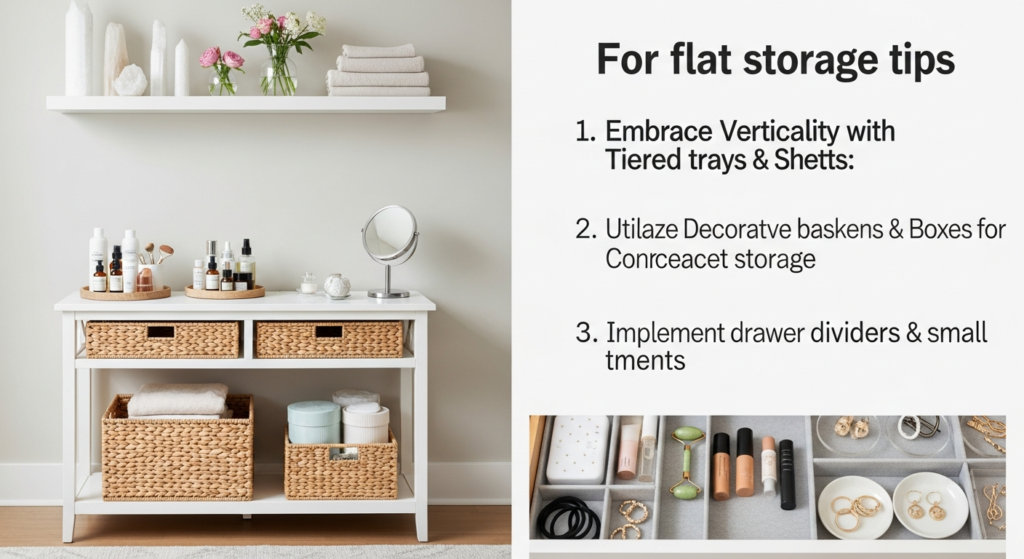
Decluttering is paramount for a clear mind. A cluttered desk often reflects a cluttered mind, making it harder to focus and feel in control. Embrace the principle of “a place for everything, and everything in its place.” Regularly purge unnecessary items, digitize documents where possible, and invest in smart storage solutions. Think vertically with shelves, use drawer organizers, and ensure your desktop is free of non-essential items. A tidy space fosters clarity and reduces visual noise, allowing your mind to concentrate on the task at hand.

🌿 Wellness Tip

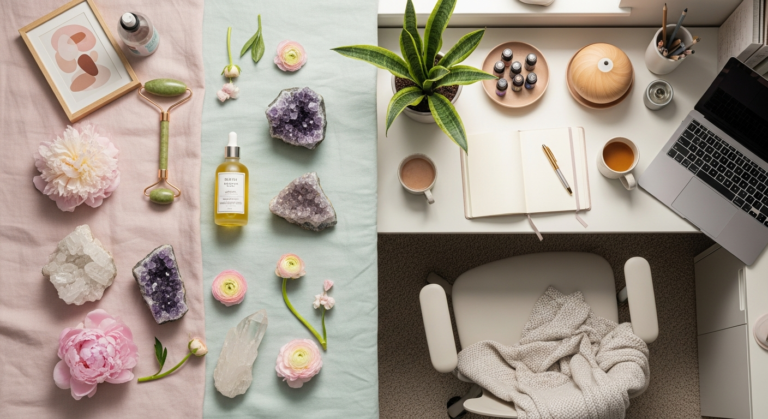
Infuse your office with personal touches that uplift you. This could be a framed photograph of loved ones, a piece of art that inspires you, or even a collection of meaningful objects. Plants are also a fantastic addition, offering not only aesthetic appeal but also air-purifying benefits. This concept, known as biophilic design, brings elements of nature indoors, which has been shown to reduce stress, improve mood, and enhance cognitive function. Consider a small succulent, a vibrant peace lily, or a trailing pothos to add a touch of green vitality.

Your home office is an extension of you. If you are exploring careers in health and beauty, for example, your office might reflect a clean, minimalist aesthetic with touches of calming natural elements, perhaps a diffuser with essential oils, or artwork that evokes tranquility. A health coach might incorporate motivational quotes and vibrant, healthy imagery. A beauty entrepreneur could showcase elegant product packaging or subtle, sophisticated decor that speaks to their brand’s ethos. The goal is to create an environment where you feel empowered, capable, and aligned with your professional identity.

Consider textures and materials as well. Natural wood elements, soft fabrics in an accent chair, or a cozy rug can add warmth and comfort, making the space more inviting. The overall design should feel harmonious and reflective of your unique style, transforming your home office into a truly inspiring sanctuary where you can thrive.

Technology & Organization: Boosting Productivity Seamlessly

In our increasingly digital world, a functional home office relies heavily on seamless technology integration and robust organizational systems. Without these, even the most aesthetically pleasing space can become a source of frustration, hindering productivity rather than enhancing it. For the modern woman navigating professional demands in 2026, efficient tech and meticulous organization are non-negotiable.

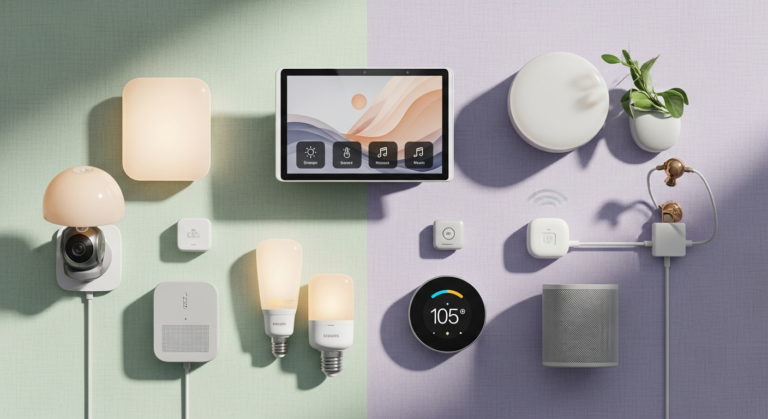
First, prioritize connectivity. A reliable, high-speed internet connection is the backbone of remote work. Ensure your Wi-Fi signal is strong in your office space, or consider a wired Ethernet connection for maximum stability, especially if you frequently engage in video conferencing. Invest in quality power strips with surge protection to safeguard your electronics. Critically, tackle cable management. Nothing disrupts focus and aesthetics more than a tangled mess of wires. Use cable ties, sleeves, and discreet channels to hide cords, creating a clean, professional look and preventing tripping hazards.

Next, evaluate your hardware needs. A reliable computer (laptop or desktop) that can handle your workload efficiently is paramount. Consider a good quality webcam and microphone if you participate in frequent virtual meetings. A multi-function printer/scanner might be necessary for some professions, while others can rely entirely on digital documents. Assess your specific requirements to avoid unnecessary clutter from unused equipment.

Beyond hardware, software and digital organization are key. Utilize cloud storage solutions (like Google Drive, Dropbox, or OneDrive) for easy access to your files from anywhere and for crucial backups. Implement a consistent file naming convention and folder structure. Explore productivity apps that help with task management, note-taking, and scheduling. Don’t forget cybersecurity: strong passwords, two-factor authentication, and up-to-date antivirus software are essential to protect your valuable work and personal data.

For physical items, storage solutions should be both functional and aesthetically pleasing. Filing cabinets, open shelving, and closed cupboards can house documents, supplies, and reference materials. Label everything clearly. Consider decorative boxes or baskets to contain smaller items, maintaining a tidy appearance. A well-organized system means less time searching and more time working efficiently.

Finally, think about your workflow optimization. How does the layout of your office support your daily tasks? Do you have easy access to frequently used items? Is your phone charger always within reach? Are your notes organized in a way that makes sense for your thought process? For example, if you frequently refer to physical documents while typing, ensure your document holder is positioned ergonomically next to your screen. Consider noise-canceling headphones if you need to block out household sounds or focus on calls. By meticulously planning your technology and organization, you create a home office that operates like a well-oiled machine, allowing you to boost your productivity seamlessly and reduce unnecessary stress.

Wellness Integration: Nurturing Mind & Spirit in Your Workspace

A truly perfect home office extends beyond ergonomic furniture and efficient technology; it actively contributes to your overall wellness, nurturing your mind and spirit throughout your workday. As health-conscious women, we understand that productivity thrives when our inner selves are balanced and cared for. Integrating wellness into your workspace is about creating an environment that supports not just what you do, but how you feel while doing it.

Consider dedicating a small corner or even just a designated spot for a “mindfulness moment.” This could be a comfortable cushion for a quick meditation break, a yoga mat for a few stretches, or simply a clear space where you can close your eyes and practice deep breathing. Regular micro-breaks for stretching or mindfulness can significantly reduce stress and improve focus.

Engage your senses with scent therapy. An essential oil diffuser can transform the atmosphere of your office. Citrus scents like lemon or wild orange are known for their uplifting and focusing properties, while peppermint can boost alertness. For moments when you need to unwind or transition, lavender can promote a sense of calm. Ensure your chosen scents are subtle and pleasant, not overpowering.

Your soundscape also plays a crucial role. While some thrive in complete silence, others find gentle background noise beneficial. Experiment with white noise, nature sounds (like ocean waves or gentle rain), or instrumental music that aids concentration without distraction. If your home environment is noisy, quality noise-canceling headphones can create your personal quiet zone.

Keep hydration and nutrition readily accessible. A stylish water bottle on your desk serves as a constant reminder to stay hydrated, vital for cognitive function and energy levels. Stock a small drawer with healthy, easy-to-grab snacks like nuts, fruit, or protein bars to avoid energy slumps and unhealthy cravings. Prioritize nourishing your body throughout the day.

Crucially, establish clear boundaries between your work life and personal life. Your home office should be a space you enter for work and leave when work is done. This psychological separation is vital for preventing burnout. This principle ties directly into 3 tips to help you fall asleep in your new home. One of the most important sleep tips is to create a clear distinction between your sleep space and your work space. If possible, avoid placing your home office in your bedroom. If space constraints make this impossible, use screens, partitions, or even a simple ritual of covering your work area at the end of the day to visually separate it. The mental cue of “closing down” your office helps your brain transition from an active, work-focused state to one of relaxation, preparing you for restorative sleep. Just as you wouldn’t bring your bed into your office, avoid bringing your office into your bed.

Schedule intentional breaks throughout your day – not just quick glances at your phone, but true breaks where you step away from your screen, move your body, and shift your focus. Walk outside, play with a pet, or engage in a quick household chore. These moments of disconnection are essential for rejuvenating your mind and preventing eye strain and mental fatigue. By thoughtfully integrating these wellness practices, your home office becomes a holistic environment that not only supports your work but also champions your overall health and happiness.

Personalizing Your Power Hub: Beyond the Basics

Once you’ve established the foundational elements of ergonomics, organization, and wellness, the final step in creating your perfect home office is to infuse it with your unique personality and aspirations. This is where your workspace truly becomes a “power hub” – a place that not only functions efficiently but also inspires and motivates you on a deeply personal level. Going beyond the basics allows you to craft an environment that feels authentically yours, reflecting your journey and fueling your future.

Consider creating a vision board. This powerful tool can be a physical board adorned with images, affirmations, and goals, or a digital collage displayed on your monitor’s background. Having your aspirations visually present in your workspace serves as a constant reminder of what you’re working towards, keeping you motivated and focused on your long-term objectives. It’s a daily dose of inspiration, reinforcing your “why.”

Integrate comfort items that make the space feel cozy and inviting. This could be a soft throw blanket draped over your office chair for chilly mornings, a special mug for your morning coffee or herbal tea, or a small, aesthetically pleasing coaster. These small details contribute to a sense of warmth and personal comfort, making your office a place you genuinely enjoy being in.

Think about how your office can support your creative outlets or hobbies, even if they’re not directly work-related. Perhaps a small sketchbook and pens are kept nearby for moments of creative pause, or a mini-library of inspiring books on a shelf. These elements remind you of your multifaceted identity and prevent your workspace from feeling solely utilitarian.

Consider the role of art and décor that speaks to your soul. Whether it’s a vibrant painting, a minimalist print, or a sculpture, choose pieces that evoke positive emotions, stimulate thought, or simply bring you joy. These elements serve as visual anchors, grounding you in your personal aesthetic and providing visual interest during long work sessions.

Finally, think about flexibility for future needs. Your career path and personal life may evolve, and your home office should be adaptable. Choose furniture that can be repurposed or rearranged, and avoid overly permanent fixtures unless you’re certain of their long-term utility. A modular shelving unit, for example, offers more versatility than a built-in cabinet. Planning for adaptability ensures that your power hub can continue to support you through all of life’s transitions, remaining a perfect fit for years to come.


FAQ: Your Home Office Questions Answered

How do I choose the right desk for my home office?

When selecting a desk, prioritize functionality and ergonomics. A height-adjustable or sit-stand desk is highly recommended for its health benefits, allowing you to alternate between sitting and standing. If a fixed-height desk is preferred, ensure it allows you to maintain proper posture with your elbows at a 90-degree angle when typing. Consider the size of your space and your work needs: a larger surface area is beneficial for spreading out, while a minimalist desk suits digital-heavy work. Look for sturdy materials that will last, and consider integrated storage solutions like drawers or shelves if you need to minimize clutter.

What are the best lighting options for a home office?

Optimal home office lighting involves a combination of natural, task, and ambient light. Maximize natural light by positioning your desk near a window, ensuring the light source is to your side to avoid glare on your screen. Supplement with a good quality task lamp on your desk, which provides focused light for reading or writing without straining your eyes. For overall illumination, use soft ambient lighting from overhead fixtures or floor lamps to prevent harsh shadows and create a comfortable atmosphere. Avoid single, bright overhead lights that can cause glare and eye fatigue.

How can I keep my home office organized and clutter-free?

Maintaining an organized home office involves both physical and digital strategies. For physical clutter, implement a “one in, one out” rule, regularly decluttering unnecessary items. Utilize smart storage solutions like vertical shelving, drawer organizers, and decorative boxes or baskets for smaller items. Label everything clearly. Digitally, establish a consistent file naming convention and folder structure for your documents. Leverage cloud storage for backups and easy access, and use task management apps to keep track of your workload. Schedule regular “tidy-up” times, both daily and weekly, to prevent accumulation.

Is it really necessary to invest in an ergonomic chair?

Yes, investing in an ergonomic chair is one of the most crucial decisions for your long-term health and productivity in a home office. A high-quality ergonomic chair provides essential lumbar support, promotes proper posture, and reduces the risk of back pain, neck strain, and repetitive strain injuries that can arise from prolonged sitting. While the initial cost may seem higher, it’s a direct investment in preventing discomfort, maintaining focus, and ensuring you can work comfortably and sustainably for many years, ultimately saving you from potential health issues and their associated costs.

How can I separate my home office from my personal living space, especially in a small home?

Creating separation in a small home requires creativity. Use visual cues like room dividers, privacy screens, or even a strategically placed bookshelf to delineate your workspace. If your office is in a multi-purpose room, a distinctive rug or a different paint color for that area can mentally separate it. Establish clear routines: “open” your office at the start of the day and “close” it down at the end, perhaps by covering your desk or putting away specific items. This ritual helps your brain transition between work and personal modes, even if the physical space remains shared.

What are some budget-friendly ways to upgrade my home office?

Upgrading your home office on a budget is entirely achievable. Start with a fresh coat of paint in a calming or inspiring color. Add greenery with affordable houseplants, which boost mood and air quality. Utilize DIY storage solutions like repurposing old crates or baskets, or creating custom shelving from inexpensive materials. Thrifting for unique decor items, secondhand office chairs (then adding a new cushion), or even a pre-loved desk can yield significant savings. Focus on improving lighting with an affordable task lamp and personalizing the space with framed photos, prints, or a vision board you create yourself. Small changes can make a big impact.