The world pressed pause in an unprecedented way, and for many of us, the lockdown experience brought a myriad of changes – not least of which was a surprising transformation in our skin. Whether you found yourself battling new breakouts, struggling with unexplained dryness, or noticing a dullness that just wouldn’t quit, you’re certainly not alone. The unique cocktail of stress, altered routines, and environmental shifts during that period created a perfect storm for skin upheaval. Now, as we navigate a world that has largely reopened, understanding what happened to our skin and how to nurture it back to its best self is more important than ever. At Veralyn Media, we believe in empowering women with evidence-based insights for holistic well-being, and today, we’re diving deep into the fascinating, sometimes frustrating, world of lockdown skin changes and what you need to know to achieve lasting radiance.

The “Lockdown Skin” Phenomenon: What Happened and Why?

Remember those initial weeks and months? The world outside seemed to shrink, and our indoor lives expanded dramatically. This profound shift, while necessary for public health, had a ripple effect on our bodies, and our skin, as our largest organ, bore much of the brunt. The “lockdown skin” phenomenon wasn’t a single issue, but rather a complex interplay of internal and external factors that conspired to alter our complexions.

Firstly, there was the undeniable surge in stress and anxiety. The uncertainty, fear, and isolation triggered our body’s fight-or-flight response, leading to elevated cortisol levels. Cortisol, the primary stress hormone, is a known disruptor of skin health. It can increase oil production, leading to breakouts, impair the skin barrier function, making it more vulnerable to irritation, and even slow down cellular turnover, resulting in a duller complexion. Our skin, in essence, was mirroring our internal turmoil.

Secondly, our daily routines underwent a seismic shift. For many, the structured rhythm of waking, commuting, working, and socializing evaporated. This often led to irregular sleep patterns, more time spent indoors (often in less-than-ideal air quality), and a potential decline in sun exposure. Our diets might have changed too, with comfort eating becoming a coping mechanism for some, leading to increased consumption of processed foods, sugar, and unhealthy fats – all of which can inflame the body and manifest on the skin.

Lastly, our skincare habits themselves were in flux. Some women, with more time on their hands, embarked on ambitious multi-step routines, sometimes over-exfoliating or introducing too many new products at once. Others, overwhelmed or simply feeling less motivated, might have let their routines slide entirely. Both extremes could lead to unforeseen skin issues. The constant wearing of masks, particularly in public-facing roles, also introduced a new challenge: “maskne,” characterized by breakouts around the mouth, nose, and chin due to friction, heat, and trapped moisture.

Understanding these foundational shifts is the first step toward addressing any lingering skin concerns. It’s about recognizing that your skin’s response was a natural, albeit unwelcome, reaction to an extraordinary period in human history. Just as you might have re-evaluated your living space during lockdown, perhaps diving into some home renovation dos and donts to create a more functional and calming environment, your skin also needed a reassessment of its needs.

Common Skin Changes Observed During Lockdown

Has Your Skin Changed During Lockdown Heres What You Need To Know

While everyone’s experience was unique, several key skin concerns emerged as prevalent during the lockdown period. Identifying which of these resonate with your experience is crucial for tailoring an effective recovery plan.

  • Increased Breakouts and “Maskne”: This was perhaps the most frequently reported issue. Elevated stress hormones stimulate sebum production, leading to clogged pores and inflammation. Coupled with the friction and moist environment created by face masks, particularly around the lower face, it was a recipe for acne breakouts, blackheads, and whiteheads. Even those who rarely experienced acne before found themselves battling new blemishes.
  • Unexplained Dryness and Dehydration: Paradoxically, while some experienced oiliness, others struggled with extreme dryness. Spending more time indoors, often in heated or air-conditioned environments with low humidity, can strip the skin of its natural moisture. Reduced water intake (due to changes in routine) and impaired skin barrier function from stress also contributed to a feeling of tightness, flakiness, and a lack of plumpness.
  • Heightened Sensitivity and Redness: The compromised skin barrier, a direct consequence of chronic stress and potential over-treatment, left many women with skin that reacted more intensely than usual. Products that were once tolerated might have suddenly caused stinging or redness. Rosacea flare-ups became more common, and general irritation was a frequent complaint.
  • Dullness, Lack of Radiance, and Uneven Tone: Irregular sleep, poor diet, reduced physical activity, and increased stress all contribute to a sluggish lymphatic system and slower cellular turnover. This can result in a buildup of dead skin cells, leading to a lackluster complexion, diminished glow, and a less even skin tone. The lack of fresh air and natural light from reduced outdoor time also played a role.
  • Dark Circles and Puffy Eyes: Sleep disruptions, increased screen time, and general fatigue often manifested directly around the delicate eye area. Dark circles became more pronounced, and puffiness was a common morning (and sometimes all-day) companion.
  • Hyperpigmentation and Sun Sensitivity: While many spent less time outdoors, for those who did venture out, or perhaps spent time near windows, the skin’s barrier function might have been weakened, potentially making it more susceptible to sun damage and the development of new dark spots or the worsening of existing ones. Blue light exposure from increased screen time also started to be recognized as a potential contributor to hyperpigmentation.

Recognizing these patterns is the first step towards intervention. It’s a testament to our body’s incredible ability to adapt, even if that adaptation sometimes presents challenges. Just as you might meticulously plan a family RV road trip, considering every detail from route to provisions, your skin also benefits from a thoughtful, well-prepared approach.

The Role of Stress and Mental Health on Your Skin

💡 Pro Tip

It’s impossible to discuss “lockdown skin” without dedicating significant attention to the profound impact of stress and mental health. The mind-skin connection, often referred to as psychodermatology, is a well-established field, and the pandemic served as a stark, real-world experiment demonstrating its power. When we experience stress, our bodies release a cascade of hormones and chemicals, most notably cortisol. This isn’t just a psychological phenomenon; it has tangible physiological effects on our skin.
  • Cortisol Overload: Chronic stress keeps cortisol levels elevated. High cortisol can trigger increased oil production by the sebaceous glands, making pores more prone to clogging and leading to acne breakouts. It also promotes inflammation throughout the body, which can exacerbate conditions like eczema, psoriasis, and rosacea, and make healthy skin more reactive and sensitive.
  • Impaired Skin Barrier: Cortisol weakens the skin’s protective barrier, making it less effective at retaining moisture and defending against environmental aggressors like pollutants, bacteria, and irritants. A compromised barrier leads to dryness, sensitivity, and makes the skin more vulnerable to damage and infection.
  • Slowed Healing and Regeneration: Stress can slow down the skin’s natural healing processes and cellular turnover. This means wounds take longer to heal, and dead skin cells accumulate, contributing to a dull, uneven complexion. The skin’s ability to repair itself overnight, when it typically does its most regenerative work, is also diminished.

  • Impact on Collagen and Elastin: Chronic stress can contribute to the breakdown of collagen and elastin fibers, the proteins responsible for skin firmness and elasticity. Over time, this can accelerate the appearance of fine lines and wrinkles.
  • Sleep Deprivation: Stress often leads to poor sleep quality or insomnia. Adequate sleep is vital for skin repair and regeneration. During deep sleep, the skin produces new collagen and repairs damage. Lack of sleep impairs these processes, leading to dullness, dark circles, and a less resilient complexion.
  • Behavioral Changes: When stressed, we might unconsciously pick at our skin, leading to further irritation and potential scarring. We might also neglect our skincare routines, or conversely, engage in “stress-shopping” for new products that might not be suitable or used correctly.

Addressing the root cause of stress is paramount for long-term skin health. This isn’t always easy, especially when external circumstances are beyond our control. However, incorporating stress-reduction techniques into your daily life can make a profound difference. This could include mindfulness meditation, gentle exercise like yoga, spending time in nature, ensuring sufficient sleep, or engaging in hobbies that bring you joy. Much like the careful planning involved in adjusting to retirement, from handling finances to staying on top of your health, managing stress requires a holistic and proactive approach.

Environmental Factors: Screen Time, Indoor Air, and Lack of Sun

Has Your Skin Changed During Lockdown Heres What You Need To Know

Beyond internal stressors, the shift to predominantly indoor living brought a new set of environmental challenges for our skin. Our homes became our offices, schools, and entertainment hubs, dramatically altering our exposure to natural elements and introducing new artificial ones.

  • Increased Screen Time and Blue Light Exposure: With remote work, virtual schooling, and increased reliance on digital entertainment, our daily screen time skyrocketed. The blue light emitted from devices like smartphones, tablets, and computers has become a growing concern for skin health. Research suggests that prolonged exposure to blue light can generate free radicals, leading to oxidative stress, which contributes to premature aging, collagen degradation, and potentially hyperpigmentation. It can also disrupt our circadian rhythm, further impacting sleep quality and, consequently, skin repair.
  • Indoor Air Quality and Humidity Levels: Spending more time indoors often means less exposure to fresh, circulating air. Indoor air can be drier, especially with central heating or air conditioning, which strips moisture from the skin, leading to dehydration and a compromised skin barrier. Furthermore, indoor environments can accumulate pollutants, dust mites, and pet dander, all of which can trigger allergic reactions or exacerbate sensitive skin conditions. The use of certain cleaning products or new furnishings (a consideration often overlooked in home renovation dos and donts discussions) can also introduce Volatile Organic Compounds (VOCs) that irritate the skin and respiratory system.
  • Reduced Natural Light and Vitamin D Synthesis: While excessive sun exposure is detrimental, a healthy amount of natural daylight is crucial for our overall well-being, including skin health. Reduced outdoor time meant less exposure to the sun’s UVB rays, which are necessary for the skin’s synthesis of Vitamin D. Vitamin D plays a vital role in skin barrier function, immune response, and wound healing. A deficiency can contribute to dryness, increased sensitivity, and conditions like eczema and psoriasis.
  • Lack of Air Circulation and “Skin Breathing”: Being constantly confined, especially in environments with poor ventilation, can create a stagnant atmosphere around the skin. This can lead to a buildup of sweat, oil, and bacteria, particularly under masks, contributing to breakouts.

Mitigating these environmental factors involves conscious choices. Consider investing in a humidifier for dry indoor environments, ensuring good ventilation by opening windows regularly, and incorporating blue light filtering glasses or screen settings. For Vitamin D, discuss supplementation with your healthcare provider and try to incorporate safe, moderate outdoor time when possible. Just as you’d prepare your home for a long-term stay, thinking about air purifiers or adequate natural light, applying similar foresight to your skin’s environment can yield significant benefits.

Lifestyle Shifts: Diet, Sleep, and Skincare Routines

The lockdown era forced a re-evaluation of our daily habits, and these shifts had a direct and often immediate impact on our skin. From what we ate to when we slept, and even how we approached our beauty rituals, everything was on the table.

Dietary Changes and Their Skin Impact

For many, lockdown meant more home cooking, but also a potential increase in comfort food consumption. Stress-eating, boredom-snacking, and the allure of readily available processed foods could have become more common. A diet high in refined sugars, processed carbohydrates, and unhealthy fats can lead to systemic inflammation, which directly manifests on the skin as breakouts, redness, and a compromised barrier. Conversely, a lack of fresh fruits, vegetables, and healthy fats (omega-3s) can deprive the skin of essential antioxidants, vitamins, and fatty acids needed for repair, hydration, and protection. Think about the connection between your gut health and skin health – a disrupted gut microbiome due to poor diet can lead to skin issues like eczema and acne. Prioritizing nutrient-dense foods, staying well-hydrated with water, and limiting inflammatory ingredients are crucial steps to restore skin balance. Just as you’d pack a cooler full of healthy snacks for a family RV road trip, planning for nourishing meals at home is equally important for your skin’s vitality.

The Crucial Role of Sleep

Sleep became an elusive luxury for many during lockdown. The blurring of work-life boundaries, increased anxiety, and altered schedules often led to irregular sleep patterns, delayed bedtimes, and overall sleep deprivation. It’s during deep sleep that our skin undertakes its most vital repair and regeneration processes. Melatonin, the sleep hormone, also acts as a potent antioxidant, protecting skin cells from damage. Lack of sleep can:

  • Elevate cortisol, leading to all the skin issues mentioned earlier.
  • Reduce blood flow to the skin, resulting in a dull, sallow complexion.
  • Impair the skin’s ability to produce collagen, leading to accelerated aging.

  • Cause increased puffiness and dark circles around the eyes.

Establishing a consistent sleep schedule, creating a relaxing bedtime routine, and optimizing your sleep environment are non-negotiable for healthy, radiant skin.

Evolving Skincare Routines

Our skincare routines also saw significant shifts. Some women, with newfound time, might have experimented with an array of new products, sometimes leading to over-exfoliation or irritation from too many active ingredients. Others, feeling overwhelmed or less motivated, might have simplified their routines to the point of neglect. The key takeaway from this period is the importance of a consistent, gentle, and tailored skincare routine. This includes:

  • Gentle Cleansing: Over-washing or using harsh cleansers can strip the skin.
  • Hydration: A good moisturizer is essential to support the skin barrier.
  • Targeted Treatments: Incorporate serums with ingredients like hyaluronic acid for hydration, niacinamide for barrier support, or gentle retinoids for cell turnover, as needed.
  • Sun Protection: Even indoors, proximity to windows or blue light exposure warrants daily SPF.
  • Less is Often More: Focus on core products that deliver results rather than a complex, ever-changing regimen.

Re-evaluating your lifestyle habits post-lockdown is an empowering step. Much like adjusting to retirement involves establishing new rhythms and routines for optimal well-being, your skin benefits immensely from a thoughtful, consistent approach to diet, sleep, and daily care.

Reclaiming Your Radiance: A Holistic Approach to Post-Lockdown Skin Health

The good news is that many of the skin changes experienced during lockdown are reversible or manageable with a holistic and consistent approach. Reclaiming your skin’s radiance isn’t just about what you put on your face; it’s about nurturing your entire well-being. Here’s how to create a comprehensive strategy for glowing skin in 2026 and beyond.

1. Reassess and Simplify Your Skincare Routine

Start with a clean slate. Evaluate your current products: are they suitable for your skin type now? Are they expired? Focus on the essentials:

  • Gentle Cleanser: Choose a non-stripping cleanser to remove impurities without compromising the skin barrier.
  • Hydrating Serum: Look for ingredients like hyaluronic acid or glycerin to draw moisture into the skin.
  • Moisturizer: A good emollient moisturizer to seal in hydration and support barrier function.
  • Broad-Spectrum SPF: Non-negotiable, even on cloudy days or indoors near windows.
  • Targeted Treatments (Optional): If you have specific concerns like acne or hyperpigmentation, introduce active ingredients slowly and one at a time (e.g., niacinamide, vitamin C, gentle retinoids). Avoid over-exfoliating, especially if your skin is sensitive.

Empowering Tip: Just as you’d meticulously plan the order of tasks in a home renovation to achieve the best outcome, approach your skincare routine with a clear, sequential strategy.

2. Prioritize Stress Management

Given the profound link between stress and skin, this is a cornerstone of recovery. Incorporate daily practices that help you de-stress:

  • Mindfulness & Meditation: Even 10-15 minutes a day can lower cortisol.
  • Movement: Regular exercise (walking, yoga, dancing) is a powerful stress reliever.
  • Nature Exposure: Spend time outdoors, even if it’s just a walk in a local park.
  • Hobbies: Engage in activities that bring you joy and help you relax.
  • Journaling: Acknowledge and process your feelings.

3. Optimize Your Diet and Hydration

Fuel your skin from within:

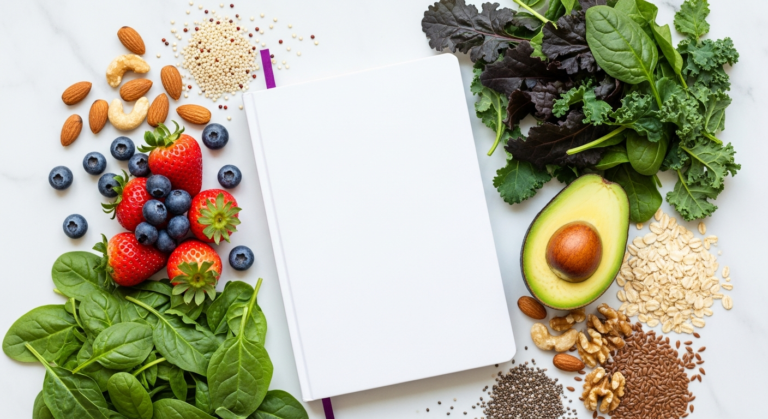
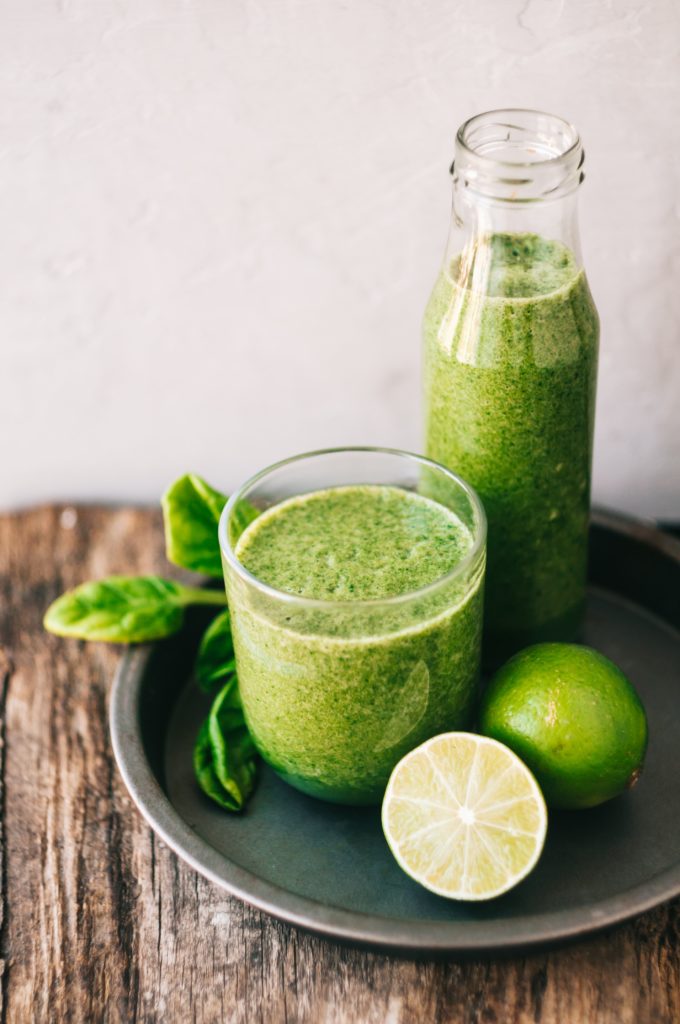
  • Antioxidant-Rich Foods: Berries, leafy greens, colorful vegetables protect against free radical damage.
  • Healthy Fats: Avocados, nuts, seeds, fatty fish (omega-3s) support skin barrier and reduce inflammation.
  • Lean Proteins: Essential for collagen production.
  • Whole Grains: Provide sustained energy and fiber.
  • Hydration: Drink plenty of water throughout the day. Herbal teas can also contribute.
  • Limit Inflammatory Foods: Reduce intake of refined sugars, processed foods, excessive dairy, and unhealthy fats.

4. Embrace Quality Sleep

Aim for 7-9 hours of uninterrupted sleep each night. Create a conducive sleep environment:

  • Consistent Schedule: Go to bed and wake up at the same time, even on weekends.
  • Wind-Down Routine: Avoid screens before bed. Read, take a warm bath, or listen to calming music.
  • Dark, Quiet, Cool Room: Optimize your bedroom for restorative sleep.

5. Consider Professional Guidance

If you’re struggling with persistent issues like severe acne, rosacea, or hyperpigmentation, a dermatologist can provide tailored advice, prescriptions, or in-office treatments. Estheticians can offer beneficial facials and guidance on product selection. Remember, professional help is an investment in your long-term skin health, much like seeking expert advice when adjusting to retirement from handling finances to staying on top of your health.

6. Be Patient and Consistent

Skin changes don’t happen overnight. It takes time for cells to regenerate and for new routines to show results. Consistency is key. Celebrate small victories and remember that true skin health is a journey, not a destination.

Long-Term Skin Wellness: Beyond the Pandemic

While the lockdown era brought unique challenges, the lessons we learned about our skin and overall well-being are timeless. Cultivating long-term skin wellness means integrating these insights into a sustainable lifestyle that prioritizes both external care and internal harmony. It’s about building resilience for your skin, preparing it for whatever life throws its way, much like you might prepare for a future adventure, perhaps even considering tips for taking a family RV road trip, where adaptability and good planning are key.

One of the most valuable takeaways from the lockdown period is the undeniable connection between our mental state and our physical appearance. Moving forward, prioritizing mental health isn’t just about feeling good; it’s a fundamental pillar of glowing skin. This means continuing to practice stress-reduction techniques, fostering strong social connections (even if virtually at times), and seeking support when needed. Our skin is a mirror to our internal world, and a calm, balanced mind often reflects a clearer, more vibrant complexion.

Another crucial aspect of long-term skin wellness is maintaining a mindful approach to your environment. As we spend more time outdoors and indoors, being aware of factors like air quality, humidity, and sun exposure remains paramount. Continuously assess your home environment – perhaps you learned invaluable lessons about creating a healthier living space during lockdown, applying principles from home renovation dos and donts to ensure good ventilation, natural light, and clean air. These seemingly small details contribute significantly to your skin’s resilience against environmental stressors.

Furthermore, the concept of “aging gracefully” takes on new meaning when we consider the holistic picture. It’s not about fighting every wrinkle, but about nourishing your skin so it can thrive at every stage of life. This involves a consistent, gentle skincare routine that adapts to your evolving needs, a diet rich in anti-inflammatory and antioxidant foods, regular physical activity to boost circulation and oxygenation, and, critically, a proactive stance on health. Much like the comprehensive planning involved in adjusting to retirement, from handling finances to staying on top of your health, establishing sustainable healthy habits now will pay dividends for your skin and overall vitality in the decades to come.

Finally, remember that skin wellness is an ongoing journey of learning and adaptation. Be curious about new, evidence-based ingredients and treatments, but always approach them with a discerning eye and a focus on what truly serves your skin’s unique needs. Listen to your skin, understand its signals, and treat it with the care and respect it deserves. By integrating these holistic principles, you’re not just recovering from “lockdown skin”; you’re building a foundation for lifelong radiance and well-being. At Veralyn Media, we’re here to support you every step of the way on this empowering journey.

Frequently Asked Questions

How long does it take for skin to recover from stress-induced breakouts?
The recovery time for stress-induced breakouts can vary significantly depending on the individual and the severity of the breakouts. Generally, it can take anywhere from a few weeks to several months. Skin cells regenerate every 28-40 days, so you’ll typically start to see improvements after one or two full skin cycles, provided you’ve implemented consistent stress management techniques and a suitable skincare routine. Patience and consistency are key.
Is “maskne” a permanent issue, and how can I prevent it in 2026?
“Maskne” (acne caused by mask-wearing) is not a permanent issue and is largely preventable. In 2026, while mask-wearing may be less prevalent, the principles remain the same for any facial covering. To prevent it, ensure your mask is clean and breathable (opt for cotton). Wash reusable masks frequently. Cleanse your face gently before and after mask-wearing. Use a lightweight moisturizer to create a barrier, and avoid heavy makeup under the mask. If breakouts persist, consider targeted spot treatments with salicylic acid or benzoyl peroxide, and consult a dermatologist if severe.
My skin feels much more sensitive since lockdown. What could be causing this and what should I do?
Increased skin sensitivity post-lockdown is a common complaint, often linked to a compromised skin barrier due to chronic stress, environmental factors (dry indoor air), or even over-exfoliation during lockdown. To address this, simplify your skincare routine to gentle, fragrance-free products. Focus on barrier-supporting ingredients like ceramides, hyaluronic acid, niacinamide, and colloidal oatmeal. Avoid harsh exfoliants, retinoids (initially), and strong actives. Patch test new products. Prioritize stress reduction and ensure adequate hydration to help rebuild the skin’s natural defenses.
Can changes in diet during lockdown still be affecting my skin now?
Absolutely. The impact of diet on skin health can be long-lasting. If your lockdown diet involved more processed foods, sugar, or unhealthy fats, it could have contributed to systemic inflammation, gut microbiome imbalances, and nutritional deficiencies that continue to affect your skin. Transitioning to a diet rich in whole foods, antioxidants, healthy fats, and probiotics can significantly improve skin health, often showing noticeable changes within a few weeks to a couple of months. Consistency is vital for long-term benefits.
I noticed more dark spots or hyperpigmentation after lockdown. What’s the best way to treat this?
Increased hyperpigmentation can be linked to stress (which can exacerbate inflammatory responses), blue light exposure from increased screen time, and even uneven sun exposure. To treat it, daily broad-spectrum SPF is non-negotiable. Incorporate ingredients like Vitamin C, Niacinamide, Alpha Arbutin, or Kojic Acid into your routine to target existing spots and prevent new ones. Gentle chemical exfoliants (like AHAs or BHAs) can also help with cell turnover. For stubborn spots, professional treatments like chemical peels, laser therapy, or microneedling administered by a dermatologist may be necessary.
How can I maintain a healthy skin routine if my schedule is constantly changing, like when traveling for an RV road trip?
Maintaining a healthy skin routine with a fluctuating schedule, like during a family RV road trip, requires planning and simplification. Pack travel-sized versions of your essential, multi-tasking products: a gentle cleanser, a hydrating serum/moisturizer, and a broad-spectrum SPF. Don’t forget lip balm with SPF. Prioritize cleansing and moisturizing twice a day. Carry sunscreen and reapply frequently, especially when outdoors. Stay hydrated by drinking plenty of water. Keep your routine simple and consistent with the core steps, rather than trying to replicate an elaborate regimen, just as you’d streamline other aspects of travel to ensure a smooth journey.