The Foundation of a Smooth Move: Pre-Move Preparation & Mindset for Your New Home
Before you even step foot through the doorway of your new home, the groundwork for a successful transition is laid through meticulous preparation and cultivating the right mindset. This proactive approach not only alleviates stress but also creates a clear path for the 4 quick tips we’ll explore later to truly shine. For health-conscious women, this initial phase is an opportunity to declutter not just physical items, but also mental anxieties, ensuring you enter your new chapter with clarity and calm.
Decluttering as a Wellness Practice
One of the most impactful steps you can take before moving is a thorough declutter. View this not as a chore, but as a therapeutic exercise. Each item you decide to let go of is a liberation, reducing the volume of things to pack, move, and unpack. More importantly, it clears mental space. Ask yourself: Does this item serve a purpose? Does it bring me joy? Is it truly necessary for my life in 2026? Be ruthless yet compassionate with yourself. Old clothes, unused gadgets, forgotten hobbies – releasing them creates room for new energy and possibilities. This process is akin to a mental detox, preparing your mind for the fresh start your new home represents. Consider donating items to local charities, selling them, or recycling responsibly. This not only benefits you but also contributes positively to your community and the environment, aligning with the values often held by health-conscious individuals.
Strategic Planning: The Blueprint for Your Move
A well-thought-out plan is your compass during the moving journey. Start by creating a detailed checklist, breaking down the entire process into manageable tasks. This includes setting a realistic timeline for packing, coordinating with movers, arranging utilities, and updating your address. For women managing households, often juggling family and career responsibilities, a shared digital document or a large whiteboard can be invaluable for delegating tasks and keeping everyone on the same page. Think about the layout of your new home if you have access to floor plans. Where will the essential furniture go? Which rooms need immediate attention? Visualizing your new space can help you decide which boxes to label as “first-day essentials” and which can wait. This foresight prevents frantic searching later and ensures that critical items are easily accessible when you need them most.
Envisioning Your New Home: Beyond the Boxes
Moving isn’t just about logistics; it’s about envisioning the life you want to create in your new environment. Take time to dream about how you want your new home to feel. Do you envision a serene yoga nook? A vibrant family gathering space? A quiet corner for reading and reflection? This vision empowers you to make intentional choices about what you bring with you and how you arrange your space. It also helps in identifying potential areas for future improvements or personal touches. This forward-thinking approach can even touch upon aspects of home renovation dos and donts. For instance, if you know you eventually want to knock down a wall to create an open-plan kitchen, you might hold off on purchasing a large, permanent island. If you’re considering painting a room a calming hue, you might prioritize unpacking those specific art pieces that complement your desired aesthetic. This pre-visualization allows for strategic unpacking and decorating, ensuring that your initial efforts align with your long-term vision for a harmonious and healthy living space.
Quick Tip 1: Prioritize Essential Unpacking for Immediate Comfort and Functionality in Your New Home
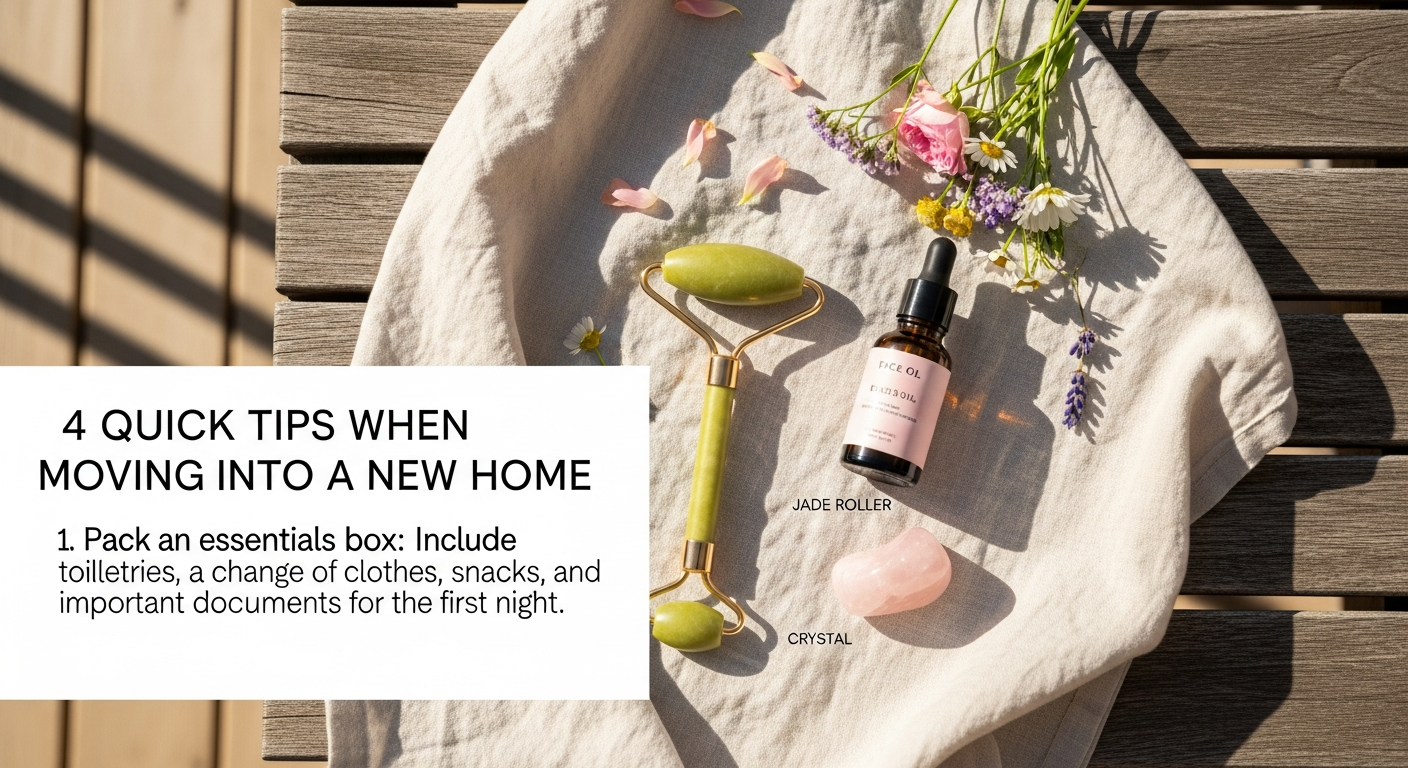
The moment you arrive at your new home, surrounded by a sea of boxes, it’s easy to feel overwhelmed. However, implementing a strategic unpacking plan for immediate comfort is one of the most empowering steps you can take. For health-conscious women, establishing functional spaces quickly is key to maintaining routines, reducing stress, and ensuring a sense of stability amidst the upheaval. This isn’t about unpacking everything; it’s about unpacking the right things first.
The “First Night” & “First Week” Essentials Boxes
Before moving day, pack one or two dedicated “essentials” boxes that travel with you, not on the moving truck. These boxes are your lifelines. The “First Night” box should contain everything you need for a comfortable evening and morning: toiletries, a change of clothes, medications, phone chargers, basic snacks, coffee/tea supplies, pet food if applicable, and perhaps a beloved book or journal. For families, include a favorite toy or comfort item for children to ease their transition. The “First Week” box can expand on this, including basic kitchen items (a pot, pan, plates, cutlery, sponge, dish soap), a shower curtain, towels, bedding for all beds, cleaning supplies, and a small toolkit. Having these items readily available prevents frantic searching and allows you to establish a sense of normalcy almost immediately. This minimizes decision fatigue and preserves your energy for bigger unpacking tasks, safeguarding your mental clarity during a potentially stressful period.
Establishing Critical Zones: Kitchen, Bathroom, Bedroom
Your immediate priority should be to make your kitchen, primary bathroom, and main bedroom functional. These are the pillars of daily living and well-being.
- Kitchen: Unpack enough to prepare simple meals. This means setting up your coffee maker, basic cooking utensils, a few plates, cups, and cutlery. Access to healthy food options is vital for maintaining energy and mood. Avoid the temptation to rely solely on takeout; having a functional kitchen encourages you to stick to your healthy eating habits.
- Bathroom: Hang a shower curtain, put out fresh towels, and organize your essential toiletries. A hot shower and a clean, accessible bathroom can be incredibly rejuvenating after a long day of moving. Ensure toilet paper and hand soap are visible and accessible.
- Bedroom: Assemble your bed first. A comfortable, ready-made bed is crucial for quality sleep, which is non-negotiable for your physical and mental health. Unpack clean sheets and your pillows. Creating a peaceful sleeping environment as quickly as possible helps regulate your sleep cycle and provides a much-needed sanctuary from the moving chaos.
By focusing on these core areas, you create pockets of normalcy and comfort that are essential for processing the move and preparing for the next phases of settling in. This targeted approach prevents the feeling of being completely adrift in a new space and empowers you to reclaim control over your daily routines.
The Psychology of Quick Comfort
The act of quickly establishing comfort in your new home has profound psychological benefits. It signals to your brain that this new environment is safe, functional, and your own. This rapid sense of belonging can significantly reduce anxiety and the feeling of disorientation often associated with moving. For health-conscious women, who often prioritize creating nurturing environments, this initial comfort is not a luxury but a necessity for maintaining emotional equilibrium. It allows you to feel grounded, providing a stable base from which to tackle the remaining unpacking and decorating with renewed energy and a positive outlook. This early investment in comfort pays dividends in reduced stress and increased resilience throughout the entire transition period.
Quick Tip 2: Establish Smart Organizational Systems from Day One in Your New Home
Unpack with Intention: A Place for Everything
As you unpack, resist the urge to simply empty boxes and pile items haphazardly. Instead, approach each box with intention. Before removing an item, consider its designated home. If you don’t immediately have a place for it, create a “hold” box for items that need more thought or decluttering. This prevents the immediate re-creation of clutter in your new space. For instance, when unpacking kitchen items, group similar tools together, assign specific drawers for utensils, and dedicate cabinet space for pantry staples. In bedrooms, unpack clothes directly into drawers or hang them in closets. This intentional unpacking strategy might take a little longer upfront, but it saves immense time and frustration down the line, ensuring that every item has a purpose and a place within your new home.
Implement Basic Storage Solutions Early On
You don’t need to invest in elaborate custom shelving immediately, but basic storage solutions can make a world of difference. Before moving, consider purchasing some essential organizational tools:
- Drawer Dividers: Perfect for kitchens, bathrooms, and dressers to keep small items tidy.
- Storage Bins/Baskets: Ideal for corralling items in closets, on shelves, or in playrooms. Clear bins are excellent for seeing contents at a glance.
- Command Hooks: Versatile for hanging lightweight items like keys, towels, or kitchen utensils without damaging walls.
- Shelf Risers: Maximize vertical space in cabinets, especially in the kitchen or linen closet.
These simple, affordable solutions help you categorize and contain items as you unpack, preventing mess and making it easier to find what you need. Establishing these systems early helps to embed good habits and ensures that your new home remains functional and clutter-free from the outset. This proactive approach to organization can even inform future decisions regarding home renovation dos and donts; for example, if you find yourself constantly needing more vertical storage, you might consider built-in shelving during a future renovation rather than purchasing more bulky furniture.
Designate a “Drop Zone” & Mail Station
One of the quickest ways for a new home to accumulate clutter is the lack of a designated spot for incoming items. From day one, establish a “drop zone” near your entryway. This could be a small table, a console, or even a basket where keys, mail, bags, and shoes can be temporarily placed upon entering the house. Crucially, pair this with a simple mail station: a tray for incoming mail, a shredder for junk mail, and a small file holder for bills or important documents. By having these systems in place, you prevent daily items from scattering throughout your home, maintaining order and reducing visual noise. This practice is particularly beneficial for busy women who need efficient systems to manage household flow and minimize mental load, ensuring that administrative tasks don’t spill over into relaxation spaces.
Creating a Cleaning Caddy & Supply Station
Maintaining a clean and healthy home is easier when supplies are organized and accessible. Designate a cleaning supply station, perhaps under the kitchen sink or in a utility closet. Create a portable “cleaning caddy” with essential items like an all-purpose cleaner, glass cleaner, microfiber cloths, and sponges. This makes quick clean-ups incredibly efficient, preventing dirt and grime from building up. Having your cleaning supplies organized and ready from the start encourages consistent cleaning habits, contributing to a healthier living environment and reducing the likelihood of feeling overwhelmed by accumulated mess. This simple system supports your wellness goals by ensuring your home remains a pristine sanctuary, rather than a source of added stress.
Quick Tip 3: Nurture Your Well-being Amidst the Chaos: Self-Care & Connection in Your New Home
Moving is often cited as one of life’s most stressful events, capable of taking a significant toll on both physical and mental health. For health-conscious women, it’s paramount to actively prioritize self-care and maintain connections during this transitional period in your new home. Neglecting your well-being can lead to burnout, fatigue, and make the settling-in process feel even more arduous. This tip emphasizes intentionally carving out moments for replenishment and connection, ensuring you navigate the move with resilience and grace.
Schedule Breaks and “Unpacking-Free” Zones
It’s tempting to push through the exhaustion, believing that powering through will get you settled faster. However, this often backfires, leading to mistakes, frustration, and complete depletion. Schedule regular breaks throughout your unpacking days. Step away from the boxes, go for a short walk, enjoy a cup of tea, or simply sit in silence for a few minutes. Additionally, designate at least one “unpacking-free” zone in your new home—perhaps the main bedroom or a cozy corner of the living room. This space should be off-limits for boxes and clutter, serving as a sanctuary where you can truly relax and disconnect from the moving process. Having a designated peaceful retreat is crucial for mental restoration, allowing you to recharge and approach the remaining tasks with renewed energy and a clearer perspective.
Prioritize Nourishment and Hydration
During the upheaval of a move, healthy eating and consistent hydration often fall by the wayside, replaced by convenient but less nutritious options. Make a conscious effort to keep healthy snacks readily available (fruits, nuts, pre-cut veggies) and ensure you’re drinking plenty of water. Plan simple, nutritious meals that require minimal cooking, especially in the first few days when your kitchen might still be partially packed. Consider meal prepping before the move or utilizing healthy meal delivery services temporarily. Eating well fuels your body and mind, helping to combat fatigue and maintain stable energy levels, which are essential for managing the physical demands and emotional roller coaster of moving. Just as tips for adjusting to retirement often emphasize establishing new health routines, moving into a new home is a perfect opportunity to solidify or refine your commitment to nourishing yourself.
Maintain Sleep Hygiene
Quality sleep is non-negotiable for recovery and mental clarity. While it might be tempting to stay up late unpacking, prioritize getting adequate rest. Ensure your bedroom is as dark, quiet, and cool as possible, even if other parts of the house are still in disarray. Make your bed a priority to assemble and dress with comfortable sheets as outlined in Quick Tip 1. Stick to your regular sleep schedule as much as possible to help your body adjust to the new environment. Sleep deprivation exacerbates stress, impairs decision-making, and diminishes your overall sense of well-being, making the moving process feel much harder than it needs to be. For health-conscious women, treating sleep as a sacred act during this period is an investment in their ongoing resilience.
Connect with Loved Ones and Your Inner Self
Don’t isolate yourself during the move. Lean on your support system. A quick phone call with a friend, a video chat with family, or even just sharing a laugh with your partner can provide much-needed emotional release and perspective. If friends or family offer help, graciously accept it—whether it’s watching children, bringing a meal, or helping with a few boxes. Beyond external connections, carve out time for introspective practices that ground you. This could be five minutes of meditation, journaling about your feelings, or simply enjoying a moment of quiet reflection in your new space. These acts of connection, both external and internal, remind you that you’re not alone and help to process the emotional aspects of leaving an old chapter behind and embracing a new one in your new home. This mindful approach to transition is a cornerstone of overall well-being, much like how maintaining social connections and self-reflection are vital tips for adjusting to retirement and navigating significant life changes.
Quick Tip 4: Explore and Connect with Your New Community & Home’s Potential
While unpacking and organizing are essential, truly settling into a new home and community requires looking beyond the immediate tasks. For health-conscious women, building connections, exploring the surroundings, and personalizing your space are vital steps in transforming a house into a home, fostering a sense of belonging and long-term well-being. This tip encourages you to actively engage with your new environment, both inside and out.
Take Time to Explore Your Neighborhood and Local Amenities
Even before all boxes are unpacked, make it a priority to step outside and explore. Walk or drive around your new neighborhood. Discover local parks, walking trails, coffee shops, grocery stores, pharmacies, and any community centers. Knowing where essential services are located reduces future stress, and discovering enjoyable spots like a beautiful park can immediately boost your morale and provide opportunities for physical activity. If you have children, identify local playgrounds or family-friendly spots. This exploration helps you feel oriented and connected to your immediate surroundings, making the new place feel less foreign and more like home. Consider it a mini-adventure, much like the preparation involved in tips for taking a family RV road trip, where discovering new places is part of the joy. Even if it’s just a short stroll around the block, these excursions are vital for grounding yourself in your new locale.
Personalize Your Space with Meaningful Touches
Once essential items are unpacked, focus on adding personal touches that make your new house feel like home. This doesn’t require extensive decorating, but rather strategically placing items that bring you joy and comfort. Unpack cherished photographs, display a favorite piece of art, light a scented candle, or arrange a few beloved plants. These small acts of personalization infuse your space with your unique personality and create an immediate sense of warmth and familiarity. For health-conscious women, creating an environment that resonates with their aesthetic and emotional needs is a powerful form of self-care. It transforms sterile walls into a reflection of your inner world, fostering a deeper connection to your living space and supporting your overall well-being. Don’t wait until every last box is gone; even a few personal items can make a huge difference in how quickly your new home feels truly yours.
Connect with New Neighbors and Community Resources
Building a support network in your new community is invaluable. Introduce yourself to immediate neighbors; a friendly wave, a quick chat, or even a small gesture like bringing over a plate of cookies can go a long way. Look for local community groups, fitness classes, book clubs, or volunteer opportunities that align with your interests. For families, explore parent groups or school communities. Online community forums or social media groups can also be excellent resources for connecting with locals and learning about events or recommendations. Engaging with your new community helps you feel rooted and reduces feelings of isolation, which can be particularly pronounced after a move. These connections provide a sense of belonging and can open doors to new friendships and experiences, enriching your life in your new home. Just as planning for social engagement is key when considering tips for adjusting to retirement, actively seeking out community connections is paramount for a fulfilling transition to a new address.
Plan for Future Adventures and Home Enhancements
Once the initial settling-in period passes, start dreaming about the future in your new home and community. Plan a weekend excursion to a nearby natural park, an outing to a local festival, or even a family RV road trip to explore beyond your immediate vicinity. These future plans provide something exciting to look forward to and reinforce the idea that your new home is a base for new adventures. Similarly, think about potential home enhancements. Perhaps you’ve noticed the kitchen could use a brighter backsplash, or a guest room needs a fresh coat of paint. Begin to research home renovation dos and donts for small projects, gathering inspiration and ideas. This future-oriented thinking helps you feel invested in your new space and community, transforming the act of moving from a temporary disruption into the exciting beginning of a long-term, fulfilling life chapter.
Sustaining the Sanctuary: Long-Term Home Management for Health & Happiness in Your New Home
The initial rush of moving and settling in eventually gives way to the rhythm of daily life. For health-conscious women, the goal isn’t just to get through the move, but to create a sustainable sanctuary that supports ongoing health, wellness, and joy. This long-term perspective ensures your new home remains a source of rejuvenation, not stress, for years to come.
Establish Routine Maintenance Schedules
A well-maintained home is a peaceful home. Once settled, establish routine maintenance schedules for your new home. This includes everything from regular cleaning (daily tidying, weekly deep cleans) to seasonal tasks like checking smoke detectors, cleaning gutters, or servicing HVAC systems. Create a simple calendar or digital reminder system to keep track of these tasks. Proactive maintenance prevents small issues from becoming large, costly problems, which can be a significant source of stress. For instance, understanding the optimal times for certain home renovation dos and donts, like when to paint or fix exterior siding, can save money and prevent future headaches. A well-cared-for home is not just an aesthetic choice; it’s an investment in your peace of mind and the longevity of your living space.
Cultivate Mindful Consumption and Decluttering Habits
The decluttering you did before moving doesn’t have to be a one-off event. To maintain a healthy and organized home, cultivate habits of mindful consumption and regular decluttering. Before bringing new items into your home, ask yourself if they truly add value or joy. Schedule periodic decluttering sessions – perhaps seasonally or annually – to go through closets, drawers, and storage areas. This prevents clutter from accumulating again, ensuring your home remains a spacious and calming environment. This practice aligns perfectly with a wellness-focused lifestyle, emphasizing intentionality and reducing the mental burden of excess possessions. It’s a continuous process, much like managing finances in retirement, where regular check-ins keep things on track.
Prioritize Health-Promoting Home Enhancements
As you live in your new home, you’ll naturally identify areas for improvement. When considering enhancements, prioritize those that directly contribute to your health and well-being. This might include:
- Improving Air Quality: Investing in air purifiers, ensuring good ventilation, or choosing low-VOC paints during renovations.
- Creating a Wellness Zone: Designating a space for meditation, yoga, or a home gym.
- Optimizing Natural Light: Arranging furniture to maximize sunlight, or choosing window treatments that allow light while ensuring privacy.
- Enhancing Outdoor Spaces: Creating a garden, a comfortable patio, or a safe play area for children, encouraging outdoor activity and connection with nature.
These conscious choices transform your home from merely a dwelling into an active partner in your health journey. They reflect a proactive approach to living, similar to how health-conscious individuals plan for their well-being in all stages of life, including adjusting to retirement from handling finances to staying on top of your health. Consider the long-term impact of these choices, ensuring they align with your health values.
Embrace Flexibility and Growth
Finally, remember that your home, much like your life, is a dynamic entity. Embrace flexibility and allow your home to evolve with your needs and preferences. What works perfectly in 2026 might need adjustment in 2028. Be open to re-arranging furniture, repurposing rooms, or making larger changes as your family grows or your lifestyle shifts. Your home should be a reflection of who you are and who you are becoming—a living, breathing space that adapts to support your journey. This mindset of continuous growth and adaptation is a powerful tool for maintaining a healthy and happy home, ensuring it remains a true sanctuary through all of life’s seasons.
Frequently Asked Questions
Recommended Resources
Learn more about this topic in Under Eye Cream Guide Dark Circles at Fashion Goggled.
You might also enjoy How To Boost Your Energy Levels Without Caffeine from Sometimes Daily.