

Understanding the Core Purpose of Family Therapy
At its heart, family therapy is a specialized form of psychotherapy that views the family as an interconnected system, rather than focusing solely on an individual’s symptoms. The premise is simple yet profound: an individual’s thoughts, feelings, and behaviors are deeply influenced by their family context, and conversely, an individual’s actions impact the entire family unit. Therefore, addressing issues within the family system itself often leads to more sustainable and comprehensive solutions than treating individuals in isolation.
The core purpose of family therapy is not to assign blame or declare one person the “problem.” Instead, it aims to understand the intricate patterns of interaction, communication, and behavior that have developed within the family over time. A family therapist acts as a neutral facilitator, helping members identify these patterns, recognize their impact, and work collaboratively to create healthier, more functional ways of relating to one another. This systemic approach acknowledges that symptoms in one family member might be a reflection of underlying stress or dysfunction within the entire system. For instance, a child acting out might be unconsciously expressing tension that exists between their parents, or a teenager withdrawing might be reacting to unresolved grief within the family.
One of the primary goals is to shift from an individualistic problem-solving mindset to a collective one. Rather than asking “What’s wrong with this person?”, family therapy encourages the question, “What’s happening in our family system that contributes to this challenge?” This reframing is incredibly empowering, as it distributes responsibility and opens pathways for shared solutions. It moves families away from a cycle of blame and toward a collaborative effort to support each other’s well-being.
Family therapy is sought for a wide array of reasons, including:
- Behavioral problems in children or adolescents
- Marital conflict or divorce
- Grief and loss
- Substance abuse
- Mental health issues affecting a family member (e.g., depression, anxiety)
- Trauma
- Major life transitions (e.g., relocation, job loss, retirement, empty nest syndrome)
- Chronic illness
- Parent-child conflict
- Sibling rivalry
Regardless of the specific catalyst, the overarching aim remains consistent: to enhance the family’s ability to function effectively, foster mutual support, and create an environment where every member can thrive. It’s about building a stronger foundation, much like carefully planning a home renovation project to ensure the structural integrity and aesthetic harmony of your living space. Without a solid foundation, even the most beautiful facade can crumble, and without a healthy family system, individual well-being can be constantly undermined.
Enhancing Communication and Understanding
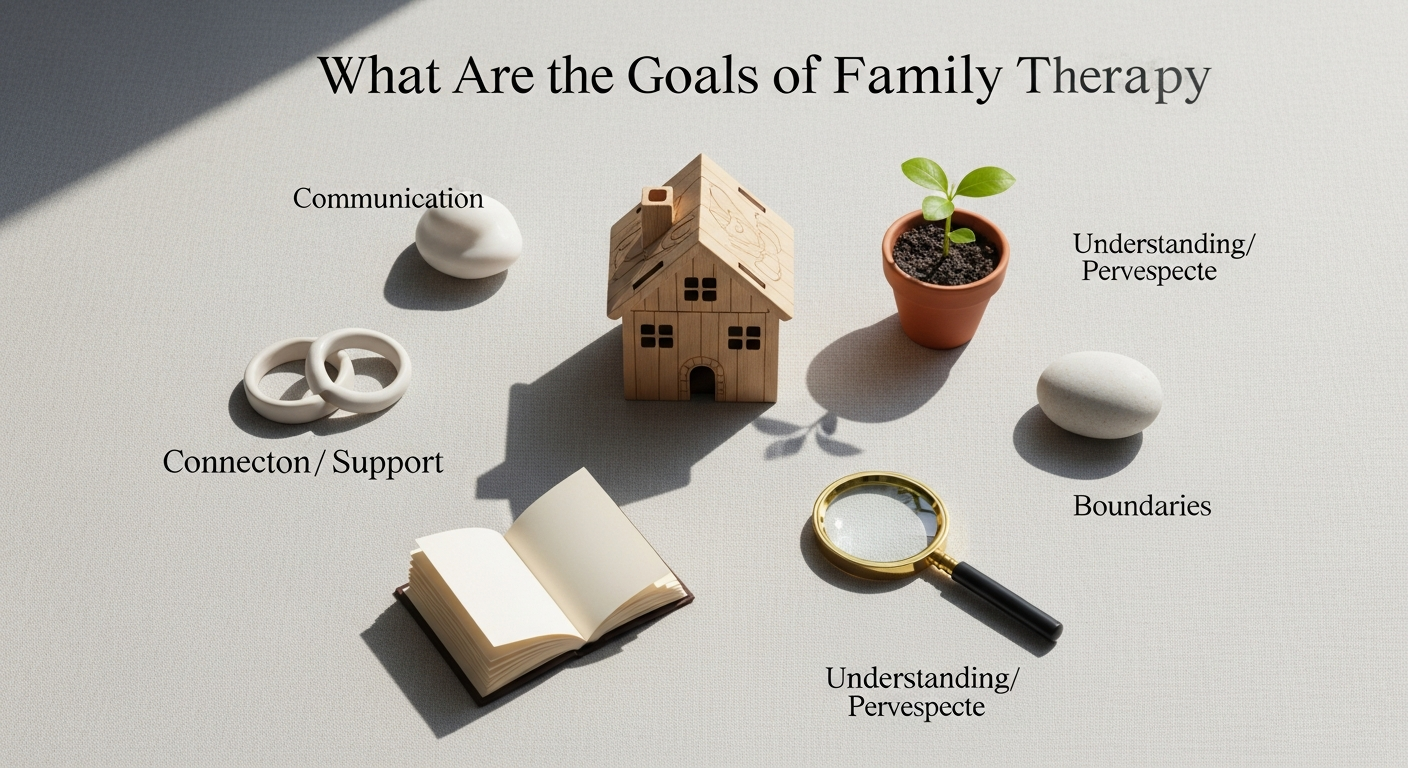
Perhaps the most fundamental and universally recognized goal of family therapy is to improve communication. Misunderstandings, unspoken resentments, and ineffective ways of expressing needs are often at the root of family distress. Therapy provides a safe, structured environment where families can learn and practice healthier communication patterns. Imagine the challenges of communication when you’re all cooped up together on a family RV road trip; effective communication becomes not just helpful, but essential for maintaining harmony and enjoying the journey. Family therapy aims to cultivate this level of clarity and empathy in everyday life.
Active Listening and Empathy
One of the first steps in improving communication is teaching active listening. This goes beyond simply hearing words; it involves truly understanding the speaker’s perspective, feelings, and underlying message. Therapists help family members learn to:
- Pay full attention: Put away distractions, make eye contact, and genuinely focus on the person speaking.
- Reflect what they hear: Paraphrase and summarize what the other person has said to ensure accurate understanding and to show that they have been heard. For example, “So, what I hear you saying is that you feel overwhelmed by the new chores, and you wish we had discussed it more.”
- Validate feelings: Acknowledge and affirm the other person’s emotions, even if you don’t agree with their viewpoint or actions. “I can see why you would feel frustrated about that.”
- Avoid interrupting or formulating responses: Give the speaker space to fully express themselves before you formulate your reply.
Developing empathy is closely linked to active listening. Therapy helps family members step into each other’s shoes, fostering a deeper appreciation for their experiences and feelings. This is particularly crucial in intergenerational relationships, such as when adult children are trying to understand the anxieties of parents adjusting to retirement from handling finances to staying on top of their health. Empathy can bridge generational gaps and reduce conflict.
Expressing Needs and Feelings Clearly
Many family conflicts arise because individuals struggle to articulate their needs, desires, or discomfort directly. Instead, they might resort to passive-aggressive behaviors, withdrawal, or explosive outbursts. Family therapy teaches constructive ways to express oneself, often using “I” statements:
- “I feel [emotion] when [situation] because [reason], and I need/wish [desired outcome].” This structure helps individuals take ownership of their feelings without blaming others and clearly communicates what they hope to achieve.
- Being specific: Instead of vague complaints (“You always ignore me”), encourage specific observations (“When you spend the evening on your phone, I feel lonely and wish we could connect more”).
- Choosing the right time and place: Learning to address issues when emotions are not at their peak and in a private, calm setting is vital.
Conflict Resolution Skills
Conflict is an inevitable part of family life; the goal isn’t to eliminate it but to manage it constructively. Therapy equips families with tools to navigate disagreements respectfully and find mutually agreeable solutions:
- Identifying core issues: Moving beyond surface-level arguments to uncover the deeper needs or concerns.
- Brainstorming solutions: Encouraging collaborative problem-solving where all members contribute ideas.
- Negotiation and compromise: Learning that not every situation will result in one person getting exactly what they want, and that finding middle ground is often the healthiest path.
- Setting boundaries: Establishing clear limits on acceptable behavior and communication, which is crucial for maintaining respect and personal space, especially during stressful times like a prolonged home renovation when everyone’s routines are disrupted.
By enhancing these communication skills, family therapy helps to dismantle walls of silence and misunderstanding, replacing them with bridges of connection and mutual respect. The family becomes a place where differences can be discussed without fear, and where each voice is heard and valued.
Strengthening Family Bonds and Relationships
Rebuilding Trust and Repairing Past Hurts
When trust has been broken—whether through infidelity, deception, broken promises, or repeated disappointments—it can cast a long shadow over family relationships. Family therapy provides a structured environment for addressing these deep wounds. The process often involves:
- Acknowledging the hurt: Allowing all affected parties to express their pain, anger, and disappointment without judgment.
- Taking responsibility: Encouraging individuals to own their part in causing the hurt, offering genuine apologies, and demonstrating remorse.
- Understanding the impact: Helping family members comprehend how their actions have affected others, fostering empathy.
- Creating a path forward: Developing concrete steps and commitments to rebuild trust over time. This isn’t a quick fix but a gradual process of consistent, trustworthy behavior.
Repairing past hurts is essential for moving forward. Unresolved issues can fester, leading to chronic resentment and distance. Therapy helps families confront these issues directly, fostering an environment where healing can begin.
Fostering Empathy and Mutual Support
A strong family bond is characterized by empathy and a willingness to support one another through thick and thin. Therapy facilitates this by:
- Encouraging perspective-taking: Helping family members understand situations from each other’s viewpoints, especially when there are significant age gaps or differing life experiences. For example, a teenager might struggle to understand their parent’s stress about finances as they adjust to retirement, and therapy can help bridge that understanding.
- Highlighting strengths: Therapists often draw attention to each family member’s unique strengths and positive contributions, reinforcing their value within the system.
- Practicing acts of kindness and appreciation: Sometimes, families simply forget to express gratitude or affection. Therapy can reintroduce these positive interactions, making them intentional practices.
- Developing a shared narrative: Helping families create a cohesive story of their past, present, and future, acknowledging both challenges and triumphs, which strengthens their collective identity.
Creating Positive Shared Experiences
Beyond addressing problems, family therapy also emphasizes the importance of creating and nurturing positive shared experiences. These moments build a reservoir of goodwill and joy that can buffer against future stressors. While therapy itself is a serious endeavor, it can inspire families to consciously plan for more fun and connection. This might involve:
- Scheduling regular family time: Whether it’s weekly game nights, shared meals, or planning a future family RV road trip, dedicated time together reinforces bonds.
- Collaborative projects: Engaging in activities that require teamwork, like gardening, cooking together, or even tackling a small home renovation project (within the framework of home renovation dos and don’ts to avoid new conflicts!), can be incredibly unifying.
- Celebrating successes: Recognizing and celebrating individual and collective achievements, big or small, strengthens family morale.
By focusing on these aspects, family therapy moves beyond problem-solving to actively build a richer, more supportive, and more loving family environment. It helps families remember why they are a unit and how to cherish that connection.
Developing Healthy Coping Mechanisms and Problem-Solving Skills

Life is full of challenges, and no family is immune to stress, disappointment, or crisis. A crucial goal of family therapy is to equip the entire family unit with a robust toolkit of healthy coping mechanisms and collaborative problem-solving skills. This empowers them to navigate future difficulties more effectively, reducing reliance on unhealthy patterns that might have emerged in the past.
Identifying and Modifying Unhealthy Patterns
Often, families develop habitual ways of responding to stress or conflict that, while perhaps offering temporary relief, are ultimately detrimental. These can include:
- Blame games: Constantly pointing fingers rather than taking collective responsibility.
- Avoidance: Sidestepping difficult conversations or issues, allowing them to fester.
- Triangulation: Bringing a third person into a two-person conflict, rather than addressing the issue directly.
- Emotional outbursts: Reacting with anger or tears without constructive communication.
- Withdrawal: Shutting down emotionally or physically from family interactions.
A therapist helps the family identify these patterns, understand their origins, and recognize how they perpetuate problems. Once these patterns are brought into conscious awareness, the family can begin to intentionally practice alternative, healthier responses. For instance, if a family typically avoids discussing financial stress, especially when parents are adjusting to retirement from handling finances to staying on top of their health, therapy can provide a framework for open, calm discussions about budgets, savings, and future plans.
Stress Management Techniques for the Family
Stress impacts every family member, and collective stress can quickly overwhelm the system. Therapy introduces and encourages family-wide stress management strategies, such as:
- Mindfulness and relaxation: Practicing simple breathing exercises or short meditation together can help regulate emotions.
- Physical activity: Encouraging family walks, sports, or other forms of exercise as a shared stress reliever.
- Healthy boundaries: Learning to say no to excessive commitments and protecting family time and individual space.
- Seeking external support: Understanding when and how to reach out to friends, extended family, or community resources during tough times.
The goal is to move from reactive, disorganized responses to proactive, intentional strategies for managing the inevitable pressures of life in 2026.
Collaborative Problem-Solving Strategies
Effective families are those that can work together to solve problems, leveraging each member’s strengths and perspectives. Family therapy teaches a structured approach to problem-solving:
- Defining the problem clearly: Ensuring everyone agrees on what the issue is.
- Brainstorming solutions: Encouraging a wide range of ideas without immediate judgment. Even seemingly outlandish ideas can spark creative thinking.
- Evaluating pros and cons: Discussing the potential positive and negative outcomes of each proposed solution.
- Making a decision: Reaching a consensus or agreeing on a trial period for a particular solution.
- Implementing and reviewing: Putting the solution into action and later assessing its effectiveness, making adjustments as needed.
This collaborative approach is invaluable, whether the family is deciding on a new school for a child, managing the logistics of a major home renovation project, or planning the itinerary for a family RV road trip. It ensures that all voices are heard, and that solutions are more likely to be embraced and sustained by everyone involved. By developing these skills, families transform from being passive recipients of life’s challenges into active, resilient problem-solvers.
Navigating Life Transitions and External Stressors
Families are dynamic entities, constantly evolving and facing new challenges. Major life transitions, whether positive or negative, and external stressors can significantly impact family equilibrium. A core goal of family therapy is to help families navigate these periods of change with greater adaptability, understanding, and resilience.
Adapting to Major Life Changes
Life transitions can range from joyous events to deeply challenging ones, and each requires adjustment within the family system. Family therapy provides a space to process these changes and develop strategies for adaptation:
- Marriage or remarriage: Blending families, establishing new roles, and integrating new members.
- Birth of a child: Adjusting to new responsibilities, sleep deprivation, and shifts in marital dynamics.
- Adolescence: Navigating increased independence, boundary testing, and identity formation for teenagers and parents alike.
- Empty nest syndrome: Parents adjusting to children leaving home, redefining their relationship, and potentially rekindling their marital bond. This can often coincide with parents adjusting to retirement, adding another layer of complexity.
- Relocation or job change: Dealing with the stress of moving, new schools, new communities, and financial adjustments.
- Retirement: A significant transition for not just the individual retiring, but for the entire family. Family therapy can help address concerns related to handling finances in retirement, changes in daily routines, increased time together, and even supporting the retiring individual in staying on top of their health. It helps the family redefine roles and expectations for this new phase of life.
In therapy, families can openly discuss their feelings about these transitions, express anxieties, and collaboratively plan for the future. This proactive approach helps prevent potential conflicts and fosters a smoother adjustment period.
Coping with External Stressors and Crises
Beyond predictable life transitions, families often face unexpected external stressors or crises that can shake their foundations. These might include:
- Illness or disability: A new diagnosis for a family member, requiring adjustments in care, roles, and emotional support.
- Job loss or financial hardship: Creating stress, anxiety, and potential conflict over resources and future security.
- Trauma: Experiencing a collective traumatic event or individual trauma that impacts the entire family system.
- Bereavement and loss: Grieving the death of a loved one, which can manifest differently in each family member and require a collective healing process.
- Cultural or societal pressures: Dealing with discrimination, assimilation challenges, or socio-economic disparities that impact the family’s well-being.
During such times, family therapy offers a vital lifeline. It helps families:
- Process emotions: Providing a safe space for grief, anger, fear, and confusion to be expressed and validated.
- Develop a unified front: Encouraging family members to support each other and present a united response to the crisis.
- Access resources: Connecting families with external support systems, community services, or specialized care.
- Re-establish routines and stability: Helping families find new ways to function and create a sense of normalcy amidst chaos.
By addressing these transitions and stressors head-on, family therapy empowers families to not just survive, but to grow stronger and more resilient in the face of adversity. It’s about learning to navigate the turbulent waters of life together, much like preparing for unexpected challenges during a family RV road trip with contingency plans and a spirit of cooperation.
Promoting Individual Growth within the Family System
While family therapy focuses on the collective unit, it also profoundly impacts individual growth and well-being. A healthy family system is one that supports and encourages each member to develop their unique identity, pursue their goals, and achieve personal fulfillment. This goal recognizes that a thriving individual contributes to a thriving family, and vice-versa.
Fostering Autonomy and Individuation
A key aspect of individual growth within a family context is the development of autonomy and individuation – the process of becoming a distinct individual while remaining connected to the family. This is particularly crucial during adolescence but continues throughout life. Family therapy helps by:
- Establishing healthy boundaries: Teaching family members to respect each other’s physical, emotional, and psychological space. This means understanding where one person ends and another begins, reducing enmeshment or excessive control.
- Encouraging independent decision-making: Supporting individuals, especially children and adolescents, in making choices and learning from their experiences, even if they sometimes make mistakes.
- Validating individual interests and passions: Creating an environment where each family member feels free to explore hobbies, friendships, and career paths that may differ from other family members’ expectations.
- Balancing connection with separation: Helping families find the sweet spot where members feel deeply connected and supported, yet also have the freedom and encouragement to pursue their own paths.
For example, if a young adult is struggling to launch from home, therapy can help the family understand the underlying dynamics preventing this, whether it’s parental anxiety or the child’s fear of independence, and work towards a healthier separation process.
Building Self-Esteem and Confidence
The family environment plays a significant role in shaping an individual’s self-esteem and confidence. In dysfunctional systems, criticism, neglect, or constant comparison can erode a person’s sense of self-worth. Family therapy works to reverse this by:
- Promoting positive affirmation: Encouraging family members to express appreciation, praise, and support for one another’s efforts and achievements.
- Reducing negative criticism: Helping families communicate concerns constructively, focusing on behavior rather than attacking character.
- Empowering voice: Ensuring that every family member, regardless of age, feels they have a voice and that their opinions and feelings matter.
- Recognizing individual strengths: Highlighting and celebrating each person’s unique talents, contributions, and resilience.
When individuals feel valued and respected within their family, their self-esteem flourishes, enabling them to face challenges outside the family with greater confidence. This is vital for all ages, from a child navigating school challenges to a parent adjusting to retirement and finding new purpose.
Addressing Individual Mental Health Needs within a Systemic Context
While family therapy is not individual therapy, it can significantly support individual mental health. When one family member struggles with anxiety, depression, or another mental health condition, it impacts the entire system. Conversely, a supportive family system can be a powerful healing force. Therapy helps by:
- Reducing stigma: Openly discussing mental health challenges within the family, normalizing the experience, and reducing feelings of shame or isolation.
- Educating the family: Providing information about specific conditions, helping family members understand symptoms, triggers, and effective support strategies.
- Developing coping strategies: Teaching the family how to collectively support the individual, and how to manage their own stress related to the individual’s struggles.
- Creating a supportive environment: Ensuring the home environment is conducive to healing and well-being, free from excessive conflict or pressure. This can sometimes involve making conscious choices about the home environment, much like considering the home renovation dos and don’ts to create a functional and peaceful living space.
By fostering an environment that champions individual autonomy, builds self-esteem, and provides compassionate support for mental health, family therapy ensures that the growth of each member contributes to the strength and vitality of the entire family unit in 2026 and beyond.
Fostering Resilience and Long-Term Well-being
Ultimately, the goals of family therapy extend beyond resolving immediate crises; they aim to cultivate a resilient family system capable of navigating future challenges independently and sustaining long-term well-being. This involves equipping families with the internal resources and adaptive capacities to thrive, rather than merely survive.
Building Family Resilience
Resilience is the ability to bounce back from adversity, adapt to change, and grow stronger through challenging experiences. Family therapy intentionally builds resilience by:
- Developing a shared sense of purpose: Helping families articulate their collective values, goals, and vision for the future, which provides direction and meaning during difficult times.
- Strengthening cohesion: Reinforcing the sense of “we-ness” and mutual commitment, ensuring that family members feel connected and supported.
- Promoting flexibility: Teaching families to be adaptable in their roles, rules, and expectations as circumstances change. Rigid systems often break under pressure, while flexible ones bend and recover.
- Learning from past experiences: Reviewing how the family has successfully overcome challenges in the past, drawing on those strengths and insights for current and future difficulties.
- Cultivating optimism: Fostering a belief in the family’s ability to cope and a hopeful outlook on the future, even amidst current struggles.
A resilient family is not one that avoids problems, but one that faces them together, learns from them, and emerges stronger. This is akin to the careful planning required for a successful family RV road trip; while you hope for smooth sailing, you prepare for breakdowns, bad weather, and unexpected detours, knowing you have the tools and teamwork to overcome them.
Sustaining Positive Changes Post-Therapy
One of the critical long-term goals is to ensure that the positive changes initiated in therapy are maintained and integrated into the family’s daily life long after sessions conclude. Therapists work to achieve this by:
- Empowering self-sufficiency: Gradually shifting responsibility for problem-solving and communication strategies from the therapist to the family itself. The family learns to be their own “therapist.”
- Practicing new skills: Encouraging consistent application of learned communication techniques, conflict resolution strategies, and coping mechanisms in real-world scenarios. Homework assignments between sessions are often part of this process.
- Identifying early warning signs: Helping families recognize when old, unhelpful patterns might be resurfacing, prompting them to take corrective action before issues escalate.
- Developing a maintenance plan: Creating a blueprint for how the family will continue to nurture their relationships, manage stress, and address future challenges independently. This might include regular family meetings, designated check-in times, or agreed-upon strategies for discussing sensitive topics.
Just as a successful home renovation requires ongoing maintenance and care to preserve its beauty and functionality, a healthy family system requires continuous effort and attention to sustain its well-being. This includes ongoing discussions about significant life changes, such as how parents are adjusting to retirement from handling finances to staying on top of their health, ensuring that these transitions are managed collaboratively and compassionately.
Creating a Legacy of Health and Connection
Ultimately, the impact of family therapy can extend across generations. By fostering a healthier, more communicative, and more resilient family system, parents are not only improving their current family life but also modeling positive behaviors and relational skills for their children. This creates a legacy of:
- Effective communication: Children learn how to express themselves, listen actively, and resolve conflicts constructively.
- Strong emotional intelligence: Family members develop a greater capacity for empathy, self-awareness, and emotional regulation.
- Secure attachment: Children grow up feeling safe, loved, and securely connected to their family, which forms a strong foundation for their future relationships.
- Adaptive coping: Future generations inherit a framework for dealing with stress and adversity in healthy ways.
In 2026, the ripple effects of a family’s commitment to therapy can be seen in the well-adjusted adults their children become, and in the healthy families they, in turn, create. It’s an investment not just in the present, but in the enduring health and happiness of the family for years to come.
Frequently Asked Questions
Recommended Resources
Explore Celebrity Wellness Rituals Explained for additional insights.
Explore Self Care Ideas At Home for additional insights.