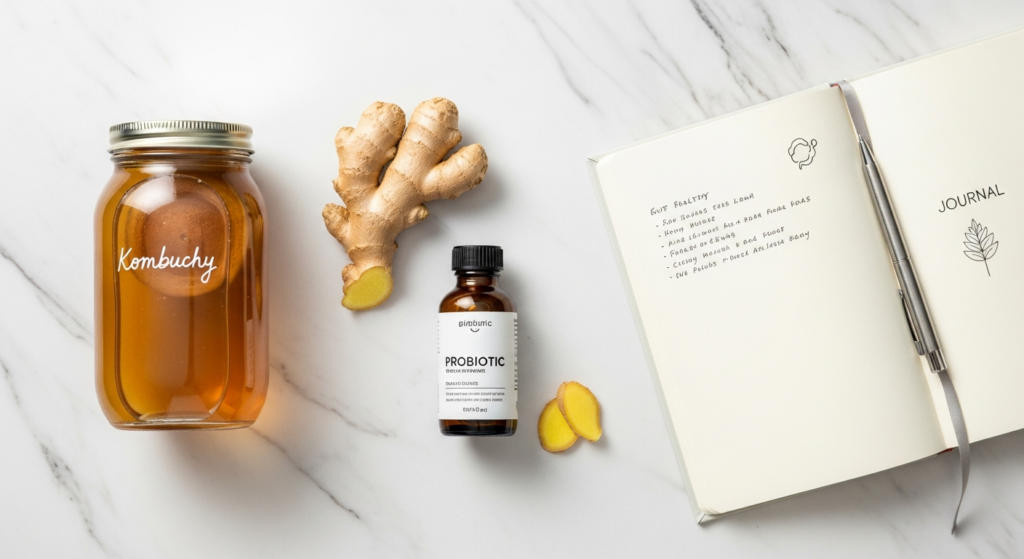
Your Ultimate Guide to Gut Health for Women in 2026: Nourishing Your Body from Within
Understanding Your Gut Microbiome: The Foundation of Female Wellness
Imagine a bustling, microscopic city living inside your digestive tract – that’s your gut microbiome. It’s home to trillions of bacteria, fungi, viruses, and other microorganisms, a complex ecosystem that plays an astonishingly vital role in nearly every aspect of your health. When this community is balanced and diverse, it’s like a well-oiled machine, supporting digestion, nutrient absorption, and immunity. When it’s out of whack – a state known as dysbiosis – things can start to feel a little chaotic.
For women, the gut microbiome holds unique significance. It’s intrinsically linked to our hormonal health through what scientists call the “estrobolome” – a collection of gut bacteria that metabolize and regulate estrogen levels. An imbalanced estrobolome can contribute to conditions like PCOS, endometriosis, fibroids, and even symptoms associated with perimenopause and menopause. Beyond hormones, your gut heavily influences your immune system (around 70-80% of which resides in the gut), your mental health via the gut-brain axis, and your metabolism. Issues like chronic inflammation, skin problems, and even weight management can often be traced back to the health of this inner ecosystem. Understanding this connection is the first powerful step toward taking control of your well-being.
Diet: Fueling a Thriving Gut Ecosystem
What you eat is arguably the most influential factor in shaping your gut microbiome. Think of your food choices as feeding either the beneficial bacteria that keep you healthy or the less desirable ones that can cause trouble. Building a gut-friendly diet isn’t about deprivation; it’s about abundance and diversity.
Embrace Fiber: Your Gut’s Best Friend
Fiber is the non-digestible part of plant foods that acts as a superfood for your beneficial gut bacteria. They ferment it, producing short-chain fatty acids (SCFAs) like butyrate, which are crucial for gut barrier integrity, reducing inflammation, and even influencing mood. There are two main types of fiber:
* Soluble Fiber: Dissolves in water, forming a gel-like substance. It helps slow down digestion, keeps you full, and feeds beneficial bacteria. Find it in oats, barley, nuts, seeds, beans, lentils, apples, and citrus fruits.
* Insoluble Fiber: Doesn’t dissolve in water and adds bulk to your stool, promoting regularity. It’s found in whole grains, wheat bran, and the skins of many fruits and vegetables.
Aim for a diverse range of fiber sources daily. Incorporate plenty of prebiotic foods – these are specific types of fiber that selectively feed beneficial gut bacteria. Excellent sources include garlic, onions, leeks, asparagus, bananas (slightly green), chicory root, Jerusalem artichokes, apples, flaxseeds, and oats. A good goal for adult women is around 25-30 grams of fiber per day, but it’s important to increase your intake gradually to avoid discomfort.
Fermented Foods: Your Probiotic Powerhouses
Fermented foods are nature’s gift of probiotics – live beneficial bacteria that can colonize your gut and support its health. Integrating a variety of these foods into your daily diet is a delicious and effective strategy:
* Kefir: A fermented milk drink similar to yogurt but with a wider array of probiotic strains. Opt for plain, unsweetened versions. Dairy-free options made with coconut or water are also available.
* Yogurt: Choose plain, unsweetened varieties with “live and active cultures.” Greek yogurt often offers higher protein content.
* Sauerkraut & Kimchi: Fermented cabbage dishes that are rich in probiotics. Look for refrigerated versions in the produce section, as pasteurized versions lose their live cultures.
* Tempeh: A fermented soybean product that’s a fantastic source of protein and probiotics. Great in stir-fries or crumbled in salads.
* Miso: A fermented soybean paste commonly used in Japanese cuisine. Add it to soups or dressings.
Start with small servings and gradually increase your intake to allow your gut to adjust. Consistency is key!
Eat the Rainbow: Diversity is Key
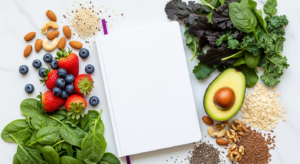
The more diverse your diet, the more diverse your gut microbiome. Aim to eat a wide array of plant foods – different colored fruits, vegetables, whole grains, nuts, and seeds. Each plant contains unique fibers and polyphenols (plant compounds with antioxidant properties) that feed different types of beneficial bacteria. Challenge yourself to try a new fruit or vegetable each week!
Limiting Gut Disruptors
Just as important as what you add to your diet is what you limit. Certain foods and substances can disrupt your gut’s delicate balance:
* Processed Foods & Refined Sugars: These often lack fiber and can feed harmful bacteria, promoting inflammation and dysbiosis.
* Artificial Sweeteners: Some research suggests they can negatively alter the gut microbiome.
* Excessive Alcohol: Can irritate the gut lining and disrupt its balance.
* Highly Processed Oils: Such as soybean, corn, and canola oils, particularly when consumed in large amounts, can contribute to inflammation.
Focus on whole, unprocessed foods as the cornerstone of your diet. Reading labels and cooking at home gives you greater control over what goes into your body.
Hydration: The Unsung Hero
Adequate water intake is crucial for gut health. It helps move food through your digestive system, prevents constipation, and supports the integrity of your gut lining. Aim for at least 8 glasses of filtered water daily, and more if you’re active or in a warm climate. Herbal teas can also contribute to your fluid intake.
Mindful Eating: Slow Down and Savor
How you eat is almost as important as what you eat. When you rush your meals, you compromise digestion. Practice mindful eating by:
* Chewing thoroughly: This is the first step of digestion, breaking down food into smaller particles.
* Eating in a relaxed environment: Stress can divert blood flow away from your digestive system.
* Paying attention to hunger and fullness cues: This prevents overeating and supports better digestion.
Lifestyle Factors: Beyond the Plate for a Happy Gut
While diet is paramount, your gut health is a holistic endeavor. Lifestyle choices play a massive role in nurturing or challenging your inner ecosystem.
Stress Management: Taming the Gut-Brain Axis
Your gut and brain are in constant communication via the vagus nerve – a highway of nerves known as the gut-brain axis. This means stress, anxiety, and emotions directly impact your gut health, and vice versa. Chronic stress can alter gut motility, increase gut permeability (leaky gut), and shift the balance of your microbiome.
Incorporating stress-reduction techniques into your daily routine is non-negotiable for a happy gut:
* Yoga & Deep Breathing: These practices activate your parasympathetic “rest and digest” nervous system.
* Spending Time in Nature: “Forest bathing” has been shown to reduce stress hormones.
* Prioritizing Hobbies & Joy: Make time for activities that truly relax and uplift you.
* Establishing Boundaries: Protect your energy and mental space.
Consider scheduling “de-stress” time just as you would any other important appointment.
Quality Sleep: Rest for Your Microbiome
Sleep deprivation doesn’t just make you tired; it can profoundly impact your gut microbiome. Research suggests that even a few nights of insufficient sleep can alter the diversity and composition of gut bacteria, potentially leading to inflammation and metabolic issues.
Prioritize 7-9 hours of quality sleep each night:
* Maintain a consistent sleep schedule: Go to bed and wake up around the same time, even on weekends.
* Create a relaxing bedtime routine: Warm bath, reading, gentle stretching.
* Optimize your sleep environment: Dark, quiet, cool room.
* Limit screen time before bed: The blue light from devices can interfere with melatonin production.
* Avoid caffeine and heavy meals close to bedtime.
Regular Movement: Get Your Gut Moving
Physical activity isn’t just for your muscles and heart; it’s fantastic for your gut, too. Regular exercise can increase the diversity of your gut microbiome, improve gut motility (keeping things moving), and reduce inflammation.
Aim for a mix of activities:
* Aerobic Exercise: Brisk walking, jogging, dancing, swimming.
* Strength Training: Builds muscle and boosts metabolism.
* Flexibility & Balance: Yoga, Pilates.
Even short bursts of movement throughout the day, like walking during a lunch break or taking the stairs, can add up. Listen to your body and find activities you genuinely enjoy to make it sustainable.
Environmental Toxins: Minimizing Exposure
Our modern environment exposes us to various toxins that can impact gut health, from pesticides in food to chemicals in cleaning products and plastics. While it’s impossible to avoid everything, you can significantly reduce your exposure:
* Choose Organic: Whenever possible, opt for organic produce, especially for fruits and vegetables on the “Dirty Dozen” list.
* Filter Your Water: Invest in a good quality water filter to remove chlorine and other contaminants.
* Use Natural Cleaning Products: Opt for vinegar, baking soda, and essential oils instead of harsh chemical cleaners.
* Store Food in Glass: Reduce plastic use, especially when heating food, to avoid leaching chemicals.
Targeted Support: Probiotics, Prebiotics, and Beyond
While diet and lifestyle are the bedrock of gut health, sometimes targeted supplementation can provide additional support, especially when addressing specific concerns or recovering from disruptions (like antibiotic use). However, always remember that supplements are meant to supplement a healthy lifestyle, not replace it, and it’s wise to consult a healthcare professional before starting any new regimen.
Probiotic Supplements: Strategic Reinforcements
Probiotic supplements deliver live beneficial bacteria directly to your gut. They can be helpful for:
* After antibiotic use: To help repopulate beneficial bacteria.
* Digestive issues: Bloating, gas, occasional constipation or diarrhea.
* Supporting immune function.
* Improving mood.
How to Choose a Probiotic:
Multi-Strain: Look for supplements with a variety of bacterial strains (e.g., Lactobacillus, Bifidobacterium* species). Different strains have different benefits.
* CFU Count: This indicates the number of live cultures. A range of 10-50 billion CFUs (colony-forming units) is often recommended, but higher isn’t always better for everyone.
* Reputable Brands: Choose brands that conduct third-party testing and have good manufacturing practices.
* Storage: Some probiotics require refrigeration to maintain potency; others are shelf-stable. Check the label carefully.
* Targeted Formulas: Some probiotics are formulated for specific concerns (e.g., women’s health, digestive support).
Product Recommendation Tip: Instead of specific brand names (which can change formulations), focus on these characteristics. Look for brands that clearly list their strains, CFUs, and provide transparency about their testing.
Prebiotic Supplements: Feeding Your Inner Garden
Prebiotic supplements contain specific fibers that fuel your existing beneficial gut bacteria. Common types include:
* FOS (Fructooligosaccharides): Found naturally in chicory root, onions, and garlic.
* GOS (Galactooligosaccharides): Found in legumes.
* Inulin: A type of fiber often extracted from chicory root.
These can be particularly helpful if your dietary fiber intake is low or if you’re looking to enhance the effects of probiotic supplements. Start with a small dose and increase gradually, as too much too soon can cause gas and bloating.
Digestive Enzymes: A Helping Hand
Digestive enzymes (like amylase, lipase, protease) help break down food into smaller, absorbable units. If you experience bloating, gas, or indigestion after meals, especially rich or heavy ones, digestive enzyme supplements might offer relief by supporting your body’s natural enzyme production. These can be particularly useful for women whose digestion may slow down with age or stress.
Gut-Healing Nutrients: Repair and Restore
Certain nutrients are known for their gut-healing properties:
* L-Glutamine: An amino acid that is a primary fuel source for gut cells and can help repair the gut lining.
* Collagen/Gelatin: Rich in amino acids like glycine and proline, which support the integrity of the gut lining and connective tissues. Bone broth is an excellent dietary source.
* Zinc: Essential for immune function and maintaining the gut barrier.
Always discuss supplementation with your doctor or a qualified nutritionist, especially if you have underlying health conditions or are taking medications. They can help you determine the right supplements and dosages for your individual needs.
Listening to Your Body: Recognizing and Responding to Gut Signals
Your body is constantly communicating with you. Learning to listen to its signals, particularly those from your gut, is a powerful skill in your health journey. Many women become so accustomed to daily discomforts that they stop recognizing them as signs that something needs attention.
Common Gut Symptoms to Watch For:
* Bloating & Gas: Persistent or excessive bloating and gas after meals.
* Constipation or Diarrhea: Chronic issues with bowel regularity or consistency.
* Acid Reflux/Heartburn: Frequent burning sensation in your chest.
* Skin Issues: Acne, eczema, or rosacea can sometimes be linked to gut imbalances.
* Fatigue & Brain Fog: Unexplained tiredness or difficulty concentrating.
* Mood Changes: Increased anxiety, irritability, or low mood.
* Food Sensitivities: Noticeable discomfort after eating certain foods.
Keeping a Gut Health Journal: Your Personal Investigator
One of the most effective tools for understanding your unique gut is a gut health journal. For a few weeks, track:
* Food Intake: Everything you eat and drink.
* Symptoms: Note any digestive symptoms (bloating, gas, pain, bowel movements) and their severity.
* Mood & Energy Levels: How you feel emotionally and physically.
* Sleep Quality: How long and how well you slept.
* Stress Levels: Any significant stressors or how stressed you feel generally.
This journal can help you identify patterns, triggers (foods, stress, lack of sleep), and connections between your diet, lifestyle, and how your gut feels. It provides invaluable data to share with a healthcare professional.
When to Seek Professional Help: Don’t Go It Alone
While this guide provides comprehensive strategies, it’s crucial to know when to seek professional medical advice. If you experience any of the following, consult your doctor:
* Persistent or severe abdominal pain.
* Unexplained weight loss.
* Blood in your stool or black, tarry stools.
* Chronic diarrhea or constipation that doesn’t improve with lifestyle changes.
* Sudden changes in bowel habits.
* Symptoms that significantly impact your quality of life.
A functional medicine doctor, gastroenterologist, or registered dietitian specializing in gut health can provide personalized guidance, conduct appropriate testing (like stool analysis or SIBO tests), and help diagnose underlying conditions such as Irritable Bowel Syndrome (IBS), Inflammatory Bowel Disease (IBD), SIBO (Small Intestinal Bacterial Overgrowth), or food intolerances. Empowering yourself with knowledge is key, but professional support ensures you’re on the safest and most effective path to healing.
Frequently Asked Questions
Q1: How long does it take to improve gut health?▾
Q2: Can gut health impact my hormones?▾
Q3: Are all probiotic supplements the same?▾
Q4: What’s the best first step to improve gut health?▾
Q5: Is it possible to “overdo” probiotics or fermented foods?▾
Clinical Diagnosis: Rome IV Criteria, SIBO Testing, and IBS Management
Rome IV Criteria for IBS Diagnosis
IBS (Irritable Bowel Syndrome) is diagnosed using the Rome IV criteria (2016, Rome Foundation) — the gold standard for functional GI disorders:
IBS diagnosis requires ALL of the following:
- Recurrent abdominal pain at least 1 day/week in the last 3 months, associated with 2+ of: (1) pain related to defecation; (2) change in stool frequency; (3) change in stool form/appearance
- Symptoms present for last 3 months with onset at least 6 months before diagnosis
IBS subtypes based on Bristol Stool Form Scale: IBS-C (constipation-predominant), IBS-D (diarrhea-predominant), IBS-M (mixed), IBS-U (unclassified).
Red flag symptoms requiring further workup before IBS diagnosis: rectal bleeding, unintentional weight loss, nocturnal diarrhea, family history of colorectal cancer/IBD, onset after age 50, anemia.
SIBO (Small Intestinal Bacterial Overgrowth): Testing and Treatment
SIBO occurs when bacteria normally found in the large intestine colonize the small intestine in excess (>10⁵ CFU/mL). More prevalent in women with IBS, hypothyroidism, and prior abdominal surgery:
- SIBO Breath Testing: The standard diagnostic test — patient ingests lactulose or glucose, then exhales hydrogen and methane gas samples every 20-30 minutes for 2 hours. Hydrogen-predominant SIBO: rise >20 ppm over baseline within 90 minutes. Methane-predominant (IMO — Intestinal Methanogen Overgrowth): methane >10 ppm at any point — associated with constipation-predominant symptoms. Available through specialized GI labs or GI physicians.
- Treatment: Rifaximin (Xifaxan) — minimally absorbed antibiotic, 550mg 3x/day for 14 days (IBS-D/H-SIBO); rifaximin + neomycin for methane-predominant SIBO. Post-treatment: motility support (prokinetics, ginger, artichoke extract) to prevent relapse. Elemental diet (2-3 weeks of exclusive elemental formula) reduces bacteria via substrate starvation — evidence-supported but challenging adherence.
Low-FODMAP Diet: Evidence-Based Protocol
The low-FODMAP diet (Fermentable Oligosaccharides, Disaccharides, Monosaccharides, and Polyols), developed at Monash University (Gibson & Shepherd), is the most evidence-based dietary approach for IBS — reducing symptoms in 50-80% of IBS patients in RCTs:
- Phase 1 — Elimination (2-6 weeks): Strictly avoid high-FODMAP foods (wheat, dairy, legumes, garlic, onion, apples, pears, stone fruit, cauliflower, high-fructose foods). Use the Monash University Low FODMAP app for current food ratings (database updated regularly).
- Phase 2 — Reintroduction (6-8 weeks): Systematically reintroduce one FODMAP group at a time (e.g., fructans first week, GOS second week) to identify personal triggers. Most people tolerate some FODMAP groups.
- Phase 3 — Personalization: Long-term modified diet based on individual tolerances — not a permanent low-FODMAP diet, which can reduce microbiome diversity.
Vaginal Microbiome: The Gut-Vaginal Connection in Women
Women have a unique second microbiome: the vaginal microbiome. Unlike the gut microbiome (which thrives on diversity), a healthy vaginal microbiome is dominated by Lactobacillus species — particularly Lactobacillus crispatus (associated with the best reproductive outcomes and lowest rates of BV) and L. iners, L. gasseri, L. jensenii. L. crispatus produces lactic acid maintaining vaginal pH 3.5-4.5, which prevents pathogenic overgrowth.
The gut-vaginal microbiome connection is bidirectional: gut dysbiosis can populate the vaginal tract with enteric bacteria via perianal-vaginal translocation; conversely, vaginal dysbiosis (bacterial vaginosis) is associated with increased intestinal permeability markers. Women with IBS have significantly higher rates of BV and vulvodynia — reflecting this systemic connection. Taking broad-spectrum antibiotics (e.g., rifaximin for SIBO) can disrupt vaginal Lactobacillus populations; consider vaginal probiotic supplementation (Jarrow Fem-Dophilus) during and after antibiotic courses.
Emerging Microbiome Science: Akkermansia, Butyrate, and Short-Chain Fatty Acids
Beyond Lactobacillus and Bifidobacterium, emerging microbiome research has identified several key bacterial species and metabolites with significant health implications for women:
- Akkermansia muciniphila: A mucus-layer-degrading bacterium comprising 1-4% of a healthy gut microbiome. Depleted by antibiotics, Western diet, and obesity. Lower Akkermansia abundance is associated with metabolic syndrome, obesity, inflammatory bowel disease, and impaired gut barrier function. Preclinical and human studies show Akkermansia supports gut barrier integrity, reduces systemic inflammation, and improves insulin sensitivity. The first commercial Akkermansia probiotic supplement (Pendulum Glucose Control, Akkermansia capsule) has FDA GRAS status. Prebiotic support: Akkermansia thrives on grape polyphenols and cranberry extract.
- Faecalibacterium prausnitzii: One of the most abundant bacteria in healthy adults — a potent anti-inflammatory butyrate producer. Significantly depleted in IBD, IBS, and depression. F. prausnitzii abundance correlates inversely with inflammatory markers (CRP, IL-6). No commercial probiotic yet (challenging to culture anaerobically), but dietary fiber (especially inulin and resistant starch) supports its growth.
- Short-Chain Fatty Acids (SCFAs) — Butyrate, Propionate, Acetate: Produced by colonic fermentation of dietary fiber by bacteria. Butyrate is the primary energy source for colonocytes (colon cells) and has powerful anti-inflammatory and anti-cancer properties. Adequate butyrate production requires: 25-38g fiber/day; resistant starch sources (cooked-and-cooled potatoes and rice, green bananas, legumes); butyrate-producing bacterial abundance (Roseburia, Clostridium butyricum). Butyrate supplements (sodium butyrate, tributyrin) exist but dietary sources are more sustainable.
Gut-Directed Psychological Therapies for IBS
IBS has a strong brain-gut axis component — psychological therapies targeting the gut-brain connection achieve clinical remission rates comparable to pharmacological options:
- Gut-Directed Hypnotherapy: The most evidence-based psychological therapy for IBS — developed by Peter Whorwell (Manchester, UK). RCT data shows 70% response rate in IBS patients (vs 20-30% pharmacological response); effects maintained at 5-year follow-up. NICE guidelines include gut-directed hypnotherapy as an evidence-based IBS treatment option. Available via specialized practitioners or self-guided programs (Nerva app, which uses the Monash-validated protocol).
- Cognitive Behavioral Therapy for IBS (CBT-IBS): Targets catastrophizing, avoidance behaviors, and hypervigilance to GI sensations. Multiple RCTs confirm significant symptom reduction. CBT-IBS can be delivered in-person, via telehealth, or through self-guided programs (Regul8 IBD Coach app). The evidence base for CBT-IBS is comparable to standard IBS medications per Cochrane review.
- Mindfulness-Based Stress Reduction (MBSR): 8-week structured mindfulness program — reduces IBS symptom severity by reducing pain catastrophizing and HPA axis activation. The Rome Foundation endorses behavioral therapies as an essential component of IBS management.
Commercial Microbiome Testing: Evidence and Limitations
At-home microbiome tests (Viome, Zoe Nutrition, Ombre, Psomagen) have grown rapidly in popularity. Important caveats before acting on results:
- Clinical validity is limited: No commercial microbiome test has been validated against standardized clinical reference ranges for “healthy” vs. “unhealthy” microbiomes. The microbiome is highly individual — what’s normal for you may differ from population averages. Gut microbiome composition changes significantly within 24-48 hours based on diet.
- Personalized dietary recommendations from tests: Companies like Viome and Zoe use AI algorithms to make food recommendations from microbiome data. While interesting, no large RCT has demonstrated that following commercial microbiome test recommendations produces better clinical outcomes than standard dietary guidelines (Mediterranean diet, fiber diversity).
- Research-grade tests are different: GI-MAP (Diagnostic Solutions Lab) and Doctor’s Data are clinical-grade tests ordered by practitioners — measure specific pathogens, H. pylori, inflammation markers (calprotectin), and metabolic markers alongside microbiome composition. More clinically actionable than consumer tests, but still not equivalent to clinical standards like colonoscopy or breath testing for specific diagnoses.
- Bottom line: Consumer microbiome tests can provide interesting insights but should not drive major dietary changes or medical decisions. Focus on validated interventions (high-fiber diet, fermented foods, low-FODMAP for IBS) regardless of test results.
Related Women’s Health Guides
For hormonal imbalances linked to gut health including the estrobolome, PCOS, and endometriosis connections, see our Signs of Hormonal Imbalance in Women guide. For how perimenopause affects gut symptoms and microbiome changes during the menopausal transition, see our Perimenopause Symptoms Guide.