Nourish Your Family, Simplify Your Life: The Ultimate Guide to Weekly Meal Prep for Busy Parents
In the beautiful, often chaotic dance of family life, finding moments of calm and connection can feel like a quest. For many parents, the daily scramble to put a healthy, appealing meal on the table is a significant source of stress, especially after a long day. If you’ve ever found yourself staring into a half-empty fridge at 5 PM, wondering what magic you can conjure, you’re not alone. But what if there was a way to reclaim your evenings, reduce food waste, save money, and consistently provide nutritious, delicious meals for your loved ones? Enter family meal prep – a powerful strategy that’s far more flexible and approachable than you might imagine. At Veralyn Media, we believe in empowering women with tools that foster well-being, and family meal prep is a cornerstone of a harmonious home and a healthy lifestyle. This comprehensive guide will walk you through the why, what, and how of transforming your kitchen routine, making mealtime a source of joy, not dread.
Why Meal Prep? The Science-Backed Benefits for Busy Families
The concept of preparing meals in advance might seem like another task to add to an already overflowing plate, but the evidence overwhelmingly points to its transformative power. Far from being a rigid, restrictive chore, thoughtful meal prep is a strategic investment in your family’s health, your financial well-being, and your precious time.
Firstly, let’s talk about nutrition. Studies consistently show that individuals who plan and prepare their meals at home tend to consume more fruits, vegetables, and whole grains, and fewer processed foods, unhealthy fats, and added sugars. When you control the ingredients, you control the quality. For growing children and busy adults, this translates to better energy levels, improved cognitive function, stronger immune systems, and a reduced risk of chronic diseases. For instance, a 2017 study published in the International Journal of Behavioral Nutrition and Physical Activity found a significant association between frequent home meal preparation and better diet quality, regardless of socioeconomic status. By front-loading the effort, you ensure that even on your busiest weeknights, a balanced, home-cooked meal is just minutes away, preventing the reliance on less healthy takeout or convenience foods.
Beyond the plate, meal prep is a powerful antidote to decision fatigue. Modern life bombards us with choices, and by the time dinner rolls around, our mental reserves are often depleted. Having a plan eliminates the daily “what’s for dinner?” dilemma, freeing up mental space for more meaningful interactions with your family or for personal rejuvenation. This reduction in stress is not just anecdotal; research suggests that predictable routines can lower cortisol levels, contributing to overall improved mental well-being. Imagine coming home, knowing exactly what’s for dinner, and having most of the components ready. That’s not just convenience; that’s peace of mind.
Financially, meal prepping is a game-changer. Impulse grocery purchases, last-minute takeout orders, and wasted food due to lack of a plan can significantly inflate your food budget. By planning your meals, creating a precise shopping list, and utilizing ingredients efficiently, you can dramatically cut down on these costs. Batch cooking and intelligent use of leftovers ensure that every ingredient serves a purpose, minimizing food waste—a practice that benefits both your wallet and the planet. According to various consumer reports, families can save hundreds, if not thousands, of dollars annually by adopting a meal prep routine. It’s a practical step towards financial wellness that pays dividends every single week.
Finally, and perhaps most importantly for busy parents, meal prep gives you back your time. While it requires an upfront investment of a few hours, it saves countless minutes throughout the week. Instead of daily cooking, cleaning, and decision-making, you consolidate these tasks. Those saved minutes can be reinvested into quality family time, pursuing hobbies, exercising, or simply enjoying a moment of quiet. It transforms the dinner hour from a stressful rush into an opportunity for connection and nourishment, a beautiful return on your initial investment.
Getting Started: Your Foundation for Family Meal Prep Success
Embarking on your family meal prep journey doesn’t require a complete kitchen overhaul or an advanced culinary degree. It’s about building a sustainable system, starting with a solid foundation. Think of it as mapping out a treasure hunt where the treasure is delicious, stress-free meals.
The first crucial step is planning. Sit down, perhaps with a cup of tea or coffee, and consider your family’s schedule for the upcoming week. Are there late sports practices? Early morning meetings? These factors will influence the complexity and cook time you can dedicate to weeknight meals. Next, take stock of your family’s preferences and dietary needs. What do your children genuinely enjoy? Are there any allergies or sensitivities? Involve family members in this discussion – even young children can pick a meal or a vegetable they’d like to see on the menu. This collaborative approach fosters ownership and reduces resistance later on. Aim for 3-5 main meals, remembering that leftovers can often cover another day or two, or be repurposed creatively.
Once you have a rough idea of your weekly menu, it’s time for an inventory check. Before you even think about the grocery store, open your fridge, freezer, and pantry. What ingredients do you already have on hand? This step is vital for reducing food waste and saving money. Perhaps you have a bag of frozen chicken breasts, a can of black beans, or some pasta. Build your meal plan around these existing items where possible. This also helps you identify what needs to be used up before it spoils.
With your inventory complete, create a detailed grocery list. Categorize your list by sections of the grocery store (produce, dairy, pantry, meat, etc.) to make your shopping trip efficient. Stick to your list! Impulse buys are the enemy of a well-planned budget and a clutter-free kitchen. Consider shopping online for pickup or delivery if it saves you time and helps you avoid temptations in the aisles. Many stores now offer this service, which can be a godsend for busy parents.
Finally, choose your recipes wisely. For beginners, simplicity is key. Don’t try to tackle five gourmet meals in your first week. Start with familiar, family-favorite recipes that you know how to make well. Look for recipes that share common ingredients, allowing you to buy in bulk and streamline prep. Recipes that can be easily scaled up, adapted for different preferences (e.g., making one batch of pasta sauce and serving half with meat, half vegetarian), or those that lend themselves well to batch cooking are ideal. Think sheet pan dinners, hearty soups, versatile grain bowls, or simple stir-fries. As you gain confidence, you can gradually introduce new and more complex dishes. Remember, consistency over complexity is the goal in the early stages.
Strategies for Efficient Family Meal Prep
Once you have your plan and groceries, it’s time for the actual “prep” part. This is where strategic thinking and smart techniques can significantly reduce your time in the kitchen while maximizing output. The goal isn’t to cook every single component from scratch for every meal, but rather to break down the cooking process into manageable, efficient steps.
One of the most effective strategies is batch cooking. This involves preparing larger quantities of foundational ingredients that can be used in multiple meals throughout the week. Think about cooking a big batch of quinoa, brown rice, or lentils. These can be the base for grain bowls, side dishes, or additions to salads. Similarly, roasting a large tray of mixed vegetables (broccoli, bell peppers, sweet potatoes) provides ready-to-eat sides or additions to stir-fries and wraps. Cooking a whole chicken or a large cut of meat like a pork shoulder or pot roast can yield leftovers for sandwiches, tacos, or even another main meal later in the week. The beauty of batch cooking is that you dirty pots and pans once, but reap the benefits multiple times.
Another powerful technique is component prep. Instead of cooking full meals, focus on preparing individual components that can be assembled quickly. This might include:
* Washing and chopping all your produce: onions, garlic, carrots, celery, bell peppers, leafy greens. Store them in airtight containers.
* Making dressings and sauces: A homemade vinaigrette or a versatile sauce can elevate simple ingredients.
* Pre-cooking proteins: Grill or bake chicken breasts, cook ground meat, or hard-boil a dozen eggs.
* Chopping herbs: Store them with a damp paper towel in a sealed bag to keep them fresh.
This method offers immense flexibility. For example, pre-chopped vegetables and cooked protein can become a stir-fry one night, fajitas the next, and part of a pasta dish on another.
Theme nights can also simplify your planning and prep. Designating “Taco Tuesday,” “Pasta Thursday,” or “Soup Sunday” provides a framework. You can prep components for tacos (cooked ground meat, chopped salsa ingredients) or pasta (sauce base, chopped veggies) on your prep day, making weeknight assembly a breeze while still offering variety within the theme. This helps avoid meal fatigue and makes decision-making even easier.
Don’t underestimate the power of your freezer. Freezer meals are lifesavers for busy weeks, unexpected emergencies, or when you just need a break from cooking. On your prep day, double a recipe for chili, lasagna, or a casserole, and freeze one portion for later. You can also freeze individual components like cooked ground meat, roasted vegetables, or even smoothie packs. Just ensure you’re using freezer-safe containers or bags and labeling everything clearly with the date. A well-stocked freezer is like having a secret stash of homemade convenience food.
Finally, utilize your kitchen tools. Slow cookers, instant pots, and air fryers are meal prep superheroes. A slow cooker can cook a large batch of stew or shredded chicken while you’re busy with other tasks. An Instant Pot dramatically speeds up cooking grains and legumes. An air fryer can quickly roast vegetables or reheat prepped items. Let your appliances do the heavy lifting!
Nutritional Know-How: Balancing Macros & Micros for Growing Families
At Veralyn Media, our commitment to women’s health extends to the well-being of the entire family. When meal prepping, it’s not just about convenience; it’s about crafting meals that fuel every member, from toddlers to adults, with essential nutrients. Understanding basic nutritional principles ensures your prepped meals are both delicious and incredibly beneficial.
A balanced meal typically includes a good mix of macronutrients: protein, complex carbohydrates, and healthy fats, along with a vibrant array of micronutrients (vitamins and minerals) from fruits and vegetables.
Protein is crucial for growth, repair, and satiety. For growing children, adequate protein supports muscle and bone development. In your meal prep, include lean protein sources like chicken breast, turkey, fish (salmon, cod), lean beef, eggs, beans, lentils, and tofu. You can pre-cook and portion these, making them easy additions to salads, grain bowls, or wraps. For example, bake a tray of chicken breasts to shred for tacos or slice for salads, or cook a large batch of lentils to add to soups or curries.
Complex carbohydrates are the body’s primary energy source, providing sustained energy rather than the quick spike and crash associated with simple sugars. Focus on whole grains like quinoa, brown rice, whole wheat pasta, oats, and sweet potatoes. These are fiber-rich, aiding digestion and promoting gut health. Batch cook a large pot of quinoa or brown rice to use as a base for various meals throughout the week. Pre-roast sweet potatoes to add to breakfast scrambles or as a side dish.
Healthy fats are vital for brain development, hormone production, and nutrient absorption. Incorporate sources like avocados, nuts, seeds (chia, flax, hemp), olive oil, and fatty fish. While you might not “prep” avocados, having nuts and seeds on hand to sprinkle over meals or as snacks is easy. Use olive oil for roasting vegetables and making dressings.
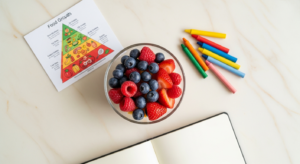
And of course, fruits and vegetables are the superstars of micronutrients. Aim for a rainbow of colors to ensure a broad spectrum of vitamins, minerals, and antioxidants. Pre-wash and chop a variety of vegetables like bell peppers, broccoli, carrots, and leafy greens. These can be easily added to stir-fries, omelets, or served as quick snacks. Pre-portioned fruit (berries, grapes, melon) can be a grab-and-go snack or dessert. Remember, variety is key! Don’t stick to the same two vegetables every week; rotate them to ensure a wider intake of nutrients.
When assembling your prepped meals, aim for a plate that’s roughly half non-starchy vegetables, a quarter lean protein, and a quarter complex carbohydrates. This visual guide can help ensure balanced nutrition without needing to meticulously count macros. Consider adding a small amount of healthy fat (like a sprinkle of seeds or a drizzle of olive oil) to each meal. By focusing on these core components, you’ll create meals that are not only delicious but also nutritionally robust, supporting your family’s health and vitality.
Kid-Friendly & Allergy-Conscious Meal Prep
Meal prepping for a family often means navigating the unique challenges of picky eaters and managing food allergies or sensitivities. The good news is that meal prep can actually make these aspects easier to handle, providing structure and control.
Making it Kid-Friendly: The key to successful kid-friendly meal prep is often deconstruction and involvement. Instead of serving a mixed casserole, prepare components separately. For example, if you’re making chicken and veggie bowls, keep the chicken, rice, and roasted vegetables in separate containers. This allows children (and adults!) to assemble their own plates, choosing how much of each component they want. This sense of control can significantly reduce resistance, especially for picky eaters. You can also offer a “safe” food alongside a new one. For instance, if you’re introducing a new vegetable, make sure there’s also a familiar favorite on the plate.
Involve your children in the meal prep process itself. Even young children can help wash vegetables, stir ingredients, or put items into containers. Older children can chop soft vegetables, measure ingredients, or help plan the menu. When kids are involved in the preparation, they are often more enthusiastic about eating the food. Turn it into a family activity! You might be surprised at how much more willing they are to try something they helped create.
Another strategy is to “hide” vegetables in familiar dishes. Puree cooked carrots or squash into pasta sauce, add finely chopped spinach to meatballs, or blend cauliflower into mashed potatoes. While it’s good for children to learn to eat whole vegetables, this can be a helpful bridge, ensuring they get vital nutrients without a battle. Smoothies are also excellent for packing in fruits, vegetables, and even some protein (yogurt, chia seeds). Pre-portion smoothie ingredients into freezer bags for quick blending.
Allergy-Conscious Prep: For families managing food allergies (like gluten, dairy, nuts, or eggs), meal prep becomes even more critical for safety and peace of mind.
* Dedicated prep areas and utensils: If possible, designate specific cutting boards, knives, and containers for allergy-safe foods to prevent cross-contamination. Thoroughly clean all surfaces and equipment before and after use.
* Read labels meticulously: This is non-negotiable. Many unexpected ingredients can contain hidden allergens. Always double-check ingredient lists, even for familiar products, as formulations can change.
* Separate storage: Store allergy-safe meals or components in clearly labeled, distinct containers. You might even use different colored lids for allergy-friendly meals.
* Adapt recipes: Many recipes can be easily adapted. For example, use gluten-free pasta, dairy-free milk, or nut-free butter alternatives. When searching for recipes, specifically look for “allergy-friendly” versions.
* Communicate: If preparing food for someone with a severe allergy, communicate clearly about ingredients and preparation methods to ensure everyone understands the protocols.
Meal prep allows you to control every ingredient, making it an invaluable tool for ensuring safe and nutritious meals for all family members, regardless of their dietary needs or preferences. It turns potential mealtime stress into a structured, proactive approach to health and safety.
Beyond the Kitchen: Maintaining Motivation & Making it a Lifestyle
Starting a meal prep routine is a fantastic step, but like any new habit, maintaining momentum is key to making it a lasting lifestyle change. It’s not about perfection; it’s about progress and finding what truly works for your family.
One of the most important aspects of long-term meal prep success is flexibility. Life happens! There will be weeks when your prep day gets derailed, or you simply don’t have the energy for a full cooking session. On these days, don’t throw in the towel. Instead, aim for “mini-prep” – perhaps just chopping vegetables or cooking a batch of grains. Or, lean on your freezer stash of pre-made meals. The goal is to build a sustainable habit, not to create another source of stress. Understand that some weeks will be easier than others, and that’s perfectly normal.
Celebrate small wins. Did you successfully prep three meals this week instead of your usual one? Did your kids try a new vegetable? Acknowledge these achievements. Positive reinforcement, whether it’s a pat on the back or a moment of quiet enjoyment over a stress-free dinner, helps solidify the habit. Focus on the benefits you’re experiencing – more family time, less food waste, better nutrition – to keep your motivation high.
Involve the family beyond just the prep day. Make dinner time a ritual. Even if the meal was prepped days ago, gather around the table, share your day, and enjoy the food together. This reinforces the positive associations with homemade meals and strengthens family bonds. When everyone contributes, even by setting the table or clearing dishes, it becomes a shared experience.
Continuously learn and adapt. Explore new recipes, try different cuisines, and experiment with new ingredients. The internet is a treasure trove of meal prep ideas, and many food bloggers and nutritionists specialize in family-friendly, batch-cooking recipes. Follow accounts on social media that inspire you, or join online communities dedicated to meal prepping. Seeing others’ successes and challenges can provide both motivation and practical tips. Veralyn Media is also always here to provide you with fresh ideas and expert insights!
Finally, be kind to yourself. There will be days when the best-laid plans go awry, when a meal doesn’t turn out as expected, or when the kids refuse to eat what you’ve so lovingly prepared. That’s part of the parenting journey. Meal prep is a tool to support your well-being, not another burden. Embrace the process, learn from each experience, and remember that every step you take towards a more organized, nourished home is a step towards a healthier, happier family. By integrating these strategies, family meal prep will evolve from a weekly task into a seamless, empowering part of your lifestyle, providing consistent nourishment and invaluable peace of mind.
Family Meal Prep FAQs
Q1: How long does family meal prep usually take?
A1: The initial prep session typically takes 2-4 hours, depending on the complexity and number of meals you’re preparing. This includes planning, shopping, and hands-on cooking. However, this upfront investment saves you significantly more time throughout the week, often 30-60 minutes each evening that would otherwise be spent cooking and cleaning.
Q2: What are some beginner-friendly meal prep recipes?
A2: Great starting points include sheet pan dinners (protein + veggies roasted together), hearty soups or chilis that can be made in a large batch, basic grain bowls (batch-cooked grains with various toppings), and simple pasta sauces. Look for recipes with minimal ingredients and straightforward steps.
Q3: How do I handle picky eaters with meal prep?
A3: Involve them in the planning and prep process, offer deconstructed meals where components are separate (allowing them to choose), and include a “safe” food alongside new items. Gradually introduce new foods in small portions, and remember that it often takes multiple exposures for a child to accept a new food.
Q4: Is meal prepping safe for food storage?
A4: Yes, absolutely! Proper food safety is crucial. Ensure food is cooked to the correct internal temperatures, cooled rapidly (within 2 hours) before refrigerating, and stored in airtight containers. Most prepped meals are safe in the refrigerator for 3-4 days. For longer storage, freeze meals promptly, ensuring they are reheated thoroughly to 165°F (74°C) before serving.
Q5: Can meal prep save money on groceries?
A5: Definitely! Meal prepping helps you plan your purchases, reduce impulse buys, utilize ingredients efficiently, and minimize food waste. By cooking at home more often and avoiding last-minute takeout or convenience foods, families can often save a significant amount on their weekly and monthly food budgets.
Embracing family meal prep is more than just a culinary technique; it’s a commitment to a healthier, less stressed, and more connected family life. It’s about transforming those frantic dinner dashes into moments of calm, nourishing your loved ones with intention, and reclaiming precious time for what truly matters. We understand that starting something new can feel daunting, but remember, every big change begins with a small step. Begin with one meal, one prep session, and allow yourself the grace to learn and grow. At Veralyn Media, we champion practices that empower you to thrive, and we believe that with these strategies, you’re well on your way to making your kitchen a hub of health, happiness, and harmony. Here’s to many delicious, stress-free meals ahead!