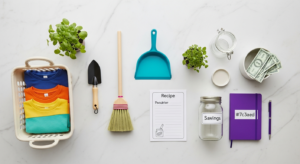
Reclaim Your Sanctuary: The Veralyn Guide to Organizing Your Home from Scratch
For many women, our homes are meant to be our sanctuaries – places of peace, comfort, and rejuvenation. Yet, the reality for countless individuals often looks quite different. Piles of laundry, overflowing closets, cluttered countertops, and a general sense of disarray can leave us feeling overwhelmed, stressed, and even guilty. The constant visual noise and the mental load of managing too much can significantly impact our mental and physical well-being, diminishing the very peace we seek within our own walls.
At Veralyn Media, we believe that creating a harmonious home environment is a profound act of self-care. It’s not just about tidiness; it’s about crafting a space that supports your health, fuels your spirit, and allows you to thrive. If you’re standing in a room today, feeling an immense weight from the clutter around you, and wondering where on earth to begin, take a deep breath. You are not alone, and you are in the right place. This comprehensive guide is designed to walk you through the process of organizing your home from scratch, offering a warm, supportive hand every step of the way. We’ll explore evidence-based strategies, practical tips, and a mindful approach to help you transform your living space into the organized, peaceful haven you deserve.
The Mindset Shift: Why Organization is Self-Care
Before we dive into the practicalities of bins and labels, let’s talk about the profound connection between your physical environment and your inner state. For too long, organization has been viewed as a chore, a superficial task, or even a luxury. But growing research and expert consensus reveal that a cluttered home can have a tangible, negative impact on our mental and emotional health. Studies, including those from the Princeton University Neuroscience Institute, have shown that a disorganized and cluttered environment can actually reduce our ability to focus, limit our brain’s capacity to process information, and increase stress levels. The constant visual stimuli compete for our attention, leading to mental fatigue and a pervasive sense of overwhelm.
Think of it this way: every item in your home demands a tiny sliver of your attention. If an item doesn’t have a designated “home,” your brain unconsciously works harder to process its presence and decide what to do with it. This phenomenon, often referred to as decision fatigue, can leave you feeling drained before you’ve even tackled your to-do list for the day. For women, who often shoulder a disproportionate amount of household management and emotional labor, this cognitive load can be particularly burdensome, contributing to burnout and chronic stress.
However, the reverse is also true. An organized, peaceful home environment offers a multitude of benefits that extend far beyond aesthetics:
- Reduced Stress and Anxiety: A clear space often translates to a clear mind. When your surroundings are orderly, your brain experiences less visual distraction, leading to greater calm and reduced anxiety.
- Improved Focus and Productivity: With fewer distractions, you can concentrate better on tasks, whether it’s working from home, helping kids with homework, or simply enjoying a good book.
- Enhanced Mood and Well-being: The act of decluttering and organizing can be incredibly empowering, fostering a sense of control and accomplishment that boosts self-esteem and overall happiness.
- Better Sleep Quality: A tidy bedroom is more conducive to relaxation and restorative sleep, free from the subtle stressors of scattered items.
- More Time and Energy: When everything has a place, you spend less time searching for lost items and more time on activities you love, freeing up valuable mental and physical energy.
- A Sense of Sanctuary: Ultimately, an organized home becomes a true sanctuary – a place where you can unwind, recharge, and feel truly at peace.
Embracing organization as a form of self-care means recognizing its power to nurture your mental, emotional, and even physical health. It’s about creating a foundation for a life lived with greater ease and joy. Before you pick up your first donation box, take a moment to visualize the organized, peaceful home you desire and connect with the “why” behind this journey. This powerful intention will be your guiding light.
Laying the Foundation: Before You Declutter
Embarking on a full home organization project can feel monumental, especially when starting from scratch. But like any major undertaking, success lies in thoughtful preparation and setting yourself up for victory. This isn’t a sprint; it’s a marathon designed to create lasting change, so approach it with patience, self-compassion, and a well-thought-out plan.
1. Set Realistic Expectations and Goals
Transforming your home won’t happen overnight, and that’s perfectly okay. Avoid the trap of trying to do it all at once, which often leads to burnout and a more disorganized mess. Instead, break down your ultimate goal into smaller, manageable milestones. For example, your goal might be “organize the kitchen pantry by next Saturday” rather than “organize the entire house this weekend.” Celebrate each small victory along the way to maintain momentum and motivation.
2. Gather Your Supplies
Having the right tools on hand before you start will prevent interruptions and make the process smoother. Here’s a basic list:
- Trash Bags: Lots of them, for obvious discards.
- Donation Boxes/Bags: Clearly labeled for items you’ll give away.
- “Relocate” Bin/Basket: For items that belong in another room but are currently misplaced.
- Cleaning Supplies: Wipes, sprays, cloths – you’ll want to clean surfaces as you clear them.
- Labels and Markers: Essential for maintaining your new system.
- Notebook and Pen: To jot down ideas, measurements, or items you need to purchase later (e.g., specific storage bins).
- Music/Podcast: To keep your spirits up!
- Water Bottle and Snacks: Stay hydrated and fueled.
3. Establish “Drop Zones” and Decision Criteria
Before you even touch an item, designate clear areas for your “Trash,” “Donate,” and “Relocate” piles. This prevents items from migrating back into the space you’re trying to clear. Also, mentally (or physically) establish your decision-making criteria. Marie Kondo’s famous “Does it spark joy?” is a great starting point, but you might also ask:
- “Have I used this in the last 6-12 months?”
- “Do I truly need this?”
- “Do I have another item that serves the same purpose?”
- “Is it broken or expired?”
- “Does it align with the vision I have for my home?”
Be firm but compassionate with yourself. The goal is not deprivation but liberation.
4. Create a Schedule and Start Small
Look at your calendar and block out dedicated time slots for organizing – even if it’s just 30 minutes a day or two hours on a weekend. Consistency is more important than intensity. When deciding where to start, choose a small, contained area that you can realistically complete in one session. A single drawer, a small bookshelf, or a kitchen cabinet can offer an immediate sense of accomplishment and build momentum. Starting with a highly visible “hot spot” can also be motivating, as you’ll see immediate improvements in a high-traffic area.
5. Involve Your Household (If Applicable)
If you share your home with others, communicate your intentions and involve them in the process. While you may lead the charge, explaining the benefits of an organized home and assigning age-appropriate tasks can foster a sense of shared responsibility. Make it clear that this is a collective effort towards a more peaceful home for everyone. Even young children can help put toys in designated bins or choose items for donation.
By investing time in these preparatory steps, you’re not just getting ready to organize; you’re building a mental framework for success, ensuring that your efforts will be efficient, sustainable, and ultimately, deeply rewarding.
The Decluttering Deep Dive: A Room-by-Room Strategy
Now for the heart of the matter: decluttering. This is where you make the tough decisions about what stays and what goes. Remember, the goal isn’t an empty house, but a home filled only with items that serve a purpose, bring you joy, or are truly essential. Approach this stage with intention and mindfulness, focusing on one area at a time to prevent feeling overwhelmed.
The Golden Rule: One Space at a Time
Resist the urge to pull everything out of every closet and drawer simultaneously. This almost always leads to a bigger mess and paralyzing overwhelm. Instead, choose one room, then one specific zone within that room (e.g., the kitchen pantry, the bedroom closet, the living room bookshelf). Finish that zone completely before moving on. This provides tangible progress and keeps the chaos contained.
The Four-Box Method (or Categories)
As you go through items, sort them into four main categories:
- Keep: Items you love, use regularly, or are essential. These will be organized back into your home.
- Donate/Sell: Items in good condition that you no longer need or want. Think about local charities, consignment shops, or online marketplaces.
- Trash/Recycle: Broken items, expired goods, stained clothes, or anything that truly belongs in the bin. Don’t feel guilty about letting go of literal garbage.
- Relocate: Items that belong in another room. Place these in your designated “relocate” bin to be put away later, after your current zone is complete.
Tackling Common Problem Areas: Practical Tips
The Kitchen: The Heart (and Often the Hub of Clutter)
- Pantry: Empty it completely. Check expiration dates ruthlessly. Group similar items (baking, breakfast, snacks). Use clear containers and vertical shelving to maximize space.
- Cabinets & Drawers: Remove all items. Keep only the dishes, utensils, and small appliances you use regularly. Consider drawer dividers for cutlery and gadgets. Stackable shelves can double cabinet space.
- Countertops: Aim for clear counters. Store appliances you use daily (coffee maker, toaster) and put everything else away. A designated “landing strip” for keys/mail can help.
The Bedroom: Your Sleep Sanctuary
- Closet: Pull out all clothing. Try on anything you’re unsure about. Ask: “Does it fit? Is it flattering? Have I worn it in the last year?” Hang similar items together, and fold heavier items. Consider the “reverse hanger” trick: turn all hangers backward; after wearing an item, turn it forward. After six months, donate anything still backward.
- Dressers: Fold clothes KonMari-style (vertically) to maximize space and visibility. Declutter socks, underwear, and pajamas regularly.
- Nightstands: Keep only essentials: a book, lamp, water, phone. Hide chargers in a drawer.
The Bathroom: Small Space, Big Potential for Clutter
- Medicine Cabinet/Under Sink: Check expiration dates on all medications, makeup, and toiletries. Discard anything expired or nearly empty. Group similar items (hair care, skincare, first aid). Use small bins or drawer organizers.
- Linens: Keep only the towels and washcloths you actively use. One to two sets per person is usually sufficient.
The Living Room: The Gathering Space
- Bookshelves: Remove all books and decorative items. Keep only the books you love and intend to read. Arrange by color, size, or genre. Integrate decorative items mindfully.
- Media/Electronics: Consolidate remote controls. Store cables and chargers neatly in a designated drawer or box. Declutter old CDs, DVDs, or game cartridges you no longer use.
- Surfaces: Clear coffee tables and end tables. Use trays or decorative boxes to contain small items like coasters or remotes.
The Home Office/Paperwork: The Silent Accumulator
- Desk: Clear everything off. Keep only immediate essentials. Use drawer organizers for pens, paper clips, and sticky notes.
- Paperwork: This is often the biggest hurdle. Create a simple filing system for essential documents (e.g., “To Pay,” “To File,” “Action Required”). Digitize what you can. Shred sensitive documents you no longer need.
Dealing with Sentimental Items
These are often the hardest to part with. Give yourself grace. Consider:
- A Memory Box: Designate one special box for truly precious keepsakes. Only keep items that fit in this box.
- Photographs: Digitize old photos to preserve them without taking up physical space. Create a curated photo album instead of keeping every single print.
- Children’s Art: Keep a select few masterpieces, perhaps photographing the rest.
- The “One Day” Trap: Be honest with yourself about items you’re keeping for “one day.” If that day hasn’t arrived in years, it might be time to let go.
Remember, decluttering is a process of letting go. It’s about creating space for what truly matters and honoring your present self, not just your past.
Smart Storage Solutions: Making Everything Count
Once you’ve bravely decluttered and only the cherished, necessary, and useful items remain, it’s time for the fun part: finding a logical, intuitive home for everything. This isn’t about buying a million bins; it’s about optimizing the space you have and making sure your organized system is easy to maintain. The core principle here is simple: “A place for everything, and everything in its place.”
1. Maximize Vertical Space
Most homes underutilize vertical space. Look up! Can you add shelves? Can you use stackable bins or risers in cabinets? This is particularly effective in:
- Kitchens: Shelf risers in cabinets, vertical pot and pan organizers, wall-mounted spice racks.
- Closets: Double-hanging rods, shoe shelves or cubbies, vertical drawer dividers.
- Bathrooms: Over-the-door organizers, tiered shower caddies, narrow rolling carts.
- Home Offices: Wall-mounted file holders, vertical letter trays.
2. Utilize Containers, Bins, and Dividers Strategically
Containers are your best friends in an organized home, but they should be used to contain, not to hide clutter. Measure your spaces (drawers, shelves, cabinets) before purchasing. Think about:
- Drawer Organizers: For cutlery, utensils, office supplies, makeup, and even socks/underwear. They keep small items from migrating.
- Clear Bins: Ideal for pantries, refrigerators, and linen closets. You can easily see what’s inside, reducing forgotten items.
- Baskets: Great for corralling items like blankets in the living room, toys in a play area, or toiletries in an open shelf. They offer a softer aesthetic.
- Storage Boxes with Lids: Perfect for items you don’t access daily but want to keep dust-free, like seasonal decorations or important documents.
Pro Tip: Invest in matching containers for a cohesive look, which can surprisingly enhance the sense of calm and order, even inside cabinets.
3. Label, Label, Label!
This step is non-negotiable for maintaining your organized system, especially if you live with others. Labels make it clear where items belong, facilitating easy retrieval and, crucially, easy put-away. Whether you use a label maker, handwritten tags, or chalkboard labels, ensure they are clear, legible, and accurate. This creates a system that anyone in the household can understand and follow, reducing the mental load on you.
4. Create Zones and Stations
Think about how you use your home and group related items together. This creates efficiency and reduces mental clutter:
- Coffee Station: Keep your coffee maker, mugs, coffee, filters, and sweeteners all in one dedicated spot.
- Charging Station: A central location for all electronics and chargers, preventing cords from sprawling across surfaces.
- Entryway Drop Zone: A hook for keys, a tray for mail, and a spot for shoes and bags right by the door.
- Cleaning Caddy: Keep essential cleaning supplies for a specific area (e.g., bathroom, kitchen) in a portable caddy for quick tidy-ups.
5. Customize for Room-Specific Needs
- Bedroom: Consider under-bed storage for seasonal clothing or extra linens. Jewelry organizers, tie racks, and scarf hangers can keep accessories tidy.
- Bathroom: Shower caddies, over-the-toilet shelving, and small drawer organizers for makeup and skincare.
- Kids’ Rooms: Low, accessible bins for toys, clearly labeled. Book slings or front-facing bookshelves encourage reading.
- Laundry Room: Shelving for detergents, a drying rack, and baskets for sorted laundry.
Remember, the best storage solutions are those that work for your specific needs, your lifestyle, and your home’s layout. Don’t be afraid to experiment and adjust as you discover what truly makes your day-to-day life smoother and more enjoyable.
Building Sustainable Habits: Maintaining Your Organized Home
You’ve put in the hard work: you’ve decluttered, found smart storage solutions, and your home is beginning to feel like that sanctuary you envisioned. Congratulations! But the journey doesn’t end here. Organization isn’t a one-time event; it’s an ongoing practice, a set of habits that keep your home functioning smoothly. The good news is that maintaining an organized space is far less strenuous than creating one from scratch. It’s about building consistent, small routines that prevent clutter from accumulating again.
1. Embrace the “One-Minute Rule”
This simple yet powerful rule suggests that if a task takes less than one minute to complete, do it immediately. This could be putting your keys back on their hook, hanging up your coat, putting a dish in the dishwasher, or tossing a piece of mail. Those “one-minute” tasks quickly add up, and addressing them promptly prevents small items from becoming overwhelming piles.
2. Implement Daily Tidy-Up Routines
Consistency is key. Designate a short period each day – perhaps 10-15 minutes – for a quick tidy-up. This could be:
- Morning Reset: Making your bed, putting away breakfast items, wiping down kitchen counters.
- Evening Wind-Down: A quick sweep of the living room, putting away items that migrated, preparing for the next day.
Involve other household members. Even young children can participate in a “5-minute pick-up” before dinner or bedtime. Make it a routine, and it will become second nature.
3. The “One In, One Out” Rule
To prevent new items from overwhelming your space, adopt the “one in, one out” policy, especially for categories prone to accumulation like clothing, books, or kitchen gadgets. When you buy a new shirt, choose an old one to donate or discard. When you bring home a new plant, find a home for it, or re-evaluate if you have too many. This simple rule helps maintain balance and prevents your carefully organized systems from overflowing.
4. Schedule a Weekly Reset
Beyond daily tidies, a weekly reset can be incredibly effective. Dedicate an hour or two on a specific day (many find Sunday helpful) to:
- Process Paperwork: Go through mail, pay bills, file important documents.
- Reset Common Areas: Return items to their rightful homes, tidy up living spaces.
- Plan for the Week: Lay out clothes, pack lunches, review schedules, which often ties into an organized home.
- Quick Declutter: Scan for any new items that have accumulated and decide their fate.
5. Seasonal Decluttering and Deep Cleans
Twice a year (spring and fall are popular choices), dedicate a weekend to a deeper decluttering and cleaning session. This is an opportunity to:
- Evaluate Seasonal Items: Store away winter coats and bring out lighter clothing, checking the condition of both.
- Reassess Your Systems: Do your current storage solutions still work for your lifestyle? What needs tweaking?
- Deep Clean: Clean areas that don’t get daily attention, like behind furniture or inside drawers.
6. Don’t Strive for Perfection, Strive for Progress
Life happens, and sometimes your home won’t be perfectly pristine. That’s okay! The goal isn’t an Instagram-perfect home 24/7, but a functional, peaceful space that supports your well-being. If things get a little messy, don’t despair or give up. Simply return to your habits, pick one small area, and restart. Your organized home is a living, breathing entity that will require ongoing care, and that care is a beautiful expression of self-love and respect for your sanctuary.
Frequently Asked Questions About Organizing Your Home From Scratch
- Q1: I feel completely overwhelmed and don’t know where to start. What’s the absolute first step?
- A1: The absolute first step is to pick the smallest, most contained space you can think of. It could be a single drawer, a small section of a countertop, or just your nightstand. The goal is to experience a quick win and build momentum. Don’t aim for perfection; just aim to complete that one tiny space. This immediate sense of accomplishment will fuel your motivation to tackle the next small area.
- Q2: What if my family members aren’t on board with organizing?
- A2: Start by focusing on your own personal spaces first (your closet, your desk). As your family sees the positive impact on your mood and the improved functionality of your shared spaces, they may become more receptive. Communicate the “why” – how an organized home benefits everyone by reducing stress and saving time. Assign clear, age-appropriate responsibilities for common areas, and make it clear that individual items they own are their responsibility. Lead by example, and be patient and encouraging rather than critical.
- Q3: How do I deal with sentimental items I can’t bear to part with?
- A3: Sentimental items are often the hardest. Designate a single “memory box” or container for these treasures. Only keep items that genuinely fit into this designated space. For larger items, consider photographing them beautifully to preserve the memory without the physical clutter. Remind yourself that memories reside in your heart, not necessarily in the physical object. Give yourself permission to let go of items that no longer serve a purpose, even if they once held meaning.
- Q4: What’s the biggest mistake people make when organizing their home from scratch?
- A4: The biggest mistake is trying to do too much too soon, or buying storage solutions before decluttering. Many people get excited and pull everything out of every closet and drawer, creating a giant mess that becomes overwhelming and leads to giving up. Another common error is purchasing bins and containers before they know exactly what they’re keeping and what sizes they need. Always declutter first, then assess your remaining items to determine the best storage solutions.
- Q5: How often should I declutter to maintain my home once it’s organized?
- A5: While a full “from scratch” decluttering is a significant undertaking, maintaining an organized home involves ongoing, smaller efforts. Aim for a daily 10-15 minute tidy-up, a weekly “reset” session (an hour or two to process mail, tidy common areas), and a seasonal mini-declutter (e.g., spring and fall) for specific categories like clothing or holiday decorations. Consistent, small actions are far more effective than sporadic, massive efforts in the long run.
Your Journey to a Harmonious Home Starts Now
Embarking on the journey to organize your home from scratch is an act of profound self-love and a powerful step towards a more peaceful, fulfilling life. It’s about creating a physical environment that mirrors the calm and clarity you seek within yourself. We understand that it can feel daunting, but remember that every grand transformation begins with a single, courageous step.
By shifting your mindset to view organization as self-care, meticulously preparing your space, bravely decluttering with intention, implementing smart storage solutions, and committing to sustainable habits, you are not just tidying up; you are building a foundation for lasting well-being. You are reclaiming your time, reducing your stress, and creating a sanctuary where you can truly rest, recharge, and thrive.
At Veralyn Media, we believe that your home should be your haven, a place that supports your health and happiness. We encourage you to take that first small step today. Choose a single drawer, a small shelf, or even just your purse, and begin. Be patient with yourself, celebrate every small victory, and remember that progress, not perfection, is the goal. Your harmonious home awaits, and you have the power to create it. You are capable, you are supported, and your sanctuary is within reach.
“`json
{
“@context”: “https://schema.org”,
“@