Nourish Your Inner Ecosystem: The Veralyn Guide to Optimal Gut Health for Women
Dear reader, have you ever felt that nagging discomfort in your belly, the unexpected brain fog, or perhaps a skin breakout that just won’t quit? What about those energy dips that leave you craving a nap by midday, or mood swings that seem to arrive uninvited? While these experiences might seem disparate, they often share a common thread: the incredible, complex world within your gut.
At Veralyn Media, we believe in empowering women with the knowledge and tools to cultivate their best health, and few areas hold as much transformative potential as gut health. For women, in particular, our gut health isn’t just about digestion; it’s intricately linked to our hormones, our mood, our immune system, and even the radiance of our skin. It’s an inner ecosystem, a bustling metropolis of trillions of microorganisms, working tirelessly behind the scenes to keep us thriving. When this ecosystem—our microbiome—is balanced and happy, so often are we.
But life, with its stresses, processed foods, and hormonal shifts, can throw this delicate balance off kilter. The good news? You have immense power to nurture your gut back to health. This comprehensive guide will illuminate the unique relationship between gut health and a woman’s body, offering evidence-based strategies, practical tips, and a supportive hand to help you cultivate a vibrant inner world, leading to a more energetic, joyful, and balanced you. Let’s embark on this journey to unlock your inner radiance, starting with your gut.
Understanding the Female Gut: Hormones, Stress, and Unique Challenges
While gut health is universal, women face a unique set of factors that profoundly influence their digestive well-being. Our bodies are marvels of intricate hormonal balance, and these very hormones, particularly estrogen, play a significant role in shaping our gut microbiome. This delicate dance between hormones and the gut is often referred to as the “gut-estrogen axis” or “estrobolome.”
The estrobolome is a collection of gut bacteria that metabolize and regulate estrogen levels. When this balance is disrupted, it can lead to either too much or too little estrogen circulating in the body, potentially contributing to conditions like endometriosis, PCOS, fibroids, or even increasing the risk of certain cancers. This connection means that the health of your gut can directly impact everything from your menstrual cycle regularity and severity of PMS symptoms to your fertility and experiences during perimenopause and menopause. Fluctuations throughout the menstrual cycle can also influence gut motility and sensitivity, explaining why many women experience digestive changes (like constipation or diarrhea) at different points in their cycle.
Beyond hormones, stress is another monumental factor, often hitting women particularly hard due to societal expectations and multi-faceted roles. The “gut-brain axis” is a bidirectional communication highway, meaning your gut health influences your brain, and your brain (stress, anxiety, mood) profoundly impacts your gut. When you’re stressed, your body diverts resources away from digestion, potentially leading to slower gut motility, increased gut permeability (often called “leaky gut”), and an imbalance in your microbiome. This can manifest as bloating, abdominal pain, changes in bowel habits, and exacerbate conditions like Irritable Bowel Syndrome (IBS), which is significantly more prevalent in women.
Furthermore, women are disproportionately affected by certain autoimmune conditions, many of which have strong links to gut dysfunction. Conditions like Crohn’s disease, ulcerative colitis, celiac disease, and even thyroid disorders often involve a compromised gut barrier and an imbalanced microbiome. Even seemingly unrelated issues like chronic yeast infections (candida overgrowth) or bacterial vaginosis can trace their roots back to a disrupted gut ecosystem, as the gut microbiome influences the vaginal microbiome.
Practical Steps for Understanding Your Unique Gut:
- Keep a Symptom Journal: Track your digestion, mood, energy levels, and menstrual cycle. Note what you eat and how you feel afterward. This can help you identify patterns and potential triggers unique to your body.
- Mindful Observation: Pay attention to how different life phases (periods, pregnancy, menopause) impact your gut. Understanding these natural shifts can help you adapt your approach.
- Stress Awareness: Identify your major stressors and how they manifest physically. Simply acknowledging the connection can be the first step toward managing it.
Recognizing these unique challenges is the first step toward tailoring a gut health strategy that truly supports your female physiology. It’s not about being a victim of your biology, but rather understanding it to become an empowered advocate for your own well-being.
Building a Vibrant Microbiome: The Power of Probiotics and Prebiotics
At the heart of a healthy gut lies a thriving, diverse microbiome. Think of it as a rainforest – the more diverse the species, the more resilient and productive the ecosystem. The two superstars in cultivating this diversity are probiotics and prebiotics.
Probiotics: Your Gut’s Best Friends
Probiotics are live beneficial bacteria and yeasts that, when consumed in adequate amounts, confer a health benefit to the host. They are the “good guys” that help keep the “bad guys” in check. For women, their benefits extend far beyond just digestion:
- Digestive Harmony: Probiotics aid in breaking down food, absorbing nutrients, and maintaining regular bowel movements. Specific strains can help alleviate bloating, gas, and constipation.
- Immune Boost: A significant portion of your immune system resides in your gut. Probiotics help strengthen the gut barrier and modulate immune responses, making you more resilient to illness.
- Vaginal Health: Certain probiotic strains, especially Lactobacillus species, are crucial for maintaining a healthy vaginal microbiome, helping to prevent yeast infections and bacterial vaginosis.
- Mood Regulation: Through the gut-brain axis, probiotics can influence neurotransmitter production (like serotonin, your “happy hormone”), potentially easing anxiety and depression.
- Hormonal Balance: By supporting the estrobolome, probiotics help regulate estrogen metabolism, contributing to more balanced hormones.
How to Incorporate Probiotics:
- Fermented Foods: This is arguably the most natural and delicious way to get your probiotics. Aim for variety!
- Yogurt & Kefir: Look for plain, unsweetened varieties with “live and active cultures.” Opt for grass-fed dairy if possible, or dairy-free alternatives like coconut or almond kefir.
- Sauerkraut & Kimchi: Ensure they are raw and unpasteurized to retain live cultures. Start with a small forkful daily.
- Tempeh & Miso: Fermented soy products that add umami flavor and beneficial bacteria to your meals.
- Kombucha: A fermented tea, but be mindful of sugar content.
- Probiotic Supplements: If dietary sources aren’t enough, a high-quality probiotic supplement can be beneficial.
- Seek Diversity: Look for supplements with multiple strains (e.g., Lactobacillus and Bifidobacterium species).
- CFUs: Colony Forming Units – generally aim for billions, not millions, though the effective dose varies by strain.
- Targeted Strains: Some brands offer formulations specifically for women’s health, focusing on vaginal health or hormonal balance. Consult with a healthcare provider to choose the best one for you.
Prebiotics: Fuel for Your Flora
Prebiotics are non-digestible fibers that act as food for your beneficial gut bacteria. They don’t contain live organisms themselves, but they are essential for probiotics to flourish and multiply. Think of them as the fertilizer for your inner garden.
When your gut bacteria ferment prebiotics, they produce short-chain fatty acids (SCFAs) like butyrate, acetate, and propionate. These SCFAs are powerhouses for your health:
- They nourish the cells lining your colon, strengthening the gut barrier.
- They have anti-inflammatory properties throughout the body.
- They can positively impact blood sugar regulation and metabolism.
- They play a role in signaling to the brain, influencing mood and appetite.
How to Incorporate Prebiotics:
The good news is that most prebiotic-rich foods are also incredibly healthy and easy to integrate into your diet. Focus on a diverse array of plant-based foods:
- Garlic & Onions: Chop them fresh into your savory dishes.
- Leeks & Asparagus: Roast them, steam them, or add them to stir-fries.
- Bananas: Especially slightly green ones, which are higher in resistant starch.
- Oats: A great source of beta-glucan, a type of soluble fiber.
- Apples: Pectin, found in apple skins, is a wonderful prebiotic.
- Flaxseeds & Chia Seeds: Add to smoothies, oatmeal, or yogurt.
- Legumes: Beans, lentils, and chickpeas are excellent sources of diverse fibers.
- Jerusalem Artichokes (Sunchokes): A powerhouse of inulin.
Veralyn Tip: When introducing prebiotic-rich foods, start slowly, especially if you have a sensitive gut. A sudden increase in fiber can sometimes lead to temporary bloating or gas as your microbiome adjusts. Listen to your body and gradually increase your intake.
By consciously incorporating both probiotics and prebiotics into your daily routine, you are actively fostering a robust, diverse, and resilient gut microbiome, laying a crucial foundation for optimal health and well-being as a woman.
Dietary Foundations for a Happy Gut: Beyond Probiotics
While probiotics and prebiotics are vital, they are just two pieces of the larger dietary puzzle. A truly happy gut thrives on a holistic approach to nutrition, focusing on whole, unprocessed foods that nourish every cell in your body, and specifically support your digestive system. Think of your plate as a canvas, and each ingredient as a brushstroke contributing to a masterpiece of internal harmony.
Embrace Whole, Unprocessed Foods
This is the cornerstone of gut health. Processed foods, often laden with artificial ingredients, unhealthy fats, excessive sugar, and chemical additives, can disrupt the delicate balance of your microbiome, promote inflammation, and compromise the integrity of your gut lining. Instead, prioritize:
- Fruits and Vegetables: Aim for a wide variety of colors, as different colors indicate different phytonutrients and fibers. Berries, leafy greens, cruciferous vegetables (broccoli, cauliflower, Brussels sprouts), and root vegetables are all gut champions.
- Whole Grains: Choose intact grains like quinoa, brown rice, oats, farro, and barley over refined grains. They provide essential fiber, B vitamins, and minerals.
- Lean Proteins: Opt for organic poultry, grass-fed meats, wild-caught fish, eggs, and plant-based proteins like legumes, tofu, and tempeh. Protein is crucial for repairing gut lining and producing digestive enzymes.
- Healthy Fats: Include sources like avocados, olive oil, nuts, and seeds. These provide essential fatty acids that support cell membrane health and reduce inflammation.
Fiber Diversity: Your Gut’s Best Friend
We’ve touched on prebiotics, which are a type of fiber, but it’s important to emphasize the overall role of diverse fibers. There are two main types:
- Soluble Fiber: Dissolves in water, forming a gel-like substance. It helps slow digestion, promotes satiety, and can lower cholesterol. Found in oats, beans, apples, and psyllium.
- Insoluble Fiber: Does not dissolve in water. It adds bulk to stool, helping food pass more quickly through the digestive system and preventing constipation. Found in whole grains, nuts, seeds, and the skins of fruits and vegetables.
A diet rich in both types ensures smooth digestion, regular bowel movements, and a well-fed microbiome. Aim for at least 25-30 grams of fiber per day, gradually increasing your intake to avoid discomfort.
The Magic of Polyphenols
Polyphenols are potent plant compounds found in many fruits, vegetables, herbs, and spices. They act as antioxidants and have anti-inflammatory properties. Crucially for gut health, many polyphenols are not fully absorbed in the small intestine, meaning they travel to the colon where they are metabolized by gut bacteria. This interaction is incredibly beneficial, fostering the growth of good bacteria and inhibiting the growth of less desirable ones.
Polyphenol-Rich Foods to Savor:
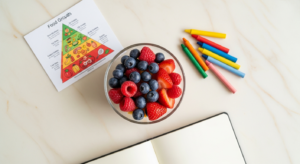
- Berries: Blueberries, raspberries, strawberries.
- Dark Chocolate: High-quality, 70% cocoa or higher.
- Green Tea & Coffee: In moderation.
- Spices: Turmeric, ginger, cinnamon, cloves.
- Vegetables: Artichokes, spinach, red onions.
- Red Wine: In very moderate amounts, if you consume alcohol.
Omega-3 Fatty Acids: The Anti-Inflammatory Powerhouses
Chronic inflammation, often driven by an imbalanced gut, can wreak havoc on your digestive system and overall health. Omega-3 fatty acids, particularly EPA and DHA, are renowned for their powerful anti-inflammatory properties. They can help soothe an irritated gut lining and support a healthy immune response.
Sources of Omega-3s:
- Fatty Fish: Salmon, mackerel, sardines, anchovies (wild-caught are best).
- Flaxseeds & Chia Seeds: Plant-based sources of ALA (which the body can convert to EPA/DHA, though less efficiently).
- Walnuts: Another good plant-based source.
- Omega-3 Supplements: A high-quality fish oil or algal oil supplement can be beneficial, especially if dietary intake is low.
Foods to Reconsider or Limit
To make room for all the good stuff, it’s wise to reduce or eliminate foods that can be detrimental to gut health:
- Excessive Sugar & Artificial Sweeteners: Can feed harmful bacteria, promote inflammation, and some artificial sweeteners have been shown to negatively impact the microbiome.
- Processed Foods & Refined Grains: Lacking in fiber and nutrients, they can lead to digestive sluggishness and nutrient deficiencies.
- Inflammatory Oils: High amounts of highly processed vegetable oils (soybean, corn, sunflower) rich in omega-6 fatty acids can promote inflammation when not balanced with omega-3s. Opt for olive oil, avocado oil, and coconut oil instead.
- Excessive Alcohol: Can irritate the gut lining and disrupt the microbiome.
Veralyn Insight: Remember that food sensitivities are highly individual. While gluten and dairy are common culprits for gut distress, they are not universally “bad.” If you suspect a sensitivity, consider an elimination diet under professional guidance, rather than arbitrarily cutting out entire food groups.
By building your diet around these foundational principles – focusing on whole foods, diverse fibers, polyphenols, and healthy fats – you create an environment where your gut can truly flourish, leading to profound improvements in digestion, energy, mood, and overall vitality.
Lifestyle Levers: Stress, Sleep, and Movement for Gut Harmony
Our gut health isn’t solely dictated by what we eat; it’s profoundly influenced by our daily habits and overall lifestyle. For women navigating the complexities of modern life, managing stress, prioritizing sleep, and incorporating movement are not just ‘nice-to-haves’ but essential pillars for a thriving digestive system and holistic well-being.
Taming the Stress Beast: Calming Your Gut-Brain Connection
We’ve already touched upon the gut-brain axis, but it bears repeating: chronic stress is a potent disruptor of gut health. When you’re stressed, your body diverts energy from digestion, releases stress hormones like cortisol that can increase gut permeability, and alters gut motility, often leading to a vicious cycle of digestive distress and increased anxiety. For women, who often juggle multiple roles and responsibilities, managing stress is paramount.
Actionable Stress-Reduction Strategies:
- Mindfulness & Meditation: Even 5-10 minutes daily can make a difference. Apps like Calm or Headspace offer guided meditations. Focus on deep belly breathing – this directly activates your vagus nerve, which connects your brain and gut, promoting relaxation.
- Yoga & Tai Chi: These practices combine gentle movement, breathwork, and mindfulness, proven to reduce stress and improve gut symptoms in conditions like IBS.
- Time in Nature: “Forest bathing” or simply a walk in a park can lower cortisol levels, reduce inflammation, and enhance mood.
- Creative Outlets: Engage in hobbies that bring you joy – painting, writing, playing music, gardening. These activities provide a mental break and foster a sense of flow.
- Prioritize Connection: Spend quality time with loved ones. Social connection is a powerful antidote to stress.
- Digital Detox: Schedule periods away from screens, especially before bedtime, to reduce mental overload.
The Healing Power of Sleep: Restoring Your Inner Rhythm
Sleep is not merely a period of inactivity; it’s a vital time for your body to repair, regenerate, and rebalance. A lack of quality sleep can increase inflammation, impair immune function, and significantly disrupt your gut microbiome. Just like you need consistent rhythms, your gut microbes also thrive on regularity.
Tips for Cultivating Restorative Sleep:
- Consistent Schedule: Try to go to bed and wake up at the same time each day, even on weekends, to regulate your circadian rhythm.
- Create a Bedtime Ritual: Wind down with calming activities like a warm bath, reading a physical book, gentle stretching, or listening to soothing music.
- Optimize Your Sleep Environment: Ensure your bedroom is dark, quiet, and cool. Blackout curtains, earplugs, or a white noise machine can help.
- Limit Stimulants: Avoid caffeine and heavy meals close to bedtime. Alcohol might make you drowsy initially but can disrupt deeper sleep cycles.
- Movement During the Day: Regular physical activity can improve sleep quality, but avoid intense workouts too close to bedtime.
Movement: Keeping Things Flowing
Regular physical activity is a powerful ally for gut health. It doesn’t mean you need to be a marathon runner; even moderate, consistent movement offers significant benefits:
- Enhances Gut Motility: Physical activity stimulates peristalsis, the muscular contractions that move food through your digestive tract, helping to prevent constipation.
- Reduces Stress: Exercise is a fantastic stress reliever, which in turn benefits the gut-brain axis.
- Promotes Microbiome Diversity: Research suggests that regular exercise can positively influence the composition and diversity of your gut bacteria.
- Reduces Inflammation: Movement can help lower systemic inflammation, creating a more hospitable environment for beneficial gut microbes.
Ways to Incorporate More Movement:
- Daily Walks: Aim for at least 30 minutes of brisk walking most days. Break it into shorter segments if needed.
- Strength Training: Helps build muscle mass, which is metabolically active and supports overall health.
- Yoga & Pilates: Excellent for core strength, flexibility, and mind-body connection.
- Dancing & Hobbies: Find activities you genuinely enjoy to make movement a sustainable part of your life.
By consciously weaving these lifestyle levers into your daily routine, you are not just managing symptoms but actively creating an environment where your gut can thrive. Remember, improving gut health is a holistic journey, and these practices are as crucial as the food on your plate.
Hydration, Mindful Habits, and Environmental Factors for Gut Wellness
Beyond diet and key lifestyle pillars, several other crucial elements often get overlooked in the pursuit of optimal gut health. These include consistent hydration, the way we approach eating, and even the subtle impact of our environment. For women aiming for comprehensive wellness, addressing these areas can provide significant boosts to digestive harmony and overall vitality.
The Essential Role of Hydration
Water is the unsung hero of digestion. Without adequate hydration, your digestive system simply cannot function optimally. Water plays multiple roles:
- Facilitates Digestion: Water helps break down food, allowing nutrients to be absorbed more efficiently.
- Promotes Regularity: It adds fluid to the stool, making it softer and easier to pass, preventing constipation. This is particularly important when increasing fiber intake.
- Nutrient Transport: Water is the medium through which nutrients are transported to cells and waste products are flushed out.
- Maintains Mucosal Lining: The protective mucous lining of your gut needs water to stay hydrated and function as a barrier against pathogens.
Hydration Habits to Adopt:
- Aim for 8 Glasses (or More): While individual needs vary, a general guideline is around 8 glasses (2 liters) of filtered water daily. Listen to your body and adjust based on activity level, climate, and overall health.
- Start Your Day with Water: A glass of water first thing in the morning can rehydrate your body after sleep and stimulate bowel movements.
- Carry a Reusable Bottle: Keep water accessible throughout the day to encourage consistent sipping.
- Herbal Teas: Unsweetened herbal teas (ginger, peppermint, chamomile) can contribute to your fluid intake and offer additional digestive benefits.
- Eat Water-Rich Foods: Fruits and vegetables like cucumber, watermelon, celery, and oranges also contribute significantly to your daily water intake.
Mindful Eating Practices: Savoring for Digestion
How you eat is almost as important as what you eat. In our fast-paced world, it’s easy to rush through meals, leading to poor digestion and discomfort. Mindful eating cultivates a deeper connection with your food and your body’s signals.
Mindful Eating Tips:
- Slow Down: Put your fork down between bites. Take time to chew each mouthful thoroughly (aim for 20-30 chews). Proper chewing mechanically breaks down food, reducing the burden on your stomach and intestines.
- Eat Without Distractions: Avoid eating in front of screens (TV, phone, computer). Focus on the experience of eating.
- Engage Your Senses: Notice the colors, aromas, textures, and flavors of your food. This enhances enjoyment and signals your digestive system to prepare for incoming food.
- Listen to Your Body: Eat when you’re truly hungry and stop when you’re comfortably full, not stuffed. This helps prevent overeating and digestive strain.
- Relax Before Eating: Take a few deep breaths before your meal to shift your body into “rest and digest” mode, rather than “fight or flight.”
Considering Environmental Factors and Toxin Exposure
Our modern environment exposes us to a myriad of chemicals and toxins that can indirectly impact gut health. While it’s impossible to avoid all exposure, being mindful of certain factors can make a difference:
- Pesticides & Herbicides: Residues on conventional produce can potentially harm gut bacteria. Prioritize organic options for the “Dirty Dozen” (foods with the highest pesticide residues) and wash all produce thoroughly.
- Plastics: BPA and phthalates found in plastics can act as endocrine disruptors, potentially impacting hormonal balance, which, as we’ve learned, is linked to gut health. Opt for glass or stainless steel food storage and water bottles.
- Household Cleaners & Personal Care Products: Many contain harsh chemicals that can be absorbed through the skin or inhaled. Choose natural, non-toxic alternatives when possible.
- Antibiotics: While sometimes necessary and life-saving, antibiotics are broad-spectrum and can decimate both bad and good gut bacteria. If you must take them, discuss probiotic support with your doctor and focus on gut-healing strategies afterward.
By paying attention to these often-overlooked aspects of daily life – ensuring adequate hydration, practicing mindful eating, and minimizing exposure to environmental toxins – you create an even more supportive and harmonious environment for your gut to thrive. This holistic approach ensures you’re nurturing your inner ecosystem from every angle, paving the way for lasting well-being.
Listening to Your Body: When to Seek Professional Guidance
Embarking on a gut health journey is a deeply personal and empowering experience, but it’s crucial to understand that self-care has its limits. While the tips and strategies shared in this Veralyn guide can bring about significant improvements for many women, there are times when persistent or severe symptoms warrant professional medical attention. Your body is constantly communicating with you, and learning to listen to its signals is an essential part of self-advocacy and optimal health.
It’s important to remember that gut issues can sometimes be indicative of underlying conditions that require diagnosis and treatment from a qualified healthcare provider. Ignoring chronic symptoms can lead to more serious health complications down the line.
When to Consult a Healthcare Professional:
- Persistent Digestive Symptoms: If you experience chronic bloating, gas, abdominal pain, diarrhea, or constipation that doesn’t resolve with lifestyle changes, it’s time to seek help. These could be signs of conditions like Irritable Bowel Syndrome (IBS), Inflammatory Bowel Disease (IBD – Crohn’s disease or ulcerative colitis), Small Intestinal Bacterial Overgrowth (SIBO), or malabsorption issues.
- Significant Changes in Bowel Habits: Any sudden or unexplained changes in the frequency, consistency, or appearance of your stool, especially if accompanied by blood or mucus, should be immediately evaluated by a doctor.
- Unexplained Weight Loss or Gain: Gut dysfunction can interfere with nutrient absorption, leading to unintended weight loss. Conversely, certain gut imbalances can contribute to weight gain.
- Severe or Debilitating Symptoms: If your gut symptoms are significantly impacting your quality of life, preventing you from daily activities, or causing severe discomfort, don’t delay seeking medical advice.
- Suspected Food Sensitivities or Allergies: While an elimination diet can be a good starting point, identifying true food allergies or intolerances often requires professional testing and guidance to ensure nutritional adequacy and accurate diagnosis.
- Symptoms Beyond the Gut: If you’re experiencing chronic fatigue, skin issues (acne, eczema), persistent brain fog, recurrent infections, or significant mood disturbances alongside gut symptoms, it suggests a systemic issue that needs investigation.
- Family History of Gut Issues: If you have a family history of conditions like Celiac disease, IBD, or colon cancer, it’s wise to discuss preventative screenings and early detection strategies with your doctor.
- Before Starting New Supplements: While many gut health supplements are beneficial, it’s always wise to discuss them with a healthcare provider, especially if you have existing health conditions or are taking medications.
Types of Professionals Who Can Help:
- Gastroenterologist: A medical doctor specializing in digestive disorders. They can perform diagnostic tests like endoscopies, colonoscopies, and breath tests.