The Fourth Trimester Roadmap: A Comprehensive Postpartum Recovery Guide for New Moms
Congratulations, mama! You’ve just accomplished one of life’s most profound feats: bringing a new human into the world. While the spotlight naturally shines on your beautiful baby, it’s crucial to remember that you, the birthing parent, have also undergone a monumental transformation. Your body has nurtured, grown, and delivered a child, and now it needs time, care, and compassion to heal and recover. This period, often called the “fourth trimester” by medical professionals and maternal health advocates, extends from birth until around three months postpartum and is just as vital as the preceding trimesters.
At Veralyn Media, we understand that navigating postpartum recovery can feel overwhelming. Amidst the sleepless nights, endless feedings, and the sheer joy (and sometimes bewilderment) of new parenthood, it’s easy to lose sight of your own needs. But prioritizing your well-being isn’t selfish; it’s essential for your long-term health and your ability to care for your family. This comprehensive guide is designed to be your warm, supportive companion through the fourth trimester, offering evidence-based advice and actionable tips to help you heal, adapt, and thrive.
From physical healing and nutritional needs to mental wellness and building a robust support system, we’ll cover the essential pillars of a healthy postpartum journey. Remember, every mother’s recovery is unique, and patience, self-compassion, and open communication with your healthcare provider are your most valuable tools. Let’s embark on this journey of healing and discovery together.
Physical Healing: Mending Your Body After Birth
Whether you experienced a vaginal birth or a C-section, your body has been through an incredible ordeal and requires dedicated time and attention to heal. The first few weeks are critical for physical recovery, and understanding what to expect and how to care for yourself can make a significant difference in your comfort and long-term health.
Vaginal Birth Recovery:
- Perineal Care: If you experienced tearing or an episiotomy, the perineum (the area between your vagina and anus) will be sore. Keep it clean and dry. Use a peri bottle filled with warm water to rinse after using the toilet. Sitz baths (sitting in a shallow bath of warm water) can soothe the area. Over-the-counter pain relievers like ibuprofen or acetaminophen, witch hazel pads, and cooling pads can also provide relief. Avoid vigorous activity and anything that puts pressure on the area for several weeks.
- Vaginal Bleeding (Lochia): Expect lochia, a discharge of blood and tissue, for 2-6 weeks, sometimes longer. It starts heavy and bright red, gradually becoming lighter in color and flow. Use pads, not tampons, to prevent infection. If bleeding suddenly increases, becomes bright red again after lightening, or is accompanied by large clots or foul odor, contact your doctor immediately.
- Pelvic Floor Health: Pregnancy and vaginal birth can significantly impact your pelvic floor muscles. Gentle pelvic floor exercises (Kegels) can be started as soon as you feel comfortable, usually within a few days postpartum, to help improve circulation, reduce swelling, and regain muscle tone. However, it’s crucial to consult with a pelvic floor physical therapist (PFPT) who can assess your individual needs and guide you through appropriate exercises. ACOG (American College of Obstetricians and Gynecologists) recommends that all women consider a pelvic floor assessment postpartum.
C-Section Recovery:
- Incision Care: Your incision will be sore and tender. Keep it clean and dry. Follow your doctor’s instructions for dressing changes. Watch for signs of infection: redness, swelling, pus, fever, or increasing pain. Avoid heavy lifting (anything heavier than your baby) and strenuous activity for at least 6-8 weeks, or as advised by your doctor. Support your incision with a pillow when coughing, laughing, or getting up.
- Pain Management: You’ll likely be prescribed pain medication, which is essential for comfort and mobility. Take it as directed. Over-the-counter options like ibuprofen can also help. Don’t let pain get ahead of you; managing it proactively will aid in your recovery.
- Gentle Movement: While rest is vital, gentle movement like short walks around the house can promote healing, prevent blood clots, and alleviate gas pain. Listen to your body and don’t push yourself.
General Physical Recovery Tips:
- Rest: This is paramount. Sleep when the baby sleeps, and don’t hesitate to ask for help with household chores or baby care so you can rest.
- Hydration: Drink plenty of water to aid healing, combat constipation, and support milk production if breastfeeding.
- Nutrition: Focus on nutrient-dense foods (more on this below) to support your body’s repair processes.
- Listen to Your Body: Pain is a signal. Don’t ignore it. If something feels off or pain is severe, contact your healthcare provider.
- Diastasis Recti: Many women experience diastasis recti, a separation of the abdominal muscles. A PFPT can diagnose this and recommend safe, effective exercises to help close the gap and restore core strength. Avoid traditional crunches or planks until cleared by a professional, as these can worsen the condition.
Remember, the “six-week check-up” is often just the beginning of your recovery journey. Many health organizations, including ACOG, now advocate for ongoing postpartum care, recognizing that recovery extends well beyond this initial visit. Be proactive in discussing any concerns with your doctor.
Nourishing Your Body: Fueling Recovery and Milk Production
Your body has expended immense energy during pregnancy and birth, and now, especially if you’re breastfeeding, it requires substantial fuel for healing and to meet the demands of new motherhood. Think of your body as a high-performance engine that needs premium fuel – nutrient-dense, whole foods are your best allies during this period.
Balanced Diet for Healing:
- Protein: Essential for tissue repair and muscle recovery. Include lean meats, poultry, fish, eggs, legumes, nuts, seeds, and dairy products. If you’ve had a C-section, adequate protein intake is crucial for wound healing.
- Complex Carbohydrates: Provide sustained energy. Opt for whole grains like oats, brown rice, quinoa, and whole-wheat bread. These also offer fiber to help prevent postpartum constipation, a common and uncomfortable issue.
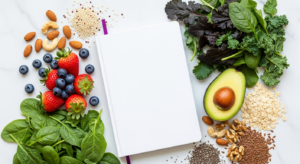
- Healthy Fats: Important for hormone production, brain health, and nutrient absorption. Avocados, nuts, seeds, olive oil, and fatty fish (like salmon) are excellent sources. Omega-3 fatty acids, in particular, are beneficial for both maternal mood and infant brain development, especially if breastfeeding.
- Vitamins and Minerals: Focus on a wide array of fruits and vegetables to ensure you’re getting a spectrum of vitamins and antioxidants. Iron is particularly important, as many women experience some degree of anemia after birth. Rich sources include red meat, spinach, lentils, and fortified cereals. Vitamin C helps with iron absorption and collagen production for tissue repair.
- Calcium and Vitamin D: Crucial for bone health, especially if breastfeeding, as lactation can draw calcium from your bones. Dairy products, fortified plant milks, leafy greens, and sun exposure (or supplements) are good sources.
Hydration is Key:
Water is your best friend during postpartum recovery. It aids in cellular repair, helps prevent constipation, supports kidney function, and is absolutely vital for milk production if you’re breastfeeding. Aim for at least 8-10 glasses of water per day, and more if you’re nursing. Keep a water bottle handy at all times, especially during feeding sessions.
Practical Tips for Postpartum Nutrition:
- Meal Prep: Prepare and freeze meals before the baby arrives, or ask friends and family to bring healthy, ready-to-eat dishes.
- Easy Snacks: Keep nutrient-dense snacks readily available. Think hard-boiled eggs, yogurt, fruit, nuts, cheese sticks, and whole-grain crackers.
- Don’t Diet: This is not the time for restrictive dieting. Your body needs calories and nutrients to heal and recover. Focus on nourishing your body rather than “losing the baby weight” immediately. Weight loss will naturally occur over time as your body adjusts and you become more active.
- Continue Prenatal Vitamins: Many doctors recommend continuing your prenatal vitamins for at least the first few months postpartum, especially if you are breastfeeding, to ensure you’re getting essential nutrients. Discuss any specific supplement needs with your healthcare provider.
Eating well can feel challenging with a newborn, but even small, consistent efforts can make a big difference in your energy levels, mood, and overall recovery. Think of food as medicine and fuel, empowering you through this demanding yet beautiful phase of life.
Prioritizing Mental and Emotional Well-being: Beyond the Baby Blues
The emotional landscape of postpartum can be as tumultuous and unpredictable as the physical recovery. The hormonal shifts, sleep deprivation, and the immense responsibility of caring for a newborn can profoundly impact your mental and emotional well-being. It’s vital to acknowledge these feelings and understand the difference between normal “baby blues” and more serious conditions like postpartum depression (PPD) or anxiety (PPA).
Understanding the “Baby Blues”:
Affecting up to 80% of new mothers, the baby blues typically begin a few days after birth and can last up to two weeks. Symptoms include mood swings, crying spells, anxiety, irritability, and sadness. These feelings are generally mild, transient, and resolve on their own as hormones stabilize. While uncomfortable, they are a normal part of the postpartum adjustment.
Recognizing Postpartum Depression and Anxiety:
If intense feelings of sadness, anxiety, hopelessness, or emptiness persist beyond two weeks, worsen, or interfere with your daily life and ability to care for your baby, it could be PPD or PPA. These conditions are not a sign of weakness; they are medical illnesses that require professional help. Symptoms can include:
- Persistent sadness, crying, and feelings of hopelessness.
- Loss of interest or pleasure in activities you once enjoyed.
- Severe mood swings.
- Difficulty bonding with your baby.
- Withdrawal from family and friends.
- Appetite changes (eating too much or too little).
- Insomnia or sleeping too much.
- Overwhelming fatigue or loss of energy.
- Intense irritability and anger.
- Feelings of worthlessness, shame, guilt, or inadequacy.
- Severe anxiety, panic attacks, or excessive worry about the baby’s health or safety.
- Thoughts of harming yourself or your baby (seek immediate help if you experience these).
It’s important to note that PPD can manifest differently for everyone and can appear anytime in the first year after birth. Postpartum anxiety is also very common, often presenting as constant worry, restlessness, and physical symptoms like a racing heart or shortness of breath. Recent research suggests that PPA may be as prevalent, if not more, than PPD.
Coping Strategies and When to Seek Help:
- Talk About It: Share your feelings with your partner, a trusted friend, family member, or another new mom. You are not alone.
- Practice Self-Compassion: Release the pressure to be a “perfect” mother. Good enough is perfect. Be kind to yourself.
- Prioritize Sleep (Even if Imperfect): Even short bursts of sleep can make a difference. Ask for help so you can rest.
- Gentle Movement: A short walk outdoors can boost mood and energy.
- Mindfulness and Relaxation: Deep breathing exercises or short meditations can help manage anxiety.
- Set Realistic Expectations: Adjust to your new reality. Your home might be messier, and your social life different. That’s okay.
- Seek Professional Help: If you suspect PPD or PPA, reach out to your OB/GYN, a general practitioner, or a mental health professional specializing in perinatal mood disorders. Treatment options include therapy (CBT, talk therapy), medication (antidepressants), or a combination. Early intervention is key to recovery. Resources like Postpartum Support International (PSI) offer helplines and support groups.
Your emotional health is just as important as your physical health. Don’t suffer in silence. Reaching out is a sign of strength, not weakness, and it’s the best thing you can do for yourself and your family.
Rest and Sleep: The Elusive Yet Essential Ingredient
Ah, sleep – the holy grail of postpartum recovery. It’s often the first thing to be sacrificed when a newborn arrives, yet it’s arguably the most critical component of healing, both physically and emotionally. Sleep deprivation can exacerbate mood swings, impair cognitive function, slow physical healing, and make the challenges of new parenthood feel insurmountable. While uninterrupted eight-hour stretches might be a distant dream for a while, strategic approaches to rest can make a profound difference.
Embracing “Sleep When the Baby Sleeps”:
This classic advice is often easier said than done, especially with a never-ending to-do list. However, it’s worth striving for. When your baby naps, try to nap yourself, even if it’s just for 20-30 minutes. Resist the urge to do chores or catch up on emails during this precious window, at least not every time. Housework can wait; your rest cannot.
Practical Strategies for Maximizing Rest:
- Delegate and Accept Help: This is where your support network becomes invaluable. Let your partner take the baby for a few hours while you nap. If family or friends offer to help, ask them to watch the baby so you can sleep, or handle specific chores like laundry or meal prep. Don’t be a hero; accept all offers of help.
- Prioritize Night Feeds (If Applicable): If you’re bottle-feeding or your partner can bring the baby to you for breastfeeding, take turns with night feeds. Even getting one longer stretch of 3-4 hours can be incredibly restorative.
- Create a Conducive Sleep Environment: Make your bedroom a sanctuary. Keep it dark, cool, and quiet. Consider a white noise machine to block out sudden baby sounds or other disturbances.
- Nap Wherever You Can: Don’t feel you need to be in your bed. A comfortable couch or recliner can be just as effective for a quick power nap.
- Limit Screen Time Before Rest: The blue light from phones, tablets, and computers can interfere with melatonin production, making it harder to fall asleep. Try to wind down without screens before attempting to rest.
- Manage Expectations: Understand that perfect sleep is a luxury that will return eventually. For now, focus on getting “enough” sleep, which often means broken sleep. Practice self-compassion and remind yourself that this phase is temporary.
- Caffeine in Moderation: While tempting, excessive caffeine can disrupt what little sleep you do get and contribute to anxiety. Enjoy your coffee, but be mindful of your intake, especially in the afternoon.
The Impact of Sleep Deprivation:
Chronic sleep deprivation can significantly impede physical healing by suppressing the immune system and slowing tissue repair. Emotionally, it can heighten irritability, contribute to feelings of anxiety and depression, and make it difficult to cope with daily stressors. Studies consistently link poor sleep quality in the postpartum period to an increased risk of postpartum depression. Prioritizing rest isn’t a luxury; it’s a fundamental aspect of your recovery and ability to function as a new parent.
Be gentle with yourself. There will be nights when sleep feels impossible. On those nights, focus on resting, even if you’re not fully asleep. Lie down, close your eyes, and allow your body to relax. Every moment of rest contributes to your recovery.
Building Your Support Network: You Don’t Have To Do It Alone
The adage “it takes a village” has never been truer than during the postpartum period. While modern society often places immense pressure on new mothers to be self-sufficient, attempting to navigate the fourth trimester alone is not only unrealistic but also detrimental to your well-being. Building and leaning on a strong support network is paramount for your physical and mental health, providing practical assistance, emotional validation, and a much-needed sense of community.
Identifying Your Village:
- Your Partner: Your partner is your primary support. Communicate openly about your needs, fears, and triumphs. Divide tasks, share night duties (if possible), and make time for each other. Couples who maintain strong communication report greater satisfaction and resilience postpartum.
- Family and Friends: Don’t be afraid to ask for help. Grandparents, aunts, uncles, and close friends can be invaluable. Instead of saying “let me know if you need anything,” be specific: “Could you bring us a meal on Tuesday?” or “Could you watch the baby for an hour while I shower?”
- Healthcare Professionals: Your OB/GYN, midwife, general practitioner, lactation consultant, and pediatricians are crucial parts of your medical support system. Don’t hesitate to reach out with any medical questions or concerns. A pelvic floor physical therapist (PFPT) is also an essential part of a comprehensive postpartum care team.
- Postpartum Doula: A postpartum doula provides non-medical support for new families, offering practical help with newborn care, light household tasks, meal preparation, and emotional support. They can be a lifesaver, especially in the early weeks.
- Lactation Consultant: If you’re breastfeeding, a certified lactation consultant (IBCLC) can provide expert guidance on latch, positioning, milk supply, and troubleshooting any challenges. Their support can significantly impact your breastfeeding journey.
- Mental Health Professionals: As discussed, a therapist specializing in perinatal mood disorders can provide vital support if you’re struggling with PPD or PPA.
Leveraging Your Network Effectively:
- Communicate Your Needs Clearly: People want to help but often don’t know how. Be direct and specific about what you need. A “help list” on your fridge can be useful.
- Accept Help Gracefully: Let go of any guilt about needing or accepting assistance. This is a temporary phase, and those who love you genuinely want to support you.
- Set Boundaries: While you need help, you also need space. Don’t feel obligated to entertain visitors or host guests if you’re not up to it. It’s okay to say “no” or to ask people to visit at a later time. Protect your rest and bonding time with your baby.
- Connect with Other New Moms: Online forums, local support groups, or parenting classes can connect you with women going through similar experiences. Sharing stories and advice can be incredibly validating and reduce feelings of isolation. Studies show that peer support can significantly reduce the risk and severity of postpartum depression.
Remember, asking for and accepting help is a sign of strength, not weakness. It allows you to focus on healing, bonding with your baby, and preserving your mental and emotional well-being. Your village is there for a reason – let them lift you up during this transformative time.
Gentle Movement and Rebuilding Strength: Listening to Your Body
After birth, your body needs time to heal before diving back into strenuous physical activity. However, gentle movement is not only safe but also beneficial for recovery, improving circulation, reducing swelling, boosting mood, and gradually rebuilding strength. The key is to listen intently to your body and get clearance from your healthcare provider before increasing intensity.
The Initial Weeks: Gentle Beginnings (0-6 Weeks Postpartum)
- Rest is Priority: In the very early days, your primary focus should be rest and healing.
- Short Walks: As soon as you feel ready and have no pain, gentle walks are excellent. Start with 5-10 minutes a day and gradually increase duration as you feel stronger. Walking helps with blood circulation, prevents blood clots, and can alleviate gas pain, especially after a C-section.
- Pelvic Floor Exercises (Kegels): Once cleared by your doctor or a pelvic floor physical therapist (PFPT), begin gentle Kegel exercises. These help restore muscle tone, improve circulation to the perineum, and can reduce incontinence. Focus on slow, controlled contractions and relaxations. Don’t overdo it.
- Deep Abdominal Breathing: Lie on your back with knees bent. As you inhale, let your belly rise. As you exhale, gently draw your belly button towards your spine, engaging your deep core muscles. This helps reconnect with your core and supports healing.
- Gentle Stretching: Neck rolls, shoulder rolls, and gentle stretches for the back and hips can relieve tension that often builds up from holding and feeding a baby.
Gradual Progression: (6 Weeks and Beyond, with Doctor’s Clearance)
The traditional “six-week check-up” is often the first opportunity to discuss returning to more formal exercise. However, this is a guideline, not a green light for high-impact activity. Many women need more time. ACOG recommends a personalized approach to postpartum exercise, emphasizing listening to your body.
- Pelvic Floor Physical Therapy (PFPT): This is highly recommended for all postpartum women, regardless of birth type. A PFPT can assess your core and pelvic floor, identify issues like diastasis recti or prolapse, and create a safe, individualized exercise plan. This foundational work is crucial before returning to more strenuous activities.
- Core Rehabilitation: Focus on exercises that strengthen your deep core muscles safely. Avoid traditional crunches, sit-ups, and planks until your core and pelvic floor are properly rehabilitated by a PFPT, as these can worsen diastasis recti or put undue pressure on your pelvic floor. Look for exercises that focus on TVA (transverse abdominis) activation.
- Low-Impact Aerobics: Once cleared, you can gradually reintroduce low-impact activities like swimming, cycling (stationary or gentle outdoor rides), and elliptical training.
- Strength Training: Start with light weights or bodyweight exercises, focusing on proper form. Prioritize compound movements that work multiple muscle groups.
- Listen to Your Body’s Signals: If you experience pain, leakage, heaviness in your pelvis, or increased lochia, stop the activity and consult your doctor or PFPT. These are signs that your body isn’t ready.
- Hydration and Nutrition: Continue to prioritize these, especially as you increase your activity levels.
Understanding the “Return to Running” and High-Impact Activities:
Many experts, including The Pelvic Floor Society, suggest waiting at least 3-6 months (and often longer) postpartum before returning to high-impact activities like running, jumping, or heavy lifting. This allows adequate time for pelvic floor and core recovery. Rushing back can lead to long-term issues such as incontinence or pelvic organ prolapse. A PFPT can provide an individualized assessment and clearance for these activities.
Be patient with yourself. Your body has been through a marathon, and recovery is a journey, not a race. Celebrate small victories, prioritize foundational strength, and honor your body’s unique healing timeline. Consistency and mindful movement will yield better, safer results than pushing too hard, too soon.
FAQ: Your Postpartum Recovery Questions Answered
Q1: When can I start exercising again after giving birth?
A1: For most women, gentle activities like walking and light pelvic floor exercises can begin a few days after a vaginal birth, or a few weeks after a C-section, as long as you feel comfortable and have no complications. However, for more strenuous exercise, including core work, running, or heavy lifting, it’s generally recommended to wait until at least your 6-week postpartum check-up and get clearance from your doctor. Even then, a gradual return is advised, often with guidance from a pelvic floor physical therapist, as full recovery for high-impact activities can take 3-6 months or even longer.
Q2: Is it normal to still bleed weeks after birth? What should I watch out for?
A2: Yes, it’s completely normal to experience vaginal bleeding, called lochia, for 2-6 weeks postpartum, and sometimes even up to 8 weeks. It typically starts heavy and bright red, gradually decreasing in flow and changing to pinkish, then brownish, and finally yellowish-white discharge. What to watch out for: If your bleeding suddenly becomes heavy again (soaking more than one pad an hour for several hours), is bright red after having lightened, passes large clots (bigger than a golf ball), or is accompanied by a foul odor, fever, or increasing pain, contact your doctor immediately. These could be signs of a complication.
Q3: How do I know if I have the “baby blues” or something more serious like postpartum depression (PPD)?
A3: The “baby blues” are very common, affecting up to 80% of new moms. They typically involve mild mood swings, sadness, and irritability, starting a few days after birth and usually resolving within two weeks. Postpartum depression (PPD) is more severe and lasts longer. If your symptoms – which can include intense sadness, anxiety, hopelessness, loss of interest in activities, difficulty bonding with your baby, or thoughts of self-harm – persist beyond two weeks, worsen, or interfere with your daily life, it’s crucial to seek professional help from your doctor or a mental health specialist. PPD is a medical condition, not a personal failing, and it’s treatable.
Q4: How can I best manage pain at home after birth?
A4: For vaginal birth recovery, use a peri bottle with warm water after using the toilet, apply witch hazel pads (like Tucks) or cooling pads to the perineum, take sitz baths, and use over-the-counter pain relievers like ibuprofen or acetaminophen as directed by your doctor. For C-section recovery, take prescribed pain medication proactively, support your incision with a pillow when coughing or moving, and wear loose-fitting clothing. Regardless of birth type, rest, hydration, and gentle movement (like short walks) can also help manage discomfort. Always follow your doctor’s specific instructions for pain management.
Q5: When should I see a doctor after birth, and what should I discuss?
A5: The American College of Obstetricians and Gynecologists (ACOG) recommends that postpartum care be an ongoing process, not just a single visit. An initial assessment should occur within the first 3 weeks postpartum, followed by a comprehensive visit no later than 12 weeks postpartum. During these visits, discuss any physical healing concerns (incision, bleeding, pain, pelvic floor issues), mental and emotional well-being (baby blues, PPD/PPA screening), contraception options, breastfeeding challenges, and sleep deprivation. This is your opportunity to address any and all questions or concerns about your health and recovery.
Conclusion: Embrace Your Journey, Mama
The journey through the fourth trimester is a unique, challenging, and profoundly beautiful experience. It’s a time of immense growth – not just for your baby, but for you as a mother. As you navigate the complexities of physical healing, hormonal shifts, emotional adjustments, and the demands of new parenthood, remember that you are doing an extraordinary job.
This comprehensive guide is designed to empower you with knowledge and practical tools, but the most important takeaway is this: be kind to yourself. Practice radical self-compassion. Your body has performed a miracle, and it deserves patience, rest, and nourishment. Your heart is expanding to accommodate a new, profound love, and it deserves gentleness and understanding.
Don’t hesitate to ask for help, lean on your support system, and communicate openly with your healthcare providers. There is no medal for suffering in silence or doing it all alone. Prioritizing your own recovery isn’t selfish; it’s the foundation for your long-term health, happiness, and your ability to be the best mother you can be. Embrace this transformative period with grace, courage, and the unwavering belief that you are enough, exactly as you are.
From all of us at Veralyn Media, we celebrate you, mama. You’ve got this.
“`json
{
“@context”: “https://schema.org”,
“@graph”: [
{
“@type”: “Article”,
“mainEntityOfPage”: {
“@type”: “WebPage”,
“@id”: “https://veralynmedia.com/postpartum-recovery-guide-new-moms”
},
“headline”: “The Fourth Trimester Roadmap: A Comprehensive Postpartum Recovery Guide for New Moms”,
“image”: [
“https://veralynmedia.com/images/postpartum-recovery-hero.jpg”,
“https://veralynmedia.com/images/postpartum-mom-baby.jpg”
],
“datePublished”: “2023-