Nurturing Your Journey: A Comprehensive Guide to Boosting Fertility for Women Trying to Conceive
The path to parenthood is a deeply personal and often emotional journey, filled with hope, anticipation, and sometimes, a little uncertainty. For many women, the decision to try and conceive marks the beginning of a thoughtful, intentional process – one that involves not just dreams of a future family, but also a commitment to optimizing their health and well-being. At Veralyn Media, we understand that this journey can feel overwhelming at times, with a wealth of information (and misinformation) available. That’s why we’ve created this comprehensive, evidence-based guide, designed to empower you with practical, actionable tips to enhance your fertility and support you on your path to conception.
This article is crafted to be your trusted companion, offering insights grounded in scientific research and expert recommendations, all delivered with the warmth and support you deserve. We’ll explore various facets of fertility health, from understanding your unique cycle to nourishing your body, managing stress, and knowing when to seek professional guidance. Our goal is to equip you with the knowledge and confidence to make informed choices, fostering a healthy environment for both you and your future little one. Remember, every woman’s journey is unique, and taking proactive steps towards your fertility health is a beautiful act of self-care and preparation. Let’s dive in.
Unlocking Your Cycle: The Power of Understanding Ovulation
One of the most fundamental steps in trying to conceive is understanding your menstrual cycle and, specifically, pinpointing ovulation. Ovulation is the release of an egg from the ovary, and it’s the only time during your cycle when conception can occur. Knowing when you ovulate allows you to time intercourse effectively, significantly increasing your chances of getting pregnant. While cycle tracking might seem complex at first, several reliable methods can help you tune into your body’s natural rhythms.
Decoding Your Fertility Window
Your “fertility window” is the period during which unprotected sex can lead to pregnancy. This window typically spans about six days: the five days leading up to ovulation and the day of ovulation itself. Sperm can survive in the female reproductive tract for up to five days, while an egg is viable for only 12-24 hours after release. Therefore, having sperm present in the fallopian tubes before ovulation is crucial.
Practical Tracking Methods:
- Ovulation Predictor Kits (OPKs): These over-the-counter kits detect a surge in Luteinizing Hormone (LH) in your urine, which typically occurs 24-36 hours before ovulation. They are highly accurate and easy to use. Begin testing a few days before your expected ovulation date (e.g., around day 10 for a 28-day cycle) and follow the instructions carefully. A positive result indicates that ovulation is imminent, signaling your peak fertile window.
- Basal Body Temperature (BBT) Charting: Your basal body temperature is your lowest resting body temperature. After ovulation, the hormone progesterone causes a slight but sustained rise in BBT (typically 0.4-1.0 degrees Fahrenheit). By taking your temperature every morning before getting out of bed, at the same time, you can identify this temperature shift. While BBT confirms that ovulation has occurred, it helps you identify your pattern over several cycles, allowing you to predict future ovulation more accurately. A consistent rise indicates ovulation, and you can then look for patterns.
- Cervical Mucus (CM) Monitoring: Your cervical mucus changes in consistency throughout your cycle due to hormonal fluctuations. After your period, you might notice dry or sticky mucus. As ovulation approaches, estrogen levels rise, causing the mucus to become wetter, clearer, and more stretchy, resembling raw egg whites. This “egg white cervical mucus” (EWCM) is a prime indicator of fertility, as it provides an ideal environment for sperm to travel and survive. Learning to recognize EWCM is a powerful, free, and natural way to identify your most fertile days.
- Calendar/App Tracking: While less precise than OPKs or BBT, tracking your cycle length and period start dates in a calendar or fertility app can help you estimate your ovulation window, especially if your cycles are regular. Many apps integrate multiple tracking methods, making it easier to log and interpret your data.
When Your Cycle Is Irregular:
If your cycles are consistently irregular (varying significantly in length, or if you skip periods), pinpointing ovulation can be challenging. Conditions like Polycystic Ovary Syndrome (PCOS) or thyroid imbalances can disrupt ovulation. In such cases, it’s highly recommended to consult with a healthcare provider or a fertility specialist. They can help diagnose underlying issues and discuss strategies or treatments to regulate your cycle and support conception.
Embracing cycle tracking as a practice of self-awareness can be incredibly empowering. It not only increases your chances of conception but also deepens your connection to your body’s intricate wisdom. Give yourself grace as you learn, and remember that consistency is key.
Nourishing Your Body: Diet, Supplements, and a Healthy Weight
What you put into your body plays a profound role in your overall health, and this extends directly to your fertility. A balanced, nutrient-rich diet, along with appropriate supplementation and maintaining a healthy weight, creates an optimal internal environment for conception and a healthy pregnancy. Think of your body as a garden – to grow a thriving plant, you need nutrient-rich soil.
The Fertility-Boosting Diet:
Experts often recommend adopting a diet rich in whole foods, similar to the Mediterranean diet, when trying to conceive. This dietary pattern emphasizes:
- Whole Grains: Opt for brown rice, quinoa, oats, and whole-wheat bread over refined grains. They provide sustained energy, fiber, and essential B vitamins.
- Lean Proteins: Include plant-based proteins like lentils, beans, chickpeas, and tofu. If you eat meat, choose lean cuts of poultry and fish (especially those low in mercury, like salmon, sardines, and trout, which are also rich in Omega-3s).
- Healthy Fats: Incorporate monounsaturated and polyunsaturated fats found in avocados, nuts, seeds, and olive oil. These are crucial for hormone production and reducing inflammation. Avoid trans fats found in many processed and fried foods, which have been linked to ovulatory infertility.
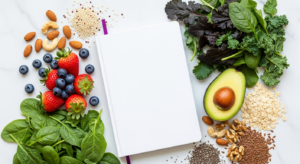
- Plenty of Fruits and Vegetables: Aim for a rainbow of colors daily. These are packed with antioxidants, vitamins, and minerals that protect egg quality and support overall reproductive health. Leafy greens, berries, citrus fruits, and colorful bell peppers are excellent choices.
- Dairy: Some research suggests full-fat dairy may be beneficial for fertility, though more studies are needed. If you consume dairy, opt for fermented options like yogurt or kefir for gut health.
Key Nutrients for Fertility:
- Folate (Folic Acid): This is perhaps the most critical nutrient for preconception and early pregnancy. Folic acid helps prevent neural tube defects (NTDs) like spina bifida. Experts recommend supplementing with 400-800 micrograms (mcg) of folic acid daily starting at least one month before conception and continuing through the first trimester. Rich food sources include leafy green vegetables, fortified cereals, beans, and citrus fruits.
- Iron: Important for preventing iron-deficiency anemia, which can impact ovulation. Found in lean red meat, lentils, spinach, and fortified cereals. Pair iron-rich foods with Vitamin C (e.g., orange juice, bell peppers) to enhance absorption.
- Vitamin D: Plays a role in hormone regulation and immune function, both important for fertility. Many women are deficient. Sources include fatty fish, fortified milk, and sunlight exposure (safely). Supplementation is often recommended; consult your doctor for the right dose.
- Omega-3 Fatty Acids: Found in fatty fish (salmon, mackerel, sardines), flaxseeds, and walnuts. Omega-3s are vital for hormone balance, reducing inflammation, and potentially improving egg quality.
- Choline: Important for fetal brain development and may be beneficial for egg quality. Found in eggs, beef, and soybeans.
Foods and Habits to Limit or Avoid:
- Processed Foods, Sugary Drinks, and Refined Carbohydrates: These can lead to insulin resistance and inflammation, negatively impacting hormone balance and ovulation.
- Excessive Caffeine: While moderate caffeine intake (one to two cups of coffee per day, or less than 200 mg) is generally considered safe, some studies suggest very high intake might be linked to reduced fertility. Err on the side of caution.
- Alcohol: Most experts recommend abstaining from alcohol entirely when trying to conceive, as there’s no known safe amount during pregnancy. Even moderate intake may impact fertility.
- High-Mercury Fish: Limit or avoid fish like swordfish, shark, king mackerel, and tilefish due to their high mercury content, which can be harmful to a developing fetus.
The Role of Supplements:
Beyond folic acid, a good quality preconception multivitamin designed for women trying to conceive can provide a nutritional safety net. These typically contain a balanced array of vitamins and minerals. Other supplements that may be beneficial, but should be discussed with your doctor, include:
- Coenzyme Q10 (CoQ10): Some research suggests it may improve egg quality, especially for older women.
- Myo-inositol: Often recommended for women with PCOS to help improve insulin sensitivity and ovulation.
Always discuss any supplements with your healthcare provider to ensure they are appropriate for your individual needs and won’t interact with any medications.
Maintaining a Healthy Weight:
Both being underweight and overweight can significantly impact fertility.
- Underweight (BMI below 18.5): Can disrupt hormone production, leading to irregular or absent ovulation.
- Overweight/Obese (BMI above 25/30): Can cause hormonal imbalances, insulin resistance, and inflammation, all of which can interfere with ovulation and increase the risk of complications during pregnancy.
Aim for a Body Mass Index (BMI) in the healthy range (18.5-24.9) through a combination of balanced diet and moderate exercise. Even a modest weight loss of 5-10% for those who are overweight can significantly improve fertility outcomes. Focus on sustainable, gentle changes rather than crash diets.
By prioritizing nutrient-dense foods, smart supplementation, and a healthy weight, you’re not only boosting your chances of conception but also building a strong foundation for a healthy pregnancy and a vibrant future family.
Cultivating Calm: Managing Stress and Prioritizing Sleep
The journey of trying to conceive can be a significant source of stress, and ironically, stress itself can sometimes be a barrier to conception. Your mental and emotional well-being are intrinsically linked to your physical health, including your reproductive system. Learning to effectively manage stress and prioritize restorative sleep are crucial components of a holistic fertility plan.
The Interplay of Stress and Fertility:
While acute stress (like facing a deadline) is normal, chronic stress can have a more profound impact on your body. When you’re under constant stress, your body produces hormones like cortisol and adrenaline. These hormones, in high levels, can disrupt the delicate hormonal balance required for ovulation and implantation. They can interfere with the Hypothalamic-Pituitary-Ovarian (HPO) axis, which is responsible for regulating your menstrual cycle. Elevated stress might lead to irregular periods, anovulation (lack of ovulation), or even missed periods, making it harder to pinpoint your fertile window.
Beyond the physiological effects, the emotional toll of stress can make the TTC journey feel isolating and overwhelming. The pressure to conceive, coupled with the monthly cycle of hope and disappointment, can create a vicious cycle. Recognizing this impact is the first step towards breaking free.
Effective Stress Reduction Techniques:
- Mindfulness and Meditation: Even a few minutes of daily mindfulness can make a difference. Apps like Calm or Headspace offer guided meditations specifically for fertility or general stress reduction. Practicing mindfulness helps you stay present, observe your thoughts without judgment, and cultivate inner peace.
- Yoga and Deep Breathing: Gentle yoga (especially restorative or prenatal yoga) can help calm the nervous system, improve blood flow to reproductive organs, and increase flexibility. Deep diaphragmatic breathing exercises stimulate the vagus nerve, promoting relaxation and reducing cortisol levels.
- Spend Time in Nature: Research shows that spending time outdoors, whether it’s a walk in a park, gardening, or simply sitting in nature, can significantly reduce stress, lower blood pressure, and improve mood.
- Journaling: Writing down your thoughts and feelings can be a powerful way to process emotions, reduce anxiety, and gain perspective.
- Connect with Support Systems: Talk to your partner, a trusted friend, family member, or a support group. Sharing your experiences can alleviate feelings of isolation and provide emotional comfort. Consider seeking professional counseling if stress feels unmanageable.
- Hobbies and Self-Care: Dedicate time to activities you enjoy that have nothing to do with fertility. Read a book, listen to music, take a warm bath, pursue a creative hobby. These acts of self-care are essential for recharging your emotional batteries.
- Set Boundaries: Learn to say no to commitments that overextend you. Protect your time and energy, especially during this sensitive period.
The Importance of Restorative Sleep:
Sleep is not just a luxury; it’s a biological necessity, especially when you’re trying to conceive. Sleep deprivation can disrupt the production of key hormones, including those involved in ovulation and reproductive function. Your body repairs itself, consolidates memories, and balances hormones during sleep. Aim for 7-9 hours of quality sleep per night.
Tips for Improving Sleep Hygiene:
- Maintain a Consistent Sleep Schedule: Go to bed and wake up at roughly the same time every day, even on weekends. This helps regulate your body’s natural sleep-wake cycle (circadian rhythm).
- Create a Relaxing Bedtime Routine: Wind down with activities like reading, taking a warm bath, or listening to calming music. Avoid stimulating activities (work, intense exercise) close to bedtime.
- Optimize Your Sleep Environment: Make your bedroom dark, quiet, and cool. Use blackout curtains, earplugs, or a white noise machine if needed.
- Limit Screen Time Before Bed: The blue light emitted from phones, tablets, and computers can interfere with melatonin production, a hormone essential for sleep. Try to switch off screens at least an hour before bed.
- Avoid Caffeine and Heavy Meals Late in the Day: Caffeine can linger in your system for hours, and a heavy meal close to bedtime can cause digestive discomfort that disrupts sleep.
- Limit Naps: If you must nap, keep it short (20-30 minutes) and early in the afternoon to avoid interfering with nighttime sleep.
By intentionally carving out time for stress reduction and prioritizing sleep, you’re not just supporting your fertility; you’re nurturing your entire being. This holistic approach empowers you to navigate the TTC journey with greater resilience, peace, and optimism.
Active Living: Exercise, Environmental Toxins, and Lifestyle Choices
Beyond diet and stress, several other lifestyle factors play a significant role in fertility health. How you move your body, what you expose it to in your environment, and your daily habits collectively contribute to your reproductive well-being. Making conscious choices in these areas can create a more favorable landscape for conception.
The Benefits of Moderate Exercise:
Regular physical activity offers numerous benefits for fertility, including maintaining a healthy weight, improving blood circulation, reducing stress, and enhancing hormone balance. However, the key word here is “moderate.”
- Recommended Exercise: Aim for at least 30 minutes of moderate-intensity exercise most days of the week. This could include brisk walking, swimming, cycling, dancing, or prenatal yoga. These activities support overall health without overly stressing your body.
- Avoiding Extremes: While exercise is good, excessive or high-intensity exercise can sometimes have a negative impact on fertility, especially for women who are already at a healthy weight. Intense workouts can lead to hormonal imbalances, disrupt ovulation, and even cause amenorrhea (absence of periods). Listen to your body and find a balance that feels energizing, not depleting. If you’re unsure, consult with your doctor or a fitness professional experienced in prenatal exercise.
Minimizing Exposure to Environmental Toxins:
Our modern world exposes us to a myriad of chemicals, some of which are known as endocrine disruptors. These substances can mimic or interfere with your body’s hormones, potentially impacting fertility. While it’s impossible to avoid all toxins, you can significantly reduce your exposure:
- Plastics (BPA and Phthalates): These chemicals are found in many plastic products. BPA is often used in food and drink containers, while phthalates are common in personal care products and flexible plastics. Opt for glass or stainless steel food storage containers and water bottles. Look for “BPA-free” labels, though alternatives like BPS or BPF might also be concerning. Choose fresh or frozen foods over canned.
- Personal Care Products: Many cosmetics, lotions, shampoos, and cleaning products contain phthalates, parabens, and other chemicals that can be endocrine disruptors. Read labels carefully and opt for “fragrance-free,” “phthalate-free,” and “paraben-free” products. Websites like EWG’s Skin Deep database can help you identify safer options.
- Pesticides: Found in conventional produce. Wash fruits and vegetables thoroughly, and consider buying organic versions of the “Dirty Dozen” (produce with the highest pesticide residues) when possible.
- Cleaning Supplies: Choose natural, non-toxic cleaning products or make your own with ingredients like vinegar and baking soda. Ensure good ventilation when cleaning.
- Air Quality: Use an air purifier in your home, and ensure good ventilation. Avoid exposure to secondhand smoke.
Crucial Lifestyle Choices:
- Alcohol Consumption: As mentioned earlier, experts recommend complete abstinence from alcohol when trying to conceive. There’s no safe amount of alcohol during pregnancy, and even moderate intake may affect fertility for both partners.
- Smoking and Vaping: Tobacco smoke (including secondhand smoke) contains thousands of harmful chemicals that can damage egg quality, accelerate ovarian aging, and interfere with the implantation process. It significantly reduces fertility rates and increases the risk of miscarriage and ectopic pregnancy. Vaping, while seemingly less harmful, still contains nicotine and other chemicals whose long-term reproductive effects are not fully understood, but are likely negative. Quitting smoking and vaping is one of the most impactful steps you can take for your fertility.
- Recreational Drugs: Illicit drugs can severely impair fertility, disrupt hormone balance, and pose serious risks to a developing fetus. Complete avoidance is essential.
- Medication Review: Discuss all medications, including over-the-counter drugs, herbal remedies, and supplements, with your doctor. Some medications can affect fertility or may not be safe during pregnancy.
By being mindful of your physical activity, reducing your exposure to environmental toxins, and making informed choices about substances like alcohol and tobacco, you are actively creating a healthier environment for conception and a thriving pregnancy. These conscious efforts are a testament to your commitment to your future family.
Partnering in Parenthood: The Role of Male Fertility & When to Seek Professional Guidance
While this article focuses on women’s fertility, it’s crucial to remember that conception is a shared journey. Male fertility plays an equally vital role, with male factors contributing to about 40-50% of infertility cases. Understanding this, and knowing when to seek professional medical advice, are essential steps for any couple trying to conceive.
The Importance of Male Fertility:
Just as women can optimize their health for fertility, men can significantly impact sperm health through lifestyle choices. Sperm quality (count, motility, and morphology) is influenced by:
- Diet: A diet rich in antioxidants, zinc, selenium, and folate can support healthy sperm production.
- Healthy Weight: Obesity can negatively impact sperm quality and hormone levels.
- Exercise: Moderate exercise is beneficial, but excessive heat (e.g., from hot tubs, saunas, or tight underwear) can temporarily reduce sperm count.
- Avoiding Toxins: Smoking, excessive alcohol, recreational drugs, and certain environmental toxins can damage sperm.
- Stress Management: Chronic stress can also affect sperm parameters.
Encouraging your partner to adopt a healthy lifestyle alongside you not only supports his fertility but also creates a shared sense of purpose and mutual support on the TTC journey.
When to Seek Professional Guidance:
Knowing when to transition from trying on your own to seeking medical advice is a common concern. Here are general guidelines:
- For Women Under 35: If you have been consistently trying to conceive (having unprotected intercourse during your fertile window) for 12 months without success, it’s time to consult your doctor.
- For Women 35 or Older: If you have been trying for 6 months without success, it’s advisable to seek medical evaluation. Female fertility naturally declines with age, and earlier intervention can be beneficial.
- Immediate Consultation: If you have known risk factors or conditions that could affect fertility, don’t wait. These include:
- Irregular or absent periods (suggesting ovulatory dysfunction).
- Known conditions like Polycystic Ovary Syndrome (PCOS), endometriosis, or pelvic inflammatory disease.
- A history of recurrent miscarriages.
- Prior pelvic surgery or chemotherapy/radiation.
- A partner with known male fertility issues.
What to Expect from a Fertility Evaluation:
Your initial consultation will likely involve a thorough medical history for both partners. For women, this may include:
- Blood Tests: To check hormone levels (e.g., FSH, LH, estrogen, progesterone, thyroid hormones, AMH for ovarian reserve).
- Imaging Tests: Ultrasounds to examine the uterus and ovaries, and possibly a hysterosalpingogram (HSG) to check for blocked fallopian tubes.
- Ovulation Tracking: Further guidance or monitoring if ovulation is irregular.
For male partners, a semen analysis is typically one of the first and most informative tests, evaluating sperm count, motility, and morphology.
Seeking professional help is not a sign of failure; it’s a proactive and intelligent step towards understanding and addressing any potential hurdles. Many fertility challenges are treatable, and early diagnosis can significantly improve outcomes. Your healthcare provider or a fertility specialist can offer personalized advice, conduct necessary tests, and guide you through various treatment options, from lifestyle modifications to assisted reproductive technologies (ART) if needed.
Remember, the journey to parenthood is often a team effort, involving you, your partner, and a supportive medical team. Embrace the process with an open mind and heart, knowing that you are taking every possible step to bring your dream to fruition.
Frequently Asked Questions About Fertility Health
Q1: How long does it typically take to conceive for a healthy couple?
A1: For healthy couples under 35, about 85% will conceive within one year of regular, unprotected intercourse timed around ovulation. Approximately 50% conceive within the first three months. After one year, the monthly chance of conception begins to decrease. For women 35 and older, about 75% will conceive within a year, with the percentage decreasing further with age. If you’ve been trying for 12 months (or 6 months if you’re 35+) without success, it’s time to consult a doctor.
Q2: Can stress really prevent conception?
A2: While stress alone isn’t typically the sole cause of infertility, chronic or extreme stress can certainly impact fertility. High levels of stress hormones like cortisol can disrupt the delicate hormonal balance needed for regular ovulation and a healthy reproductive system. It can lead to irregular cycles or even anovulation. Moreover, the emotional toll of stress can make the TTC journey more difficult. Managing stress through mindfulness, yoga, adequate sleep, and seeking support is a beneficial part of a holistic fertility plan.
Q3: Are there any “superfoods” for fertility that I should be eating?
A3: While there isn’t one single “superfood” that guarantees fertility, a diet rich in certain nutrient-dense foods can significantly support reproductive health. Focus on a whole-food, plant-forward eating pattern similar to the Mediterranean diet. Key foods include leafy green vegetables (for folate), berries and citrus (antioxidants), avocados and nuts (healthy fats), whole grains (fiber and B vitamins), and lean proteins like lentils, beans, and low-mercury fish (Omega-3s). Limiting processed foods, excessive sugar, and trans fats is equally important.
Q4: When should my male partner also get tested for fertility?
A4: It’s generally recommended that if a couple is seeking fertility evaluation, both partners should be assessed concurrently. Male factor infertility accounts for about 40-50% of cases. The initial step for men is usually a semen analysis, which is non-invasive and provides crucial information about sperm count, motility, and morphology. This can be done at the same time as the female partner’s initial tests, or if the couple has been trying for the recommended 12 months (or 6 months if the female partner is 35 or older).
Q5: Is it okay to use lubricants when trying to conceive?
A5: Many common lubricants can be harmful to sperm, either by reducing their motility or viability, or by altering the vaginal pH. Products like petroleum jelly or even saliva can be detrimental. If you need a lubricant, opt for “sperm-friendly” or “fertility-friendly” lubricants specifically designed to be isotonic and pH-balanced, mimicking natural cervical mucus. These are readily available at pharmacies and online. Examples include Pre-Seed or Conceive Plus.
Embrace Your Fertility Journey with Confidence and Care
The journey to conception is a unique and often profound chapter in a woman’s life. It’s a time of hope, planning, and deep connection with your body and your partner. As you embark on or continue this path, remember that you are not alone, and every step you take towards optimizing your health is a powerful investment in your future family. From understanding the intricate dance of your menstrual cycle to nourishing your body with wholesome foods, managing stress with gentle compassion, and making conscious lifestyle choices, each action contributes to creating the most welcoming environment for new life.
At Veralyn Media, we believe in empowering you with accurate, evidence-based information, delivered with the warmth and support of a trusted friend. While this guide offers a wealth of practical tips, please remember that it serves as a starting point. Your body is wonderfully complex, and individual needs can vary. Always consult with your healthcare provider or a fertility specialist for personalized advice, especially if you have underlying health conditions or have been trying to conceive for an extended period without success. They are your best resource for tailored guidance and can help you navigate any challenges that may arise.