Reclaiming Your Cycle: A Comprehensive Guide to Managing PMS Symptoms Naturally
For many women, the days leading up to their period can feel like navigating a turbulent storm. The familiar acronym PMS – Premenstrual Syndrome – conjures images of mood swings, debilitating cramps, fatigue, and a host of other unwelcome guests. While often trivialized or dismissed as “just part of being a woman,” PMS is a very real, complex physiological and emotional experience that affects an estimated 75% of menstruating individuals. From mild irritability to severe physical discomfort, these symptoms can significantly impact daily life, relationships, and overall well-being.
But what if there was a way to calm the storm, to soften the edges of your luteal phase, and to feel more in control of your body and mind throughout your entire cycle? The good news is that there is. While conventional medicine often offers hormonal birth control or symptom-specific medications, a growing body of research and clinical experience points to the profound power of natural, holistic approaches. By understanding the intricate dance of hormones, neurotransmitters, and lifestyle factors, we can equip ourselves with practical, evidence-based strategies to manage PMS symptoms – not just mask them – and truly reclaim our cyclical rhythm.
This comprehensive guide from Veralyn Media is designed to empower you with the knowledge and actionable steps to transform your PMS experience. We’ll delve into the science behind why you feel the way you do, and then explore how nutrition, movement, stress management, targeted supplements, and mindful lifestyle choices can work synergistically to bring balance, comfort, and vitality back to your pre-menstrual days. It’s time to move beyond simply enduring PMS and start thriving through every phase of your cycle.
Understanding PMS: More Than Just “Period Grumpiness”
Before we dive into solutions, let’s demystify PMS itself. Premenstrual Syndrome encompasses a wide range of physical and emotional symptoms that typically appear in the one to two weeks before menstruation and subside shortly after a period begins. The exact cause of PMS isn’t fully understood, but it’s widely believed to be linked to the fluctuating levels of sex hormones – estrogen and progesterone – during the luteal phase of the menstrual cycle. These hormonal shifts are thought to influence brain chemicals, particularly serotonin, a neurotransmitter that plays a key role in mood, sleep, appetite, and pain sensation.
The symptoms of PMS are incredibly varied, making it a unique experience for each individual. They can be broadly categorized into emotional and physical:
- Emotional/Behavioral Symptoms:
- Mood swings, irritability, anger
- Anxiety, tension, nervousness
- Depression, sadness, feelings of hopelessness
- Crying spells
- Difficulty concentrating, brain fog
- Changes in libido
- Social withdrawal
- Fatigue, low energy
- Changes in appetite (cravings for specific foods, especially sweets or salty snacks)
- Insomnia or excessive sleepiness
- Physical Symptoms:
- Breast tenderness, swelling, pain
- Bloating, abdominal distension
- Headaches or migraines
- Joint or muscle pain
- Weight gain (often due to fluid retention)
- Acne flare-ups
- Digestive issues (constipation, diarrhea)
- Back pain
- Cramps (though often more pronounced during menstruation, they can start pre-period)
It’s important to distinguish between PMS and Premenstrual Dysphoric Disorder (PMDD). While sharing many symptoms, PMDD is a more severe and debilitating form of PMS, characterized by pronounced mood disturbances, intense irritability, and anxiety that significantly impair daily functioning. PMDD affects about 3-8% of menstruating women and often requires a more structured approach, potentially involving medication alongside lifestyle changes. If you suspect you might have PMDD, it’s crucial to seek professional medical advice.
Regardless of the severity, understanding that PMS is a real physiological phenomenon – not “all in your head” – is the first step toward effective management. The good news is that by addressing the underlying mechanisms and supporting your body’s natural balance, you can significantly reduce the intensity and frequency of these challenging symptoms. Let’s explore how to do just that.
Nourish Your Body, Balance Your Hormones: The Power of Diet
The food we eat is far more than just fuel; it’s information that dictates how our cells function, how our hormones are produced and metabolized, and how our mood is regulated. When it comes to managing PMS naturally, your plate is one of your most powerful tools. A diet rich in whole, unprocessed foods can profoundly impact hormonal balance, reduce inflammation, and stabilize blood sugar, all of which are critical for alleviating PMS symptoms.
What to Embrace:
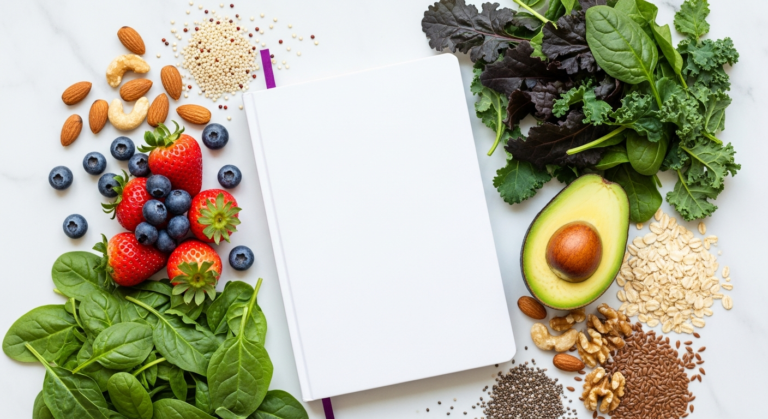
- Complex Carbohydrates: Opt for whole grains like oats, brown rice, quinoa, and whole-wheat bread. These provide a steady release of glucose, which helps stabilize blood sugar levels and can boost serotonin production, improving mood and reducing cravings.
- Lean Proteins: Include sources like chicken, turkey, fish, lentils, beans, and tofu. Protein is essential for hormone production and helps keep you feeling full and satisfied, preventing blood sugar crashes that can exacerbate mood swings.
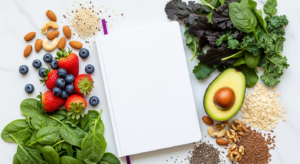
- Healthy Fats: Don’t shy away from healthy fats found in avocados, nuts, seeds (especially flax, chia, and pumpkin), and fatty fish like salmon. Omega-3 fatty acids, in particular, are powerful anti-inflammatory agents that can help reduce cramps, breast tenderness, and mood disturbances.
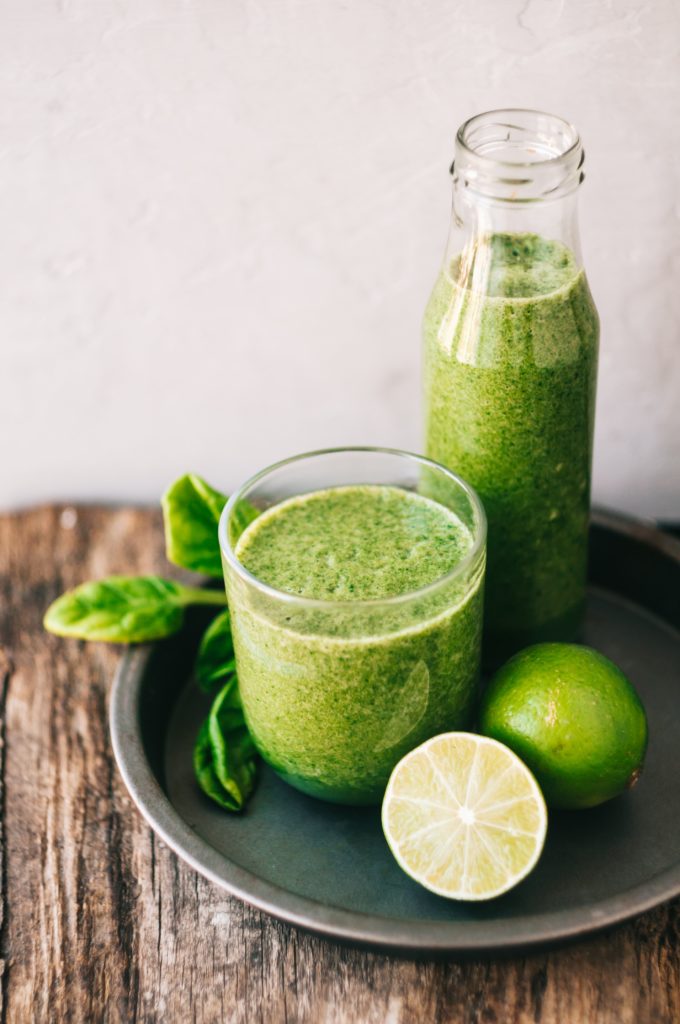
- Abundant Fruits and Vegetables: Aim for a rainbow of produce, especially dark leafy greens (spinach, kale), berries, and cruciferous vegetables (broccoli, cauliflower). These are packed with vitamins, minerals, and antioxidants that support liver detoxification (crucial for estrogen metabolism), reduce inflammation, and provide essential nutrients like magnesium, calcium, and B vitamins often deficient in women with PMS.
- Fiber-Rich Foods: Found in whole grains, fruits, vegetables, and legumes, fiber helps regulate digestion, which is key for eliminating excess hormones and preventing bloating and constipation.
Key Nutrients for PMS Relief:
- Magnesium: Often called “nature’s tranquilizer,” magnesium can help relax muscles, reduce anxiety, improve sleep, and ease headaches. Good sources include dark chocolate, leafy greens, nuts, seeds, and legumes.
- Calcium & Vitamin D: Research suggests that adequate calcium intake, especially when combined with vitamin D, can significantly reduce PMS symptoms like mood swings, bloating, and fatigue. Dairy products, fortified plant milks, leafy greens, and sardines are good sources of calcium. Vitamin D can be obtained from sunlight exposure and fatty fish.
- Vitamin B6: This B vitamin is a cofactor in the synthesis of neurotransmitters like serotonin and dopamine, which are crucial for mood regulation. It can help reduce irritability, depression, and fatigue. Found in chicken, fish, potatoes, and bananas.
- Omega-3 Fatty Acids: As mentioned, these powerful anti-inflammatories found in fatty fish, flaxseeds, and walnuts can alleviate pain and mood symptoms.
What to Limit or Avoid:
- Processed Foods and Refined Sugars: These cause rapid spikes and crashes in blood sugar, leading to irritability, fatigue, and intense cravings.
- Excess Caffeine: While a morning coffee might be a ritual, excessive caffeine can worsen anxiety, breast tenderness, and sleep disturbances, especially in the luteal phase.
- Alcohol: Alcohol can disrupt sleep, dehydrate you, and interfere with liver function, hindering its ability to process hormones effectively. It can also exacerbate mood swings.

- High Sodium Foods: Excessive salt intake contributes to fluid retention and bloating.
Focus on creating a balanced, nutrient-dense diet throughout your entire cycle, paying particular attention to these guidelines in the week or two before your period. Small, consistent changes can lead to significant improvements.
Move Your Body, Uplift Your Mood: Exercise as Medicine
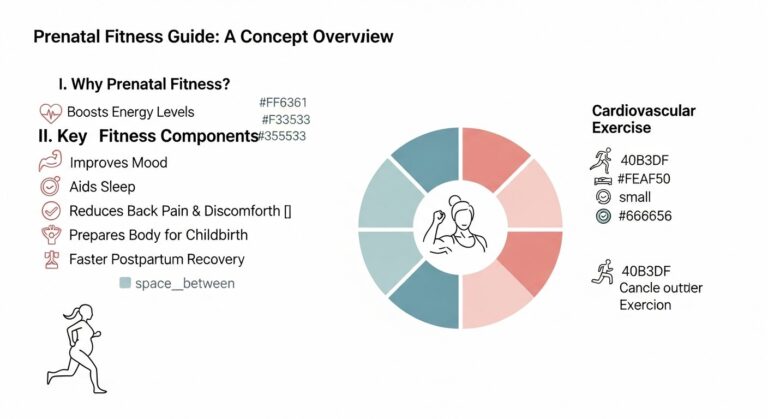
When you’re battling fatigue, cramps, and a general sense of unease, the last thing you might feel like doing is exercising. However, physical activity is one of the most potent natural remedies for PMS, offering a wealth of benefits for both your physical and mental well-being. The key is finding movement that feels good for your body and integrating it consistently into your routine, especially during the luteal phase.
How Exercise Helps:
- Endorphin Release: Exercise is a natural mood booster. Physical activity stimulates the release of endorphins, which are natural painkillers and mood elevators. This can significantly reduce feelings of depression, anxiety, and irritability often associated with PMS.
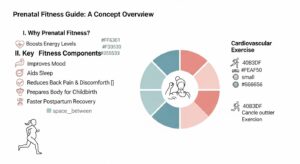
- Stress Reduction: Movement is an excellent stress reliever. It helps to burn off excess adrenaline and cortisol, the stress hormones that can exacerbate PMS symptoms. Engaging in physical activity provides a healthy outlet for pent-up tension.
- Improved Blood Flow: Regular exercise enhances circulation, which can help alleviate common physical symptoms like bloating, fluid retention, and even cramps by promoting better blood flow to the pelvic area.
- Better Sleep: Consistent physical activity can improve sleep quality, helping you fall asleep faster and enjoy deeper, more restorative sleep. Given that insomnia or disrupted sleep is a common PMS complaint, this is a significant benefit.
- Hormonal Balance: While the direct mechanism is still being researched, regular exercise is believed to support overall hormonal balance and can influence the metabolism of estrogen, helping to reduce the impact of hormonal fluctuations.
Actionable Tips for Incorporating Movement:
- Aim for Consistency, Not Intensity: The recommendation is generally at least 30 minutes of moderate-intensity exercise most days of the week. This doesn’t mean grueling workouts; it means getting your heart rate up and breaking a light sweat.
- Mix It Up: Incorporate a variety of exercises:
- Aerobic Exercise: Brisk walking, jogging, swimming, cycling, dancing. These are excellent for cardiovascular health and mood elevation.
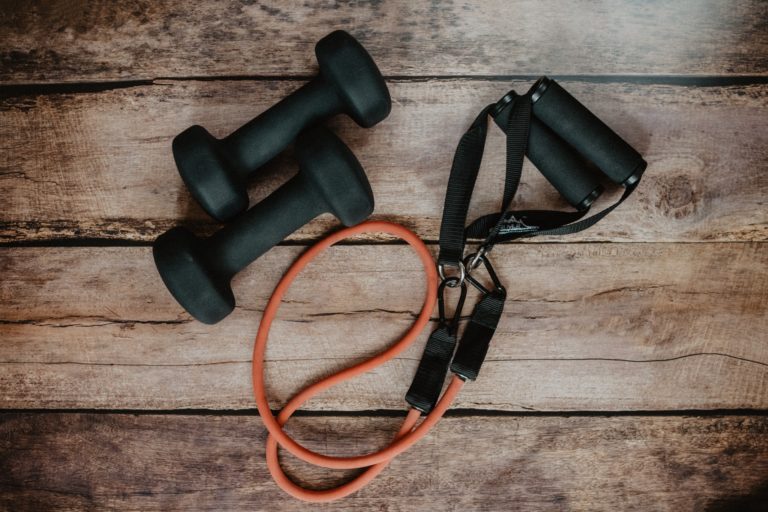
- Strength Training: Using weights, resistance bands, or bodyweight exercises can build muscle, improve metabolism, and support bone health.
- Flexibility and Mind-Body Practices: Yoga, Pilates, and stretching are particularly beneficial during PMS. They help reduce muscle tension, improve flexibility, and incorporate breathwork that can calm the nervous system. Restorative yoga or gentle stretching can be especially soothing when you’re feeling low on energy.
- Listen to Your Body: On days when you feel particularly fatigued or achy, opt for gentler activities. A leisurely walk, gentle yoga, or stretching can still provide benefits without overexerting yourself. The goal is to move, not to push yourself to exhaustion.
- Make it Enjoyable: Find activities you genuinely like. This could be hiking in nature, dancing to your favorite music, joining a fitness class with friends, or playing a sport. When exercise is fun, you’re much more likely to stick with it.
- Schedule It: Treat your workouts like any other important appointment. Putting it in your calendar can increase adherence.
Remember, even a short burst of activity can make a difference. A 10-minute walk during your lunch break, taking the stairs instead of the elevator, or a few minutes of stretching in the morning can all contribute to better PMS management. The cumulative effect of regular movement is truly powerful.
Calm Your Mind, Ease Your Stress: The Mental-Emotional Connection
The intricate connection between our minds and bodies is never more apparent than during the premenstrual phase. Stress, anxiety, and emotional tension can significantly amplify PMS symptoms, creating a vicious cycle where symptoms worsen stress, and stress, in turn, worsens symptoms. Learning to effectively manage stress and cultivate emotional resilience is a cornerstone of natural PMS relief.
The Stress-PMS Connection:
When we’re stressed, our bodies release cortisol, the “fight or flight” hormone. Chronic stress leads to chronically elevated cortisol, which can interfere with the delicate balance of sex hormones, particularly progesterone. This can exacerbate mood swings, anxiety, and physical discomfort. Moreover, stress depletes essential nutrients like magnesium and B vitamins, which are vital for mood regulation.
Practical Strategies for Stress Management and Emotional Well-being:
- Mindfulness and Meditation: These practices train your mind to stay present and observe thoughts and feelings without judgment. Even a few minutes of daily meditation can reduce anxiety, improve mood, and foster a sense of calm. There are many guided meditation apps (e.g., Calm, Headspace) that can make getting started easy.
- Deep Breathing Exercises: Simple yet incredibly powerful, conscious deep breathing (diaphragmatic breathing) activates the parasympathetic nervous system, signaling your body to relax. When you feel overwhelmed, try inhaling slowly for a count of four, holding for seven, and exhaling for eight. Repeat several times.
- Journaling: Writing down your thoughts and feelings can be a therapeutic way to process emotions, identify triggers, and gain perspective. It can help you acknowledge and release frustrations rather than letting them fester internally. Track your symptoms alongside your emotional state to identify patterns.
- Prioritize Sleep: Quality sleep is non-negotiable for hormonal balance and emotional regulation. Aim for 7-9 hours of restorative sleep per night. Establish a consistent sleep schedule, create a relaxing bedtime routine (warm bath, reading, gentle stretching), and ensure your bedroom is dark, quiet, and cool. Avoid screens before bed.
- Connect with Nature: Spending time outdoors, whether it’s a walk in the park, gardening, or simply sitting in a natural setting, has been shown to reduce stress, improve mood, and lower blood pressure.
- Social Connection and Support: Don’t underestimate the power of human connection. Talking to trusted friends, family, or a support group about your experiences can reduce feelings of isolation and provide emotional comfort.
- Set Boundaries: Learn to say no to commitments that overextend you. Protecting your time and energy, especially during your luteal phase, is a vital act of self-care.
- Engage in Hobbies and Creative Outlets: Dedicate time to activities you enjoy – painting, playing music, reading, crafting. These can provide a much-needed mental break and a sense of accomplishment.
- Consider Professional Support: If anxiety, depression, or stress feel overwhelming and unmanageable, don’t hesitate to seek support from a therapist or counselor. Cognitive Behavioral Therapy (CBT) can be particularly effective in helping manage emotional symptoms of PMS and PMDD.
By actively integrating these mind-body practices into your daily life, you can build resilience against stress and create a more tranquil internal environment, significantly easing the emotional burden of PMS.
Herbal Allies and Supplements: Nature’s Pharmacy
While diet and lifestyle form the foundation of natural PMS management, certain herbs and nutritional supplements can offer targeted support, helping to fill nutritional gaps and regulate physiological processes. It’s crucial to approach supplements with an informed perspective, recognizing that while many have a long history of traditional use and some scientific backing, they are not one-size-fits-all solutions. Always consult with a healthcare professional before starting any new supplement regimen, especially if you have underlying health conditions or are taking medications.
Key Supplements and Herbal Remedies for PMS:
- Chasteberry (Vitex agnus-castus): This is perhaps one of the most well-researched and widely used herbal remedies for PMS. Vitex is thought to work by influencing the pituitary gland, which in turn affects the balance of estrogen and progesterone, specifically by increasing progesterone and reducing prolactin. It’s often recommended for symptoms like breast tenderness, mood swings, irritability, headaches, and bloating. Effects may take 2-3 cycles to become noticeable.
- Magnesium: As mentioned in the diet section, magnesium is a powerhouse mineral often deficient in women with PMS. Supplementation (typically 200-400mg daily of a well-absorbed form like magnesium glycinate or citrate) can significantly reduce anxiety, muscle cramps, headaches, and improve sleep quality. Some studies suggest it’s particularly effective when combined with Vitamin B6.
- Vitamin B6 (Pyridoxine): This vitamin plays a crucial role in neurotransmitter synthesis (serotonin, dopamine) and hormone metabolism. Supplementation (50-100mg daily) can help alleviate mood swings, irritability, and fatigue. Ensure you don’t exceed safe upper limits, as very high doses can lead to nerve damage.
- Calcium & Vitamin D: A deficiency in these two nutrients is linked to more severe PMS symptoms. Supplementing with 1000-1200mg of calcium (preferably from diet) and 600-1000 IU (or more, based on blood levels) of Vitamin D daily can reduce a wide range of PMS symptoms, including mood changes, bloating, and fatigue.
- Omega-3 Fatty Acids (EPA/DHA): Found in fish oil supplements (or algal oil for vegans), omega-3s are potent anti-inflammatory agents. They can help reduce pain from cramps, breast tenderness, and improve mood by supporting brain health. Aim for a supplement with at least 1000mg of combined EPA and DHA daily.
- Evening Primrose Oil (EPO): Rich in gamma-linolenic acid (GLA), a type of omega-6 fatty acid, EPO has been traditionally used for breast pain and tenderness associated with PMS. Some research supports its efficacy, though results are mixed. It’s thought to reduce sensitivity to prolactin.
- St. John’s Wort: While primarily known as an herbal antidepressant, St. John’s Wort can be helpful for the emotional symptoms of PMS, particularly mild to moderate depression and anxiety. It interacts with many medications, including birth control pills and antidepressants, so strict medical supervision is essential.
- Rhodiola Rosea: An adaptogenic herb, Rhodiola helps the body adapt to stress and can improve energy, focus, and mood. It may be beneficial for PMS-related fatigue and stress, but more research is needed specifically for PMS.
Important Considerations:
- Quality Matters: Choose high-quality supplements from reputable brands that undergo third-party testing.
- Consistency: Many supplements and herbs, especially Chasteberry, require consistent use over several cycles to show significant effects.
- Individual Response: What works for one person may not work for another. It may take some experimentation to find the right combination for you.
- Professional Guidance: Always discuss your supplement plans with a doctor or a qualified integrative health practitioner. They can help identify potential interactions, appropriate dosages, and ensure the supplements are right for your individual health needs.
By thoughtfully integrating these natural allies, you can provide your body with additional support to navigate the hormonal shifts of your cycle more smoothly.
Lifestyle Adjustments for a Smoother Cycle
Beyond specific dietary changes, exercise, stress management, and supplements, several broader lifestyle adjustments can significantly contribute to a more harmonious premenstrual phase. These practices emphasize awareness, self-care, and minimizing exposure to factors that can disrupt hormonal balance.
1. Cycle Tracking and Awareness:
Understanding your unique cycle is perhaps one of the most empowering tools for managing PMS. Use a period tracking app or a simple journal to record:
- The start and end dates of your period.
- Daily emotional and physical symptoms (e.g., mood, energy levels, bloating, breast tenderness, headaches).
- Lifestyle factors (e.g., sleep quality, stress levels, exercise, significant dietary changes).
Over a few cycles, you’ll begin to identify patterns: when your symptoms typically start, which ones are most prominent, and what might trigger them or offer relief. This awareness allows you to anticipate challenging days and proactively implement your management strategies.
2. Prioritize Self-Care During the Luteal Phase:
Once you’ve identified your “PMS window,” lean into enhanced self-care during this time. This isn’t indulgence; it’s a necessity. This might mean:
- Scheduling Downtime: Avoid over-scheduling commitments. Give yourself permission to say no to extra social engagements or work tasks if you’re feeling drained.
- Nourishing Rituals: Take a warm bath with Epsom salts (magnesium absorption!), engage in gentle stretching, read a comforting book, or listen to calming music.
- Comfort Foods (the healthy kind): Prepare nourishing, easy-to-digest meals that support your body without causing further discomfort.
- Emotional Support: Reach out to a trusted friend or partner, or simply allow yourself to feel your emotions without judgment.
3. Reduce Exposure to Endocrine Disruptors:
Our environment is full of chemicals that can mimic or interfere with our natural hormones, known as endocrine-disrupting chemicals (EDCs). These can potentially exacerbate hormonal imbalances associated with PMS. While complete avoidance is difficult, you can reduce exposure by:
- Choosing Glass or Stainless Steel: Opt for these materials over plastic for food and beverage storage to avoid BPA and phthalates.
- Using Natural Personal Care Products: Look for products free from parabens, phthalates, and synthetic fragrances.
- Eating Organic: Where possible, choose organic fruits and vegetables to reduce pesticide exposure.
- Filtering Your Water: Invest in a good water filter to remove contaminants.
4. Acupuncture and Massage Therapy:
These complementary therapies can be highly effective for many women seeking natural PMS relief:
- Acupuncture: This ancient Chinese practice involves inserting thin needles into specific points on the body. It’s believed to help balance energy flow (Qi), reduce inflammation, alleviate pain, and regulate hormones. Many women report significant reductions in cramps, headaches, and mood symptoms with regular acupuncture sessions.
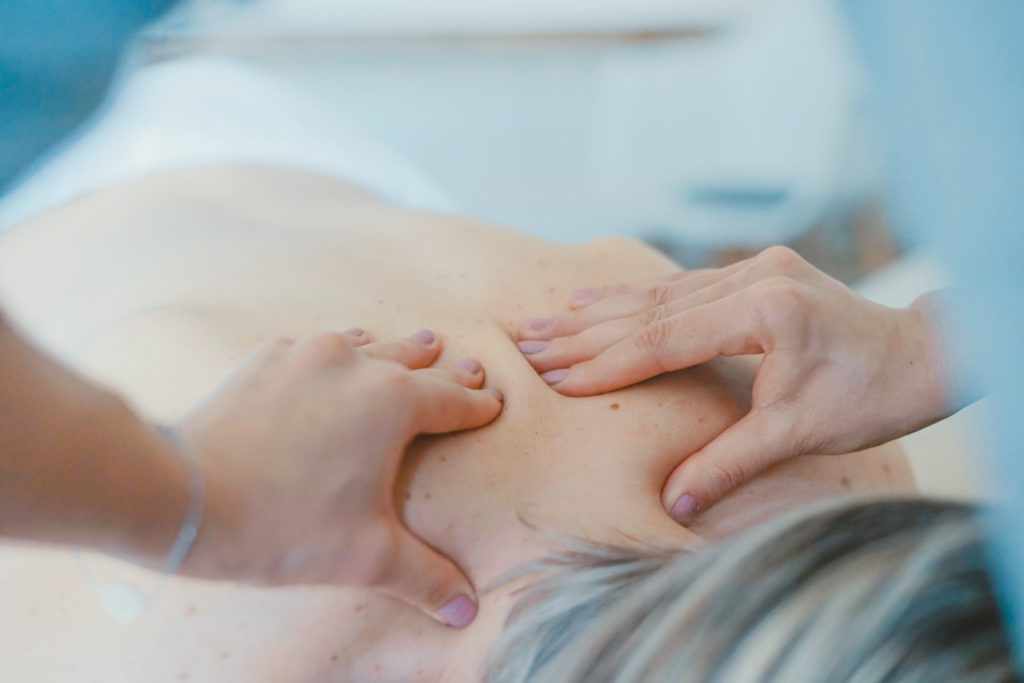
- Massage Therapy: A therapeutic massage can relax tense muscles, improve circulation, and reduce stress hormones. Abdominal massage can be particularly helpful for bloating and cramps, while a full-body massage can ease overall tension and improve well-being.
5. Herbal Teas for Symptom Relief:
Beyond supplements, certain herbal teas can offer gentle, supportive relief:
- Chamomile: Known for its calming properties, great for anxiety and promoting sleep.
- Ginger: A powerful anti-inflammatory, excellent for easing nausea and cramps.
- Peppermint: Can help soothe digestive discomfort like bloating and gas.
- Raspberry Leaf: Often called “the woman’s herb,” it’s traditionally used to tone the uterus and may help with cramps.
By integrating these thoughtful lifestyle adjustments, you create a more holistic environment that supports your body’s natural rhythms and resilience, making your premenstrual journey a much smoother one.
FAQ: Your PMS Questions Answered
Navigating PMS can bring up many questions. Here are answers to some of the most common ones, grounded in evidence and designed to empower you on your journey.
Q1: When should I see a doctor for my PMS symptoms?
A: While many women experience mild to moderate PMS, it’s time to consult a healthcare professional if your symptoms are severe enough to disrupt your daily life, relationships, or work. This includes intense mood swings, debilitating pain, or feelings of hopelessness and depression. You should also seek medical advice if your symptoms don’t improve with lifestyle changes, or if you suspect you might have Premenstrual Dysphoric Disorder (PMDD), which is a more severe form requiring specific medical management. A doctor can rule out other conditions, provide an accurate diagnosis, and discuss all available treatment options, both natural and conventional.
Q2: Is PMDD different from PMS? How can I tell?
A: Yes, PMDD (Premenstrual Dysphoric Disorder) is a distinct and more severe condition than PMS. While they share many symptoms, PMDD is characterized by at least five specific symptoms, with at least one being a significant mood symptom (like severe irritability, anxiety, or depression) that are present in the week before menstruation and resolve within a few days of your period starting. These symptoms are so intense that they significantly interfere with daily functioning, relationships, or work. PMS can be uncomfortable, but PMDD is truly debilitating. If you suspect PMDD, it’s crucial to track your symptoms meticulously for a couple of cycles and discuss them with a healthcare provider who can provide a diagnosis and recommend appropriate treatment, which often includes medication like SSRIs alongside lifestyle interventions.
Q3: How long does it take for natural remedies to work for PMS?
A: The timeline for seeing results from natural remedies can vary significantly depending on the individual, the severity of symptoms, and the specific intervention. Dietary changes and regular exercise can start to show subtle improvements within a few weeks to a couple of months. For herbal supplements like Chasteberry (Vitex), it’s common to need 2-3 menstrual cycles (or even up to 6 cycles) of consistent use before experiencing their full benefits. Magnesium and B vitamins might offer quicker relief for some symptoms like anxiety or cramps. Consistency is key, and it’s important to be patient and give these natural approaches enough time to make a difference. Tracking your symptoms can help you identify gradual improvements.
Q4: Can birth control pills help with PMS naturally?
A: Birth control pills are a common and effective conventional treatment for PMS, but they do not manage PMS “naturally” in the same way that diet, lifestyle, and herbal remedies do. Oral contraceptives work by suppressing your natural hormonal fluctuations, essentially overriding your body’s natural cycle with synthetic hormones. While this can alleviate symptoms for many by creating a more stable hormonal environment, it doesn’t address potential underlying nutritional deficiencies, stress levels, or inflammatory processes. They can be a valid and necessary option for some women, but it’s important to understand how they work and to discuss all pros and cons with your doctor, including potential side effects.
Q5: Are there any foods that specifically make PMS worse?
A: Yes, certain foods and dietary patterns are commonly associated with worsening PMS symptoms due to their impact on blood sugar, inflammation, and hormonal balance. The primary culprits include:
- Refined Sugars and Simple Carbohydrates: Found in sweets, pastries, white bread, and sugary drinks, these cause rapid blood sugar spikes and crashes, leading to mood swings, irritability, and fatigue.
- Excessive Caffeine: Can heighten anxiety, nervousness, breast tenderness, and disrupt sleep.
- High Sodium Foods: Processed snacks, canned goods, and fast food contribute to fluid retention and bloating.
- Alcohol: Can disrupt sleep, dehydrate you, and interfere with liver function, which is crucial for hormone metabolism. It can also worsen mood and headaches.
- Trans Fats and Saturated Fats: Found in fried foods, processed snacks, and some animal products, these can promote inflammation, which exacerbates pain and discomfort.
Limiting these foods, especially in the luteal phase, can make a noticeable difference in your PMS experience.
Conclusion: Empowering Your Journey to a Smoother Cycle
Living with PMS doesn’t have to mean enduring a fortnightly battle against your own body. As we’ve explored, managing PMS symptoms naturally is a holistic journey that involves understanding your unique physiology and proactively implementing strategies that support your body’s delicate balance. It’s about recognizing the profound connection between what you eat, how you move, how you manage stress, and your overall well-being.
The path to a smoother cycle is not about perfection, but about consistent, mindful effort. It’s about making informed choices that nourish your body from the inside out, calm your mind, and honor your natural rhythms. Remember that every woman’s experience with PMS is unique, and what works best for one may differ for another. Be patient with yourself, listen to your body, and don’t be afraid to experiment with different approaches to discover what truly brings you relief.
By embracing these evidence-based natural strategies – from a nutrient-dense diet and regular movement to stress reduction techniques and targeted supplements – you can move beyond simply coping with PMS. You can empower yourself to navigate your entire menstrual cycle with greater comfort, emotional stability, and vitality. Reclaim your cycle, embrace your feminine health, and live your fullest life, every single day of the month.
“`json
{
“@context”: “https://schema.org”,
“@graph”: [
{
“@type”: “Article”,
“mainEntityOfPage”: {
“@type”: “WebPage”,
“@id”: “https://veralynmedia.com/managing-pms-naturally”
},
“headline”: “Reclaiming Your Cycle: A Comprehensive Guide to Managing PMS Symptoms Naturally”,
“description”: “Discover natural, evidence-based strategies to manage PMS symptoms effectively. Reclaim your cycle with diet, exercise, stress relief, and targeted supplements.”,
“image”: [
“https://veralynmedia.com/images/pms-natural-relief-hero.jpg”,
“https://veralynmedia.com/images/pms-diet-exercise.jpg”,
“