The Unbreakable Link: How Exercise Boosts Both Body and Mind
The human body is an intricate marvel, designed for movement. When we engage in regular physical activity, we trigger a cascade of beneficial physiological and psychological responses that profoundly impact our well-being. This isn’t just about sculpting a stronger physique; it’s about nurturing a sharper mind, a calmer spirit, and a more resilient self. The connection between physical activity and mental health is not merely anecdotal; it’s deeply rooted in neuroscience and endocrinology.
From a physiological standpoint, daily exercise acts as a potent elixir for our internal systems. Cardiovascular exercise, for instance, strengthens the heart and lungs, improving blood circulation and oxygen delivery to every cell in your body, including your brain. This enhanced circulation not only boosts energy levels and stamina but also supports cognitive function, making you feel more alert and focused throughout your day. Resistance training, on the other hand, builds and maintains muscle mass, which is crucial for metabolism, bone density, and preventing age-related decline. Stronger muscles mean better balance, reduced risk of falls, and the ability to perform daily tasks with greater ease and independence. Flexibility and balance exercises, like yoga or Pilates, improve range of motion, reduce stiffness, and enhance proprioception – your body’s awareness in space – which is vital for preventing injuries.

The mental health benefits are equally compelling. When you exercise, your body releases endorphins, often dubbed “feel-good” hormones, which naturally elevate your mood and act as powerful stress and pain reducers. Beyond endorphins, exercise also stimulates the production of other crucial neurotransmitters like serotonin, dopamine, and norepinephrine, all of which play significant roles in regulating mood, motivation, and cognitive function. Regular physical activity can be as effective as medication for some individuals in managing symptoms of mild to moderate depression and anxiety. It provides a healthy outlet for pent-up stress, reduces cortisol levels (the body’s primary stress hormone), and helps to break the cycle of negative thoughts that often accompany mental health challenges.
Moreover, exercise offers a unique opportunity for mindfulness and self-care. Whether you’re focused on your breath during a yoga pose, the rhythm of your steps on a walk, or the effort required to lift weights, movement can draw you into the present moment, offering a respite from worries and ruminations. This mental break can lead to improved sleep quality, as physical exertion helps regulate your sleep-wake cycle, making it easier to fall asleep and experience more restorative rest. Better sleep, in turn, enhances mood, concentration, and overall resilience.
In essence, daily exercise is a powerful, natural therapy that addresses the holistic well-being of a woman. It’s an investment that pays dividends across every facet of life, strengthening your body, calming your mind, and empowering you to navigate life’s challenges with greater vigor and grace.
Morning Rituals for a Vibrant Day: Starting Strong

The way you begin your day often sets the tone for the hours that follow. Incorporating a morning exercise ritual, no matter how brief, can significantly impact your energy levels, mental clarity, and overall mood. It’s an empowering act of self-care that signals to your body and mind that you are ready to embrace the day with intention and vitality.
One of the most gentle yet effective ways to start your morning is with a session of mindful stretching or a short yoga flow. These practices focus on lengthening muscles, increasing flexibility, and improving circulation after hours of sleep. Simple stretches like cat-cow, downward dog, child’s pose, or even just reaching for the sky and touching your toes can awaken your body. Yoga, with its emphasis on breathwork and mindful movement, not only mobilizes your joints but also calms your nervous system, fostering a sense of inner peace before the day’s demands begin. Even 10-15 minutes of these movements can make a profound difference, reducing morning stiffness and promoting a feeling of openness and readiness.
For those who prefer a more invigorating start, a brisk walk or a light jog outdoors can be incredibly beneficial. Stepping outside in the morning sunlight not only provides a natural boost of Vitamin D but also helps regulate your circadian rhythm, signaling to your body that it’s time to be awake and alert. The fresh air and natural surroundings can be incredibly uplifting, offering a moment of quiet reflection or an opportunity to mentally plan your day. If you live in a bustling area, even a walk around your block can provide valuable movement and a mental reset. The rhythmic motion of walking can be meditative, clearing your mind and enhancing your focus for the tasks ahead.
Another excellent option is a quick burst of bodyweight exercises. Think about a circuit of squats, lunges, push-ups (on your knees or against a wall), and planks. Performing 2-3 rounds of these exercises can elevate your heart rate, activate major muscle groups, and kickstart your metabolism, all in under 20 minutes. This type of high-intensity, short-duration workout is perfect for busy mornings when time is a precious commodity, providing a significant physical and mental boost without requiring extensive equipment or travel to a gym.
To make morning exercise a consistent habit, preparation is key. Lay out your workout clothes the night before, prepare your water bottle, and have a designated space, even if it’s just a clear spot in your living room. Consider waking up 15-30 minutes earlier than usual to carve out this dedicated time for yourself. The initial adjustment might be challenging, but the long-term benefits – sustained energy, improved mood, and enhanced mental clarity – are well worth the effort. By consciously choosing to move your body in the morning, you’re not just exercising; you’re cultivating a powerful ritual that sets a positive and productive tone for the entire day, empowering you to tackle whatever comes your way with renewed vigor.
Midday Movement: Breaking the Sedentary Cycle
The beauty of midday movement is that it doesn’t require a full-blown workout; even short bursts of activity can make a significant difference. One of the simplest and most effective strategies is to take regular walking breaks. Instead of eating lunch at your desk, step outside for 15-20 minutes. A brisk walk can improve circulation, clear your head, and provide a much-needed change of scenery. If you’re working from home and perhaps contemplating a few home renovation dos and donts, consider integrating these active breaks into your project schedule. Instead of sitting for hours planning, take a walk to a local hardware store, or simply step outside for a few laps around your yard to refresh your perspective before diving back into design choices or budget planning. Even a few minutes of walking every hour can break up prolonged sitting and keep your body feeling more vibrant.
Stair climbing is another excellent way to incorporate movement into your midday routine, especially if you work in a multi-story building. Opt for the stairs instead of the elevator whenever possible. Even climbing a few flights can elevate your heart rate, strengthen your legs, and provide a quick energy boost. If you’re at home, consider doing a few rounds of up and down your stairs as a quick cardio burst.
Desk stretches are invaluable for those times when you can’t leave your workspace. Simple neck rolls, shoulder shrugs, arm circles, wrist stretches, and gentle back twists can relieve tension that accumulates from prolonged sitting. You can also incorporate discreet exercises like calf raises while standing, or glute squeezes while seated. These micro-movements might seem insignificant, but collectively they prevent muscle stiffness, improve blood flow, and reduce discomfort.
For a more dynamic midday refresh, consider a quick bodyweight circuit. This could involve 5-10 minutes of squats, lunges, wall push-ups, and planks. These exercises can be done in a small space, require no equipment, and are highly effective at activating major muscle groups, boosting metabolism, and re-energizing your system. The mental break and physical exertion can significantly improve focus and productivity for the remainder of your workday, combating the dreaded midday slump.
The key is consistency and intentionality. Set a reminder on your phone to get up and move every hour. Make it a habit to take the furthest parking spot, walk an extra block, or stand during phone calls. These small shifts in your daily routine accumulate over time, transforming a sedentary day into one punctuated by invigorating bursts of activity. By consciously breaking the sedentary cycle with midday movement, you’re not just improving your physical health; you’re also sharpening your mental faculties, reducing stress, and fostering a greater sense of overall well-being, empowering you to maintain peak performance throughout your day.
Evening Wind-Down: Preparing for Restorative Sleep

Just as morning movement can set a positive tone for the day, evening exercise plays a crucial role in preparing your body and mind for restorative sleep. While vigorous workouts are best avoided close to bedtime due to their stimulating effects, gentle, calming movements can significantly enhance the quality of your rest, easing tension and promoting a sense of tranquility.
Restorative yoga and gentle stretching are excellent choices for an evening wind-down routine. These practices focus on long holds, deep breathing, and passive stretches that encourage relaxation throughout the body. Poses like child’s pose, legs-up-the-wall, supine twists, or a simple forward fold can release tension in the hips, back, and shoulders, areas where stress often accumulates. The emphasis on slow, controlled breathing during these movements also helps to activate the parasympathetic nervous system, signaling to your body that it’s time to rest and digest. Even 15-20 minutes of these gentle movements can melt away the day’s stresses, making it easier to transition into a peaceful night’s sleep.
Mindful breathing exercises, without any physical movement, can also be incredibly powerful. Techniques like diaphragmatic breathing (belly breathing) or the 4-7-8 breathing technique (inhale for 4, hold for 7, exhale for 8) can slow your heart rate, reduce anxiety, and quiet a racing mind. Practicing these while lying in bed or sitting comfortably before sleep can be a game-changer for those who struggle with falling asleep due to an overactive mind.
A short, leisurely walk after dinner is another wonderful way to promote relaxation and aid digestion. This isn’t about breaking a sweat; it’s about a gentle stroll that allows you to clear your head, enjoy the evening air, and signal to your body that the active part of the day is winding down. The rhythmic motion can be calming, and the fresh air can be surprisingly refreshing. For women who might be adjusting to retirement from handling finances to staying on top of your health, this evening walk can become a cherished ritual, providing a peaceful transition from the day’s activities to a restful night, fostering both physical and mental well-being in this new life chapter.
The key is to create a routine that feels calming and enjoyable to you. Dim the lights, put on some soft music, or light a candle to create a serene atmosphere. Avoid bright screens (phones, tablets, computers) for at least an hour before bed, as the blue light can interfere with melatonin production, the hormone that regulates sleep. Instead, dedicate this time to your gentle evening movement, perhaps followed by reading a book or journaling. By consciously preparing your body and mind for sleep through gentle exercise and mindful practices, you’re investing in deeper, more restorative rest, which is fundamental for overall health, energy, and emotional balance. This intentional wind-down ensures that your sleep truly recharges you, allowing you to wake up feeling refreshed and ready to embrace a new day with renewed vitality.
Beyond the Basics: Tailoring Exercise to Your Life Stage and Goals
The beauty of daily exercise lies in its adaptability. What works for a bustling professional might not suit a woman enjoying her retirement, and what invigorates a young mother might differ from someone planning a major home renovation. Understanding how to tailor your exercise routine to your specific life stage, goals, and circumstances is crucial for long-term adherence and maximum benefit. This personalized approach ensures that exercise remains an empowering and sustainable part of your life, rather than a burden.
For Busy Professionals and Mothers
When time is a luxury, efficiency is paramount. For busy professionals juggling career demands or mothers navigating the beautiful chaos of family life, integrating exercise might seem daunting. However, it’s entirely possible to achieve significant benefits through strategic planning. High-Intensity Interval Training (HIIT) can be a game-changer. Short bursts of intense exercise followed by brief recovery periods can deliver cardiovascular and strength benefits comparable to longer, moderate workouts, all in just 20-30 minutes. Think burpees, jump squats, mountain climbers, and sprints. Micro-workouts, as discussed for midday movement, are also invaluable – 5-10 minute bursts of bodyweight exercises scattered throughout the day. Consider integrating movement into daily tasks: take the stairs, walk to errands, do squats while waiting for water to boil, or dance with your children. Every bit of movement counts and adds up to substantial health improvements over time.
For Women Approaching or In Retirement
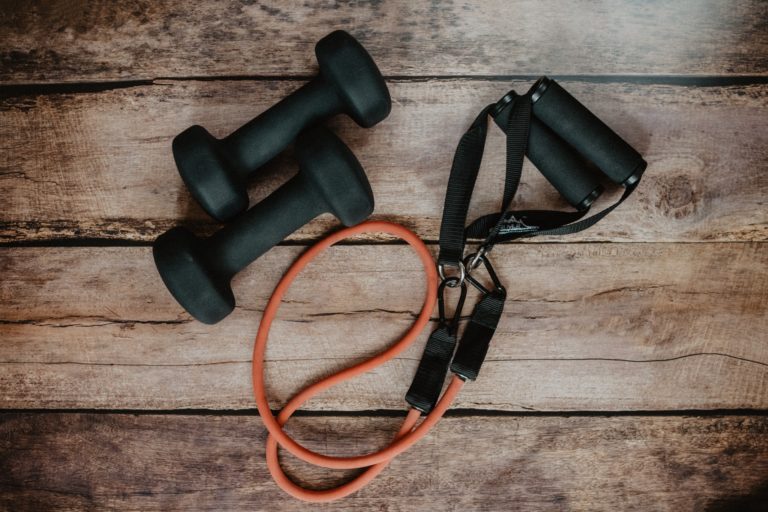
Retirement marks a significant life transition, offering newfound freedom and potentially more time for personal pursuits. For women adjusting to retirement, from handling finances to staying on top of your health, physical activity becomes even more critical for maintaining vitality, independence, and cognitive function. The focus often shifts towards preserving joint health, improving balance, maintaining muscle mass, and engaging in activities that offer social connection. Low-impact exercises like swimming, water aerobics, cycling, and brisk walking are excellent for cardiovascular health without stressing joints. Strength training using light weights or resistance bands is vital for preventing bone density loss and maintaining functional strength for daily activities. Balance exercises, such as standing on one leg or practicing Tai Chi, can significantly reduce the risk of falls. Group fitness classes, like Zumba Gold or senior yoga, offer not only physical benefits but also a wonderful opportunity for social engagement, combating isolation and fostering a sense of community. This life stage is an ideal time to explore new hobbies that involve movement, such as gardening, hiking, or ballroom dancing, making fitness a joyful and integral part of your new routine.
For Travelers and Adventurers
Maintaining an exercise routine while traveling, especially on extended trips like a family RV road trip, requires flexibility and creativity. The key is to embrace the environment and make movement part of the adventure. Instead of seeking out a gym, focus on exploring your surroundings actively. Hike national park trails, bike along scenic routes, swim in lakes or oceans, or simply take long walks through new cities. Bodyweight exercises are perfect for travel, as they require no equipment and can be done anywhere – in your RV, a hotel room, or even a scenic overlook. Pack resistance bands or a jump rope for added versatility. When planning your tips for taking a family RV road trip, include active stops in your itinerary; look for playgrounds, bike paths, or nature walks. Make it a family affair, encouraging everyone to move and explore together. Even simple stretches during rest stops can help prevent stiffness from long periods of sitting. The goal isn’t perfection, but rather consistent effort to keep your body moving and energized, allowing you to fully enjoy your adventures.
For Home Enthusiasts and Renovators
If you’re deeply involved in home projects, perhaps contemplating home renovation dos and donts, you might find that the physical demands of renovation itself provide a good workout! Lifting, carrying, painting, and cleaning are all forms of physical activity. However, it’s also important to supplement this with structured exercise to ensure balanced muscle development and prevent injury. If you’re designing your ideal living space, consider creating a dedicated workout corner or even a small home gym. This could be a serene yoga space in a spare room, a wall-mounted pull-up bar, or simply enough clear floor space for a mat and some dumbbells. Thinking about the functionality of your home can extend to your fitness needs. A well-designed, inspiring workout area can be a powerful motivator. Just as you plan for functionality in your kitchen or comfort in your living room, plan for your fitness space. Remember to take active breaks during intense renovation periods, as discussed earlier, to prevent fatigue and maintain focus.


Regardless of your current life stage or goals, the overarching principle remains: listen to your body, find activities you genuinely enjoy, and be willing to adapt. Your fitness journey is dynamic, and what serves you best will evolve over time. By consciously tailoring your exercise routine, you empower yourself to consistently reap the profound mental and physical benefits of daily movement, ensuring your well-being remains a top priority for a fulfilling life in 2026 and beyond.

Fueling Your Fitness Journey: Nutrition, Hydration, and Mindset
While daily exercise is a cornerstone of mental and physical health, its effectiveness is greatly amplified when supported by optimal nutrition, consistent hydration, and a positive mindset. These three pillars work synergistically to create a holistic foundation for wellness, ensuring your body has the energy, resources, and mental fortitude to thrive.
Nutrition: The Fuel for Your Body and Brain
Think of your body as a high-performance vehicle; it needs the right kind of fuel to run efficiently and effectively. A balanced diet, rich in whole, unprocessed foods, is crucial for supporting your exercise routine and overall health.
- Complex Carbohydrates: These are your primary energy source. Opt for whole grains like oats, brown rice, quinoa, and whole-wheat bread, as well as starchy vegetables like sweet potatoes. They provide sustained energy release, preventing energy crashes during your workouts and throughout the day.
- Lean Proteins: Essential for muscle repair and growth, protein also helps with satiety and hormone production. Include sources like chicken, fish, lean beef, eggs, legumes, tofu, and Greek yogurt in your meals. Distribute protein intake throughout the day to maximize muscle synthesis.
- Healthy Fats: Crucial for hormone balance, nutrient absorption, and providing a secondary energy source, healthy fats are non-negotiable. Avocados, nuts, seeds, olive oil, and fatty fish (like salmon) are excellent choices. They also contribute to brain health and reduce inflammation.
- Fruits and Vegetables: Abundant in vitamins, minerals, antioxidants, and fiber, these powerhouses protect your cells from damage, support immune function, and aid digestion. Aim for a variety of colors to ensure a broad spectrum of nutrients.
Pay particular attention to your pre- and post-workout nutrition. A light snack with carbohydrates and a little protein an hour or two before exercise can provide the necessary energy. After your workout, consuming a combination of protein and carbohydrates helps replenish glycogen stores and initiate muscle repair, optimizing recovery.
Hydration: The Elixir of Life
Water is often overlooked but is absolutely fundamental to every bodily function, especially when you’re physically active. Even mild dehydration can impair physical performance, reduce cognitive function, and lead to fatigue and headaches.
- Drink Consistently: Don’t wait until you’re thirsty; thirst is already a sign of dehydration. Sip water throughout the day.
- Before, During, and After Exercise: Increase your water intake before and during your workouts. After exercise, continue to rehydrate to replenish fluids lost through sweat.
- Listen to Your Body: Factors like climate, activity level, and individual metabolism influence your hydration needs. Aim for clear or pale yellow urine as an indicator of adequate hydration.
- Electrolytes: For longer or more intense workouts, especially in hot weather, consider adding electrolytes to your water or consuming electrolyte-rich foods to replace minerals lost through sweat.
Proper hydration ensures efficient nutrient transport, temperature regulation, joint lubrication, and optimal organ function, all of which are critical for sustained energy and performance.
Mindset: Cultivating a Positive Inner Landscape
Your mental approach to exercise and wellness is just as important as your physical actions. A positive and resilient mindset can transform challenges into opportunities and setbacks into learning experiences.
- Set Realistic Goals: Instead of aiming for perfection, focus on consistency and progress. Celebrate small victories along the way.
- Practice Self-Compassion: There will be days when you lack motivation or miss a workout. Instead of self-criticism, offer yourself kindness and gentle encouragement to get back on track.
- Focus on the Benefits: Remind yourself why you started. Is it for more energy? Better sleep? Reduced stress? Connecting with these deeper motivations can fuel your adherence.
- Embrace Variety: Monotony can lead to burnout. Experiment with different types of exercise to keep things fresh and engaging.
- Positive Affirmations: Use empowering language. Instead of “I have to work out,” try “I choose to move my body because it makes me feel strong and energized.”
- Visualize Success: Imagine yourself achieving your fitness goals and experiencing the positive outcomes.
A strong, positive mindset helps you navigate plateaus, overcome obstacles, and maintain a long-term commitment to your well-being. By consciously fueling your body with nourishing foods and adequate hydration, and by cultivating a resilient and positive mindset, you create an unshakeable foundation for your fitness journey, empowering you to achieve sustained mental and physical health for years to come.
Making It Stick: Strategies for Long-Term Adherence
Starting an exercise routine is often the easy part; the real challenge lies in making it a sustainable, lifelong habit. For women navigating the various demands of life, consistency can be elusive. However, with the right strategies and a compassionate approach, daily exercise can become an ingrained and cherished part of your routine, delivering lasting mental and physical benefits. Here’s how to cultivate long-term adherence and ensure your fitness journey flourishes into 2026 and beyond.
1. Find Activities You Genuinely Enjoy
This is perhaps the most crucial factor for long-term adherence. If exercise feels like a chore, you’ll constantly struggle with motivation. Experiment with different activities until you discover what truly resonates with you. Do you love the rhythm of dancing? The tranquility of a nature walk? The challenge of strength training? The camaraderie of a team sport? Or perhaps the invigorating rush of a spin class? The world of fitness is vast and varied. Don’t be afraid to try new things and switch it up if something no longer sparks joy. Remember, the “best” exercise is the one you will actually do consistently.
2. Set SMART Goals
Goals provide direction and motivation. Ensure your goals are Specific, Measurable, Achievable, Relevant, and Time-bound. Instead of “I want to exercise more,” try “I will walk for 30 minutes, 5 days a week, for the next month.” Or “I will complete three 20-minute strength training sessions each week for the next six weeks.” SMART goals provide a clear roadmap and allow you to track your progress, which can be incredibly motivating.
3. Schedule Your Workouts
Treat your exercise time as a non-negotiable appointment with yourself. Block it out in your calendar, just as you would a work meeting or a family commitment. When you make it a priority, you’re less likely to let other demands crowd it out. Consistent scheduling helps to build a habit and makes exercise an anticipated part of your day rather than an afterthought.
4. Create a Supportive Environment
Surround yourself with influences that encourage your fitness journey. This could mean having a workout buddy, joining a fitness community, or simply sharing your goals with supportive friends and family. If you’re considering home renovation dos and donts, think about designing a space in your home that inspires movement – whether it’s a serene yoga nook or a corner with a few weights. Having your workout gear easily accessible and visible can also serve as a gentle reminder and reduce friction to starting.
5. Track Your Progress
Seeing how far you’ve come can be a powerful motivator. Use a journal, a fitness app, or even a simple calendar to log your workouts, duration, intensity, and how you felt. Tracking can highlight patterns, celebrate achievements, and provide valuable insights into what works best for your body and schedule. It’s also incredibly rewarding to look back and see the consistent effort you’ve put in.
6. Embrace Flexibility and Self-Compassion
Life happens. There will be days when you’re too busy, too tired, or simply not feeling it. Instead of viewing these as failures, practice self-compassion. A missed workout doesn’t derail your entire journey. Be flexible – if you can’t do your planned 45-minute run, opt for a 15-minute walk. If you’re on a family RV road trip, embrace active exploration instead of a structured gym routine. The goal is consistency over perfection. Get back on track as soon as you can, without guilt or self-reproach. This compassionate approach fosters resilience and prevents burnout.
7. Focus on How You Feel, Not Just How You Look
While aesthetic changes can be a motivator, shifting your focus to the intrinsic benefits of exercise – increased energy, improved mood, better sleep, reduced stress, enhanced cognitive function – can provide deeper, more sustainable motivation. These mental and physical improvements are often felt long before significant visual changes appear and are far more impactful on your overall quality of life. For women adjusting to retirement from handling finances to staying on top of your health, this focus on feeling good and maintaining functional independence can be a powerful anchor for consistent movement.
8. Reward Yourself (Non-Food Related)
Acknowledge your efforts and milestones with meaningful rewards. This could be new workout gear, a relaxing massage, a new book, or a weekend getaway. These rewards reinforce positive behavior and make the journey more enjoyable.
Making daily exercise a sustainable habit is a marathon, not a sprint. It requires patience, persistence, and a willingness to adapt. By implementing these strategies, you empower yourself to build a robust and enjoyable fitness routine that not only enhances your mental and physical health today but continues to support your vibrant life for many years to come.
Frequently Asked Questions About Daily Exercise
How much daily exercise is truly beneficial for mental and physical health?
For most healthy adults, the U.S. Department of Health and Human Services recommends at least 150 minutes of moderate-intensity aerobic activity or 75 minutes of vigorous-intensity aerobic activity per week, or an equivalent combination. Additionally, muscle-strengthening activities that work all major muscle groups are recommended at least two days a week. For maximum benefits, aim for at least 30 minutes of moderate-intensity activity most days of the week, broken into shorter segments if needed. However, even short bursts of movement (5-10 minutes) throughout the day are beneficial and contribute to your overall activity goals. The key is consistency and finding what works for your body and schedule.
What if I have limited time to exercise each day?
Limited time is a common challenge, but it doesn’t have to be a barrier. Focus on incorporating “micro-workouts” or “incidental activity” into your day. This could mean 10-minute bursts of high-intensity interval training (HIIT), taking
Recommended Resources
Check out Vacation Outfits Ideas For Women on Fashion Goggled for a deeper dive.
Explore Benefits Of Walking Daily for additional insights.