
The Foundation of Prevention: Why Proactive Maintenance Matters
Owning a home is one of the most significant investments you’ll ever make, both financially and emotionally. It’s where memories are made, families grow, and life unfolds. Yet, many homeowners adopt a reactive approach to maintenance, waiting for something to break before addressing it. This “fix-it-when-it’s-broken” mentality is a perilous path that almost inevitably leads to more extensive damage, higher repair costs, and considerable stress. Embracing a proactive maintenance mindset, particularly as we navigate 2026 and future years, is not just about avoiding costly repairs; it’s about preserving your home’s value, ensuring your family’s safety, and maintaining a healthy living environment.
The Cost of Neglect: Financial and Emotional Burdens
Imagine a small leak under your kitchen sink. If caught early, it might be a simple matter of tightening a connection or replacing an inexpensive washer. However, if left unnoticed, that tiny drip can lead to warped cabinetry, damaged flooring, mold growth, and even structural compromise. What started as a minor fix quickly escalates into a multi-thousand-dollar nightmare involving plumbers, carpenters, mold remediation specialists, and potentially even an insurance claim. This scenario is a common narrative for homeowners who overlook early warning signs.
The financial burden of emergency repairs is often staggering. Unlike planned maintenance, which can be budgeted for, unexpected repairs can deplete savings, force homeowners into debt, or delay other important financial goals. Furthermore, the inconvenience and disruption caused by major repairs can be immense. Living through a kitchen renovation due to water damage, or having your HVAC system fail in the dead of winter, is incredibly stressful and disruptive to daily life.
Beyond the immediate costs, neglecting home maintenance can significantly impact your home’s resale value. Potential buyers in 2026 are savvier than ever, often employing meticulous inspectors who will flag deferred maintenance. Issues like a leaky roof, a failing foundation, or an outdated electrical system will either deter buyers entirely or force you to accept a lower offer. In essence, neglecting your home today means losing money tomorrow.
Embracing a Maintenance Mindset: Your Home’s Long-Term Health
The alternative to reactive repair is proactive prevention. This involves developing a routine of regular inspections and seasonal checks, much like you would for your own health or a family vehicle. Creating a maintenance calendar for 2026, outlining tasks for each season, can be incredibly effective. This doesn’t mean you need to be a skilled carpenter or an HVAC technician; it means being observant and knowing when to call in the experts. Just as you’d meticulously check your RV before a family road trip, ensuring tires, fluids, and engine are in top shape, your home deserves similar pre-emptive care.
For instance, a spring checklist might include inspecting your roof for winter damage, cleaning gutters, and testing your sump pump. A fall checklist would focus on preparing for colder weather: furnace tune-ups, sealing drafts, and winterizing outdoor faucets. By consistently performing these smaller tasks, you catch minor issues before they fester into major problems. This approach also helps you understand your home better, recognizing what’s normal and what’s a cause for concern.
Understanding your limits between DIY and professional help is crucial. While changing an air filter or cleaning gutters might be within your capabilities, tackling complex electrical work or significant plumbing repairs without proper expertise can be dangerous and lead to even costlier mistakes. This aligns perfectly with the “Home renovation dos and donts” principle: sometimes the ‘don’t’ is doing it yourself when a professional is needed. Budgeting for professional services, like annual HVAC tune-ups or a periodic roof inspection, is a smart investment that can save you far more in the long run. As many look forward to retirement, managing finances and maintaining health become paramount. Proactive home maintenance aligns perfectly with this, preventing unexpected financial drains and contributing to overall peace of mind.
Critical Area 1: Your Home’s Water Systems – From Roof to Basement
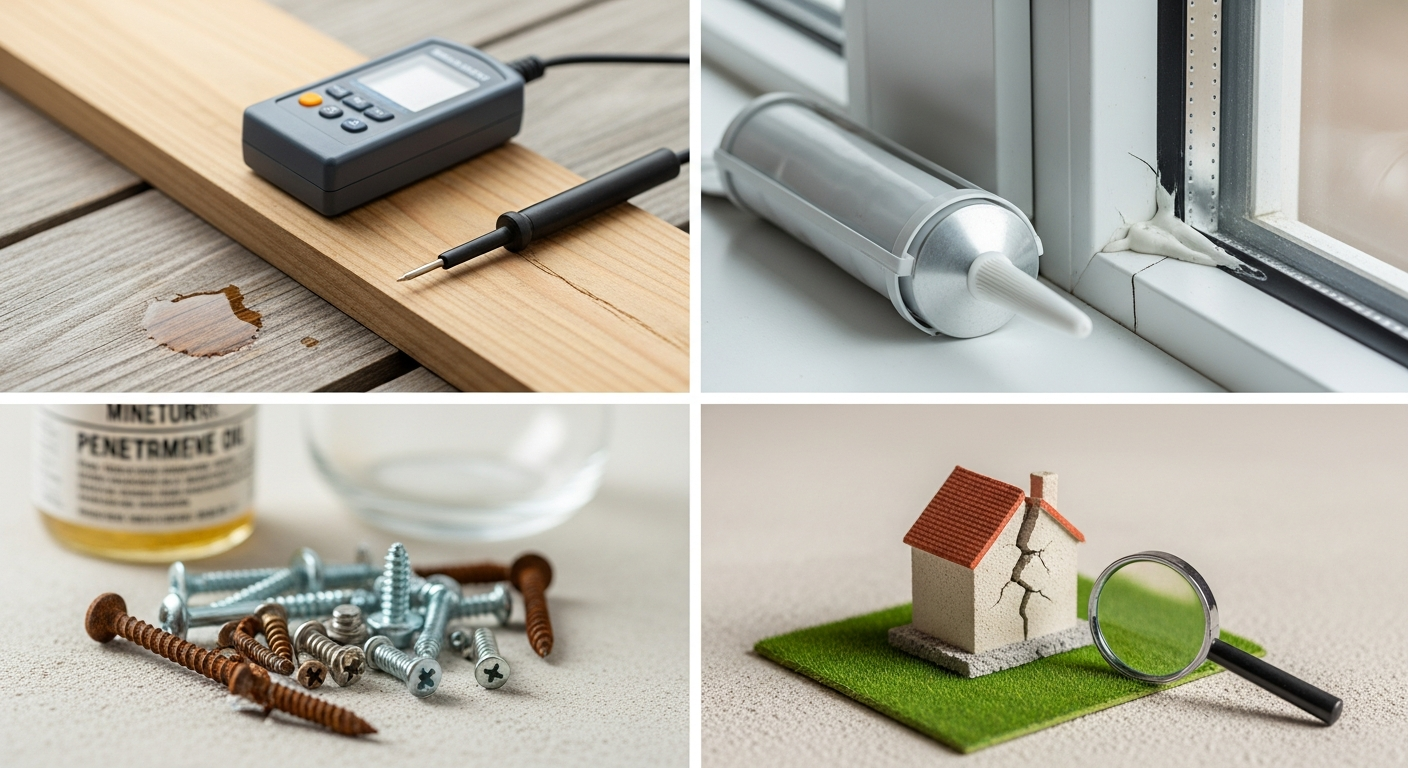
Water is essential for life, but it’s also one of the most destructive forces a home can face. Uncontrolled water can erode foundations, rot wood, foster mold growth, and damage interiors. Keeping a vigilant eye on your home’s water systems, from the highest point of your roof to the lowest depths of your basement, is paramount to avoiding expensive and extensive repairs. This critical area encompasses everything designed to keep water out, move it away, and contain it safely within your pipes.
The Roof: Your First Line of Defense
Your roof is your home’s primary shield against rain, snow, and ice. Neglecting its condition is akin to leaving your home vulnerable to the elements. Regular visual inspections, ideally twice a year (spring and fall) and after any major storm, are crucial. From the ground or with binoculars, look for:
- Missing, Cracked, or Curling Shingles: These are clear indicators of wear and tear. Missing shingles expose the underlying layers to water, while cracked or curling ones lose their protective capabilities.
- Granule Loss: If you see excessive shingle granules in your gutters, it means your roof is aging and losing its protective surface.
- Damaged Flashing: Flashing, the metal strips around chimneys, skylights, and vents, creates a watertight seal. Rusted, bent, or missing flashing is a common source of leaks.
- Sagging or Uneven Areas: A sagging roofline could indicate structural issues or significant water damage beneath the shingles.
- Fascia and Soffits: Inspect the wood around the edges of your roof (fascia) and the underside of the eaves (soffits) for signs of rot, peeling paint, or pest entry points.
Inside your attic, look for water stains on the underside of the roof decking or insulation, which are tell-tale signs of a leak that needs immediate attention. Even small leaks can lead to significant mold growth and structural damage over time.
Gutters and Downspouts: Directing the Flow
Often overlooked, gutters and downspouts play a vital role in directing rainwater away from your home’s foundation. When they fail, water can pool around the foundation, seep into your basement or crawl space, and cause extensive damage. Inspect and clean them at least twice a year, more frequently if you have many trees nearby.
- Clogs: Leaves, twigs, and other debris can quickly clog gutters, causing water to overflow and cascade down your home’s siding and foundation.
- Damage: Look for gutters that are sagging, detached from the fascia, or have visible holes and rust. Damaged gutters can’t effectively channel water.
- Proper Drainage: Ensure downspouts extend at least 5-10 feet away from your foundation, ideally with extensions or splash blocks, to prevent water from pooling near your home.
A properly functioning gutter system is an inexpensive defense against costly foundation repairs.
Plumbing Inside and Out: The Hidden Network
Your home’s plumbing system is a complex network of pipes, fixtures, and appliances. Leaks, whether visible or hidden, are insidious threats that can cause immense damage. Regularly check:
- Under Sinks and Toilets: Look for drips, puddles, or water stains. Even a slow drip can lead to significant damage over time.
- Exposed Pipes: In basements, utility rooms, or crawl spaces, check for corrosion, bulges, or active leaks.
- Water Heater: Inspect for rust, leaks around connections, or puddles underneath. A water heater typically lasts 8-12 years; beyond that, it’s living on borrowed time and could burst, causing catastrophic flooding. Consider flushing it annually to remove sediment and prolong its life.
- Sump Pump: If you have a basement, test your sump pump regularly by pouring water into the pit to ensure it activates. Consider a battery backup for power outages.
- Appliances: Check washing machine hoses for cracks or bulges (replace rubber hoses with braided stainless steel every 5-7 years), and inspect dishwasher and refrigerator ice maker lines for leaks.
- Outdoor Faucets and Irrigation: In colder climates, ensure outdoor faucets are properly winterized to prevent pipes from freezing and bursting. Check irrigation systems for leaks or broken sprinkler heads.
Even slight changes in water pressure or unusual sounds from your plumbing system can indicate a deeper issue requiring professional attention.
Basement and Foundation Drainage: Ground-Level Protection
The ground around your home plays a crucial role in managing water. Proper grading ensures water flows away from your foundation, not towards it. Look for:
- Cracks in the Foundation: While some hairline cracks are normal, horizontal cracks, stair-step cracks, or cracks wider than a quarter-inch can indicate significant foundation issues caused by water pressure or settling.
- Efflorescence: White, powdery deposits on basement walls indicate moisture seeping through the concrete.
- Musty Smells: A persistent musty odor in your basement or crawl space is a strong indicator of dampness and potential mold growth.
- Grading: Ensure the soil around your home slopes away from the foundation at least 6 inches over the first 10 feet. If it slopes towards your house, you’re inviting water problems.
Addressing drainage issues early can prevent extremely costly foundation repairs, which are among the most expensive home repairs a homeowner can face.
Critical Area 2: The Structural Integrity – Walls, Foundation, and Exterior
Foundation: The Bedrock of Your Home
The foundation is literally what your entire home rests upon. While minor settling is normal, significant movement can lead to widespread damage. Inspect both the interior and exterior of your foundation annually, especially after periods of heavy rain or drought.
- Exterior Cracks: Carefully examine the exterior of your foundation for cracks. Vertical hairline cracks are often less concerning than horizontal cracks, which can indicate serious pressure from the soil. Stair-step cracks in brick or block foundations are also a red flag. Pay attention to cracks that are wider at the top than the bottom, or vice versa, as this suggests uneven settling.
- Interior Signs: Inside your home, look for tell-tale signs of foundation movement. These include sticking doors and windows that are difficult to open or close, uneven or sloping floors, cracks in drywall (especially around door and window frames), and separation between walls and ceilings.
- Tree Roots: Large trees too close to your foundation can cause problems. Their roots can absorb moisture from the soil, causing it to shrink and leading to settling, or they can directly push against the foundation, causing cracks.
If you suspect significant foundation issues, it’s crucial to consult a structural engineer for an expert assessment. Early intervention can prevent minor issues from escalating into major, multi-thousand-dollar repairs.
Exterior Walls and Siding: Your Home’s Protective Skin
The exterior walls and siding protect the interior of your home from weather and pests. Damage here can lead to water intrusion, rot, and energy loss. Walk around your home and inspect your siding, brick, or stucco:
- Cracks, Holes, or Warping: Look for cracks in stucco, loose or warped vinyl siding, rotting wood siding, or missing bricks/mortar. These create entry points for water and pests.
- Peeling Paint: While sometimes just a sign of old paint, peeling or bubbling paint on wood siding can indicate moisture trapped beneath the surface, suggesting a leak or poor ventilation.
- Caulking: Inspect the caulking around windows, doors, and utility penetrations (pipes, vents). Cracked, deteriorated, or missing caulk allows air and moisture to infiltrate, leading to drafts and potential water damage. Re-caulking is a simple, inexpensive DIY task that offers significant protection.
Maintaining your exterior walls not only enhances curb appeal but also prevents moisture-related damage to your home’s framework.
Windows and Doors: Security, Efficiency, and Comfort
Windows and doors are vital for natural light, ventilation, and access, but they are also common sources of energy loss and potential water intrusion if not properly maintained. As we move into 2026, energy efficiency is becoming an even greater priority.
- Drafts: On a windy day, or by using an incense stick, check for drafts around the frames of windows and doors. Drafts indicate poor sealing or failing weatherstripping, leading to higher energy bills.
- Condensation Between Panes: If you see condensation or a foggy appearance between the panes of a double or triple-pane window, it means the seal has failed, reducing its insulating properties.
- Operational Issues: Windows that are difficult to open, close, or lock, or doors that stick, can be a sign of foundation movement or simply warped frames that need adjustment.
- Weatherstripping: Inspect the weatherstripping around all windows and doors. If it’s cracked, brittle, or missing, replace it to improve energy efficiency and prevent drafts.
Addressing window and door issues promptly can significantly improve your home’s comfort, reduce energy consumption, and prevent water damage to sills and frames.
Driveways and Walkways: Beyond Curb Appeal
While often seen as purely aesthetic, your driveways and walkways also play a role in water management and safety. Cracks and uneven surfaces can direct water towards your home and create trip hazards.
- Cracks and Heaving: Inspect concrete or asphalt driveways and walkways for significant cracks, potholes, or areas where sections have heaved upwards. These can be trip hazards and allow water to seep underneath, further undermining the surface.
- Drainage: Ensure that paved surfaces slope away from your home, preventing water from pooling against the foundation.
Repairing cracks and ensuring proper drainage for these surfaces can prevent larger issues like foundation erosion and improve safety for your family and visitors.
Critical Area 3: Electrical and HVAC Systems – The Lifelines of Comfort

Your home’s electrical and HVAC (Heating, Ventilation, and Air Conditioning) systems are the unsung heroes that provide comfort, light, and power. They are complex and potentially dangerous if not maintained correctly. Neglecting these systems can lead to inefficient operation, higher utility bills, fire hazards, and complete system failures that leave you without heat in winter or air conditioning in summer. Proactive checks here are vital for safety and comfort.
Electrical System: Powering Your Life Safely
An outdated or faulty electrical system is not only inefficient but also a significant fire hazard. While serious electrical work should always be left to a licensed electrician, you can still monitor for warning signs.
- Flickering Lights or Tripping Breakers: If lights frequently flicker, dim, or circuit breakers trip often, it could indicate an overloaded circuit, loose wiring, or a more serious electrical fault. Do not ignore these signs.
- Warm Outlets/Switches or Burning Smell: Any outlet, switch, or electrical panel that feels warm to the touch, or emits a burning smell, requires immediate professional attention. This indicates overheating and a potential fire risk.
- Outdated Wiring: If your home was built before the 1970s, it might have knob-and-tube wiring or aluminum wiring, both of which can pose safety risks and may need to be upgraded, especially if you’re planning a major home renovation.
- GFCI/AFCI Outlets: Ground Fault Circuit Interrupter (GFCI) outlets protect against electrical shock in areas prone to moisture (kitchens, bathrooms, outdoors). Arc Fault Circuit Interrupter (AFCI) outlets protect against electrical fires. Test these monthly by pressing the “Test” button and ensuring the “Reset” button pops out.
- Panel Inspection: Periodically open your electrical panel (carefully, without touching anything inside) and check for any signs of corrosion, burnt wires, or improper labeling. Ensure the panel cover is always securely in place.
Never attempt to fix complex electrical issues yourself. The risks of electrocution or fire are too high. When in doubt, call a professional. This is one of those “don’ts” in “Home renovation dos and donts” where safety is paramount.
HVAC System: Maintaining Climate Control
Your heating and cooling systems work hard year-round to keep your home comfortable. Regular maintenance is key to their efficiency, longevity, and your energy bills. Schedule professional tune-ups annually for both your furnace (fall) and air conditioner (spring).
- Furnace:
- Filter Changes: Replace or clean furnace filters monthly or at least every three months. A dirty filter restricts airflow, reduces efficiency, and strains the system.
- Strange Noises: Grinding, squealing, or banging noises indicate mechanical problems that need professional diagnosis.
- Pilot Light Issues: If your pilot light frequently goes out, or the flame is yellow instead of blue, it could signal a problem with the gas supply or a faulty component.
- Air Conditioner:
- Coil Cleaning: Ensure the outdoor condenser coil is free of debris (leaves, grass clippings) and that the indoor evaporator coil is cleaned during professional service.
- Refrigerant Levels: Low refrigerant usually indicates a leak, which needs to be repaired by a professional, not just topped off.
- Drain Line Clearing: The condensate drain line can become clogged with algae, causing water to back up and potentially damage the unit or surrounding areas.
- Thermostat: Ensure your thermostat is functioning correctly and accurately reflecting the room temperature. Consider upgrading to a smart thermostat for better control and energy savings.
- Ductwork: Inspect visible ductwork for leaks or disconnections, which lead to significant energy loss. Consider professional duct cleaning every few years, especially if allergies are a concern.
- Ventilation: Ensure bathroom and kitchen exhaust fans are clean and properly venting to the outside, not into the attic, to prevent moisture buildup and mold.
A well-maintained HVAC system not only provides consistent comfort but also operates more efficiently, saving you money on utility bills in 2026 and beyond.
Appliances and Their Connections: Hidden Vulnerabilities
Even your everyday appliances can be sources of costly repairs if their connections aren’t monitored.
- Washing Machine Hoses: As mentioned, replace rubber hoses with braided stainless steel hoses every 5-7 years to prevent catastrophic bursts.
- Dryer Vents: Clean your dryer vent annually (or more often if you use it frequently). Lint buildup is a major fire hazard and reduces dryer efficiency.
- Dishwasher: Check for leaks around the dishwasher and ensure it’s draining properly. A clogged drain can lead to standing water and potential damage.
These small, routine checks can prevent significant water damage or fire hazards, protecting both your home and your family.
Critical Area 4: Pest Control and Environmental Factors – Unseen Threats
Not all threats to your home are visible or obvious. Pests, mold, and poor indoor air quality can silently undermine your home’s structure, compromise your health, and lead to substantial repair costs. Being proactive in monitoring and mitigating these unseen threats is crucial for maintaining a healthy and structurally sound home.
Pests: Unwanted Houseguests
Pests aren’t just an annoyance; they can cause significant structural damage, contaminate food, and spread diseases. Termites, carpenter ants, rodents, and even common insects like cockroaches can wreak havoc if left unchecked. Early detection is key to preventing costly infestations.
- Signs of Pests: Be vigilant for droppings (mouse, rat, cockroach), gnaw marks on wood or wires, mud tubes (termites) on foundation walls, wood shavings (carpenter ants), or actual sightings of pests.
- Common Entry Points: Inspect your home’s exterior for cracks in the foundation, gaps around utility pipes, unsealed vents, damaged screens, and loose siding or flashing. These are highways for pests to enter your home.
- Prevention: Seal all cracks and openings with caulk or steel wool. Ensure screens are intact. Keep food in sealed containers. Trim tree branches away from your roof and siding, and keep shrubs from touching your house. Store firewood away from the foundation.
- Professional Pest Control: If you suspect a serious infestation, especially termites or rodents, do not hesitate to call a professional exterminator. DIY attempts often only address surface issues, leaving the core problem to fester.
Regular perimeter checks and promptly addressing any signs of pest activity can save you thousands in repair costs and prevent health hazards.
Mold and Mildew: The Hidden Health Hazard
Mold and mildew thrive in damp, dark environments and can quickly spread, causing respiratory issues, allergic reactions, and structural damage. They often hide behind walls, under flooring, or in rarely accessed areas.
- Where to Look: Pay close attention to bathrooms (around showers, tubs, toilets), basements, crawl spaces, attics, and areas where you’ve had previous water leaks. Look for discolored patches (black, green, white, or brown), fuzzy growth, or peeling paint.
- Causes: The primary cause of mold is excess moisture from leaks, high humidity, or poor ventilation.
- Prevention: Fix any leaks promptly. Use exhaust fans in bathrooms and kitchens to vent moisture outside. Ensure proper attic and crawl space ventilation. Use dehumidifiers in damp areas like basements. Clean up spills immediately.
- Removal: For small patches of surface mold (less than 10 square feet), you can often clean it yourself with a bleach solution or commercial mold remover, ensuring you wear protective gear. For larger infestations, or if the mold is due to contaminated water (e.g., sewage), call a professional mold remediation specialist.
Addressing moisture issues is paramount to preventing mold growth, which can be costly to remove and detrimental to your family’s health.
Air Quality and Ventilation: Breathing Easy
Indoor air quality is often overlooked but is crucial for your family’s health. Poor ventilation can lead to a buildup of pollutants, allergens, and moisture, contributing to mold growth and respiratory problems.
- Importance of Fresh Air: Ensure your home has adequate fresh air exchange. This can be achieved through proper use of exhaust fans, opening windows when weather permits, and ensuring your HVAC system’s ventilation settings are correct.
- Checking Exhaust Fans: Confirm that bathroom and kitchen exhaust fans are working effectively and venting to the outside. A simple test is to hold a tissue up to the fan; it should be held by the suction.
- Radon Testing: Radon is a naturally occurring radioactive gas that can seep into homes from the soil and is a leading cause of lung cancer. Test your home for radon, especially if you have a basement or live in an area known for elevated radon levels. Kits are inexpensive and readily available.
- Carbon Monoxide Detectors: Install carbon monoxide detectors near sleeping areas and on every level of your home, especially if you have fuel-burning appliances (furnace, water heater, gas stove, fireplace). Test them monthly.
Maintaining good indoor air quality contributes significantly to the overall health and wellness of your household, aligning with the broader “Tips for adjusting to retirement from handling finances to staying on top of your health” theme, where a healthy living environment is a cornerstone of well-being.
Landscaping and Drainage Revisited: Exterior Impact
Your yard isn’t just for aesthetics; it plays a critical role in protecting your home from water and pests.
- Trees and Shrubs: Ensure trees and large shrubs are not planted too close to your foundation, roof, or utility
Recommended Resources
You might also enjoy How To Declutter Your Home And Mind from Rock Salt Plum.
Learn more about this topic in How To Stack Rings Like A Celebrity at Celebrity Exchange.