Decoding True Self-Comfort and Why It Matters
Before we dive into actionable tips, let’s unpack what “feeling comfortable in your own skin” truly means. It’s far more than just body positivity, although that’s a significant component. It encompasses a holistic sense of ease and acceptance with who you are—your physical appearance, your personality, your capabilities, your past, and your future potential. It means feeling authentic, confident, and at peace with yourself, regardless of external validation or societal pressures. This deep-seated comfort allows you to show up fully in your life, engage in meaningful relationships, pursue your passions without hesitation, and navigate challenges with resilience.
Imagine the freedom of not constantly comparing yourself to others, or the mental energy you reclaim when you stop critiquing every perceived imperfection. When you are comfortable in your own skin, you possess an inner anchor that steadies you amidst life’s storms. You develop a greater capacity for self-compassion, understanding that imperfections are simply part of the human experience, not indicators of your worth. This inner peace also translates outward, influencing your interactions, your decisions, and your overall outlook on life. It’s the foundation upon which a truly fulfilling and vibrant life is built. In 2026, as the world continues to evolve at a rapid pace, this internal grounding becomes an even more invaluable asset, allowing you to adapt and thrive with an unshakeable sense of self.
Developing this comfort is a continuous journey, not a destination. There will be days when you feel more aligned than others, and that’s perfectly normal. The goal is to build a robust toolkit of practices and mindsets that you can return to, helping you reconnect with that core sense of self-acceptance. It’s about cultivating an inner dialogue that is kind, supportive, and empowering, much like how you would speak to a cherished friend. This internal shift is profoundly impactful, creating a ripple effect that touches every area of your life, from your personal relationships to your professional endeavors and your overall health.
Cultivating a Mindset of Self-Compassion and Acceptance
The journey to feeling more comfortable in your own skin often begins with a fundamental shift in your mindset. Our thoughts are incredibly powerful, shaping our perceptions of ourselves and the world around us. Therefore, learning to challenge negative self-talk and cultivate self-compassion is paramount.
Challenging the Inner Critic
- Identify Negative Thought Patterns: Become aware of the recurring negative thoughts you have about yourself. Are they about your appearance, your intelligence, your abilities, or your worthiness? Writing them down can help you see them more objectively.
- Question Their Validity: Once identified, ask yourself: Is this thought truly 100% accurate? Is there any evidence to the contrary? Would I say this to a friend? Often, our inner critic operates on outdated beliefs or irrational fears.
- Reframe and Replace: Consciously choose to reframe negative thoughts into more neutral or positive ones. Instead of “I’m not good enough,” try “I am a work in progress, and I am doing my best.” This isn’t about denial, but about introducing a more balanced perspective.
- Practice Self-Compassion Breaks: When you notice yourself struggling, try Kristin Neff’s three-step self-compassion break: Mindfulness (notice your suffering), Common Humanity (recognize that suffering is part of the human experience), and Self-Kindness (offer yourself comfort and care).
Embracing Imperfections as Part of Your Unique Story
No one is perfect, and striving for an unattainable ideal only leads to frustration. Instead, embrace your imperfections as unique facets that contribute to the beautiful mosaic of who you are. These perceived flaws often tell stories of resilience, experience, and growth. Think of them as character marks, not defects. For example, the stretch marks on your body might be a testament to the incredible journey of motherhood, or the lines around your eyes a map of a life filled with laughter and wisdom. Just as a cherished antique gains character from its history, so too do you.
Practicing Gratitude for Your Body and Being
Shift your focus from what you dislike about yourself to what you appreciate. Start a daily gratitude practice specifically for your body and your being. Instead of thinking “My thighs are too big,” try “I am grateful for my strong legs that carry me through life and allow me to move freely.” Focus on functionality and health over aesthetics. Be thankful for your senses, your ability to heal, your breath, and the intricate systems that keep you alive and thriving. This practice can profoundly alter your self-perception over time.
Mindfulness and Presence
Mindfulness helps you anchor yourself in the present moment, reducing the tendency to dwell on past regrets or future anxieties. By paying attention to your breath, your senses, and your immediate surroundings, you can quiet the mental chatter that often fuels self-doubt. Practices like meditation, mindful walking, or simply taking a few deep breaths throughout the day can help you connect with your inner self and foster a sense of calm and acceptance.
The journey of self-comfort can be compared to adjusting to retirement. Just as navigating the complexities of handling finances and staying on top of your health in retirement requires a deliberate and compassionate approach to a new phase of life, cultivating self-compassion for your evolving self demands intentional effort and a willingness to redefine your relationship with yourself. It’s about letting go of old expectations and embracing the present with grace.
Nurturing Your Physical Self: The Foundation of Well-being
Nourishment That Fuels, Not Punishes
- Intuitive Eating: Move away from restrictive diets and learn to listen to your body’s hunger and fullness cues. Eat foods that make you feel energized and satisfied, focusing on whole, nutrient-dense options.
- Mindful Eating: Pay attention to your food—its taste, texture, and smell. Savor your meals without distraction, which can enhance enjoyment and prevent overeating.
- Hydration: Drink plenty of water throughout the day. Proper hydration supports energy levels, skin health, and overall bodily functions.
- Balanced Approach: Understand that all foods can fit into a healthy lifestyle in moderation. Ditch the guilt associated with “treat” foods and focus on overall balance.
Movement That Brings Joy
Find forms of physical activity that you genuinely enjoy, rather than seeing exercise as a punishment or a means to an end. Whether it’s dancing, hiking, swimming, yoga, cycling, or gardening, joyful movement is sustainable and beneficial for both your physical and mental health. Focus on how movement makes you feel—strong, energetic, refreshed, calm—rather than solely on calorie burning or weight loss. Celebrate what your body can do, not what you think it “should” look like. Regular movement releases endorphins, reduces stress, and improves body awareness, all contributing to a greater sense of comfort in your physical self.
Prioritizing Rest and Sleep
Adequate sleep is non-negotiable for overall well-being. During sleep, your body repairs itself, consolidates memories, and balances hormones. Chronic sleep deprivation can negatively impact mood, energy, cognitive function, and even your perception of your body. Aim for 7-9 hours of quality sleep per night. Establish a relaxing bedtime routine, create a dark and cool sleep environment, and try to go to bed and wake up at consistent times, even on weekends.
Mindful Self-Care Rituals
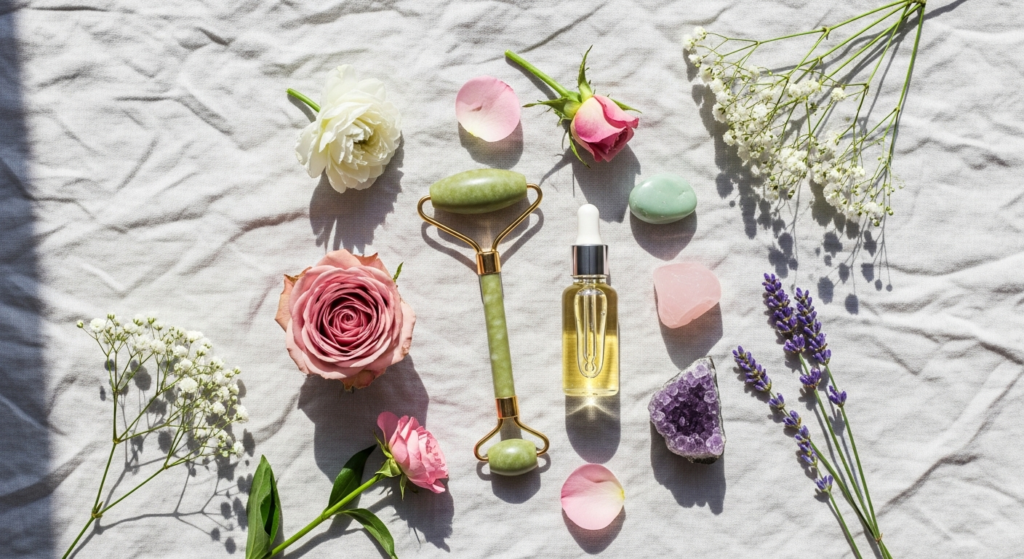
Beyond the basics, incorporate daily self-care rituals that make you feel cherished and cared for. This could be anything from a warm bath with essential oils, a calming skincare routine, a few minutes of quiet meditation, or simply enjoying a cup of herbal tea in silence. These small acts of kindness towards yourself reinforce the message that you are worthy of care and attention. They create pockets of peace in your day, helping you reconnect with your body and soothe your mind.
Just as a successful RV road trip requires embracing the unexpected and finding comfort in new surroundings, feeling comfortable in your own skin often means venturing beyond your habitual patterns and finding new ways to care for your physical self. It’s about adapting your routine to what truly serves your body and mind in the moment.
Crafting Your Sanctuary: Environment as an Extension of Self-Comfort
Our external environment profoundly influences our internal state. Creating a home and personal space that feels safe, inspiring, and comfortable can significantly contribute to feeling more at ease in your own skin. Your surroundings should be a reflection of who you are and a haven where you can truly relax and be yourself.
Decluttering and Organizing for Mental Clarity
A cluttered physical space often leads to a cluttered mind. Take time to declutter and organize your living areas, starting with spaces where you spend the most time, like your bedroom or home office. Donate, sell, or discard items that no longer serve a purpose or bring you joy. A clean and organized environment reduces stress, improves focus, and creates a sense of calm. This process isn’t just about tidiness; it’s about making conscious choices about what you allow into your physical and mental space.
Personalizing Your Space with Intention
Infuse your home with elements that reflect your personality, passions, and values. This could mean displaying artwork that inspires you, surrounding yourself with plants that bring life and freshness, or creating a cozy reading nook that invites relaxation. Choose colors, textures, and furniture that evoke feelings of peace and happiness. Your home should feel like a sanctuary, a place where you can recharge and be authentically you, free from judgment.
Creating Boundaries with Digital Spaces
In 2026, our digital environments are almost as influential as our physical ones. Curate your online experience just as you would your home. Unfollow accounts that trigger comparison or negativity. Engage with content that uplifts, inspires, and educates. Schedule digital detox periods to disconnect from screens and reconnect with yourself and your real-world surroundings. Protecting your mental space from the constant influx of external comparisons found online is crucial for maintaining self-comfort.
The Power of Natural Light and Greenery
Maximize natural light in your home. Sunlight can boost mood, improve sleep, and increase feelings of well-being. Incorporate indoor plants, which not only purify the air but also add a touch of nature’s tranquility to your space. Bringing the outdoors in can have a grounding effect, fostering a sense of peace and connection.
Just as a well-planned home renovation can transform a space into a sanctuary, intentionally crafting your personal environment can significantly contribute to feeling more comfortable in your own skin. Consider the principles of home renovation dos and don’ts: focus on functionality, invest in quality pieces that genuinely serve you, and ensure every element contributes to a harmonious whole. Avoid impulsive decisions that don’t align with your long-term vision for comfort and peace. Your home is a living reflection of your inner world; make it a place of acceptance and joy.
Embracing Growth and Stepping Beyond Your Comfort Zone
Feeling comfortable in your own skin isn’t about remaining static; it’s about being comfortable with evolution and growth. True self-acceptance includes embracing the journey of becoming, continually learning, and gently pushing the boundaries of what you believe is possible for yourself.
Learning New Skills and Hobbies
Engaging in new activities can boost your confidence and expand your sense of self. Whether it’s learning a new language, taking up pottery, mastering a musical instrument, or delving into a coding course, the process of acquiring new skills offers a profound sense of accomplishment. It reminds you of your inherent capability and resilience. The focus isn’t on perfection, but on the joy of the learning process and the expansion of your personal horizons. This can be incredibly empowering, showing you that you are capable of more than you might have imagined, and helping you feel more comfortable with your evolving identity.
Volunteering and Giving Back
Shifting your focus from yourself to serving others can be incredibly therapeutic and confidence-building. Volunteering for a cause you care about, mentoring someone, or simply performing small acts of kindness can foster a sense of purpose and connection. Witnessing the positive impact of your actions can reinforce your inherent worth and contribute to a deeper sense of fulfillment and belonging, which are vital components of feeling comfortable in your skin.
Setting and Achieving Small, Meaningful Goals
Break down larger aspirations into smaller, manageable steps. Celebrate each small victory along the way. Whether it’s committing to a daily 15-minute walk, reading a chapter of a book each night, or finally tackling that lingering task, consistent progress builds momentum and reinforces your belief in yourself. These micro-achievements accumulate, creating a powerful sense of competence and self-efficacy.
Embracing Discomfort as a Catalyst for Growth
Growth rarely happens within our comfort zones. Intentionally stepping into situations that challenge you—whether it’s public speaking, trying a new social activity, or advocating for yourself—can be daunting but immensely rewarding. Each time you navigate discomfort successfully, you expand your capacity for resilience and self-trust. Start small, acknowledge your bravery, and reflect on what you learned from the experience. This process teaches you that you are strong enough to handle life’s uncertainties, strengthening your inner core and solidifying your sense of self-comfort.
Much like the comprehensive approach to adjusting to retirement, which encompasses everything from handling finances to staying on top of your health, feeling comfortable in your skin requires a holistic strategy for embracing change. It’s about adapting to new realities, learning new ways of being, and finding joy in the ongoing journey of self-discovery and growth. This continuous evolution is not a threat to your comfort but an integral part of it.
Building Authentic Connections and Setting Healthy Boundaries
Human beings are wired for connection. The quality of our relationships significantly impacts our emotional well-being and, consequently, how comfortable we feel in our own skin. Fostering authentic connections and establishing healthy boundaries are crucial for nurturing a strong sense of self.
Cultivating Meaningful Relationships
- Identify Your Core Circle: Who are the people who truly see you, support you, and uplift you? Invest your time and energy in these relationships.
- Practice Active Listening: When you’re with loved ones, be fully present. Listen without judgment or the urge to interrupt. This deepens connection and makes others feel valued.
- Be Vulnerable (Wisely): Sharing your authentic self, including your fears and struggles, fosters deeper intimacy. Choose trusted individuals with whom you feel safe to be vulnerable.
- Offer and Receive Support: True connection is a two-way street. Be there for your friends and family, and allow them to be there for you when you need it.
Setting Healthy Boundaries
Boundaries are essential for protecting your energy, time, and emotional well-being. They communicate your needs and limits to others, and they reinforce your self-worth. Without clear boundaries, you risk feeling depleted, resentful, and less comfortable in your own skin because you’re constantly accommodating others at your own expense.
- Identify Your Limits: What are you willing and unwilling to do? What makes you feel overwhelmed or disrespected?
- Communicate Clearly: Express your boundaries directly and respectfully. Use “I” statements, such as “I need to take some time for myself this evening” or “I’m not able to take on that extra task right now.”
- Be Consistent: Upholding your boundaries consistently teaches others how to treat you. It might be challenging at first, but it reinforces your commitment to your well-being.
- Saying “No” with Grace: Remember that “no” is a complete sentence. You don’t always need to offer elaborate explanations or apologize for prioritizing your needs.
Limiting Exposure to Toxic Influences
Just as you curate your physical and digital environments, it’s vital to curate your social environment. Distance yourself from relationships that are consistently draining, critical, or unsupportive. This doesn’t necessarily mean cutting people out entirely, but it might involve reducing contact, setting stronger boundaries, or shifting the dynamic. Surrounding yourself with positive influences who celebrate your authentic self is a powerful way to foster self-comfort.
The wisdom found in tips for taking a family RV road trip—like planning, adaptability, and cherishing the journey—mirrors the approach needed to navigate the evolving landscape of self-acceptance and healthy relationships. Just as you define roles and expectations for a smooth trip, defining boundaries in your relationships ensures a more harmonious and comfortable journey for everyone involved. It’s about creating a shared space where everyone feels respected and valued, allowing you to relax and be truly present.
Frequently Asked Questions
Recommended Resources
Explore How To Mix And Match Outfits Guide for additional insights.
Check out Living Room Color Ideas 2026 on Rock Salt Plum for a deeper dive.