Understanding Your Pelvic Floor: More Than Just Kegels
Before we delve into specific exercises, it’s essential to truly understand what the pelvic floor is and why it holds such significance in a woman’s body. Imagine a hammock or a sling of muscles, ligaments, and connective tissues spanning the base of your pelvis, from your pubic bone at the front to your tailbone at the back, and from side to side. This intricate network is your pelvic floor.
Anatomy and Function of the Pelvic Floor
- Support System: The primary role of your pelvic floor is to provide crucial support for your pelvic organs, including the bladder, uterus, and rectum. Without this support, these organs can sag or prolapse, leading to various uncomfortable and sometimes debilitating symptoms.
- Sphincter Control: These muscles wrap around your urethra, vagina, and anus, acting as sphincters. They are responsible for controlling the flow of urine and stool, preventing leakage, and allowing for voluntary release.
- Sexual Function: A healthy pelvic floor contributes significantly to sexual sensation and satisfaction. Strong, well-toned muscles can enhance arousal and orgasm, while a hypertonic (overly tight) pelvic floor can lead to pain during intercourse.
- Core Stability: Often overlooked, the pelvic floor works in tandem with your deep abdominal muscles (transversus abdominis), diaphragm, and multifidus muscles in your back to form your core. This integrated system provides stability for your spine and pelvis, influencing posture and movement.
- Childbirth Facilitation: During pregnancy, the pelvic floor supports the growing weight of the uterus and baby. During labor, these muscles need to be able to relax and stretch to allow for the passage of the baby, and then recover strength postpartum.
It’s clear that the pelvic floor is not a singular muscle but a complex group with multifaceted roles. Therefore, effective pelvic floor exercises for women go beyond simple contractions; they involve learning to both strengthen and relax these muscles for optimal function.
Why Pelvic Floor Health Matters for Every Woman
The health of your pelvic floor is intricately linked to your overall quality of life. Ignoring it can lead to a cascade of issues that, while common, are not normal and can be significantly improved or prevented with proper care. Incorporating pelvic floor awareness into your daily routine is truly one of the most impactful Womens Health Tips Every Woman Should Know.
Common Issues Addressed by a Healthy Pelvic Floor
- Urinary Incontinence: This is perhaps the most well-known symptom of a weakened pelvic floor. Stress incontinence (leaking urine when coughing, sneezing, laughing, or exercising) and urge incontinence (a sudden, strong need to urinate followed by involuntary leakage) can severely impact daily life. Strengthening the pelvic floor can dramatically reduce or eliminate these symptoms.
- Pelvic Organ Prolapse (POP): When the pelvic floor muscles and connective tissues weaken, they can no longer adequately support the pelvic organs. This can cause the bladder, uterus, or rectum to descend into the vagina, leading to a feeling of heaviness, pressure, or a bulge. Pelvic floor exercises can help prevent and manage mild to moderate prolapse.
- Sexual Dysfunction: A weak pelvic floor can diminish sensation, while an overly tight pelvic floor can cause pain during intercourse (dyspareunia). Balanced pelvic floor strength and flexibility are key to a healthy and enjoyable sex life.
- Chronic Pelvic Pain: Both weakness and excessive tension in the pelvic floor can contribute to chronic pelvic pain, including conditions like vulvodynia or vaginismus. Targeted exercises, often in conjunction with professional guidance, can alleviate this pain.
- Back Pain and Core Instability: As part of the deep core unit, a dysfunctional pelvic floor can contribute to lower back pain, hip pain, and general instability. Improving pelvic floor function often leads to improvements in overall core strength and reduced back discomfort.
Risk Factors for Pelvic Floor Dysfunction
While pelvic floor issues can affect any woman, certain life stages and factors increase the risk:
- Pregnancy and Childbirth: The weight of the growing uterus and the stretching and potential tearing of tissues during vaginal delivery are significant contributors to pelvic floor weakness. This is a critical area addressed in any comprehensive Postpartum Recovery Guide New Moms should follow.
- Aging and Menopause: Hormonal changes, particularly the decrease in estrogen during menopause, can lead to thinning and weakening of pelvic floor tissues.
- High-Impact Activities and Heavy Lifting: Repetitive jarring or straining can put excessive pressure on the pelvic floor over time.
- Chronic Constipation or Coughing: Persistent straining during bowel movements or prolonged coughing (e.g., due to allergies or smoking) repeatedly puts downward pressure on the pelvic floor.
- Obesity: Excess body weight increases intra-abdominal pressure, which can strain the pelvic floor.
- Surgery: Hysterectomy or other pelvic surgeries can sometimes impact pelvic floor integrity.
Understanding these risk factors empowers you to be proactive. By integrating consistent pelvic floor exercises for women into your routine, you’re investing in long-term health and well-being, mitigating these risks effectively.
The Ultimate Pelvic Floor Exercises for Women Guide: Getting Started
How to Identify Your Pelvic Floor Muscles (The “Lift and Squeeze” Method)
Finding your pelvic floor muscles requires a bit of introspection and focus. Here are a few techniques to help you isolate them:
- Interrupting Urine Flow: While urinating, try to stop the flow midstream. The muscles you use to do this are your pelvic floor muscles. Important: Do this only once or twice as a test, not as a regular exercise, as it can interfere with normal bladder emptying.
- Imagining Lifting: Lie down comfortably. Imagine you are trying to stop yourself from passing gas. Feel the muscles around your anus lift and tighten. Now, imagine you are trying to stop the flow of urine. Feel the muscles around your urethra and vagina lift and tighten. The sensation should be an internal lift, drawing everything upwards and inwards, away from the chair you’re sitting on.
- Using a Mirror (Optional): For some, observing the perineum (the area between the vagina and anus) in a mirror while attempting a gentle squeeze can be helpful. You might notice a slight upward movement.
- Finger Test (Optional): With clean hands, insert one or two fingers into your vagina. Gently squeeze as if you’re trying to stop urine flow. You should feel a gentle tightening and lift around your fingers.
The key is that the movement should be internal and subtle. Your glutes, thighs, and abdominal muscles should remain relaxed. If you feel these muscles tensing, you’re likely not isolating the pelvic floor correctly.
Common Mistakes to Avoid
- Bearing Down: Instead of lifting and squeezing, some women push downwards. This can actually weaken the pelvic floor over time and contribute to prolapse. Always aim for an upward, inward lift.
- Holding Your Breath: Breathing deeply and naturally is crucial. Holding your breath increases intra-abdominal pressure, which can counteract the benefits of the exercise.
- Engaging Other Muscles: Squeezing your glutes, inner thighs, or abdominal muscles too much means you’re not effectively targeting the pelvic floor. Keep these accessory muscles relaxed.
- Lack of Relaxation: The pelvic floor muscles need to be able to relax fully after contraction. Holding tension can lead to hypertonic (overly tight) muscles, which can cause pain and dysfunction. Always ensure complete relaxation between contractions.
- Over-Exercising: Like any muscle, the pelvic floor can be over-trained. More is not always better. Consistency and proper technique are far more important than intensity or volume.
If you’re struggling to identify these muscles or are unsure about your technique, don’t hesitate to seek guidance from a pelvic floor physical therapist. They are experts in this field and can provide personalized instruction and feedback.
Essential Pelvic Floor Exercises: A Step-by-Step Approach
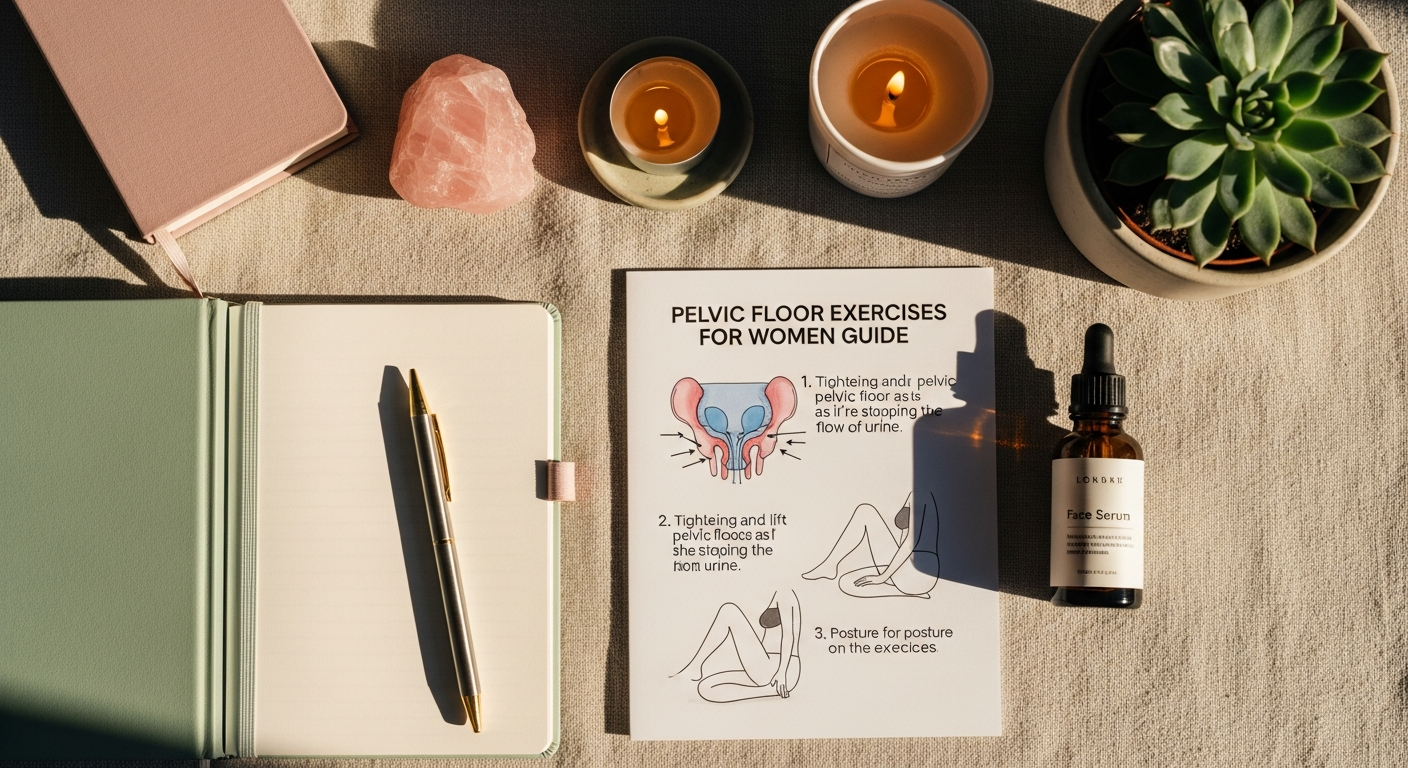
Once you’ve mastered identifying your pelvic floor muscles, you’re ready to incorporate specific exercises into your routine. This section of our pelvic floor exercises for women guide details both strength and endurance training for comprehensive pelvic health.
The Basic Kegel (Slow Contractions for Endurance)
This exercise targets the endurance fibers of your pelvic floor, helping them sustain support over time.
- Position: Start by lying on your back with your knees bent and feet flat on the floor, hip-width apart. As you get stronger, you can practice in sitting or standing positions.
- Inhale & Prepare: Take a gentle inhale, allowing your belly to rise slightly.
- Exhale & Lift: As you slowly exhale, gently contract and lift your pelvic floor muscles upwards and inwards, as if you’re trying to stop the flow of urine and hold back gas simultaneously. Imagine a gentle elevator lifting from your perineum towards your belly button.
- Hold: Hold this contraction for 3-5 seconds initially, gradually working up to 8-10 seconds as your strength improves. Maintain relaxed glutes, thighs, and abs.
- Relax: Slowly and completely release the contraction. Imagine the elevator gently descending and opening. Allow your pelvic floor to fully relax for an equal amount of time (e.g., if you held for 5 seconds, relax for 5 seconds). This relaxation phase is crucial.
- Repeat: Aim for 10-15 repetitions per set.
Fast Contractions (for Strength and Responsiveness)
These quick flicks are vital for quick reactions, such as preventing leakage when you cough, sneeze, or laugh.
- Position: Same as above, or in a comfortable sitting/standing position.
- Inhale & Prepare: Take a gentle inhale.
- Exhale & Quick Lift: As you quickly exhale, perform a rapid, strong squeeze and lift of your pelvic floor muscles.
- Immediate Relax: Immediately and fully release the contraction. This is a quick “on-off” exercise.
- Repeat: Perform 10-15 repetitions per set.
Integrating Breathing
Proper breathing is integral to pelvic floor function. Your diaphragm and pelvic floor work in synergy. As you inhale, your diaphragm descends, and your pelvic floor naturally lengthens and descends. As you exhale, your diaphragm ascends, and your pelvic floor naturally lifts and contracts. Synchronizing your exercises with your breath enhances their effectiveness:
- Inhale: Allow your belly to expand, and your pelvic floor to relax and lengthen.
- Exhale: Gently contract and lift your pelvic floor as your belly draws in.
Progression Tips for 2026
- Start Small: Don’t try to do too much too soon. Begin with shorter holds and fewer repetitions, gradually increasing as your strength and control improve.
- Consistency is Key: Aim for 2-3 sets of both slow and fast contractions, 3-5 times a week. Regularity is more important than intensity.
- Vary Positions: Once you’re comfortable lying down, practice in sitting, standing, and even during functional movements (e.g., while walking or bending). This helps integrate pelvic floor strength into daily activities.
- Incorporate Movement: Try doing pelvic floor contractions while doing squats, lunges, or lifting light objects. Engage your pelvic floor before the exertion to provide support.
Remember, this is a guide. Listen to your body, and if you experience any pain or difficulty, consult a healthcare professional.
Pelvic Floor Health During Key Life Stages: Pregnancy, Postpartum, and Menopause
A woman’s body undergoes incredible transformations throughout her life, and the pelvic floor is at the heart of many of these changes. Tailoring your approach to pelvic floor exercises for women during these specific stages is crucial for optimal health and well-being.
Pregnancy: Preparing for Birth and Supporting Your Body
During pregnancy, your pelvic floor muscles are under increasing strain, supporting the growing weight of your uterus and baby. Proactive pelvic floor care can significantly impact your comfort and prepare your body for birth.
- Support and Stability: Regular, gentle pelvic floor exercises can help manage common pregnancy discomforts like pelvic girdle pain, back pain, and hemorrhoids by providing better core and pelvic support.
- Preventing Incontinence: Pregnancy often brings increased bladder pressure. Strengthening your pelvic floor can help prevent stress incontinence, which is common in late pregnancy.
- Birth Preparation: While strength is important, learning to relax and release the pelvic floor muscles is equally crucial for childbirth. Practicing deep breathing and controlled relaxation of the pelvic floor can aid in a smoother delivery and reduce the risk of tearing.
- Postpartum Foundation: Maintaining pelvic floor strength during pregnancy lays a better foundation for postpartum recovery.
Always consult your healthcare provider before starting any new exercise program during pregnancy.
Postpartum Recovery: Healing and Rebuilding
The postpartum period is a critical time for pelvic floor healing, whether you had a vaginal birth or a C-section. This phase is extensively covered in any thorough Postpartum Recovery Guide New Moms should prioritize.
- Initial Healing: In the immediate postpartum period (first 6 weeks), focus on gentle awareness and very light contractions, often just imagining the lift, to promote blood flow and healing. Avoid intense straining.
- Restoring Strength and Function: As you heal, gradually reintroduce your pelvic floor exercises, focusing on both slow and fast contractions. This helps restore muscle tone, support organs, and manage any lingering incontinence or prolapse symptoms.
- Diastasis Recti Connection: The pelvic floor is intimately connected to the deep abdominal muscles (transversus abdominis). Addressing diastasis recti (abdominal separation) often involves coordinating deep core and pelvic floor engagement. A pelvic floor physical therapist can guide you through exercises that safely integrate these muscle groups.
- Sexual Health: Pelvic floor exercises can aid in recovery from any birth trauma, improve blood flow, and enhance sensation, contributing to a comfortable return to sexual activity.
Remember, postpartum recovery is not a race. Be patient and kind to your body. A pelvic floor physical therapist is an invaluable resource during this time.
Menopause: Navigating Hormonal Changes
As women enter perimenopause and menopause, declining estrogen levels can lead to thinning and weakening of pelvic floor tissues, making them more susceptible to dysfunction.
- Preventing Prolapse and Incontinence: Consistent pelvic floor exercises become even more vital to counteract the natural weakening that can occur with hormonal changes, helping to prevent or manage incontinence and prolapse.
- Vaginal Dryness and Pain: While not a direct cure, improved blood flow from pelvic floor exercises can sometimes help with symptoms of vaginal atrophy and dryness. Combined with other treatments, it can contribute to more comfortable sexual activity.
- Maintaining Core Strength: As bone density can decrease, maintaining a strong core, including the pelvic floor, is crucial for posture, balance, and preventing falls in later life.
By making pelvic floor care a lifelong habit, women can proactively manage the changes that come with aging and maintain a high quality of life. Furthermore, creating a home environment that promotes relaxation and self-care, perhaps through subtle Kid Friendly Home Decor Ideas that also cater to adult comfort, can aid in consistent practice and overall well-being throughout these stages.
Beyond Exercises: A Holistic Approach to Pelvic Floor Wellness
While pelvic floor exercises for women are incredibly powerful, optimal pelvic health is achieved through a holistic approach that integrates lifestyle factors and, when necessary, professional guidance. Thinking about your pelvic floor in isolation misses the bigger picture of your body’s interconnected systems.
Lifestyle Factors for Pelvic Health
- Posture: Good posture reduces unnecessary strain on your pelvic floor and core. Imagine a string pulling you up from the crown of your head, with your shoulders relaxed and your pelvis in a neutral position (not excessively tucked or arched).
- Breathwork: Diaphragmatic breathing (belly breathing) is fundamental. It encourages the natural piston action between your diaphragm and pelvic floor, promoting healthy mobility and coordination. Avoid shallow, chest breathing.
- Diet and Hydration:
- Fiber-Rich Diet: Prevents constipation and straining during bowel movements, which puts immense pressure on the pelvic floor. Aim for plenty of fruits, vegetables, and whole grains.
- Adequate Hydration: Keeps stool soft and prevents constipation. Drink plenty of water throughout the day.
- Bladder Irritants: Limit caffeine, alcohol, artificial sweeteners, and acidic foods if you experience bladder urgency or incontinence, as these can irritate the bladder.
- Avoid Straining: Whether lifting heavy objects, blowing your nose, or having a bowel movement, avoid bearing down. Exhale on exertion and engage your deep core and pelvic floor muscles to support your body.
- Body Mechanics: When lifting children, groceries, or weights, always bend at your knees, keep the object close to your body, and engage your core and pelvic floor. This aligns with safety principles that even extend to incorporating practical yet stylish Kid Friendly Home Decor Ideas that consider ergonomic lifting and movement within the home.
- Weight Management: Maintaining a healthy weight reduces chronic pressure on the pelvic floor.
When to Seek Professional Help: Pelvic Floor Physical Therapy
While this pelvic floor exercises for women guide provides a strong foundation, there are times when professional guidance is invaluable. A specialized pelvic floor physical therapist (PT) is an expert in this field and can offer personalized assessment and treatment.
Consider consulting a pelvic floor PT if you experience:
- Persistent urinary or fecal incontinence
- Symptoms of pelvic organ prolapse (heaviness, bulge, pressure)
- Pain during intercourse or chronic pelvic pain
- Difficulty identifying or contracting your pelvic floor muscles
- Postpartum issues that aren’t resolving (e.g., persistent pain, severe diastasis recti, incontinence)
- Pre- or post-surgical pelvic health concerns
- Difficulty with bowel movements or urination
A pelvic floor PT can perform an internal and external examination to accurately assess muscle strength, coordination, and tension. They can then create a tailored exercise program, provide manual therapy, biofeedback, and education to address your specific needs. This specialized care is often the missing piece for many women struggling with pelvic floor dysfunction.
Integrating Pelvic Floor Care into Your Daily Routine for 2026 and Beyond
The long-term success of pelvic floor exercises for women hinges on consistency and integration into your lifestyle, rather than viewing them as a separate chore. Making pelvic floor health a natural part of your daily rhythm is the goal for 2026 and every year thereafter.
Making It a Habit
- Stack Your Habits: Link your pelvic floor exercises to an existing daily routine. For example, do a set while brushing your teeth, waiting for your coffee to brew, or sitting at a red light.
- Mini-Breaks: Instead of one long session, break your exercises into short, frequent bursts throughout the day. A few repetitions here and there add up.
- Mindful Moments: Periodically check in with your pelvic floor throughout the day. Are you holding tension? Can you gently relax and then perform a subtle lift?
- Use Technology: There are many apps and devices available that can guide you through exercises, track your progress, and provide reminders.
- Create a Supportive Environment: Ensure your home environment supports overall wellness. Practical elements like comfortable seating that encourages good posture, perhaps subtle yet functional Kid Friendly Home Decor Ideas that allow for easy movement and safe lifting, can inadvertently support better body mechanics and consistent exercise.
Long-Term Benefits and Empowerment
Committing to pelvic floor health is an investment in your future. The benefits extend far beyond preventing leaks or supporting organs:
- Increased Confidence: Freedom from incontinence or prolapse symptoms allows you to fully engage in life without worry or embarrassment.
- Enhanced Quality of Life: Enjoy exercise, travel, intimacy, and daily activities with greater comfort and ease.
- Stronger Core: A healthy pelvic floor contributes to a more stable and functional core, improving posture and reducing back pain.
- Better Sexual Health: Improved sensation, reduced pain, and enhanced orgasms can revitalize your intimate life.
- Proactive Aging: Taking control of your pelvic health now helps you navigate the changes of aging with resilience and vitality.
Veralyn Media believes in empowering women with knowledge and tools to live their healthiest, most vibrant lives. By understanding and actively nurturing your pelvic floor, you’re embracing one of the most fundamental aspects of your well-being. Start today, stay consistent, and unlock a new level of strength and confidence for 2026 and all the years to come.
Frequently Asked Questions
Recommended Resources
Check out How To Make Cocktails At Home on Rock Salt Plum for a deeper dive.
Check out How To Dress Professionally On A Budget on Fashion Goggled for a deeper dive.