The Foundation of Golden Years Well-being: A Holistic Approach
True well-being in your golden years extends far beyond the absence of illness; it encompasses a harmonious balance of physical, mental, emotional, and social health. A holistic approach to self-care acknowledges the intricate interconnectedness of these dimensions, recognizing that nurturing one aspect often positively impacts the others. For women who have spent a lifetime caring for others, shifting focus to their own needs can feel both liberating and challenging. Yet, prioritizing your self-care is not selfish; it is a vital investment in your capacity to continue living a rich, engaged, and meaningful life. It’s about building a robust foundation that supports your vitality and resilience as you navigate the beautiful complexities of aging. By adopting this comprehensive mindset, you empower yourself to proactively shape a future filled with enhanced health and profound contentment.
- Physical Health: This involves maintaining bodily function through movement, proper nutrition, adequate sleep, and regular medical check-ups. It’s about listening to your body’s signals and providing it with the care it needs to thrive.
- Mental Health: Keeping your mind active and engaged, managing stress, and fostering a sense of purpose are crucial for cognitive vitality and emotional stability.
- Emotional Well-being: This dimension focuses on understanding and managing your feelings, cultivating positive emotions, and building resilience to life’s inevitable challenges. It involves practices like mindfulness, gratitude, and seeking emotional support when needed.
- Social Connection: Humans are inherently social beings. Maintaining strong relationships, engaging with your community, and fostering new connections are fundamental to combating loneliness and enriching your life experience.
- Spiritual & Purposeful Living: This doesn’t necessarily mean religious adherence but rather finding meaning, values, and a sense of belonging in your life. It could be through nature, creative expression, volunteer work, or reflective practices.
By intentionally addressing each of these pillars, you create a powerful synergy that elevates your overall quality of life. Embracing this holistic perspective is the first, most crucial step in truly nurturing your golden years and ensuring they are as vibrant and fulfilling as possible in 2026 and beyond.
Cultivating Physical Vitality: Movement, Nutrition, and Rest
As we mature, our bodies undergo natural changes, making conscious attention to physical vitality more important than ever. Far from being a time for slowing down entirely, the golden years are an opportune moment to refine your approach to movement, nutrition, and rest, transforming them into powerful tools for enhancing your well-being. These three pillars are inextricably linked; optimizing one inevitably supports the others, creating a virtuous cycle of improved health and energy.
The Joy of Movement: Staying Active and Agile
Regular physical activity is one of the most potent medicines available for senior well-being. It strengthens bones, improves cardiovascular health, enhances balance and flexibility, and boosts mood by releasing endorphins. The key is to find activities you genuinely enjoy, making exercise a source of pleasure rather than a chore. Remember to consult with your doctor before starting any new exercise regimen to ensure it’s appropriate for your individual health needs.
- Walking: Simple, accessible, and incredibly effective. Aim for brisk walks daily, perhaps exploring new parks or trails.
- Strength Training: Using light weights, resistance bands, or even your own body weight can help maintain muscle mass, crucial for metabolism and preventing falls.
- Flexibility and Balance: Practices like yoga, Tai Chi, or Pilates are excellent for improving balance, reducing stiffness, and enhancing body awareness. Many community centers offer senior-friendly classes.
- Aquatic Exercises: Swimming or water aerobics provide a full-body workout with minimal impact on joints, perfect for those with arthritis or joint pain.
- Dancing: A fantastic way to combine physical activity with social interaction and cognitive challenge.
The goal isn’t to become an athlete, but to keep your body moving consistently and joyfully. Even short bursts of activity throughout the day can make a significant difference in your overall physical vitality and energy levels.
Nourishing from Within: Optimal Nutrition for Seniors
What you eat plays a profound role in how you feel, both physically and mentally. As metabolism slows and nutritional needs shift, focusing on nutrient-dense foods becomes paramount. A balanced diet can help manage chronic conditions, maintain energy, and support cognitive function.
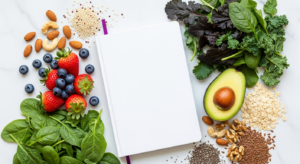
- Whole Foods Focus: Prioritize fruits, vegetables, whole grains, lean proteins (fish, poultry, beans, tofu), and healthy fats (avocado, nuts, olive oil). These provide essential vitamins, minerals, and fiber.
- Hydration is Key: Thirst signals can diminish with age, so consciously drink water throughout the day, even if you don’t feel thirsty. Adequate hydration supports digestion, circulation, and cognitive function.
- Bone Health: Ensure sufficient intake of calcium (dairy, leafy greens, fortified foods) and Vitamin D (sunlight, fatty fish, fortified foods) to maintain bone density and prevent osteoporosis.
- Gut Health: Fiber-rich foods and probiotics (yogurt, fermented foods) support a healthy gut microbiome, which impacts everything from digestion to immunity and mood.
- Mindful Eating: Pay attention to your body’s hunger and fullness cues. Eating slowly and savoring your meals can enhance digestion and enjoyment.
Consider consulting a registered dietitian for personalized nutrition advice, especially if you have specific dietary restrictions or health concerns. Cooking healthy meals can also be a wonderful self-care ritual, allowing you to experiment with new recipes and flavors.
The Restorative Power of Sleep
Quality sleep is a non-negotiable component of senior well-being, yet it’s often overlooked. It’s during sleep that your body repairs itself, consolidates memories, and regulates hormones. While sleep patterns may change with age, the need for restorative sleep remains constant.
- Establish a Routine: Go to bed and wake up around the same time each day, even on weekends, to regulate your internal body clock.
- Create a Sleep Sanctuary: Ensure your bedroom is dark, quiet, cool, and comfortable. Invest in good quality bedding and an ergonomic pillow.
- Limit Stimulants: Avoid caffeine and alcohol, especially in the afternoon and evening, as they can disrupt sleep.
- Wind-Down Ritual: Engage in relaxing activities before bed, such as reading, listening to calming music, or taking a warm bath.
- Manage Naps: If you nap, keep it short (20-30 minutes) and early in the day to avoid interfering with nighttime sleep.
If you consistently struggle with sleep, discuss it with your doctor. Sleep disturbances can significantly impact your mood, cognitive function, and overall physical health. Prioritizing rest is a profound act of self-care that recharges both your body and your spirit, preparing you for a vibrant tomorrow.
Nourishing the Mind: Cognitive Engagement and Emotional Resilience
Keeping Your Brain Vibrant: Cognitive Engagement
Lifelong learning and mental stimulation are crucial for maintaining cognitive function and potentially delaying cognitive decline. Challenge your brain regularly with new experiences and activities that encourage critical thinking and memory recall.
- Learn Something New: Whether it’s a language, a musical instrument, a craft, or a historical topic, engaging in novel learning experiences creates new neural pathways.
- Puzzles and Games: Crosswords, Sudoku, jigsaw puzzles, chess, and strategy games are excellent for cognitive stimulation.
- Read Widely: Dive into diverse genres, from fiction to non-fiction, biographies, and current events. Reading expands your knowledge and keeps your vocabulary sharp.
- Engage in Hobbies: Hobbies that require problem-solving, planning, or creativity, such as gardening, painting, writing, or photography, are fantastic for mental agility.
- Stay Curious: Ask questions, seek answers, and maintain an active interest in the world around you. This intellectual curiosity fuels cognitive health.
The more you challenge your brain in varied ways, the stronger and more resilient it becomes. Embrace the opportunity to continue growing intellectually and exploring new frontiers of knowledge.
Cultivating Emotional Resilience and Inner Peace
Emotional well-being is the bedrock of a happy and peaceful life, especially as we navigate the transitions and potential losses that can accompany aging. Building emotional resilience means developing the capacity to adapt to change, cope with adversity, and bounce back from setbacks.
- Practice Mindfulness and Meditation: These ancient practices can reduce stress, improve focus, and cultivate a deeper sense of inner peace. Even a few minutes a day of mindful breathing can make a significant difference.
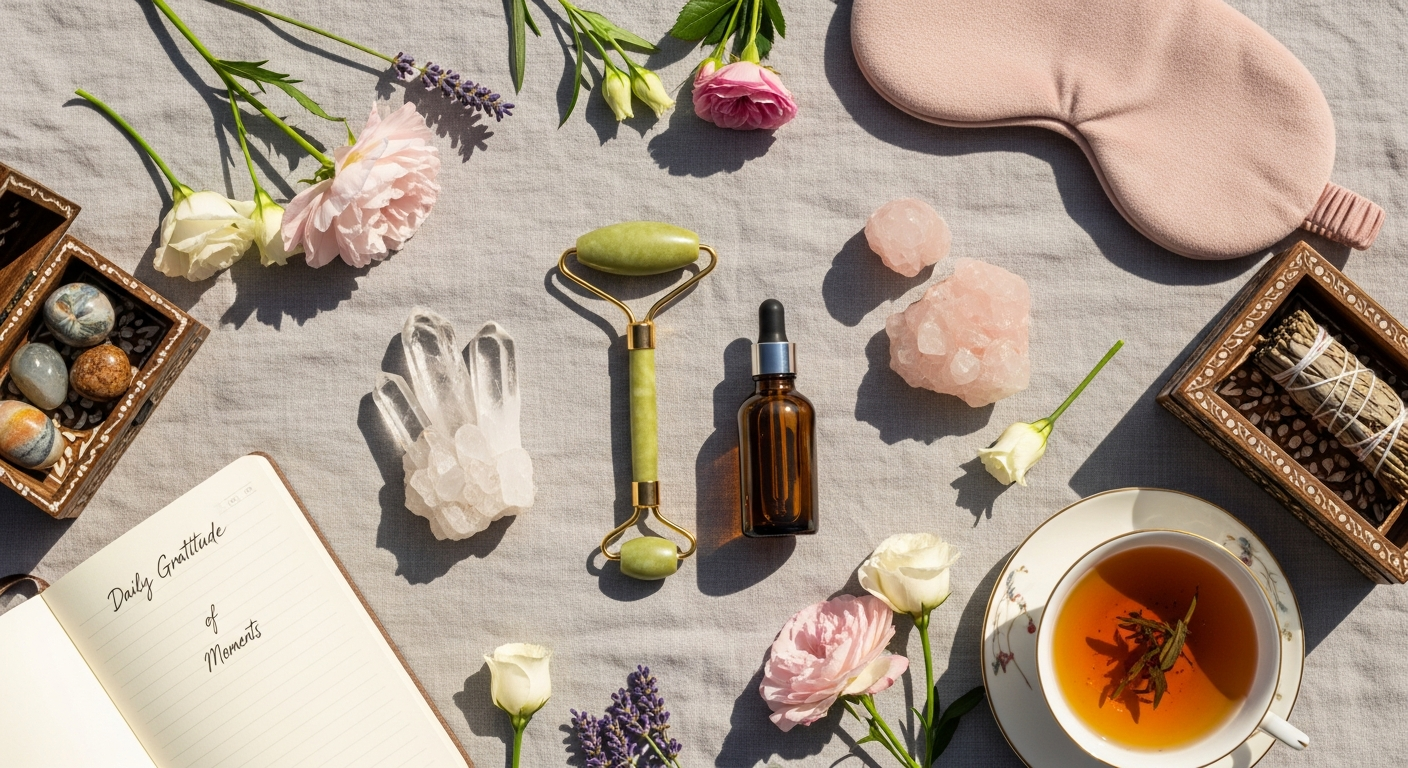
- Embrace Gratitude: Regularly reflecting on things you are thankful for can shift your perspective towards positivity. Keep a gratitude journal or simply take a few moments each day to acknowledge your blessings.
- Journaling for Clarity: Writing down your thoughts and feelings can be a powerful tool for processing emotions, gaining insight, and reducing stress.
- Manage Stress Proactively: Identify your stressors and develop healthy coping mechanisms. This might include deep breathing exercises, spending time in nature, listening to music, or engaging in a calming hobby.
- Seek Support When Needed: It’s a sign of strength, not weakness, to reach out for help. If you’re struggling with persistent sadness, anxiety, or grief, talk to a trusted friend, family member, or a mental health professional.
- Cultivate Positive Self-Talk: Challenge negative thought patterns and replace them with compassionate, encouraging self-talk. Be your own best friend.
By actively nourishing your mind and fostering emotional resilience, you create an inner sanctuary of strength and calm. This allows you to meet the golden years with a vibrant intellect and a heart full of peace, ready to embrace all the richness that life continues to offer.
The Power of Connection: Social Bonds and Community Engagement
Humans are inherently social creatures, and the need for connection doesn’t diminish with age; in many ways, it becomes even more vital. Strong social bonds and active community engagement are powerful antidotes to loneliness and isolation, which can have detrimental effects on both physical and mental health. For women, who often serve as the emotional anchors of their families, maintaining and expanding their social networks in their golden years is a critical aspect of self-care, enriching life with shared experiences, mutual support, and profound joy.
Nurturing Existing Relationships
Your long-standing relationships are treasures built over years, often decades. Make a conscious effort to maintain and deepen these connections.
- Family First: Spend quality time with children, grandchildren, siblings, and other relatives. Organize regular family meals, outings, or even virtual gatherings for those who live far away.
- Cherish Friendships: Reach out to old friends, schedule regular phone calls, video chats, or meet-ups for coffee, lunch, or activities you both enjoy. Shared laughter and reminiscing are wonderful for the soul.
- Be Present: When you are with loved ones, put away distractions and give them your full attention. Active listening strengthens bonds.
- Offer Support: Be there for your loved ones, and don’t hesitate to ask for support in return. Reciprocity is key to healthy relationships.
Building New Connections and Engaging with Your Community
While existing relationships are invaluable, actively seeking new connections can inject fresh energy and perspective into your life. Engaging with your community also provides a sense of purpose and belonging.
- Join Clubs and Groups: Pursue your interests by joining book clubs, gardening groups, walking clubs, art classes, or senior centers. These provide ready-made opportunities to meet like-minded individuals.
- Volunteer Your Time: Contributing to a cause you care about not only benefits others but also provides a sense of purpose, satisfaction, and opportunities to meet new people. Options range from local charities to hospitals, schools, or environmental groups.
- Attend Community Events: Check your local listings for festivals, lectures, concerts, farmers’ markets, or workshops. These are excellent, low-pressure ways to be out and about and potentially strike up conversations.
- Embrace Intergenerational Connections: Seek opportunities to interact with younger generations. This could be through mentoring programs, volunteering at schools, or simply engaging with young people in your neighborhood. These interactions can be incredibly enriching for both sides.
- Explore Online Communities: For those comfortable with technology, online forums and social groups centered around specific hobbies or interests can provide a sense of connection, especially if mobility is a concern. Always prioritize safety and privacy in online interactions.
- Consider a Pet: If your lifestyle allows, a pet can offer unconditional love, companionship, and even encourage more physical activity (e.g., dog walking), leading to natural social interactions with other pet owners.
Remember, building connections takes effort and sometimes a willingness to step outside your comfort zone. But the rewards – increased happiness, improved health outcomes, and a richer, more vibrant life – are immeasurable. Prioritizing social connection is a powerful and joyful way to enhance your senior well-being in 2026 and beyond.
Embracing Self-Care Rituals: Beauty, Relaxation, and Personal Growth
Self-care is not a luxury; it’s a fundamental necessity, particularly in your golden years. It’s about creating intentional rituals that nourish your body, calm your mind, and uplift your spirit. These practices range from simple daily habits to more indulgent experiences, all designed to make you feel cherished, refreshed, and empowered. For health-conscious women, these rituals are not about vanity, but about honoring the temple that is your body and fostering a deep sense of inner peace and confidence.
Indulging in Beauty and Relaxation
Taking time for personal grooming and relaxation can have a profound impact on your self-esteem and overall well-being. These acts are small declarations of self-love that signal to yourself that you are worthy of care and attention.
- How to do a facial at home: A Step-by-Step Guide for Radiant Skin
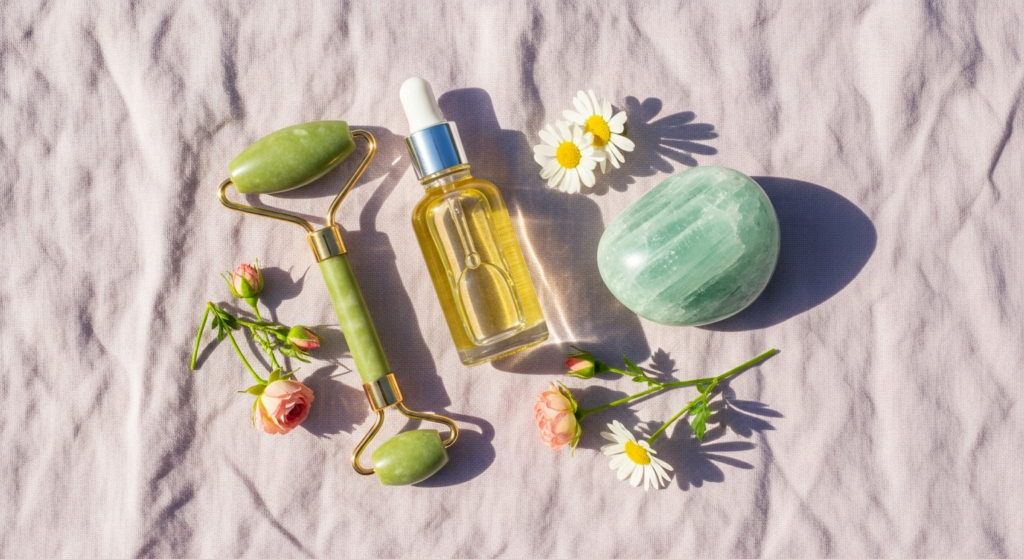
A homemade facial is a wonderfully relaxing and effective way to pamper your skin and boost your mood. It promotes circulation, cleanses pores, and leaves your skin feeling refreshed and revitalized.
- Cleanse: Start with a gentle cleanser to remove makeup and impurities. Use warm water and massage in circular motions. Rinse thoroughly.
- Steam: Fill a bowl with hot water (not boiling). Drape a towel over your head and lean over the bowl for 5-10 minutes. The steam opens pores and prepares your skin for treatment. Add a few drops of essential oils like lavender or chamomile for extra relaxation.
- Exfoliate: Gently apply a mild exfoliant (a sugar scrub with olive oil, or a store-bought gentle scrub) in circular motions, focusing on areas prone to dullness. Avoid harsh scrubbing. Rinse well.
- Mask: Apply a nourishing mask tailored to your skin type. For hydration, try a honey and yogurt mask. For soothing, a mashed avocado mask. For brightening, a turmeric and chickpea flour mask. Relax for 15-20 minutes, perhaps with cucumber slices over your eyes.
- Tone: After rinsing the mask, gently pat your face dry and apply a non-alcoholic toner to balance your skin’s pH. Rosewater is a lovely natural option.
- Moisturize: Finish with a rich, hydrating moisturizer suitable for mature skin. Gently massage it into your face and neck, promoting circulation and deep hydration.
Performing this ritual once a week or every other week can become a cherished part of your self-care routine, leaving you feeling renewed inside and out.
- Soothing Baths and Showers: Transform your bath or shower into a spa-like experience with Epsom salts, essential oils, bath bombs, or invigorating shower steamers. The warmth and aromatherapy can melt away tension.
- Gentle Skincare Routine: Beyond facials, establish a consistent daily skincare routine that focuses on hydration and sun protection. Healthy skin contributes to a radiant appearance and confident feeling.
- Mindful Dressing: Choose clothes that make you feel comfortable, confident, and beautiful. Dressing thoughtfully, even for a day at home, can positively influence your mood.
- Massage Therapy: Whether it’s a professional massage or a self-massage with a favorite lotion, touch therapy can relieve muscle tension, improve circulation, and promote deep relaxation.
Embracing Personal Growth and Hobbies
The golden years are an ideal time to rediscover passions, cultivate new interests, and continue your journey of personal growth. Learning and creativity keep your mind agile and your spirit engaged.
- Rediscover Hobbies: Dust off an old paint set, pick up a forgotten instrument, or return to a beloved craft. Reconnecting with past passions can bring immense joy.
- Start New Hobbies: Never too late to learn! Take a pottery class, join a photography group, try gardening, or learn to knit. The process of learning new skills is incredibly stimulating and rewarding.
- Creative Expression: Engage in activities that allow for self-expression, such as writing poetry or stories, painting, drawing, dancing, or singing. Creativity is a powerful outlet for emotions and a source of deep satisfaction.
- Nature Immersion: Spend time outdoors. Gardening, walking in a park, bird watching, or simply sitting in nature can reduce stress, improve mood, and provide a sense of connection to the world.
- Mindful Presence: Practice being fully present in your daily activities, whether it’s sipping a cup of tea, listening to music, or watching the sunset. These moments of mindful presence enhance appreciation for life’s simple pleasures.
By intentionally weaving these beauty, relaxation, and personal growth rituals into your life, you create a tapestry of self-care that sustains your well-being, fosters joy, and allows you to flourish vibrantly in your golden years.
Navigating Transitions with Grace: Menopause, Retirement, and Beyond
The golden years are often characterized by significant life transitions, from the post-menopausal phase to retirement and evolving family dynamics. While these changes can present challenges, they also offer profound opportunities for growth, reflection, and redefining your purpose. Approaching these transitions with grace, preparation, and a strong self-care foundation allows you to adapt, thrive, and embrace the exciting new chapters that unfold.
Embracing Post-Menopausal Health
For many women, the golden years coincide with the post-menopausal stage, a time when hormonal shifts have stabilized, but their long-term effects on the body become more apparent. Continuing to prioritize health during this phase is crucial for managing symptoms and preventing future health issues.
- Understanding Ongoing Hormonal Influences: While hot flashes may subside, post-menopause brings increased risks for conditions like osteoporosis, heart disease, and vaginal atrophy. Regular check-ups and open communication with your doctor are vital.
- How a menopause tracker can help women even after menopause:
While often associated with perimenopause and menopause, a menopause tracker remains an incredibly useful tool in your post-menopausal years. It shifts its focus from symptom identification to comprehensive health monitoring, offering a personalized record of your well-being.
- Tracking Non-Hormonal Symptoms: You can continue to log symptoms like sleep disturbances, mood fluctuations, joint pain, or changes in energy levels. This helps you identify patterns unrelated to hormonal shifts, which might indicate other health considerations.
- Monitoring Medication Efficacy: If you are on hormone replacement therapy (HRT) or other medications for post-menopausal symptoms (e.g., vaginal dryness, bone density), the tracker can help you assess their effectiveness and track any side effects over time.
- Lifestyle Impact Assessment: Log your diet, exercise, stress levels, and sleep quality. Over time, you can see correlations between your lifestyle choices and your overall well-being, empowering you to make informed adjustments.
- Preparing for Doctor’s Appointments: Having a detailed log of your symptoms and health trends is invaluable when discussing your health with your physician. It provides concrete data, helps you articulate your concerns clearly, and ensures more productive consultations.
- Identifying Long-Term Health Trends: Over months and years, your tracker can reveal important health trends, helping you and your doctor proactively address any emerging concerns related to bone density, cardiovascular health, or cognitive function.
A menopause tracker transforms into a personalized health diary, providing invaluable insights for optimizing your post-menopausal well-being and advocating for your health in 2026 and beyond.
- Holistic Approaches: Continue to explore lifestyle interventions like specific diets (e.g., Mediterranean), targeted exercise, and stress reduction techniques to support overall health and mitigate post-menopausal risks.
Embracing Retirement and Redefining Purpose
Retirement is a significant life change that brings both freedom and the need for reorientation. It’s an opportunity to create a life filled with purpose beyond a career.
- Plan for Purpose, Not Just Leisure: Before fully retiring, think about what gives you meaning and joy. This could be volunteer work, pursuing a long-held passion, starting a small business, or mentoring.
- Establish New Routines: Without the structure of work, it’s easy to lose rhythm. Create a new daily routine that incorporates movement, social connection, learning, and relaxation.
- Financial Wellness: While beyond the scope of this article, having a clear understanding of your finances and a plan for retirement security reduces stress and allows you to enjoy your freedom more fully.
- Embrace New Roles: You might become a full-time grandparent, a dedicated volunteer, or a passionate artist. Embrace these new identities with enthusiasm.
Adapting to Health Changes and Proactive Care
As we age, some health changes are inevitable. The key is to approach them proactively and with resilience.
- Regular Health Screenings: Stay on top of all recommended screenings, including mammograms, bone density tests, cardiovascular checks, and vision/hearing tests. Early detection is vital.
- Advocate for Yourself: Be an active participant in your healthcare decisions. Ask questions, seek second opinions if needed, and ensure your voice is heard.
- Manage Chronic Conditions: If you have chronic health issues, diligently follow your treatment plan, adhere to medication schedules, and maintain open communication with your healthcare team.
- Adapt with Resilience: If physical limitations arise, focus on what you can do. Explore adaptive equipment, new forms of exercise, or alternative ways to enjoy your hobbies. Resilience is about finding new paths forward.
Navigating these transitions requires self-compassion, foresight, and a willingness to adapt. By embracing these changes with grace, you can transform them into powerful catalysts for a deeply fulfilling and vibrant golden age.
Creating a Sanctuary: Home Environment and Lifestyle Choices
Your home is more than just a place to live; it’s your sanctuary, a reflection of your inner world, and a crucial component of your well-being in the golden years. Thoughtful home environment choices and mindful lifestyle decisions can significantly enhance your comfort, safety, and overall quality of life. For health-conscious women, creating a harmonious and supportive living space is an extension of self-care, fostering peace, independence, and joy.
Your Home as a Haven: Comfort, Safety, and Serenity
Designing your home to be both aesthetically pleasing and functionally supportive is key to thriving as you age. It’s about creating an environment that nurtures your spirit and minimizes stress.
- Declutter and Organize: A decluttered space reduces stress, improves safety (fewer tripping hazards), and makes your home feel more spacious and serene. Go through items periodically, keeping only what brings you joy or serves a purpose.
- Optimize for Comfort: Invest in comfortable furniture, supportive bedding, and soft textiles. Create cozy nooks for reading, relaxing, or enjoying a cup of tea.
- Enhance Accessibility and Safety:
- Lighting: Ensure adequate lighting throughout your home, especially in hallways, staircases, and bathrooms, to prevent falls. Consider motion-sensor lights.
- Pathways: Keep pathways clear of clutter, loose rugs, and electrical cords.
- Grab Bars: Install grab bars in bathrooms near the toilet and in the shower/tub for added stability.
- Non-Slip Surfaces: Use non-slip mats in bathrooms and kitchens.
- Emergency Preparedness: Have an emergency plan, easily accessible contact information, and consider a medical alert system if living alone.
- Bring Nature Indoors: Houseplants not only purify the air but also bring a sense of calm
Recommended Resources
Explore How To Layer Necklaces Celebrity Style for additional insights.
For more on nurturing the golden, see How To Get The No Makeup Makeup Look on Sometimes Daily.