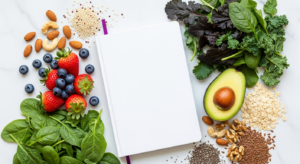
Embrace Your Radiance: A Comprehensive Guide to Natural Skincare for Glowing Skin
In a world brimming with promises of instant transformations, it’s easy to feel overwhelmed by the sheer volume of skincare products and trends. But what if the secret to truly glowing skin isn’t found in the latest chemical concoction, but rather in a return to nature’s wisdom? Here at Veralyn Media, we believe in nurturing your body, mind, and spirit with practices that are both effective and kind. We understand that true beauty radiates from within, reflecting a harmonious balance of health and well-being. This philosophy extends beautifully to our skin – our body’s largest organ, a delicate shield that tells a story of our inner health and the care we bestow upon it.
For centuries, women have turned to the earth’s bounty to enhance their beauty, relying on botanical extracts, essential oils, and nutrient-rich foods to achieve a vibrant, healthy glow. Today, as we become increasingly aware of the ingredients we put on and into our bodies, the natural skincare movement is experiencing a powerful resurgence. It’s not just about avoiding harsh chemicals; it’s about embracing a holistic approach that supports your skin’s innate ability to heal, protect, and regenerate itself. It’s about understanding that healthy skin isn’t just about looking good, it’s about feeling good, confident, and utterly radiant.
This comprehensive guide is designed to empower you with evidence-based insights and actionable tips for cultivating naturally glowing skin. We’ll explore everything from the foundational pillars of holistic wellness to the power of specific plant-derived ingredients, gentle cleansing rituals, and protective measures. We’ll delve into the science behind why these natural approaches work, drawing on expert perspectives to demystify the path to a luminous complexion. So, take a deep breath, settle in, and prepare to embark on a journey towards a more natural, radiant you. Your skin will thank you.
The Foundation: Holistic Wellness for Skin That Radiates from Within
Before we even touch on what to apply topically, it’s crucial to understand that your skin is a direct reflection of your overall health. True radiance begins from the inside out. Neglecting internal well-being is like trying to paint over a cracked canvas – the surface might look temporarily improved, but the underlying issues remain. Embracing a holistic approach means nurturing your body, mind, and spirit, creating an optimal environment for your skin to thrive.
Nourish Your Body: The Power of a Skin-Loving Diet
What you eat directly impacts your skin’s health, texture, and glow. A diet rich in whole, unprocessed foods provides the essential vitamins, minerals, antioxidants, and healthy fats your skin needs to repair itself, fight damage, and maintain its elasticity and hydration. Think of your plate as your daily skincare regimen.
- Antioxidant-Rich Foods: Berries (blueberries, raspberries), leafy greens (spinach, kale), colorful vegetables (bell peppers, sweet potatoes), and green tea are packed with antioxidants like Vitamin C, Vitamin E, and carotenoids. These compounds combat free radicals, which are unstable molecules that damage skin cells, leading to premature aging, dullness, and inflammation. Vitamin C, in particular, is vital for collagen production, the protein that keeps skin firm and supple.
- Healthy Fats: Omega-3 fatty acids, found in fatty fish (salmon, mackerel), flaxseeds, chia seeds, and walnuts, are crucial for maintaining the skin’s lipid barrier. This barrier locks in moisture, keeping your skin hydrated and plump, and protects against environmental aggressors. Healthy fats also have anti-inflammatory properties, which can help calm conditions like acne, eczema, and rosacea.
- Hydrating Foods: Water-rich fruits and vegetables like cucumbers, watermelon, celery, and oranges contribute to overall hydration, supporting skin cell function and giving your complexion a fresh, dewy look.
- Probiotic-Rich Foods: Fermented foods like yogurt, kefir, kimchi, and sauerkraut support a healthy gut microbiome. Emerging research highlights the gut-skin axis, suggesting that a balanced gut can reduce systemic inflammation, which often manifests as skin issues.
- Limit Processed Foods, Sugar, and Excessive Dairy: These can contribute to inflammation, oxidative stress, and hormonal imbalances, often exacerbating acne and dullness. Opt for whole, natural alternatives whenever possible.
Hydration is Key: Drink Your Way to Dewy Skin
It sounds simple, but adequate water intake is perhaps the most fundamental aspect of a glowing complexion. Skin cells, like all cells in your body, need water to function optimally. When you’re dehydrated, your skin can appear dry, tight, and dull, and fine lines may become more prominent. Aim for at least 8 glasses (around 2 liters) of water daily, and more if you’re active or in a hot climate. Herbal teas, fruit-infused water, and hydrating foods also contribute to your daily intake.
The Beauty Sleep Advantage: Rest, Repair, Renew
They don’t call it “beauty sleep” for nothing! While you sleep, your body goes into repair mode, and your skin is no exception. Blood flow to the skin increases, aiding in regeneration and repair from daily damage. Your body also produces human growth hormone (HGH), which is essential for collagen production. Additionally, sleep deprivation can elevate cortisol levels, a stress hormone that can lead to inflammation, collagen breakdown, and breakouts. Aim for 7-9 hours of quality sleep per night. Establish a consistent sleep schedule, create a relaxing bedtime routine, and make your bedroom a sanctuary for rest.
Stress Less, Glow More: The Mind-Skin Connection
Chronic stress is a silent aggressor to your skin. When stressed, your body releases hormones like cortisol, which can trigger inflammation, increase oil production (leading to breakouts), impair the skin’s barrier function, and accelerate aging. Managing stress isn’t just good for your mental health; it’s a vital component of your natural skincare routine. Incorporate stress-reducing practices into your daily life:
- Mindfulness and Meditation: Even 10-15 minutes a day can significantly reduce stress levels.
- Yoga or Tai Chi: These practices combine physical movement with breathwork and mindfulness.
- Regular Exercise: Physical activity is a powerful stress reliever and boosts circulation, delivering oxygen and nutrients to your skin.
- Deep Breathing Exercises: Simple, accessible, and instantly calming.
- Spending Time in Nature: Connecting with the outdoors has been shown to reduce stress and improve mood.
Gentle Cleansing: The First Step to a Natural Glow
Cleansing is the cornerstone of any effective skincare routine, but the key to a natural glow lies in gentle cleansing. Many conventional cleansers contain harsh sulfates and synthetic fragrances that can strip the skin of its natural oils, disrupt its delicate pH balance, and compromise the skin barrier. This leads to dryness, irritation, and can even trigger increased oil production as the skin tries to compensate.
Understanding Your Skin Barrier and pH
Your skin has a natural protective layer called the acid mantle, which is slightly acidic (pH 4.5-5.5). This mantle acts as a crucial barrier against bacteria, pollutants, and moisture loss. Harsh alkaline cleansers can strip this mantle, leaving your skin vulnerable, irritated, and less able to retain moisture. A compromised barrier often manifests as sensitivity, redness, and a dull, dehydrated appearance.
Choosing the Right Gentle Cleanser
- Look for pH-Balanced Formulas: Opt for cleansers that specifically state they are pH-balanced or are designed for sensitive skin.
- Sulfate-Free: Avoid sodium lauryl sulfate (SLS) and sodium laureth sulfate (SLES), common foaming agents that can be overly harsh.
- Fragrance-Free: Synthetic fragrances are a common irritant. Choose products with no added fragrance or those naturally scented with essential oils (if you know you’re not sensitive).
- Cream, Gel, or Oil Cleansers: Depending on your skin type, choose a texture that feels comfortable. Cream cleansers are great for dry or sensitive skin, gels for normal to oily, and oil cleansers for all skin types, especially for breaking down makeup and sunscreen.
- Natural Ingredients: Seek out cleansers featuring soothing botanical extracts like aloe vera, chamomile, green tea, or calendula.
The Art of Gentle Cleansing
- Lukewarm Water: Hot water can strip natural oils and cause irritation. Use lukewarm water to rinse.
- Gentle Touch: Apply cleanser with clean fingertips using light, circular motions. Avoid scrubbing or pulling at your skin.
- Rinse Thoroughly: Ensure all traces of cleanser are removed.
- Pat Dry: Use a clean, soft towel to gently pat your face dry. Avoid rubbing, which can irritate and stretch the skin.
- Double Cleansing (Optional, but Recommended for Makeup/SPF Wearers): Start with an oil-based cleanser (like jojoba oil, almond oil, or a natural cleansing balm) to dissolve makeup, sunscreen, and daily grime. Follow with a gentle water-based cleanser to clean the skin thoroughly. This method ensures a deep clean without stripping your skin.
Nourish & Protect: Harnessing Nature’s Potent Ingredients
Once your skin is clean, it’s ready to drink in the goodness of nature’s most effective ingredients. The beauty of natural skincare lies in its ability to offer potent, bioavailable nutrients that work in harmony with your skin’s natural processes. From serums to moisturizers and sun protection, thoughtful product selection can make a profound difference.
Serums: Concentrated Doses of Botanical Power
Serums are concentrated formulations designed to deliver active ingredients deep into the skin. Natural serums often feature a blend of botanical extracts, vitamins, and hydrating agents.
- Vitamin C (L-Ascorbic Acid or derivatives): A powerful antioxidant that brightens skin, reduces hyperpigmentation, stimulates collagen production, and protects against environmental damage. Look for stable forms of Vitamin C from natural sources like acerola cherry or camu camu.
- Hyaluronic Acid (Plant-Derived): A humectant that attracts and holds up to 1,000 times its weight in water, providing intense hydration and plumping the skin. Plant-derived hyaluronic acid is often made through the fermentation of beneficial bacteria.
- Niacinamide (Vitamin B3): Improves skin barrier function, reduces redness and inflammation, minimizes pore appearance, and helps regulate oil production.
- Rosehip Oil: Rich in Vitamin A (a natural form of retinol), Vitamin C, and essential fatty acids. It aids in cell regeneration, reduces the appearance of scars and hyperpigmentation, and provides deep nourishment.
- Green Tea Extract: A potent antioxidant and anti-inflammatory ingredient that protects against UV damage, soothes irritation, and can help control oil.
Moisturizers: Sealing in Goodness and Hydration
A good natural moisturizer does more than just hydrate; it supports the skin’s barrier function, provides essential nutrients, and protects against environmental stressors. Look for ingredients that mimic your skin’s natural lipids.
- Plant Oils (Jojoba, Argan, Squalane, Shea Butter): These oils are rich in fatty acids and vitamins. Jojoba oil closely resembles the skin’s natural sebum, making it excellent for balancing all skin types. Argan oil is deeply nourishing, while Squalane (often derived from olives or sugarcane) is a lightweight, non-comedogenic emollient. Shea butter is intensely moisturizing and healing.
- Aloe Vera: Soothing, hydrating, and anti-inflammatory. Great for calming irritated skin.
- Glycerin (Vegetable-Derived): Another excellent humectant that draws moisture into the skin.
- Ceramides (Plant-Based): These lipids are naturally found in the skin barrier and are crucial for maintaining its integrity and preventing moisture loss. Look for plant-derived ceramides in your moisturizers.
Sun Protection: Your Non-Negotiable Daily Shield
No amount of natural skincare can undo the damage caused by unprotected sun exposure. UV radiation is the primary cause of premature aging, dark spots, collagen breakdown, and an increased risk of skin cancer. Natural sun protection focuses on mineral-based sunscreens.
- Mineral Sunscreens (Zinc Oxide and Titanium Dioxide): These are physical blockers that sit on top of the skin and reflect UV rays. They are broad-spectrum (protect against both UVA and UVB) and generally considered safer and less irritating than chemical sunscreens. Look for non-nano formulations to ensure they don’t penetrate the skin.
- Broad-Spectrum Protection: Always choose a sunscreen labeled “broad-spectrum” with an SPF of 30 or higher for daily use.
- Application: Apply generously as the last step in your morning routine, before makeup. Reapply every two hours when outdoors, or more frequently if swimming or sweating.
Exfoliation & Masks: Revitalizing Your Complexion Naturally
To reveal truly glowing skin, it’s essential to regularly remove dead skin cells that accumulate on the surface, making your complexion appear dull and rough. However, the key is gentle exfoliation, avoiding harsh scrubs that can cause micro-tears and irritation. Natural masks provide an excellent opportunity to deliver targeted nutrients and boost radiance.
Gentle Exfoliation: Uncovering Fresh Skin
Exfoliation helps to stimulate cell turnover, unclog pores, improve product absorption, and smooth skin texture. For natural skincare, we lean towards gentle methods:
- Enzymatic Exfoliants: These utilize natural fruit enzymes (from papaya, pineapple, pumpkin) to gently dissolve dead skin cells without scrubbing. They are excellent for sensitive skin types. Look for masks or cleansers containing these enzymes.
- Mild Physical Exfoliants: If you prefer a physical scrub, opt for very fine, rounded particles. Colloidal oatmeal, finely ground nuts (like almonds, ensuring no sharp edges), or sugar are much gentler than harsh nutshells. Mix them with honey or a gentle oil for a nourishing scrub. Use sparingly (1-2 times a week) and with a very light touch.
- Gentle AHAs/BHAs (Naturally Derived): While many synthetic AHAs/BHAs exist, some natural sources can provide similar benefits. For instance, Willow Bark Extract contains salicin, a precursor to salicylic acid (BHA), which is excellent for congested skin. Lactic acid can be found in fermented dairy products (though synthetic versions are common in skincare). These should be introduced slowly and used with caution, always followed by SPF.
Nourishing Masks: Your Weekly Radiance Boost
Masks are a fantastic way to deliver a concentrated dose of nutrients to your skin. Many effective natural masks can be made right in your kitchen!
- Clay Masks (Bentonite, Kaolin, French Green Clay): Excellent for drawing out impurities, absorbing excess oil, and detoxifying the skin. Mix with water, apple cider vinegar, or a hydrosol (like rosewater) to create a paste.
- Honey Masks: Raw honey is a natural humectant, antibacterial, and anti-inflammatory. It’s incredibly soothing and hydrating. Apply raw honey directly to clean skin for 15-20 minutes for a calming, glow-boosting treatment.
- Yogurt Masks: Plain, unsweetened yogurt contains lactic acid (a gentle AHA) which helps to mildly exfoliate and brighten. It also provides probiotics.
- Oatmeal Masks: Colloidal oatmeal is renowned for its soothing and anti-inflammatory properties. Mixed with water or milk, it can calm irritated skin and provide gentle hydration.
- Avocado Masks: Rich in healthy fats, vitamins E and C, and antioxidants, avocado is deeply nourishing and moisturizing. Mash with a little honey or olive oil for a hydrating mask, especially for dry skin.
- Turmeric Masks: Known for its powerful anti-inflammatory and antioxidant properties, turmeric can help brighten skin and reduce hyperpigmentation. Mix a pinch with honey and yogurt (be careful, it can stain!).
Always patch test any new ingredient, especially DIY masks, to ensure you don’t have a reaction.
Lifestyle Habits for Lasting Luminosity
Beyond what you eat and apply to your skin, several daily habits and environmental considerations play a significant role in achieving and maintaining a natural glow. Integrating these practices into your lifestyle provides a holistic framework for enduring skin health.
Exercise Regularly: Boost Circulation, Boost Glow
Regular physical activity isn’t just good for your heart and muscles; it’s a powerful ally for your skin. When you exercise, your heart rate increases, boosting blood flow throughout your body, including to your skin. This increased circulation delivers vital oxygen and nutrients to skin cells, promoting a healthy, vibrant complexion. It also helps carry away waste products and free radicals. The “post-workout glow” isn’t just sweat; it’s improved microcirculation at work. Aim for at least 30 minutes of moderate-intensity exercise most days of the week.
- Actionable Tip: Always cleanse your face before and after a workout to prevent sweat and dirt from clogging pores.
Protect Against Environmental Aggressors: Pollution & Toxins
Our skin is constantly exposed to environmental stressors like pollution, UV radiation, and even blue light from screens. These factors generate free radicals, leading to oxidative stress, collagen breakdown, and dullness.
- Pollution Protection: Antioxidant-rich skincare (Vitamin C, E, green tea extract) helps neutralize pollution-induced free radicals. Thorough cleansing at the end of the day is crucial to remove accumulated pollutants.
- Blue Light: While research is still emerging, some studies suggest blue light from devices may contribute to skin aging. Using antioxidant serums can offer some protection.
- Air Quality: Consider an air purifier in your home, especially if you live in an urban area, to reduce indoor pollutants.
- Avoid Harsh Chemicals: Be mindful of household cleaning products and personal care items that contain harsh chemicals, as these can contribute to overall toxic load and potential skin irritation.
Mindful Product Selection: Reading Labels and Understanding Ingredients
The term “natural” can sometimes be loosely used. To truly embrace natural skincare, become an informed consumer.
- Read Ingredient Lists: Look for products with recognizable, plant-derived ingredients. The fewer the ingredients, often the better.
- “Clean Beauty” Certifications: Look for certifications from reputable organizations that ensure products are free from specific harmful chemicals (e.g., parabens, phthalates, synthetic fragrances, sulfates).
- Patch Test: Always patch test new products, especially those containing essential oils, on a small, inconspicuous area of your skin (like behind the ear or on your inner arm) for 24-48 hours before applying to your entire face. This helps identify potential sensitivities.
- Expiration Dates: Natural products often have shorter shelf lives due to fewer synthetic preservatives. Pay attention to expiration dates and PAO (period after opening) symbols.
Hands Off: Resist Picking and Touching Your Face
It’s a simple habit, but one that can significantly impact your skin’s clarity and health. Constantly touching your face transfers dirt, oil, and bacteria from your hands to your skin, potentially leading to breakouts and irritation. Picking at blemishes can introduce more bacteria, worsen inflammation, lead to scarring, and prolong healing time.
- Actionable Tip: Be mindful of how often you touch your face. If you have a tendency to pick, try to replace the habit with a more constructive one, like applying a spot treatment.
The Mind-Skin Connection: Inner Peace, Outer Radiance
In our earlier discussion about holistic wellness, we touched upon stress management. However, the profound connection between our emotional state and the health of our skin warrants a deeper dive. The mind-skin connection, often referred to as psychodermatology, is a recognized field that explores how psychological factors like stress, anxiety, and emotions can manifest on the skin, and conversely, how skin conditions can impact our mental well-being. Cultivating inner peace is not just a feel-good practice; it’s a scientifically supported strategy for a truly radiant complexion.
Understanding the Stress-Skin Axis
When you experience stress, your body activates its “fight or flight” response, releasing a cascade of hormones, primarily cortisol. While useful in acute situations, chronic elevation of cortisol has several detrimental effects on the skin:
- Inflammation: Cortisol can trigger and exacerbate inflammatory responses, leading to conditions like acne, eczema, psoriasis, and rosacea flare-ups.
- Impaired Barrier Function: Chronic stress can weaken the skin’s protective barrier, making it more permeable to irritants and more susceptible to moisture loss, leading to dryness and sensitivity.
- Collagen Breakdown: Cortisol can inhibit collagen production and accelerate its breakdown, contributing to premature aging, fine lines, and loss of elasticity.
- Increased Oil Production: Stress can stimulate sebaceous glands, leading to excess oil production and a higher likelihood of breakouts.
- Slowed Healing: Wound healing and skin repair processes can be slowed down under chronic stress.
Cultivating Inner Peace for Outer Radiance
The good news is that just as stress can negatively impact your skin, practices that promote relaxation and emotional well-being can positively influence your complexion. Integrating these into your daily life is a powerful, natural skincare strategy.
- Mindfulness and Meditation: These practices help you become more aware of your thoughts and feelings without judgment, reducing the stress response. Even a few minutes of focused breathing can lower cortisol levels. Apps like Calm or Headspace offer guided meditations that are easy to incorporate.
- Deep Breathing Exercises: Simple yet effective, deep belly breathing activates the parasympathetic nervous system, promoting relaxation. Practice inhaling deeply through your nose, letting your belly expand, and exhaling slowly through your mouth.
- Journaling: Writing down your thoughts and feelings can be a powerful way to process emotions, reduce rumination, and gain perspective, thereby lowering stress.
- Nature Immersion: Spending time outdoors, whether it’s a walk in the park or gardening, has been shown to reduce cortisol levels, lower blood pressure, and improve mood. The fresh air and natural light also benefit overall health.
- Creative Expression: Engaging in hobbies like painting, playing music, crafting, or even cooking can be incredibly therapeutic and stress-reducing.
- Social Connection: Nurturing meaningful relationships provides emotional support, which is a powerful buffer against stress.
Transforming Your Skincare Routine into a Self-Care Ritual
Beyond specific stress-reduction techniques, you can also infuse your daily natural skincare routine with mindfulness, transforming it from a chore into a cherished self-care ritual. This deliberate shift can enhance both your mental well-being and your skin’s health.
- Slow Down: Instead of rushing through cleansing and moisturizing, take your time. Inhale the natural aromas of your products.
- Mindful Application: As you apply serums and moisturizers, gently massage your face. Focus on the sensation, the texture, and the feeling of nourishing your skin. This simple act can be incredibly grounding.
- Positive Affirmations: As you look in the mirror, offer yourself kindness and positive affirmations. Acknowledge your natural beauty and the effort you’re putting into self-care.
- Create an Ambiance: Light a natural candle, play calming music, or use an essential oil diffuser (with skin-safe oils like lavender or frankincense) to create a serene atmosphere during your skincare routine.
Remember, the journey to glowing skin is not just about what you put on your face, but how you cultivate your inner world. By nurturing your emotional well-being, you’re investing in a radiance that shines from the deepest part of you.
Conclusion: Your Journey to a Naturally Radiant You
Embarking on a natural skincare journey is an empowering act of self-love and a profound commitment to your overall well-being. It’s a shift from merely treating symptoms to nurturing the root causes of skin health, recognizing that true radiance is a holistic reflection of how you care for your body, mind, and spirit. As we’ve explored, the path to glowing skin is not paved with quick fixes or harsh chemicals, but with consistent, gentle care, informed choices, and a deep appreciation for nature’s wisdom.
From nourishing your body with nutrient-rich foods and staying hydrated, to embracing the restorative power of sleep and effectively managing stress, the foundations of radiant skin are built from within. Layering this internal care with mindful external practices – choosing gentle, pH-balanced cleansers, harnessing the potent power of botanical serums and moisturizers, and diligently protecting your skin from the sun – creates a synergistic approach that truly transforms your complexion.
Remember, this journey is not about perfection, but about progress and understanding. It’s about listening to your skin, learning what it loves, and being patient as it adapts and thrives. There will be days when your skin feels fantastic, and others when it may need a little extra TLC. Embrace these fluctuations as opportunities to deepen your understanding of your body’s unique needs.
At Veralyn Media, we champion the idea that beauty is an extension of health and happiness. By choosing natural skincare, you’re not just opting for better ingredients; you’re embracing a lifestyle that honors your body’s natural rhythms, respects the environment, and fosters a sense of inner peace. So, step forward with confidence, armed with knowledge and inspired by nature’s boundless gifts. Your naturally glowing skin awaits, a vibrant testament to your holistic commitment to a radiant, healthy you.
Frequently Asked Questions About Natural Skincare for Glowing Skin
Q1: How long does it typically take to see results from natural skincare?
A1: Patience is key with natural skincare. While some immediate benefits like improved hydration or reduced irritation can be noticed quickly, significant changes in skin texture, tone, and overall radiance typically take 4-6 weeks, aligning with the skin’s natural cell turnover cycle. For deeper concerns like hyperpigmentation or fine lines, it could take 2-3 months or even longer with consistent use. Holistic lifestyle changes (diet, sleep) also contribute over time.
Q2: Are essential oils safe and effective for natural skincare?
A2: Essential oils can be highly beneficial in natural skincare due to their potent anti-inflammatory, antimicrobial, and antioxidant properties. However, they are highly concentrated and must be used with caution. Always dilute essential oils with a carrier oil (like jojoba, almond, or argan oil) before applying to the skin. Perform a patch test first, as some individuals may be sensitive. Avoid direct sun exposure after using photosensitizing oils (e.g., citrus oils). It’s best to consult a certified aromatherapist or dermatologist if you have specific concerns or very sensitive skin.
Q3: Can I make my own natural skincare products at home?
A3: Yes, many simple and effective natural skincare products can be made at home using common kitchen ingredients. Examples include honey masks, oatmeal scrubs, clay masks, and basic oil blends. However, for more complex formulations (e.g., creams, serums with active ingredients), it’s crucial to understand proper sanitation, preservation techniques, and ingredient compatibility to prevent bacterial growth and ensure stability and efficacy. For beginners, sticking to fresh, single-use masks or simple oil blends is the safest approach.
Q4: What’s the biggest mistake people make when transitioning to natural skincare?
A4: One of the biggest mistakes is trying to switch all products at once or expecting instant results. This can overwhelm the skin and make it difficult to identify which products are working or causing issues. Another common mistake is neglecting patch testing, leading to unexpected allergic reactions or sensitivities. Additionally, some might use DIY recipes that are too harsh or lack proper preservation, causing more harm than good. A gradual transition, listening to your skin, and thorough research are vital.
Q5: Is natural skincare suitable for all skin types, including sensitive or acne-prone skin?
A5: Absolutely! Natural skincare can be highly beneficial for all skin types, including sensitive and acne-prone skin, often more so than conventional products due to the absence of harsh chemicals, synthetic fragrances, and dyes that commonly trigger irritation. For sensitive skin, focus on soothing ingredients like aloe vera, chamomile, and calendula. For acne-prone skin, look for non-comedogenic oils (e.g., jojoba, squalane), tea tree oil (diluted), willow bark extract, and gentle clay masks. The key is careful ingredient selection and patch testing to find what works best for your unique skin.
“`json
{
“@context”: “https://schema.org”,
“@graph”: [
{
“@type”: “Article”,
“mainEntityOfPage”: {
“@type”: “WebPage”,
“@id”: “https://www.veralynmedia.com/natural-skincare-glowing-skin”
},
“headline”: “Embrace Your Radiance: A Comprehensive Guide to Natural Skincare for Glowing Skin”,
“image”: [
“https://www.veralynmedia.com/images/natural-skincare-glow-hero.jpg”,
“https://www.veralynmedia.com/images/natural-skincare-ingredients.jpg”,
“https://www.veralynmedia.com/images/natural-skincare-wellness.jpg”
],
“datePublished”: “2023-10-27T08:00:00+08:00”,
“dateModified”: “2023-10-27T08:00:00+08:00”,
“author”: {
“@type”: “Organization”,
“name”: “Veralyn Media”