
The Foundation of Connection: Hearing and Your Relationships
For women, relationships often form the bedrock of our lives. We are the communicators, the caregivers, the social connectors, and the listeners. Our ability to foster deep, meaningful connections hinges significantly on our hearing health. When hearing begins to decline, even subtly, the delicate dance of conversation can become a frustrating struggle, eroding the very fabric of our interactions.
Imagine trying to enjoy a lively family dinner, where laughter and stories intertwine. If you’re constantly asking “What did you say?” or struggling to follow group conversations, the joy quickly dissipates. This isn’t just an inconvenience; it’s a barrier. Misunderstandings become more frequent, leading to feelings of isolation and inadequacy. Partners might feel unheard or frustrated by the constant need to repeat themselves, while children or grandchildren may unconsciously start to exclude you from conversations, not out of malice, but because it feels too difficult. This can lead to a gradual withdrawal from social situations, impacting everything from casual coffee dates with friends to important family gatherings.
Consider a Veralyn Media reader planning a family RV road trip for 2026. Communication is key to a successful journey – navigating directions, discussing plans, or simply sharing the joy of new sights. If hearing challenges make it difficult to communicate effectively in a noisy RV cabin or around a campfire, the experience can become less enjoyable and more stressful for everyone. You might miss out on crucial travel details, feel disconnected from the shared adventure, or even struggle to hear important safety warnings from your travel companions. The subtle sounds of nature, the gentle murmur of a stream, or the rustle of leaves – integral to the RV experience – might also be muted or lost entirely, diminishing the overall sensory richness of the trip.
Furthermore, untreated hearing loss can strain intimate relationships. The effortless back-and-forth that characterizes deep connection can be replaced by tension and resentment. A partner might feel ignored or misunderstood, while the individual with hearing loss may feel lonely even when surrounded by loved ones. The effort required to “pretend” to hear can be exhausting, leading to social fatigue and a preference for solitude, ironically deepening the very isolation one tries to avoid. Prioritizing your hearing health means investing in the quality of your most cherished relationships, ensuring you remain an active, engaged, and empathetic participant in the conversations that matter most.
Protecting Your Mind: Hearing Health and Cognitive Function
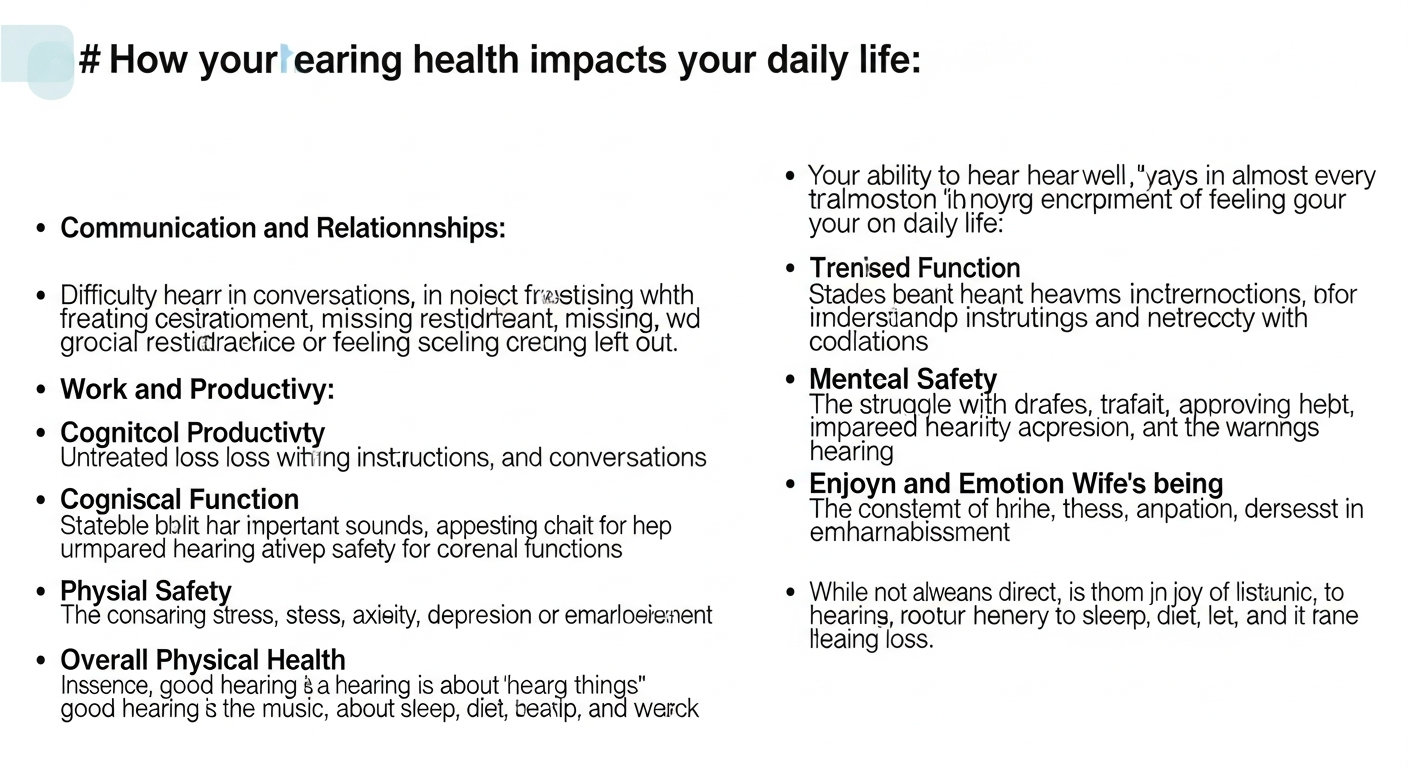
The intricate connection between our ears and our brain extends far beyond simply processing sound. Emerging evidence strongly suggests that untreated hearing loss can have profound implications for cognitive health, impacting everything from memory and attention to the very structure of our brains. This is a crucial area for health-conscious women, particularly as we age and consider proactive steps for a vibrant future.
When you struggle to hear, your brain has to work significantly harder to fill in the gaps, to decipher muffled words, and to make sense of incomplete auditory information. This constant cognitive strain diverts valuable mental resources away from other crucial functions like memory, problem-solving, and attention. It’s like running multiple heavy applications on a computer with limited RAM; performance suffers across the board. Studies have shown a compelling link between untreated hearing loss and an increased risk of cognitive decline, including dementia. The theory is multifaceted: the cognitive load theory suggests the brain is simply too busy compensating for hearing loss to perform other tasks efficiently. Another theory points to social isolation, a common consequence of hearing loss, which is itself a known risk factor for cognitive decline. Additionally, changes in brain structure, such as accelerated brain atrophy in regions associated with hearing and memory, have been observed in individuals with hearing loss.
For women approaching or enjoying retirement, maintaining cognitive sharpness is often a top priority. While managing finances and staying physically active are important aspects of adjusting to this new life phase, safeguarding your hearing health is equally vital for preserving mental acuity. If you’re struggling to follow a book club discussion, understand a podcast, or engage in complex conversations with friends, your brain isn’t receiving the rich auditory stimulation it needs to stay active and engaged. This can lead to a less stimulating environment for your brain, potentially accelerating cognitive decline.
Furthermore, a quiet and peaceful home environment, often a goal for those undertaking home renovations, can be vital for cognitive well-being. While renovations themselves can be noisy, the outcome should be a sanctuary. If your hearing is impaired, even a seemingly peaceful home might feel isolating because you’re missing subtle cues – the hum of the refrigerator, the distant chirping of birds, or the rustle of leaves outside. Conversely, if you have untreated hearing loss, the brain’s struggle to hear can create an internal “noise” that prevents true mental rest. By addressing hearing loss, you free up cognitive resources, allowing your brain to focus on learning new skills, engaging in hobbies, and maintaining the sharp, active mind you desire for a fulfilling life in 2026 and beyond.
Nurturing Your Spirit: The Emotional and Mental Toll of Untreated Hearing Loss
Imagine the constant mental effort required to simply understand everyday conversations. This isn’t just tiring; it’s profoundly frustrating. The repeated need to ask for clarification, the feeling of being left out of jokes or discussions, and the fear of saying the wrong thing can chip away at one’s self-esteem and confidence. This chronic frustration can manifest as irritability, not just towards others, but also towards oneself, fostering a sense of inadequacy. Many women describe feeling “stupid” or “slow” because they struggle to keep up, despite their intelligence being completely intact. This internal narrative can be incredibly damaging.
The social isolation that often accompanies hearing loss is a significant contributor to mental health challenges. When communication becomes difficult, many individuals with hearing loss begin to withdraw from social situations. Parties, group meetings, even intimate conversations can feel overwhelming and exhausting. This withdrawal, in turn, can lead to feelings of loneliness, sadness, and ultimately, depression. Anxiety also becomes a common companion – anxiety about social gatherings, about missing important information, or about navigating public spaces. The constant vigilance required to “hear” can create a state of perpetual stress, impacting sleep quality and overall peace of mind.
Consider the emotional adjustments involved in adjusting to retirement. This phase of life brings with it a host of emotional shifts, from finding new purpose to maintaining social connections. If compounded by untreated hearing loss, these adjustments become exponentially harder. The joy of newfound freedom can be overshadowed by the struggle to engage with new groups or pursue hobbies that require clear communication. Similarly, while embarking on home renovation projects, the unavoidable noise can be a source of stress. But beyond the temporary disruption, if your hearing is already compromised, the inability to fully enjoy the peace and quiet of your newly renovated space, or to hear the subtle sounds that make a house a home, can be emotionally disheartening. Prioritizing hearing health is an act of self-care, a way to nurture your spirit and ensure you have the emotional resilience to navigate life’s transitions and enjoy every moment with clarity and confidence, well into 2026 and beyond.
Staying Safe and Sound: Hearing’s Role in Daily Practicalities and Safety

Our hearing is an indispensable tool for navigating the world safely and efficiently. It acts as an early warning system, a guide, and a crucial component of our situational awareness. For women, who often juggle multiple responsibilities and manage households, the impact of hearing health on daily practicalities and personal safety is profound and often underestimated. Losing this vital sense means losing a critical layer of protection and independence.
Think about the sounds that keep you safe every day. The blare of a car horn signaling danger, the distinct ring of a smoke alarm, the urgent shout of a child, or the subtle hiss of a gas leak. These auditory cues provide vital information that allows for quick reactions and preventative measures. Without the ability to hear these sounds clearly, the risk of accidents, both in and outside the home, significantly increases. Crossing a busy street becomes more perilous without the ability to gauge approaching traffic. Cooking can become dangerous if you can’t hear a timer, a bubbling pot overflowing, or a smoke detector alerting you to a forgotten item on the stove. Even the simple act of hearing someone approaching your home can be a crucial safety factor.
For those embarking on home renovation projects, good hearing is not just about aesthetics but also about safety. You need to be able to clearly communicate with contractors, understand instructions for new appliances, and perhaps most critically, hear potential hazards like falling tools, power tool warnings, or the sounds of ongoing work in different parts of the house. Ensuring your hearing is optimal during such a project can prevent accidents and ensure the smooth, safe execution of your vision for a beautiful, functional home.
Similarly, for women enjoying a family RV road trip, hearing plays a critical role in safety. You need to hear approaching vehicles, the distinct sounds of your RV’s engine and tires, warning signals on the dashboard, and the voices of your fellow travelers, especially children. Missing these auditory cues could lead to navigational errors, breakdowns, or even dangerous situations on the road. Even when parked, being able to hear unfamiliar sounds outside your RV at night is an important aspect of personal security.
Beyond immediate safety, hearing health impacts daily practicalities that contribute to our independence. Can you hear the doorbell or phone ringing? Can you follow announcements at a train station or airport? Can you understand a doctor’s instructions or a bank teller’s questions? These seemingly small interactions, when consistently challenging, can lead to increased reliance on others and a diminished sense of self-sufficiency. Prioritizing your hearing health ensures you remain an alert, independent, and secure individual, capable of confidently navigating all aspects of your daily life, making smart choices for your well-being in 2026 and every year thereafter.
Empowering Your Path: Hearing Health in Professional Life and Financial Stability
For many women, a significant portion of their identity and financial security is tied to their professional life. Whether you’re a seasoned executive, a dedicated entrepreneur, or contributing your skills in any capacity, your hearing health plays a critical, often underestimated, role in your ability to perform, advance, and maintain financial stability. Neglecting it can create unseen barriers to career success and long-term financial well-being.
In the workplace of 2026, clear and effective communication is paramount. From team meetings and client presentations to phone calls and virtual conferences, our professional lives are built on the exchange of information. Untreated hearing loss can create significant hurdles:
- Difficulty in Meetings: Struggling to follow group discussions, missing key decisions, or misinterpreting instructions can lead to errors, missed deadlines, and a perception of disengagement.
- Client and Colleague Relationships: Constant requests for repetition or misunderstandings can strain professional relationships, making you appear less competent or attentive.
- Career Advancement: If you’re hesitant to participate, present, or network due to hearing challenges, opportunities for promotion or new responsibilities might be overlooked.
- Workplace Safety: In certain professions, hearing alerts, alarms, or machinery sounds is crucial for safety.
These challenges can lead to decreased productivity, increased stress, and ultimately, a feeling of being undervalued or falling behind, potentially impacting your income and career trajectory.
Beyond immediate career impacts, hearing health has long-term financial implications. Untreated hearing loss has been linked to lower income levels and higher unemployment rates. While the direct costs of hearing aids might seem significant initially, they are often outweighed by the financial benefits of maintaining employment, career progression, and overall productivity. Furthermore, the potential link between hearing loss and cognitive decline means that neglecting hearing health could indirectly impact your ability to manage finances effectively in later life, a critical aspect of adjusting to retirement.
When planning for retirement, women often focus on investment strategies, savings, and budgeting. However, considering the financial implications of health, including hearing health, is equally vital. Proactively addressing hearing loss ensures you can continue to work as long as you desire, maintain your earning potential, and avoid the potential financial strain of related health issues down the line. It also means you’ll be able to fully participate in financial planning discussions, understand complex documents, and make informed decisions about your assets. Even during home renovation projects, clear communication with contractors and suppliers is essential to stay on budget and avoid costly misunderstandings – another instance where good hearing directly impacts your financial outlay.
Empowering your professional path and securing your financial future requires a holistic approach to health. By prioritizing your hearing health, you’re not just investing in clearer sound; you’re investing in your ability to communicate, contribute, and confidently navigate the economic landscape, ensuring a stable and prosperous future for yourself and your loved ones in 2026 and beyond.
Enriching Your World: How Hearing Enhances Lifestyle, Hobbies, and Travel
Life is meant to be savored, experienced, and enjoyed in all its sensory richness. For women, who often find solace and joy in a myriad of activities – from the quiet contemplation of a garden to the vibrant energy of a concert, from the thrill of travel to the camaraderie of a book club – hearing is a gateway to a truly enriched existence. When hearing fades, so too can the vibrant colors of these experiences, leaving a world that feels muted and less engaging.
Consider the pleasure derived from music. Whether it’s your favorite album, a live symphony, or the background hum of a coffee shop, music stirs emotions, triggers memories, and provides comfort and joy. Hearing loss can strip away the nuances of melody, rhythm, and harmony, turning beloved songs into a distorted jumble of sounds. Similarly, the sounds of nature – the gentle lapping of waves, the chirping of birds at dawn, the rustle of leaves in the wind – connect us to the natural world and provide a sense of peace and wonder. For a Veralyn Media reader embarking on a family RV road trip, these natural soundscapes are an integral part of the adventure, enhancing the beauty of every vista and creating lasting memories. Losing the ability to fully appreciate these sounds diminishes the overall experience and connection to the environment.
Hobbies, too, are deeply impacted. If you love attending theater performances, hearing the dialogue clearly is paramount. If you enjoy group fitness classes, understanding the instructor’s cues is essential. Even a quiet hobby like knitting or painting can be enhanced by listening to a podcast or engaging in conversation with a friend. The ability to participate fully in these activities, without constant strain or misunderstanding, contributes significantly to our overall happiness and sense of fulfillment. Social hobbies, in particular, suffer greatly. Imagine trying to engage in a lively book club discussion or a bridge game if you’re constantly missing key comments or unable to follow the flow of conversation.
Travel is another area where hearing health makes a world of difference. Navigating new airports, understanding local guides, engaging with diverse cultures, and simply enjoying the sounds of a foreign city – from bustling markets to peaceful temples – all rely on good hearing. Missing crucial announcements, struggling to order food, or feeling disconnected from the local chatter can turn an exciting adventure into a stressful ordeal. Even the sounds of your own home, especially after a thoughtful home renovation, contribute to its comfort and character. The gentle hum of a new appliance, the clear ring of a doorbell, or the laughter of family members echoing through a newly opened space – these are the sounds that make a house a home. If your hearing is impaired, these subtle auditory cues that create a sense of place and belonging can be lost.
By proactively managing your hearing health, you ensure that you can continue to engage with the world in all its vibrant auditory glory. You preserve your ability to enjoy music, immerse yourself in nature, pursue your passions, and embark on adventures with confidence and clarity, enriching your life for 2026 and every year that follows.
Proactive Steps for Lifelong Hearing Wellness: A Veralyn Media Guide
Understanding the profound impact of hearing health on every facet of your daily life is the first step towards empowerment. The good news is that there are many proactive measures health-conscious women can take to protect, preserve, and even restore their hearing, ensuring a future filled with clear sounds and vibrant connections. Embracing lifelong hearing wellness means being informed, taking action, and advocating for your own well-being.
Regular Hearing Screenings and Check-ups
- Why it matters: Just like annual physicals or mammograms, regular hearing screenings are crucial for early detection. Hearing loss often develops gradually, making it difficult to notice in its initial stages. Early intervention is key to preventing further decline and managing its impact.
- Veralyn Media Tip: Make it a habit. Schedule a baseline hearing test by 2026, especially if you’re over 50, have a family history of hearing loss, or have been exposed to loud noises. Then, follow your audiologist’s recommendations for follow-up screenings.
Protect Your Ears from Noise Exposure
- Why it matters: Noise-induced hearing loss is preventable. Prolonged exposure to loud sounds, whether from concerts, power tools, or even noisy household appliances, can permanently damage the delicate hair cells in your inner ear.
- Veralyn Media Tip:
- Wear hearing protection: When engaging in noisy activities like using power tools during home renovations (e.g., sawing, drilling), attending loud events, or even operating noisy kitchen appliances for extended periods, use earplugs or earmuffs.
- Mind your music: Keep headphone and earbud volume at a safe level (generally no more than 60% of maximum volume for no more than 60 minutes at a time).
- Create quiet zones: Designate parts of your home as quiet spaces, especially after a renovation, to give your ears a break and reduce overall auditory fatigue.
Embrace Hearing Technology When Needed
- Why it matters: If hearing loss is diagnosed, modern hearing aids and other assistive listening devices are incredibly sophisticated and can make a dramatic difference. They are not just about “loudness” but about clarity, helping your brain process sound more effectively.
- Veralyn Media Tip: Don’t delay. The longer you wait to address hearing loss, the more challenging it can be for your brain to relearn how to process sounds. Explore the latest options – from nearly invisible designs to smart features – and work with an audiologist to find the right solution for your lifestyle and needs. This is a vital part of staying on top of your health in retirement, ensuring you remain socially active and mentally engaged.
Adopt Healthy Lifestyle Habits
- Why it matters: What’s good for your heart is often good for your ears. Good circulation is essential for the health of the delicate structures in your inner ear.
- Veralyn Media Tip:
- Healthy diet: A diet rich in antioxidants (like those found in fruits and vegetables), magnesium, and omega-3 fatty acids can support overall ear health.
- Regular exercise: Boosts circulation throughout your body, including your ears.
- Manage chronic conditions: Conditions like diabetes and high blood pressure can impact hearing, so effective management is crucial.
- Avoid smoking: Smoking can restrict blood flow and damage ear structures.
Enhance Communication Strategies
- Why it matters: Even with assistive devices, practicing good communication habits can significantly improve interactions.
- Veralyn Media Tip:
- Face the speaker: Lip-reading and visual cues are incredibly helpful.
- Reduce background noise: In social settings, choose quieter environments. During a family RV road trip, turn down the radio when having important conversations.
- Be open: Inform friends and family about your hearing needs so they can adjust their communication style.
- Use technology: Utilize captions for TV, video calls, and public presentations.
By integrating these proactive steps into your lifestyle, you’re not just addressing a potential health concern; you’re making an empowering choice to safeguard your connections, protect your cognitive vitality, nurture your emotional well-being, and fully experience the richness of life. Your hearing health is an investment in your whole self, ensuring you can lead a vibrant, engaged, and fulfilling life in 2026 and for many years to come.
Frequently Asked Questions
Recommended Resources
For more on how your hearing, see How To Style A Classic White Button Down Shirt Outfits on The Contextual Life.
Related reading: Morning Routine Ideas For Women (Rock Salt Plum).