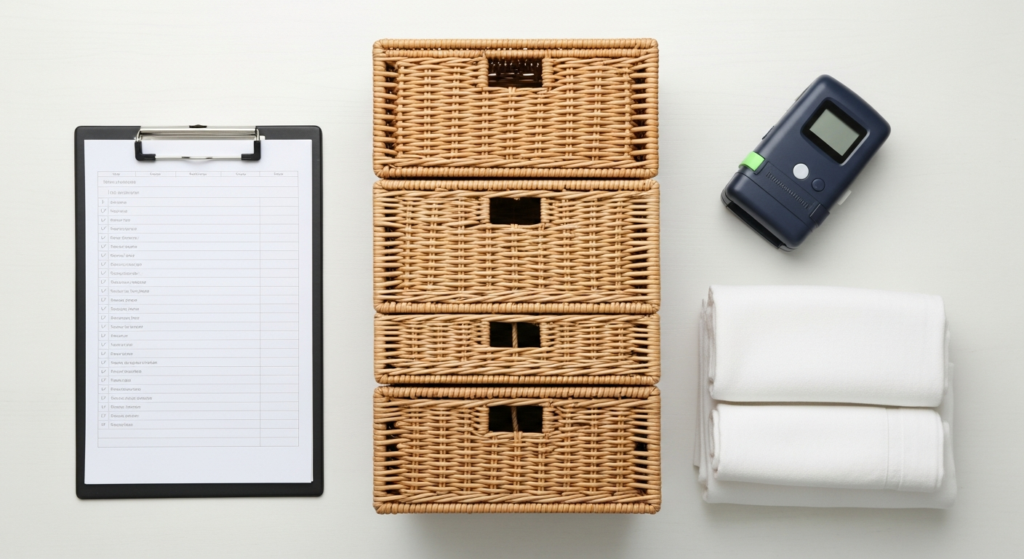
The Transformative Power of an Organized Home: A Foundation for Well-being
The state of our physical surroundings has a profound, often underestimated, impact on our mental and emotional health. A cluttered home can be a silent amplifier of stress, anxiety, and even physical fatigue. Imagine walking into a space where every item has its place, where functionality meets serenity, and where the air feels lighter simply because there’s less visual noise. This isn’t just a dream; it’s an achievable reality that directly contributes to your holistic well-being.
For women especially, who frequently navigate demanding careers, family responsibilities, and personal pursuits, an organized home is more than just tidy; it’s a strategic advantage. It liberates mental bandwidth that would otherwise be consumed by searching for lost items, navigating obstacles, or feeling overwhelmed by endless to-do lists related to home management. This reclaimed mental energy can then be redirected towards more fulfilling activities, self-care practices, or pursuing personal goals.
Consider the connection between organization and some of the most vital Womens Health Tips Every Woman Should Know. Chronic stress, often exacerbated by chaotic environments, can lead to a cascade of negative health outcomes, including sleep disturbances, hormonal imbalances, and weakened immune function. An organized home, conversely, promotes a sense of calm and control, directly mitigating stress. It fosters better sleep hygiene by creating a tranquil bedroom environment, encourages healthier eating habits by making kitchen prep more efficient, and even supports physical activity by clearing space for exercise. By reducing external chaos, we create internal peace, allowing us to think more clearly, make better decisions, and engage more fully with our lives. This deep dive into organizing from scratch is not merely about tidying; it’s about crafting an environment that actively nurtures your health, vitality, and overall happiness, preparing you for a thriving life in 2026 and beyond.
Furthermore, an organized space enhances productivity. Whether you’re working from home, managing household budgets, or pursuing a creative hobby, a dedicated and clutter-free area allows for greater focus and efficiency. This means less time wasted and more time available for personal growth, relaxation, or spending quality moments with loved ones. It’s about building systems that support your life, rather than being constantly bogged down by the demands of your belongings. This intentional approach to home organization is a powerful investment in your long-term health and emotional resilience.
Preparing for Your Organization Journey: Mindset and Strategy
Embarking on the journey to organize your home from scratch is not a sprint; it’s a marathon that requires thoughtful preparation, a resilient mindset, and a clear strategy. Before you even think about pulling out bins or labels, it’s crucial to set the stage mentally and practically for success. This initial phase is perhaps the most critical, as it lays the groundwork for sustainable change.
Cultivating the Right Mindset:
- Define Your “Why”: Why do you want an organized home? Is it for peace of mind, to reduce stress, to create a more functional space for your family, or to support a new health goal? Clearly articulating your motivation will be your anchor when the process feels overwhelming.
- Embrace Imperfection: This journey won’t be flawless. There will be moments of doubt, fatigue, and temporary chaos. Accept that perfection is not the goal; progress and functionality are.
- Celebrate Small Wins: Breaking down the immense task into smaller, manageable steps is key. Celebrate each drawer, shelf, or corner you conquer. These small victories build momentum and motivation.
- Be Kind to Yourself: Decluttering can be emotionally taxing, especially when dealing with sentimental items. Allow yourself to feel emotions, but don’t let them paralyze your progress.
- Visualize the Outcome: Regularly picture your organized, serene home. This mental blueprint will help guide your decisions and reinforce your commitment.
Developing Your Strategy:
- Start Small, Think Big: Resist the urge to tackle your entire home in one go. Choose one small, contained area (a single drawer, a shelf in the pantry) to start. This builds confidence and familiarizes you with the process without overwhelming you.
- Gather Your Supplies: Before you begin, have essential tools on hand: sturdy trash bags (for donations, recycling, and actual trash), cleaning supplies, a timer, and perhaps some basic storage containers (even empty boxes can work initially). Avoid buying fancy organization systems until you know exactly what you need.
- The Four-Box Method: As you declutter, use four designated areas (physical boxes or piles):
- Keep: Items that genuinely serve a purpose or bring you joy.
- Donate/Sell: Items in good condition that you no longer need.
- Trash/Recycle: Broken, expired, or unusable items.
- Relocate: Items that belong in another room.
- Set Realistic Timelines: Don’t expect to organize your entire home in a weekend. Dedicate specific blocks of time – an hour a day, a half-day on weekends – and stick to them. Remember, this is a process that could span several weeks or even months, especially if you’re truly starting from scratch.
- Enlist Support (If Needed): If you find yourself truly stuck, consider asking a trusted friend or family member for an objective opinion. Sometimes, a fresh perspective can help you make tough decisions. For extreme cases, a professional organizer can provide invaluable guidance and accountability.
This preparation phase is about empowering you with the tools and mental fortitude needed for a successful home organization overhaul. By thoughtfully approaching the task with a clear mind and a solid plan, you’re not just organizing your home; you’re building habits and systems that will serve your well-being for years to come, ensuring a more peaceful and efficient household by 2026.
Deconstructing the Clutter: A Room-by-Room Guide to a Harmonious Home
The Kitchen: Heart of the Home, Hub of Health
The kitchen is often the busiest room, a place for nourishment, gathering, and creativity. An organized kitchen isn’t just visually appealing; it’s a critical component of healthy living, directly influencing your ability to prepare nutritious meals, aligning perfectly with Womens Health Tips Every Woman Should Know for optimal dietary habits.
- Empty and Evaluate: Start by completely emptying one section at a time – a pantry shelf, a drawer, or a single cabinet. As you remove items, sort them into your four categories: Keep, Donate/Sell, Trash/Recycle, Relocate.
- Pantry Power:
- Check expiration dates mercilessly. Discard anything past its prime.
- Group similar items: all baking supplies together, all pastas, all snacks.
- Utilize clear containers for dry goods (flour, sugar, grains) to prevent spills and easily monitor inventory.
- Employ vertical storage solutions like tiered shelves or risers for canned goods and spices.
- Fridge & Freezer Refresh:
- Remove everything. Clean shelves and drawers thoroughly.
- Discard expired food, leftovers past their prime, and questionable condiments.
- Organize by category: produce in drawers, dairy on one shelf, meats on another.
- Use clear bins to corral smaller items and prevent clutter.
- Cabinet & Drawer Cohesion:
- Declutter duplicate utensils, chipped dishes, or specialty gadgets you rarely use.
- Store everyday items (plates, glasses) within easy reach. Less frequently used items (special occasion platters) can go higher or in less accessible cabinets.
- Use drawer dividers for cutlery and cooking tools.
- Stack pots and pans with protectors, or use pot lid organizers.
- Countertop Clarity: Keep only essential, frequently used items on your counters (coffee maker, toaster). Store everything else away to create a clean, functional workspace.
An organized kitchen makes meal prep faster and more enjoyable, inspiring you to cook at home more often, which is a cornerstone of a healthy lifestyle for 2026.
Living Spaces: Comfort, Connection, and Kid-Friendly Harmony
Living rooms are often multi-functional spaces where families gather, relax, and entertain. The goal here is to create an inviting, comfortable atmosphere that is also practical and easy to maintain, especially for families with children. Integrating Kid Friendly Home Decor Ideas is crucial for sustainable organization.
- Define Zones: Consider how you use the space. Do you need a reading nook, a play area, a movie-watching zone? Defining these helps in organizing.
- Declutter Surfaces: Clear coffee tables, end tables, and shelves of excessive decor, old magazines, and miscellaneous items. Less on surfaces equals less to dust and a calmer visual field.
- Smart Storage for Toys & Games:
- Invest in attractive, sturdy baskets, bins, or cubbies for toy storage. Label them clearly.
- Utilize ottomans with hidden storage for blankets or games.
- Consider built-in shelving or low, accessible cabinets for children’s books and art supplies.
- Rotate toys to keep play fresh and reduce clutter. Store less-used items out of sight.
- Media Management: Organize cables, remote controls, and gaming accessories. Use cable ties, decorative boxes, or media consoles with drawers.
- Furniture Placement: Arrange furniture to facilitate flow and conversation. Ensure pathways are clear, especially important for safety with kids.
- Durability & Cleanliness: Opt for washable slipcovers, durable fabrics, and easy-to-clean surfaces. This not only supports a kid-friendly environment but also reduces stress related to spills and messes.
By thoughtfully organizing your living spaces, you create an environment that supports both adult relaxation and vibrant family life, where everyone feels at home and clutter doesn’t impede joy or functionality.
Bedrooms: Sanctuaries of Rest and Fertility Wellness
Your bedroom should be a true sanctuary—a peaceful retreat designed for rest, rejuvenation, and intimacy. Clutter in the bedroom can disrupt sleep, increase stress, and negatively impact overall well-being. For women trying to conceive, creating a serene environment is even more paramount, directly supporting Fertility Health Tips Women Trying Conceive.
- The Ultimate Declutter:
- Wardrobe Overhaul: Empty your closet and drawers. Try on everything. Follow the “does it fit, do I love it, have I worn it in the last year?” rule. Consider a capsule wardrobe approach to simplify choices. Store off-season clothes elsewhere if space is tight.
- Nightstands & Dressers: Keep surfaces clear of anything not essential for sleep or immediate morning routine. Books, a lamp, a glass of water are fine. Avoid piling up papers, gadgets, or excessive decor.
- Under the Bed: Utilize under-bed storage for out-of-season items or extra linens, but ensure it’s not a dumping ground for forgotten clutter.
- Creating a Sleep-Conducive Environment:
- Minimize Electronics: Remove TVs, tablets, and phones from the bedroom, or at least keep them powered off and out of sight at night. The blue light and mental stimulation disrupt melatonin production, vital for sleep.
- Darkness & Temperature: Ensure your room is dark (blackout curtains are excellent) and cool. These are fundamental for quality sleep.
- Aromatherapy: Consider a diffuser with calming essential oils like lavender to enhance relaxation.
- Supporting Fertility Health:
- A calm, uncluttered bedroom directly contributes to stress reduction, which is crucial for hormonal balance and overall reproductive health. High cortisol levels from chronic stress can interfere with ovulation and implantation.
- Prioritizing uninterrupted, quality sleep in a serene environment supports the body’s natural regenerative processes and hormone regulation, both of which are vital when trying to conceive.
- Creating a space dedicated purely to rest and relaxation helps to mentally “switch off” from the pressures of daily life and fertility journeys, fostering a sense of peace that is conducive to conception.
- Ensure the space is clean and well-ventilated, reducing exposure to dust and potential allergens that could impact general health.
Your bedroom should be a haven where you can truly unwind and recharge. By optimizing it for peace and rest, you’re not just organizing; you’re actively nurturing your physical and emotional well-being, an essential step for overall health and fertility goals in 2026.
Bathrooms: Wellness Retreats and Hygienic Havens
Often the smallest room, the bathroom can quickly become a chaotic mess of bottles, towels, and various personal care items. Transforming it into a clean, organized, and inviting space elevates your daily self-care rituals and promotes better hygiene.
- Purge & Deep Clean:
- Empty all cabinets, drawers, and shower caddies.
- Discard expired medications, old makeup, nearly empty bottles, and samples you’ll never use. Be ruthless!
- Clean all surfaces thoroughly before putting anything back.
- Categorize & Contain:
- Group similar items: hair products, skincare, dental care, first aid.
- Use drawer organizers, clear bins, and small baskets to keep items separated and tidy within cabinets and on shelves.
- Install a shower caddy for frequently used shower products to keep the tub/shower ledge clear.
- Linen Logic:
- Keep only the towels you regularly use and a few spares.
- Fold or roll towels neatly on shelves or in a dedicated linen closet.
- Countertop Minimalism: Like the kitchen, aim for minimal items on the counter. A hand soap dispenser, maybe a small plant, and daily essentials that are easily put away.
- Medicine Cabinet Mindfulness: Regularly check and dispose of expired medicines safely. Organize by type (pain relief, cold meds, etc.).
An organized bathroom streamlines your morning and evening routines, turning necessary tasks into moments of calm and self-care, reinforcing the importance of a clean environment for optimal health.
Home Office/Flex Space: Productivity and Clarity
Whether it’s a dedicated home office, a corner of a living room, or a desk in a guest bedroom, this space is crucial for productivity, bill paying, and managing household affairs. A cluttered workspace directly impacts focus and efficiency, increasing mental fatigue.
- Digital Declutter First: Before tackling physical items, declutter your computer desktop, documents folder, and email inbox. Create a system for digital filing.
- Paper Purge: This is often the biggest challenge.
- Go through every piece of paper. Shred what’s not needed, file what needs to be kept (tax documents, important records).
- Implement a digital scanning system for documents you don’t need physical copies of.
- Set up a simple filing system (e.g., “To Do,” “To File,” “To Pay,” “Archived”).
- Supply Streamlining:
- Gather all office supplies. Discard dried-up pens, broken staplers, or items you have excessive duplicates of.
- Use drawer organizers for pens, paper clips, sticky notes, etc.
- Keep only essential supplies within arm’s reach. Store bulkier items in a cabinet or closet.
- Cable Management: Tame unruly cords under your desk with cable ties, sleeves, or cable management boxes.
- Personalized & Productive: Decorate the space with items that inspire you, but avoid excessive clutter. A clean, inspiring workspace boosts creativity and reduces mental friction, making it easier to tackle tasks and maintain focus throughout your day in 2026.
Maintaining Your Organized Oasis: Long-Term Strategies for Lasting Harmony
Organizing your home from scratch is a monumental achievement, but the real victory lies in maintaining that order over time. Without sustainable habits and systems, clutter can swiftly creep back, undoing your hard work. This section focuses on developing the routines and mindset necessary to keep your home a continuously organized oasis, supporting your well-being for the long haul.
The Daily Reset (10-15 Minute Tidy): This is perhaps the most powerful habit you can cultivate. Dedicate 10-15 minutes each evening (or morning) to a quick tidy-up. This isn’t deep cleaning; it’s about putting things back in their place.
- Clear countertops in the kitchen and bathroom.
- Straighten pillows and throws in the living room.
- Gather stray items and return them to their designated homes.
- A quick sweep or vacuum in high-traffic areas.
This small daily investment prevents clutter from accumulating and becoming overwhelming.
The “One In, One Out” Rule: For every new item that enters your home, one similar item must leave. Bought a new shirt? Donate an old one. Purchased a new kitchen gadget? Re-evaluate an existing one. This simple rule prevents accumulation and forces conscious consumption, a valuable Womens Health Tip for financial and mental health.
Regular Decluttering Sessions (Seasonal or Quarterly): While daily tidying is crucial, deeper decluttering is still necessary. Schedule seasonal (e.g., spring cleaning, fall refresh) or quarterly sessions to:
- Review expired items in the pantry and medicine cabinet.
- Go through clothes for items that no longer fit or serve you.
- Reassess toys (integrating with Kid Friendly Home Decor Ideas by involving children in choosing what to donate).
- Evaluate papers and digital files.
These sessions act as tune-ups, ensuring your systems are still working efficiently.
Involve the Entire Household: Organization is a team effort. Even young children can be taught to put away their toys, contributing to a more harmonious environment. Assign age-appropriate chores and responsibilities. When everyone participates, the burden is shared, and the benefits are enjoyed by all.
Reassess Your Systems: What worked perfectly when you first organized might not be ideal six months later. Life changes, and your organizational systems should evolve with you. If you find a particular area constantly becoming cluttered, ask yourself:
- Is the storage solution truly functional?
- Is the item’s “home” convenient and intuitive?
- Do I have too many items for the space available?
Be open to adjusting and refining your methods. Perhaps a new hobby means you need different storage, or a change in routine requires a new drop-zone by the door. This flexibility ensures your organization remains effective and supportive of your lifestyle in 2026.
By integrating these long-term strategies, you transition from a one-time organizing project to a lifestyle of mindful living. This continuous effort ensures your home remains a source of peace and productivity, a true reflection of your commitment to a healthy and balanced life.
Beyond the Basics: Advanced Organization Tips and Wellness Integration
Once you’ve mastered the foundational principles of organizing your home from scratch and established solid maintenance routines, you can delve into advanced techniques that further enhance efficiency, beauty, and the profound connection between your organized space and your overall well-being. This isn’t just about tidiness; it’s about creating an environment that actively contributes to your mental clarity, emotional calm, and physical health, embodying a holistic approach to Womens Health Tips Every Woman Should Know.
- Mindful Consumption: Buy Less, Buy Better:
- The ultimate organization strategy is to prevent clutter from entering your home in the first place. Before making a purchase, ask yourself: “Do I truly need this? Do I have a designated place for it? Will it add value or joy to my life?”
- Prioritize quality over quantity. Investing in fewer, well-made items reduces the need for frequent replacements and contributes to a less disposable lifestyle.
- Consider the environmental impact of your purchases, aligning with a broader wellness perspective.
- Digital Decluttering (A Continuous Process):
- Beyond your home office, extend your organization to your digital life. Regularly clean up your email inbox, unsubscribe from unwanted newsletters, and delete old files and photos from your computer and cloud storage.
- Organize your digital photos into clearly labeled folders. This reduces mental clutter and makes it easier to find cherished memories.
- This digital hygiene is just as important as physical decluttering for mental clarity and productivity, freeing up mental space for more meaningful engagement in your life.
- Creating a Household “Command Center”:
- Designate a central spot for all essential household information: a family calendar, meal plan, shopping list, permission slips, important notices, and keys. This could be a wall-mounted whiteboard, a small bulletin board, or a dedicated drawer.
- A command center streamlines communication, reduces forgotten appointments, and centralizes important documents, acting as the brain of your organized home.
- Seasonal Rotations and Storage:
- For items used only seasonally (winter coats, holiday decor, gardening tools, specific Kid Friendly Home Decor Ideas for seasonal play), invest in dedicated, clearly labeled storage containers.
- Store these items in less accessible areas like an attic, basement, or high shelves, rotating them out as needed. This frees up prime real estate for everyday items and keeps your main living spaces feeling light and uncluttered.
- The Power of Emptiness (Negative Space):
- Resist the urge to fill every shelf, corner, or wall. Deliberately leaving some empty space (negative space) in your decor and on your surfaces creates a sense of calm, breathing room, and visual tranquility.
- This minimalist approach isn’t about deprivation; it’s about intentionality and appreciating the beauty of simplicity. It directly contributes to a serene environment, reducing visual fatigue and promoting mental rest, which is essential for managing stress and enhancing overall well-being.
- Integrating Organization with Mindfulness and Fertility Health Tips Women Trying Conceive:
- Consider how your organized home supports your personal wellness rituals. Does your serene bedroom encourage nightly meditation or deep breathing exercises, which are beneficial for stress reduction and fertility?
- Does your clear kitchen counter invite you to prepare nourishing meals with mindfulness, rather than rushing through a cluttered space?
- Can your organized bathroom become a true spa-like retreat for self-care, a vital component of holistic health, including fertility preparedness?
By elevating your organization beyond mere tidiness to a conscious lifestyle choice,
Recommended Resources
Learn more about this topic in How To Advance In Your Career As A Woman at Sometimes Daily.
For more on how to organize, see Skincare Routine For Oily Skin Step By Step on Fashion Goggled.