
Prioritizing Safety and Functionality: The Foundation of Family-Friendly Design
At the heart of any successful kid-friendly home lies an unwavering commitment to safety and functionality. Before aesthetics, before themes, and before color palettes, these foundational elements must be firmly established. A safe home provides peace of mind, allowing parents to focus on connection rather than constant vigilance, and a functional home streamlines daily routines, reducing stress and enhancing overall well-being – a crucial aspect of Womens Health Tips Every Woman Should Know, as chronic stress can significantly impact various bodily systems.
Ensuring a Secure Environment
- Secure Furniture and Appliances: One of the most critical safety measures is anchoring heavy furniture, such as bookshelves, dressers, and televisions, to the wall. Tip-over incidents are preventable and can cause serious injury. Use anti-tip kits readily available at hardware stores.
- Childproof Electrical Outlets: Install tamper-resistant outlets or use outlet covers to prevent little fingers from accessing electrical sockets.
- Window Safety: Install window guards or stops on all windows above the ground floor to prevent falls. Ensure blind cords are cord-free or secured out of reach to eliminate strangulation hazards.
- Stair Gates: For homes with stairs, install sturdy safety gates at both the top and bottom of staircases, especially for infants and toddlers.
- Non-Toxic Materials: Opt for paints, finishes, and furniture made from non-toxic, low-VOC (Volatile Organic Compound) materials. This reduces exposure to harmful chemicals, contributing to better indoor air quality and overall family health.
- Rounded Edges and Corners: Where possible, choose furniture with rounded edges or add corner protectors to sharp corners to minimize bumps and bruises during active play.
- Floor Safety: Ensure rugs are non-slip or anchored with rug pads to prevent trips and falls. Keep pathways clear of clutter.
Optimizing for Everyday Use and Durability
Beyond safety, functionality ensures your home can withstand the daily rigors of family life without constant worry or quick deterioration. This means choosing materials and designs that are both resilient and easy to maintain, directly impacting the time and energy mothers have for self-care and other pursuits.
- Durable and Washable Fabrics: For upholstery, curtains, and bedding, select fabrics that are stain-resistant, machine-washable, or easy to spot clean. Performance fabrics, microfiber, and certain cotton blends are excellent choices. Consider slipcovers for sofas and chairs, which can be removed and laundered regularly.
- Resilient Flooring: Hardwood, laminate, luxury vinyl plank (LVP), and tile are generally more durable and easier to clean than carpet in high-traffic areas. If you love carpet, opt for low-pile, stain-resistant varieties in darker hues or patterned designs that can hide minor imperfections.
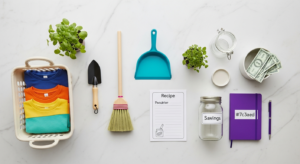
- Smart Storage Solutions: Clutter is the enemy of calm, and in a kid-friendly home, storage is paramount. Invest in a variety of storage options:
- Baskets and Bins: Perfect for quick clean-ups and organizing toys, books, and art supplies. Choose sturdy, attractive options that fit your decor.
- Built-in Shelving: Maximizes vertical space and offers a permanent home for books, games, and decorative items.
- Multi-functional Furniture: Ottomans with storage, bench seating with hidden compartments, and beds with drawers are brilliant for stashing away items while serving another purpose.
- Labeling: For older children, labeling storage bins can help them learn organization and take responsibility for their belongings.
- Easy-to-Clean Surfaces: Opt for countertops, tables, and other surfaces that can be wiped down easily. Quartz, laminate, and sealed wood are practical choices.
Creating Engaging Spaces: Nurturing Creativity and Growth
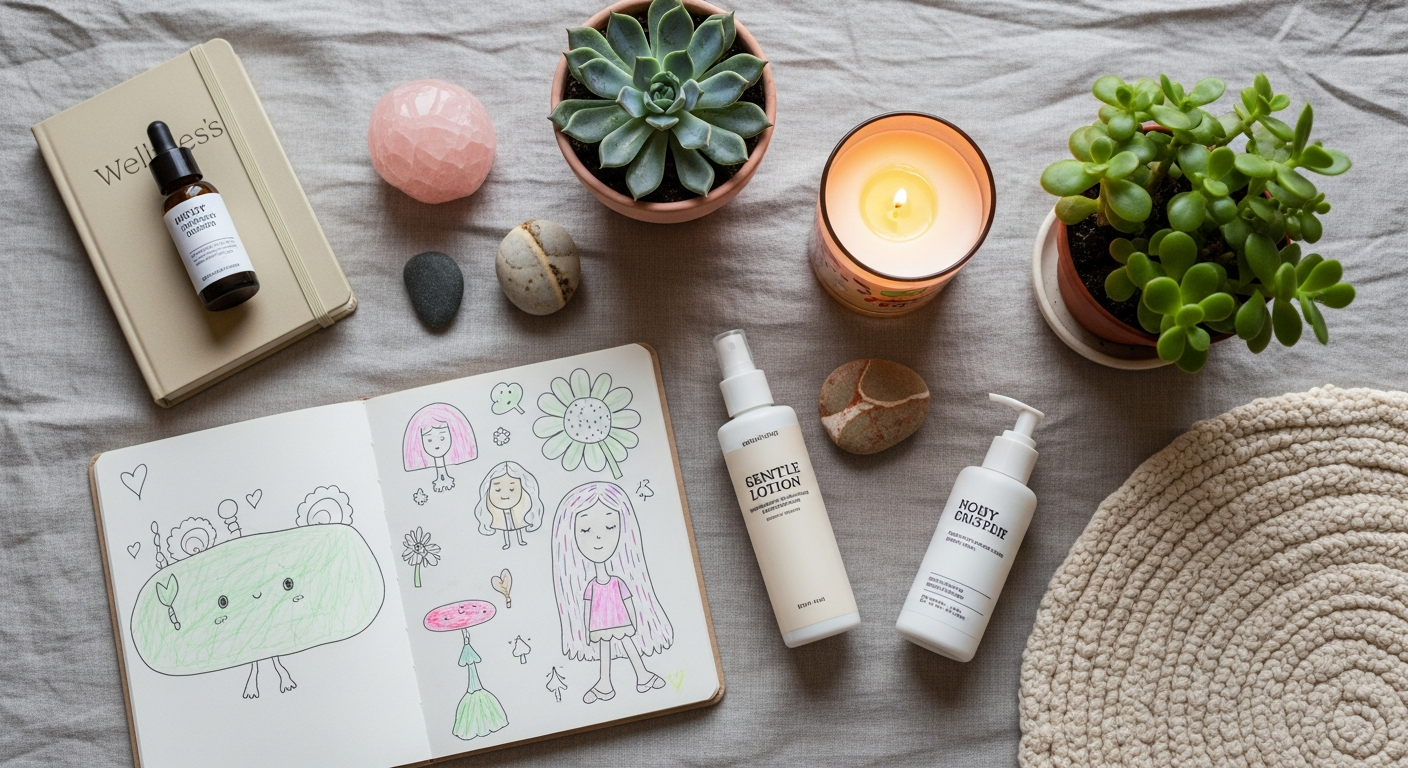
Once safety and functionality are addressed, the next step is to infuse your home with elements that actively engage children, stimulate their imagination, and support their developmental stages. A stimulating home environment is not just about toys; it’s about thoughtful design that encourages exploration, learning, and creative expression, fostering a sense of curiosity and independence that is vital for a child’s holistic development.
Designing for Play and Imagination
- Dedicated Play Zones: Even in smaller homes, designate specific areas for play. This could be a cozy corner with a tent or teepee, a vibrant rug in the living room, or a segment of a bedroom transformed into an adventure zone. These defined spaces help children understand where certain activities take place and can make cleanup easier.
- Art and Craft Stations: Provide a dedicated spot for artistic endeavors. This could be a small child-sized table and chairs, an easel, or even a section of a wall painted with chalkboard paint. Keep art supplies organized and easily accessible in labeled bins or caddies. Displaying their artwork proudly, perhaps on a magnetic board or a string line, validates their efforts and encourages further creativity.
- Reading Nooks: Cultivate a love for reading by creating inviting reading nooks. A comfy beanbag, soft cushions, a small bookshelf filled with age-appropriate books, and good lighting can transform a corner into a literary escape. Access to books from an early age is linked to cognitive development and language skills.
- Building Zones: Clear floor space for blocks, LEGOs, and other building toys allows children to construct and deconstruct, developing spatial reasoning and fine motor skills. A large mat or rug can define this area and make cleanup simpler.
Encouraging Exploration and Learning
- Child-Level Accessibility: Empower children by making items accessible to them. Low shelves for books and toys, child-height coat hooks, and accessible drawers for art supplies foster independence and self-sufficiency. This also teaches them responsibility for their belongings.
- Educational Elements: Integrate learning into decor. A large world map or a constellation map on a wall can spark geographical or astronomical interest. A whiteboard or chalkboard can be used for drawing, practicing letters, or family messages. Introduce plants or a small indoor herb garden to teach about nature and responsibility.
- Sensory Engagement: Incorporate different textures, colors, and sounds. Soft rugs, varied fabrics, tactile toys, and even a small musical instrument can stimulate sensory development, which is particularly important for younger children.
- Nature Integration: Bringing elements of nature indoors can have a calming and grounding effect. Potted plants (child-safe varieties), natural wood furniture, and decor inspired by nature (e.g., forest murals, animal motifs) connect children to the natural world, promoting a sense of peace and wonder.
Designing for Different Ages: Evolving Needs and Interests
Infant and Toddler Spaces (0-3 years)
The earliest years are marked by rapid physical and cognitive development. Spaces for infants and toddlers should prioritize safety, comfort, and sensory stimulation.
- Nursery Considerations:
- Calming Color Palettes: Soft, muted colors (pastels, gentle grays, warm neutrals) are ideal for creating a serene environment conducive to sleep and relaxation. Bright, overstimulating colors can be overwhelming.
- Crib Safety: Ensure the crib meets current safety standards (e.g., no drop sides, appropriate mattress fit). Keep the crib clear of bumpers, pillows, and loose blankets to prevent SIDS.
- Gentle Lighting: Install dimmers or use nightlights to provide soft illumination for nighttime feedings and diaper changes without fully waking the child or parent.
- Changing Station: A dedicated, organized changing station with all essentials within arm’s reach is crucial for convenience and safety.
- Sensory Play: Incorporate soft rugs, mobiles with gentle movement, mirrors at child-level, and a variety of textures in toys and blankets to encourage sensory exploration.
- Early Exploration Zones: Create safe, padded areas on the floor for tummy time and crawling. Use playmats or soft rugs. Ensure all outlets are covered and heavy furniture is anchored.
- Toy Storage: Low, open bins and baskets make it easy for toddlers to access and put away their toys, fostering early independence.
For those considering starting or expanding their family, creating a nurturing and well-prepared nursery is often a joyful part of the journey. This thoughtful preparation aligns with some of the broader principles of Fertility Health Tips Women Trying Conceive, which often emphasize reducing stress and creating a supportive environment, not just physically but emotionally and mentally, for the arrival of a new family member. A calm, organized home can contribute significantly to a parent’s overall sense of readiness and peace.
Preschool and Early Elementary (4-8 years)
Children in this age group are bursting with imagination, developing social skills, and beginning formal learning. Their spaces should encourage creativity, play, and a sense of ownership.
- Theme Rooms: This is a wonderful age for themed bedrooms – whether it’s a dinosaur jungle, a princess castle, or a space adventure. Themes can be incorporated through bedding, wall decals, and accessories rather than permanent fixtures, making them easier to change as interests shift.
- Dedicated Craft & Homework Areas: A child-sized desk and chair, or a section of a larger family table, becomes important for drawing, crafting, and early homework assignments. Ensure good lighting.
- Reading Nooks: Reinforce the love for reading with a comfortable, well-lit reading nook.
- Active Play Space: Ensure there’s still ample clear floor space for active play, building, and imaginative games.
- Organizational Skills: Introduce more structured storage solutions like cubbies and shelves, and involve children in organizing their belongings to teach responsibility.
Older Children and Pre-Teens (9-12+ years)
As children enter pre-teen years, their needs shift towards privacy, personal expression, and academic focus. Their rooms often become a sanctuary for self-discovery.
- Personalization: Encourage self-expression. Let them choose colors, bedding, and decor that reflect their personality and evolving interests. Provide bulletin boards or magnetic strips for displaying posters, photos, and artwork.
- Study Zone: A comfortable, well-lit desk and ergonomic chair are essential for homework and projects. Ensure adequate storage for school supplies and books. This is an excellent opportunity to integrate principles from How To Set Up Family Home Office, scaled down for a child’s needs, teaching them good habits for productivity.
- Social Space: If space allows, create a small lounge area with a comfortable chair or beanbag where they can read, listen to music, or hang out with a friend.
- Storage for Hobbies: Provide specialized storage for hobbies, whether it’s sports equipment, musical instruments, art supplies, or gaming gear.
- Technology Integration: Plan for charging stations and proper placement of electronics, keeping in mind screen time guidelines and safety.
Integrating Kids’ Spaces into Adult Aesthetics: Harmony and Flow

One of the biggest challenges for many parents is maintaining a cohesive and aesthetically pleasing home while also making it fully functional for children. The good news is that “kid-friendly” doesn’t have to mean “kid-centric” in every room. With thoughtful design choices, you can achieve a harmonious balance where adult style and child-focused practicality coexist beautifully, fostering a sense of shared space and mutual respect within the family.
Achieving Cohesive Design
- Consistent Color Palettes: Instead of separate, clashing color schemes for adult and children’s areas, choose a core palette that flows throughout your home. You can then introduce pops of color and playful accents in children’s spaces that complement the overall scheme. For example, if your living room is soft grays and blues, a child’s room could feature brighter blues and yellows that still feel connected.
- Stylish and Discreet Storage: This is perhaps the most powerful tool for integrating kid stuff into adult spaces.
- Closed Storage: Invest in attractive cabinets, sideboards, and storage benches that can conceal toys, books, and art supplies when not in use. Opt for pieces that blend with your existing furniture.
- Designer Baskets and Bins: Choose baskets made from natural materials (wicker, felt, woven fabric) or stylish plastic bins that match your decor. These can sit openly in living areas without looking messy.
- Built-in Solutions: Custom built-ins around a fireplace or along a wall can provide ample storage for both adult items and children’s essentials, creating a seamless look.
- Multi-functional Furniture: Select furniture pieces that serve adult needs but can also accommodate children. A sturdy coffee table can double as a play surface; an ottoman with storage hides toys; a large, comfortable sofa invites family snuggles.
- Zone Delineation: In open-concept homes, use rugs, furniture arrangement, or even subtle changes in wall color to define different zones for adults and children without creating physical barriers. A large area rug can define the children’s play area within a larger living space.
Incorporating Children’s Art and Creations Gracefully
Children’s artwork is a treasure, but displaying every single masterpiece can quickly overwhelm a space. Here’s how to integrate it thoughtfully:
- Gallery Walls: Create a rotating gallery wall in a hallway, kitchen, or play area. Use clipboards, magnetic strips, or simple frames to display a select few pieces. Rotate them regularly to celebrate new creations and keep the display fresh.
- Dedicated Display Areas: A large bulletin board or a section of a wall painted with magnetic paint can serve as a dedicated space for children’s art. This gives their work prominence without spreading it throughout the entire home.
- Framing Favorites: Frame a few truly special pieces of artwork to elevate them to “fine art” status, blending them with other framed prints or photos in your home.
- Digital Archiving: Photograph and digitally archive all artwork. This allows you to keep a record of every creation without needing to store physical copies of everything.
By thoughtfully blending elements, you can create a home that feels sophisticated and welcoming to adults, yet remains a joyful and functional haven for children. This balance contributes not only to aesthetic pleasure but also to the overall sense of calm and order, vital for maintaining personal well-being amidst the beautiful chaos of family life.
The Family Home Office: A Productive Hub for All Ages
In 2026, the concept of a home office has evolved significantly, often transforming into a multi-functional space that serves the professional needs of adults while also accommodating the academic and creative pursuits of children. Establishing an effective family home office is crucial for productivity, focus, and maintaining a sense of order, directly impacting the mental load and efficiency of parents. This aligns perfectly with the principles outlined in How To Set Up Family Home Office, advocating for dedicated, organized spaces that support diverse activities.
Designing for Shared Productivity
- Define Zones: Even in a single room, use furniture arrangement, rugs, or shelving to subtly define separate zones for adult work and children’s activities. This helps everyone understand where to focus their energy. For example, a main desk for an adult, and a smaller, child-height table or a section of a larger desk for kids.
- Ergonomics for Everyone:
- Adults: Invest in an ergonomic chair, a desk at the correct height, and proper monitor placement to prevent strain during long work hours. This is a critical component of maintaining physical health and preventing chronic pain, linking directly to Womens Health Tips Every Woman Should Know, as musculoskeletal health impacts overall well-being.
- Children: Provide child-sized chairs and desks that allow them to sit with their feet flat on the floor and elbows at a comfortable angle for writing or computer use. Good posture habits start young.
- Ample and Accessible Storage: Clutter is a major distraction. Ensure each person has dedicated storage for their supplies:
- Adult Storage: Filing cabinets, desk drawers, and shelves for documents, office supplies, and professional books.
- Children’s Storage: Bins, cubbies, or drawers for school supplies, art materials, and reference books. Make these easily accessible so children can get what they need independently and put things away.
- Shared Supplies: Have a designated spot for shared items like printer paper, pens, and scissors.
- Noise Management: In a shared space, noise can be an issue. Consider sound-absorbing elements like rugs, curtains, or even acoustic panels. Headphones are also a good solution for focused work or study.
- Flexible Lighting: Ensure good overhead lighting, complemented by task lighting at each workstation. Natural light is ideal, so position desks near windows if possible.
Creating a Calm and Focused Environment
The home office, whether shared or not, should be a space that promotes concentration and minimizes stress. For women balancing professional and family responsibilities, this sanctuary for focus is invaluable.
- Maintain Order: Implement a routine for daily tidy-ups. Knowing where everything belongs significantly reduces mental clutter and stress.
- Minimalist Approach: Avoid overcrowding the space. Keep only essential items on surfaces to reduce visual distractions.
- Personal Touches (with limits): Allow for a few personal items that inspire or bring joy, but resist the urge to over-decorate, which can detract from the office’s primary purpose.
- Greenery: Incorporate plants, which can improve air quality, reduce stress, and add a touch of nature to the environment.
- Technology Management: Establish clear rules for screen time and device usage, especially for children, to ensure the office remains a place for focused work rather than endless entertainment.
By consciously designing a family home office that caters to the distinct needs of both adults and children, you create a dynamic hub that supports learning, productivity, and overall well-being for the entire household. This structured approach to shared space contributes significantly to a more harmonious and effective family life.
Sustainable & Health-Conscious Choices for a Thriving Home
As Veralyn Media consistently advocates for holistic wellness, extending this philosophy to our home environment is a natural and essential step. Creating a kid-friendly home in 2026 isn’t just about aesthetics and immediate functionality; it’s increasingly about making sustainable and health-conscious choices that benefit our children, our families, and the planet in the long run. These choices directly impact indoor air quality, reduce exposure to harmful chemicals, and foster a healthier lifestyle, aligning perfectly with comprehensive Womens Health Tips Every Woman Should Know, which often emphasize environmental factors influencing well-being.
Building a Healthier Indoor Environment
- Non-Toxic Paints and Finishes: This is paramount for children’s spaces. Opt for low-VOC or zero-VOC (Volatile Organic Compound) paints, stains, and sealants. VOCs can off-gas into the air for years, contributing to respiratory issues, headaches, and other health concerns, particularly in developing children. Look for certifications like Green Seal or GREENGUARD.
- Natural and Organic Materials: Prioritize furniture, bedding, and decor made from natural, sustainably sourced materials:
- Wood: Choose solid wood furniture, ideally certified by organizations like the Forest Stewardship Council (FSC), ensuring it comes from responsibly managed forests. Avoid particleboard or MDF that uses formaldehyde-based glues.
- Organic Cotton, Wool, Linen: For bedding, curtains, rugs, and upholstery, organic fibers reduce exposure to pesticides and chemical dyes. Wool is naturally flame-retardant and hypoallergenic.
- Bamboo: A fast-growing, sustainable resource for flooring, furniture, and textiles.
- Improved Indoor Air Quality:
- Ventilation: Regularly open windows and doors to air out your home, especially after cleaning or painting. Use exhaust fans in bathrooms and kitchens.
- Air Purifiers: Consider a high-efficiency particulate air (HEPA) filter air purifier, particularly if family members have allergies or asthma.
- Houseplants: Certain houseplants (e.g., peace lily, snake plant, spider plant) can help filter common indoor air pollutants, adding both beauty and health benefits. Ensure they are child-safe and non-toxic.
- Reduce Chemical Cleaners: Opt for natural cleaning solutions (vinegar, baking soda, lemon) or eco-friendly, non-toxic commercial cleaners to minimize chemical exposure.
- Mindful Flame Retardants: Be aware of furniture and mattresses that contain chemical flame retardants, which have been linked to various health issues. Look for products that are naturally flame-retardant or meet safety standards without these chemicals.
Embracing Sustainability and Longevity
Sustainable choices often translate to longevity and less waste, teaching children valuable lessons about environmental responsibility.
- Buy for Longevity: Invest in high-quality, durable furniture pieces that can withstand years of use and potentially be passed down or repurposed. This reduces the cycle of consumption and waste.
- Secondhand and Upcycled Finds: Give new life to pre-loved furniture. Thrift stores, consignment shops, and online marketplaces are excellent sources for unique pieces that can be painted or refurbished to fit your aesthetic. This reduces demand for new products and keeps items out of landfills.
- Energy Efficiency: Consider energy-efficient lighting (LEDs), smart thermostats, and well-insulated windows to reduce your home’s energy consumption and carbon footprint.
- Reduce Plastic: Minimize the use of plastic toys and decor, especially single-use items. Opt for wooden toys, fabric dolls, and metal or glass storage containers where appropriate.
- Teach Responsibility: Involve children in sustainable practices like recycling, composting, and conserving water and energy. Their home environment is a powerful classroom for these values.
By making conscious decisions about the materials we bring into our homes and how we maintain them, we not only create a safer and healthier environment for our children to grow but also contribute to their understanding of a sustainable future. This holistic approach to home decor is an investment in the long-term health and well-being of the entire family, truly embodying the spirit of Veralyn Media.
Frequently Asked Questions
Recommended Resources
Learn more about this topic in How To Take Care Of Your Skin In Your 20S 30S And 40S at Sometimes Daily.
For more on kid-friendly home decor, see Kitchen Organization Ideas on Rock Salt Plum.