Shifting Your Mindset: The Foundation of Fitness Involvement
Before we even think about lunges or treadmills, the most crucial step in getting involved with fitness is a profound shift in mindset. For many women, past experiences with exercise might be tied to negative emotions: pressure to look a certain way, feelings of inadequacy, or the grueling pursuit of an unrealistic ideal. It’s time to release those burdens. Your fitness journey should be an act of self-care, a celebration of what your body can do, and a powerful investment in your long-term health and vitality. Instead of viewing exercise as a chore, begin to see it as an opportunity to reduce stress, boost your mood, improve your sleep, and enhance your overall quality of life. This reframing is particularly important as we navigate various life stages, from busy professional years to adjusting to retirement from handling finances to staying on top of your health. A positive mindset makes all the difference.
One of the most empowering shifts is moving away from an “all or nothing” mentality. The idea that you need to commit to an hour-long, high-intensity workout seven days a week is often a barrier to entry. Instead, embrace the power of small, consistent steps. A 10-minute walk around the block is infinitely better than an hour you never started. Celebrating these micro-victories builds momentum and confidence. Focus on how movement makes you feel – more energized, clearer-headed, less anxious – rather than solely on external metrics. This internal motivation is far more sustainable. Remember, your body is a magnificent vessel that carries you through life’s adventures, from tips for taking a family RV road trip to tackling a demanding work project. Nurturing it with movement is an act of profound gratitude and love. Embrace imperfection and understand that every day is a new opportunity to choose movement and well-being. This gentle, compassionate approach to fitness involvement will pave the way for lasting engagement.
- Release Guilt: Let go of past fitness failures or perceived shortcomings. Every day is a fresh start.
- Focus on Feeling: Prioritize how movement enhances your energy, mood, and sleep over aesthetic goals.
- Celebrate Small Wins: Acknowledge and appreciate every step, every minute of activity.
- Be Patient and Kind: Your body is on a journey; treat it with compassion and understanding.
- Redefine Success: Success isn’t perfection; it’s consistent effort and a positive relationship with movement.
Integrating Movement into Your Daily Routine (Even When Life is Busy)
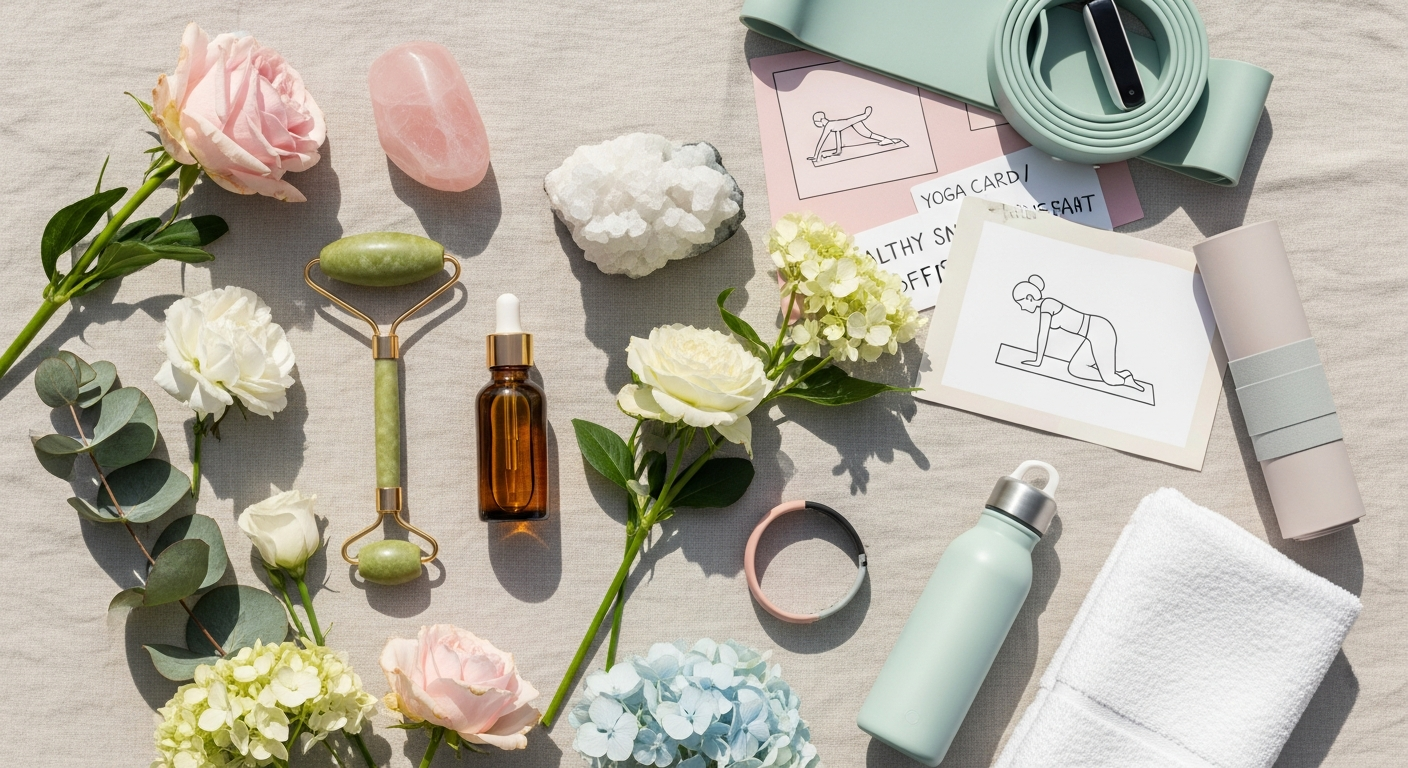
The biggest hurdle for many women is finding the time and energy for fitness amidst demanding schedules. The good news is, you don’t need dedicated hours at a gym to be active. Integrating movement into your existing daily routine is one of the easiest and most sustainable ways to get involved with fitness. It’s about seizing opportunities for physical activity that are already woven into the fabric of your day, rather than trying to carve out entirely new blocks of time. Think of it as a series of micro-workouts that add up to significant benefits.
Start by identifying moments where you can easily swap sedentary habits for active ones. Taking the stairs instead of the elevator, parking a little further away from your destination, or walking during phone calls are simple yet effective changes. If you work from home or have a desk job, set a timer to stand up and stretch or walk for 5-10 minutes every hour. Even during a busy workday, these short bursts of activity can help break up long periods of sitting, improve circulation, and boost mental clarity. Consider active meetings, where you walk and talk with a colleague, combining productivity with physical activity. For those looking at home renovation dos and donts, perhaps consider how your home layout encourages or discourages movement – can you create pathways that invite walking or make stairs more appealing?
Another powerful strategy is to “stack” habits. Pair a new movement habit with an existing one. For example, do 10 squats while waiting for your coffee to brew, or a few stretches during commercial breaks while watching TV. If you’re a parent, incorporate your children into your activities – playing tag, going to the park, or having a dance party in the living room. Family walks or bike rides can be a wonderful way to connect and move together, providing excellent tips for taking a family RV road trip where active outings are part of the adventure. Even mundane chores can become opportunities for movement: energetic cleaning, gardening, or walking to run errands. The key is consistency and recognizing that every bit of movement counts. These small, consistent efforts compound over time, building a robust foundation for a more active and vibrant life in 2026.
- Stair Power: Opt for stairs over elevators or escalators whenever possible.
- Active Commute: Walk or bike for short distances, or get off public transport a stop early.
- Desk Breaks: Stand, stretch, or walk for 5-10 minutes every hour to combat prolonged sitting.
- Household Chores: Approach cleaning, gardening, or yard work with vigor – it’s a workout!
- Family Fun: Engage in active play with children or pets; make movement a shared experience.
- Habit Stacking: Pair short bursts of exercise (e.g., squats, stretches) with existing daily routines.
Exploring Diverse Avenues: Finding Your Fitness Joy
Consider stepping outside the traditional fitness box. Do you love music? Explore various dance classes – from Zumba to ballet, hip-hop to salsa. Dance is a fantastic full-body workout that’s also incredibly expressive and mood-boosting. Are you drawn to nature? Hiking, trail walking, or cycling through scenic routes can be incredibly invigorating, offering both physical challenge and mental rejuvenation. For those planning tips for taking a family RV road trip, exploring national parks or local trails can become a central part of your itinerary, making fitness an adventure. Water activities like swimming, water aerobics, or paddleboarding offer low-impact workouts that are excellent for joint health and overall cardiovascular fitness.
Perhaps you’re seeking a more mindful approach. Yoga, Pilates, or Tai Chi not only build strength, flexibility, and balance but also cultivate a deep connection between mind and body, reducing stress and enhancing mental clarity. If you enjoy competition or camaraderie, consider joining a recreational sports team – soccer, volleyball, basketball, or even a casual walking group. Martial arts can be an empowering way to build discipline, strength, and self-defense skills. The beauty of this diverse landscape is that you can experiment until you find what resonates with you. Don’t be afraid to try new things in 2026, even if they seem outside your comfort zone. The goal isn’t to be perfect at an activity, but to find an activity that makes you feel alive and eager to move your body. Your fitness journey is unique, and finding your joy in movement is paramount to long-term engagement.
- Dance: Explore Zumba, ballet, salsa, or hip-hop for a fun, full-body workout.
- Outdoor Adventures: Embrace hiking, cycling, kayaking, or paddleboarding to connect with nature.
- Mind-Body Practices: Discover the strength and serenity of yoga, Pilates, or Tai Chi.
- Team Sports: Join a recreational league for soccer, volleyball, or basketball for camaraderie and competition.
- Water Activities: Enjoy swimming, water aerobics, or aqua cycling for low-impact fitness.
- Martial Arts: Build discipline, strength, and confidence through various martial arts forms.
- Active Hobbies: Consider gardening, rock climbing, or even energetic walks with a camera.
The Power of Community and Accountability
While solo workouts have their place, the journey to getting involved with fitness can often be made much easier, more enjoyable, and significantly more sustainable with the support of a community and a system of accountability. Humans are social creatures, and harnessing the power of connection can be a game-changer for your fitness motivation. When you feel part of something larger than yourself, the drive to show up and participate naturally increases, especially when you’re looking to maintain overall well-being as part of tips for adjusting to retirement from handling finances to staying on top of your health.
Consider finding a workout buddy. This could be a friend, a family member, or a colleague who shares similar fitness goals. Having someone to exercise with provides mutual motivation, makes the activity more fun, and creates a built-in accountability system. When you know someone is waiting for you, you’re far less likely to skip a session. This shared experience can also lead to deeper friendships and a stronger support network, enriching your life beyond just physical activity.
Group fitness classes are another excellent avenue for community and accountability. Whether it’s a high-energy spin class, a calming yoga session, or a challenging boot camp, the collective energy of a group can be incredibly inspiring. Instructors provide expert guidance and encouragement, and the structured schedule helps you commit. The sense of belonging to a specific class or studio can make you feel more invested. Beyond in-person classes, online fitness communities and challenges have blossomed, offering flexible options to connect with like-minded women worldwide. These virtual spaces provide a platform for sharing progress, asking questions, and receiving encouragement, proving that geographical boundaries don’t have to limit your support system. Even when planning something like tips for taking a family RV road trip, you can find local groups or online forums that keep you connected to your fitness goals while on the go.
Accountability can also come in other forms. Setting clear, measurable goals and tracking your progress can be highly motivating. Share your goals with a trusted friend or family member, or even a professional trainer, who can help keep you on track. Publicly committing to a fitness challenge (e.g., a charity walk or a virtual race) can provide a powerful incentive to train consistently. Remember, you don’t have to do it alone. Leaning on others, whether in person or online, can transform your fitness journey from a solitary struggle into a shared triumph in 2026.
- Workout Buddy: Partner with a friend or family member for mutual motivation and accountability.
- Group Classes: Join local or online fitness classes for structured workouts and collective energy.
- Online Communities: Participate in virtual fitness challenges or forums for global support.
- Share Goals: Communicate your fitness aspirations with a trusted person for external accountability.
- Join a Team: Engage in recreational sports for camaraderie and a sense of belonging.
- Professional Guidance: Consider a personal trainer or coach for personalized plans and expert support.
Equipping Your Home for Wellness: Smart & Simple Setups
For many women, the idea of getting involved with fitness is often coupled with the expense and inconvenience of a gym membership. However, creating an effective and inviting fitness space right within your own home is one of the easiest and most practical ways to embrace movement. You don’t need a sprawling home gym filled with expensive equipment. With a little creativity and a few smart choices, you can transform a corner of a room into your personal wellness sanctuary, making fitness an integral part of your home life, much like considering the aesthetics and functionality in home renovation dos and donts.
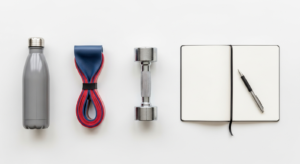
Start small and focus on versatility. A yoga mat is a fundamental piece of equipment, providing a comfortable surface for stretching, yoga, Pilates, and bodyweight exercises. Resistance bands are incredibly affordable, portable, and effective for strengthening various muscle groups. A set of light to medium dumbbells can expand your exercise options significantly, allowing for strength training routines. Beyond these basics, consider a jump rope for a quick cardio burst or a stability ball for core work and balance exercises. These items require minimal space and can be easily stored away when not in use.
When designing your home fitness area, think about how to make it appealing and functional. Choose a spot with good lighting and ventilation. If possible, position it near a window for natural light and a view. Keep it tidy and organized, making it an inviting space rather than a cluttered corner. Consider adding a small plant, a calming scent diffuser, or playing your favorite motivational music to enhance the atmosphere. If you’re undertaking home renovation dos and donts, perhaps you can factor in a dedicated, multi-purpose space that could serve as a fitness nook, ensuring good flooring and ample storage for your equipment.
The beauty of a home setup is the unparalleled convenience. No travel time, no waiting for equipment, and complete privacy. This makes it ideal for squeezing in short workouts whenever you have a few spare minutes – before the kids wake up, during a lunch break, or after dinner. It’s also incredibly flexible, allowing you to follow online workout videos, stream live classes, or simply invent your own routine. For women leading busy lives, or those looking for tips for adjusting to retirement from handling finances to staying on top of your health, a home fitness setup removes many common barriers, empowering you to prioritize your well-being consistently in 2026.
- Yoga Mat: Essential for floor exercises, stretching, yoga, and Pilates.
- Resistance Bands: Versatile and portable for strength training various muscle groups.
- Dumbbells: A set of light to medium weights for effective strength training.
- Jump Rope: An excellent, space-efficient tool for quick cardiovascular workouts.
- Stability Ball: Great for core strength, balance, and adding challenge to exercises.
- Dedicated Space: Designate a clean, inviting, and well-lit area for your workouts.
- Online Resources: Utilize free or paid apps and streaming services for guided workouts.
Nourishing Your Body: Fueling Your Fitness Journey
While our primary focus is on easy ways to get involved with fitness, it’s impossible to discuss sustainable physical activity without addressing its crucial partner: nutrition. Think of your body as a sophisticated machine; just as a car needs the right fuel to run efficiently, your body requires proper nourishment to perform, recover, and thrive through any fitness endeavor. Nutrition isn’t about deprivation or strict diets; it’s about making informed choices that support your energy levels, muscle repair, and overall well-being, complementing your efforts to stay on top of your health, particularly when considering tips for adjusting to retirement from handling finances to staying on top of your health.
The foundation of fueling your fitness journey lies in a balanced diet rich in whole foods. Prioritize lean proteins (chicken, fish, beans, lentils, tofu) for muscle repair and growth, complex carbohydrates (whole grains, fruits, vegetables) for sustained energy, and healthy fats (avocado, nuts, seeds, olive oil) for hormone regulation and satiety. These macronutrients work in synergy to provide the necessary building blocks and energy reserves for your body to perform optimally, whether you’re embarking on a vigorous hike as part of a family RV road trip or simply enjoying an active day at home.
Hydration is another non-negotiable component. Water plays a vital role in virtually every bodily function, including regulating body temperature, lubricating joints, and transporting nutrients. Dehydration can quickly lead to fatigue, reduced performance, and muscle cramps. Make it a habit to drink water consistently throughout the day, not just when you feel thirsty. Keep a reusable water bottle handy as a constant reminder. Herbal teas and infused water can also contribute to your daily fluid intake.
Timing your meals and snacks can also optimize your fitness results. Consuming a balanced meal or snack with carbohydrates and protein about 1-2 hours before a workout can provide the necessary energy. Post-workout, a combination of protein and carbohydrates helps replenish glycogen stores and aids in muscle recovery. However, remember that everyone’s body is unique, and what works best for one person might differ for another. Listen to your body’s cues and consult with a nutritionist or healthcare professional if you have specific dietary concerns or goals. By nourishing your body thoughtfully, you’re not just supporting your fitness; you’re investing in a holistic approach to vibrant health and sustained energy for all of life’s adventures in 2026.
- Balanced Diet: Focus on whole, unprocessed foods including lean proteins, complex carbohydrates, and healthy fats.
- Hydration: Drink plenty of water throughout the day to support bodily functions and prevent fatigue.
- Pre-Workout Fuel: Consume carbohydrates and protein 1-2 hours before exercise for sustained energy.
- Post-Workout Recovery: Replenish with protein and carbohydrates after activity to aid muscle repair.
- Listen to Your Body: Pay attention to hunger and fullness cues, and how different foods make you feel.
- Limit Processed Foods: Reduce intake of sugary drinks, unhealthy snacks, and highly processed items.
Sustaining Momentum: Long-Term Engagement and Adaptation
Getting involved with fitness is a wonderful first step, but the true triumph lies in sustaining that engagement over the long haul. Life is dynamic, and your fitness journey will inevitably encounter twists, turns, and temporary detours. The key to long-term success isn’t rigid adherence to a single plan, but rather the ability to adapt, evolve, and maintain a flexible, compassionate relationship with movement. This adaptable approach is essential for navigating everything from minor setbacks to significant life changes, such as the comprehensive adjustments involved in tips for adjusting to retirement from handling finances to staying on top of your health.
One of the most important lessons is to listen to your body. There will be days when you feel energetic and ready for a challenging workout, and days when your body needs rest, gentle movement, or recovery. Pushing through pain or extreme fatigue can lead to injury or burnout, which are counterproductive to long-term engagement. Learn to distinguish between healthy challenge and harmful overexertion. Incorporate rest days, stretching, and mobility work into your routine to support recovery and prevent injuries. This is especially crucial as we age or face periods of increased stress.
Life throws curveballs – illness, injury, major projects at home (like those home renovation dos and donts), family responsibilities, or even exciting adventures like tips for taking a family RV road trip. During these times, it’s easy to feel discouraged if you can’t maintain your usual routine. Instead of viewing these as failures, see them as opportunities to adapt. Can you swap a high-impact workout for gentle yoga? Can you break up your exercise into shorter, more frequent bursts? Can you simply focus on walking more during a busy week? The goal is to maintain some form of movement, even if it’s scaled back, to keep the habit alive and make it easier to ramp back up when circumstances allow.
Regularly reassess your goals and interests. What motivated you last year might not inspire you in 2026. Don’t be afraid to try new activities, switch up your routine, or even revisit old favorites. Your fitness journey should evolve with you. Celebrate progress, acknowledge plateaus as normal parts of the process, and never stop exploring new ways to move and challenge your body. By cultivating resilience, flexibility, and self-compassion, you’ll ensure that fitness remains a joyful and enriching part of your life for years to come, contributing significantly to your overall well-being and vitality.
- Listen to Your Body: Prioritize rest, recovery, and gentle movement when needed to prevent burnout and injury.
- Embrace Flexibility: Be willing to adjust your routine during busy periods or when life throws curveballs.
- Prevent Burnout: Vary your workouts, incorporate rest days, and avoid overtraining.
- Set Realistic Goals: Ensure your goals are achievable and adaptable to your changing life circumstances.
- Reassess Regularly: Periodically evaluate what’s working and what isn’t, and adjust your activities accordingly.
- Seek Professional Advice: Consult doctors or physical therapists for injuries, or trainers for new program design.
Frequently Asked Questions
Recommended Resources
Explore How To Layer Skincare Products Correctly for additional insights.
For more on easy ways to, see Benefits Of Digital Detox on Rock Salt Plum.