Understanding Your Nutritional Needs: Why Vitamins and Supplements Matter for Women
Women’s bodies are remarkably complex, undergoing a symphony of hormonal shifts and physiological changes throughout their lives. These unique biological processes, including menstruation, pregnancy, breastfeeding, and menopause, significantly impact nutritional requirements. What might be sufficient for a man or even another woman at a different life stage may fall short for you. For instance, the regular blood loss associated with menstruation increases the need for iron, while pregnancy dramatically boosts requirements for nutrients like folate and calcium. As women age, bone density concerns elevate the importance of vitamin D and magnesium, and hormonal fluctuations during perimenopause and menopause can impact everything from mood to metabolic health.
While the mantra “food first” remains undeniably true, achieving optimal levels of all necessary vitamins and minerals solely through diet can be challenging. Lifestyle factors such as stress, lack of sleep, environmental toxins, and even certain medications can further deplete nutrient stores. Furthermore, modern agricultural practices can lead to nutrient-depleted soil, meaning the produce we consume may not be as rich in vitamins and minerals as it once was. This is where high-quality supplements can play a vital supportive role, bridging potential nutritional gaps and providing targeted support for specific health goals. Understanding these unique demands is the first step towards building a supplement regimen that truly serves your body.
Essential Vitamins Every Woman Should Consider
A strong foundation of essential vitamins is non-negotiable for women’s health. These micronutrients are involved in countless bodily functions, from energy production to immune defense. Ensuring adequate intake through diet and, when necessary, supplementation, can make a profound difference in overall well-being.
Vitamin D
Often referred to as the “sunshine vitamin,” Vitamin D is far more than just a bone health supporter. While critical for calcium absorption and maintaining strong bones, it also plays a significant role in immune function, mood regulation, and even reducing the risk of certain chronic diseases. Many women, especially those living in northern latitudes, with darker skin tones, or who spend most of their time indoors, are deficient. Deficiency can lead to fatigue, muscle weakness, and increased susceptibility to illness. For women, adequate Vitamin D levels are particularly important for preventing osteoporosis, supporting reproductive health, and mitigating symptoms of PMS and mood disorders. Regular testing can help determine optimal dosage, but many women benefit from daily supplementation, especially during winter months.
B Vitamins (Folate, B12, B6)
The B-vitamin complex is a powerhouse for women’s energy and metabolic health. These water-soluble vitamins are essential for converting food into energy, supporting nerve function, and red blood cell formation. While all B vitamins are important, Folate (Vitamin B9), Vitamin B12, and Vitamin B6 hold particular significance for women.
- Folate (Vitamin B9): Crucial for cell growth and DNA formation. It’s especially vital for women of childbearing age to prevent neural tube defects in offspring and supports healthy menstruation. Many women benefit from the methylated form of folate (L-methylfolate) for better absorption.
- Vitamin B12: Essential for nerve function, red blood cell production, and DNA synthesis. Deficiencies are common in vegetarians, vegans, and older women due to reduced absorption. Symptoms include fatigue, weakness, and nerve problems.
- Vitamin B6: Plays a key role in hormone regulation, neurotransmitter synthesis (like serotonin and dopamine), and reducing PMS symptoms. It can help alleviate breast tenderness, mood swings, and bloating.
Together, these B vitamins contribute significantly to a woman’s vitality, mental clarity, and hormonal balance.
Vitamin C
A well-known antioxidant, Vitamin C is indispensable for women’s immune health, skin integrity, and overall vitality. It supports the production of white blood cells, which are crucial for fighting infections, and acts as a powerful free radical scavenger, protecting cells from damage. For skin health, Vitamin C is a co-factor in collagen synthesis, the structural protein that keeps skin firm and youthful. It also enhances the absorption of non-heme iron (iron from plant sources), which is particularly beneficial for menstruating women at risk of iron deficiency. Incorporating Vitamin C-rich foods and, if needed, a supplement can boost your resilience against illness and promote a radiant complexion.
Vitamin A
Vitamin A, an essential fat-soluble vitamin, is vital for several aspects of women’s health, including vision, immune function, and skin health. It plays a critical role in maintaining the integrity of epithelial tissues, which line the skin, respiratory tract, and gut, serving as a protective barrier against pathogens. For vision, it’s a key component of rhodopsin, a protein that absorbs light in the retina. In terms of skin, Vitamin A supports cell turnover and can contribute to a healthy, clear complexion. While generally obtained through diet (from sources like carrots, sweet potatoes, and leafy greens), ensuring adequate intake is important, especially for immune resilience and maintaining healthy skin as part of your overall Womens Health Tips Every Woman Should Know.
Vitamin E
Another potent fat-soluble antioxidant, Vitamin E is primarily recognized for its role in protecting cells from oxidative damage caused by free radicals. This protective action is particularly beneficial for skin health, helping to maintain its elasticity and reduce the appearance of aging. It also supports immune function and may play a role in cardiovascular health. Some women find Vitamin E helpful in managing premenstrual symptoms, particularly breast tenderness. While found in nuts, seeds, and leafy greens, supplementation can be considered, especially for those looking to enhance skin protection or support specific hormonal balance needs.
Vitamin K
Often overlooked, Vitamin K is crucial for women’s bone health and proper blood clotting. There are two main forms: K1, found in leafy greens, and K2, found in fermented foods and produced by gut bacteria. Vitamin K2, in particular, works synergistically with Vitamin D and calcium to direct calcium to the bones and teeth, preventing its accumulation in soft tissues like arteries, where it can cause calcification. This makes it an important nutrient for preventing osteoporosis, a condition that disproportionately affects women, especially post-menopause. Ensuring sufficient Vitamin K intake contributes significantly to long-term skeletal strength and cardiovascular well-being.
Key Minerals for Optimal Female Health
Iron
Iron deficiency, or anemia, is remarkably common among women, particularly those who are menstruating, pregnant, or have heavy periods. Iron is essential for producing hemoglobin, a protein in red blood cells that carries oxygen throughout the body. Symptoms of deficiency include profound fatigue, weakness, pale skin, shortness of breath, and poor concentration. Untreated iron deficiency can significantly impair quality of life and even lead to serious health complications. Regular monitoring of iron levels, especially for premenopausal women, is crucial. While dietary sources include red meat, poultry, beans, and leafy greens, many women require supplementation, often under medical guidance, to restore optimal levels and boost energy.
Calcium
Calcium is synonymous with strong bones and teeth, and for good reason. Women are at a higher risk of osteoporosis, especially after menopause due to declining estrogen levels, which play a role in bone density maintenance. Adequate calcium intake throughout life is therefore paramount for building and maintaining a strong skeletal structure. Beyond bone health, calcium is vital for muscle function, nerve transmission, and hormone secretion. While dairy products are well-known sources, leafy greens, fortified plant milks, and certain nuts also provide calcium. When dietary intake is insufficient, a high-quality calcium supplement, often combined with Vitamin D and K2 for optimal absorption and utilization, is recommended.
Magnesium
Magnesium is involved in over 300 enzymatic reactions in the body, making it a true workhorse mineral. For women, its benefits are extensive, ranging from muscle relaxation and nerve function to blood sugar control and bone health. Many women find magnesium helpful for alleviating symptoms of PMS, including cramps, headaches, and irritability, due to its muscle-relaxing properties. It’s also known to support healthy sleep patterns and reduce stress and anxiety, acting as a natural calming agent. Despite its importance, magnesium deficiency is widespread. Rich food sources include dark leafy greens, nuts, seeds, and dark chocolate. Supplementation, especially in forms like magnesium glycinate or citrate, can significantly improve overall well-being.
Zinc
Zinc is an essential trace mineral with broad-reaching impacts on women’s health, particularly for immune function, skin health, and hormonal balance. It plays a critical role in immune cell development and function, helping the body ward off infections. For skin, zinc is involved in wound healing and reducing inflammation, making it beneficial for conditions like acne. Furthermore, zinc is crucial for thyroid hormone production and function, which directly impacts metabolism and energy levels. It also supports healthy reproductive function and may help regulate menstrual cycles. While found in meat, shellfish, legumes, and nuts, ensuring adequate zinc intake through diet or targeted supplementation is key for robust health.
Selenium
Selenium is a powerful antioxidant mineral that is particularly important for thyroid health and immune system function. The thyroid gland, which regulates metabolism and energy, contains the highest concentration of selenium in the body, where it’s crucial for the synthesis and activation of thyroid hormones. Many women experience thyroid imbalances, making adequate selenium intake a key supportive strategy. As an antioxidant, it helps protect cells from oxidative damage, potentially reducing the risk of chronic diseases. Brazil nuts are an excellent source, with just a few providing the daily recommended amount. However, soil selenium levels vary globally, making supplementation a consideration for some women.
Iodine
Iodine is another critical mineral for thyroid health, working in tandem with selenium. It is an essential component of thyroid hormones (T3 and T4), which regulate metabolism, energy production, body temperature, and brain development. For women, particularly during pregnancy and lactation, iodine requirements increase dramatically to support both maternal and fetal/infant development. Deficiency can lead to thyroid enlargement (goiter), hypothyroidism, and in severe cases during pregnancy, impaired cognitive development in children. While iodized salt is a common source, many women may not consume enough, especially those avoiding salt or processed foods. Seaweed and seafood are also rich sources, and supplementation can be beneficial to ensure optimal thyroid function.
Targeted Supplements for Women’s Unique Challenges
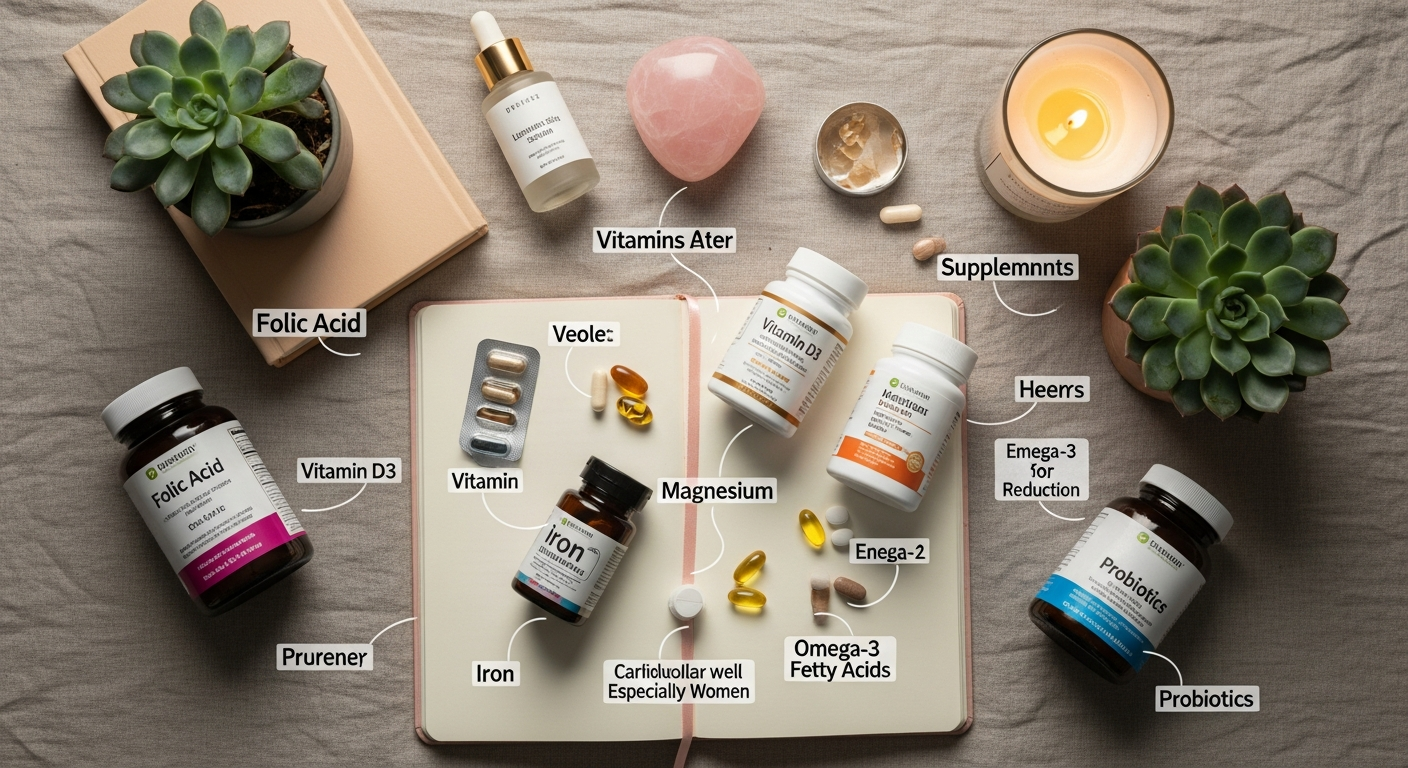
Beyond the foundational vitamins and minerals, several other supplements offer targeted benefits for specific women’s health concerns, from inflammation and gut health to stress management and anti-aging.
Omega-3 Fatty Acids
Omega-3 fatty acids, particularly EPA and DHA, are renowned for their anti-inflammatory properties and wide-ranging benefits for women’s health. They are crucial for brain health, supporting cognitive function, mood stability, and potentially reducing the risk of depression and anxiety. For heart health, omega-3s help maintain healthy cholesterol levels and blood pressure. They can also alleviate symptoms of PMS and menstrual pain by reducing inflammation. During pregnancy, DHA is vital for fetal brain and eye development. While fatty fish are the best dietary source, many women do not consume enough, making a high-quality fish oil or algal oil (for vegans) supplement a valuable addition to their regimen.
Probiotics
A healthy gut microbiome is fundamental to overall health, influencing everything from digestion and immunity to mood and skin. Probiotics, which are beneficial bacteria, help maintain a balanced gut flora, especially important for women given the close link between gut health and hormonal balance. They can aid in digestion, reduce bloating, support a robust immune system, and may even play a role in preventing vaginal yeast infections and UTIs by maintaining a healthy vaginal microbiome. A diverse diet rich in fermented foods is beneficial, but a daily probiotic supplement containing various strains (e.g., Lactobacillus and Bifidobacterium) can provide targeted support for gut and intimate health.
Collagen
Collagen is the most abundant protein in the body, providing structure to skin, hair, nails, joints, and connective tissues. As women age, collagen production naturally declines, leading to visible signs of aging like wrinkles, sagging skin, and joint stiffness. Supplementing with collagen peptides can help replenish these stores, supporting skin elasticity and hydration, strengthening hair and nails, and promoting joint comfort and mobility. It’s an increasingly popular supplement for women seeking to maintain a youthful appearance and support musculoskeletal health as they age. Look for hydrolyzed collagen peptides for optimal absorption, which can be easily added to beverages or smoothies.
CoQ10 (Coenzyme Q10)
CoQ10 is a powerful antioxidant that plays a crucial role in cellular energy production, particularly in the heart and other high-energy organs. Our bodies produce CoQ10, but levels naturally decline with age, and certain medications (like statins) can deplete it. For women, CoQ10 can support cardiovascular health, boost energy levels, and enhance fertility, especially in older women, by improving egg quality. As an antioxidant, it also helps protect cells from oxidative stress. If you’re over 40, taking statins, or experiencing low energy, discussing CoQ10 supplementation with your healthcare provider could be beneficial for supporting your vitality.
Ashwagandha and Other Adaptogens
In our fast-paced world, chronic stress is a pervasive issue for many women, impacting hormones, sleep, and overall well-being. Adaptogens are a class of herbs that help the body adapt to stress, promoting balance and resilience. Ashwagandha is one of the most well-researched adaptogens, known for its ability to reduce cortisol levels, alleviate anxiety, and improve sleep quality. Other adaptogens like Rhodiola, Ginseng, and Holy Basil also offer benefits for energy, focus, and stress reduction. Incorporating an adaptogen like Ashwagandha can be a game-changer for women seeking natural ways to manage stress, enhance mental clarity, and restore a sense of calm in their daily lives, supporting holistic well-being.
Tailoring Your Supplement Regimen Through Life Stages
A woman’s nutritional needs are not static; they evolve dramatically across different life stages. What’s essential in your twenties may differ significantly from what you need in your forties or sixties. Tailoring your supplement regimen to these specific periods ensures you’re providing your body with the most relevant support.
Adolescence and Reproductive Years
During adolescence and the reproductive years, women often experience the highest demands for certain nutrients. Iron is crucial due to menstruation, preventing fatigue and anemia. Folate (Vitamin B9) is paramount for women of childbearing age, as adequate levels before and during early pregnancy significantly reduce the risk of neural tube defects. Calcium and Vitamin D are essential for building peak bone mass, setting the stage for strong bones later in life. B vitamins support energy metabolism and hormonal balance, helping to manage PMS symptoms. Omega-3s can aid in mood regulation and reducing menstrual discomfort, contributing to overall vitality during these busy years.
Pregnancy and Postpartum
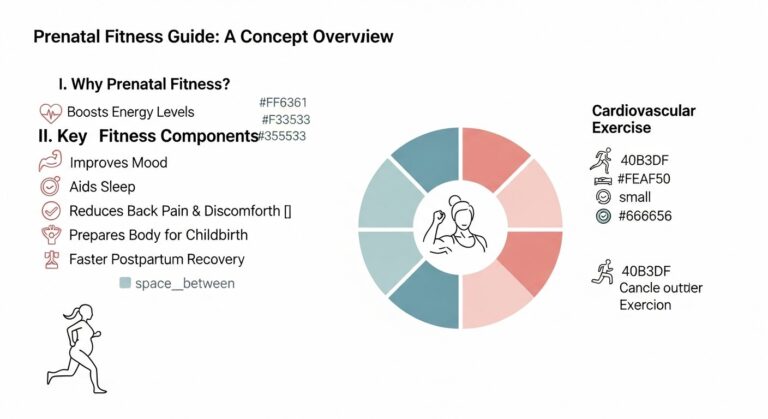
Pregnancy is a period of immense nutritional demand, as the mother’s body supports the growth and development of a new life. A high-quality prenatal vitamin is non-negotiable, typically containing higher doses of folate, iron, calcium, and Vitamin D. Omega-3s (DHA) are vital for fetal brain and eye development. Postpartum, the body is recovering from childbirth, undergoing hormonal shifts, and often sustaining breastfeeding. The Postpartum Recovery Guide New Moms emphasizes continued nutrient support for energy, mood, and milk production. Iron, B vitamins, and Vitamin D remain critical, and magnesium can assist with sleep and stress. Probiotics are also beneficial for both mother and baby’s gut health during this demanding phase.
Perimenopause and Menopause
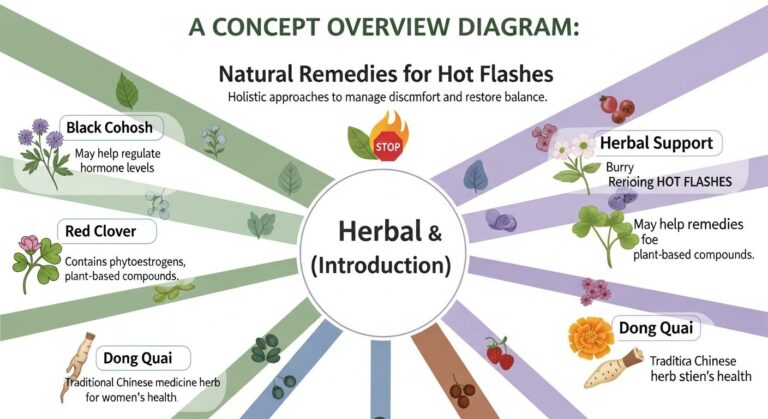
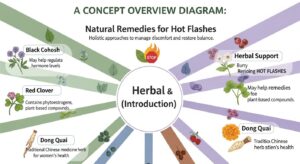
As women approach and enter menopause, declining estrogen levels bring about significant changes, impacting bone density, cardiovascular health, and mood. Calcium, Vitamin D, and Vitamin K2 become even more crucial for preventing osteoporosis. Magnesium can help manage hot flashes, sleep disturbances, and mood swings. Omega-3s support cardiovascular health and brain function, which can be affected by hormonal shifts. Some women find adaptogens like Ashwagandha beneficial for managing stress and improving sleep. Targeted supplements like black cohosh or red clover may also be considered for symptom relief, always in consultation with a healthcare professional, to navigate this transition gracefully.
Later Years
In later years, the focus shifts to maintaining cognitive function, bone health, muscle mass, and overall vitality. Absorption of nutrients can decrease with age, making supplementation even more important. Vitamin B12, often poorly absorbed by older adults, is critical for nerve function and preventing cognitive decline. Vitamin D, calcium, and magnesium remain essential for strong bones and reducing fall risk. Omega-3s continue to support brain and heart health. CoQ10 can boost cellular energy and cardiovascular function. A comprehensive approach that includes a broad-spectrum multivitamin, along with targeted supplements, can help women maintain their independence and quality of life well into their golden years.
Integrating Supplements into a Holistic Health Strategy
While vitamins and supplements can be powerful allies in optimizing women’s health, it’s crucial to view them as just one component of a broader, holistic health strategy. No supplement can fully compensate for a poor diet, lack of sleep, or chronic stress. Think of supplements as enhancers, building upon a strong foundation of healthy lifestyle choices.
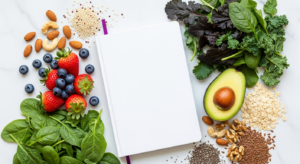
A nutrient-dense diet rich in whole foods – fruits, vegetables, lean proteins, and healthy fats – should always be your primary source of nutrition. Regular physical activity, tailored to your fitness level and goals, is essential for maintaining muscle mass, bone density, cardiovascular health, and mood. Prioritizing quality sleep, typically 7-9 hours per night, allows your body to repair and rejuvenate. Effective stress management techniques, such as mindfulness, yoga, or spending time in nature, are vital for hormonal balance and overall well-being. For comprehensive guidance, consider exploring Womens Health Tips Every Woman Should Know for a complete picture of well-being.
Furthermore, your environment plays a significant role in your health. Creating a serene and organized home space can reduce stress and promote mental calm. Even considering kid friendly home decor ideas can contribute to a harmonious household, indirectly supporting your peace of mind and ability to focus on self-care. Before starting any new supplement regimen, always consult with a healthcare professional. They can help identify potential deficiencies, discuss interactions with medications, and recommend dosages appropriate for your individual needs and health conditions. This personalized approach ensures safety and efficacy, empowering you to make the best choices for your unique health journey in 2026.
Frequently Asked Questions
Recommended Resources
Check out Holiday Entertaining Tips on Rock Salt Plum for a deeper dive.
Check out Best Minimalist Jewelry Brands 2026 on Fashion Goggled for a deeper dive.