
The Allure of Yesteryear: Why Choose an Older Home?
There’s a special magic that emanates from an older home. It whispers stories of generations past, of holidays celebrated, and lives lived within its walls. For many prospective homeowners, this intangible quality is a powerful draw, offering a depth of character and a sense of permanence that newer homes often struggle to replicate. Beyond the romantic notion, there are several tangible benefits that make older properties incredibly appealing, especially for those who appreciate history and craftsmanship.
Character and Charm That Can’t Be Replicated
Walk into a home built in the 1920s or 1950s, and you’ll immediately notice the difference. Original hardwood floors, intricate crown molding, built-in cabinetry, unique window styles, and sometimes even functional fireplaces or vintage tilework contribute to an authentic charm that modern mass-produced homes simply cannot replicate. These distinctive features often boast superior materials and construction techniques that are prohibitively expensive in today’s market. Each creak of the floorboards, each unique doorknob, and each hand-carved detail tells a story, offering a living history that enriches your daily life. This inherent character allows for a truly personalized aesthetic, where you’re not just decorating a space, but curating a piece of history to reflect your own taste.
Established Neighborhoods and Mature Landscapes
Older homes are typically found in well-established neighborhoods, which come with a host of advantages. These areas often feature mature trees, providing natural shade, beauty, and a sense of tranquility that takes decades to cultivate. The infrastructure, from sidewalks to public services, is usually well-developed, and the community fabric has often had years to weave itself together, fostering a strong sense of belonging. Proximity to urban centers, historical landmarks, parks, and established schools is common. This means less construction noise, more green space, and a greater sense of stability and community compared to rapidly developing new subdivisions. Imagine enjoying a morning coffee on your porch, shaded by a century-old oak, watching neighbors stroll by – a picture of serene, settled living.
Potential for Value and Equity Growth
While the initial purchase price of an older home can sometimes be lower than a comparable new build, their true financial appeal often lies in their potential for appreciation and equity growth. With thoughtful renovations and diligent maintenance, an older home can significantly increase in value. Many buyers see an older home as an investment opportunity, allowing them to add sweat equity and customize the property to their exact specifications, potentially yielding a higher return on investment down the line. Furthermore, the unique character and historical significance of certain properties can command a premium in the market, especially as demand for authentic, non-cookie-cutter homes grows. This isn’t just about owning a home; it’s about investing in a piece of heritage that can grow with you and your family.
Navigating the Initial Search: What to Look For

Embarking on the search for an older home is an exciting adventure, but it requires a keen eye and a strategic approach. Unlike new builds where everything is standardized, older homes each have their own unique personality, history, and potential challenges. Knowing what to prioritize and what red flags to watch for during your initial walkthroughs can save you time, money, and heartache down the road. It’s about looking beyond the cosmetic and understanding the fundamental aspects of the property.
Location, Location, Location (and History)
The timeless real estate mantra “location, location, location” holds even greater weight when considering an older home. Beyond the usual factors like school districts, commute times, and local amenities, research the historical context of the neighborhood. Is it a designated historic district? This could mean specific restrictions on exterior renovations but also potential tax benefits and a commitment to preserving the area’s character. Look at the surrounding properties – are they well-maintained? Is there a mix of original homes and sensitively updated ones? A neighborhood with pride of ownership often indicates a sound investment. Also, consider the future development plans for the area; while older homes are in established areas, urban planning can still impact property values and quality of life. Understanding the historical trajectory of the location can give you insight into its future potential.
Architectural Style and Integrity
Older homes come in a dazzling array of architectural styles, from Victorian and Craftsman to Colonial and Mid-Century Modern. Part of the joy of owning an older home is appreciating and preserving its original style. During your initial viewings, pay attention to the architectural integrity. Has the home been “updated” in a way that detracts from its original design, or have renovations been sympathetic to its era? Look for original features like window types, trim work, built-ins, and floor plans. While some modifications are inevitable and even desirable for modern living, extensive alterations that clash with the home’s original style can be costly to undo and might indicate a lack of care or understanding from previous owners. Embrace the style that speaks to you, but also assess how much work might be involved in restoring or enhancing its authentic character.
Understanding the “Bones” – Initial Visual Cues
Before you even bring in a professional inspector, you can perform your own preliminary assessment of the home’s structural integrity. This involves looking beyond the fresh paint and staging. Start with the exterior:
- Foundation: Look for large cracks (especially horizontal ones), bowing walls, or signs of water intrusion in the basement or crawl space. Small, hairline cracks are often normal, but larger ones warrant concern.
- Roof: Check for missing or curling shingles, moss growth, sagging, or visible leaks from the attic if accessible. Note the age of the roof if possible.
- Siding and Paint: Look for peeling paint, rotting wood, or damaged siding, which can indicate moisture problems.
- Windows and Doors: Do they open and close properly? Are there signs of drafts or condensation between panes (in double-pane windows)?
- Grading: Does the ground slope away from the house, or towards it? Poor grading can lead to significant water issues in the basement.
Inside, pay attention to uneven floors, cracks in plaster or drywall (especially at ceiling/wall junctions), and any strong, musty odors which could indicate mold. While these are not definitive assessments, they can help you flag potential issues early and decide whether to proceed with a more in-depth inspection.
The Critical Inspection: Uncovering Hidden Truths
The Importance of a Specialized Inspector
For an older home, don’t just hire any home inspector. Seek out a professional with extensive experience specifically with historic or older properties. These inspectors understand the unique construction methods, materials, and common issues associated with homes from different eras. They know what to look for that might be missed by an inspector primarily accustomed to modern builds. They can differentiate between charming quirks and serious structural problems, and often have a network of specialists (e.g., foundation experts, HVAC technicians, electricians specializing in older wiring) they can recommend for further evaluation if needed. Ask for their credentials and specific experience with homes of a similar age to the one you’re considering.
Key Areas of Concern: Foundation, Roof, Plumbing, Electrical
While a good inspector will examine everything, certain systems in older homes are more prone to significant issues and warrant extra scrutiny:
- Foundation: Beyond visible cracks, the inspector will look for signs of shifting, settling, water intrusion, and proper drainage. Significant foundation repairs can be incredibly costly.
- Roof: Not just the shingles, but the underlying structure, flashing, and gutters. A roof nearing the end of its lifespan is a major expense.
- Plumbing: Older homes may have original galvanized steel pipes (prone to corrosion and low water pressure) or even lead pipes (a health hazard). The inspector will check for leaks, water pressure, water heater condition, and the overall state of the plumbing system, including sewer lines.
- Electrical System: Knob-and-tube wiring, aluminum wiring, or outdated fuse boxes are common in older homes and may not meet current safety standards or support modern electrical demands. An upgrade can be a significant investment but is often crucial for safety and functionality.
- HVAC: Assess the age and condition of the heating and cooling systems. Older furnaces or boilers can be inefficient or at the end of their service life.
These “big ticket” items can easily run into tens of thousands of dollars to repair or replace, making their thorough assessment absolutely vital.
Environmental Factors: Asbestos, Lead Paint, Mold
Many older homes contain materials that are now known to be hazardous. Your inspector should be able to identify potential risks:
- Asbestos: Common in insulation, flooring, ceiling tiles, and pipe wrapping in homes built before the 1980s. If undisturbed, it’s often not a hazard, but renovation work can release fibers.
- Lead Paint: Prevalent in homes built before 1978. Chipping or peeling lead paint is a serious health risk, especially for children.
- Mold: Often a result of moisture issues, mold can cause respiratory problems and structural damage. It can hide behind walls, under flooring, or in attics/basements.
These issues often require specialized testing and remediation, which can be expensive and time-consuming. Understanding their presence is key to making an informed decision and budgeting for potential mitigation.
Pest Infestations and Structural Damage
Over decades, older homes can become havens for pests. Termites, carpenter ants, rodents, and other critters can cause significant damage. The inspector will look for signs of current or past infestations, including droppings, gnaw marks, mud tubes (for termites), or damaged wood. Beyond pests, they’ll also assess for other forms of structural damage, such as wood rot due to moisture, sagging beams, or compromised joists. While some pest issues can be treated, extensive structural damage from long-term infestations or water ingress can be incredibly costly to repair and may even compromise the safety of the home. This detailed inspection is your best defense against unexpected and expensive surprises.
Budgeting for the Long Haul: Beyond the Purchase Price
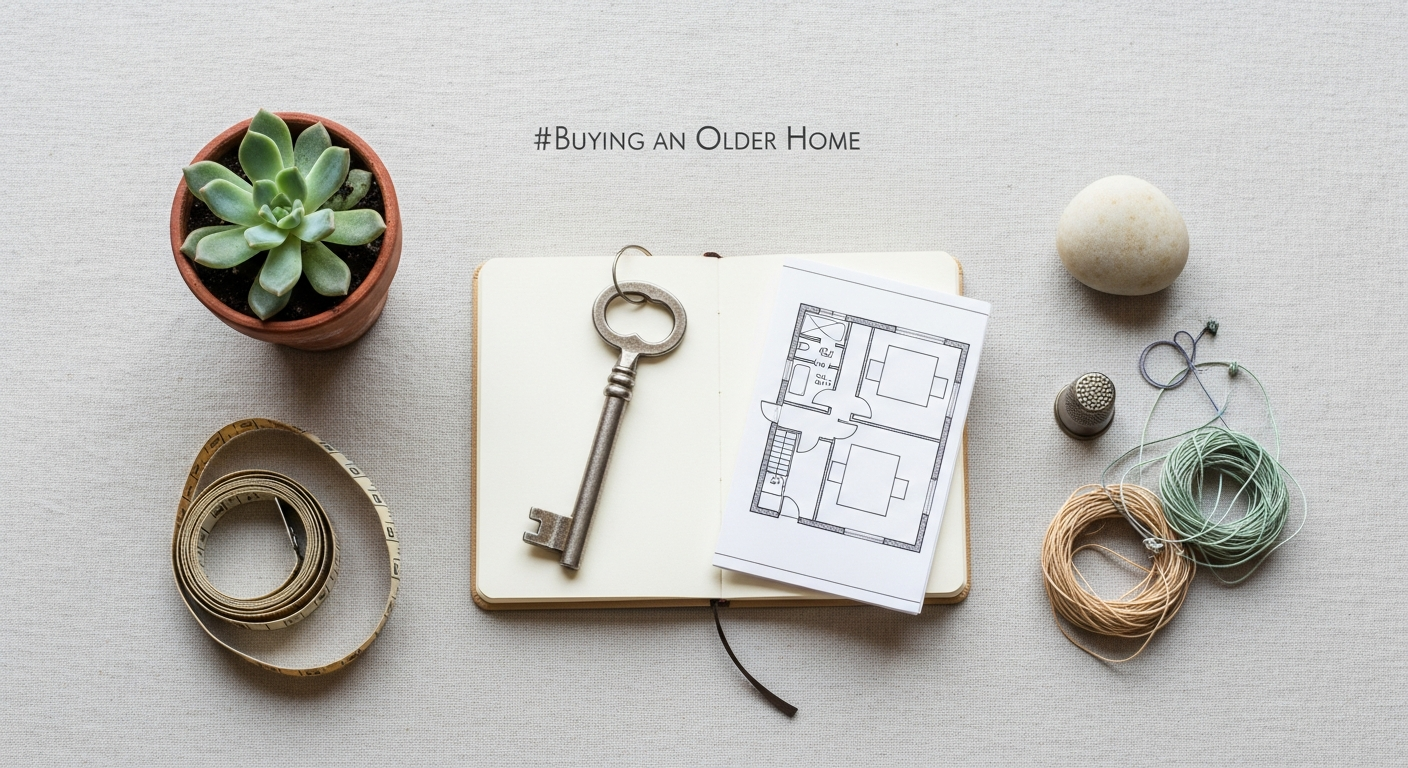
Buying an older home is an investment not just in real estate, but in a project. It’s crucial to understand that the purchase price is only the beginning of your financial commitment. Unlike a new home where most things are under warranty, an older home will inevitably require ongoing maintenance, repairs, and potentially significant renovations. A realistic budget that accounts for these future costs is essential for a stress-free ownership experience and for maintaining your financial wellness, a topic we often emphasize at Veralyn Media.
Renovation and Repair Costs
This is arguably the largest variable expense when buying an older home. Unless you’re buying a fully renovated property, anticipate needing to update or repair various systems and aesthetics. Common initial costs might include:
- System Upgrades: Electrical panel upgrades, new plumbing lines, HVAC replacement, or a new roof can each cost thousands, if not tens of thousands, of dollars.
- Cosmetic Renovations: Kitchen and bathroom remodels, flooring replacement, interior and exterior paint, and landscaping can dramatically improve livability and value.
- Addressing Inspection Findings: Any issues flagged during the home inspection (e.g., foundation repair, lead paint abatement, mold remediation) will need to be factored in.
It’s wise to get several quotes from reputable contractors for major anticipated projects. Remember our “Home renovation dos and donts”: always plan thoroughly, set a realistic budget, and don’t be afraid to live in the home for a while before undertaking major renovations to truly understand what you need and want. Prioritize repairs that impact safety and structural integrity before cosmetic upgrades.
Insurance Considerations
Insuring an older home can sometimes be more complex or expensive than insuring a new build. Insurers may view older electrical systems, plumbing, or roofing as higher risks. Some companies may even require certain upgrades (like a new roof or electrical panel) before offering coverage or may only offer limited coverage until specific repairs are made. Be prepared to shop around for insurance and get quotes early in the buying process. Provide your insurance agent with details about the home’s age, construction type, and any recent upgrades. Understanding these costs upfront will prevent surprises after closing.
Energy Efficiency Upgrades
Older homes, while charming, were often built long before energy efficiency was a primary concern. This can translate to higher utility bills. Budgeting for energy-saving upgrades can significantly reduce long-term costs and improve comfort:
- Insulation: Adding insulation to attics, walls, and basements can make a huge difference.
- Windows: Upgrading to energy-efficient windows can reduce drafts and heat loss/gain, though this can be a significant investment.
- HVAC System: Replacing an old furnace or boiler with a modern, high-efficiency unit.
- Sealing Air Leaks: Simple weatherstripping and caulking can prevent a lot of energy waste.
These upgrades not only save money but also contribute to a more comfortable and sustainable living environment, aligning with a holistic approach to home and wellness.
Contingency Funds: Expect the Unexpected
This is perhaps the most critical budgeting tip for an older home: always set aside a substantial contingency fund. No matter how thorough your inspection, older homes have a way of revealing new surprises. A pipe might burst, an appliance might fail, or a hidden issue might surface during a renovation. A good rule of thumb is to budget 10-20% of your anticipated renovation costs, or at least 1-3% of the home’s purchase price annually, for unexpected repairs and maintenance. Having this buffer will prevent financial strain and allow you to address issues promptly without compromising your overall financial stability, a key component of a healthy lifestyle as you plan for your future, perhaps even considering tips for adjusting to retirement from handling finances to staying on top of your health.
Financing Your Vintage Dream: Unique Loan Options
Securing financing for an older home can sometimes present unique challenges compared to purchasing a newer property. Lenders often have stricter requirements, especially if the home requires significant repairs or renovations. However, there are specific loan products designed to help buyers finance both the purchase and the necessary upgrades, making your vintage dream more attainable. Understanding these options is crucial for a smooth financial process.
Conventional vs. Renovation Loans (FHA 203k, Fannie Mae Homestyle)
While a conventional loan is suitable for an older home in good condition, many vintage properties require work that exceeds what a standard mortgage covers. This is where renovation loans become invaluable:
- FHA 203k Loan: Backed by the Federal Housing Administration, this loan allows you to combine the purchase price of the home and the cost of repairs/renovations into a single mortgage. It’s often ideal for homes needing substantial work and is known for more flexible credit requirements. There are two types: a Streamline (limited repairs, non-structural) and a Standard (for more extensive, structural renovations).
- Fannie Mae Homestyle Renovation Loan: This is a conventional renovation loan, also combining purchase and renovation costs. It typically has stricter credit requirements than an FHA 203k but offers more flexibility in terms of renovation types and can be used for non-structural cosmetic updates or major overhauls.
- VA Renovation Loans: For eligible veterans, some VA loans can also be structured to include renovation costs, offering favorable terms.
These loans simplify the process by allowing you to finance everything with one closing, avoiding the need for separate construction loans or personal loans for repairs. They are specifically designed to bridge the gap between an older home’s current condition and its potential.
Understanding Appraisal Challenges
Appraisals for older homes, especially those in need of repair, can be tricky. Appraisers rely on comparable sales (comps) in the area. If there aren’t many recently sold homes of similar age, condition, and square footage, or if the home is in disrepair, the appraised value might come in lower than expected. This can impact your loan amount, as lenders typically won’t lend more than the appraised value.
- As-Is Value: For renovation loans, the initial appraisal often considers the home’s “as-is” value, and then a “future value” or “after-improved value” based on the proposed renovations.
- Experienced Appraisers: Just like with inspectors, it’s beneficial to work with lenders who use appraisers experienced with older and historic properties. They are better equipped to understand the unique value propositions and potential of such homes.
- Contingency: Ensure your purchase agreement has an appraisal contingency, allowing you to renegotiate or withdraw if the appraisal comes in too low.
Being prepared for appraisal challenges is a key part of the financial strategy when buying vintage.
Working with Lenders Experienced in Older Properties
Not all lenders are equally adept at handling the complexities of older home financing, especially renovation loans. Seek out mortgage brokers or loan officers who specialize in FHA 203k, Fannie Mae Homestyle, or other renovation loan products.
- Expert Guidance: An experienced lender can guide you through the specific requirements, paperwork, and timelines involved, which can be more extensive than a standard mortgage.
- Network of Professionals: They often have relationships with contractors, appraisers, and inspectors who are also familiar with older homes, streamlining the process.
- Realistic Expectations: They can help you set realistic expectations about what types of renovations are covered, project timelines, and potential challenges.
Choosing the right financial partner is as important as choosing the right home, ensuring that the monetary aspect of your venture is as sound as the structural integrity of your future abode.
Embracing the Journey: Settling In and Making It Your Own
Congratulations, you’ve bought your older home! The closing is done, and the keys are in your hand. But the journey doesn’t end there; in many ways, it’s just beginning. Owning an older home is an ongoing relationship, a commitment to stewardship, and a unique opportunity to infuse your personality into a space with a rich past. This phase is about more than just moving in; it’s about settling, planning, and truly making this historical dwelling your own, while also balancing your personal life and well-being.
Prioritizing Renovations and Enhancements
After the initial excitement, the reality of potential renovations sets in. It’s crucial to approach this strategically. Resist the urge to tackle everything at once, especially if you’re living in the home.
- Safety First: Address any immediate safety concerns identified during the inspection, such as electrical hazards, structural issues, or lead paint/asbestos mitigation.
- Functionality: Focus on making the home comfortable and functional. This might include essential plumbing repairs, updating a non-functional kitchen, or ensuring adequate heating and cooling.
- Energy Efficiency: As discussed, upgrading insulation, windows, or HVAC can significantly improve your quality of life and reduce long-term costs.
- Aesthetics: Once the critical items are handled, you can move on to cosmetic updates that reflect your style.
Remember our “Home renovation dos and donts”: always respect the home’s original character, research appropriate materials and styles, and consider hiring professionals for complex tasks. Living in the home for a few months before major renovations can give you a better understanding of how you use the space and what truly needs changing versus what you can live with or even grow to love.
Connecting with Local Resources and Tradespeople
Becoming an older home owner often means becoming part of a community of enthusiasts and experts. Building a network of reliable resources is invaluable:
- Local Preservation Societies: These organizations often offer advice, workshops, and lists of contractors specializing in historic preservation.
- Experienced Tradespeople: Seek out plumbers, electricians, carpenters, and painters who have specific experience working with older homes. They understand older materials and systems and can provide solutions that maintain the home’s integrity. Ask for references and view their past work.
- Architects/Designers: If you’re planning significant renovations, consider consulting an architect or interior designer who specializes in historic properties. They can help blend modern needs with historical authenticity.
- Neighborly Advice: Your neighbors in older homes are often a wealth of information about local resources, common issues for your home’s era, and even the history of the street.
These connections will be instrumental in maintaining and enhancing your home for years to come.
Enjoying the Lifestyle and Creating New Memories
Ultimately, buying an older home is about finding a place to build your life and create new memories. While the journey involves planning and effort, it’s equally important to step back and enjoy the unique lifestyle that comes with it. Imagine hosting family gatherings in a dining room that has seen decades of celebrations, or relaxing in a garden that has matured over generations. This home becomes a backdrop for your life’s adventures, whether it’s planning your next family RV road trip from your charming driveway or settling into a fulfilling retirement, balancing your health and finances, much like the advice we share on “Tips for adjusting to retirement from handling finances to staying on top of your health.” Your older home isn’t just a dwelling; it’s a foundation for a rich, fulfilling life, a testament to enduring beauty, and a canvas for your future stories. Embrace the quirks, cherish the history, and make it uniquely yours, contributing to your overall health and wellness by creating a sanctuary that truly reflects you.
Frequently Asked Questions
Recommended Resources
For more on a brief guide, see How To Dress Professionally On A Budget on Fashion Goggled.
You might also enjoy How To Practice Gratitude Daily To Boost Your Mood from Sometimes Daily.