Creating a Haven: Beautiful, Functional, and Kid-Friendly Decor Ideas for Every Family Home
For many women, the dream of a beautiful, serene home often feels at odds with the joyful, chaotic reality of raising children. We yearn for spaces that reflect our aesthetic sensibilities, offer a sense of calm, and serve as a stylish backdrop to our lives. Yet, the moment little hands enter the picture, suddenly every sharp corner, delicate vase, and pristine white sofa seems to present a formidable challenge. The good news, dear reader, is that you absolutely can have both. At Veralyn Media, we believe in empowering you to create a home that is not just aesthetically pleasing but also a nurturing, stimulating, and safe environment for your entire family. This isn’t about sacrificing style for functionality, but rather about thoughtfully integrating elements that support child development, foster independence, and stand up to the beautiful messiness of family life, all while maintaining the elegance and warmth you desire.
In this comprehensive guide, we’ll delve into practical, evidence-based strategies for designing interiors that are both kid-friendly and chic. We’ll explore how to blend durability with design, safety with style, and playful elements with sophisticated decor. From securing furniture to selecting resilient fabrics, and from fostering organization to igniting creativity, prepare to transform your home into a truly harmonious haven where every family member can thrive.

The Foundation: Safety First, Always
Before we dive into color palettes and clever storage, the bedrock of any truly kid-friendly home is safety. Childproofing isn’t just about gates and outlet covers; it’s a holistic approach to creating an environment where children can explore, play, and learn without undue risk. Research consistently shows that a proactive approach to home safety significantly reduces the incidence of childhood injuries. The American Academy of Pediatrics, for instance, provides extensive guidelines emphasizing anticipatory guidance for parents on injury prevention, underscoring the importance of making your home safe long before your child reaches a particular developmental milestone.
Securing Furniture and Heavy Items
- Anti-Tip Kits: This is non-negotiable for dressers, bookshelves, TVs, and any tall, unstable furniture. Tragic accidents occur annually when furniture tips over onto curious climbers. These inexpensive kits anchor furniture to the wall, offering crucial protection.
- Wall-Mounted TVs: Instead of placing a large television on a stand, mount it securely to the wall, out of reach and eliminating the risk of it toppling over.
- Heavy Decor: Place heavy or breakable decor items on high shelves, out of a child’s reach, or consider replacing them with lighter, non-breakable alternatives.
Managing Cords and Outlets
- Cordless Window Coverings: Dangling cords from blinds and shades pose a severe strangulation hazard for young children. Opt for cordless window treatments or retrofit existing ones with safety devices. The Window Covering Safety Council (WCSC) strongly recommends only using cordless options in homes with young children.
- Outlet Covers: Childproof electrical outlets with safety plugs or sliding covers to prevent curious fingers from electric shock.
- Cable Management: Bundle and secure electrical cords from lamps, electronics, and appliances to prevent tripping hazards and discourage chewing.
Softening Edges and Surfaces
- Corner Guards: For coffee tables, hearths, and other furniture with sharp corners, apply soft corner guards to cushion accidental bumps and falls, especially for toddlers learning to walk.
- Rug Pads: Ensure all area rugs have non-slip pads underneath to prevent slips and falls. Consider soft, plush rugs in high-traffic play areas to cushion inevitable tumbles.
- Stair Gates: Install sturdy, hardware-mounted gates at the top and bottom of stairs to prevent falls. Ensure they are properly installed and regularly checked for stability.
Non-Toxic Materials and Finishes
- Low-VOC Paints: When painting walls or furniture, choose paints with low or zero Volatile Organic Compounds (VOCs) to ensure better indoor air quality for your family.
- Natural Fabrics: Opt for natural, organic fabrics like cotton, linen, or wool for upholstery, bedding, and curtains, especially if your child has sensitivities. These materials often contain fewer chemical treatments.
- Lead-Free Products: Be vigilant about older furniture or toys that might contain lead paint. Always check product certifications for new purchases.
Prioritizing safety doesn’t mean your home has to look like a padded cell. Many safety solutions are now discreet and blend seamlessly into modern decor, allowing you to create a beautiful and secure environment simultaneously.
Designing for Development: Spaces That Grow With Them
Beyond safety, a truly kid-friendly home is one that actively supports a child’s cognitive, physical, and emotional development. Drawing inspiration from educational philosophies like Montessori and Reggio Emilia, we can create environments that are not just safe but also stimulating, accessible, and empowering. Experts in early childhood development emphasize the “environment as the third teacher,” meaning the physical space itself plays a crucial role in a child’s learning journey.
Fostering Independence with Accessibility

- Low Shelving and Hooks: Implement low, open shelving in playrooms, bedrooms, and even common areas, allowing children to easily access and put away their toys, books, and art supplies. Install hooks at their height for coats and backpacks. This simple change significantly boosts their sense of agency and responsibility.
- Kid-Sized Furniture: While not every piece needs to be child-sized, incorporating a small table and chairs for art, puzzles, or snack time provides a dedicated space that feels “theirs” and encourages focused activity.
- Step Stools: Strategically place sturdy step stools in bathrooms (for handwashing and teeth brushing) and kitchens (for helping with meal prep) to empower children to participate in daily routines.
Creating Defined Play Zones
- Designated Areas: Even in open-concept homes, carve out specific “zones” for different activities. A cozy reading nook with floor cushions, an art station with an easel, or a quiet corner for imaginative play can help children understand expectations for different areas and encourage focused engagement.
- Flexible Spaces: Use area rugs, low bookcases, or even large floor cushions to subtly delineate these zones without needing permanent walls. This keeps the space open and adaptable as your child’s interests evolve.
Integrating Sensory Richness and Natural Elements
- Textures and Materials: Introduce a variety of textures through throws, pillows, rugs, and furniture. Research suggests that rich tactile experiences are vital for sensory integration and cognitive development. Think soft faux fur, rough jute, smooth wood, and cool metal.
- Color and Light: While a calm base palette is often recommended for large spaces, don’t shy away from pops of vibrant color in art, accessories, or a feature wall in a child’s room. Maximize natural light and incorporate plants to bring the outdoors in, which studies show can reduce stress and improve focus.
- Displaying Their Creations: Dedicate a prominent spot, such as a gallery wall or a magnetic board, to display your children’s artwork. This not only adds a unique, personal touch to your decor but also validates their efforts and creativity, fostering self-esteem.
Flexible and Multi-Functional Furniture
- Modular Seating: Sectional sofas or modular seating arrangements can be reconfigured to suit different activities, from family movie nights to fort building.
- Storage Ottomans/Benches: These pieces offer hidden storage for toys, blankets, or books, while also serving as extra seating or a footrest.
- Convertible Pieces: Consider furniture that adapts as your child grows, such as a crib that converts to a toddler bed and then a daybed, or a changing table that transforms into a dresser.
By thoughtfully designing spaces that invite participation, stimulate senses, and encourage autonomy, you’re not just decorating; you’re investing in your child’s growth and well-being.
The Art of Organization: Taming the Toy Tsunami
One of the biggest challenges for families is managing the inevitable influx of toys, books, and art supplies. A cluttered home can contribute to stress and overwhelm for both parents and children. Experts in child psychology often link an organized environment to improved focus, reduced anxiety, and a greater sense of calm for children. The key is to establish systems that are easy for everyone to understand and maintain, making tidying up a natural part of daily life rather than a Herculean task.
Establishing “Everything Has a Home”
- Designated Spots: For every item, from building blocks to board games, assign a specific “home.” This helps children learn where things belong and makes cleanup much more efficient.
- Visible Storage: Clear bins, open baskets, and labeled drawers help children (and adults!) quickly identify what goes where. When they can see the item, they’re more likely to put it back correctly.
Smart Storage Solutions
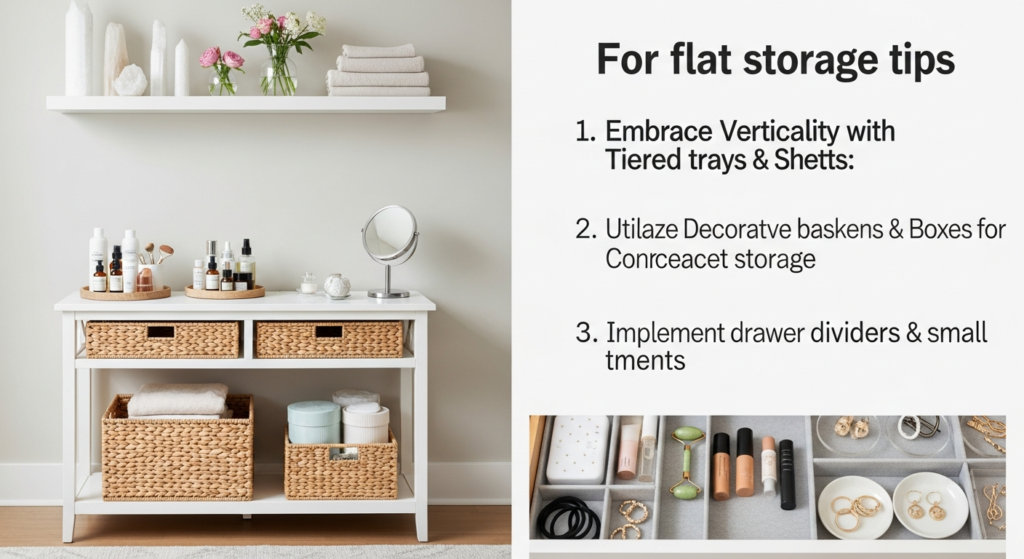
- Baskets and Bins: Invest in a variety of durable, attractive baskets and bins. Woven baskets add texture and warmth to a living room, while plastic bins with lids are practical for playrooms.
- Vertical Storage: Utilize wall space with shelves, wall-mounted cubbies, or tall, narrow bookcases. This frees up floor space and keeps items accessible yet contained.
- Under-Bed Storage: Rolling bins that slide under beds are perfect for storing out-of-season clothes, extra bedding, or less frequently used toys.
- Mudroom/Entryway Organization: Create a functional entryway with hooks for coats and backpacks, shoe cubbies, and a bench. This prevents clutter from migrating further into the home.
Implementing a Toy Rotation System
- Reduce Overwhelm: Children often play better with fewer toys. A toy rotation system involves storing a portion of toys out of sight and bringing them out periodically. This keeps toys fresh and interesting, and prevents children from feeling overwhelmed by too many choices.
- Designated Storage: Use large, opaque bins for storing rotated toys in a closet, garage, or basement. Label them clearly.
Involving Children in the Process
- Age-Appropriate Chores: Even young children can help with tidying up. Start with simple tasks like putting blocks in a bin or books on a shelf. Make it a game or part of a daily routine.
- Decluttering Together: Periodically involve older children in deciding which toys they no longer play with to donate or pass on. This teaches valuable lessons about generosity and mindful consumption.
Organization isn’t about perfection; it’s about creating systems that support your family’s daily rhythm and reduce stress, allowing more time for joyful connection.
Aesthetic Harmony: Blending Adult Style with Childish Whimsy
The notion that a kid-friendly home must forego style is a myth. In fact, integrating elements of childhood joy into a sophisticated adult aesthetic can result in a home that is uniquely vibrant, warm, and full of personality. The trick is to strike a balance, choosing materials and decor that are both beautiful and resilient, and embracing playful touches without letting them dominate the overall design.
Choosing Durable and Washable Materials
- Performance Fabrics: These are a game-changer for families. Look for upholstery and rug materials that are stain-resistant, water-repellent, and easy to clean. Brands like Sunbrella, Crypton, and Revolution fabrics offer a wide range of stylish options that can withstand spills, muddy paws, and sticky fingers. This investment pays dividends in peace of mind.
- Washable Slipcovers: For sofas and chairs, slipcovers made from durable, washable fabrics like cotton duck or linen blends are excellent. They can be easily removed and laundered, keeping your seating fresh and clean.
- Resilient Flooring: Hardwood floors are classic and durable, but can be susceptible to scratches. Consider engineered wood, luxury vinyl plank (LVP), or high-quality laminate for areas with heavy traffic. These options offer the look of wood with enhanced resistance to dents and moisture.
Strategic Color Palettes and Patterns
- Neutral Base with Pops of Color: Start with a calming, neutral foundation for walls and large furniture pieces (grays, whites, creams, light blues, or greens). Then, introduce vibrant colors through accessories, artwork, pillows, and throws. This allows you to easily update the look as tastes change, or simply swap out child-centric items for more adult ones when company comes over.
- Pattern Play: Patterns are your friend! Upholstery with subtle patterns, patterned rugs, or even wallpaper in a high-traffic area can effectively camouflage minor stains and wear, making your home feel more lived-in and less precious.
Elevating Kids’ Art and Personal Touches
- Framed Artwork: Instead of simply taping masterpieces to the fridge, select a few favorite pieces and frame them. Create a gallery wall in a hallway, playroom, or even the living room. This elevates children’s art into genuine decor and celebrates their creativity.
- Personalized Displays: Incorporate family photos, travel souvenirs, or meaningful heirlooms. These personal touches make a house feel like a home and create a sense of shared history.
- Chalkboard or Whiteboard Walls: In a playroom or kitchen, a section of wall painted with chalkboard paint or a large whiteboard can be a fantastic creative outlet that also contains the mess.
Comfortable and Inviting Seating
- Deep, Plush Sofas: Choose comfortable, deep-seated sofas that invite snuggling, reading, and family movie nights. Look for modular designs that can adapt to various seating arrangements.
- Floor Pillows and Beanbags: These are fantastic for casual seating, reading nooks, or extra seating during playdates. They’re also easy to move and store.
By making smart choices in materials and embracing playful elements with intention, you can achieve a sophisticated home that radiates warmth and welcomes every member of the family.
Room-by-Room Inspiration: Practical Applications
Let’s translate these principles into actionable ideas for specific areas of your home, ensuring every room is both functional for kids and beautiful for adults.
The Living Room: The Heart of Family Life
- Durable Upholstery: As mentioned, performance fabrics are ideal. Consider darker colors or subtle patterns for sofas and chairs to hide everyday wear.
- Coffee Table Alternatives: Replace a traditional sharp-edged coffee table with a large upholstered ottoman (which can also provide storage), a set of nesting tables, or a round, sturdy wooden table with softened edges.
- Designated Play Corner: Even a small corner can house a low bookshelf with books and a basket for toys, defined by a soft rug. This keeps play contained without dominating the entire room.
- Floor Pillows and Throws: Encourage cozy lounging and impromptu play with comfortable floor pillows and soft, washable throws.
The Kitchen & Dining Area: Culinary Adventures and Family Meals
- Washable Placemats: Choose silicone, laminated, or fabric placemats that can be easily wiped down or tossed in the wash.
- Kid-Friendly Seating: For younger children, a booster seat or high chair that blends with your dining room aesthetic is preferable. For older kids, ensure chairs are sturdy and can withstand wiggles.
- Accessible Snacks/Dishes: Dedicate a low drawer or cabinet for kid-friendly plates, cups, and snacks, empowering them to help themselves (with supervision).
- Step Stool: Essential for little helpers at the counter or sink, fostering a love for cooking and independence.
Bedrooms: Personalized Retreats
- Kids’ Bedrooms:
- Age-Appropriate Beds: From cribs converting to toddler beds, or twin beds that can later become bunk beds, choose options that grow with your child.
- Reading Nooks: A comfy chair, beanbag, or floor cushion with a small bookshelf creates an inviting space for stories.
- Blackout Curtains: Essential for good sleep, especially for naps and early bedtimes.
- Personal Display Areas: Magnetic boards, corkboards, or picture ledges allow children to display their treasures and art.
- Parents’ Bedroom: While this is often an adult sanctuary, remember that kids might still end up here for cuddles or sick days. Keep surfaces clutter-free and consider a washable duvet cover.
Bathrooms: Functional and Fun
- Step Stools: Crucial for reaching the sink and toilet.
- Accessible Storage: Low drawers or baskets for kid-friendly toiletries (toothbrush, mild soap).
- Non-Slip Mats: In and out of the shower/tub for safety.
- Whimsical Touches: Fun shower curtains, bath toys, or colorful towels can make bath time more enjoyable.
Sustainable & Mindful Choices for Your Family Home
As Veralyn Media is dedicated to holistic well-being, we also encourage mindful consumption and sustainable choices in your home decor. Opting for eco-friendly and non-toxic materials not only benefits the planet but also contributes to a healthier indoor environment for your family.
- Non-Toxic Materials: Prioritize furniture, paints, and fabrics that are certified low-VOC or free of harmful chemicals. Look for certifications like GREENGUARD Gold for furniture and OEKO-TEX for textiles.
- Sustainable Wood: When purchasing wooden furniture, look for pieces made from sustainably harvested wood, often indicated by certifications like FSC (Forest Stewardship Council).
- Second-Hand and Upcycled: Give new life to pre-loved furniture. A sturdy dresser can be sanded, painted with low-VOC paint, and fitted with new hardware to become a beautiful, unique piece for a child’s room. This is not only budget-friendly but also reduces waste.
- Durability Over Disposability: Invest in high-quality, durable items that will last for years, rather than trendy pieces that quickly fall apart. This reduces consumption and waste in the long run.

- Connecting to Nature: Incorporate indoor plants (ensure they are child and pet-safe) to improve air quality and bring a sense of calm. Maximize natural light and views of the outdoors where possible.

Creating a kid-friendly home is an ongoing journey, a beautiful dance between practicality and aesthetics. It’s about crafting spaces that nurture your children’s growth and imagination while still reflecting your personal style and providing a peaceful retreat for you. Embrace the process, be flexible, and remember that the most beautiful homes are those filled with love, laughter, and a sense of belonging for every member of the family.
Frequently Asked Questions About Kid-Friendly Decor
Here are some common questions and expert-backed answers to help you on your journey to a harmonious family home.
Q1: How can I make my home kid-friendly without sacrificing my adult style?
A1: The key is integration and smart material choices. Opt for a neutral base palette for walls and large furniture, then introduce pops of color and playful elements through easily changeable accessories like pillows, throws, and framed artwork. Invest in durable, performance fabrics for upholstery that are both stylish and stain-resistant. Use multi-functional furniture like storage ottomans, and incorporate kid-friendly organization solutions that blend seamlessly with your decor, such as attractive baskets and low, open shelving in a cohesive style.
Q2: What are the best flooring options for a busy family home?
A2: For high-traffic areas, durable and easy-to-clean options are paramount. Luxury vinyl plank (LVP) offers the look of wood or stone with excellent water and scratch resistance. Engineered hardwood provides a natural wood aesthetic with increased stability. High-quality laminate is another cost-effective, durable option. In play areas, soft, low-pile area rugs with non-slip pads can add warmth and cushion falls while being easier to clean than wall-to-wall carpeting. Always prioritize non-toxic options with low VOCs.

Q3: How do I keep toys from taking over the entire house?
A3: Implement a consistent organization system. Start by decluttering and donating toys that are no longer played with. For the remaining toys, assign a specific “home” for everything using clear, labeled bins, baskets, or low open shelving. Consider a toy rotation system where only a portion of toys is accessible at a time, keeping things fresh and reducing clutter. Involve your children in the tidying process from a young age to foster responsibility.
Q4: Are “performance fabrics” really worth the investment for families?
A4: Absolutely. Performance fabrics (like Sunbrella, Crypton, or Revolution) are engineered to be highly durable, stain-resistant, and easy to clean, making them ideal for homes with children and pets. While they might have a higher upfront cost, their longevity and ease of maintenance often make them a worthwhile investment that saves you money and stress in the long run, allowing you to enjoy beautiful furniture without constant worry about spills or wear.
Q5: What’s one simple change I can make today to make my home more kid-friendly?
A5: Secure all freestanding furniture (dressers, bookshelves, TV stands) to the wall using anti-tip kits. This is a quick, inexpensive, and critically important safety measure that can prevent serious injuries. Once this foundation is laid, you can then move on to aesthetic and organizational enhancements, knowing your basic safety measures are in place.
Conclusion
Creating a home that beautifully accommodates the dynamic energy of family life is not a pipe dream; it’s an achievable reality. By blending thoughtful design with practical, evidence-based strategies for safety, development, and organization, you can cultivate spaces that are both aesthetically pleasing and deeply nurturing. Remember, your home is a reflection of your family’s unique journey, a canvas where adult sophistication meets childish wonder. Embrace durable materials, smart storage, and the joy of seeing your children thrive in an environment tailored to their needs. With these insights from Veralyn Media, you’re now equipped to design a home that is truly a haven—a place where every memory is made, every giggle echoes, and every family member feels perfectly at home.
“`json
{
“@context”: “https://schema.org”,
“@graph”: [
{
“@type”: “Article”,
“headline”: “Creating a Haven: Beautiful, Functional, and Kid-Friendly Decor Ideas for Every Family Home”,
“description”: “Transform your home into a beautiful, functional, and safe haven for the whole family! Discover expert-backed, kid-friendly decor ideas for every room with Veralyn Media.”,
“image”: [
“https://www.veralynmedia.com/images/kid-friendly-decor-hero.jpg”,
“https://www.veralynmedia.com/images/kid-friendly-living-room.jpg”,
“https://www.veralynmedia.com/images/kid-friendly-storage.jpg”
],
“datePublished”: “2023-10-27T08:00:00+08:00”,
“dateModified”: “2023-10-27T08:00:00+08:00”,
“author”: {
“@type”: “Person”,
“name”: “Veralyn Media Editorial Team”
},
“publisher”: {
“@type”: “Organization”,
“name”: “Veralyn Media”,
“logo”: {
“@type”: “ImageObject”,
“url”: “https://www.veralynmedia.com/images/veralyn-media-logo.png”
}
},
“mainEntityOfPage”: {
“@type”: “WebPage”,
“@id”: “https://www.veralynmedia.com/articles/kid-friendly-home-decor-ideas”
},
“articleSection”: [
“Home & Family”,
“Home Decor”,
“Parenting”
],
“keywords”: [
“kid-friendly decor”,
“family home design”,
“child-safe interiors”,
“functional spaces for kids”,
“organized family living”,
“home safety”,
“child development design”,
“durable home decor”,
“sustainable home choices”
]
},
{
“@type”: “FAQPage”,
“mainEntity”: [
{
“@type”: “Question”,
“name”: “How can I make my home kid-friendly without sacrificing my adult style?”,
“acceptedAnswer”: {
“@type”: “Answer”,
“text”: “The key is integration and smart material choices. Opt for a neutral base palette for walls and large furniture, then introduce pops of color and playful elements through easily changeable accessories like pillows, throws, and framed artwork. Invest in durable, performance fabrics for upholstery that are both stylish and stain-resistant. Use multi-functional furniture like storage ottomans, and incorporate kid-friendly organization solutions that blend seamlessly with your decor, such as attractive baskets and low, open shelving in a cohesive style.”
}
},
{
“@type”: “Question”,
“name”: “What are the best flooring options for a busy family home?”,
“acceptedAnswer”: {
“@type”: “Answer”,
“text”: “For high-traffic areas, durable and easy-to-clean options are paramount. Luxury vinyl plank (LVP) offers the look of wood or stone with excellent water and scratch resistance. Engineered hardwood provides a natural wood aesthetic with increased stability. High-quality laminate is another cost-effective, durable option. In play areas, soft, low-pile area rugs with non-slip pads can add warmth and cushion falls while being easier to clean than wall-to-wall carpeting. Always prioritize non-toxic options with low VOCs.”
}
},
{
“@type”: “Question”,
“name”: “How do I keep toys from taking over the entire house?”,
“acceptedAnswer”: {
“@type”: “Answer”,
“text”: “Implement a consistent organization system. Start by decluttering and donating toys that are no longer played with. For the remaining toys, assign a specific \”home\” for everything using clear, labeled bins, baskets, or low open shelving. Consider a toy rotation system where only a portion of toys is accessible at a time, keeping things fresh and reducing clutter. Involve your children in the tidying process from a young age to foster responsibility.”
}
},
{
“@type”: “Question”,
“