Thriving, Not Just Surviving: The Ultimate Guide for Work-from-Home Moms
Ah, the work-from-home life for moms. It’s often painted with idyllic brushes – pajama-clad productivity, spontaneous cuddles, and the freedom to craft your own schedule. While these moments are certainly real and cherished, the reality for many WFH mothers is a complex tapestry woven with threads of relentless multitasking, the invisible load of household management, the constant juggle of professional demands against the unpredictable rhythm of family life, and the ever-present hum of guilt. You’re not alone if you’ve found yourself simultaneously drafting an email, overseeing a toddler’s snack, and mentally planning dinner. At Veralyn Media, we understand that being a work-from-home mom isn’t just a job; it’s a lifestyle that requires immense resilience, strategic planning, and, most importantly, a deep commitment to your own well-being. This comprehensive guide is designed to empower you, offering practical, evidence-based strategies and a supportive framework to help you not just survive, but truly thrive in your unique journey.
We believe that success in this dual role isn’t about achieving a mythical “perfect balance,” but about creating a sustainable system that honors both your professional aspirations and your family’s needs, all while safeguarding your mental and physical health. Drawing on insights from productivity experts, psychologists, and the lived experiences of countless successful WFH mothers, we’ll explore how to craft an environment that supports your work, manage your time effectively, set crucial boundaries, prioritize self-care, leverage your support network, and cultivate a mindset of self-compassion. Get ready to transform your work-from-home experience into one that feels more structured, less chaotic, and genuinely fulfilling.
Creating Your Sanctuary: Setting Up an Ergonomic & Inspiring Workspace
One of the most foundational steps to a successful work-from-home experience is establishing a dedicated workspace. While the fantasy might be working from a sun-drenched cafe or your cozy bed, the reality is that a specific, well-designed area can dramatically impact your focus, productivity, and professional identity. Research consistently shows that a clear distinction between work and home environments can reduce stress and improve mental clarity, even if that distinction is just a corner of a room.
The Power of a Dedicated Space
- Mental Separation: Having a designated work area signals to your brain that it’s time to shift into work mode. This mental cue is invaluable, especially when your home doubles as your office, playground, and restaurant. Even if it’s a small desk in your bedroom or a converted closet, the act of “going to work” in that space can enhance focus.
- Professionalism & Boundaries: A dedicated space helps you, and your family, understand when you’re “at work.” It can make it easier to communicate boundaries to children and partners, explaining that when you’re in your “office,” you need focused time.
Ergonomics: Your Body Will Thank You
Working from home often means longer hours sitting, which can lead to discomfort, pain, and long-term health issues if not addressed. Investing in proper ergonomics is not a luxury; it’s a necessity for your physical well-being and sustained productivity.
- Chair: Your most crucial investment. Opt for an ergonomic chair that provides good lumbar support, adjustable height, and armrests. Your feet should be flat on the floor or a footrest, and your knees should be at about a 90-degree angle.
- Desk Height: Your forearms should be parallel to the floor when typing, with your elbows at a 90-degree angle. If your desk isn’t adjustable, consider a keyboard tray or risers for your monitor.
- Monitor Placement: Position your monitor at arm’s length, with the top of the screen at or slightly below eye level. This helps prevent neck strain. If you use a laptop, consider an external monitor and keyboard/mouse to achieve better posture.
- Lighting: Natural light is best. Position your desk near a window if possible, but avoid glare. Supplement with good task lighting to reduce eye strain, especially during evening hours.
Minimizing Distractions (Visual & Auditory)
Working from home means constant potential for interruption. While you can’t eliminate every sound of family life, you can strategically minimize common distractions.
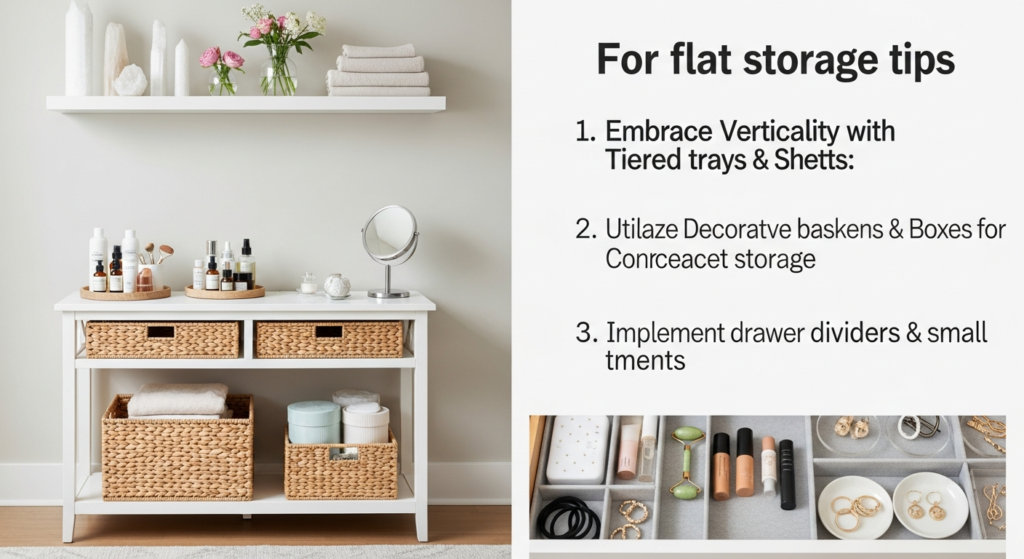
- Visual Clutter: A tidy workspace promotes a tidy mind. Keep your desk free of unnecessary clutter. Use organizers for papers, pens, and supplies.
- Auditory Distractions: If possible, choose a quieter area of your home. Noise-canceling headphones can be a lifesaver for blocking out background noise, whether it’s kids playing or a neighbor’s lawnmower. Curtains or rugs can also help absorb sound.
Personalization for Inspiration
Your workspace should also be a place that inspires you. Incorporate elements that bring you joy and motivation.
- Plants: Studies show that plants can boost mood, reduce stress, and even improve air quality.
- Personal Touches: A photo of your family, a piece of art, or a motivational quote can make your space feel more inviting and personal.
- Cleanliness: A clean and organized space is not just about efficiency; it’s about creating a pleasant environment you want to be in.
Remember, your workspace is more than just where you do your job; it’s an extension of your professional self within your home. By thoughtfully designing it, you’re setting yourself up for greater focus, comfort, and success.
Mastering the Clock: Time Management & Productivity Hacks
For work-from-home moms, time is a precious, often elusive commodity. The traditional 9-to-5 workday rarely applies, and the lines between work and personal life are constantly blurring. Effective time management isn’t about squeezing more into your day; it’s about making intentional choices about how you spend your energy and attention. It’s about working smarter, not just harder, and creating a rhythm that supports both your professional goals and your family’s needs.
Structured Routines vs. Flexibility: Finding Your Sweet Spot
While the allure of a completely flexible schedule is strong, research suggests that some level of routine can significantly reduce decision fatigue and increase productivity. However, as a mom, flexibility is also your superpower. The key is to find a balance.
- Establish a Core Routine: Identify your peak productivity hours and block out time for your most important work tasks during those periods. This might be early morning before the kids wake, during nap time, or after they’re in bed.
- Embrace Micro-Routines: Even small routines can help. A consistent morning ritual (coffee, meditation, checking your calendar) can set a positive tone. A consistent winding-down routine can signal the end of your workday.
- Build in Buffer Time: Life with kids is unpredictable. Always allocate buffer time in your schedule for unexpected interruptions, meltdowns, or sudden changes in plans.
Prioritization: The Art of Knowing What Matters Most
Not all tasks are created equal. Learning to prioritize is fundamental to avoiding overwhelm and ensuring you’re focusing on high-impact activities.
- The Eisenhower Matrix: Categorize tasks into four quadrants:
- Urgent & Important: Do these immediately.
- Important, Not Urgent: Schedule these.
- Urgent, Not Important: Delegate or eliminate.
- Not Urgent, Not Important: Eliminate these.
- Identify Your “Most Important Task” (MIT): At the start of each day, identify 1-3 critical tasks that absolutely must get done. Tackle these first. This ensures that even if the rest of your day goes sideways, you’ve moved the needle on what truly matters.
Productivity Hacks for Focus and Efficiency
- Time Blocking: Dedicate specific blocks of time to specific tasks or categories of tasks (e.g., “Deep Work,” “Email Response,” “Client Calls”). During these blocks, commit to focusing solely on that task.
- The Pomodoro Technique: Work in focused 25-minute intervals, followed by a 5-minute break. After four “Pomodoros,” take a longer 15-30 minute break. This method helps maintain focus and prevents burnout.
- Batching Similar Tasks: Group similar tasks together to minimize context switching, which is a major drain on cognitive energy. For example, answer all emails at once, make all phone calls at once, or do all your content creation in a single block.
- Leveraging “Kid-Free” Time: Maximize those precious moments when children are sleeping, at school, or engaged in independent play. Use this time for your most demanding, focus-intensive work. Save lighter tasks or administrative work for when kids are around.
- “Power Hours” or “Quiet Time”: If you have young children, implement a daily “quiet time” where they play independently in their rooms while you get focused work done. Even if they don’t nap, this structured quiet period can be a game-changer.
Tools and Technology to Your Advantage
- Digital Calendars & Reminders: Use tools like Google Calendar, Outlook Calendar, or Todoist to schedule tasks, set reminders, and manage your day.
- Project Management Software: For more complex projects, tools like Trello, Asana, or Monday.com can help you organize tasks, track progress, and collaborate if you have a team.
- Website Blockers: If you find yourself easily distracted by social media or other non-work sites, consider using browser extensions that temporarily block access to these sites during your work blocks.
Mastering time management as a WFH mom isn’t about rigid control, but about strategic intention. It’s about understanding your unique rhythm, respecting your energy levels, and empowering yourself to make the most of every moment, both for your career and your family.
The Art of Boundaries: Protecting Your Work & Family Time
In the fluid world of working from home, boundaries are not just helpful; they are absolutely essential for maintaining mental health, preventing burnout, and ensuring that neither your professional life nor your family life suffers. Without clear distinctions, work can seep into every corner of your home, and family interruptions can derail your professional progress. Setting and enforcing boundaries is a skill that takes practice, but it’s one of the most powerful tools in a WFH mom’s arsenal.
Setting Clear Start & End Times (and Sticking to Them)
One of the biggest pitfalls of WFH is the temptation to always be “on.” Without a commute to signal the start and end of the workday, the lines can blur, leading to chronic overwork and exhaustion. Experts emphasize the importance of creating rituals to demarcate your work hours.
- Designate Your “Commute”: Even a short walk around the block, a focused meditation, or a specific playlist can serve as a mental “commute” to signal the start and end of your workday.
- Schedule Your Shutdown: Just as you schedule meetings, schedule your workday shutdown. This means closing tabs, organizing your desk, and making a “to-do” list for tomorrow. This ritual helps you mentally transition out of work mode.
- “Close the Office Door”: If you have a dedicated office, literally close the door. If not, put away your laptop, turn off your work phone, and step away from your workspace.
Communicating Boundaries with Your Family
Your family members, especially young children, won’t instinctively understand your work boundaries. It’s your job to clearly communicate them, consistently and patiently.
- For Partners/Spouses: Have open, honest conversations about your work schedule, your needs for focused time, and how they can best support you (e.g., taking the kids during specific hours, handling dinner prep). Agree on shared responsibilities and a system for managing interruptions.
- For Children:
- Visual Cues: Use a “do not disturb” sign on your door, or a specific hat you wear when you need quiet time.
- Timeframes: Explain in age-appropriate terms (“Mommy needs to work for one hour, then we can play”). Use timers to help them visualize the duration.
- Designated “Interruption Time”: Teach them when it’s okay to interrupt (emergencies) and when it’s not. Have a pre-approved “quiet activity” list for them.
- Empathy & Consistency: Acknowledge their feelings (“I know you want to play, and I will as soon as I’m done with this”) but remain consistent with your boundaries.
Communicating Boundaries with Colleagues & Clients
While your internal team might be understanding, it’s crucial to set expectations with external contacts to protect your personal time.
- Set Office Hours: Clearly state your working hours in your email signature, on your website, or in direct communication. “I’m available between 9 AM and 4 PM EST, and will respond to inquiries during these times.”
- Manage Expectations for Response Times: Don’t feel pressured to respond to emails or messages immediately outside of your working hours. If an urgent matter arises, your company should have an emergency protocol.
- Be Strategic with Notifications: Turn off non-essential work notifications on your phone after hours. You don’t need to see every email that comes in at 8 PM.
The Power of Saying “No”
Learning to say “no” is an invaluable boundary-setting tool. Whether it’s to an additional project when you’re already stretched thin, or to a social commitment that infringes on your crucial work time, “no” protects your capacity.
- Say “No” to Unrealistic Expectations: Both from others and from yourself. You can’t do everything.
- Say “No” to Digital Overload: Don’t feel obligated to be constantly connected. Schedule digital detox periods.
Boundaries are not about being rigid or uncaring; they are an act of self-preservation and respect for your own time and energy. By clearly defining where work ends and personal life begins, you create space for both to flourish, leading to a more balanced and fulfilling work-from-home experience.
Nurturing Your Well-being: Self-Care Is Non-Negotiable
For work-from-home moms, the concept of self-care often feels like a luxury, an indulgence that gets pushed to the bottom of an ever-growing to-do list. Yet, far from being optional, self-care is the bedrock upon which your entire work-from-home structure rests. When you neglect your own well-being, your productivity suffers, your patience wanes, and your ability to be fully present for your family and your work diminishes. Research consistently highlights the direct link between self-care practices and improved mental health, reduced stress, and enhanced resilience. Think of self-care not as selfish, but as essential maintenance for the CEO of your household and your career.

Why Self-Care Is Crucial, Not Selfish
- Preventing Burnout: The WFH mom juggle is a marathon, not a sprint. Consistent self-care prevents the slow creep of exhaustion and burnout, which can have severe consequences for your physical and mental health.
- Enhanced Productivity: A well-rested, mentally refreshed mom is a more focused, creative, and efficient worker. Breaks and self-care activities actually boost productivity in the long run.
- Improved Parenting: When you’re less stressed and more grounded, you have more patience, energy, and emotional bandwidth to connect positively with your children.
- Role Modeling: By prioritizing your well-being, you teach your children the importance of self-care and setting boundaries—invaluable life lessons.
Integrating Self-Care into Your Workday
Self-care doesn’t have to mean a spa day (though those are wonderful!). It’s about small, consistent practices woven into the fabric of your daily life.
- Micro-Breaks Are Mighty: Don’t just work through your breaks. Step away from your screen every hour or so for 5-10 minutes.
- Stretch your body, walk to another room, look out a window.
- Grab a healthy snack and a glass of water.
- Do a quick breathing exercise.
- Play a quick, engaging game with your child if they’re around.
- Movement Matters: Even short bursts of physical activity can significantly boost mood and energy.
- Morning stretch routine or yoga.
- A brisk walk during a lunch break (perhaps with the kids in a stroller).
- Dance party with your children.
- A quick 10-minute online workout video.
- Mindfulness & Stress Reduction:
- Deep Breathing: Just a few minutes of focused deep breathing can calm your nervous system.
- Gratitude Journaling: Jot down 3 things you’re grateful for each day.
- Meditation Apps: Use apps like Calm or Headspace for guided meditations, even short 5-minute sessions.
- Nature Connection: Spend a few minutes outside, even if it’s just on your porch or balcony.
Beyond the Workday: Holistic Well-being
- Adequate Sleep: Prioritize sleep as much as possible. Establish a consistent bedtime routine, and aim for 7-9 hours. Poor sleep impacts cognitive function, mood, and immunity.
- Nourishing Nutrition: Fuel your body with wholesome foods. Plan meals and snacks to avoid reaching for convenience foods when stressed or short on time. Hydrate consistently.
- Connecting with Others: Isolation can be a real challenge for WFH moms.
- Virtual Meetups: Schedule video calls with friends or family.
- Join a Community: Find online or local groups for WFH moms. Sharing experiences and tips can be incredibly validating.
- Schedule “Friend Dates”: Make time for in-person connections when possible.
- Engage in Hobbies: Reconnect with activities you enjoy, whether it’s reading, gardening, painting, or learning a new skill. These activities provide a much-needed mental break and sense of personal fulfillment.
Remember, self-care isn’t a one-time fix; it’s an ongoing practice of checking in with yourself and responding to your needs. By making self-care a non-negotiable part of your routine, you’re not just taking care of yourself; you’re investing in your professional success, your family’s well-being, and your overall happiness.
Enlisting Your Village: Support Systems & Delegation
The myth of the “supermom” who effortlessly juggles a thriving career, perfectly manages a household, and raises angelic children, all without breaking a sweat, is not only unrealistic but deeply damaging. Working from home as a mom, especially, highlights the profound need for a robust support system. You simply cannot, and should not, do it all alone. Leaning on your “village” – whether it’s your partner, extended family, friends, or paid services – is a sign of strength, not weakness. Delegation and seeking support are essential strategies for sustainable success and preventing burnout.
Involving Your Partner: A Shared Partnership
If you have a co-parent, ensuring they are an active and equal partner in household and childcare responsibilities is paramount. This isn’t just “helping out”; it’s shared ownership of family life.
- Open Communication: Regularly discuss your schedules, workloads, and energy levels. Use a shared calendar to track appointments, work deadlines, and family commitments.
- Divide and Conquer: Explicitly divide tasks. This could mean one parent handles morning routines while the other handles bedtime, or rotating responsibilities for meals, baths, and school drop-offs/pick-ups.
- Dedicated Work Blocks: Schedule specific blocks of time where your partner is fully responsible for childcare, allowing you uninterrupted work time, and vice-versa.
- “On-Call” System: Agree on who is “on call” for child interruptions during your respective work blocks.
Outsourcing & Delegating: Lightening Your Load
Not everything needs to be done by you. Identify tasks that can be outsourced or delegated, freeing up your valuable time and mental energy.
- Household Chores:
- Cleaning Service: Even a bi-weekly clean can make a huge difference.
- Laundry Service: If budget allows, this can be a massive time-saver.
- Robot Vacuum: A small investment for daily floor maintenance.
- Meal Prep:
- Meal Delivery Kits: Reduce planning and grocery shopping time.
- Grocery Delivery/Pickup: Saves hours at the store.
- Batch Cooking: Dedicate a few hours on the weekend to prep ingredients or full meals for the week.
- Errands: Can a teen or a paid assistant handle some of your smaller errands?
- Older Children: Assign age-appropriate chores to your kids. This not only lightens your load but also teaches them responsibility.
Building a Support Network: Your Village Beyond the Home
Isolation is a common challenge for WFH moms. Proactively building and nurturing a support network can provide emotional sustenance, practical help, and a sense of community.
- Friends & Family: Don’t hesitate to ask for help when you need it. A trusted friend might watch your child for an hour so you can take a client call, or a grandparent might offer to help with a meal. Offer to reciprocate.
- Virtual Communities: Join online forums, Facebook groups, or Slack channels specifically for WFH moms. These communities offer a safe space to vent, share tips, and feel understood.
- Local Playgroups/Meetups: Connect with other parents in your area. These can lead to reciprocal childcare arrangements, shared playdates, and invaluable friendships.
- Childcare Solutions:
- Part-time Daycare/Preschool: Even a few half-days a week can provide crucial uninterrupted work blocks.
- Nanny Share: Split the cost of a nanny with another family.
- Babysitters: Have a roster of reliable sitters for occasional needs or scheduled work blocks.
- Co-op Childcare: Exchange childcare with other WFH parents.
Embracing your village is about acknowledging that you are part of a larger ecosystem. By strategically delegating, seeking assistance, and fostering strong relationships, you create a sustainable model where you can excel in your professional life without sacrificing your personal well-being or your family’s needs. Remember, it takes a village to raise a child, and often, it takes one to support a thriving WFH mom, too.
Embracing Imperfection: The Mindset Shift for Sustainable Success
Perhaps the most crucial, yet often overlooked, aspect of thriving as a work-from-home mom isn’t about the perfect schedule or the most efficient tools; it’s about cultivating a resilient and compassionate mindset. The societal pressure to be a “supermom” – excelling in every arena from career to parenting to home aesthetics – is a relentless and ultimately unsustainable burden. For WFH moms, this pressure is amplified, as the boundaries between these roles are constantly permeable. Sustainable success in this unique lifestyle hinges on letting go of perfectionism and embracing the beautiful, messy reality of your multifaceted life.
Letting Go of the “Supermom” Ideal
The “supermom” narrative is a myth that breeds anxiety and burnout. It suggests that you should effortlessly juggle everything, always be cheerful, and never drop a ball. This ideal is not only unattainable but also ignores the inherent challenges of being a human being with finite energy and resources. Recognize that:
- Perfection is a Myth: No one is perfect. Everyone struggles, makes mistakes, and has off days. The curated images on social media are not the full story.
- Priorities Shift: What’s important today might not be important tomorrow. Be flexible with your expectations of yourself.
- Your Best is Enough: On any given day, your “best” will look different. Some days you’ll crush it professionally; other days, keeping the kids fed and safe is a victory. Both are valid.
Focusing on Progress, Not Perfection
Instead of aiming for an elusive perfect outcome, shift your focus to consistent, incremental progress. This mindset is far more motivating and less prone to leading to feelings of failure.
- Small Wins Matter: Celebrate every little accomplishment, whether it’s finishing a challenging project, successfully navigating a toddler tantrum during a call, or simply getting a healthy meal on the table. Acknowledging these small victories builds momentum and confidence.
- Iterate and Improve: View challenges not as failures, but as opportunities to learn and adjust. Did a new schedule not work out? Analyze why, tweak it, and try again. This iterative approach is key to finding what truly works for you.
Learning to Adapt and Be Flexible
Rigidity is the enemy of the WFH mom. Life with children is inherently unpredictable. Your ability to adapt to unexpected changes is a superpower.

- Embrace the Pivot: A child gets sick, a meeting runs long, a deadline shifts. Instead of getting frustrated, practice pivoting your plans with grace.
- Have Backup Plans: For crucial work tasks, always have a backup for childcare or a contingency plan if your primary work block gets interrupted.
- Go with the Flow (When Possible): Some days, it’s more effective to lean into the chaos for a short period, then regroup, rather than fighting against it.
The Importance of Self-Compassion
This is perhaps the most vital tool in your WFH mom toolkit. Self-compassion means treating yourself with the same kindness, understanding, and acceptance you would offer a dear friend facing similar challenges. Research by Dr. Kristin Neff, a leading expert in self-compassion, shows that it significantly reduces stress, anxiety, and depression, and increases resilience and happiness.
- Practice Self-Kindness: Instead of harsh self-criticism when things go wrong, offer yourself words of comfort and understanding. “This is hard, and I’m doing my best.”
- Recognize Common Humanity: Remind yourself that you are not alone in your struggles. Millions of WFH moms face similar challenges. This connectedness reduces feelings of isolation.
- Mindful Awareness: Acknowledge your feelings without judgment. If you’re feeling overwhelmed, tired, or frustrated, simply notice it without adding another layer of self-criticism.
Embracing imperfection is a journey, not a destination. It requires conscious effort to challenge ingrained beliefs and societal pressures. But by cultivating a mindset of flexibility, progress over perfection, and profound self-compassion, you empower yourself to navigate the unique demands of being a work-from-home mom with greater peace, resilience, and ultimately, sustainable success. You are enough, exactly as you are, doing what you can, one beautiful, imperfect day at a time.
Conclusion: Crafting Your Harmonious WFH Life
The journey of a work-from-home mom is undeniably challenging, yet it’s also brimming with unparalleled opportunities for growth, flexibility, and deep connection – both with your family and your professional aspirations. There’s no single “right” way to do it, and the path to thriving is highly personal, evolving as your children grow and your career develops. What remains constant, however, is the fundamental truth that your well-being is the engine driving your success in every domain.
As we’ve explored, creating a harmonious WFH life isn’t about achieving an elusive state of perfect balance, but rather about intentional design and continuous adaptation. It’s about thoughtfully crafting a workspace that inspires you, mastering your time with strategic productivity hacks, establishing firm yet flexible boundaries, and making self-care a non-negotiable priority. It’s about recognizing the immense strength in asking for help, delegating tasks, and nurturing your village. And perhaps most profoundly, it’s about embracing imperfection, letting go of the “supermom” ideal, and approaching yourself with unwavering compassion.
At Veralyn Media, we celebrate your dedication, your resilience, and your unwavering commitment to both your family and your career. Remember that every day is a new opportunity to learn, adjust, and refine your approach. Be kind to yourself, celebrate your wins (no matter how small), and trust in your ability to navigate this incredible, complex, and ultimately rewarding journey. You are building a life that works for you, and that in itself is a remarkable achievement. Take these tips, adapt them to your unique circumstances, and step forward with confidence, knowing you have the tools and the support to truly thrive.
Frequently Asked Questions for Work-from-Home Moms
Q1: How do I deal with the guilt of working when my kids are home?
A1: Guilt is a common emotion for WFH moms. Combat it by reframing your perspective: you are modeling ambition, hard work, and independence for your children. Schedule dedicated “present time” with your kids before, during (short breaks), and after work to ensure quality connection. Communicate why you’re