The Gentle Revolution: Your Comprehensive Guide to an Anti-Inflammatory Diet for Women
In the vibrant tapestry of women’s health and wellness, there’s a quiet revolution gaining momentum—one that champions the profound power of food as medicine. At Veralyn Media, we believe in empowering you with knowledge that transforms your daily life, nurturing your body from the inside out. Today, we’re diving deep into a topic that holds immense potential for every woman seeking to reclaim her vitality, balance her hormones, and thrive: the anti-inflammatory diet. It’s not about restrictive rules or fleeting fads; it’s a supportive, evidence-based approach to eating that can gently yet powerfully recalibrate your body’s systems, paving the way for sustained well-being. Join us as we explore how embracing anti-inflammatory foods can be your greatest ally in navigating the unique health landscape of womanhood.
Understanding Inflammation: The Silent Culprit in Women’s Health
To truly appreciate the benefits of an anti-inflammatory diet, it’s essential to understand what inflammation is and how it impacts your body. At its core, inflammation is your body’s natural defense mechanism. When you cut your finger, catch a cold, or twist an ankle, acute inflammation is the rapid, localized response that sends immune cells to the site of injury or infection, initiating healing. It’s a vital, life-saving process, characterized by redness, swelling, heat, and pain. This acute response is temporary and beneficial.
However, the picture changes dramatically when inflammation becomes chronic. Unlike its acute counterpart, chronic inflammation is a low-grade, persistent systemic response that can linger for months or even years, often without obvious symptoms. Imagine a fire alarm that never stops blaring, even when there’s no fire. This constant state of alert can gradually damage healthy tissues, organs, and cells, becoming a silent culprit behind a myriad of health issues that disproportionately affect women.
For women, the manifestations of chronic inflammation can be particularly diverse and impactful. It plays a significant role in conditions such as:
* Autoimmune Diseases: Women are far more likely than men to develop autoimmune conditions like rheumatoid arthritis, lupus, Hashimoto’s thyroiditis, and multiple sclerosis, all of which are characterized by the immune system mistakenly attacking healthy body tissues. Chronic inflammation is a central driver in these conditions.
* Hormonal Imbalances: Conditions like Polycystic Ovary Syndrome (PCOS) and endometriosis are deeply intertwined with inflammatory processes. Inflammation can exacerbate insulin resistance in PCOS, and contribute to the pain and tissue growth seen in endometriosis.
* Cardiovascular Disease: Often perceived as a “man’s disease,” heart disease is the leading cause of death for women. Chronic inflammation contributes to the buildup of plaque in arteries (atherosclerosis), increasing the risk of heart attacks and strokes.
* Mental Health: Emerging research highlights a strong link between chronic inflammation and mental health conditions such as depression and anxiety. Inflammatory markers can impact neurotransmitter function and brain health.
* Digestive Issues: Irritable Bowel Syndrome (IBS), Crohn’s disease, and ulcerative colitis are inflammatory bowel conditions where gut inflammation plays a key role. Even less severe digestive discomforts can be linked to inflammatory dietary triggers.
* Aging and Degenerative Diseases: Chronic inflammation accelerates cellular aging and is implicated in the development and progression of neurodegenerative diseases like Alzheimer’s, certain cancers, and osteoporosis.
* General Fatigue and Brain Fog: Many women experience persistent tiredness, difficulty concentrating, and a general feeling of being unwell, which can often be subtle indicators of underlying chronic inflammation.
Beyond diet, lifestyle factors such as chronic stress, lack of sleep, sedentary living, environmental toxins, and smoking also significantly contribute to chronic inflammation. Understanding these connections empowers you to take proactive steps, starting with the incredible power of your plate, to soothe your system and restore balance.
The Pillars of an Anti-Inflammatory Diet: What to Embrace
Shifting to an anti-inflammatory diet isn’t about deprivation; it’s about abundance. It’s about filling your plate with vibrant, nutrient-dense foods that work in harmony with your body, quelling inflammation and promoting healing. Think of it as a delicious journey of discovery, where every meal is an opportunity to nourish and protect yourself.
Fruits & Vegetables: The Antioxidant Powerhouses
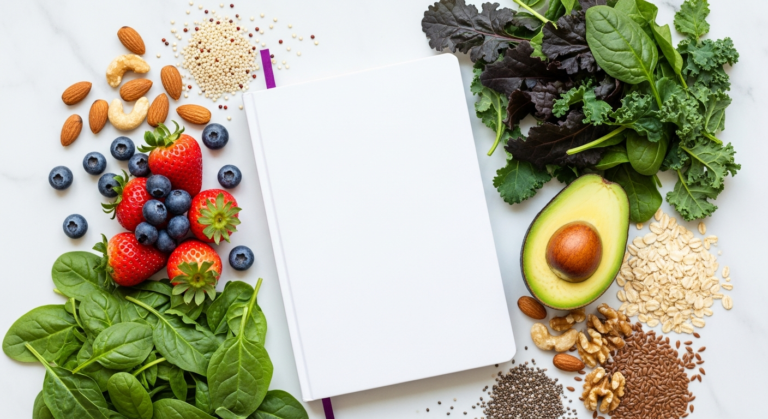
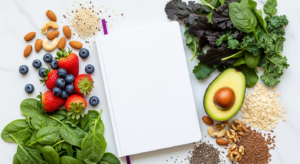
These colorful gems are the bedrock of any anti-inflammatory eating plan. They are packed with antioxidants, vitamins, minerals, and phytonutrients (plant compounds) that combat free radicals and reduce oxidative stress, a key driver of inflammation. Aim for a rainbow of colors daily to ensure a broad spectrum of nutrients.
* Berries: Blueberries, strawberries, raspberries, and blackberries are bursting with anthocyanins, powerful antioxidants that have been shown to lower inflammatory markers.
* Leafy Greens: Spinach, kale, collard greens, and Swiss chard are rich in vitamins K, A, and C, as well as potent anti-inflammatory compounds.
* Cruciferous Vegetables: Broccoli, cauliflower, Brussels sprouts, and cabbage contain sulforaphane, a compound that helps detoxify the body and reduce inflammation.
* Other Colorful Veggies: Bell peppers, carrots, sweet potatoes, beets, and tomatoes (especially cooked, for lycopene) offer a diverse range of anti-inflammatory benefits.
Healthy Fats: Essential for Cellular Health
Not all fats are created equal. The right fats are crucial for hormone production, brain health, and, critically, for their anti-inflammatory properties.
* Omega-3 Fatty Acids: These are superstars in inflammation reduction. Found abundantly in fatty fish like salmon, mackerel, sardines, and anchovies, as well as plant sources like flaxseeds, chia seeds, walnuts, and hemp seeds, omega-3s help produce compounds that actively resolve inflammation. Aim for at least two servings of fatty fish per week or incorporate plant-based omega-3s daily.
* Monounsaturated Fats (MUFAs): Olive oil (extra virgin, cold-pressed), avocados, and nuts (almonds, cashews, pecans) are excellent sources of MUFAs, which have been shown to reduce inflammatory markers and improve heart health.
* Polyunsaturated Fats (PUFAs) from Nuts & Seeds: Beyond omega-3s, nuts and seeds (like pumpkin seeds, sunflower seeds) offer a range of beneficial fats, fiber, and micronutrients.
Whole Grains: Fiber-Rich Fuel
Unlike refined grains that can spike blood sugar and contribute to inflammation, whole grains provide a steady release of energy, fiber, and essential nutrients. The fiber acts as a prebiotic, feeding beneficial gut bacteria, which in turn produce short-chain fatty acids that have anti-inflammatory effects.
* Oats: Especially rolled or steel-cut oats, are a great source of soluble fiber (beta-glucan).
* Quinoa: A complete protein, rich in fiber and minerals.
* Brown Rice: A healthier alternative to white rice, offering more fiber and nutrients.
* Barley, Farro, Millet, Buckwheat: Explore these ancient grains for diverse flavors and nutrients.
Lean Proteins: Building Blocks for Repair
Protein is vital for tissue repair, immune function, and maintaining muscle mass. Opt for lean, clean sources to avoid inflammatory additives.
* Plant-Based Proteins: Legumes (lentils, chickpeas, black beans), tofu, tempeh, edamame, and spirulina are excellent sources of protein, fiber, and phytonutrients.
* Fish & Seafood: As mentioned, fatty fish are great for omega-3s. Other lean fish like cod, tilapia, and shrimp provide quality protein without excessive saturated fat.
* Lean Poultry: Skinless chicken and turkey breast are good options. Opt for organic, pasture-raised whenever possible.
* Eggs: A complete protein source, offering vitamins and healthy fats.
Herbs & Spices: Nature’s Potent Healers
Don’t underestimate the power of these flavor enhancers! Many herbs and spices are concentrated sources of anti-inflammatory compounds.
* Turmeric: Contains curcumin, a powerful anti-inflammatory compound. Pair it with black pepper to enhance absorption.
* Ginger: Known for its soothing properties, ginger can help reduce pain and inflammation.
* Garlic & Onions: Rich in sulfur-containing compounds that have immune-boosting and anti-inflammatory effects.
* Cinnamon: Helps stabilize blood sugar, which can indirectly reduce inflammation.
* Rosemary, Thyme, Oregano: These herbs are packed with antioxidants.
Hydration: The Unsung Hero
Water is fundamental for every bodily process, including detoxification and nutrient transport. Staying well-hydrated helps maintain cellular function and can prevent the accumulation of inflammatory compounds. Aim for at least 8 glasses of filtered water daily, and consider herbal teas for added benefits.
Foods to Limit or Avoid: What to Ditch (or Reduce Significantly)
Just as some foods actively fight inflammation, others can actively fuel it. Minimizing or eliminating these inflammatory culprits is just as crucial for restoring balance and promoting healing within your body. This isn’t about rigid restriction, but rather making informed choices that prioritize your long-term health.
Refined Carbohydrates & Sugars: The Sweet Danger
Perhaps the biggest dietary drivers of inflammation are refined carbohydrates and added sugars. These foods are quickly broken down into glucose, leading to rapid spikes in blood sugar and insulin. Chronic high insulin levels promote systemic inflammation.
* Sugary Drinks: Sodas, sweetened teas, fruit juices (even 100% juice, in large quantities, can be problematic due to concentrated sugar).
* Processed Snacks & Desserts: Cookies, cakes, pastries, candy, sugary cereals.
* White Bread, Pasta, Rice: These lack the fiber and nutrients of their whole-grain counterparts and can contribute to blood sugar dysregulation.
* Hidden Sugars: Be vigilant in checking food labels; sugar hides under many names (high-fructose corn syrup, dextrose, maltose, sucrose, etc.) in condiments, sauces, and even savory foods.
These foods not only directly promote inflammation but also contribute to the formation of Advanced Glycation End Products (AGEs), compounds that accelerate aging and inflammation.
Unhealthy Fats: The Inflammatory Fuel
Certain fats can significantly contribute to inflammation and negatively impact cardiovascular health.
* Trans Fats: These artificial fats are created through a process called hydrogenation and are commonly found in fried foods, processed snacks, margarine, and baked goods. They are notorious for raising “bad” LDL cholesterol and lowering “good” HDL cholesterol, while also promoting systemic inflammation. Always check food labels for “partially hydrogenated oil.”
* Excessive Saturated Fats: While some saturated fat is part of a healthy diet, excessive intake, particularly from processed red meats, full-fat dairy products, and certain tropical oils (like coconut oil and palm oil, when consumed in large quantities without balancing other healthy fats), can contribute to inflammation and heart disease risk for some individuals. Focus on lean protein sources and healthy plant-based fats primarily.
* Imbalanced Omega-6 Fatty Acids: While omega-6s are essential, the typical Western diet provides them in excess compared to omega-3s. This imbalance can promote inflammation. Sources include corn oil, soybean oil, sunflower oil, and many processed foods. The goal isn’t to eliminate omega-6s, but to ensure a better ratio with omega-3s by reducing reliance on processed oils and increasing omega-3 intake.
Processed Meats: A Double Whammy
Processed meats like bacon, sausage, hot dogs, and deli meats are often high in saturated fat, sodium, and nitrates/nitrites, which can promote inflammation and have been linked to an increased risk of certain cancers. Opt for fresh, lean protein sources instead.
Excessive Alcohol: Stress on the System
While moderate consumption of red wine is sometimes cited for its antioxidant content, excessive alcohol intake places a significant burden on the liver and gut, disrupting the microbiome and contributing to systemic inflammation. For an anti-inflammatory approach, it’s best to limit alcohol or abstain altogether.
Food Sensitivities & Allergies: Listen to Your Body
Beyond these general inflammatory culprits, some individuals may have specific food sensitivities or allergies that trigger an inflammatory response. Common culprits include:
* Gluten: Found in wheat, barley, and rye.
* Dairy: Lactose and casein can be problematic for many.
* Eggs, Soy, Corn, Peanuts: Other common allergens.
If you suspect a food sensitivity, working with a healthcare professional or a registered dietitian to identify your unique triggers through an elimination diet can be incredibly beneficial. Listening to your body’s signals is a powerful tool in your anti-inflammatory journey.
Tailoring the Anti-Inflammatory Approach to Women’s Unique Needs
The beauty of an anti-inflammatory diet for women lies in its holistic impact, addressing the intricate connections within the female body. It’s not just about reducing pain; it’s about nurturing your unique physiology at every stage of life.
Hormonal Balance: A Dietary Symphony
Women’s health is often dictated by the delicate dance of hormones. An anti-inflammatory diet plays a crucial role in supporting this balance:
* Estrogen Metabolism: Fiber-rich foods (fruits, vegetables, whole grains) aid in the healthy elimination of excess estrogen, which can be a factor in conditions like endometriosis and fibroids. Cruciferous vegetables, in particular, contain compounds like indole-3-carbinol (I3C) that support beneficial estrogen metabolism.
* PMS and Menstrual Health: Reducing inflammatory foods and increasing omega-3s can significantly alleviate symptoms like cramps, bloating, and mood swings often associated with PMS. Balanced blood sugar, supported by whole foods, also helps stabilize mood and energy throughout the menstrual cycle.
* Menopause Support: As estrogen levels decline during perimenopause and menopause, inflammation can increase, contributing to hot flashes, joint pain, and increased risk of heart disease and osteoporosis. An anti-inflammatory diet can mitigate these symptoms and protect against age-related inflammatory conditions. Healthy fats also support overall hormonal health during this transition.
* PCOS Management: By improving insulin sensitivity and reducing systemic inflammation, this diet can significantly help manage PCOS symptoms such as irregular periods, acne, and weight gain.
Gut Health Connection: The Second Brain
Your gut is often referred to as your “second brain” and is intimately linked to your immune system and overall health. The anti-inflammatory diet is inherently gut-supportive:
* Microbiome Diversity: A diverse array of plant-based foods (fiber, resistant starch) acts as prebiotics, feeding beneficial gut bacteria. A healthy microbiome produces short-chain fatty acids (like butyrate) that have potent anti-inflammatory effects, not just in the gut but systemically.
* Gut-Brain Axis: The gut and brain communicate constantly. Inflammation in the gut can send signals to the brain, impacting mood, cognition, and stress response. By nurturing gut health, you support mental well-being and resilience.
* Immune System Regulation: A significant portion of your immune system resides in your gut. A healthy, non-inflamed gut lining (preventing “leaky gut”) is crucial for preventing unwanted substances from entering the bloodstream and triggering systemic immune responses.
Bone Health: Beyond Calcium
While calcium is essential, bone health is also profoundly influenced by inflammation. Chronic inflammation can accelerate bone loss.
* Nutrient Synergies: Leafy greens provide vitamin K, which is vital for bone mineralization. Magnesium (nuts, seeds, leafy greens), potassium (fruits, vegetables), and vitamin C (berries, citrus) all contribute to bone strength and reduce inflammatory markers that can harm bone density.
* Alkaline-Forming Foods: Many anti-inflammatory foods are alkaline-forming, helping to balance the body’s pH, which may protect bone mineral density.
Mental Well-being: Nourishing the Mind
The link between diet, inflammation, and mental health is increasingly recognized.
* Reduced Neuroinflammation: Anti-inflammatory foods, particularly omega-3s and antioxidants, can help reduce inflammation in the brain, which is implicated in mood disorders like depression and anxiety.
* Stable Blood Sugar: Consistent energy from whole foods prevents blood sugar crashes that can exacerbate mood swings and irritability.
* Neurotransmitter Support: A healthy gut microbiome, fostered by an anti-inflammatory diet, produces neurotransmitters like serotonin, significantly impacting mood regulation.
Pregnancy & Postpartum: Gentle Considerations
For women in their reproductive years, an anti-inflammatory approach can be beneficial, but always with professional guidance.
* Preconception Health: Optimizing nutrient intake and reducing inflammation before conception can create a healthier environment for pregnancy.
* During Pregnancy: While the core principles apply, specific dietary needs and sensitivities during pregnancy require careful attention. Always consult with your OB/GYN or a prenatal dietitian.
* Postpartum Recovery: Nutrient-dense, anti-inflammatory foods can support healing, energy levels, and mood stability during the challenging postpartum period. Omega-3s are especially crucial for both mother and baby, particularly if breastfeeding.

By understanding how an anti-inflammatory diet profoundly impacts these unique facets of women’s health, you can tailor your approach to address your specific needs and embark on a path to truly transformative wellness.
Practical Strategies for a Sustainable Anti-Inflammatory Lifestyle
Embarking on an anti-inflammatory diet doesn’t have to be daunting. It’s about building sustainable habits and integrating conscious choices into your everyday life. Here are practical strategies to make this nourishing lifestyle achievable and enjoyable.
Meal Planning & Prep: Your Wellness Blueprint
The secret to consistent healthy eating often lies in preparation.
* Batch Cooking: Dedicate a few hours one day a week (e.g., Sunday) to chop vegetables, cook a batch of whole grains (quinoa, brown rice), roast a tray of sweet potatoes, or grill some chicken/fish. This ensures you have healthy components ready to assemble quick meals throughout the week.
* Simple Recipes: You don’t need gourmet skills. Focus on straightforward recipes that highlight whole ingredients. Think sheet pan dinners, big salads, stir-fries, and hearty soups.
* Theme Nights: Assign themes to days (e.g., “Meatless Monday,” “Fish Friday”) to simplify meal planning and encourage variety.
* Snack Prep: Portion out nuts, seeds, cut-up veggies, or fruit into grab-and-go containers for healthy snacking.
Smart Shopping: Navigate the Aisles Like a Pro
What you bring home from the grocery store largely determines what you eat.
* Shop the Perimeter: Most whole, unprocessed foods (fresh produce, lean proteins, dairy alternatives) are found around the outer edges of the supermarket.
* Read Labels: Become a detective! Look for added sugars, unhealthy fats (trans fats, excessive omega-6 oils), and artificial ingredients in packaged foods. Opt for items with short ingredient lists and recognizable components.
* Buy in Season: Seasonal produce is often fresher, more flavorful, and more nutrient-dense, and often more affordable.
* Frozen & Canned Goods: Don’t overlook the power of frozen fruits and vegetables (no added sauces!). Canned beans, lentils, and diced tomatoes are also great pantry staples, just rinse thoroughly to reduce sodium.
* Stock Your Pantry: Keep staples like olive oil, vinegars, herbs, spices, whole grains, nuts, seeds, and legumes on hand.
Eating Out Wisely: Enjoying Social Occasions
Dining out doesn’t mean derailing your anti-inflammatory goals.
* Review Menus Online: Plan your order in advance to avoid last-minute, less healthy choices.
* Ask for Substitutions: Don’t hesitate to ask for extra vegetables instead of fries, grilled instead of fried, or dressing on the side.
* Choose Wisely: Opt for lean proteins (grilled fish, chicken breast), plenty of vegetables, and healthy fats (avocado, olive oil).
* Portion Control: Restaurant portions are often oversized. Consider sharing an entrée or taking half home for lunch the next day.
* Limit Alcohol & Sugary Drinks: Stick to water, sparkling water with lemon, or unsweetened tea.
Mindful Eating: Connect with Your Food
How you eat is almost as important as what you eat.
* Eat Slowly: Savor each bite, noticing flavors, textures, and aromas. This helps with digestion and allows your body to register fullness cues.
* Minimize Distractions: Put away your phone, turn off the TV, and focus on your meal.
* Listen to Your Body: Eat when you’re truly hungry and stop when you’re comfortably full, not stuffed.
* Practice Gratitude: Take a moment to appreciate the nourishment your food provides.
Beyond the Plate: A Holistic Approach
While diet is paramount, remember that an anti-inflammatory lifestyle encompasses more than just food.
* Stress Management: Chronic stress elevates cortisol, a hormone that can promote inflammation. Incorporate stress-reducing practices like meditation, yoga, deep breathing, spending time in nature, or engaging in hobbies you love.
* Quality Sleep: Aim for 7-9 hours of quality sleep per night. Sleep deprivation can increase inflammatory markers. Establish a consistent sleep schedule and create a relaxing bedtime routine.
* Regular Movement: Physical activity, particularly moderate exercise, can help reduce inflammation, improve circulation, and support a healthy weight. Find activities you enjoy, whether it’s walking, dancing, swimming, or strength training.
* Limit Environmental Toxins: Reduce exposure to toxins in cleaning products, personal care items, and plastics where possible.
Consulting Professionals: Your Expert Allies
You don’t have to navigate this journey alone.
* Registered Dietitian (RD/RDN): A dietitian specializing in anti-inflammatory nutrition can provide personalized guidance, help identify specific triggers, and ensure you’re meeting all your nutritional needs.
* Healthcare Provider: Discuss any significant dietary changes with your doctor, especially if you have underlying health conditions or are taking medications.
By weaving these practical strategies into your daily routine, you’ll find that embracing an anti-inflammatory diet becomes not a chore, but a deeply satisfying and sustainable pathway to enhanced well-being.
Delicious & Easy Anti-Inflammatory Meal Ideas for Her
Eating an anti-inflammatory diet is anything but bland or boring. In fact, it opens up a world of vibrant flavors, fresh ingredients, and satisfying meals that will leave you feeling energized and nourished. Here are some delicious and easy ideas to inspire your anti-inflammatory kitchen, proving that healthy eating can be truly enjoyable.
Breakfast: Start Your Day Right
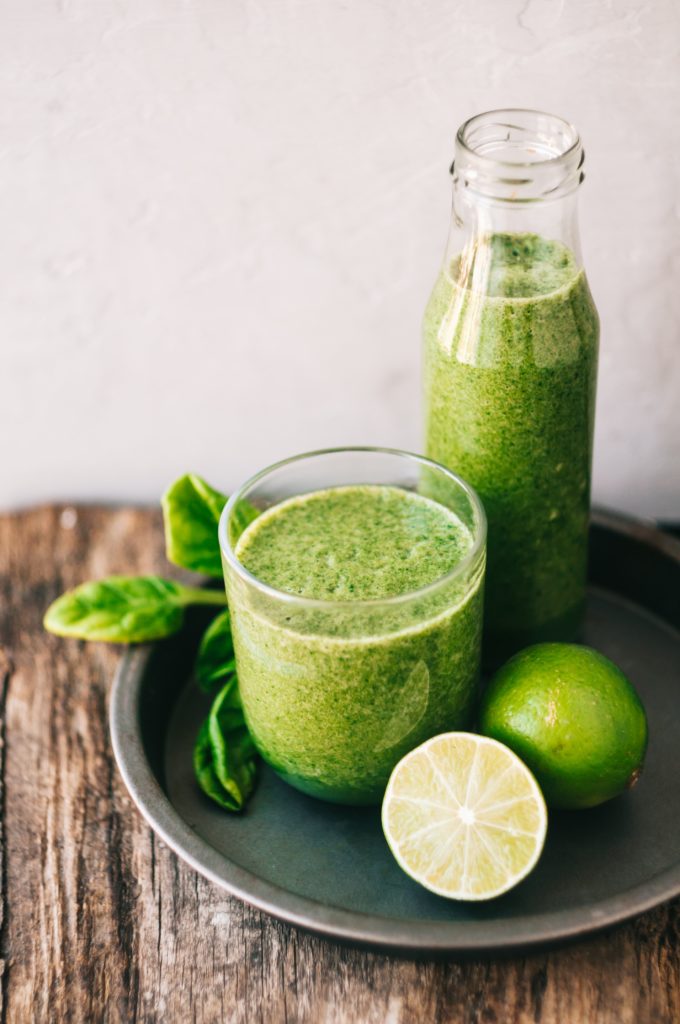
* Berry & Spinach Smoothie: Blend 1 cup mixed berries (frozen is fine!), a handful of fresh spinach (you won’t taste it!), 1 scoop plant-based protein powder (optional), 1 tbsp chia seeds or flax seeds, 1/2 cup unsweetened almond milk, and a small piece of fresh ginger. A powerhouse of antioxidants and omega-3s!
* Overnight Oats with Nuts & Seeds: Combine 1/2 cup rolled oats, 1 tbsp chia seeds, 1/2 cup unsweetened almond milk, a pinch of cinnamon, and a few berries in a jar. Refrigerate overnight. In the morning, top with a handful of walnuts or almonds for healthy fats and crunch.
* Avocado Toast on Whole-Grain Sourdough: Toast a slice of whole-grain sourdough bread (if gluten-tolerant), mash 1/2 an avocado on top, season with everything bagel seasoning or red pepper flakes, and a squeeze of lemon. For extra protein, add a poached egg or a sprinkle of hemp seeds.
* Scrambled Tofu with Turmeric: Crumble firm tofu and sauté with a drizzle of olive oil, turmeric, black pepper, nutritional yeast (for a cheesy flavor), and your favorite anti-inflammatory veggies like spinach and bell peppers.
Lunch: Fuel Your Afternoon
* Mediterranean Quinoa Bowl: Cooked quinoa as a base, topped with chickpeas, chopped cucumber, cherry tomatoes, Kalamata olives, a sprinkle of fresh parsley, and a lemon-tahini dressing. Add grilled chicken or salmon for extra protein.
* Big Green Salad with Salmon or Lentils: A generous bed of mixed greens (spinach, kale, romaine) topped with colorful veggies (shredded carrots, bell peppers, broccoli florets), grilled or baked salmon (rich in omega-3s), or a scoop of seasoned lentils. Dress with extra virgin olive oil and apple cider vinegar.
* Hearty Lentil Soup: A homemade lentil soup brimming with carrots, celery, onions, garlic, turmeric, and other warming spices is incredibly satisfying, fiber-rich, and anti-inflammatory. Make a big batch to last for several days.
* Leftovers Reinvented: Don’t underestimate the power of dinner leftovers! Transform roasted veggies and lean protein into a quick salad or wrap.
Dinner: Nourish and Restore
* Baked Salmon with Roasted Asparagus & Sweet Potato: A classic for a reason! Season salmon with lemon, dill, and olive oil. Toss asparagus and diced sweet potato with olive oil, salt, and pepper. Roast all together on a sheet pan until done. Simple, elegant, and packed with nutrients.
* Chicken and Veggie Stir-Fry with Brown Rice: Sauté lean chicken breast strips with a rainbow of vegetables like broccoli, snap peas, carrots, bell peppers, and mushrooms. Use a light sauce made with tamari (gluten-free soy sauce), ginger, garlic, and a touch of sesame oil. Serve over brown rice or quinoa.
* Chickpea & Spinach Curry: A flavorful vegetarian option! Sauté onions, garlic, and ginger, add canned diced tomatoes, chickpeas, spinach, coconut milk, and curry powder/turmeric. Simmer until flavors meld. Serve with a side of brown rice or cauli-rice.
* Turkey Meatloaf with Zucchini Noodles: Make a lean turkey meatloaf with finely chopped veggies (carrots, celery, onions) and oats as a binder. Serve with spiralized zucchini noodles tossed in a light pesto or marinara sauce.
* Black Bean Burgers on Lettuce Wraps: Homemade black bean burgers (made with mashed black beans, oats, spices, and finely diced veggies) served on crisp lettuce cups with avocado, salsa, and a squeeze of lime.
Snacks: Keep Cravings at Bay
* Handful of Raw Almonds or Walnuts: Excellent source of healthy fats, fiber, and protein.
* Apple Slices with Almond Butter: A satisfying combination of fiber, healthy fats, and natural sweetness.
* Veggies & Hummus: Carrot sticks, cucumber slices, bell pepper strips, or celery with a generous scoop of homemade or store-bought hummus (check ingredients for inflammatory oils).
* Chia Seed Pudding: Made with unsweetened almond milk and topped with berries.
* Hard-Boiled Eggs: A quick and easy protein boost.
These ideas are just a starting point. Feel free to experiment with different combinations, herbs, and spices to discover what you love. The goal is to make anti-inflammatory eating an enjoyable and integral part of your daily life, transforming your health one delicious meal at a time.
Frequently Asked Questions About an Anti-Inflammatory Diet for Women
Q1: How quickly can I expect to see results from an anti-inflammatory diet?
A1: The timeline for seeing results can vary greatly depending on your individual health status, the severity of your inflammation, and how consistently you adhere to the diet. Some women report feeling better (e.g., reduced bloating, improved energy, clearer skin) within a few weeks, while others with more chronic conditions may take a few months to notice significant changes. Consistency is key, and the benefits often accumulate over time. Think of it as a long-term lifestyle shift, not a quick fix.
Q2: Is an anti-inflammatory diet restrictive? Can I still enjoy my food?
A2: While an anti-inflammatory diet encourages limiting certain processed and inflammatory foods, it is far from restrictive. It emphasizes abundance in nutrient-dense, delicious whole foods like fruits, vegetables, healthy fats, lean proteins, and whole grains. Many people find that by focusing on what they can eat, they discover a wider variety of flavors and healthier ingredients than ever before. With creative cooking and exploration, you can absolutely enjoy satisfying and flavorful meals.
Q3: What about occasional “cheat” meals or treats? Is it okay to indulge sometimes?
A3: A sustainable healthy lifestyle allows for flexibility and occasional indulgences. The goal is progress, not perfection. If you adhere to anti-inflammatory principles most of the time (e.g., 80-90% of your meals), an occasional treat or “cheat” meal is unlikely to derail your progress. The key is mindful indulgence – truly savoring the treat and then returning to your regular eating patterns without guilt. For some, complete avoidance of inflammatory triggers may be necessary, especially in the initial stages or for severe conditions, but for most, balance is achievable.