Reclaiming Your Rhythm: A Comprehensive Guide to Naturally Balancing Your Hormones
Have you ever felt like your body is playing a relentless game of tug-of-war, with mood swings, unexplained fatigue, stubborn weight gain, or disruptive periods taking center stage? If so, you’re far from alone. For countless women, these experiences aren’t just “part of being a woman” or signs of aging; they’re often whispers from our intricate endocrine system, signaling that our hormones might be out of sync. Hormones, these powerful chemical messengers, orchestrate nearly every function in our bodies, from our metabolism and mood to our sleep and reproductive health. When they’re in harmony, we feel vibrant, energetic, and resilient. When they’re not, life can feel like an uphill battle.
At Veralyn Media, we believe in empowering women with the knowledge and tools to nurture their health from within. This comprehensive guide is dedicated to exploring the profound impact of our lifestyle choices on hormonal balance. While medical conditions always warrant professional attention, many common hormonal imbalances can be significantly improved, if not resolved, through natural, evidence-based strategies. We’ll delve into how nutrition, stress management, sleep, exercise, and even our environment play pivotal roles in maintaining our hormonal equilibrium. Get ready to embark on a journey of understanding, self-care, and empowerment as we uncover practical, actionable ways to naturally bring your hormones back into their beautiful, harmonious rhythm.
Understanding Your Hormones: The Symphony Within
Before we dive into the “how,” let’s briefly understand the “what.” Our endocrine system is a complex network of glands that produce and release hormones directly into the bloodstream, where they travel to target cells and organs, telling them what to do. Think of it as a finely tuned orchestra, with each hormone playing a crucial instrument. When one instrument is out of tune, the entire symphony can sound off.
For women, key players include:
- Estrogen: Often associated with femininity, estrogen plays a vital role in reproductive health, bone density, mood, and cognitive function. Too much or too little can cause a cascade of symptoms.
- Progesterone: The calming counterpart to estrogen, progesterone is crucial for menstrual cycle regulation, pregnancy, and sleep. Imbalances often manifest as PMS, anxiety, or sleep disturbances.
- Cortisol: Our primary stress hormone, produced by the adrenal glands. Essential for our “fight or flight” response, but chronic elevation due to ongoing stress can wreak havoc on other hormones.
- Thyroid Hormones (T3, T4): Produced by the thyroid gland, these regulate metabolism, energy levels, body temperature, and weight. Imbalances lead to fatigue, weight changes, and mood swings.
- Insulin: Produced by the pancreas, insulin regulates blood sugar. Insulin resistance is a common underlying factor in conditions like PCOS and contributes to weight gain.
- Testosterone: While often considered a male hormone, women produce it in smaller amounts, and it’s crucial for libido, energy, bone density, and muscle mass.
The beauty and complexity lie in their interconnectedness. An imbalance in one hormone often triggers a domino effect, impacting others. For instance, chronic stress (high cortisol) can suppress thyroid function and disrupt sex hormone production. Similarly, poor blood sugar regulation (insulin issues) can lead to higher testosterone levels in women, contributing to conditions like Polycystic Ovary Syndrome (PCOS).
Recognizing the signs of imbalance is the first step: irregular periods, heavy bleeding, PMS, unexplained weight changes, fatigue, mood swings, anxiety, depression, acne, hair loss, low libido, and difficulty sleeping are all common indicators. The good news is that by addressing the root causes through natural, holistic approaches, we can often support our bodies in finding their way back to balance, fostering a profound sense of well-being.
Nourish Your Body: The Power of a Hormone-Balancing Diet
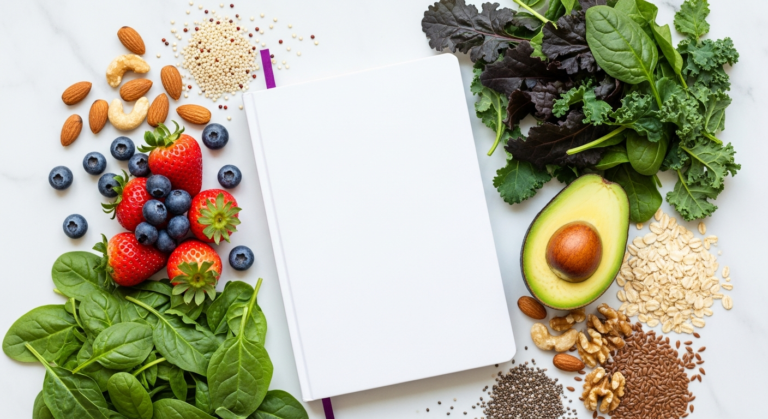
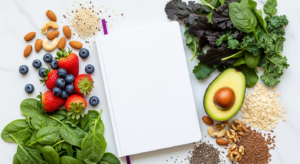
What we put into our bodies is arguably the single most impactful factor in hormonal health. Food isn’t just fuel; it’s information that dictates how our genes express themselves, how our hormones are produced, metabolized, and eliminated. A hormone-balancing diet emphasizes whole, unprocessed foods, focusing on nutrient density to support every aspect of your endocrine system.
Prioritize Healthy Fats
Forget the low-fat craze of yesteryear. Healthy fats are absolutely essential for hormone production, as hormones like estrogen, progesterone, and testosterone are synthesized from cholesterol. They also play a critical role in cell membrane health and reducing inflammation. Incorporate:
- Omega-3 Fatty Acids: Found in fatty fish (salmon, mackerel, sardines), flaxseeds, chia seeds, and walnuts. Omega-3s are powerful anti-inflammatory agents and support brain health, which in turn influences hormone regulation.
- Monounsaturated Fats: Avocados, olive oil, nuts, and seeds. These help improve insulin sensitivity and support overall cardiovascular health.
- Saturated Fats (in moderation): From sources like grass-fed butter or coconut oil. These provide cholesterol, a precursor to many hormones.
Embrace Quality Protein
Protein is crucial for stabilizing blood sugar, which is fundamental for hormone balance. It also provides the amino acids needed to build hormones, enzymes, and neurotransmitters. Aim for a good source of protein with every meal:
- Lean Meats: Organic, grass-fed beef, pasture-raised chicken and turkey.
- Fish: Wild-caught salmon, cod, tuna.
- Eggs: Pasture-raised eggs are a complete protein source.
- Legumes: Lentils, chickpeas, black beans.
- Plant-Based Proteins: Tofu, tempeh, quinoa, nuts, and seeds.
Load Up on Fiber
Fiber, found abundantly in fruits, vegetables, whole grains, and legumes, is a superstar for hormone health. It aids in:
- Estrogen Detoxification: Specific fibers bind to excess estrogen in the digestive tract, preventing reabsorption and ensuring its proper elimination.
- Blood Sugar Regulation: Slows down sugar absorption, preventing sharp insulin spikes.
- Gut Health: Feeds beneficial gut bacteria, which play a crucial role in estrogen metabolism (the “estrobolome”) and overall hormone synthesis.
Focus on a diverse range of plant foods, especially cruciferous vegetables like broccoli, cauliflower, Brussels sprouts, and kale, which contain compounds like Indole-3-Carbinol (I3C) and Diindolylmethane (DIM) that support healthy estrogen metabolism.
Limit the Culprits
- Refined Sugars and Processed Foods: These trigger insulin spikes, promote inflammation, and can lead to insulin resistance, a major disruptor of sex hormones and thyroid function.
- Unhealthy Fats: Trans fats and excessive amounts of highly processed vegetable oils (e.g., soybean, corn oil) contribute to inflammation and can impair hormone function.
- Excessive Caffeine and Alcohol: While a cup of coffee or an occasional glass of wine can be fine, overconsumption can disrupt sleep, elevate cortisol, and burden the liver, which is vital for hormone detoxification.
Actionable Tip: Aim for a colorful plate at every meal. Focus on whole, unprocessed foods. Try to cook more at home to control ingredients. Start your day with protein and healthy fats to stabilize blood sugar from the get-go.
Tame the Stress Beast: Cortisol and Resilience
In our fast-paced world, chronic stress has become an unwelcome constant, and its impact on our hormonal symphony is profound. When we experience stress, our adrenal glands release cortisol, our primary “fight or flight” hormone. While essential for acute survival, sustained high levels of cortisol due to chronic stress can throw almost every other hormone out of whack.
- Sex Hormones: High cortisol can “steal” precursors needed for estrogen and progesterone production, leading to imbalances, irregular cycles, or worsened PMS.
- Thyroid Hormones: Chronic stress can impair the conversion of inactive thyroid hormone (T4) to its active form (T3), slowing metabolism.
- Insulin: Cortisol can increase blood sugar levels, leading to insulin resistance over time.
- Sleep: Elevated cortisol at night disrupts melatonin production, making sleep elusive.
The key isn’t to eliminate stress entirely (an impossible feat), but to build resilience and manage our response to it. This involves actively engaging in practices that signal safety and calm to our nervous system.
Mindfulness and Meditation
These practices train your brain to observe thoughts and feelings without judgment, reducing their power over your emotional and physiological state. Even 5-10 minutes daily can significantly lower cortisol levels.
- Deep Breathing Exercises: Techniques like diaphragmatic breathing (belly breathing) immediately activate the parasympathetic nervous system, promoting relaxation.
- Guided Meditations: Apps like Calm or Headspace offer easy entry points.
Movement and Nature
Gentle movement, especially outdoors, can be incredibly therapeutic.
- Yoga and Tai Chi: Combine physical postures with breathwork and mindfulness, known to reduce stress and improve hormonal balance.
- “Forest Bathing” (Shinrin-Yoku): Spending time mindfully in nature has been shown to lower cortisol, blood pressure, and heart rate.
Boundaries and Self-Care
Learning to say “no” and protecting your energy is a powerful act of self-love and hormone regulation.
- Set Boundaries: Professionally and personally, understand your limits and communicate them.
- Prioritize Joy: Make time for hobbies, creative outlets, and activities that genuinely bring you pleasure and relaxation.
- Connect with Loved Ones: Social support is a powerful buffer against stress.
- Gratitude Journaling: Shifting focus to positive aspects can rewire your brain for resilience.
Actionable Tip: Integrate a 10-15 minute stress-reducing practice into your daily routine. This could be deep breathing, a short walk, listening to calming music, or journaling. Consistency is more important than duration.
Prioritize Your Sleep: The Circadian Rhythm Connection
Sleep is not merely a period of rest; it’s a critical time for repair, regeneration, and, crucially, hormone regulation. Our bodies operate on a circadian rhythm, a 24-hour internal clock that dictates when certain hormones are released. When this rhythm is disrupted by insufficient or poor-quality sleep, the entire hormonal system suffers.
- Melatonin: The “sleep hormone,” melatonin is produced in darkness. Its disruption impacts not only sleep but also acts as an antioxidant and influences other hormones.
- Cortisol: Cortisol levels should naturally be highest in the morning and lowest at night. Sleep deprivation keeps cortisol elevated, leading to chronic stress symptoms.
- Growth Hormone: Primarily released during deep sleep, growth hormone is vital for tissue repair, metabolism, and maintaining muscle mass.
- Insulin & Leptin/Ghrelin: Poor sleep significantly impairs insulin sensitivity and disrupts leptin (satiety hormone) and ghrelin (hunger hormone), leading to increased cravings, hunger, and potential weight gain.
- Sex Hormones: Chronic sleep deprivation can suppress ovulation and disrupt the delicate balance of estrogen and progesterone.
Strategies for Optimal Sleep Hygiene
Creating a consistent, supportive sleep environment and routine is paramount:
- Consistent Sleep Schedule: Go to bed and wake up at roughly the same time every day, even on weekends. This reinforces your body’s natural circadian rhythm.
- Optimize Your Bedroom: Make it a “sleep sanctuary.” Ensure it’s dark (use blackout curtains), quiet (earplugs or white noise machine), and cool (ideally 60-67°F or 15-19°C).
- Limit Blue Light Exposure: Screens (phones, tablets, computers, TVs) emit blue light that suppresses melatonin production. Avoid them for at least 1-2 hours before bed. If you must use screens, use blue light filters.
- Create a Wind-Down Routine: Signal to your body that it’s time to sleep. This could include a warm bath with Epsom salts, reading a physical book, gentle stretching, listening to calming music, or sipping herbal tea (chamomile, lavender).
- Watch Your Intake: Avoid caffeine late in the day (typically after 2 PM) and limit alcohol, especially close to bedtime, as it disrupts sleep architecture.
- Movement During the Day: Regular physical activity can improve sleep quality, but avoid intense workouts too close to bedtime.
Actionable Tip: Choose one sleep hygiene habit to implement this week, like setting a “digital curfew” an hour before bed or establishing a consistent bedtime. Gradually add more as you feel comfortable.
Move Your Body Wisely: Exercise for Hormonal Harmony
Physical activity is a powerful tool for hormone balance, but like all good things, moderation and the right approach are key. The goal is to move your body in ways that support, rather than stress, your endocrine system. Different types of exercise offer unique benefits, and a balanced approach typically yields the best results.
Benefits of Movement for Hormones:
- Insulin Sensitivity: Regular exercise, particularly strength training, improves your cells’ sensitivity to insulin, helping to regulate blood sugar and reduce the risk of insulin resistance, which can impact sex hormones and contribute to conditions like PCOS.
- Stress Reduction: Exercise is a fantastic stress reliever. It helps to burn off excess cortisol and release endorphins, natural mood elevators that counteract the negative effects of stress on the body.
- Estrogen Metabolism: Regular physical activity supports healthy liver function and circulation, both crucial for the proper detoxification and elimination of excess estrogen.
- Thyroid Function: Exercise can stimulate thyroid hormone production and improve cellular sensitivity to these hormones, boosting metabolism and energy.
- Bone Health: Weight-bearing exercises help maintain bone density, which is particularly important as estrogen levels decline with age.
Balance is Key: Avoid Overtraining
While movement is crucial, intense, prolonged, or excessive exercise can actually be a stressor, leading to an increase in cortisol, especially if you’re already stressed, sleep-deprived, or undernourished. This can exacerbate hormonal imbalances, suppress ovulation, and lead to fatigue. Listen to your body and adjust your intensity and duration as needed.
Recommended Types of Exercise:
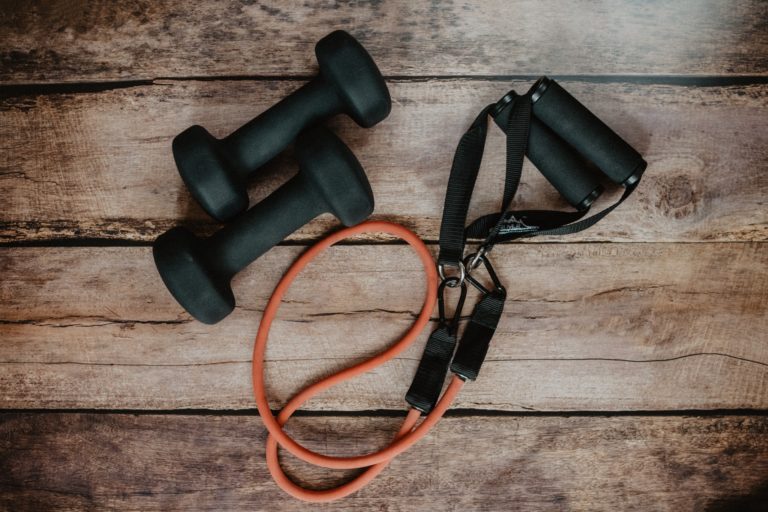
- Strength Training (2-3 times per week): Lifting weights, using resistance bands, or bodyweight exercises builds muscle mass. More muscle means a higher resting metabolism and better insulin sensitivity. It’s incredibly empowering and beneficial for women of all ages.
- Moderate Cardio (3-5 times per week): Activities like brisk walking, cycling, swimming, dancing, or hiking. Aim for a pace where you can hold a conversation but are slightly out of breath. This improves cardiovascular health, boosts mood, and helps manage stress without overtaxing your system.
- Flexibility and Mobility (Daily or several times per week): Yoga, Pilates, stretching, or foam rolling. These practices improve circulation, reduce muscle tension, enhance body awareness, and can be deeply calming, further aiding stress reduction.

- Incidental Movement: Don’t underestimate the power of simply moving more throughout your day. Take the stairs, park further away, stand more, stretch during breaks.
Actionable Tip: Find activities you genuinely enjoy. Consistency is far more important than intensity. Start small, perhaps with three 30-minute walks a week, and gradually incorporate strength or flexibility training as you build stamina and confidence. Listen to your body and prioritize recovery.
Environmental Toxins & Gut Health: Hidden Influencers
While diet, stress, sleep, and exercise are foundational, two often-overlooked areas profoundly impact our hormonal balance: exposure to environmental toxins and the health of our gut microbiome. These “hidden influencers” can silently disrupt our endocrine system, making it harder to achieve hormonal harmony.
Environmental Toxins: Endocrine Disrupting Chemicals (EDCs)
We are constantly exposed to chemicals in our daily lives that can mimic or block natural hormones, interfering with their production, transport, metabolism, and elimination. These are known as Endocrine Disrupting Chemicals (EDCs). Common sources include:
- Plastics: BPA (Bisphenol A) and phthalates, found in food containers, water bottles, and plastic wraps, can leach into food and beverages. They are known to mimic estrogen.
- Pesticides and Herbicides: Residues on non-organic produce can act as EDCs.
- Personal Care Products: Parabens, phthalates, and synthetic fragrances in cosmetics, lotions, shampoos, and perfumes.
- Cleaning Products: Harsh chemicals in household cleaners.
- Heavy Metals: Found in some fish (mercury), old plumbing (lead), and industrial pollution.
The impact of EDCs is cumulative and can contribute to a range of issues, from fertility problems and menstrual irregularities to thyroid dysfunction and increased risk of certain cancers. Reducing your toxic load is a powerful step towards hormonal balance.

Strategies:
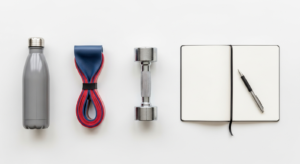
- “Go Green” in Your Home: Choose glass or stainless steel food containers and water bottles. Use natural, non-toxic cleaning products.
- Filter Your Water: Invest in a good quality water filter for drinking and cooking.
- Choose Organic: Opt for organic fruits and vegetables whenever possible, especially for produce on the “Dirty Dozen” list.
- “Clean” Personal Care: Read labels and choose products free of parabens, phthalates, and synthetic fragrances. The Environmental Working Group (EWG) Skin Deep database is a great resource.
- Avoid Air Fresheners: Use essential oil diffusers or open windows for fresh air instead.
Gut Health: The “Second Brain” and Hormone Hub
Your gut microbiome – the trillions of bacteria, fungi, and other microbes living in your digestive tract – is far more than just a digestive organ. It’s intimately connected to your immune system, mood, and, critically, your hormone balance.
- Estrogen Metabolism (The Estrobolome): A specific collection of gut bacteria called the “estrobolome” produces an enzyme that helps metabolize and excrete excess estrogen. When the gut is unhealthy (dysbiosis), this process can be impaired, leading to estrogen reabsorption and potential dominance.
- Nutrient Absorption: A healthy gut is essential for absorbing the vitamins, minerals, and amino acids needed for hormone synthesis and function.
- Inflammation: An imbalanced gut can lead to chronic inflammation, which directly impacts the endocrine system and can impair hormone signaling.
- Neurotransmitters: Many neurotransmitters, like serotonin, which influence mood and sleep, are produced in the gut.
Strategies for a Healthy Gut:
- Probiotics and Prebiotics:
- Probiotics: Introduce beneficial bacteria through fermented foods like kimchi, sauerkraut, kefir, yogurt (unsweetened, plain), and kombucha. A high-quality probiotic supplement can also be beneficial, but consult with a healthcare professional.
- Prebiotics: Feed your good bacteria with prebiotic-rich foods like garlic, onions, leeks, asparagus, bananas, oats, and apples.
- Diverse Plant-Based Diet: Eat a wide variety of fruits, vegetables, whole grains, nuts, and seeds. Diversity feeds a diverse microbiome.
- Avoid Gut-Damaging Foods: Limit processed foods, refined sugars, artificial sweeteners, and excessive alcohol, which can disrupt the gut microbiome and promote inflammation.
- Manage Stress: The gut-brain axis means stress directly impacts gut health. (See “Tame the Stress Beast” section).
- Consider a Gut Cleanse (Under Guidance): If you suspect significant gut issues, working with a functional medicine practitioner or nutritionist can help identify and address specific imbalances.
Actionable Tip: Start by incorporating one serving of fermented food daily and gradually increasing your intake of diverse plant-based foods. Swap plastic food storage for glass, and check the ingredients in your personal care products.
Frequently Asked Questions About Natural Hormone Balance
- Q1: How long does it take to balance hormones naturally?
- A1: The timeline for natural hormone balance varies greatly depending on the individual, the severity of the imbalance, consistency of lifestyle changes, and underlying health conditions. Some individuals may notice improvements in symptoms like mood and energy within a few weeks, while more significant shifts in menstrual cycles or weight may take 3-6 months or even longer. Consistency and patience are key, as the body needs time to respond and recalibrate.
- Q2: Can supplements help with hormone balance? Which ones?
- A2: Yes, certain supplements can be supportive, but they should always complement, not replace, foundational diet and lifestyle changes. Popular supplements often recommended include:
- Magnesium: Supports sleep, stress reduction, and insulin sensitivity.
- B Vitamins: Crucial for energy production, stress response, and liver detoxification (especially B6, B12, folate).
- Omega-3 Fish Oil: Reduces inflammation and supports cell membrane health.
- Vitamin D: Functions like a hormone and impacts mood, immunity, and bone health.
- Adaptogens (e.g., Ashwagandha, Rhodiola): Help the body adapt to stress and regulate cortisol.
- DIM (Diindolylmethane): Derived from cruciferous vegetables, supports healthy estrogen metabolism.
Always consult with a healthcare professional before starting any new supplement regimen, as individual needs vary and some supplements can interact with medications or existing conditions.
- Q3: Is hormonal birth control always “bad” for hormone balance?
- A3: Hormonal birth control (HBC) doesn’t “balance” hormones; rather, it introduces synthetic hormones to suppress natural ovulation and regulate a cycle. For some women, HBC is an essential and effective tool for contraception or managing severe symptoms like heavy bleeding or endometriosis. However, it can mask underlying hormonal issues, deplete certain nutrients, and for some, contribute to side effects like mood changes, libido issues, or gut dysbiosis. The decision to use HBC is a personal one that should be made in consultation with a healthcare provider, considering individual health goals and potential risks and benefits.
- Q4: What if I have a diagnosed condition like PCOS or thyroid issues?
- A4: Natural hormone balancing strategies are often highly effective as complementary therapies for diagnosed conditions like PCOS, hypothyroidism, or endometriosis. For instance, dietary changes, stress management, and specific supplements can significantly improve insulin resistance in PCOS or support thyroid function. However, it’s crucial to continue working closely with your doctor or an endocrinologist. Natural approaches should integrate with, not replace, any prescribed medical treatments, and your healthcare provider can help monitor your progress and adjust medications as needed.
- Q5: When should I see a doctor for hormonal issues?
- A5: While natural approaches are powerful, it’s essential to seek professional medical advice if you experience persistent or severe symptoms, sudden changes in your body, or if you suspect an underlying medical condition. You should definitely consult a doctor if you have:
- Extremely irregular, absent, or unusually heavy/painful periods.
- Unexplained rapid weight gain or loss.
- Excessive hair growth or hair loss.
- Persistent fatigue, even with good sleep.
- Severe mood swings, anxiety, or depression.
- Infertility concerns.
- Symptoms that significantly impact your quality of life.
A doctor can run diagnostic tests to identify specific imbalances or conditions and guide you towards the most appropriate treatment plan, which may include a combination of conventional and natural therapies.