The Unstoppable Power: Why Every Woman Should Embrace Strength Training
For too long, strength training has been shrouded in misconception, often relegated to the domain of bodybuilders or seen as an activity that might lead to an undesirable “bulky” physique for women. At Veralyn Media, we’re here to dismantle those myths and illuminate a profound truth: strength training is one of the most transformative, empowering, and essential practices any woman can adopt for her health, wellness, and overall quality of life. It’s not just about lifting weights; it’s about lifting your spirit, fortifying your future, and discovering a powerful resilience you might not have known you possessed.
From the moment we enter adolescence through our reproductive years, pregnancy, perimenopause, and beyond, women’s bodies navigate a unique and ever-changing landscape of hormonal shifts and physical demands. Strength training doesn’t just adapt to these changes; it equips us to thrive through them. It’s a cornerstone of vitality, offering a cascade of benefits that extend far beyond aesthetics, touching every facet of our physical and mental well-being. This comprehensive guide will delve into the evidence-based advantages of strength training, offering practical advice and inspiration to help you embark on, or deepen, your journey to an unstoppable you.
Beyond the Bicep: Reshaping Your Body Composition and Metabolism
One of the most immediate and often sought-after benefits of strength training is its profound impact on body composition and metabolic health. Many women focus solely on cardiovascular exercise for weight loss, but the reality is that strength training is a powerful, perhaps even superior, tool in this arena. It fundamentally changes the very architecture of your body, creating a more efficient, calorie-burning machine.
When you engage in resistance training, you challenge your muscles, causing microscopic tears that, when repaired, lead to growth – a process known as hypertrophy. Unlike fat tissue, muscle tissue is metabolically active, meaning it burns more calories at rest. Research consistently shows that for every pound of muscle you gain, your body burns an additional 6-10 calories per day, even when you’re simply sitting still. While this might sound modest on a per-pound basis, the cumulative effect over time, especially as you build significant muscle mass, is substantial. This elevated resting metabolic rate (RMR) means your body is more efficient at burning calories 24/7, making it easier to manage your weight and achieve a leaner physique.
Furthermore, strength training produces what’s known as the “afterburn effect,” or Excess Post-exercise Oxygen Consumption (EPOC). After an intense strength session, your body continues to burn calories at an elevated rate for hours, sometimes even a full day, as it works to repair muscle tissue, replenish energy stores, and return to a pre-exercise state. This prolonged calorie expenditure is a significant advantage over steady-state cardio, which typically only burns calories during the activity itself.
Beyond calorie burning, strength training improves insulin sensitivity. This is crucial for women, especially those at risk of conditions like polycystic ovary syndrome (PCOS) or type 2 diabetes. Enhanced insulin sensitivity means your body can more effectively utilize glucose for energy, rather than storing it as fat. This contributes to better blood sugar regulation, reduced cravings, and a more stable energy level throughout the day. By building and maintaining muscle, you’re not just reshaping your silhouette; you’re optimizing your internal engine for lifelong metabolic health.
Actionable Tips for Metabolic Boost:
- Prioritize Compound Movements: Exercises like squats, deadlifts, lunges, push-ups, and rows engage multiple muscle groups simultaneously, leading to greater caloric expenditure and muscle activation.
- Aim for Progressive Overload: To continue building muscle and boosting your metabolism, you need to progressively challenge your body. This means gradually increasing the weight, repetitions, sets, or decreasing rest time over weeks and months.
- Fuel Your Muscles: Ensure adequate protein intake (around 1.6-2.2 grams per kilogram of body weight) to support muscle repair and growth. Pair this with complex carbohydrates for energy and healthy fats for overall health.
Fortifying Your Future: Bone Health and Preventing Osteoporosis
For women, bone health is a critical concern, particularly as we age. Osteoporosis, a condition characterized by weak and brittle bones, disproportionately affects women, with roughly one in two women over the age of 50 experiencing an osteoporosis-related fracture. The good news? Strength training is one of the most effective, evidence-backed strategies for building and maintaining strong bones, making it a powerful weapon in the fight against osteoporosis.
Our bones are living tissues that respond to stress. When you lift weights or perform resistance exercises, you place mechanical stress on your bones. This stress stimulates osteoblasts, the cells responsible for building new bone tissue. Over time, this process leads to increased bone mineral density (BMD), making your bones stronger and less susceptible to fractures. This is particularly vital for women, who typically reach their peak bone mass in their late 20s and early 30s. After this point, bone density can slowly decline, accelerating significantly during perimenopause and post-menopause due to decreasing estrogen levels, which play a crucial role in bone maintenance.
A meta-analysis published in the journal Osteoporosis International, among others, consistently demonstrates that progressive resistance training significantly improves bone density in both pre- and post-menopausal women. It’s not just about the heavy lifts; any exercise that puts strain on the bones, such as bodyweight squats, lunges, and even brisk walking, contributes to bone health. However, the greatest gains in bone density are typically seen with higher-impact, weight-bearing activities and progressive resistance training where the muscles pull on the bones.
Beyond increasing density, strength training also improves the strength of surrounding muscles, tendons, and ligaments. This enhanced muscular support around joints contributes to better balance, coordination, and overall stability, which are crucial for preventing falls – a leading cause of fractures in older adults. By building a strong musculoskeletal system, you’re not just safeguarding your bones; you’re investing in your independence and quality of life for decades to come.
Actionable Tips for Bone Health:
- Incorporate Weight-Bearing Exercises: Focus on exercises where you are supporting your own body weight or external weights, such as squats, lunges, deadlifts, overhead presses, and calf raises.
- Progressive Overload is Key: To continue stimulating bone growth, gradually increase the resistance or impact. Your bones, like your muscles, need to be challenged to adapt and strengthen.
- Don’t Forget Nutrition and Vitamin D: Pair your strength training with a diet rich in calcium and ensure adequate vitamin D intake, both essential for bone formation and absorption.
The Unseen Strength: Boosting Mental Health and Cognitive Function
While the physical benefits of strength training are often celebrated, its profound impact on mental health and cognitive function is equally, if not more, compelling. In an increasingly stressful world, strength training offers a powerful antidote, acting as both a stress reliever and a mood enhancer, cultivating a resilience that extends far beyond the gym.
When you engage in resistance exercise, your body releases a cascade of feel-good neurotransmitters, including endorphins, dopamine, and serotonin. These natural mood elevators can significantly reduce symptoms of anxiety and depression, providing a sense of calm and well-being. Think of it as a natural antidepressant that also builds physical strength. Studies, including those published in the Journal of Psychiatric Research, have shown that strength training can be as effective as traditional therapy or medication in alleviating symptoms of mild to moderate depression.
Beyond the immediate neurochemical boost, strength training fosters a powerful sense of accomplishment and self-efficacy. Setting and achieving strength goals – whether it’s lifting a heavier weight, completing more repetitions, or mastering a new exercise – builds confidence and a belief in one’s own capabilities. This newfound self-assurance often translates into other areas of life, empowering women to tackle challenges with greater resolve and resilience. The discipline and focus required during a workout can also serve as a form of moving meditation, allowing you to disconnect from daily stressors and truly be present in your body.
Furthermore, strength training has been linked to improved cognitive function. Research suggests that regular resistance exercise can enhance memory, attention, and executive function, particularly in older adults. This is thought to be due to increased blood flow to the brain, the release of neurotrophic factors (proteins that support the survival and growth of neurons), and reduced systemic inflammation. By challenging your body, you’re also challenging your brain, helping to keep it sharp and agile.
Lastly, improved body image and the sheer joy of feeling strong contribute significantly to mental well-being. When you focus on what your body can do rather than what it looks like, you shift your perspective from self-criticism to self-appreciation. This positive body image, cultivated through strength and capability, is a powerful foundation for mental health.
Actionable Tips for Mental Boost:
- Mind-Muscle Connection: During your workout, focus on the muscles you’re working. This enhances effectiveness and provides a meditative, mindful experience.
- Set Small, Achievable Goals: Celebrate every milestone, no matter how small. This consistent positive reinforcement fuels motivation and boosts confidence.
- Incorporate Variety: Don’t be afraid to try different strength training methods – free weights, machines, resistance bands, bodyweight. Novelty can keep your mind engaged and prevent boredom.
Empowering Every Day: Functional Strength and Injury Prevention
While the allure of a sculpted physique or improved bone density is strong, perhaps one of the most practical and immediately impactful benefits of strength training for women is the enhancement of functional strength and its role in injury prevention. Functional strength refers to the ability to perform everyday activities with ease, efficiency, and without pain. From carrying groceries to playing with children, climbing stairs, or simply maintaining good posture, strength training empowers you to navigate daily life with greater vitality and independence.
Think about the simple act of lifting a heavy box. Without adequate core strength and proper lifting technique, this seemingly innocuous task can lead to back strain or injury. Strength training systematically addresses these vulnerabilities by strengthening the muscles that support your spine, joints, and overall movement patterns. Exercises like deadlifts (even light ones), squats, and rows mimic real-life movements, teaching your body to move efficiently and powerfully.
A strong core – encompassing your abdominal muscles, obliques, lower back, and glutes – is the bedrock of functional strength. It provides stability for all movements, protecting your spine and improving balance. As women age, maintaining core strength becomes even more critical for preventing falls and maintaining mobility. Strength training also targets the smaller, stabilizing muscles around your joints, such as those in your shoulders, hips, and knees. By strengthening these crucial support structures, you reduce the risk of common injuries that can arise from repetitive movements, sudden twists, or unexpected slips.

Furthermore, strength training improves proprioception – your body’s awareness of its position in space. This enhanced body awareness allows you to react more quickly and effectively to changes in balance, reducing the likelihood of trips and falls. For athletes and active women, this translates to better performance and a reduced risk of sports-related injuries. For women navigating the physical demands of motherhood, a strong back, core, and arms can make tasks like lifting a baby, carrying a toddler, or managing a diaper bag significantly easier and safer.
By building a robust and resilient body, you’re not just preventing injury; you’re enhancing your capacity to engage fully in life. You’re giving yourself the gift of physical freedom, allowing you to pursue hobbies, travel, and interact with the world around you without being limited by physical constraints or the fear of injury.

Actionable Tips for Functional Strength:
- Focus on Compound, Multi-Joint Movements: These mimic daily activities most closely. Prioritize squats, lunges, deadlifts, presses, and rows.
- Emphasize Core Strength: Integrate planks, bird-dog, and anti-rotation exercises to build a stable foundation for all movements.
- Practice Proper Form: Always prioritize correct technique over heavy weight. Poor form not only reduces effectiveness but significantly increases injury risk. Consider starting with a certified trainer to learn foundational movements.
Hormonal Harmony and Lifelong Vitality: Navigating Women’s Unique Health Stages
Women’s bodies are incredible, intricate systems, constantly adapting to hormonal fluctuations throughout their lifespan. From puberty to reproductive years, pregnancy, perimenopause, and post-menopause, hormones play a pivotal role in everything from mood and energy to metabolism and bone health. Strength training emerges as a powerful ally in navigating these unique stages, helping to foster hormonal harmony and support lifelong vitality.

During our reproductive years, strength training can be particularly beneficial for managing conditions like Polycystic Ovary Syndrome (PCOS). PCOS is often characterized by insulin resistance, which can lead to weight gain, hormonal imbalances, and irregular periods. As discussed earlier, strength training significantly improves insulin sensitivity, helping the body utilize glucose more effectively and reducing the strain on the pancreas. This can lead to better hormone regulation, weight management, and a reduction in PCOS symptoms.
As women approach perimenopause and menopause, hormonal changes, particularly the decline in estrogen, bring about a new set of challenges: accelerated bone loss, muscle mass depletion (sarcopenia), hot flashes, mood swings, and changes in body composition. Strength training is an indispensable tool during this phase. It directly combats sarcopenia by preserving and building muscle mass, which in turn helps maintain a healthy metabolism. It’s the most effective non-pharmacological intervention for combating age-related bone density loss, as detailed in the bone health section. Moreover, research suggests that regular exercise, including strength training, can help mitigate the severity and frequency of hot flashes and improve sleep quality, which are common complaints during menopause.
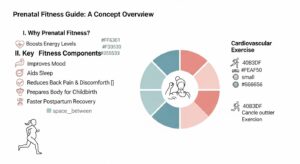
Even during pregnancy and postpartum, with appropriate modifications and medical clearance, strength training can offer immense benefits. It strengthens the core and pelvic floor, which are crucial for supporting the growing uterus and preparing the body for childbirth. Postpartum, it aids in recovery, helps rebuild core strength, and can combat the physical and emotional demands of new motherhood. Always consult with your healthcare provider before starting or continuing any exercise program during these sensitive periods.
Beyond these specific life stages, strength training helps regulate stress hormones like cortisol. Chronic elevated cortisol can lead to weight gain, particularly around the midsection, and negatively impact mood and sleep. Regular exercise, including resistance training, helps to balance cortisol levels, promoting a more stable internal environment. By building and maintaining muscle throughout your life, you’re essentially creating a metabolic reserve, a buffer against the physical challenges of aging, ensuring you can continue to live a vibrant, active, and independent life for many years to come.
Actionable Tips for Hormonal Support:
- Listen to Your Body: Adjust intensity and volume based on your menstrual cycle or menopausal symptoms. Some days you might feel stronger, others might call for lighter weights or more rest.
- Consistency Over Intensity: Regular, moderate strength training is more beneficial for hormonal balance than sporadic, ultra-intense sessions that can sometimes overstress the body.
- Consult Professionals: Especially during pregnancy, postpartum, or if you have specific hormonal conditions, work with a doctor or a certified trainer specializing in women’s health to ensure your program is safe and effective.
Getting Started: Your Empowering Path to Strength
Embarking on a strength training journey, or perhaps reigniting one, can feel daunting, especially with so much information available. However, the most important step is simply to begin. Remember, every strong woman started exactly where you are now. The path to strength is a personal one, filled with small, consistent victories that accumulate into transformative change.
Where to Begin: Finding Your Tools
You don’t need an expensive gym membership or elaborate equipment to start. There are many effective avenues for strength training:
- Bodyweight Training: An excellent starting point. Exercises like squats, lunges, push-ups (on knees or incline), planks, and glute bridges require no equipment and can be done anywhere. They build foundational strength and help you master basic movement patterns.
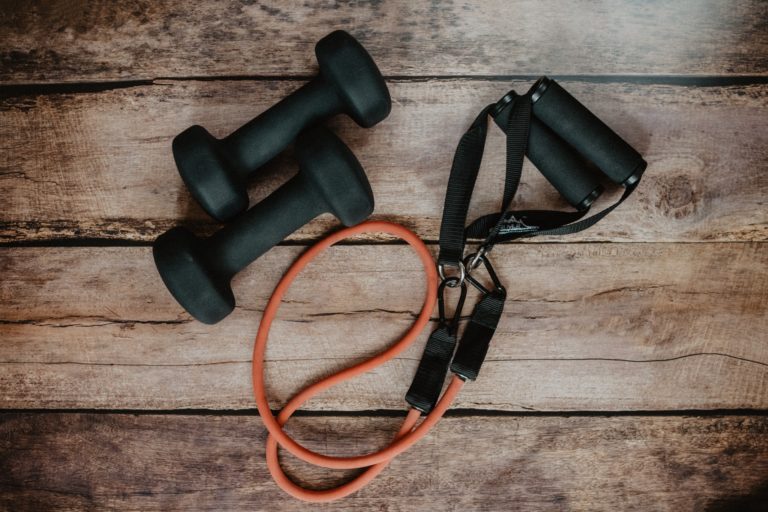
- Resistance Bands: Affordable, portable, and versatile. Bands can add resistance to bodyweight exercises or be used for unique movements, providing effective muscle engagement.
- Dumbbells/Kettlebells: A small set of free weights for home use can dramatically expand your exercise repertoire. They allow for progressive overload as you get stronger.
- Gym Machines: If you join a gym, machines offer a controlled environment, making them ideal for beginners to learn movements with reduced risk of injury. They isolate muscles effectively.
- Barbells: For those ready for more advanced lifting, barbells allow for heavier loads and are central to powerlifting and Olympic lifting.
Finding Your Rhythm: Frequency and Progression
For most women, a great starting point is 2-3 full-body strength training sessions per week, with at least one rest day in between. This allows your muscles adequate time to repair and grow. As you progress, you might move to a 3-4 day split routine (e.g., upper body/lower body/full body/rest). Each session should typically last 45-60 minutes, including a warm-up and cool-down.
The principle of progressive overload is the cornerstone of strength training. To get stronger, you must continually challenge your muscles. This means gradually increasing:
- Weight: Lifting heavier dumbbells or adding plates to a barbell.
- Repetitions: Doing more reps with the same weight.
- Sets: Performing more sets of an exercise.
- Time Under Tension: Slowing down the movement to increase muscle engagement.
- Frequency: Training more often (e.g., from 2 to 3 times a week).
Listen to your body, focus on perfect form, and only increase the challenge when you can maintain good technique.
Fueling Your Body: Nutrition for Strength
Strength training requires proper fuel. Prioritize:
- Protein: Essential for muscle repair and growth. Aim for lean sources like chicken, fish, eggs, tofu, lentils, and Greek yogurt.
- Complex Carbohydrates: Provide sustained energy for your workouts and recovery. Think whole grains, sweet potatoes, fruits, and vegetables.
- Healthy Fats: Crucial for hormone production and overall health. Avocados, nuts, seeds, and olive oil are great choices.
- Hydration: Drink plenty of water throughout the day, especially before, during, and after workouts.
Overcoming Obstacles: Common Concerns and How to Tackle Them
- “I’m afraid of getting bulky”: This is perhaps the biggest myth. Women naturally have significantly lower testosterone levels than men, making it very difficult to build large, bulky muscles without specialized training and dietary regimens. You will get strong, lean, and toned, not bulky.
- Intimidation in the Gym: Everyone starts somewhere. Focus on your own workout, and remember that most people are too focused on themselves to judge others. If you’re unsure, ask for help from gym staff or consider a few sessions with a trainer.
- Time Constraints: Even 2-3 sessions of 30-45 minutes can yield significant results. Prioritize compound movements for efficiency. Home workouts can also save travel time.
Seeking Guidance: When to Ask for Help
If you’re completely new to strength training, feel unsure about form, or have specific health conditions, consider investing in a few sessions with a certified personal trainer. They can create a personalized program, teach you proper technique, and provide invaluable guidance to kickstart your journey safely and effectively. Look for trainers with certifications from reputable organizations like NASM, ACE, or ACSM.
Remember, this is a journey, not a destination. Celebrate your progress, be patient with yourself, and enjoy the incredible process of discovering your own unstoppable power.
FAQ: Your Strength Training Questions Answered
Q: Will strength training make me bulky?
A: This is one of the most common misconceptions for women! The short answer is no. Women have significantly lower levels of testosterone, the primary hormone responsible for muscle hypertrophy (muscle growth) in men. While you will build muscle, increase definition, and become stronger, you are highly unlikely to develop a “bulky” physique. Instead, you’ll likely achieve a lean, toned, and strong appearance, along with all the incredible health benefits discussed in this article.
Q: How often should women strength train?
A: For beginners, 2-3 full-body strength training sessions per week on non-consecutive days (e.g., Monday, Wednesday, Friday) is an excellent starting point. This allows your muscles adequate time to recover and grow. As you advance, you might increase to 3-4 days a week, potentially incorporating a split routine (e.g., upper body/lower body). Consistency is more important than extreme intensity or frequency.
Q: Do I need a gym membership to strength train effectively?
A: Absolutely not! While gyms offer a wide range of equipment, you can achieve incredible results with bodyweight exercises, resistance bands, and a few dumbbells or kettlebells at home. Many effective programs require minimal to no equipment. The key is progressive overload – continuously challenging your muscles, regardless of the tools you use.
Q: What should my nutrition look like if I’m strength training?
A: Proper nutrition is crucial for supporting muscle growth and recovery. Focus on a balanced diet rich in lean protein (for muscle repair), complex carbohydrates (for energy), and healthy fats (for hormone health and satiety). Aim for adequate protein intake (around 1.6-2.2 grams per kilogram of body weight) distributed throughout your day. Don’t forget to stay well-hydrated!
Q: Is strength training safe during pregnancy or postpartum?
A: For most women with uncomplicated pregnancies, continuing or starting a strength training routine with modifications is generally safe and highly beneficial, as long as you have clearance from your healthcare provider. It can help manage weight, improve posture, reduce back pain, and prepare for labor. Postpartum, once cleared by your doctor (typically 6 weeks post-vaginal birth, 8-12 weeks post-C-section), strength training helps rebuild core strength, recover muscle mass, and boost energy. Always prioritize listening to your body and consulting with a doctor or a certified pre/postnatal fitness specialist.
Conclusion: Embrace Your Inner Strength
The journey to strength is an empowering one, offering far more than just visible changes. It’s a profound investment in your physical health, mental well-being, and overall vitality. As we’ve explored, strength training for women is a multifaceted powerhouse, capable of reshaping your metabolism, fortifying your bones against time, elevating your mood, enhancing your functional independence, and harmonizing your body through every unique stage of life.
At Veralyn Media, we believe in empowering women with evidence-based knowledge and actionable tools to live their fullest, healthiest lives. Strength training is not a trend; it’s a fundamental pillar of wellness, a practice that builds resilience from the inside out. It teaches you discipline, celebrates your progress, and reveals the incredible capabilities of your own body. So, step beyond the hesitation, shed the outdated myths, and embrace the weights – whether they’re your own body, a resistance band, or a barbell. The unstoppable power you seek is already within you, waiting to be unleashed. Your journey to a stronger, more vibrant, and truly unstoppable you starts today.
“`json
{
“@context”: “https://schema.org”,
“@graph”: [
{
“@type”: “Article”,
“headline”: “The Unstoppable Power: Why Every Woman Should Embrace Strength Training”,
“description”: “Discover the incredible, evidence-based benefits of strength training for women’s health, from boosted metabolism and stronger bones to enhanced mental well-being and functional independence. Veralyn Media guides you through practical tips and addresses common concerns.”,
“image”: {
“@type”: “ImageObject”,
“url”: “https://veralynmedia.com/images/strength-training-women-hero.jpg”,
“width”: 1200,
“height”: 675
},
“author”: {
“@type”: “Organization”,
“name”: “Veralyn Media”
},
“publisher”: {
“@type”: “Organization”,
“name”: “Veralyn Media”,
“logo”: {
“@type”: “ImageObject”,
“url”: “https://veralynmedia.com/images/veralyn-logo.png”,
“width”: 600,
“height”: 60
}
},
“datePublished”: “2023-10-27T10:00:00Z”,
“dateModified”: “2023-10-27T10:00:00Z”,
“mainEntityOfPage”: {
“@type”: “WebPage”,
“@id”: “https://veralynmedia.com/articles/benefits-strength-training-women”
},
“articleSection”: [
“Women’s Health & Wellness”,
“Fitness”,
“Strength Training”
],
“keywords”: “strength training for women, benefits of strength training, women’s health, muscle building, bone density, metabolism, mental health, osteoporosis, hormonal balance, fitness tips for women, Veralyn Media”
},
{
“@type”: “FAQPage”,
“mainEntity”: [
{
“@type”: “Question”,
“name”: “Will strength training make me bulky?”,
“acceptedAnswer”: {
“@type”: “Answer”,
“text”: “This is one of the most common misconceptions for women! The short answer is no. Women have significantly lower levels of testosterone, the primary hormone responsible for muscle hypertrophy (muscle growth) in men. While you will build muscle, increase definition, and become stronger, you are highly unlikely to develop a ‘bulky’ physique. Instead, you’ll likely achieve a lean, toned, and strong appearance, along with all the incredible health benefits discussed in this article.”
}
},
{
“@type”: “Question”,
“name”: “How often should women strength train?”,
“acceptedAnswer”: {
“@type”: “Answer”,
“text”: “For beginners, 2-3 full-body strength training sessions per week on non-consecutive days (e.g., Monday, Wednesday, Friday) is an excellent starting point. This allows your muscles adequate time to recover and grow. As you advance, you might increase to 3-4 days a week, potentially incorporating a split routine (e.g., upper body/lower body). Consistency is more important than extreme intensity or frequency.”
}
},
{
“@type”: “Question”,
“name”: “Do I need a gym membership to strength train effectively?”,
“