Beyond Anti-Aging: Cultivating Luminous Skin After 35 with Science-Backed Care
This comprehensive guide is crafted with you in mind – the woman over 35 who seeks real, science-backed advice without the fear-mongering. We’re here to equip you with the knowledge and practical tools to understand your skin’s evolving needs, build a truly effective routine, and unlock your most vibrant glow, from the inside out. Think of us as your trusted skincare coach, ready to help you navigate this exciting chapter with confidence and grace. Let’s embark on this journey together, celebrating the beauty of who you are, right now.
Understanding Your Skin’s Beautiful Evolution After 35
Our skin is a living, breathing organ, constantly responding to internal and external factors. As we gracefully move past our mid-thirties, several physiological changes begin to accelerate, influencing how our skin looks and feels. Understanding these shifts is the first step in creating a skincare routine that truly serves you.
Firstly, collagen and elastin production naturally slows down. These two proteins are the scaffolding of our skin, responsible for its firmness, elasticity, and youthful plumpness. A decline in their synthesis can lead to the appearance of fine lines, wrinkles, and a subtle loss of skin firmness. Think of it like a mattress losing its spring over time – it still functions, but it might not bounce back quite as quickly.
Secondly, cellular turnover – the rate at which new skin cells rise to the surface and old ones shed – also decelerates. In our youth, this process is quick and efficient, contributing to that fresh, glowing complexion. As it slows, dead skin cells can accumulate, leading to a duller appearance, rougher texture, and potentially congested pores.
Thirdly, our skin’s ability to retain moisture can diminish. The natural lipid barrier, which acts as a protective shield, can weaken, making skin more prone to dryness, dehydration, and increased sensitivity. This can exacerbate the appearance of fine lines and make the skin feel less supple.
Finally, hormonal fluctuations can play a significant role. Estrogen, for example, is vital for collagen production, skin hydration, and barrier function. As estrogen levels begin to fluctuate, especially as we approach perimenopause and menopause, its impact on skin health becomes more pronounced. You might notice increased dryness, thinning skin, and a heightened sensitivity to environmental stressors.
Recognizing these natural changes isn’t about dreading them; it’s about empowering ourselves with knowledge. By understanding why our skin is changing, we can make informed choices about the ingredients and practices that will best support its health, resilience, and radiant appearance. This isn’t about turning back the clock, but rather about ensuring your skin thrives beautifully at every age.
The Foundational Five: Your Daily Skincare Pillars for Lasting Radiance
Building an effective skincare routine doesn’t need to be overwhelming. Think of it as a daily ritual of self-care, built upon a few key pillars. For women over 35, consistency and the right active ingredients are your most powerful allies. Here’s a step-by-step guide to your essential daily routine:
1. Cleansing: Gentle Yet Thorough
Cleansing is the non-negotiable first step, preparing your skin to receive all the goodness you’re about to apply. For mature skin, the focus should be on gentle, non-stripping formulas that remove impurities without compromising your precious skin barrier.
* Why it’s crucial: Removes makeup, dirt, pollution, and excess oil that can clog pores and dull your complexion. A clean canvas allows subsequent products to penetrate effectively.
* What to look for: Cream, oil, or balm cleansers are often ideal as they are hydrating and less likely to strip natural oils. Look for pH-balanced formulas. Avoid harsh foaming cleansers with sulfates, which can leave your skin feeling tight and dry.
* How to do it:
* Morning: A quick, gentle cleanse with water or a very mild cleanser is often sufficient, especially if you double-cleansed the night before.
* Evening: This is your most important cleanse. If you wear makeup or SPF, consider double cleansing: start with an oil-based cleanser or micellar water to dissolve makeup, then follow with a gentle cream or balm cleanser to purify the skin. Massage gently for 60 seconds, then rinse thoroughly with lukewarm water. Pat dry with a clean, soft towel.
2. Targeted Treatments: Your Skin’s Powerhouses
This is where you introduce the active ingredients that truly make a difference in addressing the concerns of skin over 35. You don’t need every single one, but choosing 1-2 key actives that target your primary concerns will yield the best results. Apply these to clean, dry skin.
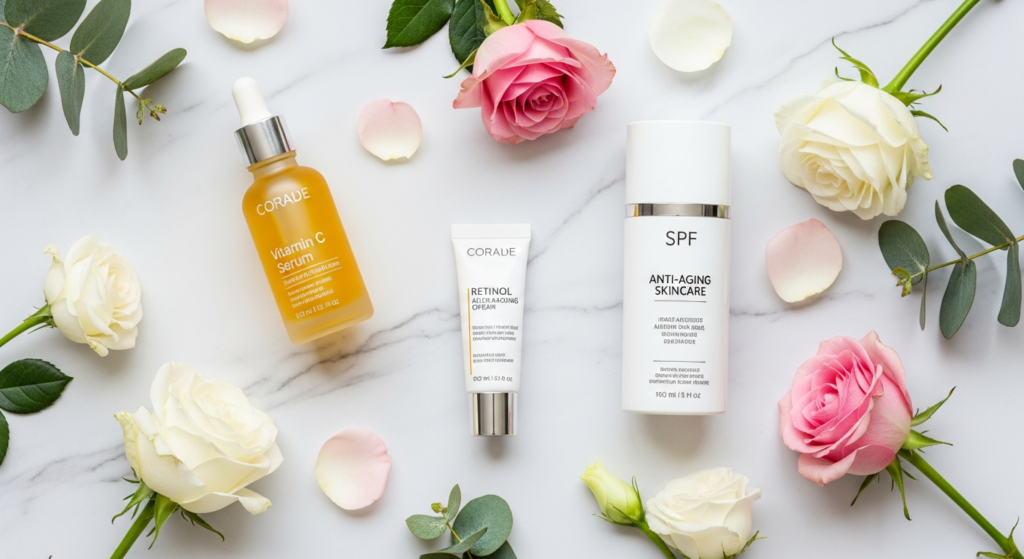
* Retinoids (Retinol, Retinaldehyde): The Gold Standard
* What they do: Derived from Vitamin A, retinoids are renowned for boosting collagen production, accelerating cell turnover, reducing fine lines and wrinkles, improving skin texture, and evening out tone. They are arguably the most research-backed ingredient for “anti-aging.”
* How to use: Start slowly! Begin with a low concentration (e.g., 0.25% retinol) 2-3 times a week at night. Apply a pea-sized amount to your entire face, avoiding eyes and lips initially. Gradually increase frequency as your skin tolerates it. Always follow with a moisturizer. If irritation occurs, reduce frequency or use the “sandwich method” (moisturizer, retinoid, moisturizer).
* Key Tip: Use ONLY at night, as retinoids can increase sun sensitivity. Always use SPF during the day.
* Vitamin C (L-Ascorbic Acid): The Brightening Antioxidant
* What it does: A potent antioxidant that protects skin from environmental damage (free radicals from UV and pollution), brightens complexion, fades hyperpigmentation, and supports collagen synthesis.
* How to use: Apply a Vitamin C serum in the morning after cleansing. Look for L-Ascorbic Acid in concentrations between 10-20% for efficacy.
* Key Tip: Store in a cool, dark place. If it turns dark orange/brown, it has oxidized and is less effective.
* Hyaluronic Acid: The Hydration Hero
* What it does: A humectant that attracts and holds up to 1000 times its weight in water, providing intense hydration, plumping the skin, and temporarily reducing the appearance of fine lines caused by dehydration.
* How to use: Apply to damp skin (after cleansing/toning) to lock in moisture. Can be used morning and night.
* Niacinamide (Vitamin B3): The Multi-Tasker
* What it does: Improves skin barrier function, reduces inflammation and redness, minimizes the appearance of pores, regulates oil production, and can help with hyperpigmentation.
* How to use: Can be used morning or night, typically in serum form. It’s well-tolerated and plays nicely with most other actives.
* Peptides: The Building Blocks
* What they do: Short chains of amino acids that signal skin cells to perform specific functions, such as producing more collagen or elastin, leading to improved firmness and reduced wrinkles.
* How to use: Often found in serums or moisturizers, can be used morning and night.
3. Moisturizing: Barrier Protection and Deep Hydration
Moisturizer is essential for all skin types, especially as we age. It seals in hydration, strengthens the skin’s protective barrier, and keeps your complexion soft and supple.
* Why it’s crucial: Prevents water loss, protects against environmental aggressors, and keeps your skin feeling comfortable.
* What to look for: For skin over 35, look for richer, emollient formulas containing ceramides, fatty acids, cholesterol (to replenish the skin barrier), glycerin, squalane, and shea butter. Choose a texture that feels comfortable for your skin type – a lighter lotion for oilier skin, a richer cream for dry or normal skin.
* How to do it: Apply a generous amount to your face and neck both morning and night, after your serums. Gently massage upwards.
4. Sun Protection: Your Non-Negotiable Shield
This is, without a doubt, the single most impactful “anti-aging” step you can take. UV radiation is responsible for up to 80% of visible skin aging, including wrinkles, dark spots, and loss of elasticity.
* Why it’s crucial: Prevents collagen breakdown, hyperpigmentation, and reduces the risk of skin cancer. Every single day, rain or shine, indoors or out.
* What to look for: A broad-spectrum SPF 30 (or higher) sunscreen.
* Mineral sunscreens (zinc oxide, titanium dioxide): Sit on top of the skin, physically blocking UV rays. Great for sensitive skin.
* Chemical sunscreens: Absorb UV rays and convert them into heat. Often lighter in texture.
* How to do it: Apply a generous amount (at least a quarter teaspoon for your face and neck) as the last step in your morning routine, before makeup. Reapply every two hours if you’re outdoors or sweating, or every 3-4 hours if you’re mostly indoors but near windows.
5. Exfoliation: Gentle Renewal
As cell turnover slows, gentle exfoliation becomes even more important to remove dead skin cells, reveal brighter skin, and allow your serums to penetrate better.
* Why it’s crucial: Improves skin texture, reduces dullness, minimizes clogged pores, and enhances product absorption.
* What to look for: Chemical exfoliants (AHAs like glycolic or lactic acid, or BHAs like salicylic acid) are generally preferred over harsh physical scrubs, which can cause micro-tears in mature skin. Enzyme masks are also a gentle option.
* How to do it: Start with 1-2 times a week, gradually increasing if your skin tolerates it. Apply after cleansing, then follow with your serums and moisturizer. Pay attention to how your skin reacts, especially if you’re also using retinoids. It’s generally advised not to use strong retinoids and strong chemical exfoliants on the same night.
Consistency is the secret ingredient here. Stick with your routine, listen to your skin, and give products time to work. Most active ingredients require at least 4-12 weeks of consistent use before you see significant results.
Beyond the Basics: Advanced Strategies & Tools for Enhanced Radiance
Once you’ve mastered your foundational routine, you might be curious about additional strategies and tools that can further elevate your skincare journey. These are excellent complements, not replacements, for your daily pillars.
1. Eye Creams: Targeted Care for Delicate Skin
The skin around our eyes is thinner and more delicate than the rest of our face, making it more prone to showing signs of aging like fine lines, crow’s feet, puffiness, and dark circles.
* Why they help: Formulated specifically for this sensitive area, eye creams deliver concentrated ingredients without being too heavy or irritating.
* What to look for:
* For fine lines/wrinkles: Peptides, retinoids (low concentrations formulated for eyes), hyaluronic acid.
* For puffiness: Caffeine, green tea extract.
* For dark circles: Vitamin C, niacinamide, licorice root extract.
* For hydration/barrier support: Ceramides, fatty acids.
* How to use: Gently dab a pea-sized amount around the orbital bone (not too close to the lash line) with your ring finger, morning and night.
2. Neck and Décolletage: Extending Your Routine
Often neglected, the skin on our neck and chest is just as susceptible to sun damage and collagen loss as our face, and it can often be the first area to reveal our age.
* Why it’s important: This skin is also delicate and has fewer oil glands, making it prone to dryness and crepiness.
* How to care for it: Simply extend your facial skincare routine down to your neck and chest. Apply your cleansers, serums (especially retinoids and Vitamin C), moisturizers, and crucially, your broad-spectrum SPF to these areas every single day. Look for dedicated neck creams if you want a targeted approach, often formulated with firming peptides or antioxidants.
3. At-Home Tools & Treatments
Technology has brought many professional-grade treatments into the comfort of our homes.
* LED Masks (Red Light Therapy):
* What they do: Red and near-infrared light penetrate the skin to stimulate collagen production, reduce inflammation, promote healing, and improve overall skin tone and texture.
* How to use: Follow device instructions, typically 3-5 times a week for 10-20 minutes. Consistency is key.
* Gua Sha & Facial Rollers:
* What they do: These tools promote lymphatic drainage, reduce puffiness, increase circulation, and can help with product absorption. They offer a moment of self-care and relaxation.
* How to use: Apply a facial oil or serum, then gently glide the tool upwards and outwards across your face and neck.
* Microcurrent Devices:
* What they do: Deliver low-level electrical currents to “train” facial muscles, aiming to lift, tone, and contour the face.
* How to use: Requires consistent use (daily or several times a week) to see and maintain results. Consult device instructions.
4. Professional Treatments: When to Consider Expert Help
For those seeking more dramatic results or targeted solutions, professional treatments offered by dermatologists or licensed estheticians can be incredibly effective.
* Hydrating or Brightening Facials: A great way to deep clean, hydrate, and get a professional assessment of your skin.
* Chemical Peels (Light to Medium): Can address fine lines, hyperpigmentation, and texture by removing damaged outer layers of skin.
* Microneedling: Creates microscopic punctures in the skin to stimulate collagen and elastin production, improving texture, scars, and firmness.
* Laser Treatments (e.g., Fractional Lasers, IPL): Can target a range of concerns from sun damage, redness, and hyperpigmentation to deep wrinkles and skin laxity.
* Key Advice: Always consult with a board-certified dermatologist to discuss your concerns, determine suitable treatments, and understand the potential risks and benefits. They can create a personalized plan that complements your at-home routine.
Remember, these advanced strategies are designed to enhance your results. The foundation of daily, consistent care remains paramount for sustainable skin health and radiance.
The Inside-Out Approach: Holistic Wellness for Glowing Skin
True radiance isn’t just about what you put on your skin; it’s deeply connected to what you put into your body and how you live your life. At Veralyn Media, we champion a holistic view of beauty, recognizing that our skin is a mirror reflecting our overall well-being.
1. Nutrition: Fueling Your Skin from Within
Your diet is a powerful tool for skin health. What you eat provides the building blocks and protective compounds your skin needs to thrive.
* Antioxidant-Rich Foods: Berries, leafy greens, colorful vegetables (bell peppers, sweet potatoes), and green tea are packed with antioxidants that combat free radical damage, which contributes to premature aging.
* Healthy Fats: Omega-3 fatty acids found in fatty fish (salmon, mackerel), flaxseeds, chia seeds, and walnuts are crucial for maintaining the skin’s lipid barrier, reducing inflammation, and keeping skin supple.
* Collagen-Boosting Foods: While topical collagen is debated, consuming foods rich in amino acids (bone broth, lean protein, legumes) and Vitamin C (citrus, kiwi, broccoli) helps your body produce its own collagen.
* Hydration: We’ll dive deeper into this, but water is fundamental. Your skin needs adequate hydration to maintain plumpness and elasticity.
2. Stress Management: The Skin-Mind Connection
Chronic stress can wreak havoc on your entire body, and your skin is no exception. When stressed, our bodies release cortisol, a hormone that can break down collagen and elastin, impair barrier function, and exacerbate inflammatory skin conditions like acne or rosacea.
* Mindfulness & Meditation: Even 5-10 minutes a day can significantly reduce stress levels.
* Regular Exercise: Boosts circulation, reduces stress hormones, and promotes detoxification.
* Deep Breathing Exercises: Simple yet effective ways to calm the nervous system.
* Prioritize Downtime: Schedule moments for hobbies, relaxation, and connection with loved ones.
3. Quality Sleep: Your Skin’s Repair Cycle
They don’t call it “beauty sleep” for nothing! While you sleep, your skin goes into repair mode. This is when cell regeneration accelerates, collagen production increases, and your skin recovers from daily environmental stressors.
* Aim for 7-9 Hours: Consistent, uninterrupted sleep is crucial.
* Optimize Your Sleep Environment: Dark, cool, quiet room.
* Establish a Bedtime Routine: Winding down with a warm bath, reading, or gentle stretching can signal to your body it’s time to rest.
* Silk Pillowcases: Can reduce friction on your skin and hair, potentially minimizing sleep creases.
4. Hydration: More Than Just Water
Internal and external hydration work hand-in-hand for supple, healthy skin.
* Drink Up: Aim for at least 8 glasses (2 liters) of water daily. Herbal teas and water-rich foods (cucumber, watermelon) also contribute.
* Humidifiers: Especially in dry climates or during winter months, a humidifier in your bedroom can prevent your skin from losing moisture overnight.
Embracing these holistic practices means treating your body as a whole, interconnected system. When you nourish your body, manage stress, prioritize sleep, and stay hydrated, your skin will naturally reflect that inner vitality with a radiant, healthy glow.
Building Your Personalized Skincare Journey: Tips for Success
Embarking on a new skincare journey is exciting, but it also requires patience, observation, and a willingness to adapt. Here are some final tips to ensure your routine is successful and sustainable.
1. Patch Testing & Patience are Your Best Friends
When introducing any new product, especially those with active ingredients, always patch test first. Apply a small amount to an inconspicuous area (like behind your ear or on your inner forearm) for a few days to check for any adverse reactions like redness, itching, or breakouts.
Remember that skincare is a marathon, not a sprint. Significant changes rarely happen overnight. Give new products at least 4-6 weeks of consistent use before deciding if they’re working for you. For retinoids, it can take 3-6 months to see full benefits.
2. Listen to Your Skin
Your skin is a dynamic organ, and its needs can change based on the season, your stress levels, hormonal fluctuations, and even your diet.
* Adjust Seasonally: You might need a richer moisturizer in winter and a lighter one in summer.
* Hormonal Shifts: Notice if your skin becomes oilier, drier, or more breakout-prone during certain times of your cycle.
* Reactions: If your skin feels tight, irritated, or excessively dry, scale back on active ingredients or incorporate more hydrating and barrier-repairing products. Less is often more.
3. Consistency is Key
The most expensive products or the most elaborate routine won’t deliver results if you’re not consistent. Make your skincare routine a non-negotiable part of your morning and evening rituals. Even on tired nights, a simple cleanse, treat, and moisturize can make a huge difference over time.
4. Consulting a Professional: Your Skincare Ally
While this article provides extensive guidance, there’s no substitute for personalized advice from a skincare professional.
* Dermatologist: For persistent skin concerns (acne, rosacea, severe hyperpigmentation), suspicious moles, or if you’re considering prescription-strength retinoids or in-office treatments.
* Licensed Esthetician: For guidance on product selection, professional facials, and managing everyday skin health.
They can assess your specific skin type and concerns, recommend tailored solutions, and help you navigate the vast world of skincare with expert precision.