Your Empowering Guide to an Anti-Inflammatory Diet: A Beginner’s Journey for Women
Chronic inflammation isn’t always obvious; it’s a silent, persistent fire smoldering within your body, impacting nearly every system. The good news? You hold incredible power to douse those flames, and one of your most potent tools is right on your plate: food. This comprehensive guide from Veralyn Media is designed to be your warm, knowledgeable companion on the path to embracing an anti-inflammatory diet. Think of us as your personal health coach, here to offer science-backed, practical advice that empowers you to nourish your body, reduce inflammation, and reclaim your vibrant health, one delicious bite at a time. No fear-mongering, just real, holistic strategies for women of all ages ready to feel their best.
Understanding Inflammation: Your Body’s Silent Storyteller
Before we dive into what to eat, let’s truly understand inflammation. It’s not inherently bad; in fact, acute inflammation is your body’s vital defense mechanism. When you cut your finger, twist an ankle, or fight off a cold, your immune system rushes to the site, causing redness, swelling, heat, and pain – classic signs of acute inflammation. This is a crucial, short-term process designed to heal and protect.
The problem arises when inflammation becomes chronic. Imagine that protective fire never quite goes out, instead lingering as a low-grade, systemic smolder. This chronic inflammation can be triggered by a multitude of factors, including ongoing stress, lack of sleep, environmental toxins, an imbalanced gut microbiome, and, most significantly, the foods we eat.
Why Chronic Inflammation Matters Specifically for Women
For women, chronic inflammation can play a particularly insidious role in a range of health issues:
* Hormonal Imbalances: Conditions like Polycystic Ovary Syndrome (PCOS) and endometriosis are strongly linked to increased inflammation. Inflammation can disrupt ovulation, contribute to insulin resistance, and exacerbate pain.
* Autoimmune Diseases: Women are disproportionately affected by autoimmune conditions such as rheumatoid arthritis, lupus, Hashimoto’s thyroiditis, and multiple sclerosis. Chronic inflammation is a central driver in the development and flare-ups of these diseases.
* Heart Health: While often seen as a male issue, heart disease is the leading cause of death for women. Chronic inflammation contributes to plaque buildup in arteries, increasing the risk of heart attacks and strokes.
* Brain Health and Mood: Inflammation has been implicated in cognitive decline, brain fog, anxiety, and depression. The gut-brain axis, heavily influenced by inflammatory processes, plays a key role here.
* Digestive Issues: Irritable Bowel Syndrome (IBS), Crohn’s disease, and ulcerative colitis all involve inflammatory processes in the gut.
* Aging and Skin Health: Chronic inflammation accelerates cellular aging, contributing to wrinkles, dull skin, and a host of age-related diseases.
* Fatigue and Pain: Persistent, unexplained fatigue and generalized body aches are common signs that your body might be battling systemic inflammation.
Understanding this connection is the first step toward empowerment. By making conscious dietary and lifestyle choices, you can actively reduce this inflammatory burden and support your body’s innate ability to heal and thrive.
The Core Principles of an Anti-Inflammatory Diet for Women
An anti-inflammatory diet isn’t about deprivation; it’s about abundance. It focuses on whole, unprocessed foods that are rich in antioxidants, healthy fats, and fiber, while minimizing ingredients that fuel inflammation. Think of it as eating vibrant, nourishing foods that love your body back.
Here are the cornerstones of this powerful eating pattern:
1. Embrace the Rainbow: Antioxidant-Rich Fruits & Vegetables
Antioxidants are your body’s little firefighters, neutralizing harmful free radicals that contribute to inflammation and cellular damage. Aim for a wide variety of colors on your plate every day.
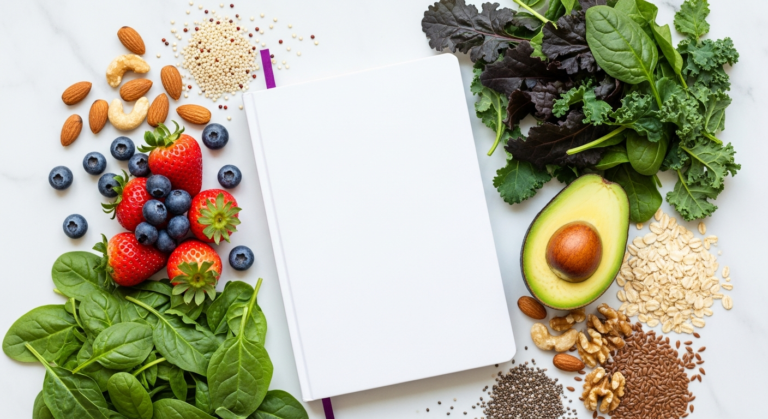
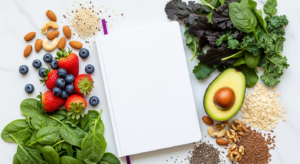
* Leafy Greens: Spinach, kale, collard greens, Swiss chard are packed with vitamins, minerals, and phytonutrients.
* Cruciferous Vegetables: Broccoli, cauliflower, Brussels sprouts, cabbage contain compounds that support detoxification and reduce inflammation.
* Berries: Blueberries, strawberries, raspberries, blackberries are bursting with antioxidants and have a lower glycemic load than many other fruits.
* Brightly Colored Produce: Bell peppers, sweet potatoes, carrots, tomatoes, cherries, pomegranates.
* Tip: Try to get at least 5-9 servings of fruits and vegetables daily, prioritizing vegetables.
2. Power Up with Healthy Fats: The Inflammation Fighters
Not all fats are created equal. Focus on those rich in omega-3 fatty acids and monounsaturated fats, which are known for their anti-inflammatory properties.
* Omega-3 Rich Foods: Wild-caught fatty fish (salmon, mackerel, sardines, anchovies), flaxseeds, chia seeds, walnuts. Consider a high-quality omega-3 supplement if your dietary intake is low (consult your healthcare provider).
* Monounsaturated Fats: Avocados, extra virgin olive oil (use for dressing and low-heat cooking), nuts (almonds, pecans).
* Limit/Avoid: Trans fats (found in many processed and fried foods), highly processed vegetable oils (corn, soybean, sunflower, safflower) which are high in omega-6s and can be pro-inflammatory when consumed in excess or heated to high temperatures.
3. Choose Smart Proteins: Lean & Clean
Protein is essential for building and repairing tissues, and choosing the right sources can support your anti-inflammatory goals.
* Plant-Based Proteins: Legumes (lentils, chickpeas, black beans), tofu, tempeh, edamame, nuts, seeds. These also provide fiber and a host of micronutrients.
* Quality Animal Proteins: Grass-fed beef, pasture-raised poultry, wild-caught fish. These sources tend to have a better omega-3 to omega-6 ratio and fewer inflammatory additives.
* Tip: Aim for a palm-sized portion of protein with each meal.
4. Go for Whole Grains (Mindfully): Fiber & Sustained Energy
Whole grains, in moderation and for those who tolerate them well, can be a good source of fiber, B vitamins, and minerals.
* Options: Quinoa, oats (gluten-free), brown rice, wild rice, millet, buckwheat.
* Listen to Your Body: Some individuals, especially those with autoimmune conditions or gut sensitivities, may find they feel better reducing or eliminating grains, particularly gluten-containing ones. This is where personalized listening comes in.
* Limit/Avoid: Refined grains like white bread, white pasta, and sugary cereals, which can spike blood sugar and promote inflammation.
5. Spice It Up: Nature’s Anti-Inflammatory Pharmacy
Many herbs and spices are potent anti-inflammatory agents.
* Turmeric: Contains curcumin, a powerful anti-inflammatory compound. Pair with black pepper to enhance absorption.
* Ginger: Known for its anti-nausea and anti-inflammatory properties.
* Garlic & Onions: Rich in sulfur compounds that fight inflammation.
* Cinnamon: Helps stabilize blood sugar, reducing inflammatory responses.
* Other great options: Rosemary, thyme, oregano, basil, cayenne pepper.
6. Hydration is Non-Negotiable: Water is Life
Water is crucial for every bodily function, including flushing out toxins and maintaining cellular health. Dehydration can exacerbate inflammation.
* Aim for: At least 8 glasses of filtered water daily, more if you’re active or in a hot climate.
* Herbal Teas: Green tea (rich in EGCG, an antioxidant), ginger tea, peppermint tea are great choices.
What to Limit or Avoid: The Inflammation Triggers
Just as important as what to eat is what to minimize:
* Refined Sugars: Found in sodas, candies, pastries, and many processed foods. They cause blood sugar spikes and fuel inflammation.
* Processed Foods: Packaged snacks, fast food, highly processed meals are often high in unhealthy fats, sugar, and artificial ingredients.
* Unhealthy Fats: Trans fats (partially hydrogenated oils), excessive omega-6 rich seed oils (corn, soybean, cottonseed, sunflower, safflower oil) – particularly when heated or consumed in large quantities.
* Excessive Red Meat & Processed Meats: High intake of conventional red meat and processed meats (bacon, sausage, deli meats) has been linked to increased inflammation. Choose grass-fed, lean options in moderation.
* Alcohol: While some studies suggest moderate red wine consumption may have benefits, excessive alcohol intake is pro-inflammatory.
* Artificial Sweeteners & Food Additives: Can disrupt gut health and potentially trigger inflammatory responses in sensitive individuals.
Your Step-by-Step Guide to Getting Started
Embarking on an anti-inflammatory diet doesn’t have to be overwhelming. Think of it as a gentle evolution, not a radical revolution. Here’s a practical, step-by-step approach for women beginners:
Phase 1: The Kitchen Cleanse & Stock-Up (Weekend Warrior)
Dedicate a weekend to this crucial first step.
1. Pantry Purge: Go through your fridge, freezer, and pantry. Read labels. Remove items high in refined sugars, unhealthy fats (like partially hydrogenated oils), and artificial ingredients. Don’t worry about perfection; just remove the obvious culprits.
2. Restock Smart: Make a grocery list focused on the anti-inflammatory principles:
* Produce: A rainbow of fresh fruits and vegetables (berries, leafy greens, broccoli, sweet potatoes, bell peppers, avocados).
* Proteins: Wild-caught salmon, lean grass-fed beef/chicken, eggs, lentils, chickpeas, tofu, tempeh.
* Healthy Fats: Extra virgin olive oil, flaxseeds, chia seeds, walnuts, almonds.
* Whole Grains (if tolerated): Quinoa, gluten-free oats, brown rice.
* Spices & Herbs: Turmeric, ginger, cinnamon, garlic powder, dried herbs.
* Other Staples: Apple cider vinegar, herbal teas, filtered water.
3. Tool Check: Do you have basic kitchen tools? A good cutting board, sharp knife, blender (for smoothies), and some food storage containers can make a big difference.
Phase 2: Gradual Swaps & Small Victories (Week 1-2)
Don’t try to change everything at once. Focus on one or two swaps each week.
* Breakfast Makeover: Instead of sugary cereal or pastries, try oatmeal with berries, nuts, and a sprinkle of cinnamon, or a veggie-packed scramble with avocado.
* Snack Upgrade: Swap chips or cookies for an apple with almond butter, a handful of walnuts, or a small bowl of berries.
* Drink Smarter: Replace soda or sugary juices with water infused with lemon or cucumber, or unsweetened herbal tea.
* Cooking Oils: Switch from vegetable oils to extra virgin olive oil for dressings and low-heat cooking, or avocado oil for higher heat.
* Dining Out Awareness: When eating out, choose grilled proteins over fried, ask for extra vegetables, and opt for olive oil-based dressings.
Phase 3: Meal Planning & Prep Power (Ongoing)
Consistency is key, and planning is your secret weapon.
* Batch Cooking: Dedicate an hour or two on a Sunday to prep basics. Roast a big tray of veggies, cook a batch of quinoa or brown rice, grill some chicken or bake some salmon. These components can be mixed and matched throughout the week.
* Theme Nights: Keep it simple! “Meatless Monday” (lentil soup, bean burgers), “Taco Tuesday” (fish tacos with lots of salsa and avocado), “Salmon Saturday” (baked salmon with roasted asparagus and sweet potato).
* Easy Recipes to Start With:
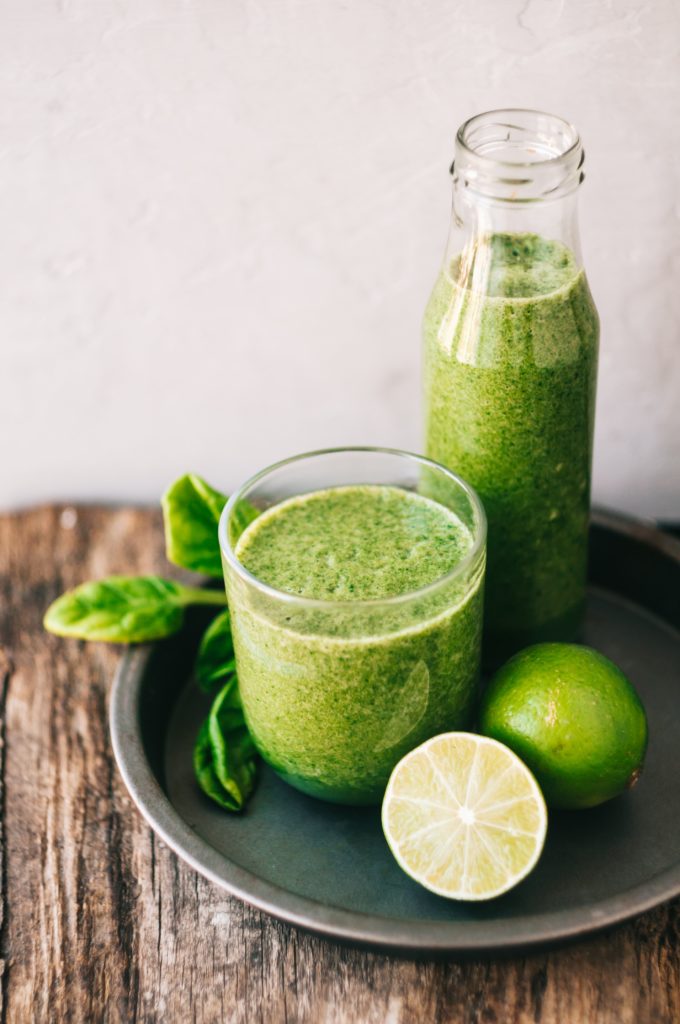
* Anti-Inflammatory Smoothie: Blend spinach, frozen berries, chia seeds, plant-based protein powder, and unsweetened almond milk.
* Power Bowls: Start with a base of quinoa or leafy greens, add roasted vegetables, a lean protein (chickpeas, chicken, salmon), and a healthy dressing (tahini-lemon, olive oil-herb).
* Sheet Pan Dinners: Toss chopped veggies (broccoli, bell peppers, zucchini) and protein (chicken, fish) with olive oil and spices, roast on one pan. Minimal cleanup!
* Product Recommendations: Look for brands that prioritize whole ingredients. For example, choose unsweetened plant milks, high-quality extra virgin olive oil, and organic produce when possible.
Phase 4: Listening to Your Body & Mindful Eating (Ongoing)
This is where the magic happens. Your body is constantly giving you clues.
Food Journaling: For a few weeks, jot down what you eat and how you feel (energy levels, mood, digestion, pain). This can help you identify specific foods that might be triggering inflammation for your* unique body.
* Mindful Eating: Slow down. Savor your food. Pay attention to hunger and fullness cues. Eating mindfully can improve digestion and reduce stress, both of which impact inflammation.
* Patience & Self-Compassion: This is a journey, not a destination. There will be days you don’t eat perfectly, and that’s absolutely okay. Don’t let one “slip-up” derail your progress. Get back on track with your next meal.
Beyond the Plate: A Holistic Approach to Combating Inflammation
While diet is a cornerstone, a truly anti-inflammatory lifestyle for women embraces a broader, holistic perspective. Our bodies are complex, and inflammation is influenced by more than just what we eat.
1. Master Your Stress: The Silent Inflammer
Chronic stress triggers the release of cortisol, a hormone that, in excess, can fuel inflammation. Women often juggle multiple roles, making stress management vital.
* Deep Breathing Exercises: Simple techniques can calm your nervous system instantly.
* Yoga & Tai Chi: Combine gentle movement with breathwork, promoting relaxation and flexibility.
* Nature Connection: Spending time outdoors has been shown to reduce stress hormones.
* Prioritize Downtime: Schedule time for hobbies, reading, or simply doing nothing.
2. Prioritize Quality Sleep: Your Body’s Repair Shop
Sleep is when your body repairs, regenerates, and processes inflammation. Chronic sleep deprivation elevates inflammatory markers.
* Aim for 7-9 Hours: Find your optimal sleep window.
* Consistent Schedule: Go to bed and wake up around the same time each day, even on weekends.
* Create a Bedtime Ritual: Dim lights, avoid screens an hour before bed, take a warm bath, read a book.
* Optimize Your Sleep Environment: Dark, cool, quiet room.
3. Move Your Body Regularly: Gentle Movement, Big Impact
You don’t need intense, punishing workouts. Consistent, moderate movement is highly anti-inflammatory.
* Walking: A brisk 30-minute walk most days of the week is incredibly beneficial.
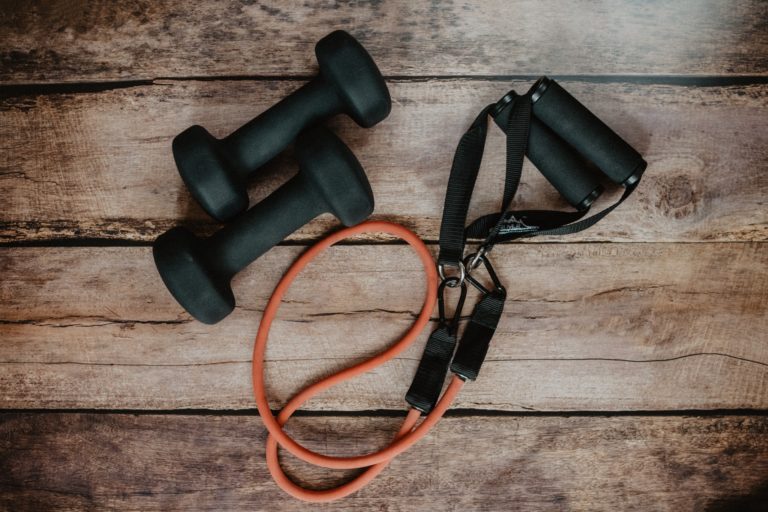
* Strength Training: Builds muscle, which helps regulate blood sugar and reduces inflammation.
* Stretching & Flexibility: Improves circulation and reduces stiffness.
* Listen to Your Body: If you’re experiencing a flare-up of an inflammatory condition, opt for gentle movement like restorative yoga or swimming.
4. Nurture Your Gut Health: The Root of Many Evils
Your gut microbiome plays a profound role in regulating inflammation throughout your body. An imbalanced gut (dysbiosis) can contribute to systemic inflammation.
* Fiber-Rich Foods: Prebiotics (foods that feed beneficial gut bacteria) are found in asparagus, garlic, onions, leeks, bananas, and oats.
* Fermented Foods: Probiotics (beneficial bacteria) are in kimchi, sauerkraut, kefir, kombucha, and unsweetened yogurt.
* Avoid Antibiotics (when possible): Only use when necessary, as they can decimate gut flora.
* Consider a Probiotic Supplement: Consult your healthcare provider for guidance on strain and dosage.
5. Minimize Environmental Toxins: A Hidden Burden
Our bodies are constantly bombarded by toxins from our environment, which can contribute to inflammation.
* Filter Your Water: Invest in a good water filter.
* Choose Cleaner Personal Care Products: Look for products free of parabens, phthalates, and synthetic fragrances.
* Ventilate Your Home: Open windows regularly.
* Eat Organic (when possible): Reduce pesticide exposure.
* Store Food Safely: Use glass or stainless steel containers instead of plastic.
Empowering Your Journey: Tools & Resources
You don’t have to embark on this journey alone. There are many tools and resources available to support your anti-inflammatory lifestyle.
* Cookbooks: Look for titles focused on “anti-inflammatory recipes,” “Mediterranean diet,” or “whole foods cooking.” Some popular choices include Dr. Andrew Weil’s “Healthy Kitchen” or “The Anti-Inflammation Diet and Recipe Book” by Jessica Black.
* Meal Planning Apps: Apps like Mealime, Yummly, or PlateJoy can help you organize recipes, create shopping lists, and track your intake. Many offer specific dietary filters.
* Product Recommendations:
* High-Quality Olive Oil: Look for “extra virgin” and a harvest date to ensure freshness. Brands like California Olive Ranch or Bragg are good starting points.
* Wild-Caught Fish: Check labels for sustainability certifications.
* Organic Spices: Frontier Co-op or Simply Organic offer high-quality, ethically sourced spices.
* Blenders: A high-speed blender (like a Vitamix or Ninja) can make whipping up anti-inflammatory smoothies and soups a breeze.
* Food Storage: Glass containers with airtight lids (Pyrex, Anchor Hocking) are excellent for meal prep and avoiding plastic leaching.
Supplements (with caution): While a food-first approach is paramount, certain supplements can support an anti-inflammatory diet, always* under the guidance of a healthcare professional.
* Omega-3 Fatty Acids: Fish oil supplements (look for reputable brands with third-party testing for purity).
* Turmeric/Curcumin: Often combined with black pepper extract (piperine) for better absorption.
* Vitamin D: Many women are deficient, and Vitamin D plays a crucial role in immune regulation and reducing inflammation.
* Magnesium: Involved in over 300 bodily functions, including stress reduction and muscle relaxation, both of which impact inflammation.
* Community & Support: Engage with the Veralyn Media community, join online forums, or find local groups focused on healthy eating. Sharing experiences and tips can be incredibly motivating.