Perimenopause Symptoms & What To Do Guide 2026: Navigating Your Midlife Transition with Confidence

Welcome, beautiful women of Veralyn Media! You’ve landed here because you’re likely experiencing changes, perhaps subtle, perhaps undeniable, that have you wondering, “What is happening to my body?” If you’re in your late 30s, 40s, or even early 50s, and feel like you’re on a hormonal rollercoaster, you’re not alone. This is perimenopause – the often-misunderstood transitional phase leading up to menopause. It’s a natural, powerful shift, but it can bring a symphony of symptoms that leave you feeling disoriented and searching for answers. At Veralyn Media, we believe that knowledge is power, and understanding your body’s journey is the first step toward embracing this next chapter with grace and strength. This comprehensive guide for 2026 and beyond is designed to be your trusted companion, offering science-backed insights, practical strategies, and empowering advice to help you navigate perimenopause not just survive it, but thrive through it. Let’s unpack the symptoms, explore real solutions, and empower you to feel your best.

Understanding Perimenopause: The Hormonal Rollercoaster

Perimenopause, literally meaning “around menopause,” is the period during which your body makes the natural transition to menopause, marking the end of your reproductive years. It’s not a sudden event but a gradual process, often likened to a hormonal rollercoaster, and for good reason! During this time, your ovaries gradually produce fewer eggs and less estrogen, the primary female hormone. Progesterone levels also fluctuate wildly. These hormonal shifts are the root cause of the myriad symptoms many women experience.

While the average age for menopause (when you haven’t had a period for 12 consecutive months) is 51, perimenopause can begin much earlier, often in your late 30s or early 40s. Some women might notice changes as early as their mid-30s, while for others, it might not start until their late 40s. The duration of perimenopause also varies significantly from woman to woman, typically lasting anywhere from 4 to 8 years, though it can be shorter or longer. Research indicates that the average duration is around 4 years, but some women may experience perimenopausal symptoms for a decade or more.

The key players in this transition are estrogen and progesterone. Estrogen levels, which fluctuate wildly, are often the main culprit behind many common perimenopausal symptoms. Initially, estrogen levels might surge, leading to heavier periods or more intense PMS-like symptoms. Later, as ovarian function declines further, estrogen levels generally decrease. Progesterone, another crucial hormone involved in the menstrual cycle and pregnancy, also sees changes, often dropping more significantly early on, which can contribute to symptoms like anxiety and sleep disturbances. Understanding these hormonal shifts is crucial because it helps validate your experiences – you’re not imagining these changes; they are real physiological responses to your body’s natural evolution. Each woman’s journey is unique, influenced by genetics, lifestyle, and overall health, making personalized care and self-awareness essential.

The Most Common Perimenopause Symptoms (and What They Really Mean)

The symptoms of perimenopause are incredibly diverse, and you might experience a few, many, or none at all. It’s truly a unique journey for every woman, but recognizing the common signs can help you understand what’s happening. Here are some of the most frequently reported symptoms and a brief explanation of their underlying cause:

  • Hot Flashes & Night Sweats: These are classic vasomotor symptoms, often among the most bothersome. A hot flash is a sudden feeling of warmth that spreads over the body, often accompanied by sweating, flushing, and a rapid heartbeat. Night sweats are simply hot flashes that occur during sleep, often leading to disrupted rest. They’re thought to be caused by fluctuating estrogen levels affecting the brain’s thermoregulatory center.
  • Irregular Periods: This is often the first noticeable sign. Your menstrual cycles might become shorter, longer, heavier, lighter, or you might skip periods altogether. This irregularity is due to unpredictable ovulation patterns as your ovaries wind down their egg production.
  • Mood Swings & Irritability: Feeling more irritable, anxious, or experiencing sudden shifts in mood is very common. Estrogen plays a role in regulating neurotransmitters like serotonin and dopamine, so its fluctuations can directly impact your emotional well-being.
  • Sleep Disturbances: Insomnia, difficulty falling asleep, waking frequently, or not feeling rested are common complaints. Night sweats can certainly disrupt sleep, but hormonal changes themselves, particularly dips in progesterone (which has a calming effect), can also make quality sleep elusive.
  • Vaginal Dryness & Discomfort: As estrogen levels decline, the tissues of the vagina can become thinner, drier, and less elastic. This can lead to itching, burning, discomfort during sex, and increased susceptibility to urinary tract infections (UTIs). This collection of symptoms is now often referred to as Genitourinary Syndrome of Menopause (GSM).
  • Brain Fog & Memory Lapses: Many women report feeling “fuzzy-headed,” having trouble concentrating, or experiencing temporary memory issues. While frustrating, this “meno-brain” is a recognized symptom, believed to be linked to estrogen’s role in cognitive function. Rest assured, it’s usually temporary and improves after menopause.
  • Weight Gain (especially around the abdomen): Even if your diet and exercise habits haven’t changed, you might notice weight creeping on, particularly around your midsection. Hormonal shifts can alter fat distribution, and a decline in muscle mass (which happens naturally with aging) also contributes to a slower metabolism.
  • Joint Pain: Aches and pains in joints that weren’t there before can be a perimenopausal symptom. Estrogen has anti-inflammatory properties and plays a role in cartilage health, so its decline can exacerbate joint discomfort.
  • Hair Changes: You might notice your hair becoming thinner, drier, or more brittle. Conversely, some women experience increased facial hair. These changes are due to the shifting balance of hormones, including androgens.
  • Loss of Libido: A decrease in sex drive is common, often a combination of hormonal changes (lower estrogen and testosterone), vaginal discomfort, fatigue, and mood changes.

It’s crucial to remember that these symptoms are real, and you are not imagining them. Validating your experiences is the first step toward finding effective management strategies.

Empowering Strategies: Navigating Symptoms with Lifestyle & Self-Care

While some perimenopause symptoms can feel overwhelming, many can be significantly managed and even improved through thoughtful lifestyle adjustments and dedicated self-care. These are the foundations of feeling your best, not just in 2026, but for years to come.

Dietary Adjustments: Fueling Your Body Through Change

What you eat plays a powerful role in hormone balance, energy levels, and overall well-being. Focus on:

  • Whole, Unprocessed Foods: Prioritize fruits, vegetables, lean proteins, and whole grains. These provide essential nutrients, fiber, and antioxidants. Aim to “eat the rainbow” for a diverse intake of plant compounds.
  • Phytoestrogens: Foods like flaxseeds, soy, chickpeas, and lentils contain plant compounds that can mimic estrogen in the body, potentially helping to alleviate hot flashes and other symptoms. Consult with a nutritionist or doctor if you plan significant dietary changes.
  • Calcium & Vitamin D: Essential for bone health, which becomes even more critical as estrogen declines. Dairy products, fortified plant milks, leafy greens, and fatty fish are good sources. Consider a supplement if your dietary intake is insufficient, aiming for 1000-1200 mg of calcium and 600-800 IU of Vitamin D daily (or more, as advised by your doctor).
  • Omega-3 Fatty Acids: Found in fatty fish (salmon, mackerel), flaxseeds, chia seeds, and walnuts, omega-3s are vital for brain health, mood regulation, and reducing inflammation, which can help with joint pain.
  • Hydration: Drink plenty of water throughout the day. Dehydration can exacerbate fatigue and cognitive issues.
  • Limit Triggers: For many, caffeine, alcohol, spicy foods, and refined sugars can trigger or worsen hot flashes, night sweats, and mood swings. Pay attention to your body and consider reducing or eliminating these if they are problematic.

Movement & Exercise: Strong Body, Resilient Mind

Regular physical activity is non-negotiable for managing perimenopause symptoms and promoting long-term health.

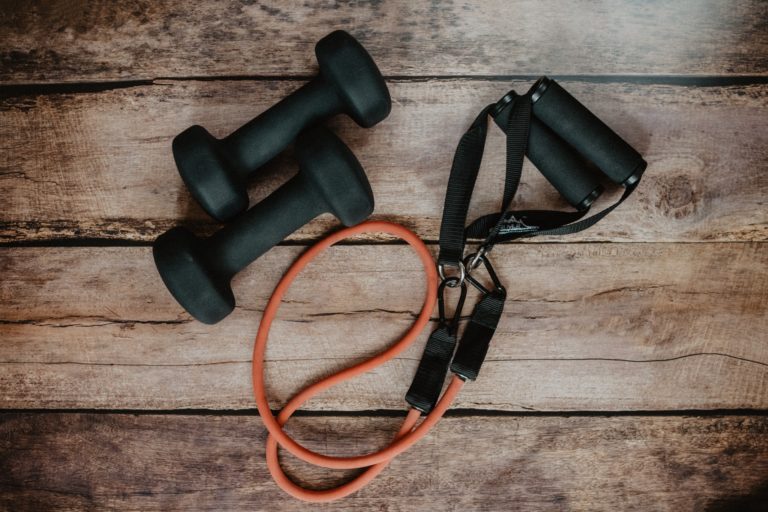
  • Strength Training: Crucial for maintaining muscle mass (which naturally declines with age) and supporting bone density. Aim for 2-3 sessions per week, using weights, resistance bands, or bodyweight exercises. This helps boost metabolism and combat weight gain.
  • Cardiovascular Exercise: Activities like brisk walking, jogging, swimming, or cycling improve heart health, boost mood, and can help manage stress. Aim for at least 150 minutes of moderate-intensity cardio per week.
  • Mind-Body Practices: Yoga, Pilates, and Tai Chi can improve flexibility, balance, and core strength, while also promoting relaxation and stress reduction.
  • Consistency is Key: Even short, regular bursts of activity are more beneficial than sporadic intense workouts. Find activities you enjoy to make it sustainable.

Stress Management: Taming the Inner Turmoil

Stress can amplify perimenopause symptoms, creating a vicious cycle. Prioritizing stress reduction is vital.

  • Mindfulness & Meditation: Even 10-15 minutes a day can significantly reduce anxiety and improve your ability to cope. Apps like Calm or Headspace offer guided meditations.

  • Deep Breathing Exercises: Simple yet powerful. Practicing diaphragmatic breathing can calm your nervous system instantly.
  • Prioritize Self-Care: Schedule time for hobbies, reading, spending time in nature, or anything that brings you joy and helps you de-stress. Learn to set boundaries.
  • Adequate Rest: While challenging with sleep disturbances, prioritizing relaxation before bed can make a difference.

Sleep Hygiene: Reclaiming Your Rest

Quality sleep is foundational to managing mood, energy, and overall health.

  • Consistent Sleep Schedule: Go to bed and wake up at the same time every day, even on weekends.
  • Optimize Your Sleep Environment: Keep your bedroom cool, dark, and quiet. Consider a fan or cooling mattress pad for night sweats.
  • Evening Routine: Wind down with a relaxing activity like reading, a warm bath, or gentle stretching. Avoid screens (phones, tablets, TVs) at least an hour before bed.
  • Limit Stimulants: Cut off caffeine and alcohol several hours before bedtime.
  • Magnesium Supplement: Many women find magnesium glycinate or citrate taken before bed can aid relaxation and sleep. Always discuss supplements with your doctor.

Vaginal Health: Restoring Comfort & Intimacy

Don’t suffer in silence with vaginal dryness or discomfort. There are effective solutions:

  • Over-the-Counter Vaginal Moisturizers: Applied regularly (not just before sex), these can improve tissue hydration and elasticity. Look for brands like Replens, Revaree, or Hyalo Gyn.
  • Lubricants: Use water-based or silicone-based lubricants during sexual activity to reduce friction and discomfort.
  • Local Estrogen Therapy (Prescription): For more severe symptoms, low-dose estrogen creams, rings, or tablets inserted vaginally can be highly effective with minimal systemic absorption. Discuss this with your doctor.
  • Non-Hormonal Oral Medications: Osphena (ospemifene) is an oral medication approved for moderate to severe painful intercourse due to menopause, and Veozah (fezolinetant) for hot flashes may also indirectly improve overall comfort.

By integrating these lifestyle and self-care strategies, you’re not just managing symptoms; you’re actively investing in your long-term health and well-being, paving the way for a vibrant future.

Medical & Complementary Approaches: When to Seek Professional Support

While lifestyle changes are incredibly powerful, there are times when medical or complementary therapies are necessary to effectively manage perimenopause symptoms and maintain your quality of life. Knowing when and how to seek professional support is key to your well-being in 2026 and beyond.

When to Talk to Your Doctor

It’s always a good idea to discuss your symptoms with your healthcare provider, especially if:

  • Symptoms are severely impacting your quality of life: If hot flashes, sleep disturbances, mood swings, or other symptoms are making it difficult to function at work, home, or enjoy daily activities.
  • You experience heavy or prolonged bleeding: While irregular periods are common, excessively heavy bleeding, bleeding between periods, or bleeding after sex should always be evaluated to rule out other conditions.
  • You have concerns about specific symptoms: Any new or worsening symptom that worries you warrants a conversation with your doctor.
  • You want to explore prescription options: If lifestyle changes aren’t enough, your doctor can discuss medical interventions.
  • You want to proactively manage future health risks: Perimenopause is a good time to discuss bone density, heart health, and other age-related health screenings.

Hormone Replacement Therapy (HRT) / Menopausal Hormone Therapy (MHT)

HRT, now often referred to as Menopausal Hormone Therapy (MHT), is the most effective treatment for many perimenopausal symptoms, particularly hot flashes and night sweats, and can also help with vaginal dryness and bone density. It involves taking estrogen, sometimes combined with progesterone, to replenish declining hormone levels.

  • Benefits: Significant relief from hot flashes and night sweats, improved sleep, reduced vaginal dryness, better mood, and protection against bone loss (osteoporosis).
  • Risks: The risks and benefits of MHT are highly individualized and depend on your age, time since menopause, dose, type of hormones, and personal health history. Early concerns from the Women’s Health Initiative (WHI) study have been largely clarified; for most healthy women starting MHT close to menopause (under age 60 or within 10 years of menopause onset), the benefits often outweigh the risks.
  • Discussion is Key: It’s crucial to have an in-depth conversation with a knowledgeable healthcare provider to determine if MHT is right for you, considering your personal risk factors and symptom severity.

Non-Hormonal Prescription Options

For women who cannot or prefer not to use MHT, several non-hormonal prescription medications can offer relief:

  • SSRIs & SNRIs: Low-dose antidepressants (Selective Serotonin Reuptake Inhibitors and Serotonin-Norepinephrine Reuptake Inhibitors) like paroxetine, venlafaxine, or desvenlafaxine can effectively reduce hot flashes and improve mood swings.
  • Gabapentin: Primarily an anti-seizure medication, gabapentin has been shown to reduce hot flashes and can also help with sleep.
  • Veozah (Fezolinetant): A newer non-hormonal oral medication approved in 2023, Veozah specifically targets neurokinin 3 (NK3) receptors in the brain to block signals that trigger hot flashes. This is a significant advancement for women seeking non-hormonal relief.
  • Clonidine: An alpha-2 agonist, typically used for high blood pressure, can also help reduce hot flashes for some women.

Complementary Therapies

Many women explore complementary therapies alongside conventional medicine. Always discuss these with your doctor, as some can interact with medications or have side effects.

  • Acupuncture: Some studies suggest acupuncture can help reduce the frequency and severity of hot flashes and improve sleep for certain women.
  • Cognitive Behavioral Therapy (CBT): A type of talk therapy, CBT has strong evidence for improving sleep, reducing the bother of hot flashes, and managing mood symptoms by helping you reframe your thoughts and reactions.
  • Herbal Remedies: Black cohosh, red clover, and dong quai are popular herbal supplements for perimenopause. However, robust scientific evidence for their efficacy is often limited, and quality can vary greatly between products. They can also interact with medications. Always use caution and consult your doctor before trying any herbal supplement.

Finding the Right Healthcare Provider

It’s essential to find a healthcare provider who is knowledgeable and empathetic about perimenopause. Look for practitioners who are certified by organizations like the North American Menopause Society (NAMS) or who specialize in women’s midlife health. Don’t hesitate to seek a second opinion and advocate for your needs until you find a provider who truly listens and partners with you in your care.

Building Your Perimenopause Support System for 2026 and Beyond

Navigating perimenopause is a journey, and like any significant life transition, it’s easier and more empowering when you have a strong support system. You don’t have to go through this alone. Building a network of understanding individuals and resources can make a profound difference in your experience for 2026 and all the years to come.

Connecting with Others: Shared Experiences, Shared Strength

  • Join Support Groups: Look for online forums, social media groups, or local in-person support groups dedicated to perimenopause and menopause. Hearing from others who are going through similar experiences can be incredibly validating and provide a sense of community. Veralyn Media’s own community platforms are a great place to start!
  • Talk to Friends and Family: Open up to trusted friends, sisters, or cousins who may be experiencing similar changes or have already gone through them. Sharing stories and tips can be a source of comfort and practical advice.
  • Normalize the Conversation: The more we talk about perimenopause openly, the less stigmatized and isolating it becomes. Your willingness to share can empower others to do the same.

Educating Loved Ones: Fostering Understanding

Sometimes, the people closest to us – partners, children, parents – don’t understand what’s happening. Their lack of understanding can lead to frustration, conflict, or feeling unheard. Take the time to educate them:

  • Share Resources: Direct them to reputable articles (like this one!), books, or podcasts that explain perimenopause in an accessible way.
  • Communicate Your Needs: Clearly explain how you’re feeling and what you need. For example, “I’m experiencing intense hot flashes, so I need the bedroom to be cooler tonight,” or “My mood swings are part of a hormonal shift, please be patient with me.”
  • Ask for Support: Be specific about how they can help, whether it’s taking on more chores during your low energy days, offering emotional reassurance, or simply listening without judgment.

Self-Compassion: Be Kind to Yourself

This phase of life can be challenging, both physically and emotionally. It’s easy to be critical of yourself when you feel unlike your usual self. Practice self-compassion:

  • Acknowledge Your Feelings: It’s okay to feel frustrated, sad, or overwhelmed. Don’t judge your emotions.
  • Treat Yourself with Kindness: Imagine how you’d treat a dear friend going through this. Extend that same kindness to yourself.
  • Celebrate Your Resilience: You are navigating significant changes with strength and adaptability. Acknowledge your efforts and celebrate your resilience.

Proactive Planning: Investing in Your Future Health

Perimenopause is an ideal time to be proactive about your long-term health, as it’s a period of increased risk for certain conditions:

  • Regular Check-ups: Don’t skip your annual physicals. Discuss blood pressure, cholesterol, and blood sugar levels.
  • Bone Density Screening: Talk to your doctor about when to start bone density screenings (DEXA scans), especially if you have risk factors for osteoporosis.
  • Heart Health Monitoring: Estrogen plays a protective role in heart health, so its decline can increase cardiovascular risk. Maintain a heart-healthy lifestyle and discuss any concerns with your doctor.
  • Review Medications: As your body changes, so might the way it processes medications. Regularly review all prescriptions and supplements with your doctor.

Remember, perimenopause is not a decline; it’s a powerful transformation. It’s an invitation to reassess, reprioritize, and redefine what well-being means for you in this new chapter. With knowledge, self-care, and a strong support system, you can navigate this transition with confidence and emerge feeling empowered and vibrant.

Frequently Asked Questions

Q1: How do I know if I’m in perimenopause or just stressed?
1: It can be tricky, as many perimenopause symptoms (like fatigue, mood swings, and sleep issues) overlap with stress symptoms. However, key indicators of perimenopause include irregular periods (changes in cycle length, flow, or missed periods) and new or worsening hot flashes/night sweats. If you’re experiencing these alongside other symptoms, especially if you’re in your late 30s or 40s, it’s highly likely to be perimenopause. A conversation with your doctor can help differentiate and rule out other conditions.
Q2: Can I get pregnant during perimenopause?
2: Yes, absolutely! While fertility declines during perimenopause due to less frequent ovulation and fewer viable eggs, it is still possible to get pregnant until you have officially reached menopause (12 consecutive months without a period). If you wish to avoid pregnancy, it’s crucial to continue using contraception throughout perimenopause until your doctor confirms you are postmenopausal.
Q3: What’s the difference between perimenopause and menopause?
3: Perimenopause is the transitional phase leading up to menopause, characterized by fluctuating hormones and symptoms. Menopause, on the other hand, is a specific point in time: it’s officially diagnosed after you’ve gone 12 consecutive months without a menstrual period. Once you’ve reached menopause, you are considered postmenopausal for the rest of your life.
Q4: Are there any supplements I should be taking for perimenopause?
4: While a balanced diet is always the priority, certain supplements can be beneficial, but it’s essential to discuss them with your doctor. Common recommendations include Vitamin D and Calcium for bone health, Omega-3 fatty acids for mood and inflammation, and Magnesium for sleep and muscle relaxation. Some women explore herbal options like Black Cohosh, but evidence for efficacy varies, and they can interact with medications. Always prioritize professional medical advice.
Q5: How long does perimenopause typically last?
5: The duration of perimenopause varies significantly from woman to woman. On average, it lasts about 4 to 8 years, but it can be as short as a few months or extend for over a decade. The length is influenced by various factors, including genetics, smoking status, and overall health. Remember, it’s a gradual process, and your journey is unique.