Understanding the Foundation of Glowing Skin: Beyond the Surface
Achieving truly glowing skin extends far beyond the surface. While the products we apply externally play a role, the profound truth is that our skin is a mirror reflecting our internal health, lifestyle, and emotional well-being. It’s the body’s largest organ, a complex and dynamic system constantly working to protect us, regulate temperature, and eliminate toxins. When our internal systems are balanced, our skin naturally exhibits a vibrant, healthy glow. Conversely, imbalances, stress, and poor nutrition often manifest as dullness, breakouts, or premature aging.
Understanding this intrinsic connection is the first step towards a sustainable, natural skincare journey. For instance, the elasticity, hydration, and cellular regeneration of our skin are deeply influenced by our diet, sleep patterns, and stress levels. A skin cell’s journey from its genesis in the deepest layer of the epidermis to its eventual shedding takes approximately 28 days (though this slows with age). During this cycle, each cell requires proper nourishment and a supportive environment to mature into a healthy, functional cell. When this process is disrupted, the skin’s barrier function can be compromised, leading to increased sensitivity, dryness, or a propensity for blemishes.
This holistic perspective aligns perfectly with the broader Womens Health Tips Every Woman Should Know, emphasizing that our skin is often the first visible indicator of our body’s internal state. For example, hormonal fluctuations, which are a significant aspect of women’s health, can dramatically impact skin appearance, leading to acne or increased oiliness. Addressing these internal factors, rather than merely treating the symptoms on the surface, is key to cultivating lasting radiance. Therefore, our approach to natural skincare is not just about choosing botanical ingredients; it’s about nurturing your entire being to allow your skin’s inherent luminosity to shine through.
By understanding the skin’s complex physiology and its deep connection to our overall health, we can make more informed choices that support its natural functions. This foundational knowledge empowers us to move beyond superficial fixes and embark on a path towards truly resilient, radiant skin that thrives from within. It encourages us to view skincare not as a chore, but as an integral part of our self-care ritual, contributing to our overall vitality and confidence.
The Power of Nature: Essential Ingredients for Your Skincare Routine
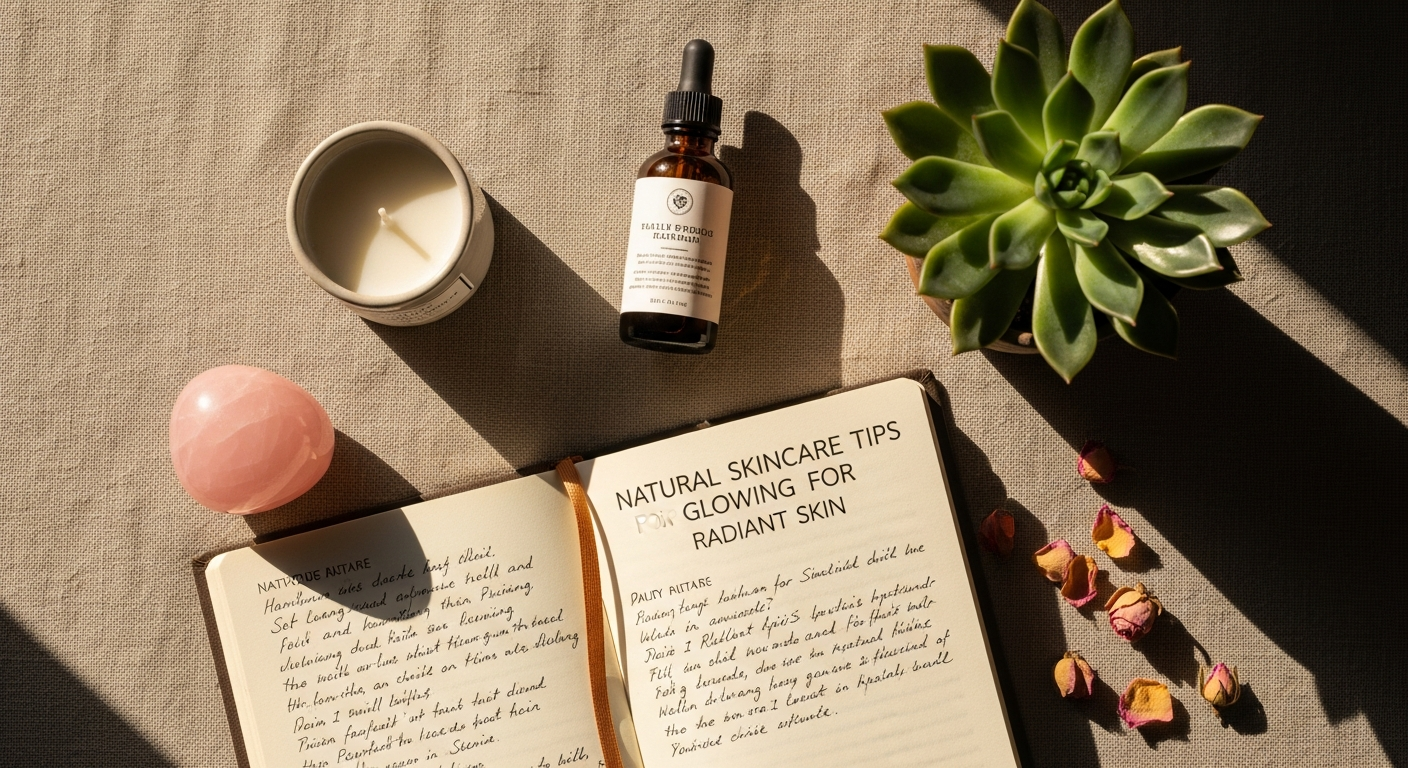
Nature offers an extraordinary apothecary of ingredients, each brimming with unique properties that can nourish, protect, and revitalize your skin. Moving away from synthetic chemicals towards these potent botanicals is a cornerstone of achieving naturally glowing skin. Here are some indispensable natural ingredients and their remarkable benefits:
- Aloe Vera: Renowned for its soothing and healing properties, aloe vera gel is a miracle worker for irritated or sunburned skin. It’s rich in antioxidants, enzymes, and vitamins A and C, offering anti-inflammatory and moisturizing benefits without clogging pores. Use it directly from the plant or opt for a pure, organic gel.
- Rosehip Oil: A true powerhouse for skin regeneration, rosehip oil is packed with essential fatty acids (omega-3 and omega-6), vitamin A (retinoic acid), and vitamin C. It’s excellent for reducing the appearance of scars, fine lines, and hyperpigmentation, promoting a more even and radiant complexion. Its deeply nourishing qualities make it ideal for mature or dry skin.
- Green Tea: More than just a refreshing beverage, green tea is a potent antioxidant. When applied topically, its polyphenols (catechins) help combat free radical damage, reduce inflammation, and may even protect against UV radiation. Use cooled green tea as a toner or incorporate its extract into DIY masks.
- Turmeric: This vibrant spice is celebrated in Ayurvedic medicine for its anti-inflammatory and antiseptic properties. Curcumin, its active compound, can help reduce redness, soothe breakouts, and even out skin tone, giving an undeniable glow. Always use in moderation and combine with a carrier like yogurt or honey to prevent temporary staining.
- Raw Honey: A natural humectant, honey draws moisture from the air into the skin, providing deep hydration. It’s also a natural antiseptic and antibacterial, making it excellent for acne-prone skin. Its gentle exfoliating enzymes leave skin soft and supple.
- Oatmeal: Colloidal oatmeal has been used for centuries to soothe irritated, itchy, and inflamed skin. Its anti-inflammatory and antioxidant compounds, along with its gentle exfoliating texture, make it perfect for sensitive skin, helping to calm redness and restore the skin’s barrier.
- Witch Hazel: A natural astringent, witch hazel can help tighten pores, reduce oiliness, and calm inflammation. Opt for an alcohol-free version to avoid excessive drying, making it a great toner for oily or combination skin.
- Jojoba Oil: Uniquely similar to the skin’s natural sebum, jojoba oil is incredibly balancing. It moisturizes dry skin without feeling greasy and can help regulate oil production in oily skin types. It’s non-comedogenic and rich in vitamins E and B, making it suitable for almost all skin types.
- Apple Cider Vinegar (ACV): When diluted, ACV can serve as a natural toner, helping to balance the skin’s pH, gently exfoliate, and fight bacteria. Its alpha-hydroxy acids (AHAs) can improve skin texture and brightness. Always dilute it with water (1 part ACV to 3-4 parts water).
- Clay (Bentonite, Kaolin, Rhassoul): Clays are excellent for detoxifying and purifying the skin. They draw out impurities, absorb excess oil, and gently exfoliate, leaving the skin feeling clean and refreshed. Different clays suit different skin types; for example, kaolin is milder for sensitive skin, while bentonite is more potent for oily/acne-prone skin.
When incorporating these ingredients, always prioritize organic, unrefined versions to ensure maximum potency and purity. Perform a patch test before applying new ingredients generously, especially if you have sensitive skin or known allergies. The beauty of natural ingredients lies in their synergy, allowing you to create customized routines that truly cater to your skin’s unique needs, leading to a radiant, healthy complexion in 2026 and beyond.
Crafting Your Natural Skincare Routine: Step-by-Step Guide
1. Gentle Cleansing: The First Step to Purity
- Purpose: To remove dirt, makeup, excess oil, and impurities without stripping the skin of its natural moisture.
- Natural Choices:
- Oil Cleansing: Use a blend of natural oils like jojoba, sweet almond, or olive oil to dissolve impurities. Massage into dry skin, then gently wipe away with a warm, damp cloth. This method is incredibly effective and non-drying.
- Honey Cleanser: Raw honey can be used as a gentle, antibacterial cleanser. Massage a small amount onto damp skin and rinse.
- Oatmeal Cleanser: Mix finely ground oatmeal with water or milk to form a paste. Gently cleanse and rinse, especially good for sensitive skin.
- Frequency: Twice daily (morning and evening).
2. Toning: Balancing and Preparing
- Purpose: To restore the skin’s pH balance after cleansing, remove any residual impurities, and prepare the skin to absorb subsequent treatments.
- Natural Choices:
- Rosewater: A classic choice, known for its hydrating, soothing, and mildly astringent properties.
- Diluted Apple Cider Vinegar (ACV): Mix 1 part organic ACV with 3-4 parts distilled water. Excellent for balancing pH, gentle exfoliation, and fighting bacteria.
- Green Tea: Brew a cup of green tea, let it cool completely, and use it as a refreshing, antioxidant-rich toner.
- Frequency: Twice daily after cleansing. Apply with a cotton pad or mist directly onto the face.
3. Exfoliation: Unveiling Fresh Skin
- Purpose: To remove dead skin cells, promoting cell turnover, unclogging pores, and revealing brighter, smoother skin.
- Natural Choices:
- Sugar or Coffee Scrubs: Mix fine sugar or coffee grounds with a nourishing oil (e.g., olive, coconut) and a touch of honey. Gently massage in circular motions and rinse.
- Oatmeal Exfoliant: Finely ground oatmeal mixed with yogurt or water provides a very gentle physical exfoliation, suitable for sensitive skin.
- Fruit Enzymes: Papaya or pineapple contain natural enzymes that gently dissolve dead skin cells. Mash a small amount of fruit and apply as a mask for 10-15 minutes.
- Frequency: 1-2 times per week, depending on skin type and sensitivity. Over-exfoliation can damage the skin barrier.
4. Treatments & Serums: Targeted Nourishment
- Purpose: To deliver concentrated active ingredients to address specific concerns like hydration, anti-aging, or blemishes.
- Natural Choices:
- Rosehip Oil: Excellent for anti-aging, scar reduction, and evening skin tone. Apply a few drops directly to the skin.
- Jojoba Oil with Essential Oils: Blend a few drops of skin-benefiting essential oils (e.g., lavender for calming, tea tree for acne, frankincense for regeneration) into a carrier oil like jojoba or argan. Always dilute essential oils properly.
- Aloe Vera Gel: A pure aloe gel can serve as a lightweight, hydrating, and soothing serum, especially for irritated or oily skin.
- Frequency: Daily, typically after toning and before moisturizing.
5. Moisturizing: Locking in Hydration
- Purpose: To hydrate the skin, create a protective barrier, and seal in all the beneficial ingredients applied previously.
- Natural Choices:
- Pure Botanical Oils: Jojoba, argan, sweet almond, or grapeseed oils are excellent moisturizers. Choose based on your skin type (lighter oils for oily skin, richer oils for dry skin).
- Shea Butter or Cocoa Butter: Richer options for very dry skin, especially at night.
- Aloe Vera & Glycerin Mix: For a lighter, oil-free moisturizer, combine pure aloe vera gel with a few drops of vegetable glycerin.
- Frequency: Twice daily after treatments.
6. Sun Protection: Non-Negotiable Shield
- Purpose: To protect the skin from harmful UV radiation, which causes premature aging, sunspots, and increases the risk of skin cancer.
- Natural Choices: While truly natural, broad-spectrum SPF can be challenging to formulate at home, look for mineral-based sunscreens containing zinc oxide and titanium dioxide. These physically block UV rays and are considered safer and more environmentally friendly than chemical filters.
- Frequency: Every morning, 365 days a year, even on cloudy days. Reapply every two hours when exposed to direct sunlight.
Consistency is key to seeing results with any skincare routine, especially natural ones. Listen to your skin, adjust ingredients as needed with changing seasons or concerns, and remember that natural beauty is a journey, not a sprint. Embrace these steps and enjoy the radiant transformation of your skin.
Lifestyle Habits for Luminous Skin: A Holistic Approach

While external applications are important, truly luminous skin stems from a healthy internal environment. Integrating positive lifestyle habits is arguably the most powerful natural skincare tip, aligning perfectly with a holistic approach to women’s health. Here’s how your daily choices profoundly impact your complexion:
1. Nutrition: Fueling Your Glow from Within
A diet rich in whole, unprocessed foods is the bedrock of beautiful skin. This isn’t just one of the crucial Womens Health Tips Every Woman Should Know; it’s the foundation for every cell in your body, including your skin cells. Focus on:
- Antioxidant-Rich Foods: Berries, dark leafy greens (spinach, kale), vibrant vegetables (bell peppers, sweet potatoes), and green tea combat free radical damage, which contributes to premature aging and dullness.
- Healthy Fats: Omega-3 fatty acids found in fatty fish (salmon, mackerel), flaxseeds, chia seeds, and walnuts are crucial for maintaining skin barrier function, reducing inflammation, and keeping skin supple and hydrated.
- Vitamins and Minerals:
- Vitamin C: Essential for collagen production, found in citrus fruits, bell peppers, and broccoli.
- Vitamin E: A powerful antioxidant found in nuts, seeds, and avocados, protecting skin from damage.
- Zinc: Important for wound healing and reducing inflammation, found in legumes, nuts, and seeds.
- Limit Processed Foods, Sugar, and Dairy: These can trigger inflammation and hormonal imbalances, often leading to breakouts and dullness.
2. Hydration: The Elixir of Youth
Water is essential for every bodily function, and skin health is no exception. Adequate water intake helps maintain skin elasticity, plumpness, and overall vitality. Dehydrated skin can look dull, feel tight, and emphasize fine lines.
- Goal: Aim for at least 8 glasses (about 2 liters) of filtered water daily.
- Tip: Incorporate hydrating foods like cucumbers, watermelon, and celery into your diet. Herbal teas also contribute to hydration.
3. Sleep: The Ultimate Beauty Treatment
The term “beauty sleep” is no myth. During sleep, your body enters a repair and regeneration mode. Skin cells undergo renewal, collagen production increases, and blood flow to the skin improves. Lack of sleep can lead to dull skin, dark circles, puffiness, and a compromised skin barrier.
- Goal: Aim for 7-9 hours of quality, uninterrupted sleep each night.
- Connection: This principle resonates deeply with Fertility Health Tips Women Trying Conceive, where holistic well-being, including adequate sleep, plays a pivotal role in hormonal balance and overall reproductive health, which in turn reflects on skin vitality.
4. Stress Management: Calming Your Complexion
Chronic stress is a known disruptor of skin health, leading to breakouts, dullness, inflammation, and premature aging. When stressed, your body releases cortisol, which can increase oil production, impair skin barrier function, and trigger inflammatory responses.
- Techniques:
- Mindfulness and Meditation: Even 10-15 minutes a day can significantly reduce stress levels.
- Yoga and Deep Breathing: Promote relaxation and improve circulation.
- Nature Walks: Spending time outdoors has proven stress-reducing benefits.
- Hobbies and Creative Outlets: Engage in activities you enjoy to distract from stressors.
- Practical Integration: Even in seemingly unrelated areas like How To Set Up Family Home Office, creating a serene, organized, and ergonomic environment can significantly reduce daily stressors associated with work. A clutter-free space with good lighting and comfortable seating contributes to mental well-being, indirectly leading to lower cortisol levels and clearer, more radiant skin.
5. Regular Exercise: Boosting Circulation and Detoxification
Physical activity increases blood flow, which delivers vital oxygen and nutrients to skin cells while helping to carry away waste products and toxins. This improved circulation gives your skin a healthy flush and contributes to a more vibrant complexion.
- Tip: Always cleanse your face after working out to prevent sweat and bacteria from clogging pores.
By consciously integrating these lifestyle habits into your daily routine, you’re not just practicing natural skincare; you’re investing in your overall health and well-being. The result is not just a temporary glow, but a lasting radiance that emanates from within, embodying true vitality for 2026 and beyond.
DIY Skincare Recipes for Radiant Results
Creating your own natural skincare products is empowering, cost-effective, and ensures you know exactly what’s going onto your skin. Here are some simple yet effective DIY recipes for a truly radiant complexion:
1. Honey & Oatmeal Soothing & Brightening Mask
This gentle mask is perfect for sensitive skin, offering hydration, mild exfoliation, and anti-inflammatory benefits.
- Ingredients:
- 2 tablespoons finely ground colloidal oatmeal (ensure it’s not instant oatmeal with added sugars)
- 1 tablespoon raw honey
- 1-2 tablespoons warm milk (dairy or non-dairy) or water
- Instructions:
- In a small bowl, combine the ground oatmeal and raw honey.
- Gradually add warm milk or water, stirring until you form a smooth, spreadable paste. Adjust liquid as needed.
- Apply an even layer to a clean, dry face, avoiding the eye area.
- Leave on for 15-20 minutes.
- Gently rinse off with warm water, using circular motions to provide a light exfoliation. Pat dry.
- Benefits: Soothes irritation, hydrates, gently exfoliates, and brightens the complexion.
2. Turmeric & Yogurt Clarifying & Glow Mask
Harness the power of turmeric to reduce inflammation and yogurt for gentle exfoliation and brightening.
- Ingredients:
- 1 teaspoon organic turmeric powder
- 2 tablespoons plain, unsweetened yogurt (full-fat Greek yogurt is excellent for extra hydration)
- 1/2 teaspoon raw honey (optional, for extra hydration and antibacterial properties)
- Instructions:
- Mix all ingredients in a non-metallic bowl until a smooth paste forms.
- Apply to a clean face, being careful as turmeric can temporarily stain skin (use an old headband to protect hairline).
- Leave on for 10-15 minutes. Do not exceed this time, especially if new to turmeric.
- Rinse thoroughly with cool water. If a slight yellow tint remains, use a gentle cleanser or wipe with a cotton pad soaked in milk.
- Benefits: Anti-inflammatory, reduces redness, brightens skin tone, and offers gentle exfoliation.
3. Coffee & Coconut Oil Invigorating Body Scrub
This scrub helps to exfoliate dead skin, improve circulation, and temporarily reduce the appearance of cellulite due to caffeine.
- Ingredients:
- 1/2 cup used coffee grounds (freshly ground also works)
- 1/4 cup extra virgin coconut oil (melted if solid)
- 1 tablespoon brown sugar (optional, for extra exfoliation)
- Instructions:
- In a bowl, combine coffee grounds, melted coconut oil, and brown sugar (if using). Mix well to form a thick paste.
- In the shower, apply the scrub to damp skin, massaging in firm, circular motions, focusing on areas like elbows, knees, and thighs.
- Rinse thoroughly with warm water. The coconut oil will leave your skin feeling moisturized.
- Be cautious as the shower floor can become slippery.
- Benefits: Exfoliates, boosts circulation, leaves skin smooth and moisturized.
4. Rosewater & Glycerin Hydrating Facial Mist/Toner
A simple, refreshing mist to hydrate and tone your skin throughout the day.
- Ingredients:
- 1/2 cup pure rosewater (ensure it’s 100% pure, no additives)
- 1 teaspoon vegetable glycerin
- Small spray bottle (sterilized)
- Instructions:
- Pour rosewater into the clean spray bottle.
- Add vegetable glycerin.
- Shake well before each use to combine the ingredients.
- Store in a cool, dark place. Use within 2-3 weeks.
- Benefits: Hydrates, soothes, balances skin pH, and refreshes.
5. Avocado & Olive Oil Deep Conditioning Hair Mask
While not for the face, healthy hair often complements glowing skin. This mask deeply nourishes and adds shine.
- Ingredients:
- 1 ripe avocado
- 1 tablespoon extra virgin olive oil
- 1 tablespoon raw honey (optional)
- Instructions:
- Mash the ripe avocado in a bowl until completely smooth (no chunks).
- Mix in the olive oil and honey (if using) until well combined.
- Apply the mask to damp hair, focusing on mid-lengths and ends.
- Leave on for 20-30 minutes. For deeper conditioning, cover with a shower cap.
- Rinse thoroughly with warm water, then shampoo and condition as usual.
- Benefits: Deeply moisturizes, strengthens hair, adds shine, and reduces frizz.
Always patch test new DIY recipes on a small area of skin before full application. Discard any unused portions of fresh masks or scrubs after 1-2 uses, as they lack preservatives and can spoil. For the best results in 2026, embrace the joy of crafting your own natural beauty solutions!
Protecting Your Glow: Environmental Factors and Prevention
Achieving glowing skin isn’t just about what you put on it or in your body; it’s also crucially about protecting it from external aggressors. Environmental factors play a significant role in skin health, often contributing to premature aging, dullness, and various skin concerns. Understanding these threats and implementing preventive measures is a vital part of any natural skincare regimen.
1. Sun Exposure: The Primary Culprit
Ultraviolet (UV) radiation from the sun is the single biggest external factor contributing to skin damage. It causes:
- Premature Aging: UV rays break down collagen and elastin, leading to fine lines, wrinkles, and sagging.
- Hyperpigmentation: Sun exposure triggers melanin production, resulting in sunspots, age spots, and uneven skin tone.
- Skin Cancer: Prolonged and unprotected exposure significantly increases the risk of various forms of skin cancer.
Prevention Strategies:
- Daily Sunscreen: Apply a broad-spectrum mineral sunscreen (containing zinc oxide and/or titanium dioxide) with an SPF of 30 or higher every single day, regardless of weather. Reapply every two hours when outdoors.
- Seek Shade: Avoid peak sun hours (typically 10 AM to 4 PM).
- Protective Clothing: Wear wide-brimmed hats, sunglasses, and UV-protective clothing when spending extended time outdoors.
- Antioxidant Support: Incorporate topical antioxidants (like Vitamin C serum or green tea extract) into your routine, as they can help neutralize free radicals generated by sun exposure, though they are NOT a substitute for sunscreen.
2. Pollution: The Invisible Threat
Air pollution, including particulate matter, nitrogen dioxide, and ozone, can have detrimental effects on the skin, especially for those living in urban environments. Pollution can:
- Generate Free Radicals: Leading to oxidative stress and cellular damage.
- Inflammation: Triggering redness, sensitivity, and exacerbating conditions like acne and eczema.
- Compromise Skin Barrier: Making skin more vulnerable to irritants and moisture loss.
- Cause Premature Aging: Contributing to collagen breakdown and dark spots.
Prevention Strategies:
- Thorough Cleansing: Always cleanse your face thoroughly in the evening to remove accumulated pollutants. Consider a double cleanse if you live in a highly polluted area.
- Antioxidant-Rich Skincare: Use serums and moisturizers packed with antioxidants (Vitamin C, E, ferulic acid, green tea, niacinamide) to build a defense against free radical damage.
- Strengthen Skin Barrier: Use emollients and ceramides to fortify your skin’s natural protective barrier, making it more resilient to environmental stressors.
3. Seasonal Adjustments: Adapting Your Routine
Your skin’s needs can change significantly with the seasons. What works in summer might not be ideal for winter, and vice-versa.
- Winter: Cold, dry air and indoor heating can strip moisture. Focus on richer, more emollient moisturizers (e.g., shea butter, heavier oils), gentle cleansers, and hydrating serums. Avoid over-exfoliation.
- Summer: Increased humidity and sun exposure. Opt for lighter, non-comedogenic moisturizers, frequent sunscreen application, and antioxidant serums. Gentle exfoliation can help manage excess oil.
- Spring/Autumn: These transitional seasons are good times to gradually adjust your routine, incorporating elements of both summer and winter care as needed.
By
Recommended Resources
Explore What Is Hair Porosity And Why It Matters For Hair Care for additional insights.
For more on natural skincare tips, see How To Set Boundaries In Relationships on Rock Salt Plum.