
The Foundational Power of “No”: Why It’s Essential for Women’s Well-being
For generations, women have been subtly, and sometimes overtly, conditioned to be the caregivers, the peacekeepers, the perpetual givers. This conditioning, while often rooted in good intentions, frequently leads to an unsustainable pattern of self-sacrifice, where our own needs are consistently relegated to the bottom of the priority list. The groundbreaking work highlighted by Emily Schupmann Counseling Associates underscores a vital truth: the word “no” is not an act of selfishness, but an essential tool for self-preservation and empowerment. It is a declaration of your inherent worth, a statement that your time, energy, and emotional reserves are finite and precious.
Societal pressures often dictate that a “good” woman is one who is constantly available, agreeable, and accommodating. This pervasive narrative can make saying “no” feel fraught with guilt, fear of disappointing others, or even anxiety about being perceived as uncooperative. However, consistently overriding your own needs in favor of others leads to a cascade of negative consequences: chronic stress, burnout, resentment, and a profound sense of depletion. Mentally and emotionally, this continuous drain can manifest as anxiety, depression, and a diminished capacity for joy. Physically, the stress response can impact everything from sleep quality and immune function to digestive health.
Learning to say “no” is, at its core, an act of energy preservation. Imagine your personal energy as a finite resource, like a battery. Every request, every commitment, every unreciprocated effort draws power from that battery. If you’re constantly saying “yes” to things that don’t align with your values, your capacity, or your current well-being, you’re depleting your charge at an alarming rate. Emily Schupmann’s insights encourage us to recognize that saying “no” to one thing often means saying “yes” to something more important: your health, your peace of mind, your creative pursuits, or quality time with loved ones. It creates space for genuine connection and authentic engagement, rather than forced participation driven by obligation. This isn’t about being unhelpful; it’s about being strategic with your most valuable resource – yourself. It’s about understanding that a well-rested, emotionally balanced woman is far more capable of contributing positively to her community and family than one teetering on the brink of exhaustion. This foundational understanding is the first step in redefining self-care and establishing robust boundaries that serve to protect and nourish your spirit.
Redefining Self-Care Beyond Bubble Baths: Practical Strategies for Real Life
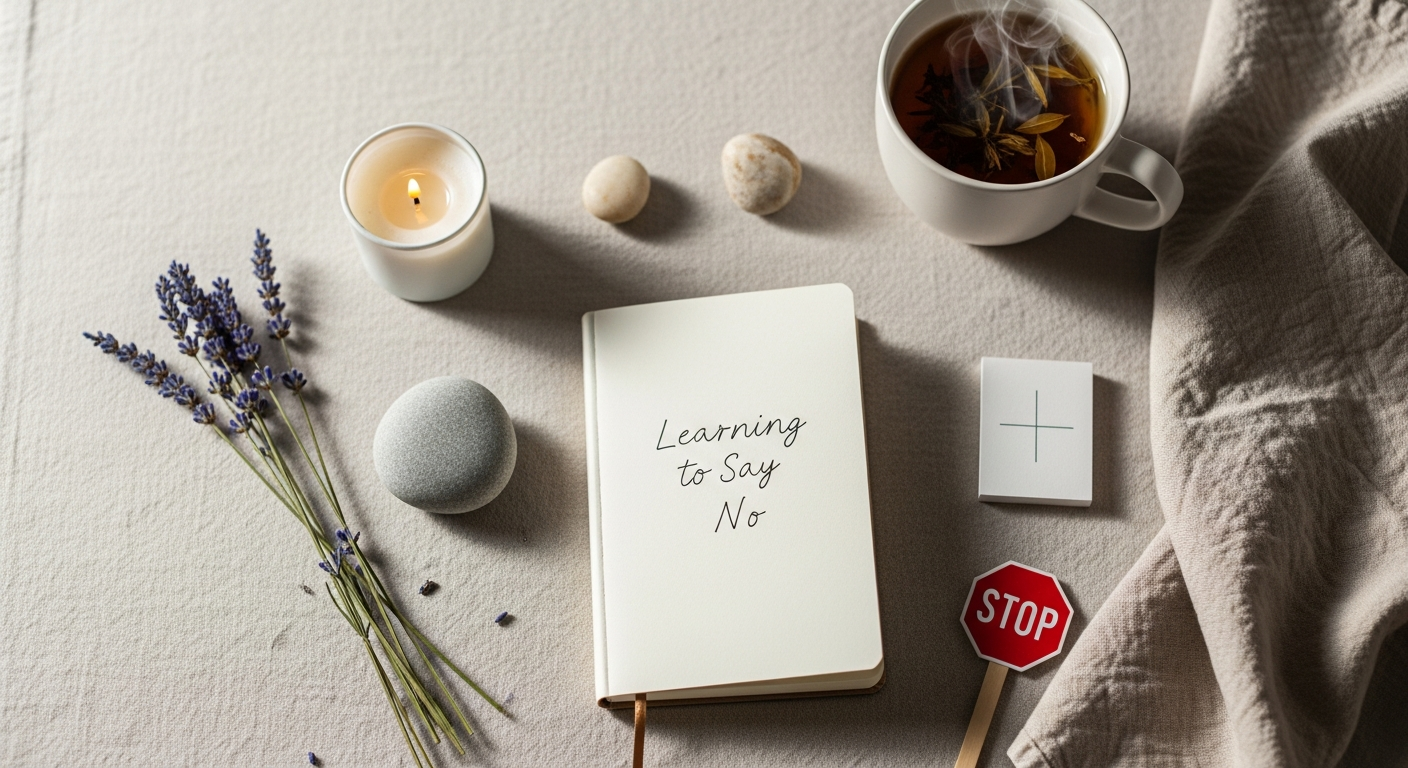
When we hear the term “self-care,” many of us conjure images of luxurious spa days, decadent treats, or uninterrupted quiet time. While these moments of indulgence certainly have their place, the concept of self-care, as championed by experts like Emily Schupmann Counseling Associates, extends far beyond superficial pampering. True self-care is a profound, proactive commitment to nurturing your physical, mental, emotional, and spiritual well-being, integrated seamlessly into the fabric of your daily life. It’s about sustainable practices that replenish your reserves, not just temporary fixes that mask deeper depletion.
Challenging common misconceptions, effective self-care isn’t a reward you earn after you’ve exhausted yourself; it’s a preventative measure, a non-negotiable part of maintaining your overall health. It’s the daily discipline that ensures you have the energy, resilience, and mental clarity to navigate life’s challenges. For example, proactive self-care includes:
- Prioritizing Quality Sleep: Establishing a consistent sleep schedule, creating a restful bedroom environment, and winding down before bed are fundamental. Sleep deprivation impacts mood, cognitive function, and physical health, making it impossible to truly thrive.
- Nourishing Your Body: Fueling yourself with nutrient-dense foods, staying hydrated, and listening to your body’s hunger and fullness cues are acts of self-love. It’s about mindful eating, not restrictive dieting.
- Engaging in Mindful Movement: Finding physical activities you genuinely enjoy – whether it’s a brisk walk, yoga, dancing, or strength training – helps release tension, boost mood, and improve energy levels. It’s movement for well-being, not just weight loss.
- Practicing Mindfulness and Meditation: Taking even a few minutes each day to focus on your breath, observe your thoughts without judgment, or engage in a guided meditation can significantly reduce stress and enhance emotional regulation.
- Cultivating Connection (and Disconnection): Fostering meaningful relationships that uplift you, while also recognizing when to disconnect from draining interactions or digital overload, is crucial for emotional health.
Crucially, as Emily Schupmann’s work emphasizes, saying “no” is itself a powerful form of self-care. When you decline an invitation that stretches you too thin, delegate a task that isn’t yours to bear, or protect a block of time for personal rejuvenation, you are actively choosing your well-being. This intentional prioritization prevents the slow erosion of your energy and enthusiasm. It’s about setting boundaries around your time and energy, recognizing that you are worthy of protection and replenishment. Just as you might meticulously plan for a home renovation, considering the dos and don’ts to avoid costly mistakes and unnecessary stress, self-care requires a similar level of intentional planning and adherence. It’s about building a robust foundation for your life, ensuring that you have the internal resources to face whatever comes your way, rather than constantly trying to patch up cracks from the outside. True self-care isn’t selfish; it’s foundational.
Setting Healthy Boundaries: A Blueprint for Harmonious Relationships
Boundaries are not about controlling others; they are about taking responsibility for your own well-being and clearly articulating your needs. Think of them as the property lines of your personal space. Just as you wouldn’t want someone encroaching on your physical property, your emotional and temporal property also needs clear demarcation. There are several types of boundaries, and understanding them is the first step in setting them:
- Physical Boundaries: These relate to your personal space, touch, and privacy. For example, not wanting unexpected visitors, or needing a certain amount of personal space in a crowd.
- Emotional Boundaries: These protect your feelings and emotional energy. This might mean not engaging in conversations that are consistently critical or draining, or not taking responsibility for others’ emotions.
- Time Boundaries: These define how you allocate your time and energy. Saying “no” to extra commitments, setting working hours, or reserving specific times for personal activities fall under this category.
- Intellectual Boundaries: These protect your thoughts, opinions, and beliefs. It means being able to hold different opinions without feeling invalidated or pressured to change your mind.
- Material/Financial Boundaries: These relate to your possessions and money. It could be lending rules, financial transparency in relationships, or not feeling obligated to share your resources.
Setting and communicating boundaries effectively requires clarity, consistency, and kindness. Here are actionable steps:
- Identify Your Needs: Before you can set a boundary, you need to understand what you need to feel safe, respected, and balanced. What situations or requests consistently leave you feeling drained or resentful?
- Communicate Clearly and Concisely: State your boundary directly, calmly, and without apology. Use “I” statements. For example, instead of “You always ask me to do too much,” try “I’m unable to take on that task right now because I need to prioritize my own commitments.”
- Be Consistent: Boundaries are only effective if they are consistently upheld. If you set a boundary and then repeatedly allow it to be crossed, it loses its power.
- Anticipate Pushback: Not everyone will react positively to your new boundaries, especially if they’re used to you being more accommodating. Be prepared for potential guilt trips, arguments, or attempts to test your resolve. This is where your inner strength comes into play.
- Reinforce with Actions: Sometimes, actions speak louder than words. If a boundary is repeatedly ignored, you may need to follow through with the consequences you’ve communicated.
Consider the parallel with a family RV road trip. To ensure everyone enjoys the journey and avoids cabin fever, families often set clear boundaries: who drives when, designated quiet times, rules about personal space, and shared responsibilities for chores. These aren’t meant to restrict freedom but to create a harmonious environment for all. Similarly, in a home renovation project, clear boundaries with contractors regarding work hours, noise levels, and clean-up expectations prevent stress and misunderstandings. These are practical examples of how defining limits leads to better outcomes and less friction. By embracing the wisdom from Emily Schupmann Counseling Associates, we learn that healthy boundaries are not just about protecting ourselves; they are about fostering mutual respect and building relationships that are truly supportive and sustainable.
Navigating Challenges: Guilt, Fear, and the Art of Gentle Assertion

The journey of learning to say “no” and establishing firm boundaries, as illuminated by Emily Schupmann Counseling Associates, is rarely without its hurdles. For many women, the most significant obstacles aren’t external pressures but internal struggles: the pervasive pang of guilt, the gnawing fear of disappointing others, and the apprehension of potential conflict or rejection. These deeply ingrained emotional responses can make asserting our needs feel like an uphill battle, often leading us to retreat and revert to old patterns of people-pleasing.
Guilt is perhaps the most insidious challenge. We may feel guilty for not being “nice enough,” for letting someone down, or for prioritizing our own needs over someone else’s request. This guilt often stems from deeply held beliefs about our role as women – to nurture, to serve, to be agreeable. It’s crucial to challenge these beliefs. Remind yourself that you are not responsible for other people’s feelings or reactions to your boundaries. Your primary responsibility is to yourself and your well-being. Saying “no” to an external request means saying “yes” to your internal peace, your energy, and your capacity to show up authentically where it truly matters.
Fear of rejection or conflict is another powerful deterrent. We worry that setting boundaries might strain relationships, lead to arguments, or even result in people withdrawing from our lives. While some people may indeed react negatively, it’s important to differentiate between those who respect your boundaries and those who benefit from your lack thereof. True friends and supportive partners will understand and respect your need for self-preservation. Those who consistently push back or manipulate you into abandoning your boundaries may not be serving your highest good, and their reaction can be a painful but illuminating indicator of the health of that relationship.
The “art of gentle assertion” lies in communicating your boundaries with a blend of firmness, clarity, and compassion – both for yourself and for the other person. This isn’t about being aggressive or defensive; it’s about being direct and respectful. Here are some techniques and scripts to help you navigate these challenging conversations:
- The “No, But” or “No, And” Approach: You can decline without burning bridges. “I appreciate you thinking of me, but I’m unable to take on any new projects right now.” Or, “I can’t commit to that, and I hope you understand that I need to protect my time for my current priorities.“
- Set Expectations Proactively: Don’t wait until you’re overwhelmed. “I’m only available for work communication during business hours, so I’ll respond to emails in the morning.“
- Buy Yourself Time: You don’t have to give an immediate answer. “Let me check my schedule and get back to you.” This allows you to assess your capacity without pressure.
- Be Brief and Clear: Avoid over-explaining or apologizing excessively. A simple, “No, I can’t do that,” is often sufficient. The more you explain, the more opportunities you give for negotiation.
- Practice Self-Compassion: It’s okay if you falter sometimes. Learning to set boundaries is a skill that develops over time. Celebrate small victories and be kind to yourself when you slip up. Every attempt is a step forward.
Remember, setting boundaries is an act of profound self-respect. It’s about honoring your truth and preserving your inner peace. Just as you wouldn’t embark on a family RV road trip without clear rules for the road to ensure safety and enjoyment, or start a home renovation without a definitive plan and budget to prevent chaos, you shouldn’t navigate your personal relationships without clear boundaries. Embrace the wisdom of Emily Schupmann Counseling Associates and empower yourself with the gentle yet resolute power of assertion. Your well-being depends on it, and paradoxically, your relationships will flourish as they become grounded in mutual respect rather than obligation.
Integrating Boundaries and Self-Care into a Holistic Lifestyle
The profound insights from Emily Schupmann Counseling Associates regarding “Learning to Say No, Redefining Self-Care and Boundaries” are not meant to be isolated practices; they are foundational pillars for constructing a truly holistic, balanced, and fulfilling life. Integrating these principles into every aspect of your existence transforms them from mere concepts into powerful habits that nourish your mind, body, and spirit. This holistic approach recognizes that our well-being is interconnected, and improvements in one area inevitably ripple out to enhance others. For health-conscious women, this means weaving intentional self-care and robust boundaries into the fabric of daily routines, significant life events, and even long-term planning.
Consider the significant undertaking of a home renovation. This can be a source of immense stress, budget overruns, and relational strain if not managed properly. Applying the principles of boundaries and self-care here is crucial. Before you even pick up a hammer or call a contractor, establish clear boundaries with your family about expectations, noise levels, and shared responsibilities for managing temporary disruptions. Define your “dos and don’ts” for the project: do communicate openly with contractors, don’t allow scope creep without re-evaluating the budget. Do designate specific “off-limits” zones for relaxation or work during the chaos, and don’t neglect your self-care routines amidst the dust and decisions. Perhaps your self-care involves stepping away from the renovation site for a daily walk, or ensuring you have a quiet space to decompress after contractor meetings. Setting financial boundaries is also key; knowing when to say “no” to an expensive upgrade that stretches your budget is an act of financial self-care that prevents future stress.
Similarly, embarking on a family RV road trip, while exciting, demands careful consideration of boundaries and self-care to ensure everyone enjoys the adventure. Confined spaces and constant togetherness can quickly lead to friction without clear rules. Here, boundaries might involve: designated “quiet time” for reading or individual reflection, a rota for driving and chores, respecting personal space within the RV, and agreeing on screen time limits. Self-care on the road could look like ensuring you get enough rest despite varying bedtimes, packing healthy snacks to avoid reliance on fast food, finding moments for meditation amidst scenic views, or simply taking turns to have a solitary walk at a rest stop. Learning to say “no” to an extra stop that pushes everyone past their limits, or to an activity that only one person truly desires, ensures the collective well-being of the group and prevents burnout, making the trip a cherished memory instead of a source of stress.
Even in major life transitions, such as adjusting to retirement, the principles of self-care and boundaries are paramount. Retirement, while often anticipated with joy, presents its own set of challenges, from handling finances to staying on top of your health. The sudden abundance of free time can paradoxically lead to feeling overwhelmed if not managed with intention. Here, setting boundaries means learning to say “no” to over-committing to new social engagements or volunteer opportunities that quickly fill your schedule and leave you feeling just as busy as before. It means setting clear boundaries with adult children or grandchildren about your availability and capacity. Self-care in retirement involves proactively maintaining your health through regular exercise, mindful nutrition, and consistent medical check-ups, as well as nurturing hobbies and social connections that genuinely bring you joy. It’s about designing a life that feels balanced and fulfilling on your terms, rather than simply reacting to external demands. This mindful approach, as advocated by Emily Schupmann Counseling Associates, empowers women to create a vibrant and sustainable post-career chapter, free from the exhaustion of previous years and rich with purpose and personal well-being. By thoughtfully integrating these practices, we don’t just survive; we truly thrive in every season of life.
Empowering Your Journey: Embracing a Life of Deliberate Well-being in 2026
As we navigate the complexities of modern life, the wisdom unveiled by Emily Schupmann Counseling Associates through their latest blog post – “Learning to Say No, Redefining Self-Care and Boundaries” – stands as a beacon for women everywhere. This isn’t merely a set of suggestions; it’s a foundational philosophy for cultivating a life of deliberate well-being. The year 2026 offers a fresh opportunity to integrate these transformative principles into our daily existence, moving beyond the reactive patterns of the past and stepping into an empowered future. It’s about recognizing that our capacity to care for others is directly proportional to the care we first extend to ourselves.
Embracing the power of “no” is an act of reclaiming your personal sovereignty. It’s a conscious decision to protect your most valuable resources: your time, your energy, and your emotional peace. This decisive action clears the path for a more authentic and sustainable form of self-care, one that transcends superficial indulgences and delves into the daily practices that truly nourish your mind, body, and spirit. From prioritizing restorative sleep and mindful movement to nurturing meaningful connections, true self-care becomes a proactive shield against burnout and depletion.
Furthermore, establishing clear, compassionate boundaries is not about creating distance; it’s about fostering respect and integrity within all your relationships. Whether it’s setting expectations during a challenging home renovation, ensuring harmony on a family RV road trip, or gracefully navigating the new rhythms of retirement, well-defined boundaries serve as a blueprint for mutual understanding and a reduction in unnecessary stress. They allow you to engage more fully and joyfully, knowing your limits are honored and your needs are met. The journey may present its challenges – the familiar pangs of guilt, the whispers of fear – but with the tools of gentle assertion and self-compassion, you can navigate these internal landscapes with grace and growing confidence.
At Veralyn Media, we believe that every woman deserves to live a life brimming with vitality, purpose, and genuine connection. The insights from Emily Schupmann Counseling Associates provide a powerful framework for achieving this. By committing to learning to say “no,” redefining your approach to self-care, and establishing robust boundaries, you are not just making small adjustments; you are charting a course toward profound personal liberation. This holistic integration of self-awareness and self-protection empowers you to not only survive the demands of life but to truly thrive within them. Let 2026 be the year you wholeheartedly embrace this journey, building a life that is not just full, but fully yours.
FAQ: Learning to Say No, Redefining Self-Care, and Boundaries
Q1: Why is it so difficult for women to say “no,” and how can I overcome the guilt associated with it?
A1: Many women are conditioned from a young age to be agreeable, nurturing, and accommodating, often leading to a deep-seated fear of disappointing others or being perceived as selfish. Overcoming this guilt involves recognizing that saying “no” to one thing is often saying “yes” to your own well-being, capacity, and priorities. Practice self-compassion, remind yourself that your time and energy are valuable, and understand that you are not responsible for others’ reactions to your boundaries. Start with small “no’s” and gradually build your confidence.
Q2: How does Emily Schupmann Counseling Associates define “self-care” beyond typical indulgences?
A2: Emily Schupmann Counseling Associates emphasizes that true self-care is a proactive, sustainable commitment to nurturing your physical, mental, emotional, and spiritual well-being, integrated into daily life. It extends beyond bubble baths and treats to include foundational practices like prioritizing quality sleep, nourishing your body with healthy food, engaging in mindful movement, practicing mindfulness, and critically, setting healthy boundaries. It’s about consistent actions that prevent depletion, rather than just temporary fixes.
Q3: What are the different types of boundaries I should consider setting in my life?
A3: There are several key types of boundaries: Physical boundaries (personal space, touch), Emotional boundaries (protecting your feelings and energy), Time boundaries (how you allocate your time), Intellectual boundaries (respecting your thoughts and opinions), and Material/Financial boundaries (your possessions and money). Understanding these distinctions helps you identify where you need to establish clearer limits to protect your well-being.
Q4: How can setting boundaries improve my relationships, rather than damage them?
A4: While initially challenging, setting clear boundaries ultimately fosters healthier, more respectful relationships. When you communicate your needs and limits, you teach others how to treat you. This reduces resentment, prevents burnout, and ensures that interactions are based on mutual respect rather than obligation or passive aggression. True friends and partners will value your honesty and respect your space, leading to deeper, more authentic connections. Those who don’t respect your boundaries may not be contributing positively to your life.
Q5: Can you provide an example of how “learning to say no” relates to a practical life scenario, like a home renovation?
A5: Absolutely! During a home renovation, “learning to say no” could mean saying “no” to a contractor’s request for an expensive, unbudgeted upgrade that would stress your finances (financial boundary). It could also mean saying “no” to working late on renovation tasks when you’ve planned essential self-care time, like an evening walk (time boundary). Or, setting a boundary with family members about noise levels or clean-up responsibilities to maintain peace in your living space. These “no’s” prevent overwhelm, financial strain, and ensure your well-being isn’t completely sacrificed during the project.
Q6: How can these principles help me when adjusting to retirement, particularly regarding new commitments and health?
A6: In retirement, “learning to say no” is vital for preventing over-commitment. You might need to say “no” to an overwhelming number of volunteer requests or social engagements that quickly fill your schedule, leaving you feeling just as busy as before. Setting boundaries with family about your availability allows you to protect time for your own interests and rest. For health, self-care involves proactively maintaining exercise routines, healthy eating, and consistent medical check-ups. By consciously saying “no” to things that drain you and “yes” to activities that nourish you, you can design a fulfilling and healthy retirement on your own terms for 2026 and beyond.
Recommended Resources
You might also enjoy Bathroom Decor Ideas from Rock Salt Plum.
Related reading: How To Advance In Your Career As A Woman (Sometimes Daily).