
Protecting Your Sanctuary: The Unseen Dangers of Compromised Trees
Your home is more than just a house; it’s your sanctuary, a place where memories are made, and where you and your loved ones feel safe and secure. Just as we prioritize our personal health to prevent illness and injury, extending that vigilance to the health of our property is an essential aspect of holistic well-being. Compromised trees, whether due to disease, storm damage, old age, or improper growth, pose significant, often unseen, dangers that can threaten this very sense of security. Ignoring these warning signs is akin to ignoring persistent fatigue or unexplained pain – small issues can escalate into major crises.
One of the most immediate and terrifying risks associated with unhealthy trees is the potential for falling branches or, in severe cases, the entire tree collapsing. Imagine a strong gust of wind or a heavy snowstorm, and suddenly a massive limb crashes onto your roof, through a window, or onto your parked car. The financial implications alone can be devastating, leading to extensive repairs, increased insurance premiums, and the stress of dealing with unexpected damage. But beyond the monetary cost, there’s the emotional toll and the very real threat of personal injury. A falling tree could injure family members, pets, or even neighbors, turning your peaceful haven into a scene of distress. Professional tree removal services are equipped to identify these “hazard trees” long before they become an emergency. They look for tell-tale signs such as deep cracks in the trunk, extensive deadwood, significant leaning, or fungal growth, which all indicate structural weakness. By proactively addressing these issues, you eliminate the risk of catastrophic failure, ensuring your property remains a safe haven rather than a potential hazard zone. This proactive approach to property safety mirrors the way we approach our personal health, understanding that early intervention often prevents much larger problems down the line.
Furthermore, unhealthy trees can become magnets for pests and diseases that can spread to other healthy plants on your property, or even find their way into your home. A decaying tree might harbor carpenter ants, termites, or other wood-boring insects, which can then migrate to your house, compromising its structure. Similarly, fungal diseases can spread through spores, affecting neighboring trees and shrubs, creating a ripple effect of decline across your landscape. Professional arborists can assess the specific health of your trees and determine if removal is the best course of action to prevent the spread of these detrimental elements. Their expertise ensures that the problem is not just temporarily contained but thoroughly eliminated, protecting the overall ecological balance and health of your garden and home environment. Investing in professional tree removal is an investment in the long-term health and safety of your entire property, allowing you to maintain the peaceful, secure sanctuary you and your family deserve without the looming worry of unseen dangers.
Beyond Aesthetics: How Professional Tree Removal Boosts Your Property’s Vibrancy
While safety is paramount, the visual impact of your property plays a significant role in your daily enjoyment and overall well-being. Just as a nourishing skincare routine, perhaps even a relaxing facial at home, can rejuvenate your complexion and boost your confidence, maintaining the aesthetic vibrancy of your home’s exterior can profoundly enhance your sense of peace and pride. Dead, diseased, or poorly placed trees can drastically detract from your property’s curb appeal, but professional tree removal goes far beyond mere cosmetic improvement; it’s about fostering a healthier, more vibrant landscape that truly reflects the care you put into your home.
An unhealthy tree is often an eyesore. Its bare branches in spring, sparse foliage in summer, or stark, lifeless presence against a vibrant backdrop can diminish the beauty of your entire yard. It can cast excessive shade, preventing healthy grass and other plants from thriving, leading to patchy lawns and struggling flowerbeds. This imbalance creates an impression of neglect, which can be disheartening. Professional tree removal instantly eliminates these visual burdens, opening up your yard to more sunlight and allowing other plants to flourish. Imagine replacing the gloomy shadow of a dying tree with a bright, open space where you can cultivate a thriving garden, install a cozy patio, or simply enjoy a sun-drenched lawn. This transformation not only enhances your property’s immediate appeal but also empowers you to reimagine and revitalize your outdoor living areas, creating a more inviting and joyous environment for relaxation and entertainment.
Moreover, the presence of aesthetically unappealing or structurally unsound trees can significantly impact your property’s market value. If you ever consider selling your home, curb appeal is one of the first things potential buyers notice, and a neglected landscape with problematic trees can be a major deterrent. Buyers often factor in the cost and hassle of tree removal into their offers, potentially reducing your home’s perceived value. By investing in professional tree removal, you are not just clearing space; you are actively enhancing your property’s marketability and ensuring it presents its best face to the world. A clean, well-maintained yard signals to buyers that the home has been cared for, reflecting positively on the entire property. This investment, much like updating a kitchen or bathroom, can yield substantial returns, helping your home stand out in a competitive market. Furthermore, a tree that has simply outgrown its space can block desirable views or overwhelm smaller properties, making the entire area feel cramped and uninviting. Strategic removal can open up vistas, enhance natural light penetration into your home, and create a greater sense of spaciousness, all contributing to a more pleasant and valuable property. By taking these proactive steps in 2026, you ensure your property is not just healthy but visually stunning, reflecting the nurturing care you pour into every aspect of your life.
The Silent Threat Below: Safeguarding Foundations and Underground Utilities
One of the most significant concerns for homeowners is the potential for tree roots to damage foundations. As trees mature, their root systems grow stronger and spread further, seeking water and nutrients. If a large tree is situated too close to your house, its roots can exert immense pressure on concrete slabs, basement walls, and even plumbing systems. This pressure can lead to cracks in your foundation, causing structural instability that can compromise the integrity of your entire home. Repairing foundation damage is not only incredibly expensive but also a complex and time-consuming process that can disrupt your daily life. Professional arborists, when assessing a tree for removal, don’t just look at the canopy; they consider the tree’s proximity to your home and the potential for root encroachment. Early removal of problematic trees can save you from the stress and financial burden of extensive foundation repairs down the line, ensuring the stability and longevity of your most valuable asset.
Beyond foundations, tree roots are notorious for infiltrating and damaging underground utility lines. Sewer pipes, water lines, and even electrical conduits can become targets for tenacious roots seeking moisture. A tiny crack or loose joint in a pipe provides an inviting entry point for fine roots, which then grow and expand, eventually clogging or even bursting the pipe. The consequences of such damage can range from slow drains and foul odors to complete plumbing system failure, requiring extensive excavation and costly repairs. Imagine the disruption of a backed-up sewer line or a sudden loss of water pressure – these are scenarios no homeowner wants to face. Similarly, roots can interfere with underground electrical or communication cables, leading to outages or safety hazards. Professional tree removal services are experienced in identifying trees that pose a risk to these vital systems. They can meticulously plan the removal process, often including stump grinding, to minimize further root growth and mitigate future risks. By understanding the silent threat posed by aggressive root systems and taking decisive action through professional tree removal, you are safeguarding your home’s structural integrity and ensuring the uninterrupted functionality of your essential utilities, providing a stable and hassle-free living environment for years to come.
Why DIY is a No-Go: The Expertise and Equipment Only Professionals Provide
In our modern world, the spirit of “doing it yourself” is often celebrated, empowering us to tackle home projects and gain a sense of accomplishment. From painting a room to gardening, many tasks are perfectly suited for the eager homeowner. However, when it comes to tree removal, especially for mature or hazard trees, the DIY approach is not just ill-advised; it’s downright dangerous and can lead to far greater problems than it solves. Just as you wouldn’t attempt self-surgery or try to fix a complex electrical issue without training, tree removal is a highly specialized task that demands the expertise, specialized equipment, and safety protocols that only certified professionals can provide. Opting for professional help in such complex matters frees up your time and energy to focus on enjoyable activities, like planning tips for taking a family RV road trip, without the added stress of a potentially disastrous home project.
The immediate and most critical reason to avoid DIY tree removal is safety. Trees are incredibly heavy, unpredictable, and can fall in unexpected directions. Even a seemingly small branch can cause serious injury if it falls incorrectly. Professional tree removal specialists, or arborists, undergo extensive training in safe felling techniques, rigging, and climbing. They understand the physics of tree removal, how to assess a tree’s lean, weight distribution, and potential hazards, and how to safely bring it down section by section in a controlled manner. Without this specialized knowledge, you risk severe personal injury, including cuts, fractures, head trauma, or even fatality. Beyond personal injury, there’s the significant risk of damage to your property or that of your neighbors. An uncontrolled fall can smash roofs, fences, cars, or utility lines, leading to astronomical repair costs that far outweigh any perceived savings from DIY. Professional tree removal companies are not only trained in safety but are also fully licensed and insured. This means that if an unforeseen accident were to occur on your property during the removal process, their insurance would cover the damages, protecting you from crippling liability. This peace of mind is invaluable and simply not available with a DIY approach.
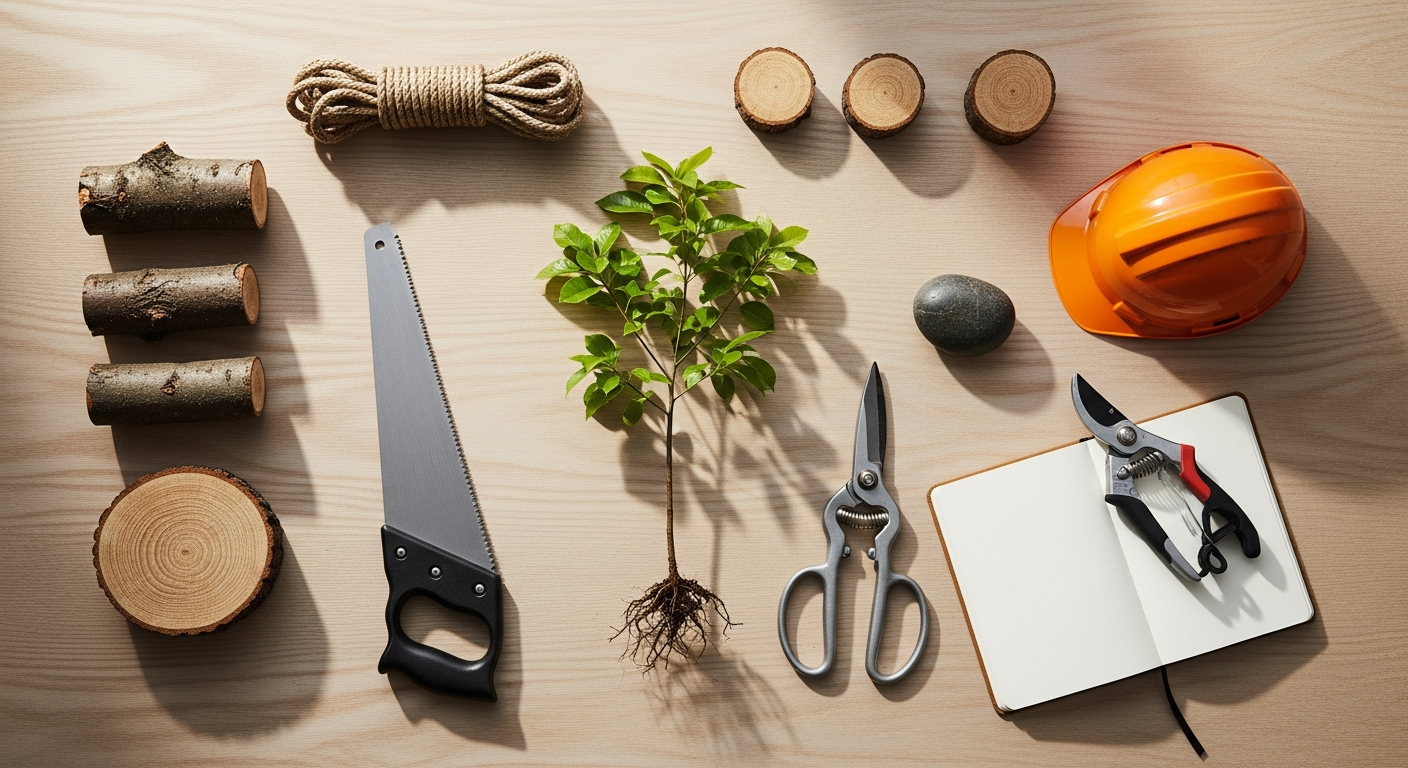
Furthermore, professional tree removal requires specialized, heavy-duty equipment that most homeowners simply don’t possess. This includes powerful chainsaws, chippers, stump grinders, cranes, aerial lifts, and safety gear like harnesses and hard hats. Attempting to remove a large tree with inadequate tools is not only inefficient but also extremely dangerous. Professionals also have the logistical expertise to handle large sections of wood, chip branches, and remove all debris, leaving your property clean and tidy. Improper tree removal can also leave behind unsightly stumps or create hazardous conditions in the soil. A professional service will often include stump grinding, which is crucial for preventing regrowth, deterring pests, and allowing you to reclaim your yard space. They also understand the nuances of tree biology, ensuring that the removal process doesn’t inadvertently harm surrounding vegetation or soil structure. When you hire a professional, you’re not just paying for someone to cut down a tree; you’re investing in a team with the knowledge, skills, equipment, and insurance to perform a dangerous job safely and efficiently, ensuring the best outcome for your property and your peace of mind.
Navigating the Process: What to Expect from a Reputable Tree Removal Service
Choosing to have a tree removed is a significant decision, and entrusting the task to the right professionals is paramount for ensuring safety, efficiency, and a positive outcome for your property. Just as you would meticulously research the best health practitioners or wellness coaches, selecting a reputable tree removal service requires careful consideration and an understanding of what to expect. Empowering yourself with knowledge about the process helps you make informed choices, ensuring your home and family are in capable hands.
The journey with a reputable tree removal service typically begins with a thorough consultation and assessment. A certified arborist or experienced professional will visit your property to evaluate the tree in question. They will assess its health, structural integrity, proximity to structures and utility lines, and overall risk level. During this initial visit, don’t hesitate to ask questions. A good professional will explain their findings clearly, discuss the recommended course of action (whether it’s removal, pruning, or cabling), and outline the specific challenges and procedures involved. They should provide a detailed, written estimate that itemizes costs for removal, stump grinding, debris hauling, and any other services. This is also the time to verify their credentials: ask for proof of licensing, insurance (liability and worker’s compensation), and certifications (such as ISA Certified Arborist). A reputable company will be transparent and proud to share this information, as it speaks to their professionalism and commitment to safety.
Once you’ve chosen a service and approved the estimate, the planning and execution phase begins. The company will schedule the removal at a convenient time, taking into account weather conditions and any necessary permits (which they can often assist you in obtaining). On the day of removal, expect a team of trained professionals to arrive with the necessary equipment, which might include chainsaws, chippers, ropes, harnesses, and potentially heavy machinery like cranes or aerial lifts for larger trees. Safety is their top priority, so they will often cordon off the work area and ensure all team members and bystanders are protected. The removal itself is typically a methodical process. For large trees, they will often remove it in sections, starting from the top and working their way down, carefully lowering limbs and trunk sections to the ground using ropes and rigging to prevent damage to your property. This controlled deconstruction is a testament to their skill and precision.
After the tree has been safely felled, the cleanup process is just as crucial. A reputable service will meticulously clear all branches, wood chips, and debris from your property. This usually involves feeding smaller branches into a wood chipper and hauling away larger logs. If you opted for stump grinding, they will grind the remaining stump down below ground level, leaving behind a pile of wood chips that can be used as mulch or removed. The goal is to leave your property cleaner than they found it, with no lingering mess or safety hazards. Throughout the entire process, clear communication should be maintained. The team leader should keep you informed of their progress and address any concerns you might have. By understanding these steps and knowing what to look for in a professional service, you can approach tree removal with confidence, knowing you’ve made an informed decision that prioritizes the health and safety of your cherished home environment.
Long-Term Wellness for Your Landscape: Post-Removal Care and Future Planning
The removal of a tree, while sometimes necessary, marks not an end but a new beginning for your landscape. Just as a thoughtful health regimen includes post-treatment care and preventative measures for long-term well-being, the area where a tree once stood requires careful attention and strategic planning to ensure the enduring health and vibrancy of your entire property. Professional tree removal services understand that their job extends beyond simply felling a tree; they offer crucial insights and services for the long-term wellness of your outdoor space, helping you cultivate a thriving environment for years to come.
One of the most important aspects of post-removal care is addressing the remaining stump. While some homeowners might choose to leave a stump, it can become a breeding ground for pests like termites and carpenter ants, or a host for fungal diseases that could spread to other plants. Moreover, an old stump can be an eyesore, a tripping hazard, and will prevent you from utilizing that space effectively. Professional stump grinding is the most effective solution. This process uses specialized machinery to grind the stump down several inches or even a foot below ground level, transforming it into a pile of wood chips. These chips can often be used as mulch in other areas of your garden, enriching the soil. Grinding the stump eliminates the potential for regrowth, removes pest habitats, and creates a clear, level area that can be replanted with grass, flowers, or a new tree, or even become the foundation for a new garden feature or patio area. This proactive step ensures that the removal site is fully integrated into your landscape’s future design.
Beyond stump removal, consider the impact on the surrounding soil and the potential for replanting. The soil where a large tree once stood may be compacted or depleted of certain nutrients. A professional arborist or landscaping consultant can assess the soil health and recommend amendments, such as compost or organic fertilizers, to restore its vitality. This is also an opportune time for strategic replanting. If you choose to plant a new tree, select a species that is appropriate for your climate, soil type, and the available space, considering its mature size to avoid future conflicts with structures or utility lines. Consider native species that support local wildlife and require less maintenance. Alternatively, you might decide to plant a vibrant flowerbed, a vegetable garden, or create an open lawn space. The removal of a large tree often opens up areas to more sunlight, which can dramatically change the microclimate of your yard. This increased light can be a boon for sun-loving plants that previously struggled in the shade, allowing you to diversify your plantings and create a more dynamic and flourishing garden. Thinking holistically about your landscape after tree removal ensures that your property doesn’t just recover but truly thrives, reflecting a balanced and nurturing approach to your outdoor sanctuary.
FAQ: Your Top Questions About Professional Tree Removal Answered
How do I know if a tree on my property needs to be removed?
There are several key indicators that a tree may need professional removal. Look for extensive dead branches (especially in the crown), deep cracks or splits in the trunk, significant leaning, signs of disease (like unusual growths, discolored leaves, or fungal outbreaks), hollow spots, or roots pushing up against your foundation or utility lines. If the tree has suffered severe storm damage or is growing too close to your home or power lines, it’s also a strong candidate for removal. When in doubt, it’s always best to consult a certified arborist for a professional assessment.
Is professional tree removal expensive?
The cost of professional tree removal varies widely depending on several factors: the tree’s size, species, location (e.g., proximity to structures or power lines), condition (diseased or dead trees can be more complex), and the complexity of the job. Access to the tree and whether stump grinding is included also play a role. While it can be a significant investment, the cost of professional removal is typically far less than the potential expenses of repairing damage caused by a falling tree or dealing with personal injury. Always obtain multiple quotes from licensed and insured companies for comparison.
What happens to the stump after the tree is removed?
After a tree is felled, a stump remains. Most professional tree removal services offer stump grinding as an additional service. Stump grinding involves using a specialized machine to grind the stump down several inches below ground level, converting it into wood chips. This eliminates the stump, prevents regrowth, removes potential pest habitats, and allows you to reclaim the space for new planting or landscaping. If you choose not to grind the stump, it will slowly decay over many years, potentially attracting pests and fungi.
How long does professional tree removal take?
The duration of a professional tree removal job depends greatly on the tree’s size, complexity, and location. A small, easily accessible tree might be removed in a few hours. A large, complex tree near structures or power lines, requiring intricate rigging and careful sectioning, could take a full day or even longer for multiple trees. A reputable company will provide an estimated timeline during their initial assessment.
Will tree removal damage my lawn or garden?
Professional tree removal services take extensive precautions to minimize damage to your property. They use specialized techniques, such as rigging and lowering branches, to prevent them from crashing down. They will often lay down protective mats or plywood to shield your lawn and landscaping from heavy equipment and falling debris. While some minor impact is almost unavoidable, especially with very large trees, a good company will prioritize property protection and clean up thoroughly afterward.
Are there any permits required for tree removal?
Permit requirements for tree removal vary significantly by municipality, county, and even by property type (e.g., private residential vs. commercial). Some areas require permits for trees above a certain size, specific species, or if the tree is located in a protected area or near public property. It’s crucial to check with your local city or county planning department before scheduling any removal. Many professional tree removal companies can assist you in understanding and applying for the necessary permits.
Recommended Resources
You might also enjoy Celebrity Eye Makeup Techniques from Celebrity Exchange.
Explore How To Create A Welcoming Home Atmosphere for additional insights.